Ayurveda’s Term for Sinusitis: Symptoms, Ayurvedic Treatments, Prevention, and Yoga for Sinus Relief
Author: Dr Sagar Rajkuwar, ENT Specialist, Nashik, Maharashtra, India
🌐 www.entspecialistinnashik.com
Ayurveda refers to sinusitis as either Pratishyaya (frequently related with nasal and upper respiratory problems) or Peenasa (particularly emphasizing persistent nasal discharge). Dushta Pratishyaya is the term for a persistent or chronic sinus infection. According to Ayurveda, this illness is a sign of an imbalance between the body’s Vata and Kapha doshas, which causes a buildup of mucus (Kapha) and toxins (Ama) that obstructs the respiratory pathways.

Traditional Treatments That Are Essential:
The most popular Ayurvedic treatment for sinus problems is Nasya Karma, which involves introducing herbal oils or powders (like Anu Tailam) into the nostrils to clear the nasal passages and remove mucus.
Steam inhalation: Typically involves using herbal decoctions such as Dasamula Kwath to clear the channels in the head.
Herbal Remedies: Tribhuvan Kirti Rasa, Sitopaladi Churna, and Haridrakhandam are examples of internal herbal remedies that are frequently used to calm the doshas and strengthen the immune system.
Table of contents
- Introduction
- What is sinusitis?
- In Ayurveda, what is sinusitis known as?
- Common Symptoms of Sinusitis
- Ayurvedic Reasons for Sinusitis
- Modifications in lifestyle to avoid sinusitis
- Foods That Help Relieve Sinus Symptoms
- Foods to Stay Away From During Sinusitis
- Ayurvedic at-home cures for sinusitis
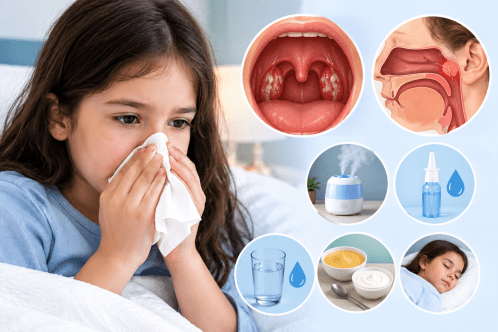
- Methods for inhaling steam
- Nasal Care and Saline Rinse
- Herbs from Ayurveda used to treat sinus issues
- Pranayama and Yoga for Sinusitis
- When to Consult a Physician
- Conclusion
- FAQ
Introduction
One of the most prevalent causes of nasal congestion, facial pressure, headache, thick mucus, and breathing difficulty is sinusitis. In Ayurveda, sinus-related illnesses are frequently attributed to an imbalance of Kapha and Vata doshas, which causes inflammation and mucus buildup in the nasal passages and sinus cavities.
During seasonal transitions, when exposed to pollution, during the winter, or when suffering from reoccurring allergies, many individuals look for all-natural methods to relieve sinus congestion. Sinusitis is described in Ayurveda under conditions like “Peenasa” and “Dushta Pratishyaya,” which are characterized by persistent nasal congestion, mucus buildup, and inflammation of the head area.
What Ayurveda refers to as sinusitis, potential causes, Ayurvedic lifestyle advice, home treatments, dietary recommendations, yoga techniques, and preventative measures that may aid in maintaining healthy sinuses naturally are all discussed in this article.
What is sinusitis?
Inflammation or enlargement of the sinus cavities around the nose, forehead, cheeks, and eyes is known as sinusitis.
These air-filled areas help:
- Air should be humidified.
- Enhance the resonance of your voice
- Lower the weight of the skull
- Drain mucus naturally
Mucus builds up and causes symptoms like: when the sinus openings are blocked by infection, allergies, pollution, or inflammation.
- stuffiness in the nose
- Pain in the face
- A headache
- Thick mucus
- Eye pressure
Sinusitis can be:
- Severe
- Chronic
- Allergic
- Recurring
In Ayurveda, what is sinusitis known as?
Common connections between sinusitis and Ayurveda include:
- Peenasa
- Dushta Pratishyaya
It is thought that these circumstances include exacerbation of:
- Kapha dosha (mucus buildup)
- Vata dosha (blockage and dryness)
Symptoms resembling contemporary sinusitis are described in Ayurvedic literature, such as:
- obstruction of the nose
- A headache
- Thick mucus
- Lowered sense of scent
- Facialness
An inadequate diet, exposure to cold, poor digestion (Agni imbalance), excessive consumption of foods that generate mucus, and environmental irritants can all cause sinus issues, according to Ayurvedic philosophy.
Common Symptoms of Sinusitis
Possible symptoms include:
- Nose that is blocked
- thick, yellow, or green mucus
- pressure on the face
- Headache in the forehead
- A headache
- The postnasal drip
- A cough
- Terrible breath
- lessened sense of smell
- Pressure in the ear
- Exhaustion
Additionally, some people may experience:
- Fever
- Pain in the teeth
- Throat ache
- Disruptions to sleep
Ayurvedic Reasons for Sinusitis
Ayurveda lists the following potential causes of sinus problems:
- An overabundance of Kapha
- Low Agni (digestion)
- being exposed to cold weather
- Contamination and dust
- terrible dietary practices
- An overabundance of dairy consumption
- Taking a nap during the day
- An inactive way of life
- Repeated respiratory illnesses
Chronic sinus irritation can also be brought on by environmental allergens.
Modifications in lifestyle to avoid sinusitis
Changes in one’s lifestyle can aid in alleviating recurring sinus problems.
- Beneficial practices include:
- Washing hands frequently
- Maintaining hydration
- Not smoking
- Wearing a mask in a contaminated environment
- treating a cold early on
- Having good sleep
- Regular exercise
- Keeping oneself away from extreme cold
Throughout the winter:
- Consume warm water.
- Steer clear of refrigerated foods.
- Keep the head and nose safe from cold air
Foods That Help Relieve Sinus Symptoms
Some warm and light meals may aid with sinus drainage.
Foods that are frequently advised include:
- soups served warm
- Ginger
- Garlic
- Holy basil, known as tulsi
- Turmeric
- Pepper, black
- Cinnamon
- Honey
- teas made with warm herbs
- Vegetables high in fiber
- Fruits in season
Recommendations for a traditional Ayurvedic meal include:
- Kichdi
- Pongal
- Vegetable broths that are warm
These foods may aid digestion and lessen the production of too much mucus.
Foods to Stay Away From During Sinusitis
Some foods may make congestion worse in those who are susceptible.
Foods that are frequently avoided include:
- Drinks that are chilled
- Ice cream
- Dairy surplus
- Fried foods
- processed meals
- too much sugar
- Alcohol
- Smoking
- Quick meals
Foods kept in the refrigerator - Surplus curd and banana
Foods that might cause allergies should be avoided by those with known allergies.
Ayurvedic at-home cures for sinusitis
1. Inhalation of Steam from Tulsi
Tulsi leaf steam inhalation can provide momentary relief from nasal congestion.
2. Ginger and honey
For soothing the throat and sinuses, honey is usually combined with warm ginger juice.
.
3. Milk with turmeric
Curcumin, which may possess anti-inflammatory effects, is found in turmeric.
4. Honey and Garlic
In traditional medicine, garlic is frequently used to treat respiratory issues.
5. Fenugreek decoction
During congestion, warm fenugreek water is occasionally consumed.
6. Warm Salt Water Gargles
May help relieve throat irritation caused by postnasal drip.
Methods for inhaling steam
Steam inhalation may briefly increase airflow via the nose.
Typical additions include:
- oil from eucalyptus
- Mint leaves
- Tulsi
- Oil of clove
Important:
Don’t expose yourself to too much heat or burns.
Steam therapy should only be used on youngsters while they are under adult supervision.
Nasal Care and Saline Rinse
Rinsing your nose with saltwater may be beneficial:
- get rid of the mucus
- Hydrate the nasal passages
- Improve drainage.
A basic saline rinse can consist of:
- Sterile water at a warm temperature
- Salt
Use only water that has been sterilized, boiled, or cleaned.
Herbs from Ayurveda used to treat sinus issues
Herbs that have been used traditionally include:
- Tulsi
- Turmeric
- Ginger
- Licorice
- Pepper
- cinnamon
- Mint
- Garlic
A few Ayurvedic oils that are sometimes used under expert supervision are listed below:
- Taila Anu
- Tail of Shadbindu
Prior to using herbal nasal treatments, speak with a licensed Ayurvedic professional.
Pranayama and Yoga for Sinusitis
It’s possible that practicing breathing exercises will help you relax and breathe better through your nose.
Typical procedures include:
- Pranayama
- Kapalabhati
- Anuloma Vilom
- Contemplation
Some suggested yoga positions include:
- Bhujangasana
- Dhanurasana
- Halasana
- Matsyasana
- Shavasana
Yoga should be practiced with caution and ideally under the guidance of a qualified instructor.
When to consult a physician
Get medical care if you have any of the following symptoms:
- Elevated temperature
- Extreme edema of the face
- Changes in eyesight
- Ongoing symptoms
- Breathing problems
- Reoccurring sinus infections
- Symptoms lasting more than ten days
A medical examination, imaging, allergy testing, or ENT consultation may occasionally be necessary to treat chronic sinusitis.
A persistent nasal blockage should never be disregarded by an ENT specialist since it may require expert care due to nasal polyps, a deviated septum, allergies, or chronic infection.
Conclusion
Sinusitis is frequently linked to illnesses like Peenasa and Dushta Pratishyaya in Ayurveda, which are thought to be brought on by an imbalance of Kapha and Vata. Traditional Ayurvedic techniques emphasize sustaining lifestyle balance, promoting nasal drainage, lowering mucus buildup, and enhancing digestion.
Severe or chronic sinusitis needs a thorough medical examination, while mild symptoms can often be alleviated by at-home treatments and preventative measures. Many people may be able to better manage their sinus symptoms by combining current medical treatment with healthy lifestyle choices.
FAQs
Q1. In Ayurveda, what is sinusitis known as?
Ayurveda typically refers to sinusitis as Peenasa or Dushta Pratishyaya.
Q2.According to Ayurveda, what are the causes of sinusitis?
According to Ayurveda, sinusitis is caused by Kapha imbalance, mucus buildup, bad digestion, exposure to cold, and environmental irritants.
Q3. Is steam inhalation beneficial for sinusitis?
Steam inhalation can momentarily relieve nasal congestion and facilitate mucus drainage.
Q4. Does turmeric help relieve sinus congestion?
Due to its anti-inflammatory properties, turmeric may help promote respiratory health.
Q5. What foods should be avoided when you have sinusitis?
Some people’s congestion may be exacerbated by refrigerated goods, processed meals, too much dairy, fried meals, and cold beverages.
Q6. Is yoga beneficial for sinusitis?
Yoga and specific breathing techniques can help you relax and improve your nasal airflow.
Q7.When should I consult a doctor about my sinusitis?
If symptoms are severe, recurring, persistent, or accompanied by fever, edema, or respiratory distress, seek medical attention.
Q8. Can chronic sinusitis be treated?
In many cases, medical care, lifestyle modifications, allergy management, and occasionally surgery are all that is necessary for effective treatment.
Medical Disclaimer
This article is intended for educational and informational purposes only and should not be considered medical advice, diagnosis, or treatment. Ayurvedic remedies and home treatments may not be suitable for everyone and should not replace professional medical evaluation. Individuals with severe sinus symptoms, persistent infections, breathing difficulty, fever, allergies, or underlying medical conditions should consult a qualified healthcare professional or ENT specialist before starting any treatment or herbal remedy.
📚 References
- World Health Organization (WHO) – Traditional Medicine
- National Center for Complementary and Integrative Health (NCCIH)
- Cleveland Clinic – Sinusitis Overview
- Mayo Clinic – Chronic Sinusitis
- National Health Service (NHS) – Sinusitis