
What Is a Red Flag for Sinusitis? 10 Warning Signs to Know
By Dr. Sagar Rajkuwar, ENT Specialist, Nashik, Maharashtra, India
🌐 www.entspecialistinnashik.com
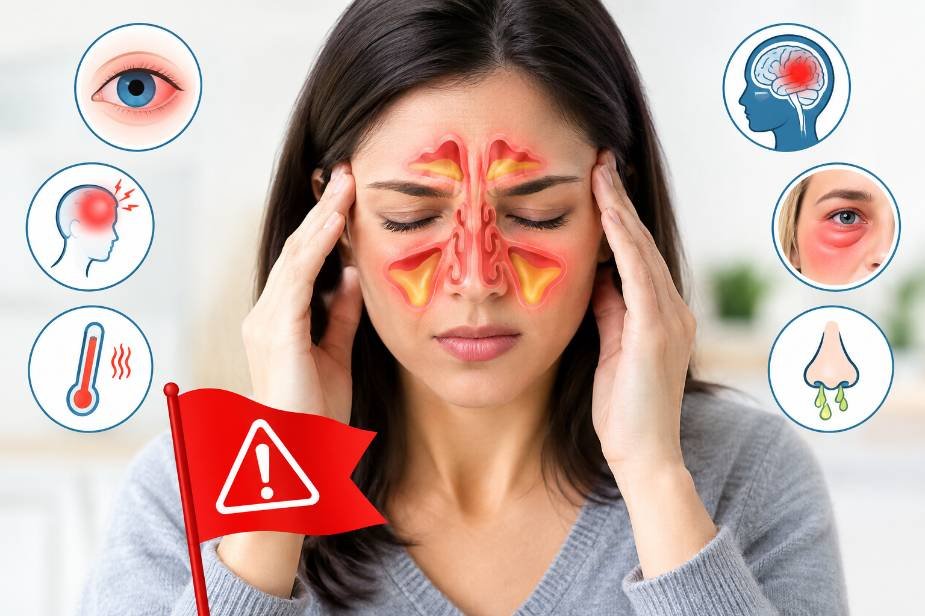
Sinusitis is one of the most common ENT problems, affecting people of all ages. In most cases, sinusitis is mild and improves with home care or short-term medication. However, certain warning signs—called red flags—indicate that sinusitis may be serious and requires urgent medical attention.
Ignoring these red flags can lead to dangerous complications involving the eyes, brain, or bloodstream. Knowing when sinus symptoms are no longer “routine” can be life-saving.

This article explains what red flags for sinusitis are, why they matter, and when you should see a doctor immediately.
Table of Contents
-
What Is Sinusitis?
-
What Does “Red Flag” Mean in Sinusitis?
-
Common Symptoms vs Red-Flag Symptoms
-
Severe Headache – A Major Red Flag
-
High Fever and Chills
-
Swelling Around the Eyes or Face
-
Vision Changes and Eye Pain
-
Confusion, Drowsiness, or Neurological Symptoms
-
Persistent or Worsening Symptoms After 10 Days
-
Severe Facial Pain or Tenderness
-
Repeated Vomiting or Severe Nausea
-
Red Flags in Children With Sinusitis
-
Sinusitis Red Flags in High-Risk Patients
-
Possible Complications of Ignoring Red Flags
-
When to See an ENT Specialist
-
Key Takeaway
- Quick Sinusitis Red-Flag Checklist
- Frequently Asked Questions
1. What Is Sinusitis?
Sinusitis is the inflammation or infection of the sinuses, which are air-filled spaces located around the nose, eyes, and forehead. It often develops after:
-
A common cold
-
Allergic rhinitis
-
Nasal blockage (deviated nasal septum, nasal polyps)
Types of Sinusitis
-
Acute sinusitis – lasts up to 10 days
-
Subacute sinusitis – lasts 10 days to 12 weeks
-
Chronic sinusitis – lasts more than 12 weeks
-
Recurrent sinusitis – repeated episodes each year
Most cases are uncomplicated and improve with treatment. Red flags suggest complications or severe infection.
2. What Does “Red Flag” Mean in Sinusitis?
A red flag is a symptom or sign that indicates:
-
The infection may be spreading
-
There is a risk of serious complications
-
The condition is no longer simple sinusitis
Red flags signal the need for urgent medical evaluation, imaging, or hospitalization.
3. Common Symptoms vs Red-Flag Symptoms
Common Sinusitis Symptoms
-
Blocked or stuffy nose
-
Facial pressure
-
Thick nasal discharge
-
Mild headache
-
Reduced smell
Red-Flag Symptoms
-
Eye swelling or vision changes
-
Severe headache
-
High fever
-
Confusion or drowsiness
-
Severe facial swelling
What Is the Most Important Sinusitis Red Flag?
Typically, the most crucial warning signals are those pertaining to the eyes, brain, or the patient’s general health quickly declining. Because certain sinuses are adjacent to the orbit and the skull base, sinus infections may sometimes spread outside of the sinus cavities.
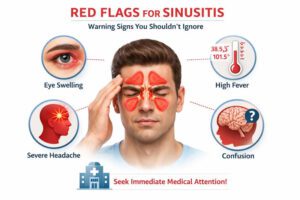
If sinus symptoms are accompanied by swelling or redness around the eye, discomfort when the eye moves, double vision, decreased vision, a bulging eye, severe or unusual headache, confusion, decreased consciousness, seizures, or other new neurological symptoms, seek immediate medical attention. These discoveries may be linked to orbital or intracranial problems and shouldn’t be handled at home like a simple sinus infection.
4. Severe Headache – A Major Red Flag
A typical sinus headache causes dull pressure. A red-flag headache is different.
🚩 Warning signs include:
-
Very severe or worsening headache
-
Headache not relieved by painkillers
-
Headache with vomiting or confusion
This may indicate intracranial involvement, such as meningitis or brain abscess.
When Is a Sinus Headache More Concerning?
Although sinusitis may cause sinus pressure, not all headaches that develop while you have a cold are due to your sinuses. A headache is more alarming if it is extreme, worsens quickly, is unique from prior headaches, or is accompanied by ocular or neurological symptoms.
See a doctor right away if your severe headache is accompanied by:
- Puzzle
- less vigilance
- Fits
- stiff neck
- Changes in eyesight
- Swelling of the eye
- frequent throwing up
- Speaking is now more difficult or weak.
Beyond straightforward sinusitis, these symptoms necessitate evaluation for other disorders.
5. High Fever and Chills
Mild fever can occur with sinusitis, but persistent high fever is dangerous.
🚩 Red-flag fever signs:
-
Fever above 38.5°C (101.5°F)
-
Fever lasting more than 3–4 days
-
Fever despite antibiotics
This suggests bacterial infection or systemic spread.
Avoid presenting one specific temperature as an automatic emergency. Explain that persistent or significant fever together with worsening illness or other red flags deserves medical assessment.
6. Swelling Around the Eyes or Face
This is one of the most serious red flags in sinusitis.
🚩 Watch for:
-
Swelling of eyelids
-
Redness around the eyes
-
Facial swelling on one side
These symptoms may indicate orbital cellulitis, which is a medical emergency.
Why Is Eye Swelling a Sinusitis Emergency?
Between the eyes and the nose are the ethmoid sinuses. Infection in this location might extend to tissues around or inside the orbit.
Warning indications include:
- A new redness or edema of the eyelid
- Pain while moving the eye
- limited eye motions
- Double eyesight
- Decreased vision acuity
- protrusion of the eye
- Serious headache with eye problems
Intracranial problems may be present along with orbital cellulitis, which can also be a threat to vision. Therefore, severe eye issues should be assessed right once rather than merely treated with home treatments.
7. Vision Changes and Eye Pain
Sinus infections near the eyes can affect vision.
🚩 Red-flag eye symptoms:
-
Blurred vision
-
Double vision
-
Pain on moving the eyes
-
Bulging of the eye
Any vision change requires immediate ENT or ophthalmology consultation.
8. Confusion, Drowsiness, or Neurological Symptoms
Sinusitis can rarely spread to the brain.
🚩 Neurological red flags:
-
Confusion or altered behavior
-
Excessive sleepiness
-
Seizures
-
Difficulty speaking
These symptoms suggest meningitis or brain infection and need urgent care.
Can Sinusitis Affect the Brain?
Yes, despite the infrequency of severe intracranial problems. It is uncommon for an infection to spread from the paranasal sinuses to the inside of the skull. Meningitis, brain abscess, epidural or subdural infection, and cavernous sinus thrombosis are among the difficulties that have been reported.
Fever, vomiting, confusion, excessive sleepiness, convulsions, neck stiffness, weakness, speech impairment, or other neurological alterations in conjunction with a severe or unusual headache need immediate medical attention. In kids, a high headache, seizures, photophobia, or focal neurological findings are particularly worrisome for an intracranial complication.
9. Persistent or Worsening Symptoms After 10 Days
Most viral sinus infections improve within 7–10 days.
🚩 Red flags include:
-
Symptoms lasting longer than 10 days
-
Symptoms worsening after initial improvement
-
Thick yellow or green nasal discharge with pain
This often indicates bacterial sinusitis.
Does Green or Yellow Nasal Mucus Mean I Need Antibiotics?
Not necessarily.
The color of mucus cannot be used to differentiate between a bacterial and a viral infection, as it might become yellow or green during a respiratory infection. Based on the comprehensive clinical pattern, duration, severity, and development of symptoms, antibiotic choices should be made.
A typical clinical pattern indicative of acute bacterial rhinosinusitis is persistent symptoms without improvement, severe symptoms such as high fever with purulent nasal discharge or facial pain for several consecutive days, or worsening symptoms after an initial period of improvement.
Therefore, patients should not start antibiotics simply because their nasal mucus has changed color.
What Does “Worse After Getting Better” Mean?
A person may seem to be getting better from a viral upper-respiratory illness before getting much worse. The term “double worsening” is occasionally used to describe this pattern.
For instance, symptoms like cough, facial pressure, nasal congestion, or discharge might initially get better before returning much worse. Due to the possibility of secondary bacterial rhinosinusitis, a worsening facial discomfort, rising nasal symptoms, or a new or growing fever should be evaluated medically during this second phase.
Crucial Antibiotic Point
Sinusitis does not always need to be treated with antibiotics. Viral respiratory infections are frequently linked to acute sinus infections, which improve without the need for antibiotics. Antimicrobial resistance and negative consequences might result from needless antibiotic usage.
A qualified clinician should determine the antibiotic and length of treatment for suspected bacterial sinusitis based on the patient’s age, allergies, medical history, severity of illness, prior antibiotic exposure, and local treatment recommendations.
10. Severe Facial Pain or Tenderness
Mild facial pressure is common, but red flags include:
-
Severe localized pain
-
Facial redness and warmth
-
Pain increasing rapidly
This may indicate abscess formation or bone infection.
11. Repeated Vomiting or Severe Nausea
Vomiting is not typical in sinusitis.
🚩 Concern arises if:
- Severe headache
- Fever
- Confusion
- Neurological symptoms
This may indicate raised intracranial pressure.
12. Red Flags in Children With Sinusitis
Children may not express symptoms clearly.
🚩 Pediatric warning signs:
-
- Eye swelling
- High or persistent fever
- Lethargy
- Irritability
- Poor feeding
- Vomiting
- Neurological symptoms
Parents should seek immediate medical advice if these appear.
13. Sinusitis Red Flags in High-Risk Patients
Extra caution is needed in:
-
Diabetics
-
Immunocompromised patients
-
Cancer patients
-
People on long-term steroids
In these individuals, sinusitis can progress rapidly and become life-threatening.
Who May Need Earlier Medical Assessment?
Patients with disorders that can heighten the risk of severe infection or consequences, such as severe immunosuppression and several significant underlying medical conditions, may benefit from a lower threshold for medical assessment.
Furthermore, children need special consideration since orbital problems, particularly in younger children, might arise with sinusitis. In a youngster, eye edema, proptosis, restricted eye movement, or neurological symptoms need to be evaluated right away by a doctor.
14. Possible Complications of Ignoring Red Flags
Ignoring red-flag symptoms can lead to:
-
Orbital cellulitis – risk of vision loss
-
Brain abscess
-
Meningitis
-
Cavernous sinus thrombosis
These conditions require hospital treatment and IV antibiotics.
Do All Sinusitis Red Flags Mean There Is a Complication?
No.
A red flag indicates that a potentially dangerous condition needs to be evaluated and taken into account. It does not instantly signify that orbital cellulitis, a brain infection, or any other complication is present.
To determine whether the infection has spread outside the sinuses, doctors may utilize the history and physical examination, as well as imaging or specialist evaluation if required. Although imaging is usually not necessary for uncomplicated acute sinusitis, it is essential when orbital or intracranial issues are suspected.
15. When to See an ENT Specialist
Consult an ENT doctor immediately if you experience:
-
Eye swelling or vision problems
-
Severe headache with fever
-
Confusion or drowsiness
-
Facial swelling or redness
-
Symptoms worsening despite treatment
Early intervention prevents complications.
What Should You Do If a Sinusitis Red Flag Appears?
If there is vision loss or double vision, significant eye swelling, a bulging eye, severe headache with neurological symptoms, confusion, seizures, marked drowsiness, or rapidly progressive facial or eye swelling, seek urgent medical care rather than waiting for routine improvement.
Depending on the degree of severity, a suitable setting is necessary. When there are visual or neurological symptoms, an immediate assessment may be needed. The findings may necessitate the participation of an ophthalmologist, emergency physician, ENT specialist, or other qualified medical team.
16. Key Takeaway
Most sinus infections are harmless, but red flags should never be ignored.
🚩 Remember:
-
Eye swelling, vision changes, confusion, severe headache, and high fever are danger signs
-
Prompt ENT evaluation can save vision and life
-
When in doubt, seek medical help immediately
17. Quick Sinusitis Red-Flag Checklist
Seek urgent medical assessment for:
- 🚩 Redness or swelling of the eyes
- 🚩 Discomfort when moving the eyes
- 🚩 Decreased or double vision
- 🚩 Eye protrusion
- 🚩 A rapidly intensifying or severe headache
- 🚩 Confusion or lessened consciousness
- 🚩 Attacks
- 🚩 New neurological signs
- 🚩 Significant facial swelling
- 🚩 Quick clinical degradation
- 🚩 A youngster who has eye or neurological symptoms and is seriously ill
Never pass off symptoms that affect the eyes, brain, or quickly declining general health as a typical sinus infection, though most sinusitis is straightforward.
Remember
Most sinusitis is uncomplicated, but symptoms involving the eyes, brain, or rapidly worsening general condition require prompt medical assessment.
18. Frequently Asked Questions
What are the emergency warning signs of sinusitis?
Eye swelling, vision changes, severe or rapidly worsening headache, confusion, seizures, marked drowsiness, and rapidly progressive facial swelling can be warning signs requiring urgent medical assessment.
Can sinusitis cause swelling around the eye?
Yes. Infection involving the sinuses around the eye can sometimes cause eyelid or facial swelling. Significant swelling, eye pain, restricted eye movement, bulging of the eye, or vision changes require urgent evaluation.
Can a sinus infection spread to the brain?
Rarely, a severe sinus infection can spread beyond the sinuses and cause complications such as meningitis, brain abscess, or other intracranial infections. Severe headache with neurological symptoms requires urgent medical attention.
Is a severe headache a red flag for sinusitis?
A severe, rapidly worsening, or unusual headache is more concerning when it occurs with fever, vomiting, confusion, neck stiffness, neurological symptoms, or eye problems.
Does green or yellow mucus mean bacterial sinusitis?
Not necessarily. Green or yellow nasal discharge alone does not prove that a sinus infection is bacterial. The duration, severity, pattern of symptoms, and whether symptoms worsen after initial improvement are also important.
What does “double worsening” mean in sinusitis?
Double worsening means sinus symptoms initially begin to improve but then become noticeably worse again. This pattern can be associated with acute bacterial rhinosinusitis and should be assessed in the context of the complete clinical picture.
Are antibiotics always needed for sinusitis?
No. Many acute sinus infections are associated with viral respiratory infections and improve without antibiotics. Antibiotic treatment should be considered by a qualified clinician when bacterial sinusitis is suspected.
When should I go to the emergency room for sinusitis?
Seek urgent medical or emergency assessment for vision changes, significant eye swelling, a bulging eye, severe headache with neurological symptoms, confusion, seizures, marked drowsiness, or rapidly worsening facial or orbital swelling.
Can sinusitis cause vision problems?
Complications involving the tissues around the eye can affect vision. Blurred or reduced vision, double vision, eye pain with movement, or a bulging eye should be assessed urgently.
When should a child with sinusitis see a doctor urgently?
A child with sinusitis should receive prompt medical assessment if there is significant swelling around the eye, vision changes, persistent or severe fever, unusual drowsiness, irritability, repeated vomiting, seizures, or other neurological symptoms.
Do all sinusitis red flags mean there is a serious complication?
No. A red flag does not prove that a complication is present. It means that a potentially serious problem needs to be considered and evaluated promptly.
📞 ENT Consultation
Dr. Sagar Rajkuwar, MS-ENT
Prabha ENT Clinic, Ambad, Nashik, Maharashtra, India
Phone: 7387590194 | 9892596635
Clinic website: ENT Specialist in Nashik
Chandler Classification: How Doctors Grade the Orbital Red Flag for Sinusitis
When an eye-related red flag for sinusitis appears, ENT specialists and ophthalmologists use the Chandler classification (1970), still cited by the IDSA and the Brazilian Journal of Otorhinolaryngology 2023 review. It groups orbital complications of acute rhinosinusitis into five escalating stages, each with its own urgency, imaging and management.
- Stage I – Preseptal (Periorbital) Cellulitis: inflammation of the eyelid in front of the orbital septum. Eye movements, pupil reaction and vision remain normal. Oral or IV antibiotics usually suffice.
- Stage II – Orbital Cellulitis: diffuse inflammation of orbital fat with proptosis, pain on eye movement and chemosis. Requires admission, IV antibiotics and urgent contrast CT scan of the paranasal sinuses and orbit.
- Stage III – Subperiosteal Abscess: pus between the orbital bone and the periorbita, usually along the medial wall from the ethmoid sinus. Often needs endoscopic sinus surgery and abscess drainage.
- Stage IV – Orbital Abscess: collection inside the orbital contents, with severe proptosis, ophthalmoplegia and reduced visual acuity. Emergency surgical drainage is required to save sight.
- Stage V – Cavernous Sinus Thrombosis: infection spreads to the cavernous sinus, producing bilateral eye signs, cranial-nerve palsies (III, IV, V1, V2, VI) and sepsis. Mortality remains 20–30% even with modern IV antibiotics and anticoagulation.
Knowing which stage a patient is in helps determine whether oral antibiotics, admission for IV antibiotics, imaging or emergency surgery is needed — and reinforces why any orbital red flag for sinusitis must be assessed on the same day it appears.
Intracranial Complications: The Most Dangerous Red Flag for Sinusitis
Although rare, sinus infection can spread upward through valveless veins and bone to reach the brain. The Merck Manual, AAP and multiple 2023 case series describe the main intracranial complications of acute rhinosinusitis:
- Epidural abscess — the most common intracranial complication, usually behind the frontal bone.
- Subdural empyema — rapidly progressive with fever, headache, seizures and focal neurological deficit.
- Meningitis — neck stiffness, photophobia, altered consciousness.
- Brain (parenchymal) abscess — mass effect, raised intracranial pressure, focal signs.
- Pott’s puffy tumor — forehead swelling due to frontal bone osteomyelitis, often an early clue to underlying intracranial infection, especially in adolescents.
- Cavernous or superior sagittal sinus thrombosis — bilateral eye signs, cranial-nerve palsy, and sepsis.
A JAMA 2023 cohort of nearly 200,000 patients highlighted that although complication rates are below 1%, mortality and long-term neurological morbidity remain significant when a red flag for sinusitis is overlooked. Children, immunocompromised adults, people with diabetes and post-COVID or post-transplant patients are at particular risk.
When Imaging Is Needed for a Red Flag for Sinusitis
Routine imaging is NOT recommended for uncomplicated acute sinusitis by the American College of Radiology (ACR), IDSA, AAP, NICE or the CDC. Imaging is reserved for suspected complications. Specific scenarios in which imaging is indicated include:
- Any orbital sign — swelling, proptosis, limited eye movement, double vision, reduced acuity.
- Severe or atypical headache, seizures, altered consciousness, or focal neurological signs.
- Forehead swelling (possible Pott’s puffy tumor).
- Suspected invasive fungal rhinosinusitis in immunocompromised, diabetic or post-COVID patients.
- Treatment failure after 72 hours of appropriate antibiotics.
- Recurrent (≥4 episodes/year) or chronic (>12 weeks) symptoms needing surgery planning.
Contrast-enhanced CT of the paranasal sinuses, orbit and brain is the first-line modality for suspected orbital or intracranial complications. MRI with contrast is preferred for suspected intracranial, cavernous sinus or soft-tissue extension.
Hospital Management of a Severe Red Flag for Sinusitis
When red flags appear, hospital-based treatment is standardized by the IDSA and the European Position Paper on Rhinosinusitis and Nasal Polyps (EPOS 2020/2024):
- Admission and intravenous broad-spectrum antibiotics (e.g., ceftriaxone + metronidazole, or vancomycin + ceftriaxone if MRSA risk).
- Nasal decongestants, intranasal saline, head elevation and analgesia.
- Urgent imaging and multidisciplinary review (ENT, ophthalmology, neurosurgery as appropriate).
- Prompt surgical drainage for subperiosteal abscess, orbital abscess or intracranial abscess.
- Thromboprophylaxis for cavernous sinus thrombosis under specialist supervision.
- Blood cultures, nasal swab for culture and sensitivity, and review of any underlying immunodeficiency.
High-Risk Groups and the Red Flag for Sinusitis
Certain groups progress to complications faster and need a lower threshold for emergency assessment:
- Children under 10 years — thinner bony walls and valveless Breschet veins allow faster orbital spread.
- Diabetics — higher risk of invasive fungal sinusitis (mucormycosis), especially after ketoacidosis or COVID-19.
- Patients on chemotherapy, biologics or long-term steroids.
- Transplant recipients and advanced HIV.
- Pregnant women — physiologic nasal congestion plus limited drug choices mean red flags must be caught early.
- Patients with cystic fibrosis, primary ciliary dyskinesia or severe allergic disease.
Invasive Fungal Sinusitis – A Rare but Life-Threatening Red Flag for Sinusitis
Acute invasive fungal rhinosinusitis (mostly Mucormycosis or Aspergillosis) is a surgical emergency, with mortality still 40–80% despite aggressive treatment. The CDC and ICMR flagged a sharp rise in cases during the second wave of COVID-19 in India (2021). Warning features include:
- Nasal pain disproportionate to findings, black crusts or necrotic nasal mucosa.
- Facial numbness, swelling or discoloration.
- Rapidly progressive eye signs with loss of vision.
- Diabetes (especially uncontrolled or with ketoacidosis), neutropenia or recent steroid use.
Any of these in a vulnerable patient must trigger immediate ENT and infectious-disease review, surgical debridement and systemic antifungal therapy (liposomal amphotericin B, isavuconazole, or posaconazole).
Home Monitoring: What to Watch Each Day
Most patients with acute sinusitis can safely recover at home. However, families should know what to look for on each day:
- Day 1–3: expect worsening congestion, mild headache, low-grade fever. Rest, hydrate, use saline sprays and simple analgesics.
- Day 4–6: improvement should start. Call your doctor if symptoms are getting worse rather than better.
- Day 7–10: most viral infections are nearly resolved. Persistent severe symptoms suggest bacterial sinusitis.
- Day 10+: If any eye swelling, severe headache, confusion or facial swelling appears — this is a red flag for sinusitis and demands urgent review.
Prevention: Reducing the Chance of a Red Flag for Sinusitis
- Hand hygiene and influenza / COVID / pneumococcal vaccination (CDC and WHO recommend annual flu and age-appropriate pneumococcal vaccines).
- Treat allergic rhinitis with intranasal corticosteroids and antihistamines.
- Avoid smoking and secondhand smoke, which impair mucociliary clearance.
- Keep diabetes, HIV and other immunocompromising conditions well controlled.
- Use isotonic nasal saline irrigation (Neti pot or squeeze bottle) with distilled or previously boiled water during colds and allergy flares.
- Humidify indoor air during dry Nashik winters and polluted periods.
- Address structural issues such as deviated septum or nasal polyps surgically if medical therapy fails.
Expanded FAQ on the Red Flag for Sinusitis
How quickly can orbital cellulitis develop from sinusitis?
In some cases, within 24–48 hours. Any eye swelling, pain on movement or vision change during a sinus infection should be treated as a red flag for sinusitis and taken straight to an emergency department.
Can sinusitis cause a stroke?
Rarely, cavernous sinus thrombosis or septic emboli can produce stroke-like events. New facial weakness, speech problems or limb weakness during a sinus infection warrants emergency assessment.
What is Pott’s puffy tumor?
It is forehead swelling due to osteomyelitis of the frontal bone, usually in teenagers with frontal sinusitis. It is often linked to an underlying epidural abscess and needs immediate imaging and surgery.
Can COVID-19 trigger a red flag for sinusitis?
Yes. Post-COVID mucormycosis, especially in diabetics who received steroids, became a recognized emergency during 2020–2022. New black crusts in the nose, facial numbness or sudden eye pain in such patients need urgent evaluation.
Is paracetamol or ibuprofen safer during severe sinusitis?
Both can relieve pain and fever. Ibuprofen should be avoided in dehydration, kidney disease or pregnancy (third trimester). Paracetamol is generally safer in those situations.
How long are IV antibiotics usually given for a complicated red flag for sinusitis?
Typically 2–6 weeks depending on the complication, response and imaging, often followed by oral antibiotics for an additional 2–4 weeks. Infectious disease input is standard.
Key Takeaway on the Red Flag for Sinusitis
- Most sinus infections are self-limited and need only supportive care.
- Any eye, brain or systemic warning sign is a red flag for sinusitis and must be seen the same day.
- Children, diabetics and immunocompromised patients deserve a lower threshold for review.
- Prompt imaging, IV antibiotics and sometimes surgery can save sight and life.
- Prevention through vaccination, allergy control and good nasal hygiene reduces the risk.
Medical Disclaimer
Medical Disclaimer: This article is for general educational purposes only and does not replace professional medical advice, diagnosis, or treatment. Seek urgent medical care for severe or rapidly worsening symptoms, especially vision changes, eye swelling, confusion, seizures, or severe headache with fever.
📲 For Health-Related Articles & Videos
🔹 Facebook: https://www.facebook.com/positivemind.healthcare
🔹 YouTube: http://www.youtube.com/@healthuseful8539/
Medical References
- IDSA – Clinical Practice Guideline for Acute Bacterial Rhinosinusitis in Children and Adults — useful for the distinction between persistent, severe and worsening illness and for antibiotic-related information.
- Merck Manual Professional Edition – Sinusitis — useful for complications such as orbital cellulitis, cavernous sinus thrombosis, meningitis and intracranial abscesses, as well as their clinical manifestations.
- Merck Manual Professional Edition – Orbital Cellulitis — particularly useful for eye-movement pain, reduced vision, proptosis and orbital complications.
- American Academy of Pediatrics guidance summarized by AAFP — useful for pediatric orbital and intracranial complications and indications for imaging when complications are suspected.
🔗 Sinus Related Articles (Internal Links)
🤧 Sinus Headache & Symptoms
- https://healthuseful.com/sinus-headache-symptoms/
- https://healthuseful.com/sinus-headache-symptoms-one-side/
- https://healthuseful.com/sinus-headache-symptoms-right-side/
- https://healthuseful.com/sinus-headache-back-of-head/
- https://healthuseful.com/sinus-headache-symptoms-home-remedies/
- https://healthuseful.com/how-to-rid-of-a-sinus-infection-headache/
🦠 Sinus Infection Treatment
- https://healthuseful.com/how-to-get-rid-of-a-sinus-infection-in-24-hours/
- https://healthuseful.com/how-to-get-rid-of-sinus-infection-without-antibiotics/
- https://healthuseful.com/what-kills-a-sinus-infection-naturally/
- https://healthuseful.com/sinus-headache-tablet/
- https://healthuseful.com/how-do-doctors-drain-sinuses-without-surgery/
- https://healthuseful.com/signs-of-sinus-infection-getting-better/
- https://healthuseful.com/signs-of-sinus-infection-getting-better-with-antibiotics/
⚠️ Serious Conditions & Warning Signs
- https://healthuseful.com/end-stages-of-a-sinus-infection/
- https://healthuseful.com/how-to-tell-if-sinus-infection-has-spread-to-brain/
- https://healthuseful.com/how-to-tell-if-sinus-infection-has-spread-to-bone/
- https://healthuseful.com/what-is-a-red-flag-for-sinusitis/
- https://healthuseful.com/when-to-go-to-ae-with-sinusitis/
👁️ Related Symptoms & Complications
- https://healthuseful.com/can-a-sinus-infection-cause-eye-pain/
- https://healthuseful.com/can-sinusitis-affect-your-ears/
- https://healthuseful.com/can-sinus-infection-cause-hair-loss/
- https://healthuseful.com/symptoms-of-perforated-sinus-after-tooth-extraction/
🧠 Causes, Triggers & Misdiagnosis
- https://healthuseful.com/what-triggers-sinusitis-headaches/
- https://healthuseful.com/what-can-be-mistaken-for-a-sinus-infection/
- https://healthuseful.com/what-mimics-sinus-issues/
- https://healthuseful.com/what-can-worsen-a-sinus-infection/
🧬 Nutrition & Deficiency
- https://healthuseful.com/what-vitamin-deficiency-causes-sinus-headaches/
- https://healthuseful.com/what-vitamin-deficiency-causes-sinusitis/
- https://healthuseful.com/what-deficiency-causes-sinusitis/
📘 General Sinus Knowledge
- https://healthuseful.com/what-are-the-four-cardinal-signs-of-sinusitis/
- https://healthuseful.com/is-a-sinus-infection-contagious-with-fever/
- https://healthuseful.com/can-you-smell-a-fungal-sinus-infection/
- https://healthuseful.com/sinusitis-in-hindi/
💰 Treatment & Surgery
- https://healthuseful.com/cost-of-sinus-surgery-in-india/
- https://healthuseful.com/how-to-cure-sinus-permanently/
🧒 Special Cases
🔍 Rare Conditions
🔗 Related Articles on Nasal Polyps (ENT Expert Guides)
For detailed, evidence-based information, explore the following articles:
https://healthuseful.com/can-nasal-polyps-turn-cancerous/
https://healthuseful.com/can-nasal-polyps-affect-the-brain/
https://healthuseful.com/what-are-the-symptoms-of-cancerous-nasal-polyps/
https://healthuseful.com/when-to-worry-about-nasal-polyp/
https://healthuseful.com/what-happens-if-nasal-polyps-untreated/
https://healthuseful.com/number-one-cause-of-nasal-polyps/
https://healthuseful.com/how-to-stop-polyp-growth/
https://healthuseful.com/can-nasal-polyps-cause-heart-problems/
https://healthuseful.com/how-to-cure-nasal-polyps-permanently/
https://healthuseful.com/can-ent-see-nasal-polyps/


