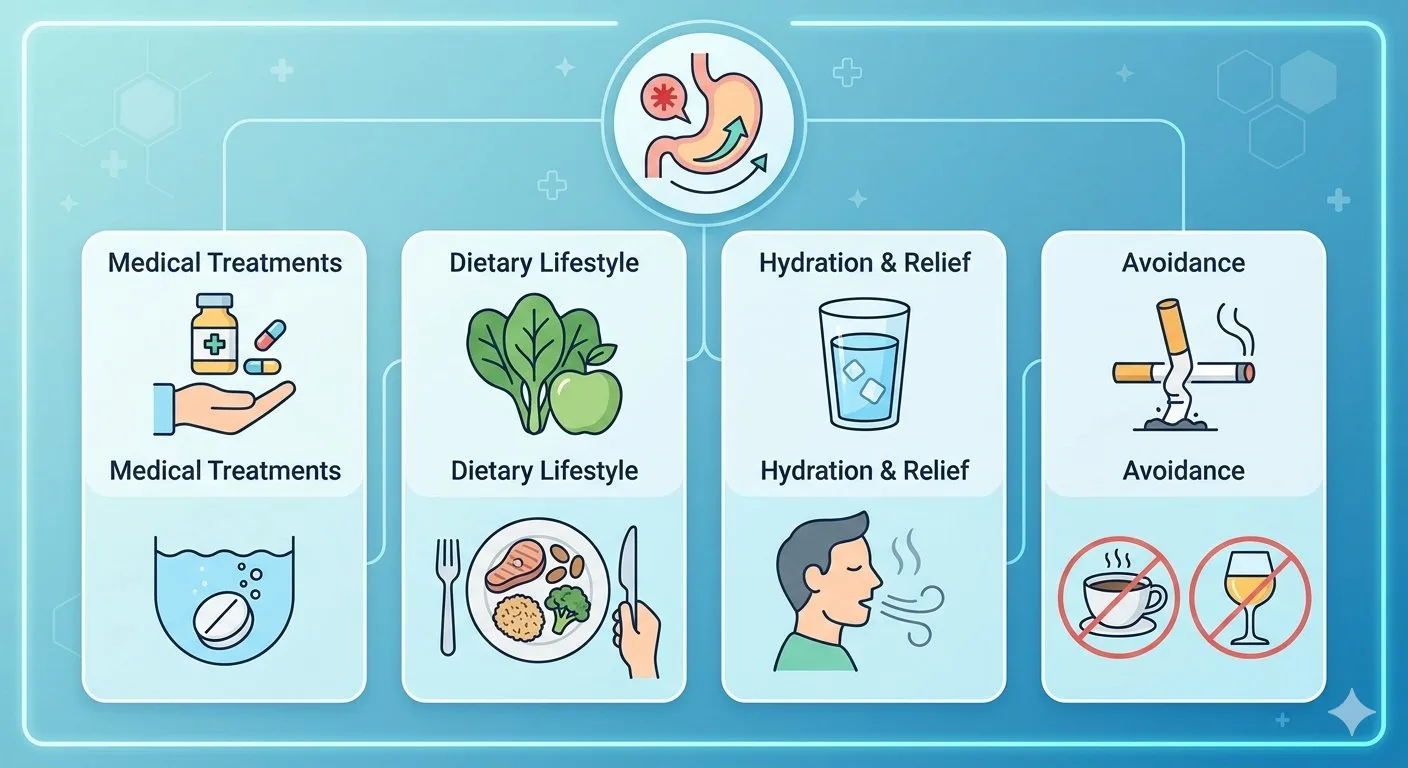
Gastroenteritis Treatment: How to Manage Diarrhoea and Vomiting Safely-various aspects
Article author: Dr. Sagar Rajkuwar, MS-ENT
🌐 www.entspecialistinnashik.com
Quick answer: Start a correctly prepared oral rehydration solution (ORS) in frequent small sips, continue breastfeeding and age-appropriate food, and monitor urine output and alertness. Seek urgent medical assessment for severe dehydration, blood in stools, severe abdominal pain, persistent vomiting, confusion, or inability to drink.
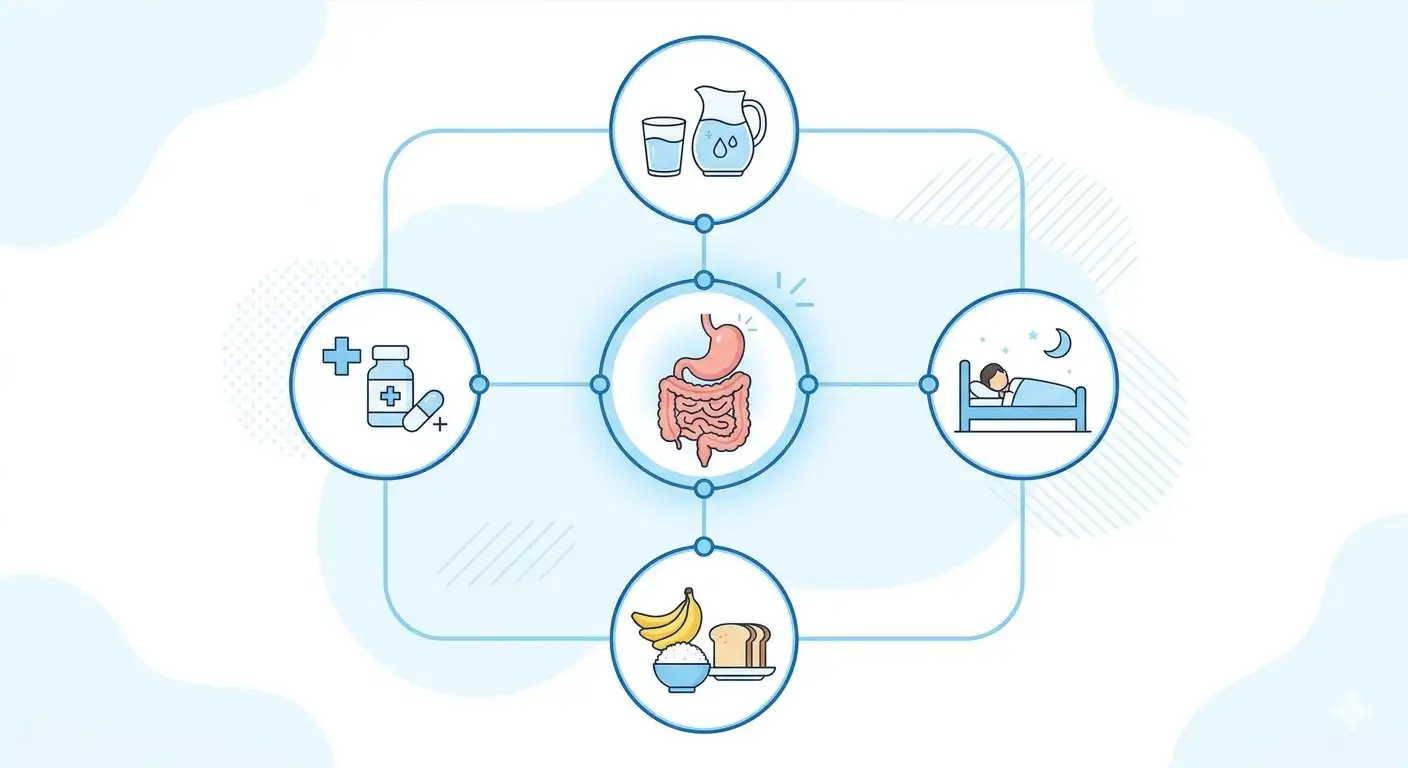
Introduction
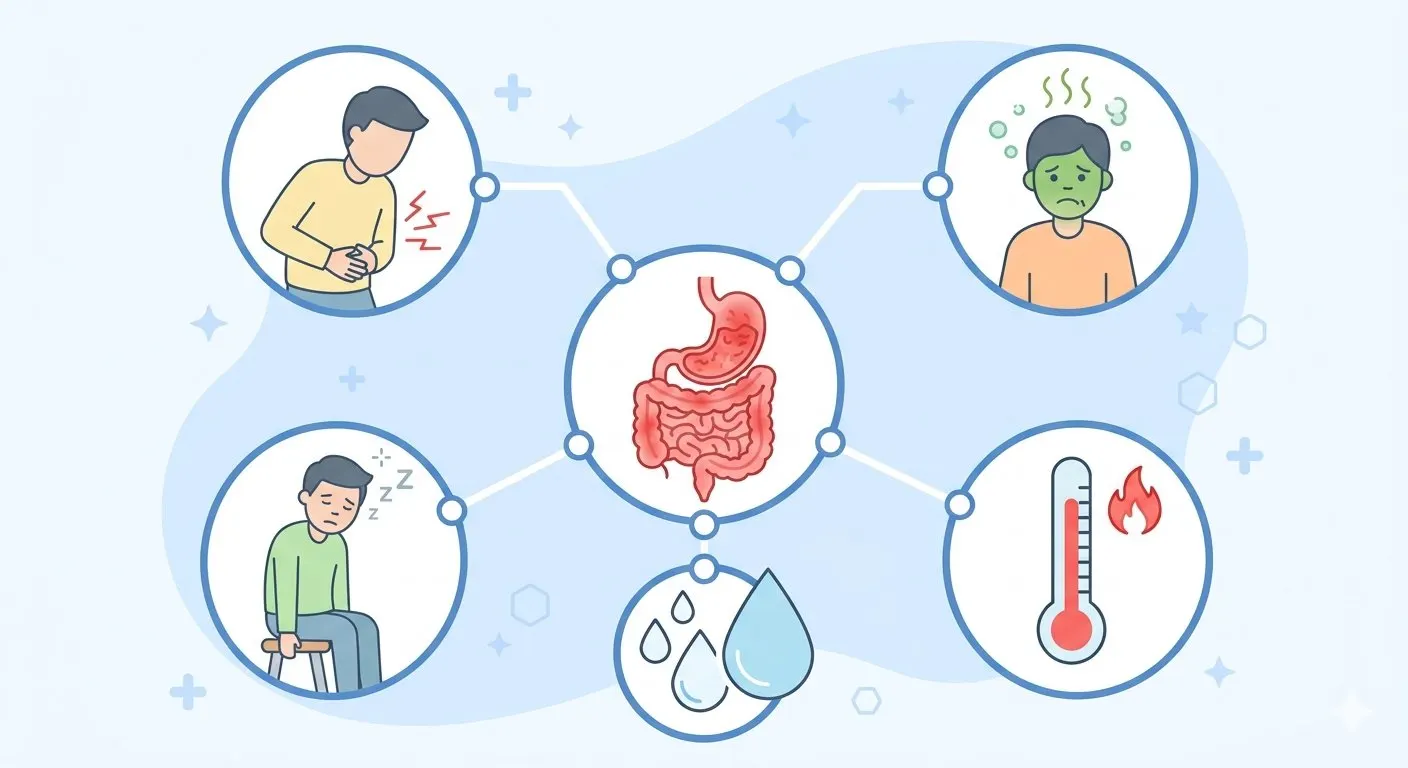
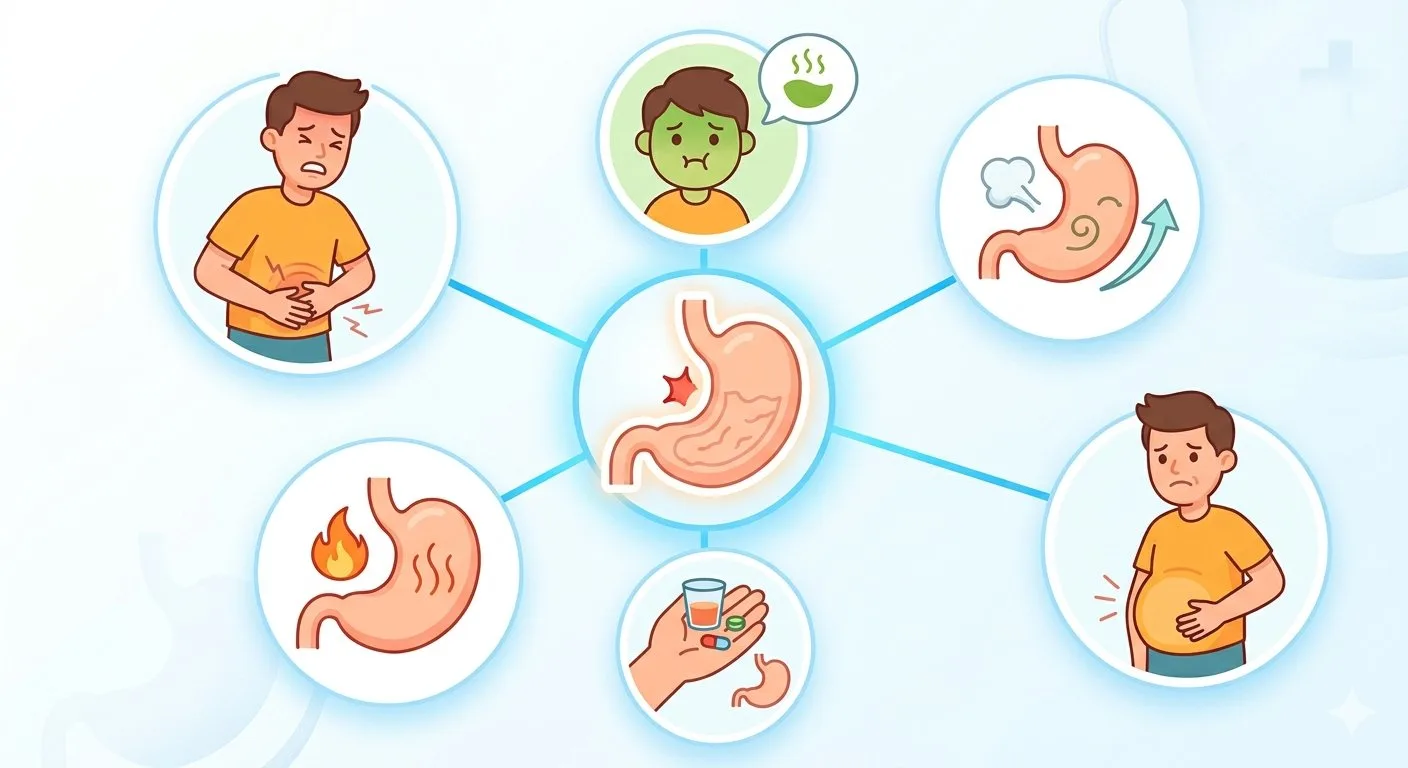
Gastroenteritis is inflammation of the stomach and intestines, commonly causing diarrhoea, vomiting, nausea, abdominal cramps and sometimes fever. Viruses such as norovirus and rotavirus are frequent causes, although bacteria, parasites, contaminated food or water, and other conditions can produce similar symptoms. The right gastroenteritis treatment depends on the patient’s age, hydration status, severity, duration of illness, underlying health and likely cause. The most important immediate danger is often dehydration, not the number of times a person vomits. This guide explains practical home care, treatment in children and adults, the safe role of medicines, and warning signs that require a clinician or hospital.1. Main Principles of Gastroenteritis Treatment
For most people with acute infectious gastroenteritis, treatment is supportive. The goals are to:- Replace water and salts lost through diarrhoea and vomiting.
- Prevent or correct dehydration and electrolyte disturbances.
- Continue feeding to support recovery and prevent malnutrition, especially in children.
- Relieve troublesome symptoms safely when appropriate.
- Identify patients who may have a serious infection or a different abdominal condition.
- Use antibiotics or other targeted treatment only when clinically indicated.
2. Oral Rehydration Solution (ORS): The Most Important Treatment
Why is ORS effective?
ORS contains a carefully balanced combination of glucose and electrolytes, particularly sodium. The intestine can continue absorbing sodium and glucose together even during many episodes of diarrhoea. Water follows this absorption, helping replace fluid losses.How to prepare a commercial ORS packet
- Wash your hands and use a clean bottle or container.
- Read the packet carefully. Different products may be designed for different volumes of water.
- Empty the entire sachet into exactly the amount of safe drinking water stated on the packet. Many standard packets are intended for one litre, but always check the label.
- Stir until fully dissolved. Do not add extra sugar, salt, juice, milk or flavouring.
- Keep the solution covered and use it within 24 hours; discard any remaining solution after that period.
Important: Do not make ORS more concentrated or more diluted than directed. Incorrect mixing can cause dangerous salt or water imbalance. Do not estimate the quantity of water.
How should ORS be given?
- Give frequent small sips rather than a large glass at once, especially if the person feels nauseated.
- If vomiting occurs, pause briefly (about 5–10 minutes) and restart more slowly with small spoonfuls or sips.
- Continue replacing ongoing losses after each loose stool. The amount needed depends on age, body size and dehydration; follow the packet instructions and advice from a healthcare professional.
- For infants and young children, use a spoon, cup or oral syringe if needed. Do not force large volumes at once.
Can plain water replace ORS?
Water is useful, but repeated diarrhoea and vomiting also remove sodium and other electrolytes. ORS is generally a better choice when losses are significant, particularly for children, older adults and people showing signs of dehydration. Broth and usual fluids can supplement ORS, but very sugary drinks are not a substitute.What if the patient cannot drink enough?
Persistent vomiting, marked weakness, reduced alertness or inability to take adequate ORS needs prompt assessment. In selected patients, clinicians may use a nasogastric tube to give ORS. Severe dehydration or shock generally requires intravenous rehydration.3. Home Treatment in Adults
Adults with mild symptoms who can drink, pass urine normally and have no warning signs can often recover at home. A safe gastroenteritis treatment plan includes the following:Step 1: Replace fluids and electrolytes
Use ORS when diarrhoea is frequent, vomiting is present, or dehydration is a concern. Take small, regular sips. Water, clear soups and other usual fluids can be taken as tolerated, but avoid relying on sugary soft drinks or undiluted fruit juice.Step 2: Eat when able
Do not routinely fast or stop all solid food. Start with small portions of familiar foods and gradually return to the usual balanced diet. Examples include rice, khichdi, dal, toast, potatoes, bananas, curd or yoghurt if tolerated, cooked vegetables and other simple meals.Step 3: Rest and monitor
Rest, monitor urine frequency and colour, and note whether dizziness, thirst, weakness or fever is worsening. Older adults and people with kidney disease, heart disease, diabetes or immune suppression should seek advice earlier because fluid needs and treatment choices may require individual adjustment.Step 4: Reduce spread to household members
Wash hands thoroughly with soap and water after using the toilet or changing nappies and before preparing food. Clean contaminated surfaces and avoid preparing food for others while symptomatic. Alcohol-based hand sanitiser alone may be less reliable against some causes, including norovirus.4. Gastroenteritis Treatment in Babies and Children
Children can become dehydrated more quickly than healthy adults. Infants, children with low body weight, malnutrition or chronic illness, and those with frequent vomiting or diarrhoea need careful monitoring.Continue breastfeeding and usual feeds
- Continue breastfeeding frequently throughout the illness.
- Continue the usual-strength infant formula unless a clinician advises otherwise. Do not dilute formula to manage diarrhoea.
- Offer age-appropriate food once the child is willing to eat. Small, frequent meals may be easier to tolerate.
- Do not routinely withhold food or milk for a prolonged period.
ORS for children
Offer ORS in frequent small amounts. If a child vomits, wait a few minutes and restart more slowly. A child who is unusually sleepy, unable to drink, repeatedly vomiting every attempt at ORS, or passing very little urine needs prompt medical assessment.Zinc supplementation in childhood diarrhoea
WHO guidance recommends zinc as an adjunct for children with diarrhoea: commonly 10 mg daily for infants younger than six months and 20 mg daily for children six months and older, for 10–14 days. National guidance and newer recommendations may vary by age group and setting. A parent should confirm the correct product and dose with the child’s clinician or local health service; zinc does not replace ORS.Do not self-prescribe anti-diarrhoeal medicines for children. Medicines such as loperamide are not recommended for routine treatment of acute diarrhoea in children. A paediatrician should guide any anti-vomiting medicine or other drug.
5. What to Eat and Drink During Recovery
Foods that are often well tolerated
- Rice, soft khichdi, idli, toast, potatoes and other easily tolerated carbohydrate foods.
- Banana and other familiar foods the patient can tolerate.
- Dal, soup, cooked vegetables and other nutritious foods in small portions.
- Curd or yoghurt if it does not worsen symptoms and is normally tolerated.
- Usual protein-containing foods as appetite returns.
Foods and drinks to limit temporarily
- Very sugary beverages, undiluted fruit juices and fizzy drinks, which can worsen diarrhoea in some people.
- Alcohol and excessive caffeine.
- Very oily, rich or spicy meals if they aggravate nausea or cramps.
- Milk or dairy only if it clearly worsens symptoms; routine prolonged dairy avoidance is not necessary for everyone.
6. Medicines Used in Gastroenteritis: What Helps and What to Avoid
Medicines may relieve symptoms in selected patients, but they do not replace rehydration. The appropriate choice depends on age, pregnancy, other illnesses, symptoms and the likely cause.| Medicine or treatment | Possible role | Important precautions |
|---|---|---|
| ORS | Replaces water and electrolytes; central treatment. | Mix exactly as directed; do not alter concentration. |
| Paracetamol | May help fever or body aches. | Use only according to age/weight instructions and avoid exceeding the recommended dose. Seek advice in liver disease. |
| Loperamide | May be considered for short-term relief in selected otherwise healthy adults with acute watery diarrhoea. | Avoid if there is blood in stool, fever, severe abdominal pain, suspected inflammatory diarrhoea or possible C. difficile. Not for routine use in children; ask a clinician or pharmacist first. |
| Antiemetic medicines | A clinician may prescribe an anti-vomiting medicine in selected cases to help oral rehydration. | Not suitable for everyone; age, pregnancy, heart rhythm risks and other medicines matter. Do not use someone else’s prescription. |
| Probiotics | Evidence for benefit varies by strain, age and cause. | They are not a substitute for ORS. Routine use is not essential; discuss use in immunocompromised or seriously ill patients. |
| Antibiotics | Useful for certain diagnosed or strongly suspected bacterial or parasitic infections. | Not routinely required; inappropriate use can cause adverse effects and antimicrobial resistance. |
Why should you avoid taking multiple medicines without advice?
Some medicines can worsen dehydration, cause sedation, affect heart rhythm, interact with regular prescriptions or hide signs of a more serious illness. Non-steroidal anti-inflammatory drugs (NSAIDs), for example, may be unsuitable in a dehydrated person or someone with kidney disease. Tell the clinician about all medicines, recent antibiotics and existing medical conditions.7. Are Antibiotics Required for Gastroenteritis?
No—not in most uncomplicated cases. Viral gastroenteritis does not respond to antibiotics. Many episodes of acute watery diarrhoea are self-limiting, and routine empirical antibiotics are not recommended for most otherwise healthy people without specific risk factors.When might antibiotics or antiparasitic medicines be considered?
A clinician may consider targeted treatment when there is evidence or a strong suspicion of a particular infection, such as selected cases of shigellosis, cholera, severe traveller’s diarrhoea, giardiasis or other treatable infections. Treatment depends on the organism, local resistance patterns, severity, age, pregnancy status and test results.Why self-medication with antibiotics can be harmful
- It may not treat the actual cause if the illness is viral.
- It can cause side effects, including antibiotic-associated diarrhoea.
- It can increase antimicrobial resistance.
- In some Shiga toxin-producing E. coli infections, antibiotics may increase the risk of complications; medical assessment is important when bloody diarrhoea occurs.
- Recent antibiotic exposure can raise concern for Clostridioides difficile infection, which requires specific evaluation and treatment.
Do not start leftover antibiotics, metronidazole, azithromycin, ciprofloxacin or other antimicrobial drugs on your own. The correct treatment cannot be selected from symptoms alone in every case.
8. When Are IV Fluids or Hospital Treatment Needed?
Most patients do not need admission. However, hospital assessment and intravenous fluids may be necessary when a person has severe dehydration, shock, altered mental status, poor circulation, inability to tolerate oral fluids, or certain complications.Signs that may indicate severe dehydration
- Very little or no urine, or markedly reduced wet nappies.
- Marked drowsiness, confusion, collapse or difficulty waking.
- Fainting, severe dizziness on standing, very weak pulse or cold hands and feet.
- Rapid breathing or a racing heartbeat.
- Sunken eyes, very dry mouth, absent tears in a child, or poor skin turgor.
- Inability to drink or repeated vomiting that prevents rehydration.
9. When Are Medical Tests Needed?
Routine testing is not necessary for every short-lived, mild episode. A clinician may recommend investigations when symptoms are severe, persistent, bloody, associated with high fever or significant pain, occur after recent antibiotics, affect an immunocompromised person, or arise during a suspected outbreak.| Possible test | Why it may be considered |
|---|---|
| Stool culture or molecular stool testing | To identify selected bacterial or viral pathogens, especially in severe, bloody or outbreak-associated illness. |
| Stool parasite testing | When diarrhoea is prolonged, there is relevant travel/exposure, or a parasitic infection is suspected. |
| C. difficile testing | When compatible diarrhoea follows recent antibiotic use or healthcare exposure. |
| Blood tests | To assess electrolytes, kidney function, blood count or other complications in patients who are significantly unwell or dehydrated. |
10. How Long Does Recovery Take?
Many uncomplicated viral episodes improve within a few days, although the exact duration depends on the cause and the individual. Some bacterial or parasitic infections last longer. Seek medical review if symptoms are worsening, not improving as expected, or continuing beyond a few days; diarrhoea lasting 14 days or more requires assessment for persistent causes.Preventing spread and another episode
- Wash hands with soap and water after using the toilet, changing nappies and before handling food.
- Use safe drinking water; store it in clean, covered containers.
- Wash produce and cook meat, seafood and eggs thoroughly.
- Avoid cross-contamination between raw and cooked foods.
- Clean and disinfect surfaces contaminated by vomit or stool using an appropriate product according to its label.
- Do not prepare food for others while having vomiting or diarrhoea; follow local public-health advice about when to return to food handling, school or work.
- Rotavirus vaccination helps protect infants and young children against severe rotavirus disease; follow the national immunisation schedule and local medical advice.
11. When Should You Consult a Doctor or Seek Urgent Care?
Seek urgent medical care now if there is severe dehydration, fainting, confusion, unusual drowsiness, inability to drink, very little urine, severe or worsening abdominal pain, a swollen abdomen, blood in the stool, black tarry stool, or persistent vomiting that prevents fluid intake.
Arrange prompt medical assessment if any of the following apply:
- High or persistent fever, or the patient appears seriously unwell.
- Six or more loose stools in a day, or diarrhoea lasting more than 2–3 days in an adult.
- Symptoms in a baby, especially an infant under 12 months, or a child who is feeding poorly.
- Older age, pregnancy, weakened immunity, significant malnutrition, diabetes, kidney disease or heart disease.
- Recent antibiotic use, recent hospital stay, international travel or a suspected food/water outbreak.
- Symptoms that recur, persist for 14 days or longer, or are accompanied by weight loss.
12. Frequently Asked Questions
1. What is the best treatment for gastroenteritis?
For most uncomplicated cases, the most important treatment is oral rehydration with correctly prepared ORS, alongside continued breastfeeding and a normal age-appropriate diet as tolerated. Severe dehydration requires urgent medical treatment.2. Can gastroenteritis be treated at home?
Yes, many mild cases can be managed at home if the person can drink, remains alert, passes urine reasonably normally and has no warning signs. Infants, older adults and people with significant medical conditions should seek advice earlier.3. Should I stop eating during gastroenteritis?
No. Prolonged fasting is generally not recommended. Eat small portions of familiar foods as tolerated and return to a balanced diet as appetite improves. Continue breastfeeding.4. Is ORS better than water?
When diarrhoea or vomiting causes meaningful fluid and salt loss, ORS is generally more effective than plain water alone because it replaces both water and electrolytes in a balanced way. Water can still be taken alongside it.5. Do antibiotics cure gastroenteritis?
No. Antibiotics do not work against viruses and are not needed for most uncomplicated acute watery diarrhoea. They are reserved for selected bacterial or parasitic infections after clinical assessment.6. Can I take loperamide for diarrhoea?
Some adults may use it briefly for uncomplicated watery diarrhoea after checking with a clinician or pharmacist. Do not use it if there is blood in the stool, fever, severe abdominal pain or suspected inflammatory/invasive infection. It is not for routine use in children.7. What should I give a child with gastroenteritis?
Offer ORS in frequent small amounts, continue breastfeeding and usual formula feeds, and resume age-appropriate food. A clinician can advise whether zinc is appropriate and confirm the dose. Do not give anti-diarrhoeal medicines to a child unless specifically directed by a paediatrician.8. When does gastroenteritis need hospital admission?
Hospital care may be needed for severe dehydration, shock, altered alertness, inability to tolerate oral fluids, significant electrolyte problems, severe pain or complications. The decision is made after clinical assessment.9. Are probiotics necessary?
No. Evidence differs between probiotic strains and patient groups, and they are not essential for routine treatment. They must never replace ORS or delay medical care.10. How can I avoid infecting my family?
Wash hands with soap and water, clean contaminated surfaces, use safe food and water practices, and avoid preparing food for others while symptomatic. Keep children home from childcare or school while they have vomiting or diarrhoea and follow local return guidance.13. Summary
- ORS is the cornerstone of treatment for mild to moderate dehydration. Prepare it exactly as directed on the sachet.
- Give small, frequent sips and restart slowly after vomiting.
- Continue breastfeeding, usual formula and age-appropriate nutritious food.
- Children may benefit from zinc according to current local/WHO guidance; confirm the dose with a healthcare professional.
- Antibiotics are not routinely needed and should be reserved for selected infections.
- Do not routinely give loperamide or other anti-diarrhoeal medicines to children.
- Severe dehydration, blood in stool, severe pain, confusion or inability to drink requires urgent assessment.
Conclusion
Effective gastroenteritis treatment begins with early, correct rehydration and continued nutrition. Most mild episodes settle without antibiotics, but dehydration can become dangerous—particularly in babies, young children, older adults and people with chronic illness. Monitor fluid intake, urine output and general alertness, use medicines cautiously, and seek medical care promptly when warning signs appear. A clinician can determine whether testing, targeted medication or hospital treatment is necessary.Watch: ORS preparation and diarrhoea care
For an additional educational resource, see YouTube search: WHO oral rehydration solution (ORS) preparation. Choose an educational video from a recognised public-health or medical organisation and follow the instructions on the ORS packet used in your location.References and Further Reading
- World Health Organization (WHO). Diarrhoeal disease – fact sheet.
- WHO eLENA. Zinc supplementation in the management of diarrhoea.
- US Centers for Disease Control and Prevention (CDC). About Norovirus.
- CDC Yellow Book. Norovirus: treatment and prevention.
- National Institute of Diabetes and Digestive and Kidney Diseases (NIDDK). Treatment of Diarrhea.
- NIDDK. Treatment of Viral Gastroenteritis.
- NHS. Diarrhoea and vomiting.
- Infectious Diseases Society of America (IDSA). Clinical Practice Guidelines for the Diagnosis and Management of Infectious Diarrhea.
- Indian Council of Medical Research (ICMR). Antimicrobial Resistance Treatment Guidelines 2025 – Acute Gastroenteritis.
- National Health Mission, Government of India. Facility-Based Integrated Management of Neonatal and Childhood Illness (F-IMNCI), 2023.
- National Institute for Health and Care Excellence (NICE). Diarrhoea and vomiting caused by gastroenteritis in under 5s: diagnosis and management.
Medical Disclaimer
This article is for general educational purposes and is not a substitute for an individual medical consultation, diagnosis or treatment. Treatment depends on age, hydration status, pregnancy, medical history and the cause of illness. Do not start antibiotics, anti-diarrhoeal medicines or prescription anti-vomiting drugs without appropriate medical advice. Seek urgent care for warning signs described above.📲 For Health-Related Articles & Videos
🔹 Facebook: https://www.facebook.com/positivemind.healthcare🔹 YouTube: http://www.youtube.com/@healthuseful8539/
ENT Consultation & Surgery
Dr. Sagar Rajkuwar (MS-ENT) Consultant ENT Specialist & Head-Neck SurgeonPrabha ENT Clinic, Ambad, Nashik, Maharashtra, India