What Are the Main Causes of Gastroenteritis?-various aspects
Introduction
Gastroenteritis is a common condition in which the stomach and intestines become inflamed, usually because of an infection. It can cause watery diarrhoea, vomiting, abdominal cramps, nausea and sometimes fever. The illness may begin suddenly after eating contaminated food, drinking unsafe water, or coming into contact with an infected person. The main gastroenteritis causes are infections from viruses, bacteria and parasites. However, the term is also sometimes used loosely for digestive symptoms caused by food toxins, chemical exposure or certain medicines. Identifying the likely cause is useful because the source, duration, risk of complications and need for specific treatment can differ. Most short-lived cases improve with adequate fluid replacement and supportive care. Some infections, however, can cause severe dehydration, bloody diarrhoea or complications that require medical assessment. This guide explains how gastroenteritis develops, how the organisms reach the digestive tract, who is at higher risk and when to seek help.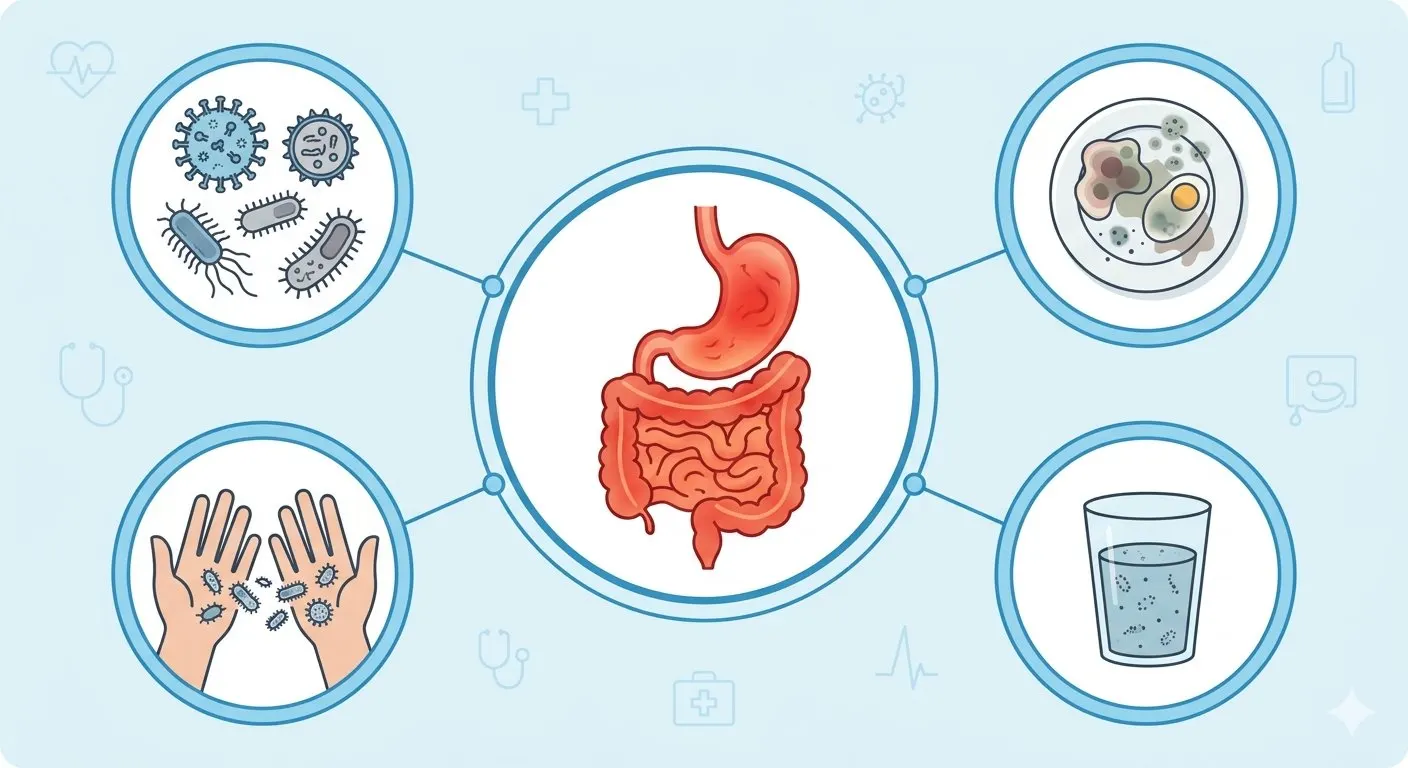
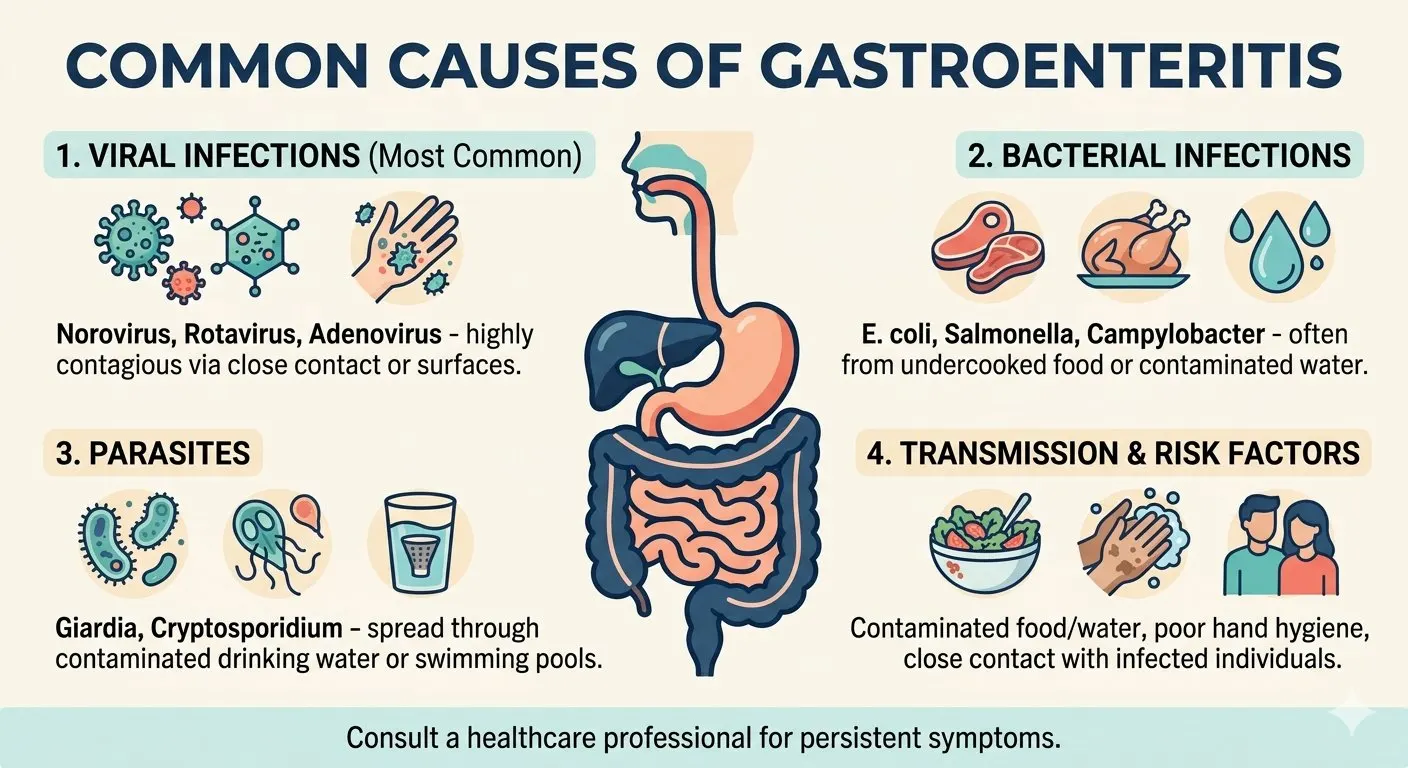
Quick answer: What causes gastroenteritis?Gastroenteritis is most often caused by viruses such as norovirus and rotavirus, bacteria such as Salmonella, Campylobacter, Shigella and disease-causing Escherichia coli, or parasites such as Giardia, Cryptosporidium and Entamoeba histolytica. These organisms commonly spread through contaminated food or water, unwashed hands, contaminated surfaces, or close contact with an infected person. Certain medicines and ingested toxins can produce similar illness.
Table of contents
- What is gastroenteritis?
- Main causes of gastroenteritis
- Viral gastroenteritis causes
- Bacterial gastroenteritis causes
- Parasitic gastroenteritis causes
- Contaminated food and water
- How gastroenteritis spreads
- Non-infectious causes and food toxins
- Incubation period: How soon do symptoms start?
- Who is at higher risk?
- Symptoms and clues to the cause
- How doctors identify the cause
- When to seek medical attention
- How to prevent gastroenteritis
- Frequently asked questions
- Summary and conclusion
- References and medical disclaimer
1. What is gastroenteritis?
Gastroenteritis means inflammation of the gastrointestinal tract, particularly the stomach and intestines. In everyday use, the term often refers to an acute infection that causes diarrhoea and/or vomiting. The infection may affect the small intestine, large intestine, or both. Diarrhoea is generally defined as passing three or more loose or liquid stools in a day, or passing stools more frequently than is normal for that individual. A change in stool consistency and frequency is important; frequent passage of formed stools alone is not necessarily diarrhoea.Is gastroenteritis the same as food poisoning?
Not exactly. Food poisoning is a broad term for illness caused by eating or drinking contaminated food or beverages. It can result from an infection with a virus, bacterium or parasite, or from a toxin or chemical in food. Foodborne infection can cause gastroenteritis, but gastroenteritis can also spread through person-to-person contact and contaminated surfaces.Is it the same as stomach flu?
People sometimes call viral gastroenteritis the “stomach flu,” but this is not medically accurate. Influenza viruses mainly affect the respiratory system. Viral gastroenteritis is caused by different viruses that infect the digestive tract.2. Main causes of gastroenteritis
The causes can be grouped into infectious and non-infectious categories. Infectious causes are responsible for most acute episodes.| Cause category | Examples | Common sources or route |
|---|---|---|
| Viruses | Norovirus, rotavirus, adenovirus, astrovirus | Infected people, contaminated hands, food, water and surfaces |
| Bacteria | Salmonella, Campylobacter, Shigella, pathogenic E. coli | Undercooked food, unpasteurised products, contaminated water and person-to-person spread |
| Parasites | Giardia, Cryptosporidium, Entamoeba histolytica | Contaminated water or food, poor sanitation and close contact in some settings |
| Preformed toxins | Toxins produced by certain bacteria in food | Food held at unsafe temperatures or handled improperly |
| Medicines | Some antibiotics and other medicines | Adverse drug effects or disruption of normal intestinal flora |
| Chemicals | Some contaminants or toxic substances | Accidental or occupational ingestion |
3. Viral gastroenteritis causes
Viruses are a major cause of acute gastroenteritis. They spread easily because very small amounts of infected stool or vomit can contaminate hands, food, water or frequently touched surfaces.Norovirus
Norovirus is a highly contagious cause of vomiting and diarrhoea in people of all ages. It can spread rapidly in households, schools, hostels, hospitals, care facilities, restaurants and other places where people share spaces. Symptoms often begin about 12 to 48 hours after exposure and commonly improve within one to three days. A person can become infected by consuming contaminated food or water, touching a contaminated surface and then touching the mouth, or having close contact with an infected person. Tiny droplets generated during vomiting can also contaminate nearby surfaces.Rotavirus
Rotavirus is an important cause of severe diarrhoea in infants and young children. It spreads mainly through the faecal–oral route, including contaminated hands, objects, food and water. Vomiting and watery diarrhoea can lead to dehydration, particularly in babies and young children. Rotavirus vaccination substantially reduces the risk of severe rotavirus disease. Parents should follow the recommended childhood immunisation schedule in their location and ask their paediatrician about eligibility and timing.Adenovirus and astrovirus
Some types of adenovirus can cause intestinal infection, particularly in children. Astrovirus is another viral cause of diarrhoea, often associated with milder illness but potentially more significant in vulnerable people.Other viruses
Sapovirus and other enteric viruses can also cause gastroenteritis. The relative importance of different viruses varies by age group, season, location and outbreak setting.Why viral infections spread quickly
- Some viruses are infectious at very low exposure levels.
- People may contaminate shared bathrooms, taps, door handles and other surfaces.
- Food can be contaminated by an infected person handling it without effective hand hygiene.
- People may continue shedding virus in stool after they start feeling better.
4. Bacterial gastroenteritis causes
Bacterial gastroenteritis can follow ingestion of bacteria or bacterial toxins in contaminated food and water. Some bacteria invade the intestinal lining, while others produce toxins that cause fluid secretion, inflammation or tissue injury.Salmonella
Salmonella infection is commonly linked to contaminated or undercooked eggs, poultry, meat and other foods. It can also spread through contaminated produce, water, contact with infected animals, or cross-contamination during food preparation. Symptoms may include diarrhoea, fever and abdominal cramps.Campylobacter
Campylobacter, particularly Campylobacter jejuni, is frequently associated with raw or undercooked poultry, unpasteurised milk and contaminated water. It can cause diarrhoea, abdominal pain and fever. Some infections are associated with bloody stools.Shigella
Shigella spreads easily by the faecal–oral route. A very small amount of contaminated material can be enough to cause infection. Transmission may occur through unwashed hands, contaminated food or water, and close personal contact. It can cause fever, abdominal cramps and diarrhoea that may contain blood or mucus.Escherichia coli (E. coli)
Escherichia coli is a group of bacteria that normally includes harmless strains living in the intestine. Certain disease-causing types, however, can cause gastroenteritis. Enterotoxigenic E. coli (ETEC) is an important cause of travellers’ diarrhoea and may spread through contaminated food or water. Shiga toxin-producing E. coli (STEC) can cause severe abdominal cramps and bloody diarrhoea. In some cases, STEC infection can lead to haemolytic uraemic syndrome (HUS), a serious complication affecting the blood and kidneys.Other bacterial causes
- Vibrio species, including Vibrio cholerae, can cause severe watery diarrhoea. Cholera is associated with unsafe water and inadequate sanitation and can cause rapid dehydration.
- Clostridioides difficile (C. difficile) can cause diarrhoea and colitis, often after antibiotic exposure or healthcare contact. It is not simply ordinary food poisoning.
- Yersinia enterocolitica may be associated with contaminated pork and can cause abdominal pain, fever and diarrhoea.
- Bacillus cereus and Clostridium perfringens can cause foodborne illness through toxin production or toxin-mediated effects.
How bacterial disease causes diarrhoea
Different bacteria act in different ways. Some produce enterotoxins that increase fluid secretion into the bowel. Others invade or damage the intestinal lining, producing inflammation, fever, pain and sometimes blood in the stool. This difference helps explain why the symptoms and severity are not identical for every infection.5. Parasitic gastroenteritis causes
Parasites are less common causes of sudden short-lived gastroenteritis in many settings, but they are important causes of persistent or recurrent diarrhoea. They may be transmitted through contaminated drinking water, food washed with unsafe water, poor sanitation or person-to-person spread.Giardia
Giardia duodenalis (also called Giardia lamblia or Giardia intestinalis) causes giardiasis. Infection can follow swallowing cysts in contaminated water, including untreated surface water, or through contaminated food and close-contact transmission. Symptoms may include prolonged diarrhoea, foul-smelling or greasy stools, gas, bloating, abdominal cramps, nausea and weight loss. Some infected people have no symptoms. Because symptoms can persist, Giardia should be considered when diarrhoea continues after travel or exposure to untreated water.Entamoeba histolytica
Entamoeba histolytica causes amoebiasis. It spreads when a person swallows microscopic cysts in food or water contaminated with human faeces. It may cause diarrhoea, abdominal pain and dysentery (diarrhoea containing blood). In some cases, infection can spread beyond the intestine, including to the liver.Cryptosporidium
Cryptosporidium can spread through contaminated water, recreational water, food and contact with infected people or animals. It may cause watery diarrhoea and can be prolonged or severe in people with weakened immune systems.Cyclospora and other parasites
Cyclospora cayetanensis is a food- and waterborne parasite that can cause prolonged or relapsing watery diarrhoea, fatigue, loss of appetite and abdominal discomfort. Other parasites may be relevant depending on geography, sanitation, travel and immune status.Important distinction: Persistent diarrhoea lasting two weeks or longer is not always caused by a parasite. It can also result from ongoing infection, medication effects, malabsorption, inflammatory bowel disease or other conditions. Medical evaluation is appropriate.
6. Contaminated food and water: A major source of gastroenteritis
Food and water can become contaminated at several stages: production, harvesting, processing, transport, storage, preparation or serving. Contamination may come from human or animal faeces, infected food handlers, unsafe water, raw ingredients, pests, dirty equipment or contact between raw and cooked foods.Foods commonly associated with foodborne infection
| Food or exposure | Why it may be risky | Safer practice |
|---|---|---|
| Raw or undercooked poultry and meat | May contain Salmonella, Campylobacter or other pathogens | Cook thoroughly and prevent raw juices touching ready-to-eat foods |
| Raw or undercooked eggs | May carry Salmonella | Cook eggs thoroughly; use pasteurised products in recipes that are not cooked |
| Unpasteurised milk and juice | May contain harmful bacteria | Choose pasteurised products |
| Raw seafood or shellfish | May carry bacteria or viruses from contaminated water | Buy from safe sources and cook thoroughly |
| Unwashed produce and salads | Soil, irrigation water or handling can introduce pathogens | Wash under safe running water and handle hygienically |
| Cooked food kept at room temperature for long periods | Bacteria can multiply or produce toxins | Refrigerate promptly and reheat safely |
| Food handled by an ill person | Hands may transfer viruses or bacteria | People with vomiting or diarrhoea should not prepare food for others |
How unsafe drinking water causes infection
Water may become contaminated when sewage enters drinking-water sources, when water is stored in unclean containers, or when it is handled with unwashed hands. Wells, surface water, poorly maintained tanks and inadequately treated supplies may carry viruses, bacteria or parasites. Boiling water adequately is an effective way to kill many disease-causing organisms. Where boiling is not practical, use a reliable treatment method recommended by local public-health authorities. Water filters differ in what they remove; an ordinary filter should not automatically be assumed to make contaminated water safe.Cross-contamination in the kitchen
Cross-contamination occurs when microbes move from one item to another. For example, using the same chopping board for raw chicken and salad without washing and sanitising it can transfer pathogens to food that will not be cooked. Separate raw and ready-to-eat foods, wash hands and clean food-contact surfaces carefully.7. How gastroenteritis spreads from one person to another
Many infectious gastroenteritis causes spread through the faecal–oral route. This means organisms from an infected person’s stool reach another person’s mouth, usually through contaminated hands, food, water or objects.Common routes of transmission
- Contaminated hands: Not washing hands properly after using the toilet or changing a diaper can transfer microbes to food, surfaces or another person.
- Contaminated food: An infected food handler may contaminate food that is eaten without further cooking.
- Unsafe water: Drinking or using contaminated water to prepare food can transmit infection.
- Contaminated surfaces: Shared toilets, taps, handles, toys and kitchen surfaces can carry infectious material.
- Direct contact: Caring for someone who is vomiting or has diarrhoea can expose others, particularly when hand hygiene is poor.
- Vomiting-related contamination: Vomit can contaminate nearby surfaces and, for some viruses such as norovirus, contribute to spread in shared environments.
Why outbreaks occur in families, schools and institutions
People living, studying or working close together share bathrooms, surfaces, meals and common spaces. If one person becomes infected, the organism can spread before cleaning and infection-control measures are implemented. Norovirus outbreaks are well recognised in crowded or shared-living environments.Can someone spread infection after feeling better?
Yes. Some organisms continue to be shed in stool after symptoms improve. The duration varies by pathogen and by the person. Careful handwashing after toilet use remains important, and food handlers or healthcare workers may need to follow specific local return-to-work guidance.8. Non-infectious causes and food toxins
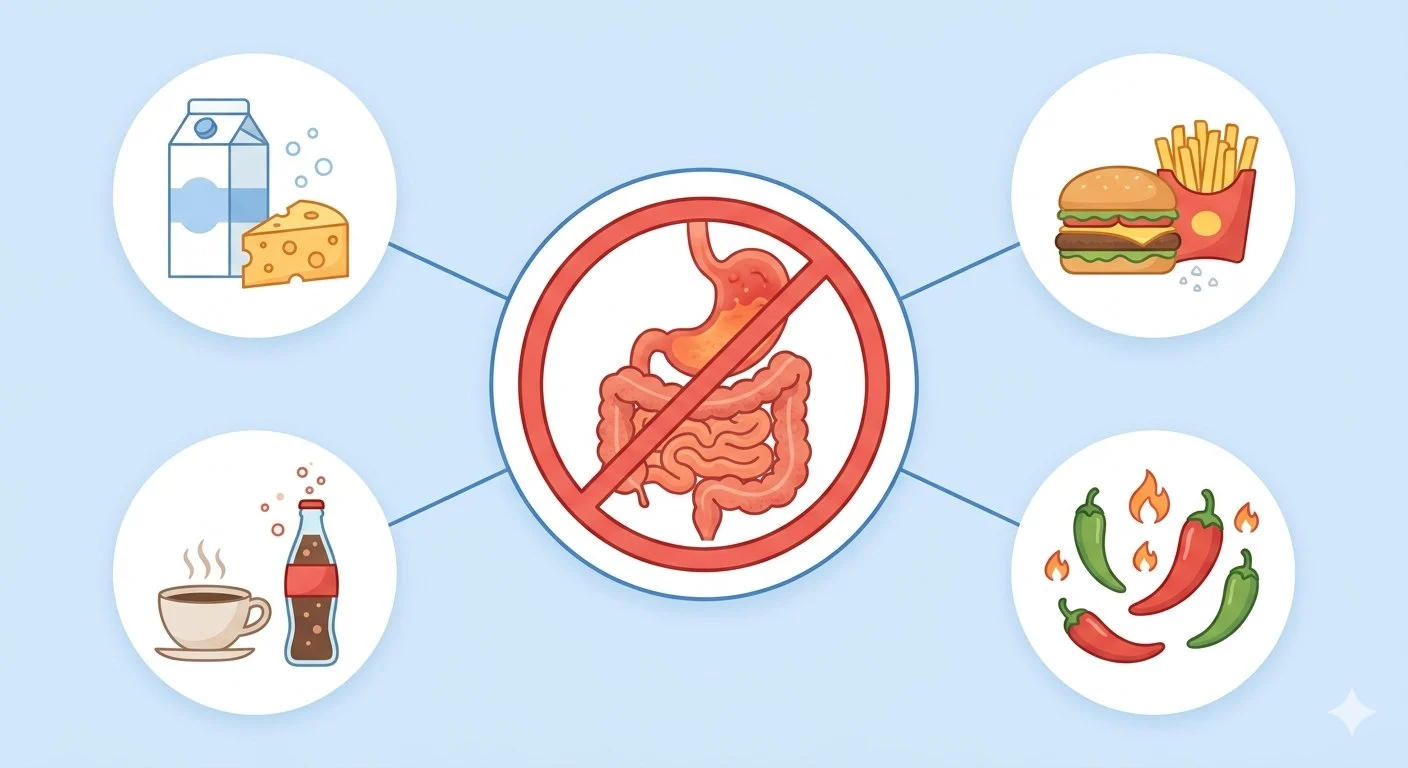
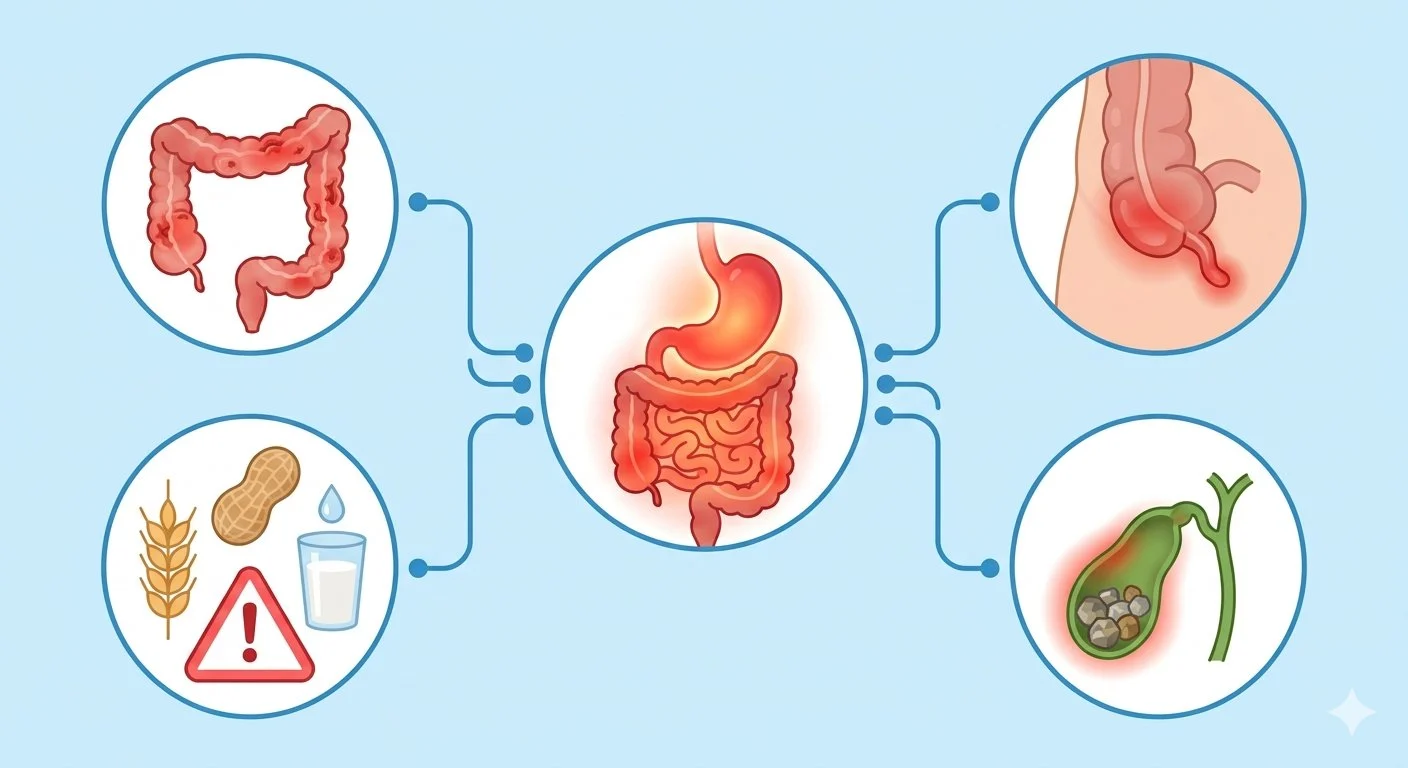
Not every episode of vomiting, abdominal pain and diarrhoea is caused by an infection. Some medicines and ingested substances can irritate the digestive tract or alter normal intestinal function.Medication-related diarrhoea
Antibiotics can cause diarrhoea by changing the balance of intestinal bacteria. Some cases are mild, while antibiotic exposure can also increase the risk of C. difficile infection. Other medicines, including some magnesium-containing products, laxatives and certain cancer treatments, may cause diarrhoea or gastrointestinal symptoms. Do not stop an essential prescribed medicine without advice. Contact the prescribing clinician if diarrhoea is severe, persistent, bloody, or begins during or after antibiotic treatment.Preformed bacterial toxins
Some foodborne illnesses occur when bacteria grow in food and produce toxins before the food is eaten. The person becomes ill after swallowing the toxin, even if the bacteria are no longer present in large numbers. Such illnesses may cause sudden nausea, vomiting, cramps or diarrhoea. Examples include toxin-mediated illness associated with Staphylococcus aureus and the emetic form of Bacillus cereus. Food left for too long at unsafe temperatures can provide conditions for toxin production. Reheating does not reliably destroy every toxin, so safe storage and handling are essential.Chemical contamination
Some chemicals, heavy metals or toxic substances can cause vomiting, abdominal pain and diarrhoea after ingestion. This is poisoning rather than infectious gastroenteritis, and it may require urgent poison-control or emergency advice. Do not induce vomiting unless a qualified poison specialist specifically instructs you to do so.Conditions that can mimic gastroenteritis
Appendicitis, inflammatory bowel disease, pancreatitis, bowel obstruction, urinary infections and some metabolic conditions may cause abdominal symptoms that resemble gastroenteritis. Severe, localised or worsening pain should not automatically be attributed to a stomach infection.9. Incubation period: How soon do symptoms start?
The incubation period is the time between exposure to an infectious organism and the beginning of symptoms. It varies widely. The time of symptom onset can offer a clue, but it cannot reliably identify the organism by itself.| Organism or cause | Typical time to symptom onset (approximate) | Useful context |
|---|---|---|
| Norovirus | 12–48 hours | Often causes abrupt vomiting and diarrhoea |
| Rotavirus | About 2 days | Important in infants and young children |
| Some preformed food toxins | Often a few hours | Can cause sudden prominent vomiting |
| Salmonella | Often 6 hours to 6 days | Timing varies by strain and exposure |
| Campylobacter | Usually 2–5 days | May cause fever and abdominal pain |
| Shigella | Often 1–2 days | Can spread readily person to person |
| Giardia | Often 1–2 weeks | May cause prolonged symptoms |
| Cryptosporidium | Often 2–10 days | May cause watery diarrhoea |
10. Who is at higher risk of gastroenteritis or complications?
Anyone can develop gastroenteritis, but some groups are more likely to become seriously ill or dehydrated.Infants and young children
Young children have smaller fluid reserves and can become dehydrated more quickly than healthy adults. Rotavirus and other intestinal infections are important causes of illness in this age group. Reduced urine output, unusual sleepiness, sunken eyes, dry mouth or inability to drink require prompt assessment.Older adults
Older adults may have reduced thirst sensation, chronic illnesses or medicines that complicate fluid balance. Dehydration can develop quickly, particularly when vomiting and diarrhoea occur together.People with weakened immune systems
People receiving chemotherapy, transplant medicines or high-dose immune-suppressing treatment, and those with certain immune disorders, may experience more severe or prolonged infections. Some organisms that cause mild illness in healthy adults can be dangerous in these patients.Travellers and people exposed to unsafe food or water
Travel to areas with different sanitation conditions, untreated water, raw foods and poor food storage can increase exposure to intestinal pathogens. Travellers should take food and water precautions and seek medical advice for severe or persistent diarrhoea after returning.People in crowded living or care settings
Hostels, childcare centres, hospitals, residential-care facilities and shared accommodation can facilitate spread because people share bathrooms and surfaces and may have close contact.11. Symptoms and clues to the possible cause
Common symptoms include watery diarrhoea, nausea, vomiting, abdominal cramps, reduced appetite and sometimes fever. Some bacterial infections can cause blood or mucus in the stool. Parasitic infections may cause prolonged diarrhoea, bloating or weight loss.| Clinical pattern | Possible causes to consider | Important limitation |
|---|---|---|
| Sudden vomiting and watery diarrhoea in several people | Norovirus or a shared foodborne exposure | An outbreak pattern does not identify the organism |
| Fever with diarrhoea and abdominal cramps | Salmonella, Campylobacter, Shigella or other infections | Fever can occur with viral illness too |
| Bloody diarrhoea or severe cramps | STEC, Shigella, Campylobacter and other invasive infections | Needs prompt medical assessment; avoid self-treatment |
| Persistent greasy or foul-smelling stools and bloating | Giardia or another malabsorption-related condition | Other digestive disorders can produce similar symptoms |
| Diarrhoea during or after antibiotics | Medication side effect or C. difficile infection | Clinical assessment may be needed, especially if severe |
Why symptoms cannot confirm the cause
Different organisms can produce very similar symptoms. Conversely, the same organism can cause mild illness in one person and severe illness in another. Exposure history, examination and sometimes laboratory testing are needed to narrow the diagnosis.12. How doctors identify the cause of gastroenteritis
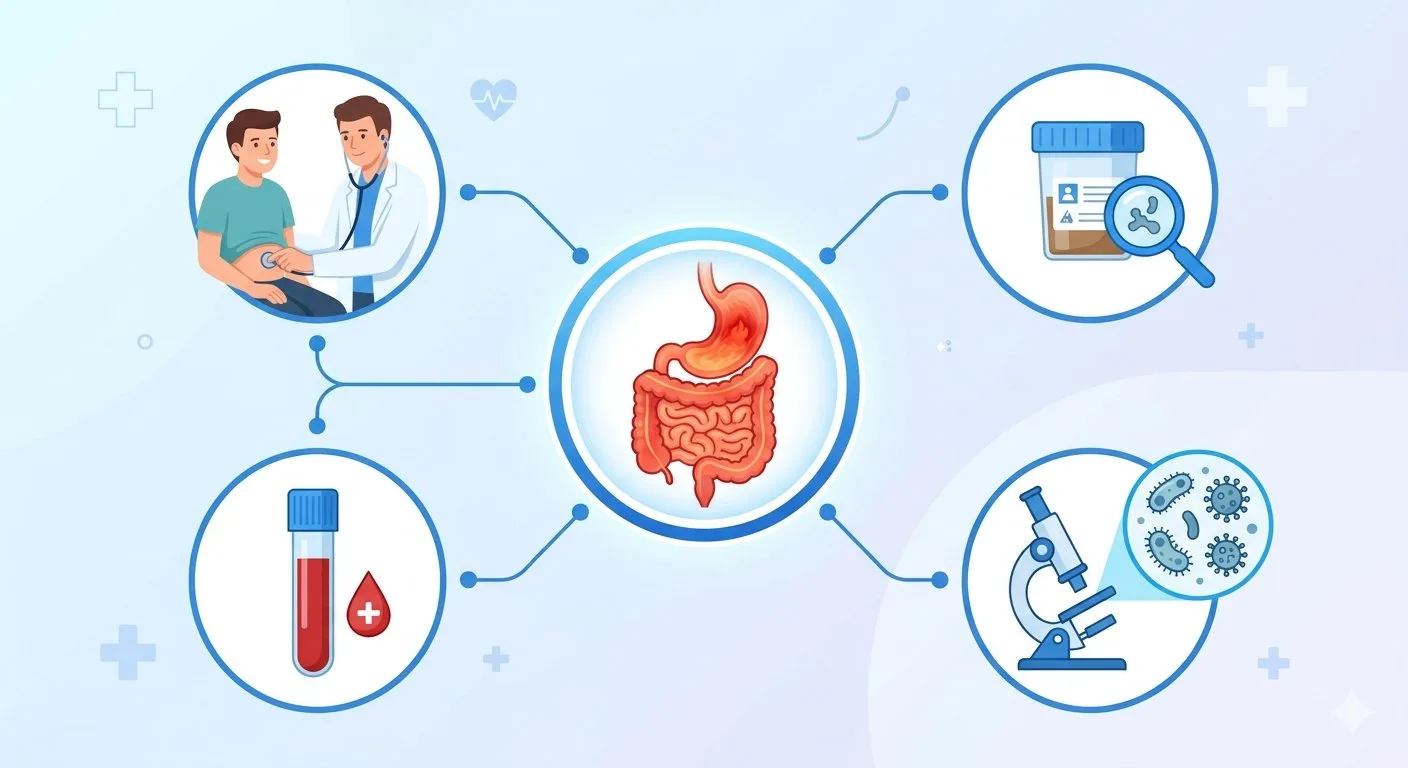
Many mild, short-lived cases can be diagnosed from the history and physical examination without laboratory tests. Testing becomes more useful when symptoms are severe, prolonged, bloody, associated with high fever, occur in an outbreak, or affect a person at increased risk.Medical history and examination
A clinician may ask about the number and appearance of stools, vomiting, fever, urine output, recent meals, drinking-water source, travel, sick contacts, medicines (especially antibiotics), underlying illnesses and symptom duration. Examination assesses hydration, pulse, blood pressure, abdominal tenderness and general condition.Stool tests
Stool culture can identify selected bacterial pathogens. Stool molecular tests may detect genetic material from several organisms. Specific antigen or parasite tests may be used when Giardia, Cryptosporidium or other parasites are suspected. Not every patient needs a stool test. A clinician chooses testing based on symptoms, duration, exposure, local guidance and whether the result would change management.Blood tests
Blood tests may be used when dehydration or systemic illness is suspected. Depending on the situation, tests may assess electrolytes, kidney function, blood count and other indicators. Severe dehydration may require urgent treatment rather than waiting for all results.When to consider testing for C. difficile
New, unexplained diarrhoea during or after antibiotic use or healthcare exposure may require assessment for C. difficile. Testing is generally performed on an appropriate unformed stool sample in a patient with compatible symptoms, not as routine screening in someone without diarrhoea.13. When should you seek medical attention?
Seek urgent medical care if there is blood in the stool, black tarry stool, severe or worsening abdominal pain, confusion, fainting, marked drowsiness, inability to keep fluids down, or signs of severe dehydration.
Signs of dehydration
- Very little urine or markedly fewer wet diapers than usual.
- Very dry mouth or tongue, intense thirst, or sunken eyes.
- Dizziness on standing, faintness or unusual weakness.
- Rapid heartbeat, rapid breathing, confusion or reduced alertness.
- In infants, poor feeding, unusual sleepiness or a sunken soft spot.
Contact a healthcare professional promptly when
- Diarrhoea is bloody or accompanied by significant fever.
- Vomiting is frequent or prevents adequate fluid intake.
- Symptoms are worsening, unusually severe or not improving over a few days.
- Diarrhoea persists for 14 days or longer.
- The patient is an infant, older adult, pregnant, immunocompromised or has significant chronic disease.
- Symptoms begin during or after antibiotics, particularly if frequent or severe.
14. How to prevent gastroenteritis
Because many gastroenteritis causes spread through contaminated food, water and hands, prevention focuses on safe water, food hygiene, sanitation, vaccination where available and reducing contact transmission.Handwashing
- Wash hands with soap and safe running water after using the toilet, changing diapers, cleaning vomit or stool, and before preparing or eating food.
- Rub all hand surfaces, including between fingers and under nails, then rinse and dry properly.
- Alcohol-based hand sanitiser may be useful in some situations, but it is not a substitute for soap-and-water handwashing for norovirus control when hands are visibly dirty.
Food safety
- Cook meat, poultry, seafood and eggs thoroughly.
- Choose pasteurised milk and juices.
- Wash fruits and vegetables with safe water.
- Keep raw meat and seafood separate from cooked or ready-to-eat foods.
- Refrigerate perishable foods promptly and avoid leaving cooked food at room temperature for extended periods.
- Use clean utensils, chopping boards and food-preparation surfaces.
- People with vomiting or diarrhoea should avoid preparing food for others while ill and follow local public-health advice about when it is safe to resume food handling.
Safe drinking water and sanitation
- Use treated drinking water from a reliable source.
- Where water safety is uncertain, boil or treat it using a method recommended by public-health authorities.
- Store drinking water in clean, covered containers and avoid dipping hands or unclean utensils into it.
- Maintain clean toilets and safe disposal of human waste.
Vaccination
Rotavirus vaccination protects young children against severe rotavirus diarrhoea. It does not prevent every cause of gastroenteritis, so food safety and hand hygiene remain important. Follow the locally recommended vaccine schedule and age limits.Preventing spread at home
When someone has vomiting or diarrhoea, clean contaminated bathroom and frequently touched surfaces carefully using an appropriate disinfectant and follow its label instructions. Handle soiled laundry safely, avoid sharing towels, and wash hands thoroughly. For suspected norovirus, careful cleaning is especially important because it spreads readily.15. What should you do if gastroenteritis develops?
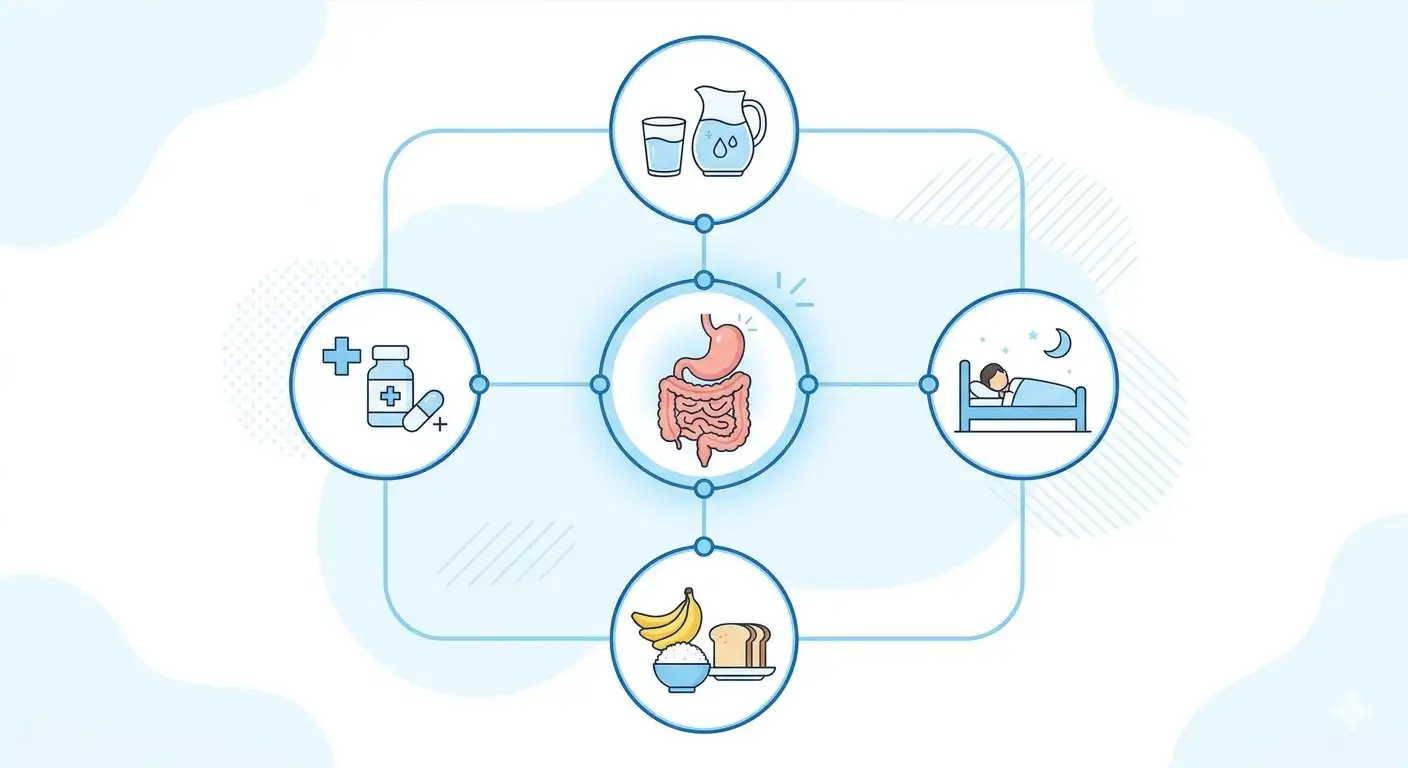
This article focuses on causes, but understanding the immediate next steps can reduce complications while the cause is being assessed.- Replace fluids: Take frequent small sips if nauseated. An appropriate oral rehydration solution (ORS) replaces water and essential salts lost through diarrhoea and vomiting. Prepare packaged ORS exactly as directed.
- Continue feeding as tolerated: Resume ordinary age-appropriate food when appetite returns. Prolonged fasting or an unnecessarily restrictive diet is usually not recommended.
- Continue breastfeeding: Breastfed infants should generally continue breastfeeding, with medical advice if feeding is difficult or dehydration is suspected.
- Use medicines carefully: Antibiotics do not treat viral gastroenteritis and should not be taken without a clinical indication. Anti-diarrhoeal medicines may be unsuitable in children and in people with fever or bloody diarrhoea; ask a clinician or pharmacist.
- Watch for dehydration: Monitor urine output, alertness, ability to drink and overall condition, especially in young children and older adults.
16. Frequently asked questions about gastroenteritis causes
What is the most common cause of gastroenteritis?
Viruses are major causes of acute infectious gastroenteritis. Norovirus is a leading cause in people of all ages, while rotavirus remains an important cause of severe diarrhoea in young children, particularly where vaccination coverage is incomplete.Can gastroenteritis be caused by contaminated water?
Yes. Water contaminated with human or animal faeces can carry viruses, bacteria and parasites. Drinking unsafe water or using it to wash food, prepare drinks or make ice can transmit infection.Can gastroenteritis spread from person to person?
Yes. Many infections spread through the faecal–oral route when microscopic amounts of infected stool or vomit reach another person’s mouth through hands, food, water or contaminated surfaces.Can antibiotics cause gastroenteritis?
Antibiotics can cause diarrhoea by disrupting normal intestinal bacteria. They can also increase the risk of C. difficile infection. Severe or persistent diarrhoea during or after antibiotic treatment needs medical advice.Does eating outside food cause gastroenteritis?
Eating outside food does not automatically cause illness. Risk increases when food is contaminated, undercooked, stored at unsafe temperatures, prepared with unsafe water or handled by someone who is infected.Can stress cause gastroenteritis?
Psychological stress can affect gut function and worsen symptoms such as nausea or diarrhoea, but it is not a usual cause of infectious gastroenteritis. A diagnosis should not be assumed without considering infection and other medical causes.How long after eating contaminated food does gastroenteritis start?
It depends on the organism or toxin. Some toxin-related illnesses begin within hours, while bacterial infections may take days and parasitic infections can take longer. Timing alone cannot identify the cause.Can gastroenteritis occur without fever?
Yes. Many viral and toxin-mediated illnesses occur without fever. The absence of fever does not rule out an intestinal infection.Can gastroenteritis cause blood in the stool?
Some infections, including Shigella, Campylobacter and Shiga toxin-producing E. coli, can cause bloody diarrhoea. Blood in the stool requires prompt medical assessment.Why do several family members get gastroenteritis together?
They may have eaten the same contaminated food or drunk the same unsafe water, or one person may have transmitted a contagious virus to others through shared surfaces, bathrooms or close contact.Is gastroenteritis contagious?
Infectious gastroenteritis is often contagious. Non-infectious diarrhoea caused by a medicine or chemical is not spread from person to person, although the symptoms can look similar.Can parasites cause long-lasting gastroenteritis?
Yes. Giardia, Cryptosporidium, Cyclospora and Entamoeba histolytica can cause persistent or prolonged intestinal symptoms. Testing may be needed to identify the organism and guide treatment.Does rotavirus vaccination prevent all gastroenteritis?
No. Rotavirus vaccines protect against severe illness caused by rotavirus but do not prevent norovirus, bacterial infections, parasitic infections or every other cause of diarrhoea.17. Key takeaways: Understanding the causes
- Most acute infectious gastroenteritis is caused by viruses, bacteria or parasites.
- Contaminated food and water, poor hand hygiene and contact with infected people are major routes of spread.
- Norovirus is highly contagious; rotavirus is an important cause of severe diarrhoea in young children.
- Bloody diarrhoea, prolonged symptoms or diarrhoea after antibiotics may indicate an infection that needs specific assessment.
- Medicines, food toxins and chemicals can cause similar symptoms without a conventional intestinal infection.
- Severe dehydration is a major danger, particularly for infants, older adults and people with weakened immunity.
- Safe water, sanitation, food handling, handwashing and rotavirus vaccination help prevent disease.
18. Summary and conclusion
Gastroenteritis has several possible causes, but infections with viruses, bacteria and parasites account for most acute infectious cases. Norovirus and rotavirus are important viral causes; Salmonella, Campylobacter, Shigella and pathogenic E. coli are important bacterial causes; and Giardia, Cryptosporidium and Entamoeba histolytica are examples of intestinal parasites. Infection can spread through contaminated food or water, unwashed hands, shared surfaces and close contact with an infected person. Some foodborne illness is caused by toxins already present in food, while medicines and chemicals can produce similar digestive symptoms. Knowing the likely source helps guide prevention and medical evaluation, but symptoms alone cannot reliably identify the organism. Stool testing is useful in selected severe, bloody, persistent or outbreak-associated cases. The most important immediate risk in many episodes is dehydration, so fluid replacement and early recognition of warning signs are essential. Good hand hygiene, safe drinking water, careful food preparation, sanitation and recommended vaccination can reduce the risk of gastroenteritis and help protect families and communities.19. Medical references and further reading
- National Institute of Diabetes and Digestive and Kidney Diseases (NIDDK) – Symptoms and Causes of Viral Gastroenteritis
- NIDDK – Viral Gastroenteritis: Overview, Diagnosis and Treatment
- World Health Organization (WHO) – Diarrhoeal Disease
- WHO – Food Safety
- Centers for Disease Control and Prevention (CDC) – About Norovirus
- CDC Yellow Book – Norovirus: Transmission and Epidemiology
- National Health Service (NHS) – Diarrhoea and Vomiting
- NIDDK – Symptoms and Causes of Diarrhea
- NIDDK – Symptoms and Causes of Food Poisoning
20. Medical disclaimer
This article is intended for general educational and informational purposes only. It does not replace an individual medical consultation, diagnosis or treatment plan. The cause of diarrhoea and vomiting cannot always be determined from symptoms alone. Seek medical advice for bloody diarrhoea, persistent vomiting, high fever, worsening abdominal pain, prolonged symptoms or signs of dehydration. Infants, older adults, pregnant people and individuals with weakened immunity may need earlier assessment. Do not start antibiotics or anti-diarrhoeal medicines without appropriate medical advice. If poisoning or chemical ingestion is suspected, seek urgent professional guidance and do not induce vomiting unless specifically instructed.📲 For Health-Related Articles & Videos
🔹 Facebook: https://www.facebook.com/positivemind.healthcare🔹 YouTube: http://www.youtube.com/@healthuseful8539/
ENT Consultation & Surgery
Dr. Sagar Rajkuwar (MS-ENT) Consultant ENT Specialist & Head-Neck SurgeonPrabha ENT Clinic, Ambad, Nashik, Maharashtra, India