Why Different Conditions Can Look Like Gastroenteritis-various aspects
Article author: Dr. Sagar Rajkuwar, MS-ENT 🌐 www.entspecialistinnashik.com
Introduction
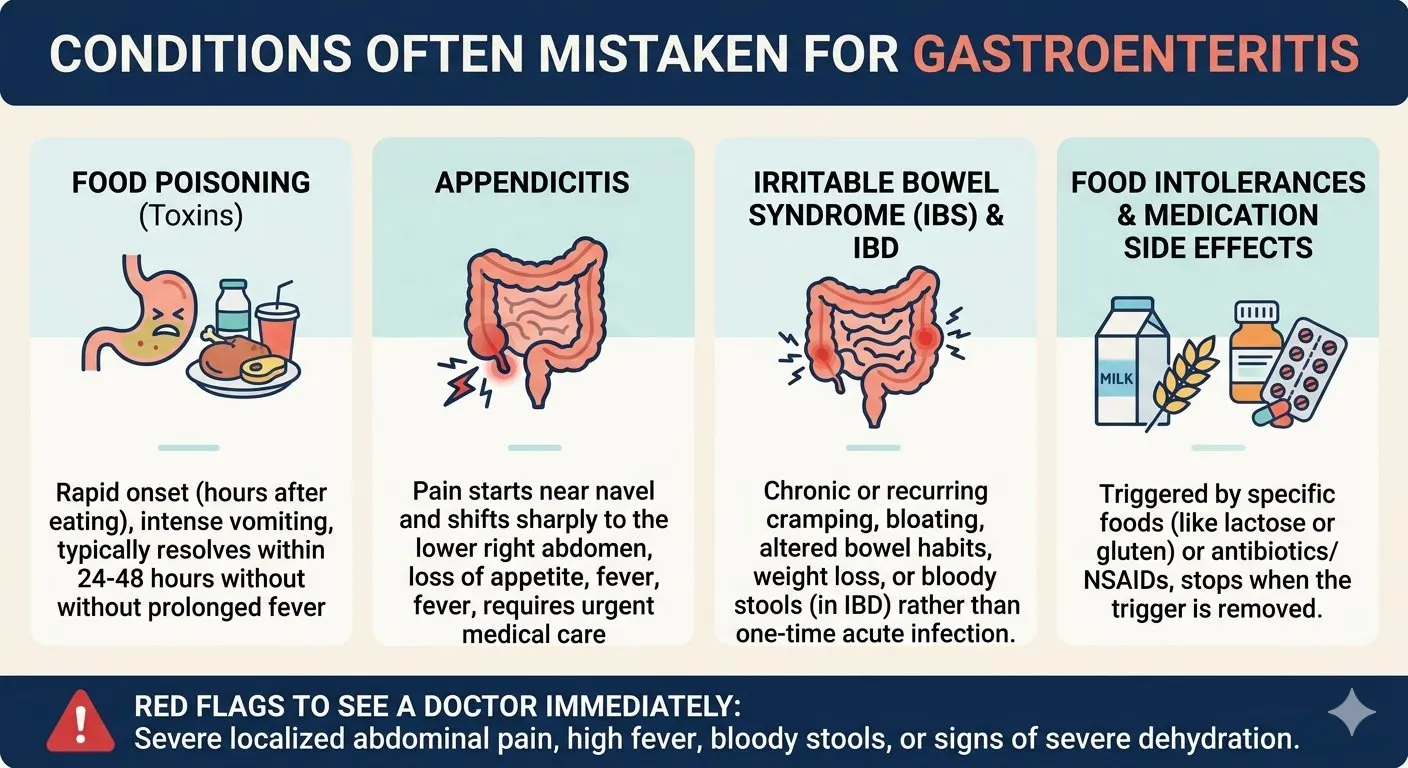
Sudden diarrhoea, nausea, vomiting and abdominal pain often suggest gastroenteritis, commonly called a stomach infection. However, these symptoms are not specific to one disease. Several digestive, urinary, metabolic and reproductive conditions can produce a similar pattern. Some are mild, while others require urgent treatment. If you are wondering what can be mistaken for gastroenteritis, important possibilities include appendicitis, acute pancreatitis, gallbladder inflammation, bowel obstruction, urinary tract infection, irritable bowel syndrome (IBS), inflammatory bowel disease (IBD), coeliac disease, food intolerance and medication-related diarrhoea. In people who could be pregnant, an ectopic pregnancy must also be considered when abdominal or pelvic pain occurs. The most useful clues are the location and progression of pain, duration of symptoms, fever, stool appearance, recent medicines, travel or food exposure, and associated symptoms. No single symptom can reliably distinguish every condition. This guide explains common gastroenteritis mimics, how clinicians assess them, and warning signs that should not be ignored.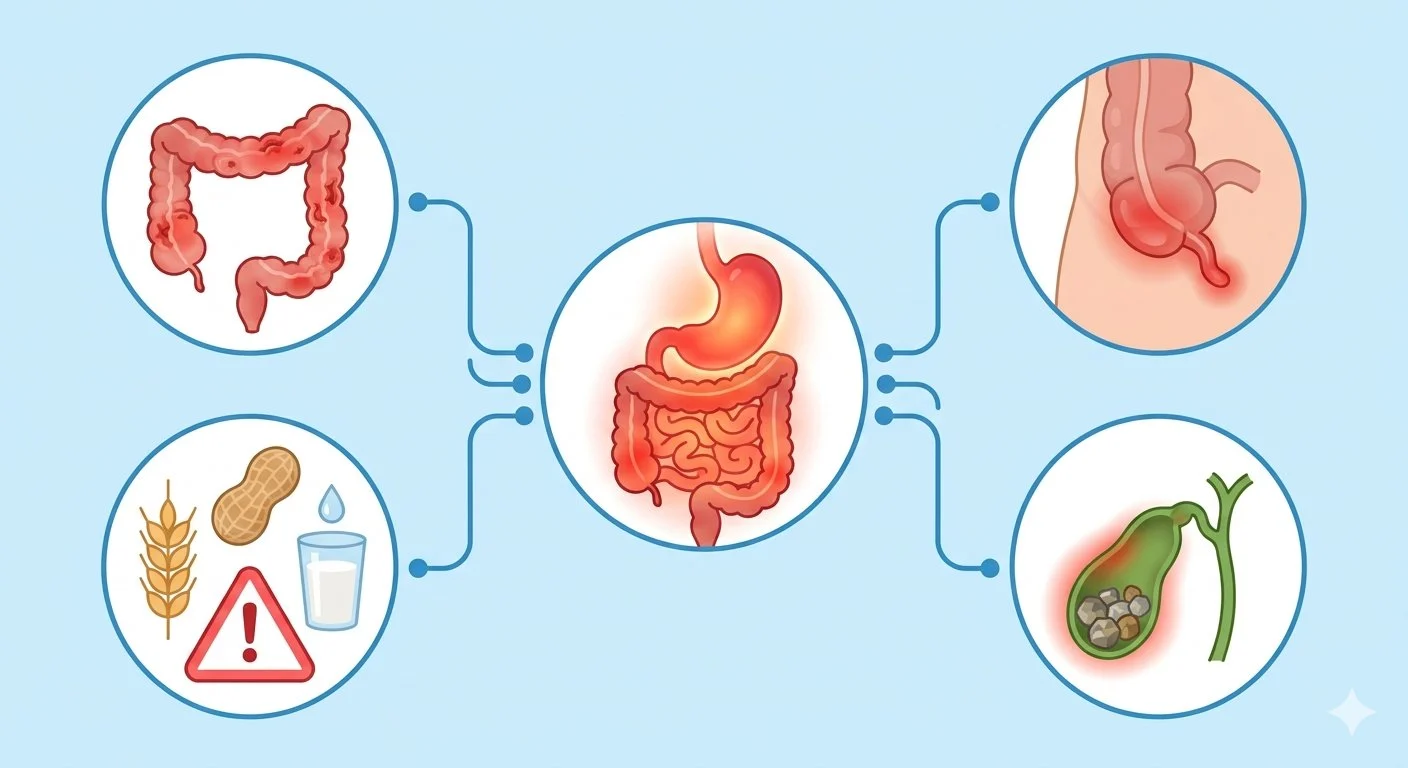
Quick answer: What can be mistaken for gastroenteritis?Conditions that may resemble gastroenteritis include appendicitis, pancreatitis, gallstones or cholecystitis, bowel obstruction, urinary infections, kidney stones, IBS, IBD, coeliac disease, food intolerance, medicine side effects and some pregnancy-related emergencies. Diabetic ketoacidosis (DKA) can also cause abdominal pain, nausea, vomiting and sometimes diarrhoea. Severe, worsening or localised pain, blood in the stool, fainting, dehydration or pregnancy-related pain requires prompt medical assessment.
Table of contents
- Why different conditions look like gastroenteritis
- Appendicitis
- Acute pancreatitis
- Gallstones and gallbladder inflammation
- Bowel obstruction and intestinal emergencies
- Irritable bowel syndrome
- Inflammatory bowel disease
- Coeliac disease and food intolerance
- Medicine-related diarrhoea and C. difficile
- Urinary tract infection and kidney stones
- Ectopic pregnancy
- Diabetic ketoacidosis
- Comparison table
- How doctors find the diagnosis
- When to seek urgent care
- Frequently asked questions
- Summary and conclusion
- References and disclaimer
1. Why different conditions look like gastroenteritis
Gastroenteritis is usually an infection-related inflammation of the stomach and intestines. Typical symptoms include loose or watery stools, vomiting, nausea, cramps and sometimes fever. Many other conditions affect the same abdominal organs or alter bowel function, so their symptoms overlap.Symptoms that commonly overlap
- Abdominal pain: may occur with intestinal infection, appendicitis, gallbladder disease, pancreatitis or obstruction.
- Diarrhoea: can result from infection, IBS, IBD, coeliac disease, food intolerance or medicines.
- Nausea and vomiting: occur in gastroenteritis but also in appendicitis, pancreatitis, gallbladder disease, obstruction, pregnancy and metabolic emergencies.
- Fever: can accompany infection or inflammation outside the intestines.
- Bloating: may be caused by gas, food intolerance, IBS, constipation or obstruction.
Acute versus persistent symptoms
A sudden illness lasting a few days, particularly when several people who shared a meal are affected, may point towards infection or foodborne illness. Recurrent symptoms over weeks or months suggest other possibilities, including IBS, IBD, coeliac disease, food intolerance or medication effects. These patterns are clues, not a diagnosis.2. Appendicitis: An important condition mistaken for gastroenteritis
Appendicitis is inflammation of the appendix, a small pouch attached to the large intestine. It is important to exclude when abdominal pain occurs with nausea, vomiting or diarrhoea.How it can resemble a stomach infection
Appendicitis may cause loss of appetite, nausea, vomiting, fever and sometimes loose stools. Early pain can be vague and felt around the navel, so it may initially be confused with indigestion or gastroenteritis.Clues that suggest appendicitis
- Pain may begin near the navel and move towards the lower right abdomen.
- Pain often becomes progressively worse rather than settling after a bowel movement.
- Walking, coughing or movement may increase discomfort.
- Loss of appetite, nausea, vomiting and fever may occur.
Urgent warning: Worsening pain, particularly pain that moves to the lower right abdomen, needs urgent medical assessment. A ruptured appendix can cause serious infection in the abdomen. Do not wait for all classic symptoms to appear.
3. Acute pancreatitis
Acute pancreatitis is sudden inflammation of the pancreas, an organ involved in digestion and blood-sugar regulation. It can cause severe abdominal pain, nausea, vomiting and fever, and may be mistaken for a severe stomach infection.Typical features
- Sudden, persistent pain in the upper abdomen.
- Pain that may spread through to the back.
- Nausea and repeated vomiting.
- Abdominal tenderness, fever or rapid heartbeat in some cases.
- Pain that may worsen after eating or when lying flat.
Do not assume severe upper abdominal pain with vomiting is gastroenteritis. Acute pancreatitis generally requires hospital assessment and treatment.
4. Gallstones and gallbladder inflammation
Gallstones can block the ducts that drain bile from the gallbladder. A temporary blockage may cause biliary colic, while persistent blockage and inflammation can lead to acute cholecystitis.Symptoms that may overlap
- Pain in the upper right or upper middle abdomen.
- Nausea and vomiting.
- Discomfort after meals, sometimes after fatty foods.
- Fever or chills if inflammation or infection develops.
5. Bowel obstruction and other intestinal emergencies
A bowel obstruction occurs when the normal movement of intestinal contents is partly or completely blocked. Causes include adhesions after abdominal surgery, hernias, tumours, twisting of the bowel and inflammatory conditions.Symptoms of bowel obstruction
- Cramping abdominal pain that may come in waves.
- Abdominal swelling or marked bloating.
- Repeated vomiting, which may become severe.
- Inability to pass stool or gas in a complete obstruction.
- Dehydration and weakness.
Intussusception in children
Intussusception occurs when one part of the intestine slides into another, causing blockage and potentially affecting blood supply. In infants and young children, episodes of severe intermittent crying or abdominal pain, vomiting, unusual sleepiness, abdominal swelling or blood-and-mucus stool require urgent hospital assessment. Do not wait for all features to develop.6. Irritable bowel syndrome (IBS)
Irritable bowel syndrome (IBS) is a long-term disorder of gut-brain interaction. It can cause recurring abdominal pain, bloating, diarrhoea, constipation or alternating bowel habits. During a flare, IBS may be mistaken for repeated episodes of gastroenteritis.How IBS differs from an acute stomach infection
- Symptoms usually recur over months rather than appearing as one short episode.
- Abdominal pain may be related to bowel movements and may improve after passing stool.
- Symptoms fluctuate and may be associated with particular foods, stress or hormonal changes.
- IBS does not itself cause intestinal ulceration or tissue damage.
7. Inflammatory bowel disease (IBD)
Inflammatory bowel disease mainly includes Crohn’s disease and ulcerative colitis. These are chronic inflammatory conditions, not ordinary stomach infections. They can cause diarrhoea, abdominal pain, fatigue, weight loss and sometimes blood or mucus in stool.Crohn’s disease
Crohn’s disease can affect different parts of the digestive tract, although the end of the small intestine and colon are commonly involved. Symptoms may include persistent diarrhoea, abdominal pain, weight loss, fatigue, mouth ulcers and perianal problems.Ulcerative colitis
Ulcerative colitis affects the lining of the large intestine and rectum. Common symptoms include recurrent diarrhoea, blood or mucus in stool, urgency, abdominal cramps and fatigue.How doctors distinguish IBD
Duration, recurrence, blood in stool, weight change, examination and family history are important. Investigations may include blood tests, stool tests such as faecal calprotectin, colonoscopy and biopsies. An infection can sometimes trigger symptoms in someone who already has IBD, so the two are not always mutually exclusive.8. Coeliac disease and food intolerances
Some people have diarrhoea and abdominal discomfort after particular foods. These symptoms may be mistaken for recurrent gastroenteritis, especially when they occur after meals.Coeliac disease
Coeliac disease is an immune-mediated condition triggered by gluten, a protein found in wheat, barley and rye. It can damage the small intestine and interfere with nutrient absorption. Symptoms include chronic diarrhoea, bloating, abdominal pain, fatigue, iron-deficiency anaemia and weight loss. Some people have few or no digestive symptoms. Testing generally begins with blood tests while the person is still eating gluten; starting a gluten-free diet before testing can make results less reliable. A clinician may recommend further tests, including an intestinal biopsy.Lactose intolerance
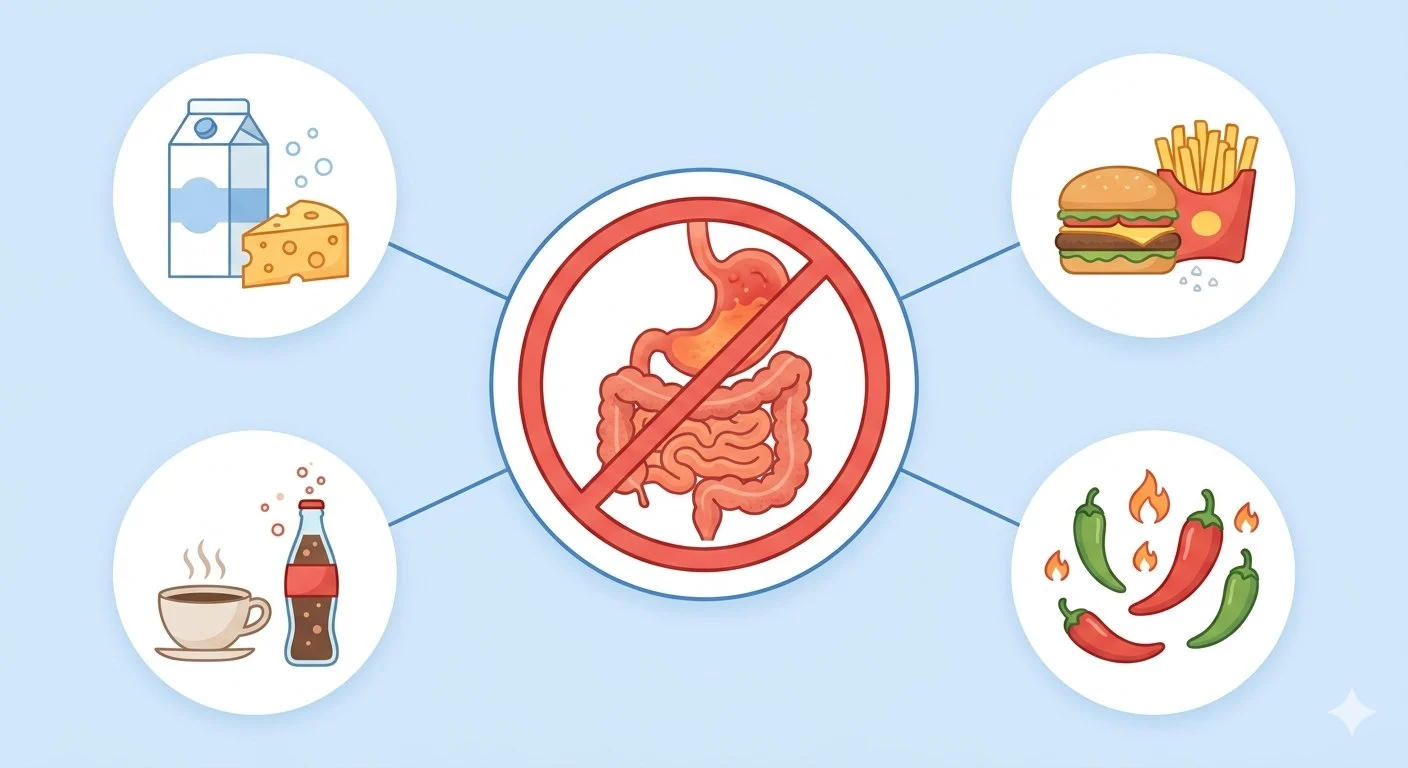
Lactose intolerance occurs when the small intestine does not produce enough lactase, the enzyme needed to digest lactose in milk. Undigested lactose can cause gas, bloating, cramps and diarrhoea after dairy products. Symptoms are often linked to the amount consumed and may recur after exposure.Other food intolerances
Some people develop symptoms after consuming particular carbohydrates, including excess fructose or sugar alcohols such as sorbitol. Food allergy can also cause gastrointestinal symptoms, but may involve skin, breathing or circulatory symptoms. A suspected severe allergic reaction is an emergency.9. Medicine-related diarrhoea and C. difficile infection
Several medicines can cause diarrhoea, nausea or abdominal discomfort. This can be confused with gastroenteritis, especially when symptoms start soon after a new prescription or dose change.Medicines that may cause diarrhoea
- Antibiotics can disrupt normal gut bacteria and cause loose stools.
- Metformin can cause diarrhoea and other digestive side effects in some people.
- Magnesium-containing antacids or supplements may loosen stools.
- Laxatives can cause diarrhoea if the dose is excessive.
- Some cancer medicines, immunotherapies and other prescription drugs can affect the bowel.
Clostridioides difficile (C. difficile)
C. difficile is a bacterium that can cause diarrhoea and inflammation of the colon, particularly after antibiotic exposure or healthcare contact. Symptoms may include frequent watery stools, abdominal pain, fever and loss of appetite. Severe disease can cause serious complications. New, unexplained diarrhoea during or after antibiotics deserves medical advice. Stool testing is used when symptoms and clinical history make C. difficile infection plausible.10. Urinary tract infection and kidney stones
Problems in the urinary system can cause abdominal pain, nausea and vomiting. They may occur at the same time as bowel symptoms or be mistaken for a stomach infection.Urinary tract infection (UTI)
A urinary tract infection may cause lower abdominal discomfort, burning during urination, frequent or urgent urination and cloudy or blood-stained urine. If infection reaches the kidneys (pyelonephritis), fever, chills, back or flank pain, nausea and vomiting may occur.Kidney stones
Kidney stones can cause severe pain in the side or back that may travel towards the groin. Pain often comes in waves and may be associated with nausea, vomiting or blood in the urine. Medical assessment is needed to confirm the cause.11. Ectopic pregnancy and other pregnancy-related causes
In anyone who could be pregnant, abdominal or pelvic pain with nausea, vomiting or diarrhoea should not automatically be labelled gastroenteritis. Pregnancy-related conditions can sometimes resemble a stomach or bowel problem.Ectopic pregnancy
An ectopic pregnancy occurs when a fertilised egg implants outside the uterus, most often in a fallopian tube. Symptoms may include lower abdominal pain, often on one side, vaginal bleeding or brown discharge, shoulder-tip pain, dizziness, fainting, and discomfort when passing urine or stool. Diarrhoea can also occur.Emergency warning: Possible pregnancy with one-sided lower abdominal pain or vaginal bleeding requires prompt medical assessment, even if a home pregnancy test has not yet been positive. Sudden severe pain, shoulder-tip pain, marked dizziness or fainting may indicate rupture and internal bleeding; seek emergency care immediately.
Other pregnancy-related problems
Depending on the stage of pregnancy, urinary infection, miscarriage, pre-eclampsia, premature labour and other obstetric conditions can cause abdominal symptoms. Severe, persistent or unusual pain during pregnancy should be discussed urgently with an obstetric clinician.12. Diabetic ketoacidosis and other metabolic causes
Diabetic ketoacidosis (DKA) is a dangerous complication of diabetes caused by insufficient insulin and a build-up of ketones in the blood. It can cause abdominal pain, nausea, vomiting and sometimes diarrhoea, making it easy to mistake for a stomach infection.Clues that suggest DKA
- Excessive thirst and frequent urination.
- Abdominal pain, nausea or vomiting.
- Deep or rapid breathing.
- Fruity-smelling breath.
- Marked tiredness, drowsiness or confusion.
- High blood glucose or raised ketones, although presentation can vary.
13. Comparison table: Clues that help distinguish conditions
| Condition | Typical clues | Why it matters |
|---|---|---|
| Gastroenteritis | Sudden watery diarrhoea, vomiting, cramps; possible sick contacts or shared food exposure | Often improves with supportive care, but dehydration must be watched |
| Appendicitis | Pain may move to lower right abdomen and progressively worsen | Needs urgent assessment; risk of rupture |
| Pancreatitis | Severe persistent upper abdominal pain, often radiating to back, with vomiting | Usually requires hospital care |
| Gallbladder disease | Upper right abdominal pain, sometimes after meals; fever or jaundice if complicated | May require urgent imaging and treatment |
| Bowel obstruction | Distension, vomiting, inability to pass gas or stool | Can be a surgical emergency |
| IBS | Recurrent pain linked to bowel habit changes over time | Chronic pattern; alarm signs need investigation |
| IBD | Persistent or recurrent diarrhoea, blood, weight loss, fatigue | Requires investigation and long-term management |
| Coeliac disease | Chronic diarrhoea, bloating, nutrient deficiency, symptoms related to gluten | Blood testing should generally be done before gluten is removed |
| Medicine side effect | Symptoms begin after starting or changing a medicine | Medication review; consider C. difficile after antibiotics |
| UTI or kidney stone | Urinary burning/frequency, flank pain or blood in urine | Urine tests and sometimes imaging are needed |
| Ectopic pregnancy | Possible pregnancy, one-sided pelvic pain, bleeding, shoulder pain or faintness | Potentially life-threatening emergency |
| DKA | Thirst, frequent urination, vomiting, abdominal pain, deep breathing or confusion | Emergency metabolic condition |
14. How doctors find the correct diagnosis
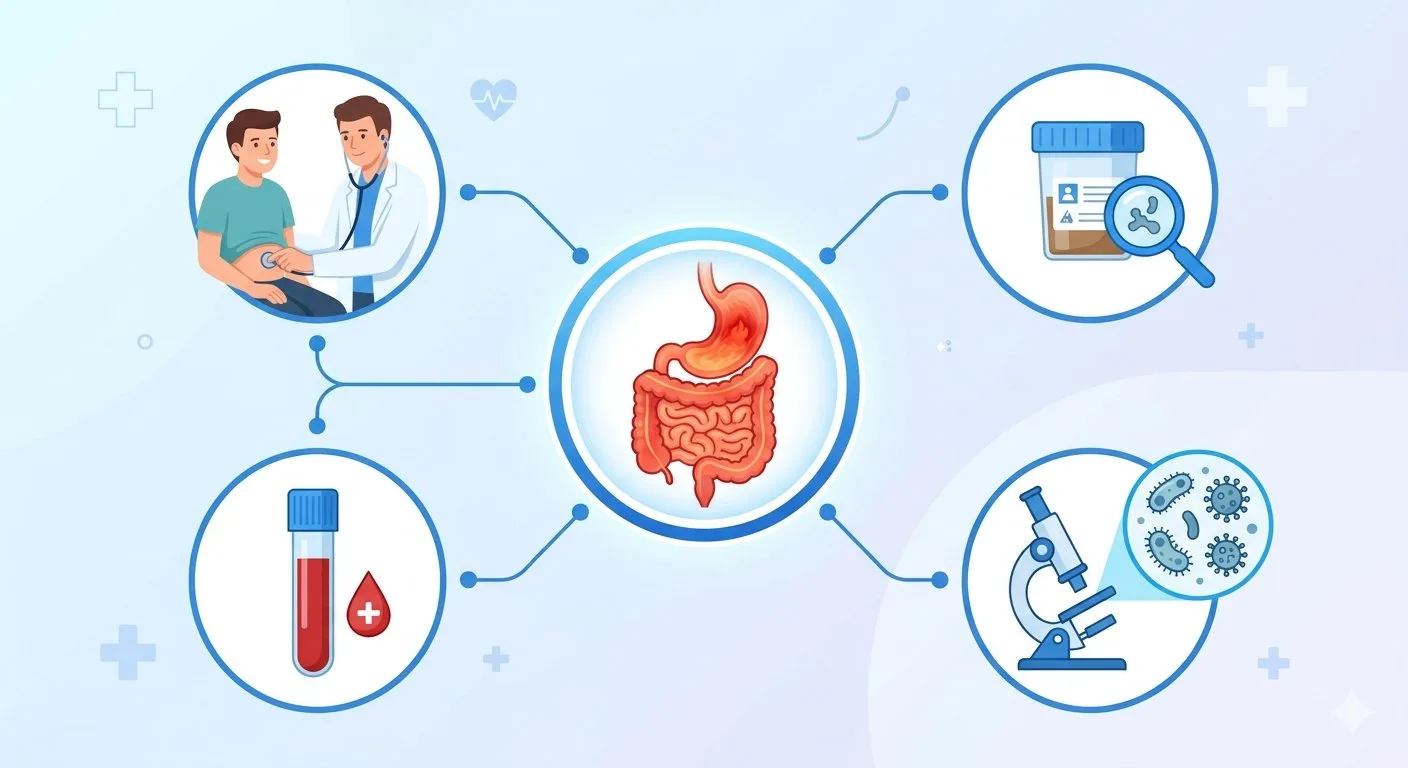
When deciding what can be mistaken for gastroenteritis, clinicians do not rely on one symptom. They combine the history, physical examination and selected tests according to the suspected condition and severity.Questions a doctor may ask
- When did symptoms begin, and are they improving or worsening?
- Where is the pain, and does it move?
- Is diarrhoea watery, bloody, black or associated with mucus?
- Is there fever, repeated vomiting, reduced urine output or weight loss?
- Did other people who shared food become ill?
- Have there been trips, unsafe water exposure or new medicines, especially antibiotics?
- Is there a history of diabetes, gallstones, abdominal surgery, bowel disease or possible pregnancy?
Physical examination
The clinician may check temperature, pulse, blood pressure, hydration and abdominal tenderness. The location of tenderness, guarding, abdominal swelling and pain with movement can help determine whether urgent imaging or surgical review is needed.Tests that may be recommended
| Investigation | Why it may be used |
|---|---|
| Complete blood count (CBC) | Looks for anaemia or changes that may accompany infection or inflammation |
| Electrolytes and kidney function | Assesses dehydration and effects of fluid loss |
| CRP | May support assessment of inflammation, but is not diagnostic alone |
| Stool testing | Looks for selected bacteria, parasites, viruses or C. difficile when indicated |
| Urine test | Assesses urinary infection, blood or other clues |
| Pregnancy test | Important when pregnancy is possible and abdominal/pelvic pain is present |
| Lipase | Helps investigate suspected pancreatitis |
| Ultrasound or CT scan | May assess appendix, gallbladder, pancreas, kidneys or bowel |
| Endoscopy or colonoscopy | May be considered for persistent symptoms, suspected IBD, coeliac disease or other bowel conditions |
Does everyone with diarrhoea need tests?
No. A healthy adult with mild, short-lived watery diarrhoea and no warning signs may not need testing. Investigations are more likely when there is blood in the stool, high fever, severe pain, dehydration, recent antibiotic use, immunosuppression, persistent symptoms or concern about an outbreak.15. When to seek urgent medical attention
Seek emergency care now for sudden severe or rapidly worsening abdominal pain, fainting or collapse, confusion, difficulty breathing, a rigid or markedly swollen abdomen, vomiting blood, black tarry stools, or signs of shock.
Seek urgent same-day medical assessment for
- Pain that becomes localised, especially in the lower right abdomen.
- Severe or persistent upper abdominal pain, particularly if it spreads to the back.
- Repeated vomiting or inability to keep fluids down.
- Blood in the stool, significant fever or severe abdominal tenderness.
- Very little urine, intense thirst, dizziness or unusual weakness.
- Jaundice, dark urine or pale stools with abdominal pain.
- Possible pregnancy with abdominal or pelvic pain, bleeding or shoulder-tip pain.
- Diarrhoea in an infant, frail older adult or person with weakened immunity.
16. What to do while waiting for medical assessment
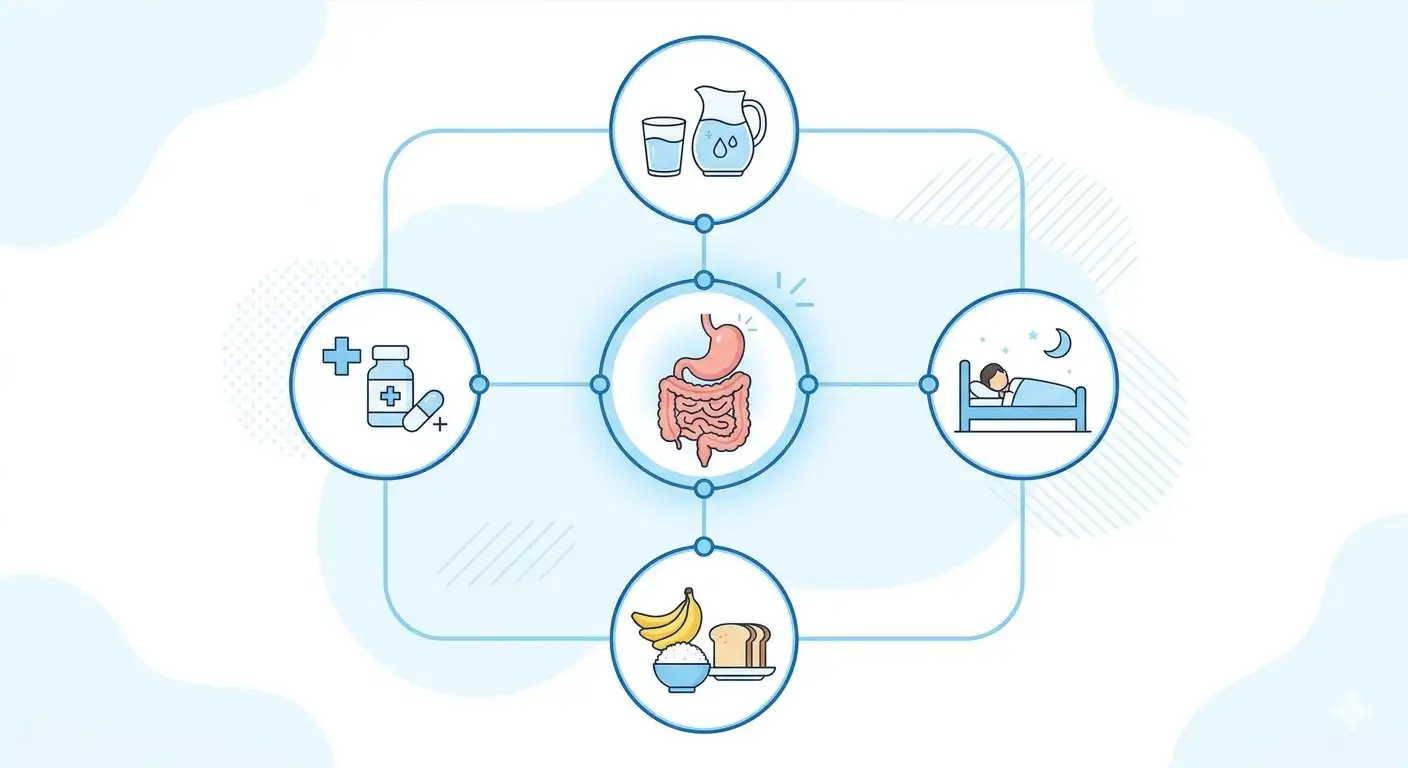
- If alert and able to drink, offer small, frequent sips of an appropriate oral rehydration solution (ORS) when diarrhoea or vomiting is causing fluid loss.
- Do not force food or drink if the person is drowsy, confused, choking or unable to swallow safely.
- Avoid leftover antibiotics or anti-diarrhoeal medicines without advice, particularly with fever, blood in stool or severe pain.
- Keep a list of medicines, allergies, recent antibiotics, medical conditions and when symptoms began.
- If pregnancy is possible, tell the clinician promptly.
- Do not delay emergency assessment to try home remedies.
17. Frequently asked questions
Can appendicitis be mistaken for gastroenteritis?
Yes. Appendicitis can cause nausea, vomiting, fever and sometimes diarrhoea. Pain that progressively worsens or moves to the lower right abdomen is a warning sign and needs urgent medical assessment.Can pancreatitis feel like gastroenteritis?
Yes. Both can cause nausea and vomiting. Pancreatitis more typically causes severe, persistent upper abdominal pain that may spread to the back and generally requires hospital assessment.Can gallbladder problems cause diarrhoea and vomiting?
Gallbladder disease commonly causes upper abdominal pain, nausea and vomiting. Persistent right upper abdominal pain, fever or jaundice should prompt medical review.Can IBS be confused with gastroenteritis?
Yes. IBS can cause diarrhoea, cramps and bloating. Unlike a typical acute infection, IBS usually follows a recurring pattern over time. Blood in stool, fever, weight loss or persistent night symptoms require assessment for other causes.Can inflammatory bowel disease look like a stomach infection?
Yes. Crohn’s disease and ulcerative colitis can cause diarrhoea, pain, fever and fatigue. Recurrent or persistent symptoms, blood in stool and weight loss may suggest IBD and need investigation.Can food intolerance be mistaken for gastroenteritis?
Yes. Lactose intolerance and other food-related problems can cause cramps, gas, bloating and diarrhoea after eating. Repeated symptoms linked to a particular food are a useful clue, but should be assessed if persistent or severe.Can a urinary infection cause stomach symptoms?
Yes. A urinary tract infection can cause lower abdominal pain, nausea or fever. Kidney infection may cause flank or back pain, fever and vomiting. Urinary symptoms such as burning or frequency provide additional clues.Can ectopic pregnancy be mistaken for a stomach bug?
It can. Ectopic pregnancy may cause one-sided lower abdominal pain, bowel discomfort or diarrhoea, and vaginal bleeding. If pregnancy is possible, seek medical assessment promptly; sudden severe pain, shoulder-tip pain or fainting is an emergency.Can antibiotics cause symptoms similar to gastroenteritis?
Yes. Antibiotics can cause diarrhoea, and some antibiotic-associated diarrhoea is due to C. difficile infection. Contact a healthcare professional if diarrhoea is frequent, severe, persistent or accompanied by fever or abdominal pain.How can I tell gastroenteritis from appendicitis at home?
You cannot reliably rule out appendicitis at home. Progressive or localised lower-right abdominal pain, pain with movement, or worsening symptoms need urgent clinical assessment even if diarrhoea or vomiting is present.Does diarrhoea always mean gastroenteritis?
No. Diarrhoea can result from infection, medicines, food intolerance, IBS, IBD, coeliac disease, endocrine or metabolic conditions and other digestive disorders. Persistent or recurrent diarrhoea should be evaluated.When should diarrhoea be investigated?
Testing may be needed when diarrhoea is bloody, severe, associated with fever or dehydration, follows recent antibiotics, persists, occurs in an immunocompromised person or forms part of a suspected outbreak. A clinician decides which tests are appropriate.18. Summary and conclusion
Gastroenteritis is a common explanation for sudden diarrhoea and vomiting, but it is not the only possible cause. Appendicitis, acute pancreatitis, gallbladder disease, bowel obstruction, IBS, IBD, coeliac disease, food intolerance, medicine-related diarrhoea, urinary conditions, ectopic pregnancy and diabetic ketoacidosis can produce overlapping symptoms. The pattern matters: progressive or localised pain, persistent upper abdominal pain radiating to the back, abdominal swelling, inability to pass gas, blood in the stool, jaundice, urinary symptoms, possible pregnancy or signs of abnormal blood sugar may point away from uncomplicated gastroenteritis. There is no safe way to distinguish every cause by symptoms alone. Medical history, examination and selected tests help establish the diagnosis. Seek urgent care for severe pain, fainting, confusion, significant dehydration, blood in stool or possible ectopic pregnancy. Early assessment can prevent delays in treating conditions that may become serious.19. Medical references and further reading
- NHS – Appendicitis: Symptoms and when to seek help
- NHS – Acute Pancreatitis
- NHS – Acute Cholecystitis
- NIDDK – Irritable Bowel Syndrome
- NIDDK – Symptoms and Causes of Diarrhea
- NIDDK – Symptoms and Causes of Coeliac Disease
- NHS – Ectopic Pregnancy: Symptoms
- NHS – Diabetic Ketoacidosis
- Infectious Diseases Society of America – Clinical Practice Guidelines for Infectious Diarrhea
- Merck Manual Professional – Diarrhea: Evaluation and Differential Diagnosis
- MedlinePlus – Diarrhea
20. Medical disclaimer
This article is for general educational purposes only and is not a substitute for individual medical advice, diagnosis or treatment. Abdominal pain, vomiting and diarrhoea can have many causes, some of which require urgent investigation. Do not diagnose appendicitis, pancreatitis, bowel obstruction, ectopic pregnancy, diabetic ketoacidosis or other serious conditions at home. Seek urgent medical attention for severe or worsening pain, fainting, confusion, blood in stool, marked dehydration, possible pregnancy with abdominal pain or other emergency warning signs. Do not start or stop prescription medicines, antibiotics or anti-diarrhoeal drugs without appropriate medical guidance.📲 For Health-Related Articles & Videos
🔹 Facebook: https://www.facebook.com/positivemind.healthcare🔹 YouTube: http://www.youtube.com/@healthuseful8539/
ENT Consultation & Surgery
Dr. Sagar Rajkuwar (MS-ENT) Consultant ENT Specialist & Head-Neck SurgeonPrabha ENT Clinic, Ambad, Nashik, Maharashtra, India