When will my uvula shrink after a tonsillectomy?
Author: Dr Sagar Rajkuwar, ENT Specialist, Nashik, Maharashtra, India
🌐 www.entspecialistinnashik.com
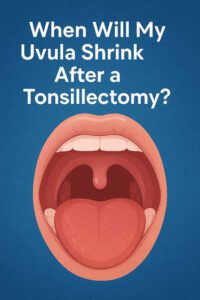
Uvular edema (uvulitis) after a tonsillectomy is typical. Typically, the swelling and inflammation reach their highest point between Days 3 and 5, and the majority of patients experience their uvula decreasing in size and returning to a pleasant size within 1 to 3 weeks
It may be quite alarming to experience a bloated uvula, which can result in gagging, difficulty swallowing, or loud snoring at night.
In order to promote recovery and alleviate pain:
- Maintain hydration by consuming lots of ice-cold liquids. This aids in calming the region and lowering inflammation.
- Steer clear of irritants: Eat only cool, soft, or room-temperature foods (such as lukewarm broth, ice cream, and yogurt). Don’t eat anything too acidic, spicy, or crunchy.
- Rest: While resting, prop your head up with additional pillows to help fluid drain from your throat and lessen edema.
- Treatment: Strictly follow your surgeon’s instructions when taking any prescribed pain killers or steroids.
You should get in touch with your surgeon or healthcare professional right away if your uvula continues to be extremely swollen after two weeks, if you have a fever, if you have trouble breathing, or if you bleed too much.
In order to give you more customized recovery advice, could you tell me what postoperative day you are currently on and if you are experiencing any other symptoms, such as pain or trouble swallowing?
Table of contents
- Introduction
- The Purpose and Understanding of the Uvula
- After a tonsillectomy, what causes the uvula to enlarge?
- How long does it take for the uvula to shrink?
- Things That Affect Recovery Time
- What does a swollen uvula feel like?
- After a tonsillectomy, use at-home remedies to lessen uvula swelling.
- When to Get in Touch with Your Physician
- Will my uvula return to its usual shape?
- Advice for a Successful Recovery
- Long-Range Forecast
- Summary
- Conclusion
1)Introduction
Many patients observe that their uvula, which is the tiny, hanging tissue at the back of the throat, looks swollen, elongated, or even touching the tongue or throat after a tonsillectomy. This might result in pain, a gagging sensation, or trouble swallowing. Patients understandably wonder, “When will my uvula shrink after a tonsillectomy?”
The response depends on the specific surgical approach, post-operative care, and individual healing patterns. In most cases, uvula edema is transient and gets better as your throat recovers. The majority of individuals observe a significant improvement within 1–2 weeks, although full normalization can take up to 3–4 weeks.
This article examines the causes of uvula swelling, the typical length of recovery, common symptoms, and red flags that should alert you to seek advice from your ENT expert.
2)The Purpose and Understanding of the Uvula
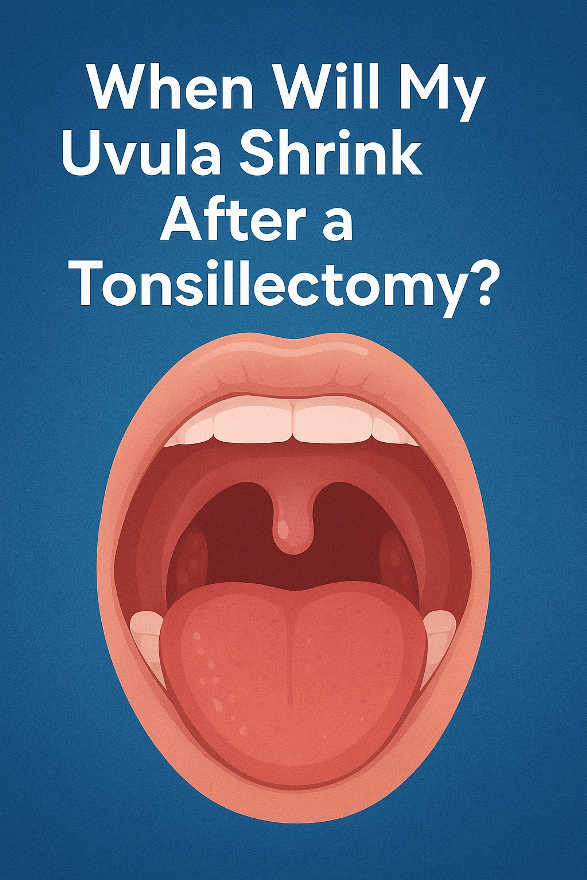
The uvula is a tiny, fleshy protrusion at the back of the soft palate. It has a number of crucial functions, even if it doesn’t appear to be very important:
- Speech: Aids in the pronunciation of particular sounds.
- Swallowing: Aids in directing meals and fluids down the throat.
- Lubrication: Creates saliva that maintains the throat’s moisture.
- Defense: During swallowing, it aids in blocking the nasopharynx, preventing food from entering the nose.
The uvula may seem larger or more enlarged after a tonsillectomy because it is adjacent to the procedure area. This swelling is seldom a cause for worry because it is a component of the body’s normal healing reaction.
3)After a tonsillectomy, what causes the uvula to enlarge?
After a tonsillectomy, the uvula may swell mostly as a result of surgical trauma and inflammation. A number of things contribute to this:
Surgical Intervention:
The surgeon operates close to the uvula and soft palate during a tonsillectomy. Cauterization and the use of instruments can irritate surrounding tissues.
Thermal trauma:
In cautery procedures, the heat used to close blood vessels may result in transient edema or inflammation in neighboring tissues, such as the uvula.
Inflammation Following Surgery:
Surgery causes the body’s immune system to react by causing fluid and blood to build up in the area, resulting in swelling.
Dehydration:
Following surgery, some people refrain from drinking because of pain. Dehydration exacerbates swelling by thickening mucus and making the throat drier.
Gravity:
The uvula seems even longer in the morning because gravity makes fluid collect in the throat tissues when lying down, especially when sleeping.
4)How long does it take for the uvula to shrink?
Following a tonsillectomy, the timeline for the uvula’s return to normal may be broken down into phases:
1. Right after surgery (Day 1-3)
- Anticipate considerable edema in the uvula and soft palate.
- The uvula might seem extended, contact the tongue, or even induce a choking feeling.
- A foreign-body sensation, pain, and trouble swallowing are all common.
- It is essential to get enough fluids, rest, and drink cool beverages.
2. Early Healing Phase (Days 4–10)
- Swelling gradually begins to subside.
- The uvula may continue to feel large or heavy, particularly in the morning.
- As part of the normal healing process, white scabs develop over the tonsillar fossae.
- Stay away from spicy or acidic meals that might irritate the area.
3. The Intermediate Stage (Week 2–3)
- Scabs begin to fall off as the uvula continues to shrink.
- The discomfort and swelling lessen significantly.
- The majority of patients observe that their uvula is getting back to its normal size.
- It’s easier to talk and eat.
4. The Late Healing Phase (Week 4 and Onwards)
- The uvula usually recovers its regular size and function.
- Some people may still experience slight residual swelling or stiffness in their soft palates.
- In general, by the fourth week, there is a complete recovery, including a return to normal speaking and swallowing.
5)Things That Affect Recovery Time
There are many things that might affect how long it takes for your uvula to get smaller:
Age:
Due to improved tissue regeneration, children frequently recover quicker than adults.
Procedure for Surgery:
Compared to electrocautery, the scalpel technique used in cold dissection tonsillectomy is less likely to cause collateral heat damage, resulting in a quicker recovery.
Nutrition and Hydration:
Maintaining adequate hydration helps reduce edema and hasten recovery.
Irritation or Infection:
Persistent throat discomfort following surgery or from smoking, excessive talking, or spicy food can exacerbate inflammation.
General Well-being:
Diabetes, anemia, and immunodeficiency are just a few of the illnesses that can cause healing to be slowed down.
6)What does a swollen uvula feel like?
Following a tonsillectomy, a swollen uvula can result in a variety of symptoms, including:
- The feeling of gagging or choking
- speech or swallowing problems
- experiencing the sensation that something is lodged in the throat
- Breathing that is loud or snoring
- Moderate pain or discomfort in the rear of the mouth
Although these feelings can be annoying, they typically disappear when the edema goes away. Medical assessment is recommended if symptoms worsen or last longer than three to four weeks.
7)After a tonsillectomy, use at-home remedies to lessen uvula swelling.
Although some uvula swelling is expected as part of the healing process, some steps can be taken to lessen pain and hasten recovery:
1. Keep Hydrated
Make sure to drink a lot of ice chips or cold water during the day. Refrain from dehydration, since it exacerbates edema and slows down recovery.
2. Use ice creams or cold drinks.
The uvula and throat’s inflammation can be lessened by the constricting effect that cold products have on blood vessels.
3. Stay Away from Irritants
Avoid acidic drinks, spicy foods, alcohol, and smoking, as these can irritate the tissue that is healing.
4. Take it easy on your voice
An overabundance of conversation might put a strain on the throat and delay recovery. During the first several days, speak quietly and just when necessary.
5. Practice good oral hygiene
To avoid illness and encourage recovery, gently rinse your mouth with saltwater (after your doctor approves).
6. Sleep with your head up high.
Use a recliner or two pillows to raise your head when you sleep. This contributes to lowering fluid buildup and morning uvula edema.
7. Increase the humidity of the air.
Using a cool-mist humidifier can help moisturize the air, which can lessen irritation and dry throat.
8. Pain Reduction
Take over-the-counter remedies or prescription pain drugs as recommended by your ENT specialist. Since aspirin can raise the risk of bleeding, stay away from it.
8)When to Get in Touch with Your Physician
You should see your ENT expert if you see:
- Significant or ongoing edema lasting longer than three to four weeks
- Problems with swallowing or breathing
- Having a mouth or throat hemorrhage
- High fever (above 101°F / 38.3°C)
- Throat pus or bad breath
- Intolerable pain that cannot be treated with drugs
These may be signs of infection, bleeding, or uvulitis, all of which need immediate medical treatment.
9)Will my uvula return to its usual shape?
Yes, after the uvula has healed, it usually returns to its normal size and form. The first extension and swelling are just transient. Your uvula should stop touching your tongue or hurting you by the third or fourth week.
Sometimes, fibrotic alterations or scarring may cause the uvula to remain persistently lengthened or enlarged. Although rare, this condition, known as uvular hypertrophy, can be examined by your ENT specialist if symptoms persist.
10)Advice for a Successful Recovery
- Pay close attention to your ENT surgeon’s advice.
- Until the throat is healed, stay away from foods that are hot, spicy, or crunchy.
- Avoid excessive coughing, throat clearing, and straining.
- With bland meals like soups, yogurt, and smoothies, you may stay hydrated and maintain a healthy diet.
- Refrain from intense physical activity for at least two weeks.
- To track the healing process, be sure to go to all of your follow-up appointments after surgery.
11)Long-Range Forecast
The majority of patients experience transient uvula swelling as a result of their tonsillectomy. The uvula gradually returns to its usual location as your throat recovers. Maintaining adequate care, hydration, and rest will help ensure a seamless and uneventful rehabilitation.
Although adults may heal a bit slower than children, the uvula typically heals in three to four weeks. Uncommonly, if persistent swelling impairs your ability to breathe or speak, you may speak with your ENT expert about simple therapeutic options.
12)Summary
| Aspect | Details |
|---|---|
| Typical uvula swelling duration | 1–2 weeks |
| Full recovery period | 3–4 weeks |
| Main causes | Surgical trauma, inflammation, dehydration |
| Home care tips | Hydration, cold fluids, voice rest, humidifier |
| When to call a doctor | Breathing difficulty, bleeding, persistent swelling, high fever |
13)Conclusion
Following a tonsillectomy, a swollen uvula may be unpleasant, but it is a typical and transient aspect of the healing process. The majority of patients see their uvula return to its normal size in a few weeks with the right treatment, hydration, and patience.
It’s crucial to see your ENT doctor to rule out any complications if the swelling persists or interferes with breathing or swallowing.
FAQs
1. How long does uvula edema persist following tonsillectomy?
With complete recovery typically taking between three and four weeks, the majority of uvula edema resolves within one to two weeks.
2. Is the uvula supposed to touch the tongue after tonsillectomy?
Yes. During the initial stages of recovery, the uvula may seem longer and contact the tongue as a result of temporary swelling.
3. Why is my uvula inflamed after having my tonsils removed?
Inflammation, dehydration, fluid accumulation during sleep, cautery-related heat effects, and trauma from surgery are common causes.
4. What can I do to lessen the uvula edema following a tonsillectomy?
Eat soft meals, drink cold drinks, avoid irritants, use a humidifier, keep your head raised while sleeping, and stay hydrated.
5. When should I be concerned about a swollen uvula after tonsil removal?
If swelling lasts more than 3 to 4 weeks, or if it is accompanied by severe pain, bleeding, difficulty breathing, or high fever, see a doctor.
6. Is it possible for uvula swelling to get worse with dehydration?
Indeed. Throat irritation and swelling can last longer and delay healing if there isn’t enough hydration.
7. After a tonsillectomy, will my uvula recover?
The uvula typically returns to its usual size and function a few weeks after surgery.
8. Is it possible for a tonsillectomy to result in a swollen uvula that causes snoring?
Indeed. During the recovery period, snoring or loud breathing may be exacerbated by brief uvula swelling
Medical Disclaimer
Medical Disclaimer: This article is for educational purposes only and should not replace professional medical advice, diagnosis, or treatment. If you experience persistent uvula swelling, breathing difficulty, severe pain, bleeding, dehydration, or high fever after tonsillectomy, consult an ENT specialist immediately.
Adenoid Articles
Disease / Condition
https://healthuseful.com/adenoid-cystic-carcinoma-symptoms-early-warning-signs-you-shouldnt-ignore/
https://healthuseful.com/what-does-grade-3-adenoids-mean/
https://healthuseful.com/when-to-worry-about-adenoids/
Causes & Risk Factors
https://healthuseful.com/are-adenoids-related-to-allergies/
https://healthuseful.com/do-adenoids-affect-the-brain/
https://healthuseful.com/do-adenoids-affect-brain-development/
https://healthuseful.com/can-food-get-stuck-in-adenoids/
https://healthuseful.com/can-adenoids-turn-cancerous/
Symptoms
https://healthuseful.com/can-adenoids-cause-ear-pain/
https://healthuseful.com/can-adenoids-affect-speech/
Treatment & Medical Management
https://healthuseful.com/how-can-i-shrink-my-adenoids-fast/
https://healthuseful.com/do-antihistamines-help-adenoids/
https://healthuseful.com/is-there-any-ayurvedic-treatment-for-adenoids/
https://healthuseful.com/how-to-keep-adenoids-healthy/
https://healthuseful.com/foods-to-avoid-for-adenoids/
Surgery Decision / Indications
https://healthuseful.com/how-do-you-know-if-your-child-needs-adenoids-out/
https://healthuseful.com/is-removing-adenoids-a-good-idea/
https://healthuseful.com/what-happens-if-adenoids-are-not-removed/
https://healthuseful.com/is-adenoid-surgery-safe/
https://healthuseful.com/how-risky-is-adenoid-removal/
Adenoidectomy Recovery & Outcomes
https://healthuseful.com/severe-headache-after-adenoidectomy/
https://healthuseful.com/do-kids-sleep-better-after-adenoid-removal/
https://healthuseful.com/can-my-child-swim-after-adenoidectomy/
https://healthuseful.com/can-adenoid-removal-affect-behavior/
https://healthuseful.com/long-term-effects-of-adenoid-removal/
https://healthuseful.com/how-many-people-have-died-from-adenoidectomy/
Recurrence
https://healthuseful.com/can-adenoids-grow-back-in-adults/
https://healthuseful.com/how-long-does-it-take-for-adenoids-to-grow-back-after-surgery/
General Information
https://healthuseful.com/at-what-age-are-adenoids-most-active/
https://healthuseful.com/do-adults-have-adenoids-myths-and-facts-explained/
Cost & Diagnostic Tests
https://healthuseful.com/how-much-does-an-adenoid-xray-cost/
https://healthuseful.com/cost-of-adenoidectomy-surgery-in-mumbai/
https://healthuseful.com/cost-of-adenoidectomy-in-kerala/
https://healthuseful.com/is-adenoid-surgery-expensive/
https://healthuseful.com/how-long-does-adenoid-surgery-take/
Tonsil / Tonsillectomy Articles
Disease / Condition
https://healthuseful.com/tonsillitis-white-stones/
https://healthuseful.com/can-grade-3-tonsils-cause-sleep-apnea/
Surgery & Indications
https://healthuseful.com/what-age-is-too-late-to-remove-tonsils/
https://healthuseful.com/why-tonsils-are-rarely-removed-today/
https://healthuseful.com/why-is-tonsillectomy-riskier-for-adults/
Recovery & Post-Operative Care
https://healthuseful.com/does-removing-tonsils-change-your-voice/
https://healthuseful.com/what-are-the-worst-days-after-tonsillectomy-and-adenoidectomy/
https://healthuseful.com/lingual-tonsillectomy/
https://healthuseful.com/how-long-does-it-take-to-fully-heal-after-tonsillectomy/
https://healthuseful.com/when-will-my-uvula-shrink-after-a-tonsillectomy/
https://healthuseful.com/tonsillectomy-and-adenoidectomy-recovery-in-children/
https://healthuseful.com/headaches-after-tonsillectomy-adenoidectomy/
Bleeding & Complications
https://healthuseful.com/day-7-danger-when-bleeding-after-tonsillectomy-peaks/
https://healthuseful.com/can-coughing-after-tonsillectomy-cause-bleeding/
https://healthuseful.com/late-complications-of-tonsillectomy/
https://healthuseful.com/how-common-is-bleeding-after-tonsillectomy/
https://healthuseful.com/reactionary-hemorrhage-after-tonsillectomy/
https://healthuseful.com/how-much-bleeding-is-normal-when-tonsillectomy-scabs-fall-off/
https://healthuseful.com/7-warning-signs-of-tonsillectomy-infection/
https://healthuseful.com/10-warning-signs-after-tonsillectomy-you-should-never-ignore/
Recovery Tips & Diet
https://healthuseful.com/how-long-should-you-sleep-elevated-after-tonsillectomy/
https://healthuseful.com/no-red-popsicles-after-tonsillectomy/
https://healthuseful.com/what-color-are-tonsillectomy-scabs/
https://healthuseful.com/understanding-the-7-5-3-rule-after-tonsillectomy/
Adenotonsillectomy & Behavioral Outcomes
https://healthuseful.com/adenotonsillectomy-and-adhd-in-children/
https://healthuseful.com/does-adenotonsillectomy-change-adhd-symptoms-in-children/
What to Expect After a Tonsillectomy
Swollen Uvula, Bad Breath, Swollen Tongue, and Other Symptoms or Complications
Following a tonsillectomy, which is the surgical procedure to remove your tonsils, you or your kid may experience bad breath as a common symptom during recovery.1 Pain, nausea, and a swollen tongue or uvula are additional typical symptoms.
A tonsillectomy may be performed if you or your child has recurrent infections or if your tonsils are big enough to cause snoring or sleep apnea.
Following tonsil removal, this post covers what to expect. You will be able to determine if your symptoms can be treated at home with ice chips, cool liquids, and soft foods, or if you should consult your healthcare professional.
Following the removal of your tonsils, you may experience bad breath.
Halitosis, or bad breath, is frequent following a tonsillectomy. This symptom often subsides as the throat recovers. It is brought about by:
- The location of your tonsils was burned or cauterized.
- Your tongue may swell, which might lead to food particles getting caught.
- Over your wound from surgery, there are scabs.
Your bad breath can last for up to two weeks.3 Remember that tonsil stones (clumps of debris trapped in pockets of the tonsils) and Since chronic tonsil inflammation can also result in foul breath, it’s possible that you’ll experience an overall improvement after your surgery.
To deal with both, you might try chewing gum or gargling with a saltwater solution (1/2 teaspoon of table salt in 8 ounces of water). the pain and bad breath. However, avoid using over-the-counter mouthwashes since they can dry out your throat.
Nausea
Drugs administered during the treatment, such as anesthetic and pain relievers, can cause nausea and vomiting as a side effect. Up to 50% of patients may experience these side effects. Without medicine to alleviate this typical side effect, youngsters who have a tonsillectomy will have nausea and/or vomiting.6
Vomiting is particularly worrying following a tonsillectomy since it can cause other complications such dehydration and electrolyte imbalances. Aspiration is also possible. (inhale) stomach contents after vomiting after surgery. Patients who experience this side effect could stay in the hospital for a longer period of time or be readmitted at a later date.
Blood shed
After tonsillectomy, bleeding is frequent. Primary bleeding refers to any bleeding that takes place within 24 hours after the operation. Secondary bleeding is the term for any bleeding that occurs after the first 24 hours.
In youngsters undergoing tonsillectomy, primary bleeding occurs in 0.1% to 5.8% of cases, while secondary bleeding occurs in 0.2% to 7.5% of cases.2
Bleeding can be classified as either minor or severe. Hemorrhage, the most severe form of bleeding, is life-threatening and necessitates urgent medical intervention. In extreme situations, bleeding might be fatal.
You may experience the urge to swallow often if you’re bleeding. You might experience a trickle of blood in the back of your throat if you do. Call your healthcare practitioner if you have frequent swallowing or if you can feel blood in your throat.
You may be instructed by your doctor to monitor little bleeding at home. Readmission to the hospital for further treatment is necessary if the bleeding is excessive. a blood transfusion and procedures like cauterization or surgery.
Enlarged Tongue
A swollen tongue is common during the first few days following surgery. During your tonsillectomy, your tongue was subject to manipulation, including repositioning and suctioning. This may result in pain and swelling. A thick white coating on the tongue is another typical post-operative symptom.
The area where your tonsils were can also experience inflammation that spreads to other areas of the throat.
It’s probable that your healthcare professional will recommend pain relievers. Try the following to ease the pain in your tongue:
- Consuming chilly or cool, clear beverages such as water and apple juice
- To alleviate pain and reduce tongue swelling, chew on ice chips.
- Applying a cold pack to the outside of your throat
According to research on several comforting foods, ice cream and popsicles are among the best pain relievers for youngsters as they recover.9 Following tonsil removal, however, it is still crucial to adhere to your healthcare provider’s recommendations.
You shouldn’t contact a medical professional unless your tongue swells to the point where it’s hard for you to talk, eat, or breathe, or if the swelling gets bad enough. The swelling does not subside by itself.
An enlarged uvula
The tissue flap that hangs at the back of your throat is called the uvula. It facilitates speech and swallowing. It will probably be red and painful. The swelling of the uvula that occurs following a tonsillectomy has the same causes as the pain in the tongue: it was either hit during the procedure or the inflammation extended to it.
Eating ice chips and drinking cold liquids can be beneficial. Begin with soft, cold meals that are simple to swallow, such yogurt, pudding, and scrambled eggs, when you’re ready to eat.
If you begin to experience any of the following, contact your healthcare provider:
- Drooling
- gagging
- Trouble speaking
- Finding it hard to breathe
These could be indications that the edema is obstructing your airway.
Anything that is hot, spicy, or crunchy should be avoided since it may cause irritation to your uvula and throat.
White Scabs
Following surgery, the area where your tonsils used to be may have a yellow layer or white scabs. The scabs usually disappear in five to ten days, so don’t be concerned.
But if you see vivid red streaks of blood coming from where your tonsils were or a green tint, call your doctor. Bleeding or infection may be indicated by these symptoms.
Additional Signs
A tonsillectomy might take two weeks for a full recovery. Other potential symptoms during recovery are as follows:
- Particularly when swallowing, pain
- Fatigue, such as extended sleeping periods and daylight naps
- ear ache
- mild fever
- Nightmares
- modifications in behavior (in children)
The majority of children’s pain typically subsides after around eight days.12 In contrast, adults tend to have pain for longer, with some still experiencing it. on the 14th day following the operation, there was mild discomfort.
Additionally, it is crucial to be on the lookout for indications of infection. A mild fever is typical during the first few days following surgery.3 Contact your healthcare professional if you experience any of these symptoms. Children and adults with a fever of over 101 degrees F.5
Risk of Complications
Your risk of complications from a tonsillectomy may be increased by some behaviors and routines. Some of these include:
Smoking: Following a tonsillectomy, adults who smoke are more likely to hemorrhage. In addition, smoking can lengthen the time it takes for wounds to heal.
Insufficient fluid intake: Dehydration can cause your throat to become dry, which raises the chance of bleeding. The discomfort can be lessened by consuming soft or cold meals. To help minimize the possibility of postoperative complications, you may also be instructed to adhere to a limited diet and limit your physical activity.
However, recent research indicates that these restrictions might not have an impact on your rehabilitation. Following tonsillectomy, it’s still always advisable to speak with your healthcare professional about your diet and exercise regimen and heed their advice.
Follow Up
Make arrangements for a full week or two of recovery. To see that you are healing, your healthcare practitioner will want to check you in a couple of weeks. It is imperative to keep this appointment and adhere to all post-operative instructions.
Will my voice change after a tonsillectomy?
Your voice may alter for a short period of time following surgery, but it doesn’t seem to alter much over the long run in adults. There are a few studies done on youngsters. recommend that a tonsillectomy enhances the airway and facilitates clearer and better vocal expression.
Summary
You may have bad breath, white scabs in the area where your tonsils were removed, pain, and a swollen tongue and uvula following a tonsillectomy.
These are all typical modifications that will disappear as your throat heals. Call your healthcare professional if you believe you have a fever over 101°F or if you think you are bleeding in the back of your throat.
References
- American Academy of Otolaryngology–Head and Neck Surgery (AAO-HNS)
- American Academy of Pediatrics (AAP)
- National Institute on Deafness and Other Communication Disorders (NIDCD)
- Mayo Clinic – Tonsillectomy Recovery Guidelines
- Cleveland Clinic – Uvulitis and Uvula Swelling
- NHS (National Health Service) – Tonsillectomy Recovery Advice
- MedlinePlus – Tonsillectomy Patient Information
- StatPearls – Tonsillectomy and Postoperative Care
- UpToDate – Post-Tonsillectomy Recovery and Complications
- ENT UK – Tonsillectomy Information for Patients