How Long Does It Take for Adenoids to Grow Back After Surgery? Timeline, Symptoms & Regrowth Risk
After an adenoidectomy, adenoid regrowth is uncommon, occurring in less than 2% to 8% of instances. Although it takes several months to a few years for tissue regeneration, it typically occurs in young children under five who suffer from chronic allergies or severe inflammation.
Author: Dr Sagar Rajkuwar, ENT Specialist, Nashik, Maharashtra, India
🌐 www.entspecialistinnashik.com
Table of contents-
- Can Adenoids Grow Back?
- Timeline of Adenoid Regrowth
- Does Adenoid Regrowth Mean the Adenoids Have Completely Grown Back?
- How Can Doctors Tell If Adenoids Have Grown Back?
- How Long After Adenoidectomy Can Regrowth Occur?
- Can Adenoids Grow Back After Complete Removal?
- What Is the Risk of Needing a Second Adenoidectomy?
- Does the Age at Adenoidectomy Affect Regrowth?
- Does the Surgical Technique Prevent Adenoid Regrowth?
- Can Allergies Cause Adenoids to Grow Back?
- When Should Parents See an ENT Specialist After Adenoidectomy?
- Can Adenoid Regrowth Be Treated Without Another Surgery?
- Important Difference: Regrowth vs Return of Symptoms
- Frequently Asked Questions About Adenoid Regrowth
- Factors That Influence Adenoid Regrowth
- How Common Is Adenoid Regrowth?
- What Happens If Adenoids Grow Back?
- Can Regrowth Be Prevented?
- Key Takeaways
- Conclusion
Overview
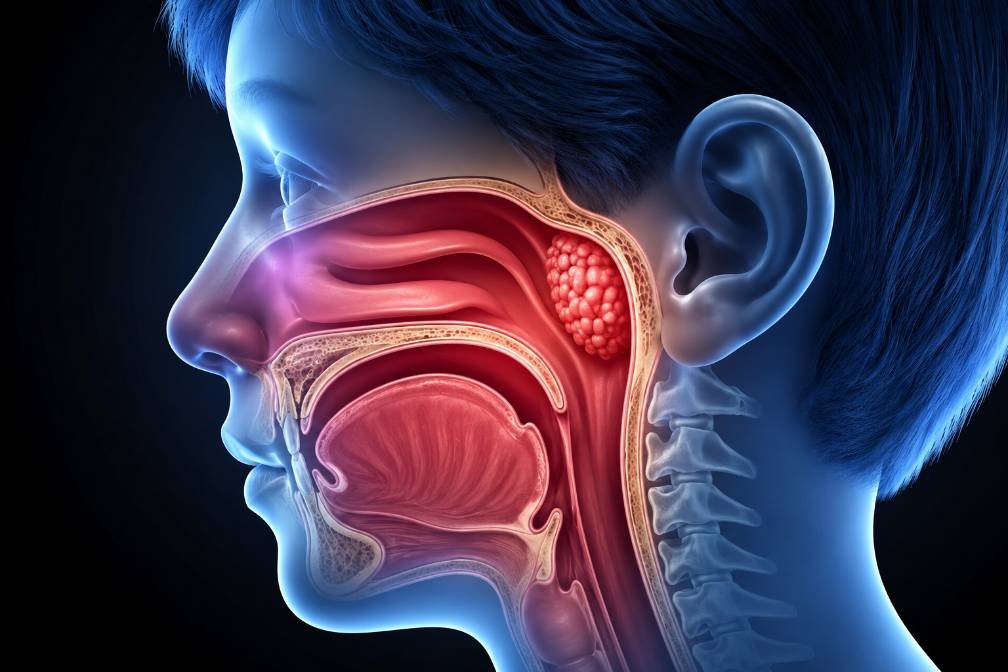
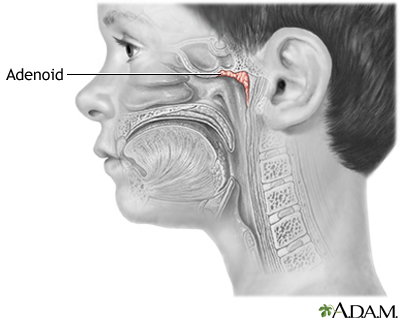
Adenoidectomy, or the surgical removal of the adenoids, is one of the most common procedures performed in children. The adenoids are small patches of lymphoid tissue located at the back of the nasal cavity, just above the tonsils. They play a role in the immune system during early childhood by helping the body detect and fight infections. However, when they become enlarged or chronically infected, they can cause problems such as nasal obstruction, snoring, recurrent ear infections, and sleep disturbances.
Many parents are surprised to learn that adenoids can sometimes grow back after surgery. This leads to the important question: how long does it take for adenoids to grow back after being removed? The answer depends on several factors, including the age of the patient, the surgical technique used, and the child’s individual healing and immune response.
Can Adenoids Grow Back?
Yes, adenoids can regrow, though it is not very common. Studies suggest that the likelihood of regrowth is higher in younger children because their immune system is still developing, and the body may attempt to regenerate adenoid tissue. The chance of regrowth decreases significantly as children grow older, since adenoids naturally shrink after the age of 7–10 years and often disappear by adolescence.
Timeline of Adenoid Regrowth
There is no universal timeline for how long it takes adenoids to grow back, but clinical observations provide some general guidelines:
1. Within 1 year of surgery:
In some cases, partial adenoid tissue left behind during surgery can begin to enlarge again within months. This is more likely if the original surgery did not remove all adenoid tissue, which can be difficult when the tissue is very close to important structures like the Eustachian tube openings.
2. 1–3 years after surgery:
Many cases of symptomatic regrowth appear within this timeframe. Parents may notice recurring nasal blockage, snoring, or ear infections during this period, suggesting that the tissue has returned and is large enough to cause symptoms again.
3. 3–5 years after surgery:
Adenoid regrowth becomes less likely over time. If a child underwent surgery at age 3 or 4, they may still have regrowth symptoms by ages 6–7, but by this point the natural shrinking of adenoid tissue often begins to balance things out.
4. After age 10–12:
By the early teen years, adenoids typically shrink to a size too small to cause problems. Even if regrowth occurs, it usually does not cause the same degree of obstruction or infections as in early childhood.
Does Adenoid Regrowth Mean the Adenoids Have Completely Grown Back?
Not necessarily. Small amounts of adenoid tissue may be left after adenoidectomy since it can be challenging to entirely eliminate them from some areas of the nasopharynx. Over time, especially in young kids, this remaining tissue may grow.
It’s crucial to tell the difference between clinically relevant regrowth and leftover or returning adenoid tissue. Even if there is no need for another operation or the enlargement is insufficient to produce symptoms, a child may have some obvious adenoid tissue.
According to a meta-analysis of 20 research studies that included over 143,000 children, the estimated prevalence of adenoid regrowth was about 8%, and the pooled rate of revision adenoidectomy was approximately 2%.
Thus, locating a small quantity of tissue following surgery does not automatically necessitate another adenoidectomy.
How Can Doctors Tell If Adenoids Have Grown Back?
If adenoidectomy symptoms persist, an ENT may examine the patient’s nose, throat, ears, and breathing pattern.
Evaluation may include the following, depending on the symptoms:
- Comprehensive surgical and medical background
- The throat and nose are checked.
- nasopharyngoscopy or nasal endoscopy, flexible
- Evaluation of mouth breathing and nose obstruction
- When ear symptoms are present, do a tympanometry and ear exam.
- Assessment of sleep when there is concern for obstructive sleep apnea or snoring.
Whether adenoid tissue is present and if it is large enough to block the choanae, impact the Eustachian tube region, or cause symptoms can be directly evaluated by an ENT specialist with the aid of nasal endoscopy.
How Long After Adenoidectomy Can Regrowth Occur?
Adenoid regrowth does not occur at a single moment in time.
Regeneration or growth of remaining tissue may become visible months or years after surgery. It is more accurate to categorize adenoid regrowth as a long-term potential rather than a predictable event at a certain year after surgery because studies have reported follow-up periods ranging from a few years to much longer.
If a child experiences repeated nasal blockage, snoring, mouth breathing, recurrent ear difficulties, or sleep-disordered breathing after initially recovering after adenoidectomy, an ENT evaluation is required.
Can Adenoids Grow Back After Complete Removal?
The expression “complete removal” might sometimes be interpreted differently.
Although a little amount of lymphoid tissue may persist, an adenoidectomy removes the obstructing adenoid tissue. It’s possible for the remaining tissue to grow back.
Nonetheless, the existence of some residual tissue is substantially more common than clinically significant recurrence. Current research highlights the distinction between remnant tissue, radiological/endoscopic regrowth, symptom recurrence, and revision surgery. These are not mutually exclusive results.
What Is the Risk of Needing a Second Adenoidectomy?
It’s uncommon to have a second surgery.
A meta-analysis of 16 studies involving 95,727 children revealed a combined revision adenoidectomy rate of about 1.9%. According to the researchers, there was also no strong evidence to support a substantial disparity in revision rates among the various surgical methods that are frequently employed.
A different meta-analysis revealed a combined revision rate of about 2%. Although there are differences in the link between specific risk factors across studies, revision surgery was typically linked to an earlier age at the first operation.
Parents should therefore not believe that a youngster who has an adenoidectomy will require another procedure in the future.
Does the Age at Adenoidectomy Affect Regrowth?
Age seems to be a significant element.
Children who undergo adenoidectomy at a very early age may be more prone to experience clinically notable recurrence of adenoid tissue than older children. Numerous studies have indicated that a risk factor for revision adenoidectomy is a younger age at the first surgery.
However, age alone cannot foretell if a specific kid would experience regrowth. Additionally important are the child’s symptoms, comorbid conditions, postoperative course, and the initial justification for surgery.
Does the Surgical Technique Prevent Adenoid Regrowth?
Adenoidectomy is performed with a number of surgical procedures, such as curettage, electrocautery, microdebridement, coblation, and techniques guided by sight.
While it’s appealing to assert that one approach completely prevents regrowth, the existing evidence doesn’t back up such a straightforward claim.
A 2025 systematic review of randomized controlled trials revealed inadequate evidence to prove that visual assistance or a particular kind of instrument always lessens reoperation or postsurgical symptom recurrence.
Therefore, the article should refrain from making such an unqualified claim as “endoscopic surgery prevents regrowth.” A more accurate assertion is that visualization may aid the surgeon in more precisely evaluating and removing adenoid tissue, however, clinically meaningful recurrence can still happen.
Can Allergies Cause Adenoids to Grow Back?
Recurrent nasal symptoms following adenoidectomy may be caused by allergic rhinitis and other inflammatory conditions, but it is important to avoid claiming that allergies are the sole cause of adenoid regrowth.
The data on individual risk factors is varied. Other research has failed to establish a clear autonomous link, while certain investigations have identified allergic rhinitis or additional inflammatory disorders in children having revision surgery.
So, if symptoms reappear after surgery, the ENT specialist should look into other causes of nasal blockage besides a recurrence of adenoid expansion, such as allergic rhinitis, turbinate enlargement, chronic rhinitis, sinus disease, or other nasal disorders.
When Should Parents See an ENT Specialist After Adenoidectomy?
If a kid experiences any of the symptoms below, parents should think about seeing an ENT:
- Snoring that reappears or persists
- Sleeping or daytime mouth breathing
- Nasal Obstruction That Lasts a Long Time
- Postnasal or recurring nasal symptoms
- Sleep that isn’t restful
- Sleep breathing interruptions
- Frequent ear infections
- persistent middle ear fluid or problems with hearing
- Symptoms that had improved after surgery returned.
- A noticeable voice alteration or speech that is nasal
It is not necessarily true that adenoids have regenerated if symptoms reappear. To identify the real cause, an examination is necessary.
Can Adenoid Regrowth Be Treated Without Another Surgery?
Yes, it depends on the severity and cause.
Medical treatment may be effective if symptoms are due to allergic rhinitis, nasal inflammation, infection, turbinate growth, or another illness rather than severe adenoid obstruction.
When enlarged adenoid tissue that is recurrently causes substantial nasal blockage, disordered breathing, frequent ear issues, or other clinically significant problems, an ENT specialist may suggest a revision adenoidectomy.
The choice should be made based on objective evidence and the child’s symptoms, not just on the presence of a little remaining tissue.
Important Difference: Regrowth vs Return of Symptoms
For parents, one of the most crucial considerations is that the recurrence of symptoms following an adenoidectomy does not automatically suggest that the adenoids have regenerated.
For instance, a child might start snoring again as a result of:
- Allergies to the nose
- Stuffy nose
- Turbinates are larger.
- Increase in weight
- Enlarged tonsils
- Respiratory disorders
- Other Causes of Sleep-Disordered Breathing
As a result, it is crucial to do an ENT examination before presuming that recurrent symptoms are due to adenoid regeneration.
Frequently Asked Questions About Adenoid Regrowth
1.Can adenoids reappear after operation?
Yes. Occasionally, adenoid tissue that remains after an adenoidectomy can grow larger, but it is rare for it to regrowth to the point where it needs another operation.
2.How soon can adenoids come back?
There is no set schedule. Depending on the amount of leftover tissue and the individual kid, recurrence may show up months or even years following surgery.
3.Which age group is most susceptible to adenoid recurrence?
It seems that the risk of recurrence that is clinically important is higher in younger children, particularly those who have surgery at a very young age.
4.What percentage of kids require a second adenoid procedure?
According to extensive research, just a tiny fraction of patients need revision surgery. Another meta-analysis found a rate of about 2%, while one meta-analysis showed a combined revision rate of approximately 1.9%.
5.Does snoring after an adenoidectomy indicate that the adenoids have regenerated?
No. There are a few causes of snoring. A recurrent adenoid enlargement is merely one possibility that an ENT assessment should confirm.
6.Is it possible for adenoid recurrence to impact the ears?
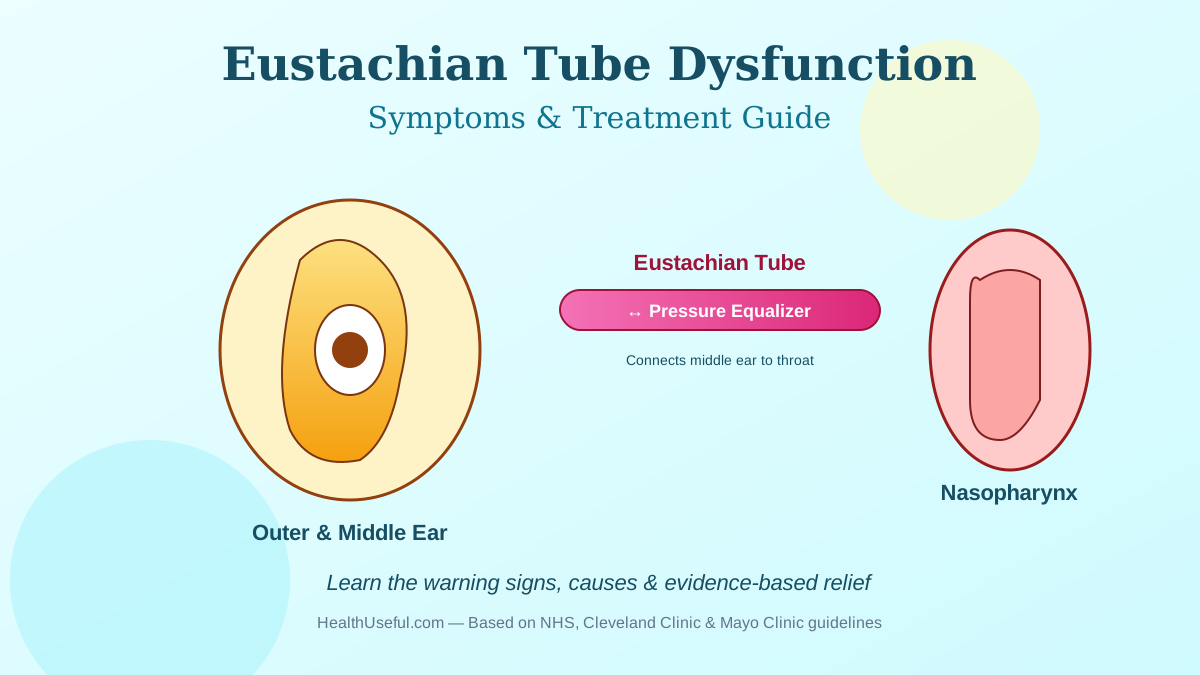
Possibly. In certain children, Eustachian tube dysfunction and middle-ear issues might result from increased recurring adenoid tissue. Therefore, a patient should see an ENT expert for any ongoing ear problems following surgery.
7.Is it safe to perform a revision adenoidectomy?
If recurrent adenoid tissue is generating a lot of symptoms, revision surgery may be advised. The decision is influenced by the child’s age, symptoms, results of the examination, any prior surgery, and overall state of health.
Factors That Influence Adenoid Regrowth
Several elements determine whether and how quickly adenoids may grow back after surgery:
1. Age at the time of surgery:
Younger children (under 5 years) have a higher chance of regrowth because their adenoidal tissue is more active. Older children and teenagers rarely experience significant regrowth.
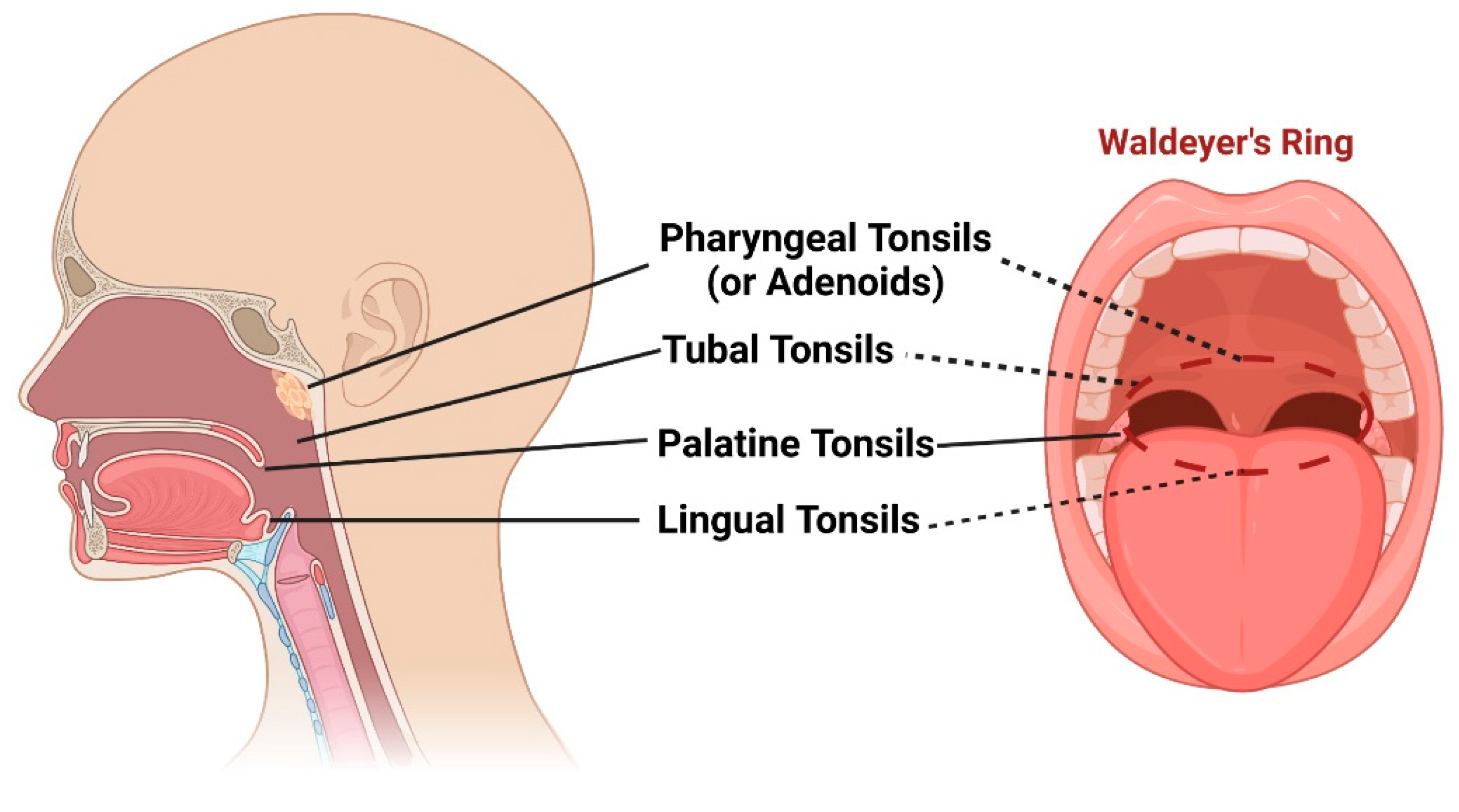
2. Surgical technique used:
- Curettage (traditional scraping method): This may leave behind small pieces of tissue, which can regrow.
- Endoscopic-assisted removal: Allows surgeons to see more clearly and remove tissue more thoroughly, lowering the chance of regrowth.
- Electrocautery or coblation: These techniques also reduce the chance of leftover tissue by burning or dissolving it.
3. Genetic and immune system factors:
Some children naturally have more lymphoid tissue activity, which makes regrowth more likely. Children with allergies or frequent respiratory infections may also experience faster regrowth.
4. Presence of chronic infections or allergies:
If a child has persistent nasal allergies or sinus infections, the remaining tissue may be stimulated to grow again.
Signs That Adenoids May Have Grown Back

Parents should monitor for symptoms that suggest adenoid regrowth after surgery. These may include:
- Persistent or recurring nasal obstruction
- Mouth breathing during the day or at night
- Loud snoring or pauses in breathing during sleep (sleep apnea)
- Frequent ear infections or fluid in the middle ear
- Chronic runny nose or post-nasal drip
- Nasal-sounding speech
If these symptoms return months or years after surgery, it may indicate regrowth of adenoids.
How Common Is Adenoid Regrowth?
Research shows that adenoid regrowth is relatively uncommon but not rare. Estimates vary, but studies suggest that about 2–20% of children may experience some degree of adenoid tissue regrowth. Not all regrowth causes symptoms, so the number of children needing repeat surgery is much lower, around 2–6%.
What Happens If Adenoids Grow Back?
If regrowth is significant enough to cause symptoms, a second surgery may be recommended. This is called a revision adenoidectomy. The chances of needing a second procedure are higher in younger children, especially if the first surgery was done before age 3. In most cases, however, the second procedure is successful and regrowth after that is extremely rare.
Can Regrowth Be Prevented?
While there is no guaranteed way to prevent adenoid regrowth, certain measures can reduce the risk:
- Choosing surgical techniques that ensure more complete removal
- Managing allergies with medications such as antihistamines or nasal sprays
- Treating chronic sinus infections promptly
- Monitoring symptoms closely after surgery
Key Takeaways
- Adenoids can regrow after surgery, though this is relatively uncommon.
- Regrowth is more likely in younger children and in cases where some tissue remains after the initial surgery.
- Symptoms of regrowth usually appear within 1–3 years, though adenoids naturally shrink with age.
- Only a small percentage of children need repeat surgery due to regrowth.
- Long-term prognosis is usually excellent, as adenoids typically disappear by the teenage years.
Conclusion
The time it takes for adenoids to grow back after surgery can vary widely, from a few months to several years. In many cases, if regrowth happens, it occurs within the first 1–3 years following surgery. However, not all regrowth causes noticeable problems, and many children outgrow the need for further treatment as the adenoids shrink naturally with age. Parents who notice recurring symptoms after adenoidectomy should consult an ENT specialist to determine whether regrowth has occurred and if additional treatment is necessary.
Medical Disclaimer
This article is intended for general health education and should not be used as a substitute for an examination or individualized medical advice.
Do not start, stop, or change medicines or decide on repeat surgery solely from information found online. Children with recurrent snoring, breathing pauses, persistent nasal obstruction, recurrent ear problems, hearing difficulties, or other concerning symptoms should be evaluated by a qualified ENT specialist.
Adenoids – Categorized Internal Linking List
1. Adenoid Types, Grades & Basic Information
- What Does Grade 3 Adenoids Mean? Symptoms, Causes & Treatment Explained
https://healthuseful.com/what-does-grade-3-adenoids-mean/ - At What Age Are Adenoids Most Active? Every Parent Should Know This!
https://healthuseful.com/at-what-age-are-adenoids-most-active/ - Can You Have Enlarged Adenoids Without Enlarged Tonsils?
https://healthuseful.com/can-you-have-enlarged-adenoids-without-enlarged-tonsils/ - Enlarged Adenoids in Children: Symptoms That Look Harmless But Aren’t
https://healthuseful.com/enlarged-adenoids-in-kids-symptoms-parents-miss/
2. Adenoid Symptoms & Problems
- When to Worry About Adenoids?
https://healthuseful.com/when-to-worry-about-adenoids/ - Can Adenoids Cause Ear Pain?
https://healthuseful.com/can-adenoids-cause-ear-pain/ - Can Adenoids Cause Low Oxygen Levels?
https://healthuseful.com/can-adenoids-cause-low-oxygen/ - Can Enlarged Adenoids Cause Hearing Loss?
https://healthuseful.com/can-adenoids-affect-hearing/ - Adenoids and Speech Delay
https://healthuseful.com/can-adenoids-affect-speech/ - How to Help a Child Sleep Better with Enlarged Adenoids
https://healthuseful.com/how-to-help-a-child-sleep-with-enlarged-adenoids/ - Do Adenoids Affect the Brain?
https://healthuseful.com/do-adenoids-affect-the-brain/ - Do Adenoids Affect Brain Development in Children?
https://healthuseful.com/do-adenoids-affect-brain-development/ - Can Food Get Stuck in Adenoids?
https://healthuseful.com/can-food-get-stuck-in-adenoids/
3. Causes, Allergies & Related Conditions
- Are Adenoids Linked to Allergies?
https://healthuseful.com/are-adenoids-related-to-allergies/ - Adenoids vs. Allergies
https://healthuseful.com/adenoids-vs-allergies-what-doctors-want-you-to-understand/ - Are Adenoid Problems Genetic?
https://healthuseful.com/are-adenoid-problems-genetic/ - Adenoids and Asthma
https://healthuseful.com/can-adenoids-make-asthma-worse/ - Do Antihistamines Help Adenoids?
https://healthuseful.com/do-antihistamines-help-adenoids/
4. Natural Treatment & Shrinking Adenoids
- How to Reduce Adenoids Naturally?
https://healthuseful.com/how-to-reduce-adenoids-naturally/ - How Can I Shrink My Adenoids Fast?
https://healthuseful.com/how-can-i-shrink-my-adenoids-fast/ - What Herbs Are Good for Swollen Adenoids?
https://healthuseful.com/what-herbs-are-good-for-swollen-adenoids/ - Is There Any Ayurvedic Treatment for Adenoids?
https://healthuseful.com/is-there-any-ayurvedic-treatment-for-adenoids/ - How to Keep Adenoids Healthy Naturally
https://healthuseful.com/how-to-keep-adenoids-healthy/ - How to Shrink Adenoids in Toddlers
https://healthuseful.com/how-to-shrink-adenoids-in-toddlers/ - Foods to Avoid for Adenoids
https://healthuseful.com/foods-to-avoid-for-adenoids/
5. Diagnosis & ENT Examination
- How Doctors Check Adenoids: Inside the ENT Process Explained Clearly
https://healthuseful.com/how-ent-specialists-check-adenoids/ - How Much Does an Adenoid X-Ray Cost?
https://healthuseful.com/how-much-does-an-adenoid-xray-cost/
6. Adenoidectomy – Surgery & General Information
- Adenoidectomy Surgery Guide – Expert Advice
https://healthuseful.com/adenoidectomy-surgery/ - What Age Is Best for Adenoidectomy?
https://healthuseful.com/what-age-is-best-for-adenoidectomy/ - How Do You Know If Your Child Needs Adenoids Out?
https://healthuseful.com/how-do-you-know-if-your-child-needs-adenoids-out/ - Is Adenoid Surgery Expensive?
https://healthuseful.com/is-adenoid-surgery-expensive/ - How Long Does Adenoid Surgery Take?
https://healthuseful.com/how-long-does-adenoid-surgery-take/ - Is Removing Adenoids a Good Idea?
https://healthuseful.com/is-removing-adenoids-a-good-idea/ - What Happens If Adenoids Are Not Removed?
https://healthuseful.com/what-happens-if-adenoids-are-not-removed/
7. Adenoidectomy Safety, Risks & Success
- Is Adenoid Surgery Safe?
https://healthuseful.com/is-adenoid-surgery-safe/ - Is Adenoid Removal Really Risky?
https://healthuseful.com/how-risky-is-adenoid-removal/ - What Is the Success Rate of Adenoid Removal?
https://healthuseful.com/what-is-the-success-rate-of-adenoids-removal/ - How Many People Have Died from Adenoidectomy?
https://healthuseful.com/how-many-people-have-died-from-adenoidectomy/ - Is Adenoid Removal Safe in the Long Run?
https://healthuseful.com/long-term-effects-of-adenoid-removal/ - Do You Get Sick More Without Adenoids?
https://healthuseful.com/do-you-get-sick-more-without-adenoids-the-truth-by-ent-specialist/
8. Adenoidectomy Recovery & Aftercare
- Is Drooling Normal After Adenoidectomy?
https://healthuseful.com/is-drooling-normal-after-adenoidectomy/ - Adenoidectomy Infection: Warning Signs
https://healthuseful.com/how-do-you-know-if-your-adenoidectomy-is-infected/ - What to Avoid After Adenoid Surgery
https://healthuseful.com/what-to-avoid-after-adenoid-surgery/ - Severe Headache After Adenoidectomy
https://healthuseful.com/severe-headache-after-adenoidectomy/ - Can My Child Swim After Adenoidectomy?
https://healthuseful.com/can-my-child-swim-after-adenoidectomy/ - Do Kids Sleep Better After Adenoid Removal?
https://healthuseful.com/do-kids-sleep-better-after-adenoid-removal/ - When Are the Worst Days After Tonsillectomy and Adenoidectomy?
https://healthuseful.com/what-are-the-worst-days-after-tonsillectomy-and-adenoidectomy/
9. Effects After Adenoid Removal
- Does Removing Adenoids Improve Hearing?
https://healthuseful.com/does-removing-adenoids-improve-hearing/ - Does Adenoid Removal Cause Weight Gain?
https://healthuseful.com/does-adenoid-removal-cause-weight-gain/ - Can Removing Adenoids Affect Behavior?
https://healthuseful.com/can-adenoid-removal-affect-behavior/ - Adenoids Removed but Still Snoring?
https://healthuseful.com/can-you-still-snore-without-adenoids/
10. Adenoid Regrowth
- Can Adenoids Grow Back in Adults?
https://healthuseful.com/can-adenoids-grow-back-in-adults/ - How Long Does It Take for Adenoids to Grow Back After Surgery?
https://healthuseful.com/how-long-does-it-take-for-adenoids-to-grow-back-after-surgery/
11. Adenoidectomy Cost in India
- Cost of Adenoidectomy in India
https://healthuseful.com/cost-of-adenoidectomy-in-india/ - Coblation Adenoidectomy Cost in India
https://healthuseful.com/coblation-adenoidectomy-cost-in-india/ - Adenoids Laser Surgery Cost
https://healthuseful.com/adenoids-laser-surgery-cost/ - Is Adenoid Surgery Covered by Insurance?
https://healthuseful.com/is-adenoid-surgery-covered-by-insurance/
12. Adenoidectomy Cost by City/Region
- Cost of Adenoidectomy in Hyderabad
https://healthuseful.com/cost-of-adenoidectomy-in-hyderabad/ - Cost of Adenoidectomy in Delhi
https://healthuseful.com/cost-of-adenoidectomy-in-delhi/ - Cost of Adenoidectomy Surgery in Mumbai
https://healthuseful.com/cost-of-adenoidectomy-surgery-in-mumbai/ - Cost of Adenoidectomy in Kerala
https://healthuseful.com/cost-of-adenoidectomy-in-kerala/
13. Surgical Techniques & Side Effects
- Coblation Adenoidectomy Side Effects
https://healthuseful.com/coblation-adenoidectomy-side-effects/ - Adenoids Laser Surgery Cost
https://healthuseful.com/adenoids-laser-surgery-cost/
14. Infection & Medicines
- Cefuroxime and Adenoid Infections: Effective or Not?
https://healthuseful.com/cefuroxime-and-adenoid-infections-effective-or-not/ - Adenoidectomy Infection: Warning Signs You Should Never Ignore
https://healthuseful.com/how-do-you-know-if-your-adenoidectomy-is-infected/
15. Rare Conditions / Cancer
- Can Adenoids Turn Cancerous?
https://healthuseful.com/can-adenoids-turn-cancerous/ - Adenoid Cystic Carcinoma Symptoms
https://healthuseful.com/adenoid-cystic-carcinoma-symptoms-early-warning-signs-you-shouldnt-ignore/
Medical References
- Paramaesvaran S, Ahmadzada S, Eslick GD. Incidence and potential risk factors for adenoid regrowth and revision adenoidectomy: A meta-analysis. International Journal of Pediatric Otorhinolaryngology. 2020.
- Revision adenoidectomy in children: a meta-analysis. European Archives of Oto-Rhino-Laryngology. 2019.
- Effects of visual guidance and instrument choice on symptom recurrence following adenoidectomy: A systematic review of randomized controlled trials. 2025.
- Factors associated with revision adenoidectomy. Otolaryngology–Head and Neck Surgery.