Can a Stomach Ulcer Go Away by Itself?-various aspects-
Medically reviewed By ENT and respiratory health specialist — Dr. Sagar Rajkuwar, MS-ENT, Nashik, Maharashtra, India. Clinic Website: www.entspecialistinnashik.com
Direct answer: Yes, some stomach ulcers may heal without a specific ulcer treatment, particularly if the factor causing the injury is removed. However, you should not assume that a stomach ulcer will go away by itself. If the ulcer is caused by Helicobacter pylori (H. pylori), the infection can remain even when pain settles. If it is caused by medicines such as ibuprofen or aspirin, continued use may prevent healing or cause bleeding. Medical assessment helps identify the cause and prevent complications.
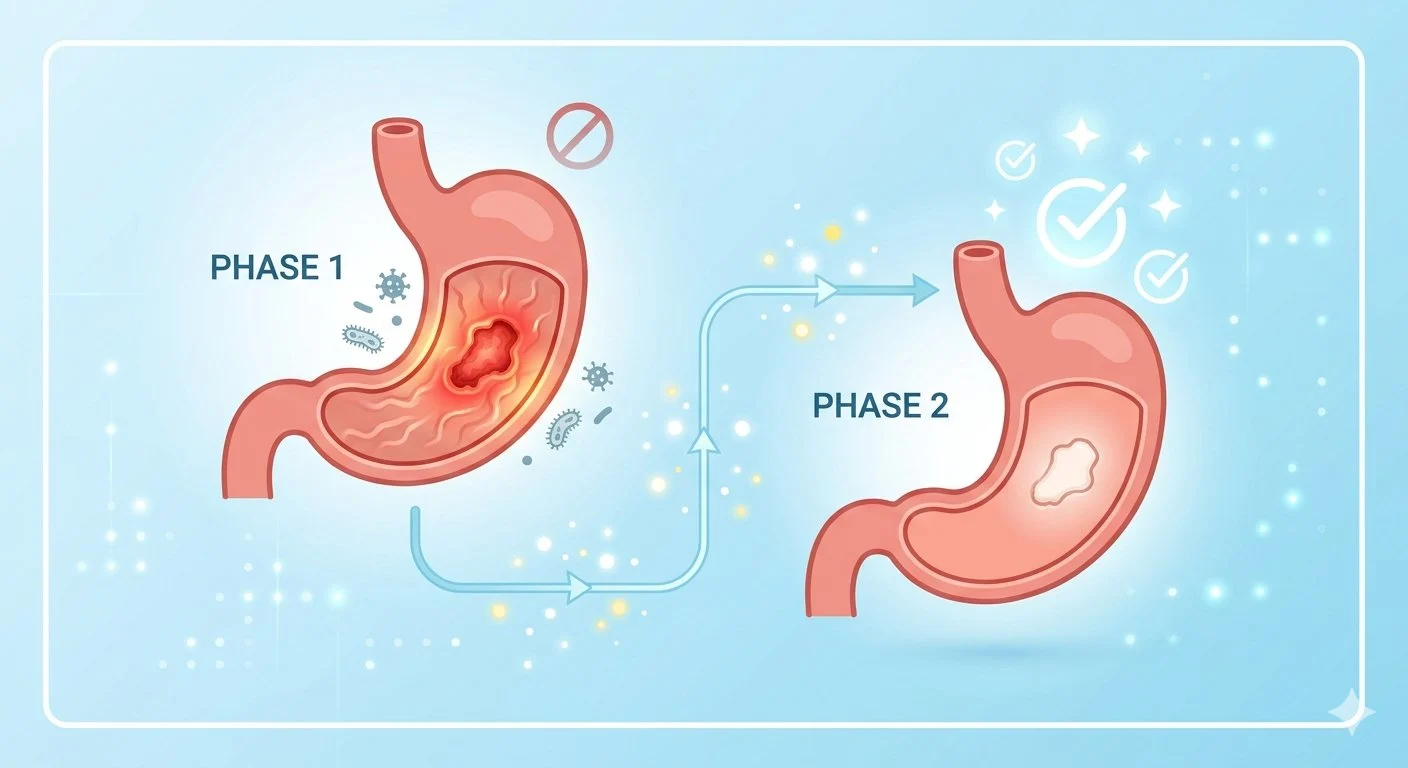
In this guide, we explain when a stomach ulcer may heal, when it is unlikely to resolve without treatment, how long healing can take, what tests doctors use, and which warning signs need urgent attention.
Table of Contents
Can a Stomach Ulcer Heal Naturally Without Treatment?
A peptic ulcer is a break or sore in the lining of the stomach or the first part of the small intestine. The stomach has protective mechanisms that help its lining repair itself. If an irritating cause is removed and the injury is limited, the tissue may heal. This is why some ulcers can improve even without a specific course of ulcer medicines. But spontaneous healing is not predictable. The ulcer may be larger or deeper than expected, the underlying cause may continue, or complications may develop. In particular, an ulcer caused by H. pylori is not considered cured simply because the pain has stopped. The bacterium can remain in the stomach and contribute to recurrence. So, can a stomach ulcer go away by itself? It is possible in selected circumstances, but relying on natural healing is not a safe treatment plan. A clinician can assess whether testing, medication, endoscopy or follow-up is needed.
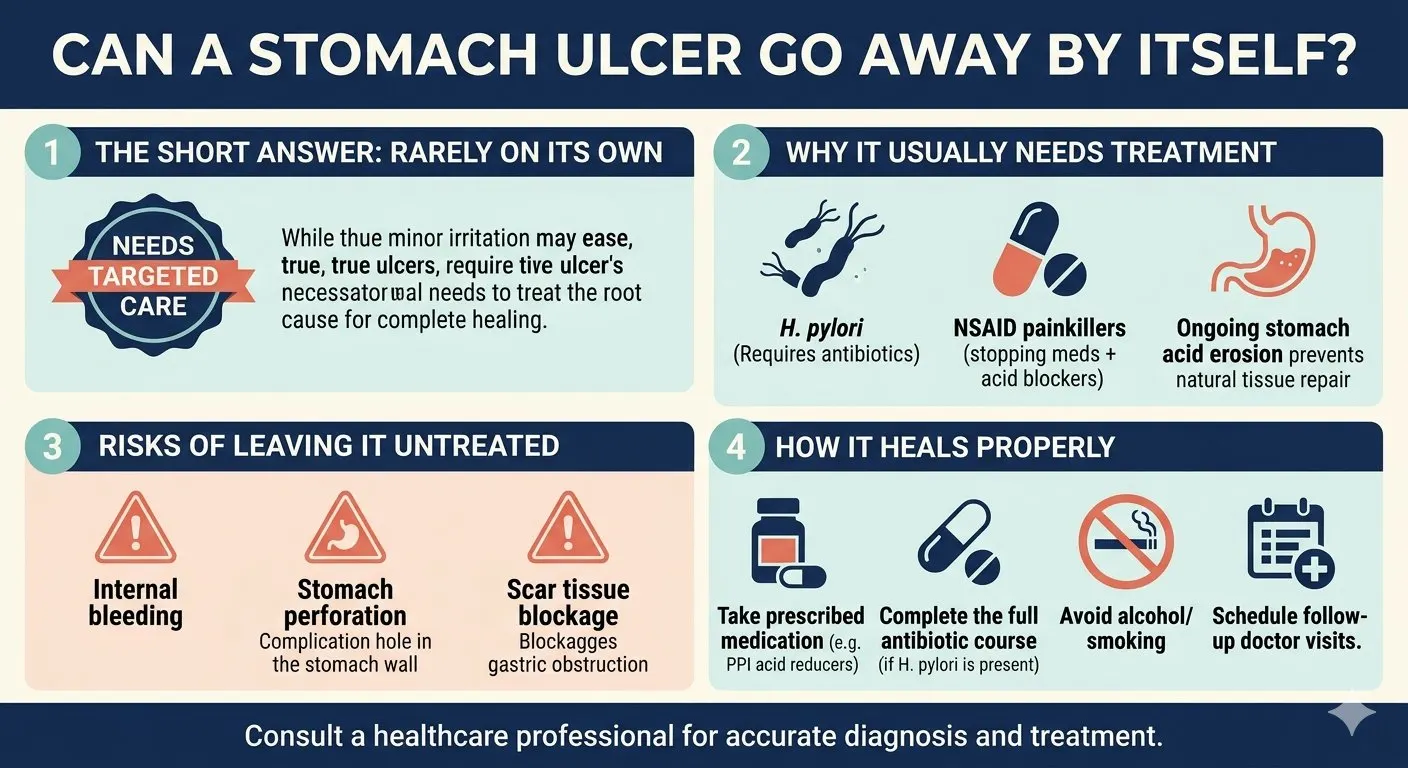
Symptom relief is not the same as ulcer healing
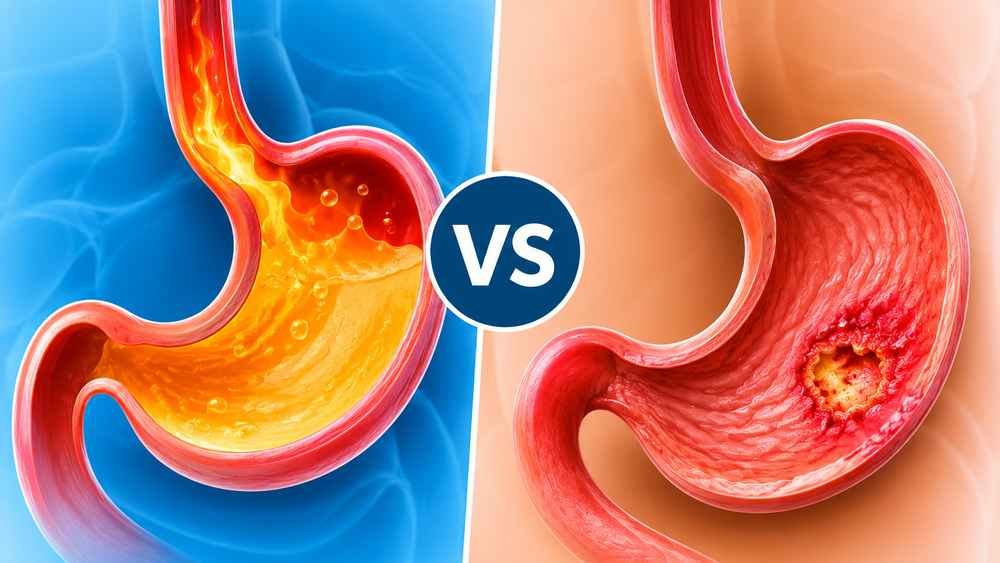
Upper abdominal pain can fluctuate from day to day. It may settle because meals have changed, an irritant medicine has been stopped, or acid levels have temporarily fallen. Pain relief alone cannot confirm that the ulcer has closed. Conversely, persistent pain does not always mean an ulcer is present; reflux, functional dyspepsia, gallbladder disease and other conditions can produce similar symptoms.
- Pain improves: this is encouraging, but it does not prove healing.
- Cause remains: H. pylori or continued NSAID exposure can keep the risk active.
- Confirmation: the appropriate test or follow-up depends on the type of ulcer and the patient’s risk factors.
Why Does Healing Depend on the Cause of the Ulcer?
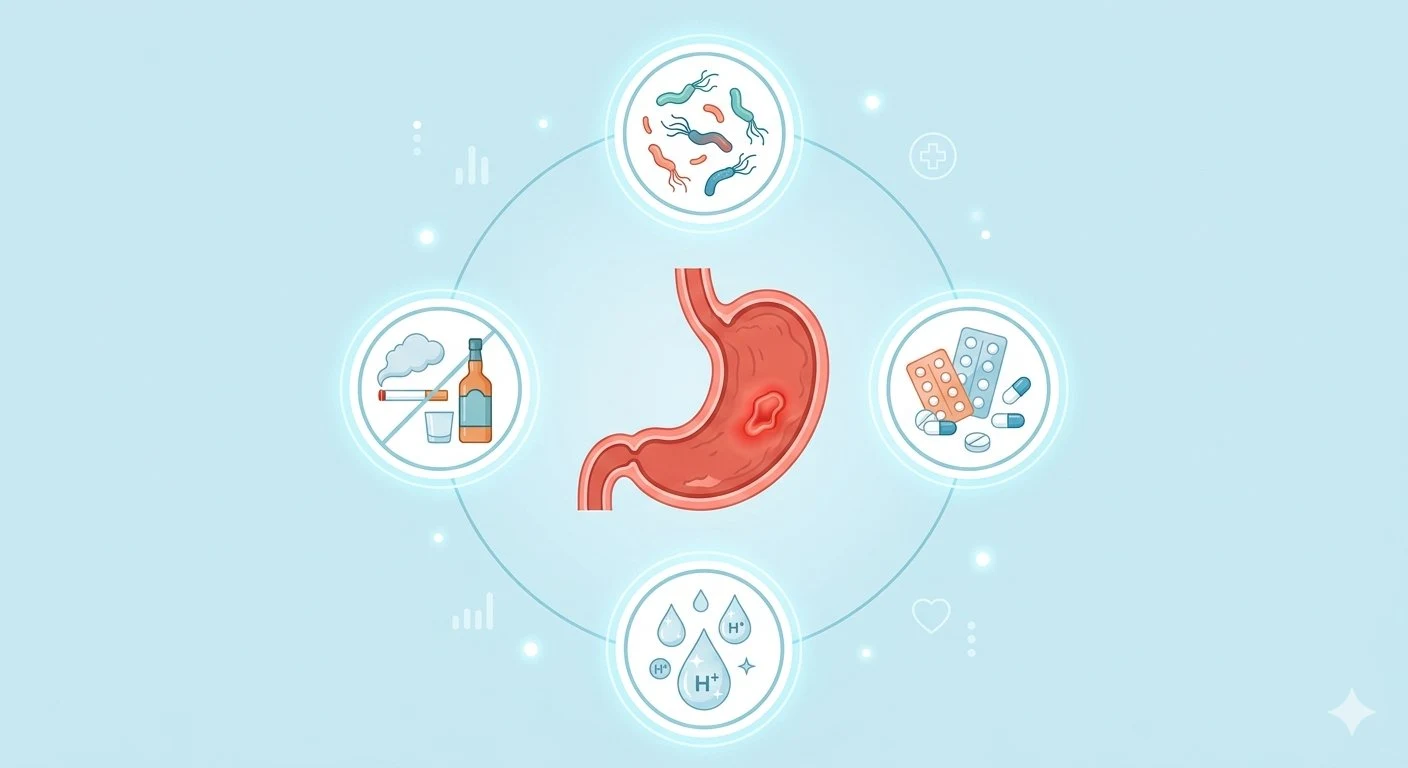
The two major causes of peptic ulcers are H. pylori infection and the use of nonsteroidal anti-inflammatory drugs (NSAIDs). Identifying the cause is central to deciding whether a stomach ulcer can go away by itself or whether specific treatment is needed.
1. Ulcers caused by H. pylori infection
H. pylori is a bacterium that can live in the stomach’s mucus layer. It can cause chronic inflammation and weaken the stomach’s protective lining. It is a common cause of gastric and duodenal ulcers. Acid-reducing medicines may relieve symptoms and help the ulcer heal, but they do not reliably remove the infection. Without appropriate antibiotic treatment, H. pylori can persist and the ulcer may return. Confirmed infection should be treated using a clinician-selected combination of medicines, taking account of local antibiotic resistance and previous antibiotic exposure.
Why a test after treatment matters
After H. pylori treatment, a test of cure is recommended to confirm that the infection has been eradicated. A urea breath test or stool antigen test is commonly used. Current guidance generally recommends testing at least four weeks after completing antibiotics and withholding proton pump inhibitors for about two weeks before testing, if the treating clinician considers this safe. Do not stop prescribed medication for testing without instructions.
2. Ulcers caused by NSAID painkillers
NSAIDs include ibuprofen, naproxen, diclofenac and aspirin. They reduce substances called prostaglandins, which help maintain the stomach’s mucus, bicarbonate and blood-flow defences. This can make the lining more vulnerable to acid-related injury. If an NSAID is responsible, stopping or changing it may allow healing. However, the decision must be made with a healthcare professional. Some people need aspirin or another antiplatelet medicine to prevent heart attack or stroke. Stopping it suddenly without advice can be dangerous. A clinician may recommend a different pain-relief strategy and a proton pump inhibitor (PPI) to protect the stomach.
3. Less common causes
Occasionally, ulcers are associated with other medicines, serious illness, Crohn’s disease, reduced blood supply, or uncommon conditions that cause excessive acid production, such as Zollinger-Ellison syndrome. Persistent or recurrent ulcers need further assessment rather than repeated self-treatment.
How Long Does a Stomach Ulcer Take to Heal?
There is no single healing time for every patient. It depends on the ulcer’s size and depth, whether it is in the stomach or duodenum, the underlying cause, smoking, other illnesses, and whether the recommended treatment is completed. Many uncomplicated ulcers heal over several weeks to a few months with appropriate treatment. Some require longer treatment or repeat investigation. If the cause is not corrected, an ulcer can persist or recur.
| Situation | What may happen | What to do |
|---|---|---|
| Small ulcer with the cause removed | May heal as the lining repairs itself | Arrange medical advice and follow the recommended plan |
| H. pylori-associated ulcer | Symptoms may improve with acid suppression, but infection can remain | Complete prescribed eradication treatment and confirm cure |
| NSAID-associated ulcer | May heal after the causative medicine is reviewed and treatment is given | Ask the prescriber to review all painkillers and protective treatment |
| Large, deep, bleeding or non-healing ulcer | May take longer and can require endoscopy or hospital treatment | Prompt specialist assessment is important |
Do not use a fixed number of days as proof that your ulcer has healed. A clinician may recommend follow-up endoscopy, particularly for a gastric ulcer, to document healing and assess the cause. The need and timing depend on the endoscopic appearance, biopsy findings, age, symptoms and local clinical guidance.
What Are the Symptoms of a Stomach Ulcer?
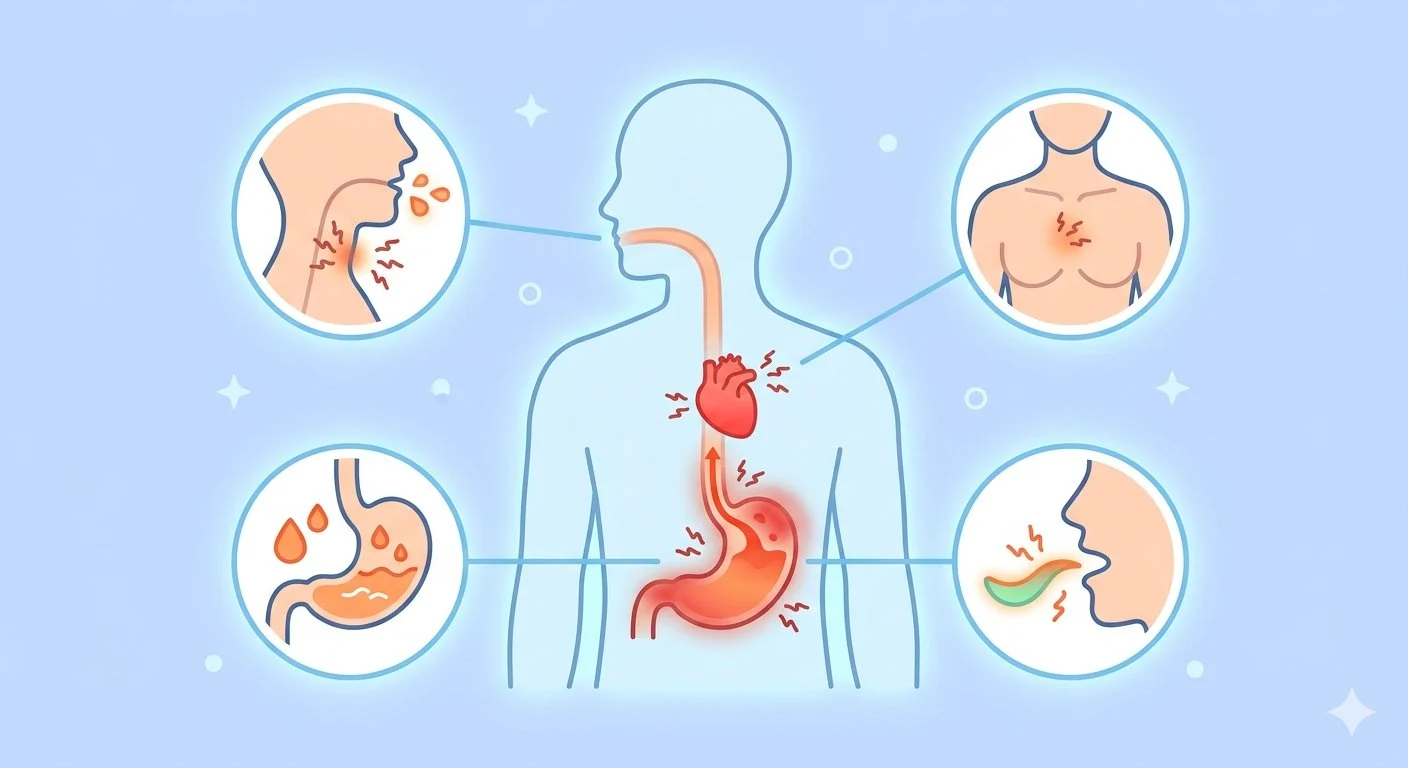
Some people with a stomach ulcer have no obvious symptoms. When symptoms occur, they can include:
- Burning or gnawing upper abdominal pain, often between the breastbone and navel.
- Indigestion, heartburn or a sour sensation.
- Bloating, belching or uncomfortable fullness after meals.
- Nausea or vomiting.
- Feeling full after eating a small amount.
- Reduced appetite or unexplained weight loss in some patients.
The pattern of pain cannot reliably distinguish a gastric ulcer from a duodenal ulcer. Symptoms also overlap with other digestive conditions. A diagnosis should not be made from symptoms alone.
When should you arrange a medical appointment?
Arrange a consultation if upper abdominal pain keeps returning, indigestion does not settle, you repeatedly vomit, lose weight without trying, feel full unusually quickly, have difficulty swallowing, or feel persistently tired. These symptoms need assessment even if the pain is mild.
Emergency warning signs
- Vomiting fresh red blood or dark material resembling coffee grounds.
- Black, sticky, tar-like stools, or significant blood in the stool.
- Sudden, severe or persistent abdominal pain, especially with a rigid or very tender abdomen.
- Fainting, collapse, severe dizziness, cold clammy skin or a rapid heartbeat.
What Happens If a Stomach Ulcer Is Left Untreated?
Not every untreated ulcer develops a complication, but the consequences can be serious. This is one reason the question “Can a stomach ulcer go away by itself?” should not be answered with reassurance alone.
1. Internal bleeding
An ulcer can erode into a blood vessel and cause slow or sudden bleeding. Slow blood loss may lead to iron-deficiency anaemia, tiredness, breathlessness or weakness. Heavy bleeding can cause vomiting of blood, black stools, low blood pressure and shock.
2. Perforation
A deep ulcer can create a hole through the wall of the stomach or duodenum. Stomach contents can then leak into the abdominal cavity and cause peritonitis, a potentially life-threatening infection. Sudden severe abdominal pain is a major warning sign.
3. Gastric outlet obstruction
Inflammation or scarring near the stomach outlet can obstruct the passage of food. Symptoms may include repeated vomiting, early fullness, dehydration and weight loss.
4. Persistent or recurrent ulcer
If H. pylori remains untreated or an ulcer-causing medicine continues, an ulcer may fail to heal or return. Repeated symptoms should prompt reassessment of the diagnosis, medication exposure and infection status.
5. Why gastric ulcers sometimes need repeat endoscopy
A gastric ulcer may occasionally resemble an ulcerated stomach cancer. This does not mean that most ulcers are cancerous. It means the endoscopist may take biopsies and recommend a repeat examination to ensure healing when clinically indicated. Follow-up should not be skipped if it has been advised.
How Do Doctors Confirm a Stomach Ulcer?
A clinician considers symptoms, age, medical history, medicines and warning signs. Depending on the situation, investigations may include:
H. pylori testing
- Urea breath test: detects active H. pylori infection.
- Stool antigen test: detects evidence of active infection in a stool sample.
- Biopsy-based testing: a sample may be collected during endoscopy.
Blood antibody tests can remain positive after an infection has cleared, so they are generally not suitable for confirming eradication.
Upper gastrointestinal endoscopy
Gastroscopy allows a specialist to inspect the oesophagus, stomach and duodenum. It can identify an ulcer, assess bleeding or other abnormalities, and obtain biopsies. Endoscopy is particularly important when alarm symptoms or other risk factors are present.
Blood tests
A full blood count and iron studies may be requested if bleeding or anaemia is suspected. Other tests are selected according to the patient’s condition.
How Can You Help a Stomach Ulcer Heal?
The safest approach is to treat the ulcer and its cause, rather than relying on home remedies. The exact treatment should be prescribed after clinical assessment.
1. Take prescribed acid-suppressing medicine
Proton pump inhibitors (PPIs), such as omeprazole, pantoprazole or esomeprazole, reduce stomach acid and help the ulcer heal. The dose and duration depend on the ulcer and its cause. Take the medicine according to the prescription.
2. Complete H. pylori treatment if infection is confirmed
H. pylori is treated with a combination of antibiotics and acid suppression; some regimens also include bismuth. The best regimen depends on previous antibiotic exposure, allergy history and local resistance patterns. Do not use leftover antibiotics or copy another person’s prescription. Finish the complete course and arrange the recommended test of cure.
3. Review NSAIDs and other medicines
Tell your clinician about every medicine you take, including over-the-counter painkillers, aspirin, steroids and combination cold or pain medicines. Do not independently stop prescribed aspirin, antiplatelet drugs, anticoagulants or steroids. Your clinician can balance bleeding risk against the reason the medicine was prescribed.
4. Stop smoking
Smoking can slow ulcer healing and increase the chance of recurrence. Ask a healthcare professional about a quit plan and appropriate support.
5. Eat in a way that controls your symptoms
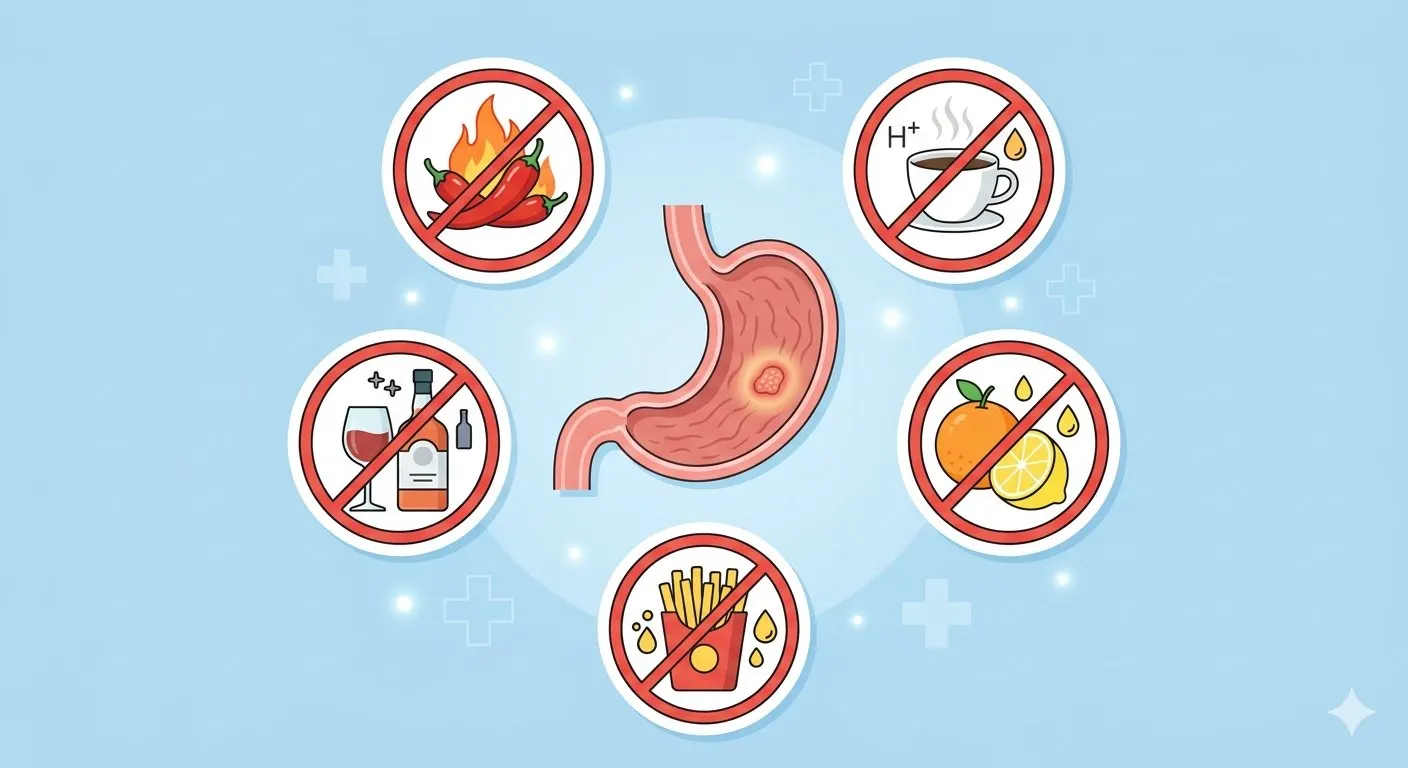
No special diet has been proven to cure peptic ulcers. Choose a balanced diet and reduce foods or drinks that clearly worsen your symptoms. Smaller meals may help if large meals cause discomfort. Avoid excessive alcohol and do not smoke.
Do home remedies cure stomach ulcers?
There is no reliable evidence that honey, turmeric, banana, cabbage juice, aloe vera or other home remedies eradicate H. pylori or reliably heal a peptic ulcer. Some foods may be part of a healthy diet, but they should not replace testing and evidence-based treatment. Herbal products can also interact with medicines.
Common Mistakes That Can Delay Ulcer Healing
- Stopping treatment when pain disappears: symptom improvement does not prove that the ulcer or H. pylori infection has cleared.
- Taking painkillers without checking: ibuprofen, diclofenac and naproxen can worsen ulcers and bleeding risk.
- Stopping prescribed aspirin without advice: this may increase the risk of a heart attack or stroke in people who need it for prevention.
- Using antibiotics without testing or prescription: incomplete or unsuitable antibiotic courses can fail and contribute to antibiotic resistance.
- Relying only on diet: dietary changes cannot eradicate H. pylori.
- Ignoring follow-up: attend repeat testing or endoscopy when recommended, especially for a gastric ulcer.
At-a-Glance: Can a Stomach Ulcer Go Away by Itself?
| Question | Evidence-based answer |
|---|---|
| Can an ulcer ever heal without ulcer medicine? | Some may heal if the injury-causing factor is removed, but this cannot be safely predicted at home. |
| Does pain relief mean the ulcer has healed? | No. Symptoms and actual ulcer healing are not the same. |
| Will H. pylori disappear when pain settles? | Not reliably. Confirmed infection needs appropriate eradication treatment. |
| Can NSAIDs keep an ulcer active? | Yes. They can cause ulcers and increase bleeding risk; review them with a clinician. |
| Can an untreated ulcer be dangerous? | Yes. Bleeding, perforation and obstruction are possible complications. |
| What is the safest next step? | Get assessed, identify the cause and follow the recommended treatment and follow-up plan. |
Frequently Asked Questions
1. Can a stomach ulcer go away by itself without antibiotics?
Some ulcers may heal if the cause is removed, but an ulcer caused by H. pylori needs appropriate antibiotic treatment to eradicate the infection. Acid-reducing medicines alone do not reliably cure H. pylori.
2. Can an ulcer heal if I stop taking ibuprofen?
Removing an NSAID that caused the ulcer can help healing. However, you may also need acid-suppressing medicine and medical follow-up. Ask your clinician before stopping any prescribed medicine.
3. How do I know if my stomach ulcer is healing?
Pain and indigestion may improve, but symptoms alone cannot confirm healing. Depending on the ulcer, your doctor may recommend H. pylori testing or repeat endoscopy.
4. Can a stomach ulcer heal in seven days?
Some symptoms may improve within days of treatment, but complete healing often takes longer. The time varies according to ulcer size, cause and treatment. Do not stop medicines early because you feel better.
5. Is a stomach ulcer permanent?
No. Most uncomplicated peptic ulcers heal with appropriate treatment. However, an ulcer can recur if H. pylori is not eradicated or ulcer-causing medicines continue.
6. Can I drink milk to heal a stomach ulcer?
Milk is not a treatment and does not close an ulcer. You may drink it if you tolerate it, but it should not replace medical care.
7. Can stress alone cause a stomach ulcer?
Everyday emotional stress is not considered one of the main causes of ordinary peptic ulcers. H. pylori and NSAIDs are the major causes. Severe physical stress in critically ill patients can cause a different form of stomach-lining injury.
8. Can a stomach ulcer turn into cancer?
A benign peptic ulcer does not simply turn into cancer in the usual sense. However, some stomach cancers can look like ulcers. This is why a gastric ulcer may need biopsy and follow-up endoscopy. Persistent H. pylori infection is also associated with increased stomach cancer risk.
9. Should I avoid all spicy and sour foods until the ulcer heals?
There is no universal ulcer diet. Avoid or reduce foods that clearly worsen your symptoms, but unnecessary restrictions are not required for everyone.
10. When should I go to the hospital?
Go immediately for vomiting blood, coffee-ground vomit, black tarry stools, fainting, collapse or sudden severe abdominal pain. These can indicate a serious ulcer complication.
Educational Video
For a supplementary patient-education video, use this YouTube search for peptic ulcer disease explanations from recognised medical institutions. Choose a current video from a hospital, government health agency or gastroenterology organisation: Watch patient-education videos about peptic ulcers and H. pylori on YouTube
Summary
- A stomach ulcer may sometimes heal when the cause is removed, but spontaneous healing is not guaranteed.
- Improvement in pain does not prove that the ulcer has healed.
- H. pylori infection usually requires an appropriate antibiotic combination and a test to confirm eradication.
- NSAID-related ulcers need a careful review of painkillers and often acid-suppressing treatment.
- Many uncomplicated ulcers heal over several weeks to a few months with appropriate care.
- Bleeding, perforation and obstruction are serious complications of peptic ulcers.
- Seek emergency care for vomiting blood, black tarry stools, fainting or sudden severe abdominal pain.
Conclusion
So, can a stomach ulcer go away by itself? In some cases, an ulcer may heal after the damaging factor is removed, but waiting for it to disappear without medical assessment is risky. The two major causes—H. pylori infection and NSAID medicines—need specific attention. A clinician can identify the cause, prescribe treatment when needed and decide whether follow-up testing or endoscopy is appropriate. Do not judge healing only by whether the pain has stopped, and never ignore warning signs of bleeding or perforation.
References
- National Institute of Diabetes and Digestive and Kidney Diseases (NIDDK): Treatment for Peptic Ulcers.
- NIDDK: Symptoms and Causes of Peptic Ulcers.
- NIDDK: Peptic Ulcers – overview, diagnosis and treatment.
- National Health Service (NHS): Stomach Ulcer.
- NHS inform: Stomach Ulcer.
- American College of Gastroenterology (ACG): Peptic Ulcer Disease.
- ACG: 2024 Guideline Highlights for Treatment of H. pylori Infection.
Medical Disclaimer
This article is intended for general health education and does not replace an individual consultation, diagnosis or treatment plan. Abdominal pain can have causes other than an ulcer. Do not start, stop or change antibiotics, acid-suppressing medicines, aspirin, antiplatelet drugs, anticoagulants or painkillers without appropriate medical advice. Seek emergency care for possible gastrointestinal bleeding or perforation. A qualified gastroenterologist or appropriately experienced physician should review this article before it is labelled as medically reviewed.
📲 For Health-Related Articles & Videos
🔹 Facebook: https://www.facebook.com/positivemind.healthcare