What Does Grade 3 Adenoids Mean? Symptoms, Grading, Dangers & 2026 Treatment Guide Every Parent Must Know
-By ENT specialist doctor- Dr Sagar Rajkuwar, Nashik, Maharashtra, India
Clinic website – www.entspecialistinnashik.com
Table of contents-
- (1) Introduction
- (2) What does grade 3 adenoids mean? (Definition & Grading Systems)
- (3) What Causes Grade 3 Adenoids?
- (4) Grade 3 Adenoid Symptoms
- (5) How are Grade 3 Adenoids Diagnosed?
- (6) Problems Associated with Untreated Grade 3 Adenoids
- (7) Grade 3 Adenoids Treatment Options (2026 Update)
- (8) Impact on Facial & Dental Development (Adenoid Facies)
- (9) Home Care Advice to Alleviate Symptoms
- (10) Prognosis, Recurrence & Long-Term Outlook
- (11) When Should Parents Be Concerned? (Red Flags)
- 💰 Cost of Grade 3 Adenoid Treatment in India (2026)
- (12) Frequently Asked Questions
- (13) Key Takeaways
- (14) Conclusion

Grade 3 Adenoids – showing 50–75% nasopharyngeal airway obstruction
(1) Introduction
The tiny lymphatic tissues known as adenoids (also called the pharyngeal tonsil or nasopharyngeal tonsil) are found at the back of the nasal passage, in the roof of the nasopharynx. They are part of Waldeyer’s ring and are essential to the immune system in children, but repeated infections, allergies, or persistent inflammation can cause them to get bigger — a condition called adenoid hypertrophy. Doctors grade the size of enlarged adenoids into grades 1, 2, 3, and 4 according to the degree to which they obstruct the airway. So what does grade 3 adenoids mean in clinical terms? A Grade 3 adenoid suggests substantial enlargement that blocks 50–75% of the child’s airway, which can result in obvious breathing and sleep difficulties.
It is crucial to understand what does grade 3 adenoids mean because early identification and therapy can help avoid lasting consequences that affect sleep, speech, hearing, facial development, and general well-being. In Indian ENT clinics, Grade 3 is one of the most common referrals from paediatricians — and the stage at which a decision between medical treatment and adenoidectomy often has to be made.
⚡ At a Glance — What Does Grade 3 Adenoids Mean?
- Definition: Enlarged adenoid tissue blocking 50–75% of the nasopharyngeal airway.
- Age group most affected: Children aged 2–7 years (peak 3–6 years, per global prevalence meta-analyses).
- Hallmark symptoms: Chronic mouth breathing, loud snoring, hyponasal speech, recurrent ear infections, restless sleep.
- Gold-standard test: Flexible fiberoptic nasal endoscopy (Parikh grading); lateral neck X-ray (A/N ratio > 0.73) is a convenient first-line.
- First-line treatment: 6–12 week trial of intranasal mometasone furoate ± oral montelukast.
- Surgery indicated when: Medical therapy fails, confirmed obstructive sleep apnea (AHI > 1), recurrent otitis media, or evolving adenoid facies.
- Prognosis: Excellent — 85–90% of children have complete symptom resolution after appropriate treatment.
(2) What does grade 3 adenoids mean? (Definition & Grading Systems)
The clinical answer to what does grade 3 adenoids mean is that the adenoid tissue has grown to the point where it blocks more than half of the airway behind the nose. This is ascertained most reliably through flexible fiberoptic nasal endoscopy, with lateral neck X-ray imaging used as a convenient first-line screening tool.
Clemens / Mackenzie Four-Grade System (the most commonly used)
- Grade 1: Adenoid tissue fills up to 25% of the choana (back of the nose) — mild enlargement.
- Grade 2: Adenoid tissue fills 25–50% of the choana — moderate enlargement, partial airway obstruction.
- Grade 3: Adenoid tissue fills 50–75% of the choana — significant enlargement (this is what we are discussing).
- Grade 4: Adenoid tissue fills more than 75% of the choana — complete or near-complete choanal obstruction.
The Parikh Endoscopic Grading System (modern, validated)
To further clarify what does grade 3 adenoids mean, modern paediatric otolaryngology has adopted the Parikh grading system, which bases grading on anatomical contact rather than percentage estimation. In the validated Parikh system:
- Grade 1: Adenoid tissue not in contact with adjacent structures.
- Grade 2: Adenoid tissue in contact with the torus tubarius (Eustachian tube opening).
- Grade 3: Adenoid tissue in contact with the vomer (bony nasal septum).
- Grade 4: Adenoid tissue in contact with the soft palate.
In a study published in Otolaryngology–Head and Neck Surgery, the Parikh system showed a moderate correlation (Spearman’s ρ = 0.58) with the OSA-18 quality-of-life score, meaning this grading reliably reflects the child’s actual breathing and sleep burden.
Adenoid/Nasopharynx (A/N) Ratio on Lateral Neck X-ray
When understanding what does grade 3 adenoids mean on an X-ray report, radiologists use the adenoid–nasopharyngeal ratio (A/N ratio), first described by Fujioka. An A/N ratio greater than 0.73 is considered clinically significant. A ratio corresponding to 50–75% obstruction broadly maps to Grade 3 and is one of the strongest radiological indicators that medical or surgical treatment is likely needed.
Grade 3 Adenoids — Side-by-Side Comparison of Grading Systems
To make what does grade 3 adenoids mean easier to visualise across all three systems ENT specialists use, here is a quick comparison table:
| System | Grade 3 Criterion | How It Is Assessed |
|---|---|---|
| Clemens / Mackenzie | Adenoid fills 50–75% of choana | Nasal endoscopy (percentage estimation) |
| Parikh (modern, validated) | Adenoid tissue contacts the vomer (bony nasal septum) | Flexible fiberoptic nasal endoscopy (anatomic contact) |
| A/N Ratio (Fujioka) | Ratio > 0.73 (clinically significant obstruction) | Lateral soft-tissue neck X-ray |
| Cassano (less commonly used) | Adenoid obstructs 50–75% of choanal area | Rigid endoscopy with video documentation |
Clinical pearl: In the ENT clinic, the Parikh system is now preferred because it does not depend on subjective percentage estimation and has been validated against the OSA-18 quality-of-life score. The German S2k clinical guideline (2024) on adenoid hypertrophy and the AAO-HNS recommendations both endorse endoscopy-based grading over isolated X-ray findings for surgical decision-making.
The clinical importance of Grade 3 is that the child may already have multiple symptoms impacting respiratory function, sleep quality, speech and ear health. Grade 3 is also the threshold at which many ENT specialists seriously consider surgical referral — especially when combined with obstructive sleep apnea (OSA) symptoms.
(3) What Causes Grade 3 Adenoids?
Severe adenoid enlargement can result from several causes. Understanding what does grade 3 adenoids mean in your child’s case starts with identifying the trigger.
1. Repeated Viral & Bacterial Infections
Frequent colds, viral upper respiratory tract infections and throat infections repeatedly activate the lymphoid tissue of the adenoid, resulting in enlargement. Common bacterial organisms colonising hypertrophic adenoids include Streptococcus pyogenes, Haemophilus influenzae, Moraxella catarrhalis and Staphylococcus aureus.
2. Allergies (Allergic Rhinitis)
Chronic inflammation, a common symptom of allergic rhinitis in children, can lead to persistent adenoid hypertrophy. Children with atopy, asthma or eczema are at particularly high risk.
3. Long-lasting Sinusitis & Post-nasal Drip
Adenoids may remain swollen and inflamed as a result of recurring sinus infections and chronic post-nasal drip.
4. Chronic Bacterial Colonisation (Biofilms)
Recent research shows that persistent bacterial biofilms on the adenoid surface drive many cases of medically refractory enlargement. These biofilms protect bacteria from antibiotics and explain why some children relapse repeatedly despite oral antibiotic courses.
5. Gastro-oesophageal / Laryngopharyngeal Reflux (GERD / LPR)
A newer-recognised contributor: silent reflux of gastric acid into the nasopharynx can inflame adenoid tissue and perpetuate hypertrophy, particularly in toddlers.
6. Environmental Considerations
Exposure to air pollution, tobacco smoke, biomass cooking fuel and dry indoor air significantly increases the likelihood of adenoid hypertrophy. This is particularly relevant in urban Indian households.
7. Obesity
Childhood obesity independently increases the risk of upper airway narrowing, worsens symptoms of adenoid hypertrophy and raises the risk of OSA — important when evaluating what does grade 3 adenoids mean for an individual child’s overall health picture.
(4) Grade 3 Adenoid Symptoms
Because Grade 3 adenoids obstruct a significant portion of the airway, the symptoms are more obvious than in Grade 1 or 2. When parents ask what does grade 3 adenoids mean for their child’s day-to-day life, this is where the real impact shows:
Breathing (Dyspnoea) Symptoms
- Difficulty breathing through the nose
- Mouth breathing, especially at night and during feeding
- Persistent nasal congestion without obvious infection
- Loud, continuous snoring
- Hyponasal speech (sounds like the child is permanently blocked)
Sleep-related Symptoms
- Observed pauses in breathing — obstructive sleep apnea
- Restless, fragmented sleep with frequent position changes
- Night sweats
- Nocturnal enuresis (bedwetting) — studies show up to 30–40% of children with OSA have secondary enuresis, which often resolves after adenoidectomy
- Daytime sleepiness or, paradoxically, hyperactivity
Ear-related Symptoms
The adenoids sit next to the Eustachian tube opening, so Grade 3 enlargement commonly causes:
- Recurrent acute otitis media
- Otitis media with effusion (OME) — “glue ear”
- Conductive hearing loss
- Delayed speech and language development
Dental and Facial Signs
Prolonged mouth breathing may result in “adenoid facies” — a recognisable pattern of long face, open mouth posture, high-arched narrow palate, retrognathic (receded) mandible, and dental malocclusion. This is one of the most important reasons to understand what does grade 3 adenoids mean early: untreated airway obstruction during the growth years permanently alters craniofacial development.
Developmental and Behavioural Signs
Because of insufficient sleep and chronic nocturnal hypoxia:
- Irritability and mood instability
- Hyperactivity (often mistaken for ADHD)
- Poor concentration and short attention span
- Learning difficulties and decline in school grades
- Failure to thrive — poor weight gain due to feeding difficulties and growth-hormone suppression during disrupted sleep
(5) How are Grade 3 Adenoids Diagnosed?
A proper diagnosis explains clearly what does grade 3 adenoids mean for your specific child. One or more of the following tests are used:
1. Flexible Fiberoptic Nasal Endoscopy (gold standard)
A thin, flexible endoscope with a camera is gently passed through the nose to directly visualise and grade the adenoid tissue. This is the most accurate way to apply the Parikh or Clemens grading systems in the clinic — and in experienced ENT hands can be done comfortably in children above 3 years without sedation.
2. Lateral Neck X-ray (Soft Tissue)
A side-view X-ray of the neck taken during the inspiration phase indicates the degree of airway blockage. The adenoid–nasopharyngeal ratio (A/N ratio) is measured; a ratio above 0.73 strongly correlates with clinically significant obstruction. X-ray is affordable and widely available, which is why it remains the first-line test in many Indian clinics — including Prabha ENT Clinic, Nashik.
3. Polysomnography (Sleep Study)
Recommended by the American Academy of Otolaryngology–Head and Neck Surgery (AAO-HNS) and the American Academy of Pediatrics (AAP) if sleep apnea is suspected, particularly in high-risk groups: children under 2 years, obese children, those with Down syndrome, craniofacial anomalies, neuromuscular disorders, or sickle cell disease. An Apnea–Hypopnea Index (AHI) greater than 1.0 per hour confirms paediatric OSA — a key number to remember when explaining what does grade 3 adenoids mean and when considering surgery.
4. Ear Examination & Tympanometry
Otoscopy and tympanometry check for middle ear infection or middle ear effusion, which frequently accompany grade 3 adenoids. A flat (Type B) tympanogram points to fluid behind the eardrum.
5. Audiometry
Pure-tone audiometry or otoacoustic emissions (OAE) screens for hearing loss caused by associated glue ear.
Important: Differential Diagnosis — What Else Can Mimic Grade 3 Adenoids?
Before committing to a diagnosis of adenoid hypertrophy, an experienced ENT surgeon must rule out other causes of persistent nasopharyngeal obstruction. This is one of the under-discussed but clinically crucial parts of understanding what does grade 3 adenoids mean on a report. Key differential diagnoses include:
- Juvenile Nasopharyngeal Angiofibroma (JNA) — a benign but highly vascular tumour that occurs almost exclusively in adolescent males (10–18 years). It can mimic adenoid hypertrophy on X-ray but typically causes recurrent, profuse nasal bleeding (epistaxis). JNA must never be biopsied blindly in clinic as it can bleed catastrophically. Any male adolescent with “adenoid-like” nasal obstruction + unexplained nosebleeds needs contrast-enhanced CT or MRI before surgery is planned. This is specifically flagged in the Merck/MSD Manuals as a critical differential.
- Nasopharyngeal lymphoma or carcinoma — rare in children but should be considered when there is unilateral enlargement, firm consistency on palpation, or a persistent lump in the neck.
- Thornwaldt (Tornwaldt) cyst — a midline cystic lesion of the nasopharynx that may be mistaken for enlarged adenoid tissue.
- Chronic rhinosinusitis with nasal polyps — polyps growing posteriorly into the choanae can simulate adenoid enlargement; endoscopy differentiates easily.
- Choanal atresia / stenosis — a congenital bony or membranous blockage, often picked up early but occasionally missed in unilateral cases.
- Deviated nasal septum with inferior turbinate hypertrophy — can give identical breathing symptoms, especially in older children.
Clinical pearl, often repeated at Prabha ENT Clinic, Nashik: enlarged tonsils do not always correlate with the degree of adenoid enlargement. A child may have Grade 3 adenoids with normal-sized tonsils, or vice versa. Both must be examined independently — one does not predict the other.
(6) Problems Associated with Untreated Grade 3 Adenoids
If left untreated, Grade 3 adenoids may result in significant long-term complications. These are the real-world consequences of ignoring what does grade 3 adenoids mean:
- Persistent ear and sinus infections
- Permanent conductive hearing loss
- Delayed or disordered speech and language development
- Abnormal facial and dental growth (adenoid facies, high palate, malocclusion)
- Growth retardation and stunted physical development from poor sleep (growth hormone is released mainly during deep sleep, which is fragmented in OSA)
- Behavioural issues, ADHD-like symptoms and poor academic achievement
- Severe obstructive sleep apnea with daytime fatigue
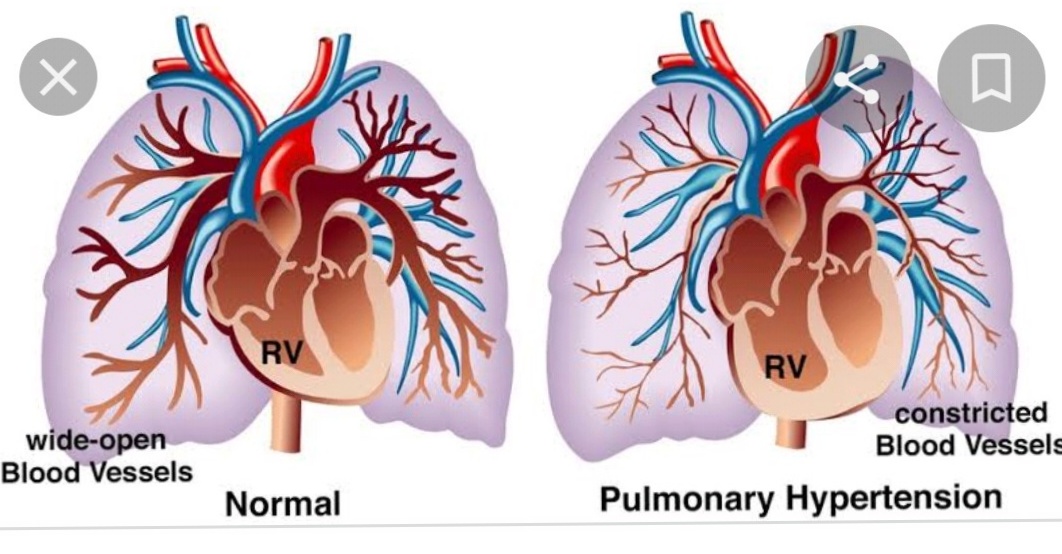
- In extreme, long-standing cases: pulmonary hypertension and cor pulmonale (right-sided heart strain from chronic nocturnal hypoxia) — rare but serious
- Reduced quality of life for the whole family — parents also lose sleep from the child’s snoring
Timely therapy prevents nearly all of these lasting consequences, which is why answering what does grade 3 adenoids mean accurately and acting on it matters.
(7) Grade 3 Adenoids Treatment Options (2026 Update)
The course of therapy depends on the underlying cause, severity and symptoms. Modern ENT practice now favours a stepped approach, trialling medical therapy first in appropriate cases.
A. Medical Management (First Line for Mild-to-Moderate Symptoms)
1. Intranasal Mometasone Furoate Nasal Spray — The Evidence Leader
A Cochrane systematic review and multiple randomised controlled trials show that intranasal corticosteroids — particularly mometasone furoate (50 mcg per nostril, once or twice daily) — significantly reduce adenoid size and nasal obstruction symptoms. In one landmark trial, 77.7% of children treated with mometasone (100 mcg/day) for 40 days improved enough to avoid surgery, versus no improvement in the placebo group. A six-week course can downgrade adenoids by one full grade in roughly 80% of responders.
2. Mometasone + Montelukast Combination
A 2024 meta-analysis of five RCTs (416 children) demonstrated that combining mometasone nasal spray with oral montelukast (4 mg under 6 years; 5 mg over 6 years, once daily) produces superior reduction in A/N ratio, snoring and mouth breathing compared with mometasone alone, with lower recurrence after stopping treatment. This is now considered the strongest non-surgical regimen for grade 3 adenoids in cooperative families.
Latest 2025 Evidence Update
A systematic review and meta-analysis published in the International Journal of Pediatric Otorhinolaryngology (2025;198:112580) confirmed that topical nasal corticosteroids produce a statistically significant reduction in adenoid size and nasal obstruction scores across pooled pediatric RCTs, with a very low rate of side effects. A separate 2024–2025 meta-analysis in Clinical Otolaryngology on montelukast monotherapy also showed a modest but reproducible benefit, strengthening the case for combination therapy. These findings reinforce what parents asking what does grade 3 adenoids mean most want to hear: in many cases, surgery can be postponed or avoided with a disciplined 6–12 week medical trial.
Important caution: intranasal steroids are safe when used at labelled paediatric doses, but very high-dose or prolonged off-label use can suppress growth. Always use under ENT supervision. Oral montelukast carries a U.S. FDA black-box warning for neuropsychiatric side effects (mood changes, sleep disturbance, rarely suicidal thoughts); parents should be counselled and watchful, and the drug stopped if any such symptoms appear.
3. Supporting Measures
- Daily saline nasal irrigation (isotonic or hypertonic) to clear mucus and reduce inflammatory load
- Oral antihistamines if an allergic component is confirmed
- Antibiotics only for proven bacterial infection — not for simple hypertrophy
- Treating associated reflux (GERD/LPR) with lifestyle changes and, if needed, acid-suppression therapy
- Allergen avoidance and air-quality improvement at home
B. Adenoidectomy — Surgical Removal
Adenoidectomy is recommended when:
- Medical treatment fails after 6–12 weeks
- Polysomnography confirms OSA with AHI > 1.0 (per AAO-HNS criteria)
- Recurrent otitis media or persistent otitis media with effusion with hearing loss
- Severe nasal obstruction with mouth breathing causing adenoid facies
- Chronic rhinosinusitis unresponsive to maximal medical therapy
Modern surgical techniques include:
- Conventional curettage adenoidectomy — the traditional method
- Microdebrider-assisted adenoidectomy — more precise, less bleeding
- Coblation adenoidectomy — radiofrequency-based, excellent haemostasis, faster recovery
- Suction diathermy adenoidectomy — commonly used in India
Most children recover within a week. The procedure is day-care under general anaesthesia. Dr Sagar Rajkuwar at Prabha ENT Clinic, Nashik performs modern, bleeding-minimised adenoidectomy with same-day discharge.
(8) Impact on Facial & Dental Development (Adenoid Facies)
One of the most under-appreciated answers to what does grade 3 adenoids mean for a growing child is its effect on craniofacial development. Chronic mouth breathing from infancy or early childhood causes:
- Long, narrow face shape (dolichofacial pattern)
- High-arched narrow palate
- Posteriorly rotated mandible, giving a receded chin
- Open-mouth resting posture
- Dental crowding and anterior open bite
- Chapped lips and gingivitis of the upper front teeth
Once the facial skeleton has matured (typically by late teens), many of these changes are permanent, requiring orthodontic or even orthognathic surgery to correct. This is why most paediatric ENT specialists do not delay treatment of grade 3 adenoids past age 7–8 years without a strong reason.
(9) Home Care Advice to Alleviate Symptoms
Parents can support medical treatment by:
- Keeping the child well hydrated
- Using a cool-mist humidifier in dry weather or when air-conditioning is on
- Avoiding tobacco smoke, incense smoke and polluted outdoor air
- Prompt and complete treatment of allergies
- Daily saline nasal irrigation (one of the simplest, cheapest, evidence-based measures)
- Elevating the head of the bed slightly to reduce nocturnal congestion
- Breast-feeding where possible — associated with lower adenoid hypertrophy rates
- Encouraging oral myofunctional therapy (tongue-posture and lip-seal exercises) with a trained therapist in children above 5 years
(10) Prognosis, Recurrence & Long-Term Outlook
The outlook for grade 3 adenoid hypertrophy is excellent when treated appropriately. After adenoidectomy, more than 85–90% of children have complete or near-complete resolution of nasal obstruction, snoring and sleep apnea symptoms. Hearing improves within weeks in most cases.
Recurrence — regrowth of adenoid tissue — occurs in roughly 2–5% of children, mostly in those operated before 3 years of age or with ongoing untreated allergy. Recurrence is easily detected with repeat endoscopy and, in most cases, responds to a short course of mometasone spray.
Adenoid tissue naturally shrinks (involutes) between ages 7–10, so some borderline Grade 3 cases do improve on their own. But waiting is only safe if the child has no OSA, no hearing loss and no significant facial-growth concerns.
(11) When Should Parents Be Concerned? (Red Flags)
See an ENT doctor promptly if your child has any of the following:
- Snoring most nights of the week
- Witnessed pauses in breathing during sleep
- Repeated ear infections (3 or more in 6 months)
- Hearing concerns or asking for the TV volume up
- Delayed speech, poor articulation or hyponasal voice
- Persistent mouth breathing even when awake
- Hyperactivity, poor school performance or new behavioural problems
- Failure to gain weight or height along the expected growth curve
- Visible dental malocclusion or long-face appearance developing
These signs commonly indicate enlarged adenoids, which may be Grade 3 or Grade 4.
💰 Cost of Grade 3 Adenoid Treatment in India (2026)
A practical answer to what does grade 3 adenoids mean for an Indian family also includes understanding treatment cost. Below are typical 2026 price ranges — these are indicative; actual quotes vary by hospital tier, surgeon seniority, and whether tonsillectomy is combined.
Medical Treatment (Monthly Approximate)
- Intranasal mometasone furoate spray (one bottle, lasts ~6 weeks): ₹300–₹450
- Oral montelukast (paediatric 4 mg / 5 mg chewable, one month): ₹200–₹400
- Isotonic saline nasal spray: ₹150–₹300 per bottle
- ENT consultation at a specialist clinic: ₹500–₹1,500 per visit
- Lateral neck X-ray (soft tissue): ₹300–₹600
- Flexible nasal endoscopy with video: ₹1,000–₹3,000
- Overnight polysomnography (sleep study): ₹8,000–₹20,000
Adenoidectomy Surgery (All-Inclusive Package)
| City | Typical Cost Range (INR) |
|---|---|
| Mumbai | ₹60,000 – ₹1,20,000 |
| Delhi NCR | ₹50,000 – ₹1,00,000 |
| Bengaluru | ₹50,000 – ₹1,00,000 |
| Chennai | ₹40,000 – ₹80,000 |
| Hyderabad | ₹40,000 – ₹90,000 |
| Pune / Nashik / Nagpur | ₹35,000 – ₹75,000 |
| Tier-2 / Tier-3 cities | ₹25,000 – ₹60,000 |
Factors that increase cost: advanced surgical technique such as coblation or microdebrider adenoidectomy (adds 20–30%), combined tonsillectomy, private suite accommodation, longer anaesthesia time in younger children, and tertiary-care JCI-accredited hospitals.
Insurance: most Indian health insurance policies cover adenoidectomy as it is a medically indicated day-care procedure. Pre-authorisation and a documented endoscopy or X-ray report (A/N ratio > 0.73) are usually required. Government schemes such as Ayushman Bharat PM-JAY also cover paediatric ENT surgeries at empanelled hospitals.
(12) Frequently Asked Questions
Q1. Is grade 3 adenoids an emergency?
No, it is usually not an emergency, but it is a strong signal to see an ENT specialist within a few weeks. Understanding what does grade 3 adenoids mean helps you act with appropriate urgency — neither panicking nor ignoring it.
Q2. Can grade 3 adenoids be cured without surgery?
Yes, in a meaningful proportion of children. A 6–12 week trial of mometasone nasal spray, often combined with montelukast, can downgrade adenoids and avoid surgery in roughly 60–80% of selected cases.
Q3. At what age do adenoids shrink naturally?
Adenoids typically start shrinking from about age 7 and are almost entirely gone by late adolescence in most individuals.
Q4. Will adenoidectomy weaken my child’s immunity?
No. Modern evidence shows no clinically significant decrease in overall immunity because many other lymphoid tissues of Waldeyer’s ring and the body continue their protective role.
Q5. Do grade 3 adenoids always cause OSA?
Not always — but a significant percentage of children with Grade 3 adenoids do have mild to moderate OSA on polysomnography. If snoring is loud or breathing pauses are seen, a sleep study is advised.
Q6. Can grade 3 adenoids cause low oxygen levels at night?
Yes. In children with associated obstructive sleep apnea, repeated airway collapse during sleep drops the blood oxygen saturation (SpO₂) below 92% in moderate cases, and sometimes below 85% in severe cases. Chronic nocturnal hypoxia is the mechanism behind many of the serious long-term consequences — growth failure, pulmonary hypertension, poor school performance — which is exactly why understanding what does grade 3 adenoids mean and acting on it is important.
Q7. Will my child need a sleep study (polysomnography) before adenoidectomy?
Not always. For a straightforward Grade 3 adenoid with classic clinical picture, many ENT surgeons proceed on clinical and endoscopic grounds alone. The AAO-HNS 2019 guideline specifically recommends polysomnography before surgery for high-risk groups: children under 2 years, obese children, those with Down syndrome, craniofacial anomalies, neuromuscular disorders, mucopolysaccharidoses, or sickle cell disease. In other children, a sleep study is useful if the diagnosis is uncertain or symptoms are disproportionate to visible adenoid size.
Q8. Does grade 3 adenoids mean my child must have surgery?
No. The grade describes size, not an automatic surgical mandate. The decision depends on symptom severity, response to a 6–12 week medical trial, presence of OSA, hearing status, and craniofacial development. Many Grade 3 adenoids downgrade to Grade 1 or 2 after mometasone ± montelukast therapy. Surgery is reserved for children in whom medical therapy fails or whose symptoms are already severe at presentation.
Q9. How long is the recovery after Grade 3 adenoidectomy?
Most children are back to normal activities within 5–7 days. Mild throat discomfort, bad breath (halitosis) and slight ear pain (referred from the operation site) are common for the first few days and settle with simple paracetamol and plenty of fluids. School can usually resume within one week; swimming and vigorous sport should be avoided for 2 weeks.
(13) Key Takeaways
- What does grade 3 adenoids mean: 50–75% blockage of the nasopharyngeal airway by hypertrophied adenoid tissue.
- Diagnosed by nasal endoscopy, lateral neck X-ray (A/N ratio > 0.73), and, when indicated, polysomnography (AHI > 1).
- Medical treatment with mometasone furoate ± montelukast works in up to 80% of selected children.
- Adenoidectomy is indicated if medical therapy fails, OSA is confirmed, hearing is affected, or adenoid facies is developing.
- Prognosis after treatment is excellent; untreated grade 3 adenoids can cause permanent facial and dental changes.
(14) Conclusion
Now you have a complete answer to the question what does grade 3 adenoids mean: it is a severe enlargement of the pharyngeal tonsil that can have a major impact on a child’s breathing, sleep, hearing and development. Early detection and prompt treatment — whether medical with modern intranasal corticosteroids or surgical through adenoidectomy — can significantly improve a child’s quality of life and preserve normal facial growth. To avoid long-term consequences, consult an ENT specialist if your child has persistent snoring, mouth breathing or recurring ear infections.
For important health related topics please click on our Facebook page link given below or copy paste this link into google search –
https://www.facebook.com/positivemind.healthcare
For important health related videos please click on the link of our YouTube channel given below or copy paste this link into google search-
http://www.youtube.com/@healthuseful8539
ENT Consultation & Surgery
Dr. Sagar Rajkuwar (MS-ENT)
Prabha ENT Clinic, Ambad, Nashik
📱 7387590194 | 9892596635
🌐 www.entspecialistinnashik.com
Medical Disclaimer
Medical Disclaimer: This article is for educational purposes only and does not replace professional medical advice, diagnosis, or treatment. Adenoid grading and treatment decisions should be made by a qualified ENT specialist after direct examination. If your child has severe breathing difficulty, witnessed pauses in sleep, repeated ear infections or hearing concerns, seek medical evaluation promptly.
If any patient has any ENT -Ear nose throat problems and requires any consultation, online consultation, or surgery in clinic of ENT specialist Doctor Dr Sagar Rajkuwar, he may TAKE APPOINTMENT BY CLICKING ON THE LINK GIVEN BELOW-
Clinic address of ENT SPECIALIST doctor Dr Sagar Rajkuwar-
Prabha ENT clinic, plot no 345, Saigram colony, opposite Indoline furniture, Ambad link road, Ambad, 1 km from Pathardi phata, Nashik, 422010, Maharashtra, India – Dr Sagar Rajkuwar (MS-ENT), Cell no- 7387590194, 9892596635
References
- Parikh SR, Coronel M, Lee JJ, Brown SM. Validation of a new grading system for endoscopic examination of adenoid hypertrophy. Otolaryngology–Head and Neck Surgery.
- Zhang L, Mendoza-Sassi RA, César JA, Chadha NK. Intranasal corticosteroids for nasal airway obstruction in children with moderate to severe adenoidal hypertrophy. Cochrane Database of Systematic Reviews.
- Almutairi RH et al. Comparative efficacy of intranasal mometasone furoate monotherapy or combination therapy with montelukast in pediatric adenoid hypertrophy: a systematic review and meta-analysis of randomized clinical trials (2024).
- American Academy of Otolaryngology–Head and Neck Surgery (AAO-HNS). Clinical Practice Guideline: Tonsillectomy in Children (Update) 2019.
- Marcus CL et al. Diagnosis and Management of Childhood Obstructive Sleep Apnea Syndrome. Pediatrics (American Academy of Pediatrics).
- Rosenfeld RM et al. Clinical Practice Guideline: Otitis Media with Effusion (Update); Tympanostomy Tubes in Children (2022). AAO-HNS.
- Topical nasal steroids for adenoid hypertrophy in children: A systematic review and meta-analysis. International Journal of Pediatric Otorhinolaryngology 2025;198:112580.
- Efficacy of montelukast for adenoid hypertrophy in paediatrics: A systematic review and meta-analysis. Clinical Otolaryngology (2024–2025).
- German S2k clinical guideline on adenoid hypertrophy — diagnosis and treatment (updated 2024).
- MSD / Merck Manuals — Adenoid Hypertrophy, Professional Edition (reviewed 2026). Includes juvenile nasopharyngeal angiofibroma as a key differential diagnosis in male adolescents.
- Clinical experience of ENT Specialist doctor Dr Sagar Rajkuwar (MS-ENT), Nashik Maharashtra — Clinic website- www.entspecialistinnashik.com
DISCLAIMER – Some patients go to the internet and directly take treatment from there which can lead to catastrophic consequences. Many people ask then why to read all this text – the reason is that it helps you to understand the pathology better, you can cooperate with treatment better, your treating physician is already busy with his patients and he does not have sufficient time to explain you all the things right from ABCD, so it is always better to have some knowledge of the disease/disorder you are suffering from.
-FOR INFORMATION IN GREAT DETAIL How to reduce Adenoids naturally? PL CLICK ON THE LINK GIVEN BELOW-It is always better to view links from laptop/desktop rather than mobile phone as they may not be seen from mobile phone. ,in case of technical difficulties you need to copy paste this link in google search. In case if you are viewing this blog from mobile phone you need to click on the three dots on the right upper corner of your mobile screen and ENABLE DESKTOP VERSION-
https://healthuseful.com/how-to-reduce-adenoids-naturally/
-FOR INFORMATION IN GREAT DETAIL Adenoidectomy Surgery Guide – Expert Advice PL CLICK ON THE LINK GIVEN BELOW-
https://healthuseful.com/adenoidectomy-surgery/
-FOR INFORMATION IN GREAT DETAIL What age is best for Adenoidectomy? PL CLICK ON THE LINK GIVEN BELOW-
https://healthuseful.com/what-age-is-best-for-adenoidectomy/
-FOR INFORMATION IN GREAT DETAIL Cost of Adenoidectomy in India PL CLICK ON THE LINK GIVEN BELOW-
https://healthuseful.com/cost-of-adenoidectomy-in-india/
-FOR INFORMATION IN GREAT DETAIL Coblation Adenoidectomy Cost In India PL CLICK ON THE LINK GIVEN BELOW-
https://healthuseful.com/coblation-adenoidectomy-cost-in-india/
-FOR INFORMATION IN GREAT DETAIL Adenoids laser Surgery cost PL CLICK ON THE LINK GIVEN BELOW-
https://healthuseful.com/adenoids-laser-surgery-cost/
-FOR INFORMATION IN GREAT DETAIL Coblation adenoidectomy side effects PL CLICK ON THE LINK GIVEN BELOW-
https://healthuseful.com/coblation-adenoidectomy-side-effects/
-FOR INFORMATION IN GREAT DETAIL Cost Of Adenoidectomy in Hyderabad PL CLICK ON THE LINK GIVEN BELOW-
https://healthuseful.com/cost-of-adenoidectomy-in-hyderabad/
-FOR INFORMATION IN GREAT DETAIL Cost of Adenoidectomy in Delhi PL CLICK ON THE LINK GIVEN BELOW-
https://healthuseful.com/cost-of-adenoidectomy-in-delhi/
-FOR INFORMATION IN GREAT DETAIL Cost of Adenoidectomy Surgery in Mumbai PL CLICK ON THE LINK GIVEN BELOW-
https://healthuseful.com/cost-of-adenoidectomy-surgery-in-mumbai/
-FOR INFORMATION IN GREAT DETAIL Cost of Adenoidectomy in Kerala PL CLICK ON THE LINK GIVEN BELOW-
https://healthuseful.com/cost-of-adenoidectomy-in-kerala/
-FOR INFORMATION IN GREAT DETAIL Is Adenoid Surgery expensive ? PL CLICK ON THE LINK GIVEN BELOW-
https://healthuseful.com/is-adenoid-surgery-expensive/
-FOR INFORMATION IN GREAT DETAIL Do Antihistamines Help Adenoids? PL CLICK ON THE LINK GIVEN BELOW-
https://healthuseful.com/do-antihistamines-help-adenoids/
-FOR INFORMATION IN GREAT DETAIL How do you know if your child needs adenoids out? PL CLICK ON THE LINK GIVEN BELOW-
https://healthuseful.com/how-do-you-know-if-your-child-needs-adenoids-out/
-FOR INFORMATION IN GREAT DETAIL Is There Any Ayurvedic Treatment For Adenoids? PL CLICK ON THE LINK GIVEN BELOW-
https://healthuseful.com/is-there-any-ayurvedic-treatment-for-adenoids/
-FOR INFORMATION IN GREAT DETAIL Do Adenoids Affect Brain Development in Children? PL CLICK ON THE LINK GIVEN BELOW-
https://healthuseful.com/do-adenoids-affect-brain-development/
-FOR INFORMATION IN GREAT DETAIL Can Adenoids Turn Cancerous? PL CLICK ON THE LINK GIVEN BELOW-
https://healthuseful.com/can-adenoids-turn-cancerous/
-FOR INFORMATION IN GREAT DETAIL How Can I Shrink My Adenoids Fast? PL CLICK ON THE LINK GIVEN BELOW-
https://healthuseful.com/how-can-i-shrink-my-adenoids-fast/
-FOR INFORMATION IN GREAT DETAIL When to Worry About Adenoids? PL CLICK ON THE LINK GIVEN BELOW-
https://healthuseful.com/when-to-worry-about-adenoids/
-FOR INFORMATION IN GREAT DETAIL What herbs are good for swollen adenoids? PL CLICK ON THE LINK GIVEN BELOW-
https://healthuseful.com/what-herbs-are-good-for-swollen-adenoids/
-FOR INFORMATION IN GREAT DETAIL Shrink Your Toddler’s Adenoids Without Surgery PL CLICK ON THE LINK GIVEN BELOW-
https://healthuseful.com/how-to-shrink-adenoids-in-toddlers/
-FOR INFORMATION IN GREAT DETAIL How to Help a Child Sleep Better with Enlarged Adenoids PL CLICK ON THE LINK GIVEN BELOW-
https://healthuseful.com/how-to-help-a-child-sleep-with-enlarged-adenoids/
-FOR INFORMATION IN GREAT DETAIL Enlarged Adenoids in Children: Symptoms That Look Harmless But Aren’t PL CLICK ON THE LINK GIVEN BELOW-
https://healthuseful.com/enlarged-adenoids-in-kids-symptoms-parents-miss/
-FOR INFORMATION IN GREAT DETAIL Is Drooling Normal After Adenoidectomy? PL CLICK ON THE LINK GIVEN BELOW-
https://healthuseful.com/is-drooling-normal-after-adenoidectomy/
-FOR INFORMATION IN GREAT DETAIL Adenoidectomy Infection: Warning Signs You Should Never Ignore PL CLICK ON THE LINK GIVEN BELOW-
https://healthuseful.com/how-do-you-know-if-your-adenoidectomy-is-infected/
-FOR INFORMATION IN GREAT DETAIL What Is the Success Rate of Adenoid Removal? PL CLICK ON THE LINK GIVEN BELOW-
https://healthuseful.com/what-is-the-success-rate-of-adenoids-removal/
-FOR INFORMATION IN GREAT DETAIL Is Adenoid Surgery Safe? PL CLICK ON THE LINK GIVEN BELOW-
https://healthuseful.com/is-adenoid-surgery-safe/
-FOR INFORMATION IN GREAT DETAIL Is Removing Adenoids a Good Idea? PL CLICK ON THE LINK GIVEN BELOW-
https://healthuseful.com/is-removing-adenoids-a-good-idea/
-FOR INFORMATION IN GREAT DETAIL What Happens If Adenoids Are Not Removed? PL CLICK ON THE LINK GIVEN BELOW-
https://healthuseful.com/what-happens-if-adenoids-are-not-removed/
-FOR INFORMATION IN GREAT DETAIL Adenoid Cystic Carcinoma Symptoms PL CLICK ON THE LINK GIVEN BELOW-
https://healthuseful.com/adenoid-cystic-carcinoma-symptoms-early-warning-signs-you-shouldnt-ignore/
-FOR INFORMATION IN GREAT DETAIL Do Kids Sleep Better After Adenoid Removal? PL CLICK ON THE LINK GIVEN BELOW-
https://healthuseful.com/do-kids-sleep-better-after-adenoid-removal/
-FOR INFORMATION IN GREAT DETAIL Can My Child Swim After Adenoidectomy? PL CLICK ON THE LINK GIVEN BELOW-
https://healthuseful.com/can-my-child-swim-after-adenoidectomy/
-FOR INFORMATION IN GREAT DETAIL Can Removing Adenoids Affect Behavior? PL CLICK ON THE LINK GIVEN BELOW-
https://healthuseful.com/can-adenoid-removal-affect-behavior/
-FOR INFORMATION IN GREAT DETAIL Adenoids and Speech Delay PL CLICK ON THE LINK GIVEN BELOW-
https://healthuseful.com/can-adenoids-affect-speech/
-FOR INFORMATION IN GREAT DETAIL How to Prevent Adenoid Problems in Your Child PL CLICK ON THE LINK GIVEN BELOW-
https://healthuseful.com/how-can-i-prevent-adenoid-problems-in-my-child/
-FOR INFORMATION IN GREAT DETAIL Are Adenoids Linked to Allergies? PL CLICK ON THE LINK GIVEN BELOW-
https://healthuseful.com/are-adenoids-related-to-allergies/
-FOR INFORMATION IN GREAT DETAIL What to Avoid After Adenoid Surgery PL CLICK ON THE LINK GIVEN BELOW-
https://healthuseful.com/what-to-avoid-after-adenoid-surgery/
-FOR INFORMATION IN GREAT DETAIL Adenoids vs. Allergies PL CLICK ON THE LINK GIVEN BELOW-
https://healthuseful.com/adenoids-vs-allergies-what-doctors-want-you-to-understand/
-FOR INFORMATION IN GREAT DETAIL Are Adenoid Problems Genetic? PL CLICK ON THE LINK GIVEN BELOW-
https://healthuseful.com/are-adenoid-problems-genetic/
-FOR INFORMATION IN GREAT DETAIL Can Food Get Stuck in Your Adenoids? PL CLICK ON THE LINK GIVEN BELOW-
https://healthuseful.com/can-food-get-stuck-in-adenoids/
-FOR INFORMATION IN GREAT DETAIL Do Adenoids Affect the Brain? PL CLICK ON THE LINK GIVEN BELOW-
https://healthuseful.com/do-adenoids-affect-the-brain/
-FOR INFORMATION IN GREAT DETAIL How Long Does Adenoid Surgery Take? PL CLICK ON THE LINK GIVEN BELOW-
https://healthuseful.com/how-long-does-adenoid-surgery-take/
-FOR INFORMATION IN GREAT DETAIL How to Keep Adenoids Healthy Naturally PL CLICK ON THE LINK GIVEN BELOW-
https://healthuseful.com/how-to-keep-adenoids-healthy/
-FOR INFORMATION IN GREAT DETAIL Severe Headache After Adenoidectomy PL CLICK ON THE LINK GIVEN BELOW-
https://healthuseful.com/severe-headache-after-adenoidectomy/
-FOR INFORMATION IN GREAT DETAIL Is Adenoid Removal Really Risky? PL CLICK ON THE LINK GIVEN BELOW-
https://healthuseful.com/how-risky-is-adenoid-removal/
-FOR INFORMATION IN GREAT DETAIL Does Removing Adenoids Improve Hearing? PL CLICK ON THE LINK GIVEN BELOW-
https://healthuseful.com/does-removing-adenoids-improve-hearing/
-FOR INFORMATION IN GREAT DETAIL Do You Get Sick More Without Adenoids? PL CLICK ON THE LINK GIVEN BELOW-
https://healthuseful.com/do-you-get-sick-more-without-adenoids-the-truth-by-ent-specialist/
-FOR INFORMATION IN GREAT DETAIL Can Adenoids Cause Ear Pain? PL CLICK ON THE LINK GIVEN BELOW-
https://healthuseful.com/can-adenoids-cause-ear-pain/
-FOR INFORMATION IN GREAT DETAIL Adenoids Removed but Still Snoring? PL CLICK ON THE LINK GIVEN BELOW-
https://healthuseful.com/can-you-still-snore-without-adenoids/
-FOR INFORMATION IN GREAT DETAIL Can You Have Enlarged Adenoids Without Enlarged Tonsils? PL CLICK ON THE LINK GIVEN BELOW-
https://healthuseful.com/can-you-have-enlarged-adenoids-without-enlarged-tonsils/
-FOR INFORMATION IN GREAT DETAIL How Doctors Check Adenoids PL CLICK ON THE LINK GIVEN BELOW-
https://healthuseful.com/how-ent-specialists-check-adenoids/
-FOR INFORMATION IN GREAT DETAIL At What Age Are Adenoids Most Active? PL CLICK ON THE LINK GIVEN BELOW-
https://healthuseful.com/at-what-age-are-adenoids-most-active/
-FOR INFORMATION IN GREAT DETAIL Do Adults Have Adenoids? PL CLICK ON THE LINK GIVEN BELOW-
https://healthuseful.com/do-adults-have-adenoids-myths-and-facts-explained/
-FOR INFORMATION IN GREAT DETAIL Is Adenoid Removal Safe in the Long Run? PL CLICK ON THE LINK GIVEN BELOW-
https://healthuseful.com/long-term-effects-of-adenoid-removal/
-FOR INFORMATION IN GREAT DETAIL Can Adenoids Grow Back in Adults? PL CLICK ON THE LINK GIVEN BELOW-
https://healthuseful.com/can-adenoids-grow-back-in-adults/
-FOR INFORMATION IN GREAT DETAIL How Long Does It Take For Adenoids To Grow Back After Surgery PL CLICK ON THE LINK GIVEN BELOW-
https://healthuseful.com/how-long-does-it-take-for-adenoids-to-grow-back-after-surgery/
-FOR INFORMATION IN GREAT DETAIL How Much Does an Adenoid X-Ray Cost? PL CLICK ON THE LINK GIVEN BELOW-
https://healthuseful.com/how-much-does-an-adenoid-xray-cost/
-FOR INFORMATION IN GREAT DETAIL Is Adenoid Surgery Covered by Insurance? PL CLICK ON THE LINK GIVEN BELOW-
https://healthuseful.com/is-adenoid-surgery-covered-by-insurance/
-FOR INFORMATION IN GREAT DETAIL Cefuroxime and Adenoid Infections PL CLICK ON THE LINK GIVEN BELOW-
https://healthuseful.com/cefuroxime-and-adenoid-infections-effective-or-not/
-FOR INFORMATION IN GREAT DETAIL Can Adenoids Cause Low Oxygen Levels? PL CLICK ON THE LINK GIVEN BELOW-
https://healthuseful.com/can-adenoids-cause-low-oxygen/
-FOR INFORMATION IN GREAT DETAIL Can Enlarged Adenoids Cause Hearing Loss? PL CLICK ON THE LINK GIVEN BELOW-
https://healthuseful.com/can-adenoids-affect-hearing/
-FOR INFORMATION IN GREAT DETAIL Does Adenoid Removal Really Cause Weight Gain? PL CLICK ON THE LINK GIVEN BELOW-
https://healthuseful.com/does-adenoid-removal-cause-weight-gain/
-FOR INFORMATION IN GREAT DETAIL Adenoids and Asthma PL CLICK ON THE LINK GIVEN BELOW-
https://healthuseful.com/can-adenoids-make-asthma-worse/
-FOR INFORMATION IN GREAT DETAIL How Many People Have Died from Adenoidectomy? PL CLICK ON THE LINK GIVEN BELOW-
https://healthuseful.com/how-many-people-have-died-from-adenoidectomy/
-FOR INFORMATION IN GREAT DETAIL When Are the Worst Days After Tonsillectomy and Adenoidectomy? PL CLICK ON THE LINK GIVEN BELOW-
https://healthuseful.com/what-are-the-worst-days-after-tonsillectomy-and-adenoidectomy/
-FOR INFORMATION IN GREAT DETAIL Foods to avoid for adenoids PL CLICK ON THE LINK GIVEN BELOW-
https://healthuseful.com/foods-to-avoid-for-adenoids/
-FOR INFORMATION IN GREAT DETAIL Adenoids and Speech Delay (continued) PL CLICK ON THE LINK GIVEN BELOW-
https://healthuseful.com/can-adenoids-affect-speech/