
Why Doctors No Longer Routinely Remove Tonsils: Reasons, Risks & Guidelines
various aspects-
Because contemporary standards acknowledge that tonsils are active immunological organs rather than useless hazards and that historical regular preventative removals offered little long-term benefit, physicians no longer often remove them.
By Dr. Sagar Rajkuwar, MS-ENT — ENT Specialist, Nashik, Maharashtra, India
Clinic: 🌐 www.entspecialistinnashik.com

Table of contents-
-
Introduction
-
Better Understanding of Tonsil Function
- Does Removing Tonsils Weaken the Immune System?
-
Decline in Infectious Disease Burden
- Tonsillectomy Does Not Prevent Every Future Sore Throat
-
Shift in Medical Guidelines
- Watchful Waiting Can Be the Right Treatment
- The Decision Is Not Based Only on Number of Infections
-
Risks and Complications of Surgery
- How Common Is Bleeding?
- Pain, Dehydration and Unplanned Medical Visits
-
Role of Alternative Treatments
- Not Every Enlarged Tonsil Requires Removal
-
Public Health and Parental Awareness
-
Overuse Concerns in the Past
- Tonsillectomy Has Become More Selective, Not Obsolete
-
When Is Tonsillectomy Still Recommended Today?
-
Tonsillectomy vs Tonsillotomy
-
What Does Research Say About Long-Term Effects?
-
Conclusion
1. Introduction
In the mid-20th century, tonsillectomy (surgical removal of the tonsils) was one of the most frequently performed surgeries in children. For decades, it was considered almost a standard procedure for recurrent sore throats, enlarged tonsils, or even as a preventive measure. However, medical practices have shifted significantly, and today, tonsil removal is far less common. Instead of being a routine operation, it is now reserved for carefully selected cases.
The main reasons doctors no longer remove tonsils as often include advances in medical understanding, recognition of the tonsils’ role in immunity, improved treatments for infections, changes in surgical guidelines, and awareness of potential complications.
Why Is Tonsillectomy Less Routine Than Before?
It doesn’t imply that tonsils are never removed simply because fewer routine tonsillectomies are performed. Instead, modern ENT practice prioritizes close observation, documented indications, shared decision-making, and weighing the anticipated gain against surgical risks.
The amount and severity of episodes are important for youngsters who experience frequent throat infections. Although the decision can be altered by individual circumstances, current recommendations support thinking about tonsillectomy when there are enough regular, recorded occurrences—for instance, at least 7 episodes in 1 year, 5 episodes per year for 2 years in a row, or 3 episodes per year for 3 years in a row.
This strategy is crucial since many children with occasional sore throats get better on their own as they mature, which means that rapid surgery may put them at risk of operative complications without providing sufficient additional advantage.
2. Better Understanding of Tonsil Function
In the past, tonsils were thought to be mostly “useless” tissue that caused more harm than good. This led to widespread removal in children, often for recurrent sore throats or even mild tonsillitis.
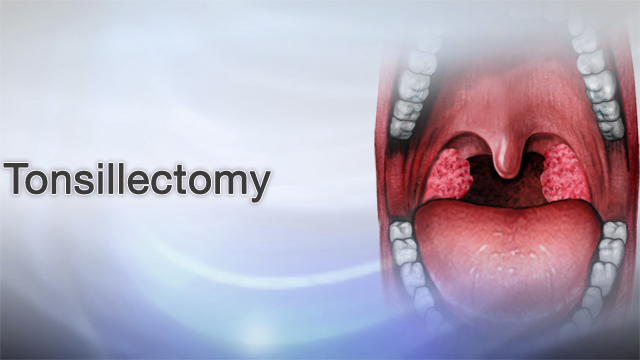
However, modern research has shown that tonsils are part of the immune system. Located at the back of the throat, they are part of the Waldeyer’s ring, which includes adenoids and other lymphoid tissues. Tonsils play a role in:
- Sampling pathogens (bacteria, viruses) entering through the mouth and nose.
- Producing antibodies, especially immunoglobulin A (IgA), which provides mucosal immunity.
- Helping to train the immune system during childhood.
“Although tonsils have immune functions, current evidence does not show a clinically significant overall weakening of the immune system after tonsillectomy in most children. Therefore, the decision to remove tonsils should be based on the expected benefits and risks for the individual patient.”
Does Removing the Tonsils Weaken the Immune System?
Parents must consider this issue seriously. The tonsils are part of the immune system and aid in identifying compounds that enter the body via the mouth and nose. Nevertheless, there is no proof that removing the palatine tonsils significantly weakens the immune system in the majority of children.
Another systematic review of studies in children discovered no notable changes in a number of humoral and cellular immune indicators that were measured, while a systematic review and meta-analysis revealed additional data against clinically meaningful negative immunological effects after tonsillectomy.
As a result, the choice to have one’s tonsils removed shouldn’t be based solely on the notion that tonsils are either utterly useless or necessary for immunity throughout life. The crucial issue is if the potential rewards of the procedure outweigh the dangers for that specific patient.
This is a far more precise and accessible explanation than stating that removing the tonsils “weakens a child’s immune defense.”
3. Decline in Infectious Disease Burden
In the early 1900s, tonsillectomy was often used to prevent recurrent throat infections that could lead to serious complications, such as rheumatic fever and kidney disease (post-streptococcal glomerulonephritis). At that time, these complications were more common and potentially life-threatening.
Today, due to antibiotics, vaccines, and improved healthcare, such complications are rare. For example:
- Penicillin and other antibiotics effectively treat streptococcal throat infections, reducing the need for surgical intervention.
- Public health measures and better hygiene have lowered the rates of severe complications.
As a result, removing tonsils to prevent infections is no longer seen as necessary in most cases.
A tonsillectomy Won’t Stop You From Having Future Sore Throats
Patients sometimes misunderstand the fact that tonsillectomy protects against tonsillitis brought on by the removed palatine tonsils, but it does not shield a person from all throat illnesses.
Individuals can still develop:
- pharyngitis brought on by viruses
- Other infections involving the throat or strep throat
- Laryngitis
- Throat inflammation brought on by postnasal drip
- Throat symptoms due to reflux
Likewise, the NHS decision-support content explains that tonsillectomy can stop acute tonsillitis episodes, yet other types of sore throats might still occur.
For patients who ask, “Why can I still get a sore throat even if my tonsils are removed?” this difference is incredibly helpful.
4. Shift in Medical Guidelines
Over the years, surgical guidelines have become much stricter. International organizations such as the American Academy of Otolaryngology – Head and Neck Surgery (AAO-HNS) recommend tonsillectomy only in specific situations, such as:
- Recurrent throat infections: More than 7 episodes in 1 year, 5 per year for 2 consecutive years, or 3 per year for 3 consecutive years.
- Obstructive sleep apnea: Caused by enlarged tonsils blocking the airway.
- Complications of tonsillitis, such as peritonsillar abscess (quinsy) that recurs.
- Suspicion of cancer or abnormal growth of tonsil tissue.
This stricter approach means many children and adults who would once have had their tonsils removed are now managed with conservative treatment instead.
Watchful Waiting Can Be the Right Treatment
Watchful waiting is not the same as doing nothing for children who do not fit the recognized requirements for surgery. It entails keeping an eye on the frequency, severity, record-keeping, and impact of throat infections while properly handling each episode.
Recording the following is a particularly helpful strategy:
- Each episode’s date
- Elevated body temperature
- Exudate from the tonsils
- Lymph nodes in the neck that are enlarged.
- Positive strep tests, if done, indicate strep infection.
- Antibiotic therapy
- School days missed
- Hospitalization or emergency visits
- Other side effects or peritonsillar abscess
- This information enables an ENT professional to assess if the pattern has grown important enough to warrant surgical intervention.
- The AAO-HNS highlights documentation in particular while assessing recurrent throat infection as a reason for tonsillectomy.
The Number of Infections Is Not the Only Factor Influencing the Choice
Although the regularly stated 7-5-3 standards are helpful, they are not the only factor to consider.
Tonsillectomy may still be more appropriate in certain cases for kids who don’t fit these statistics. Here are some instances:
- Intolerance to or allergies to many antibiotics
- PFAPA Syndrome
- More than one peritonsillar abscess.
- Serious infections that need hospitalization or intravenous fluids
- Considerable effect on school attendance or quality of life
In its advice, the AAO-HNS names these modifying variables.
This is a fantastic addition for SEO since it addresses a common real-world question: “Is it possible for me to need a tonsillectomy even if I don’t get seven infections a year?”
5. Risks and Complications of Surgery
Though generally safe, tonsillectomy is not without risks. Doctors have become more cautious due to potential complications, especially in children. Risks include:
- Postoperative bleeding: The most serious risk, which can be life-threatening in rare cases.
- Severe pain: Lasting 1–2 weeks, making it difficult for children to eat or drink.
- Dehydration and weight loss: Due to painful swallowing.
- Anesthetic risks: While rare, general anesthesia always carries some risk.
- Infections: Though the tonsils are removed, the wound itself can occasionally get infected.
Since many sore throats resolve on their own or respond well to antibiotics, doctors often weigh these risks against the potential benefits and decide against surgery unless absolutely necessary.
How Common Is Bleeding After Tonsillectomy?
Prior to surgery, patients should be aware of bleeding as one of the most crucial side effects. The risk varies depending on the indication, surgical procedure, age, patient characteristics, and how bleeding is described.
A recent 2026 systematic review and meta-analysis of over 844,000 children found a pooled incidence of post-tonsillectomy hemorrhage of about 3%.
Even if the precise rate changed based on the surgical technique and indication, another systematic review discovered that the included pediatric studies’ incidence of postoperative bleeding was typically less than 5%.
Consequently, tonsillectomy should not be considered risk-free. Following tonsillectomy, fresh hemorrhage necessitates an immediate medical examination, particularly when the bleeding is considerable or continuous.
Why Is Tonsillectomy Recovery Sometimes Difficult?
Postoperative discomfort is a crucial component of the risk-benefit discussion. Dehydration and insufficient fluid intake might result from swallowing problems brought on by discomfort.
The most frequent reasons for unanticipated healthcare follow-ups following tonsillectomy were pain, dehydration, and bleeding, according to a systematic review published in 2026 that included over 1.5 million pediatric patients.
This doesn’t imply that the majority of kids suffer from severe issues. Instead, it explains why surgeons discuss warning signs, hydration, when an emergency assessment is required, and postoperative pain management in great detail.
6. Role of Alternative Treatments
With improved medical care, many of the conditions once treated by tonsillectomy can now be managed without surgery. For example:
● Antibiotics treat bacterial infections.
● Pain relievers and supportive care help manage viral sore throats.
● Allergy management (e.g., antihistamines, nasal sprays) reduces chronic throat irritation.
● Continuous positive airway pressure (CPAP) and other therapies can sometimes help mild cases of sleep apnea.
This availability of alternatives has reduced the need for immediate surgical removal.
Not Every Enlarged Tonsil Requires Removal
Just because your tonsil is bigger doesn’t mean you need a tonsillectomy.
The following criteria affect the clinical significance of big tonsils:
- While sleeping, trouble breathing
- Sleep apnea caused by obstruction
- trouble swallowing
- recurrent infections
- Development and growth
- Issues with behavior or concentration during the day
- Consequence on the quality of life
In some circumstances, a sleep study, physical examination, and sleep history may all be part of the evaluation for children who have sleep-disordered breathing. AAO-HNS advice advises polysomnography before surgery in high-risk children and when surgery is not needed.
Your current piece lacks a significant missing distinction: “big tonsils” are not the same as “tonsils that need to be removed.”
7. Public Health and Parental Awareness
Modern parents are more informed about medical procedures and often ask doctors whether surgery is truly necessary. Since tonsillectomy is now known to carry risks, parents may prefer conservative treatments first. Doctors also explain that most children “outgrow” tonsil problems as their immune system matures and tonsils shrink naturally in adolescence.
8. Overuse Concerns in the Past
Historical data shows that in the 1950s and 1960s, tonsillectomy was sometimes performed excessively, even for mild sore throats or as a preventive measure. Many adults today recall that “everyone in the neighborhood had their tonsils out.”
This trend has since been reevaluated. Studies revealed that many of those surgeries were unnecessary and did not significantly improve long-term health. As a result, medical practice shifted to a more evidence-based approach.
Tonsillectomy Has Become More Selective, Not Obsolete
A shift from routine tonsil removal to selective tonsillectomy is a better way to characterize the current transformation.
Lower rates of tonsillectomy in the past should not be taken as proof that the treatment is useless. Instead, modern medicine attempts to identify the individuals who are most likely to experience a significant improvement.
For instance, tonsillectomy can help some children with obstructive sleep apnea and can reduce the incidence of tonsillitis in some patients. The two main indications for children according to AAO-HNS are recurrent throat infection and obstructive sleep-disordered breathing.
The NHS decision-support tool also demonstrates that adults with recurrent tonsillitis who decide to undergo surgery may experience fewer sore throat episodes than those who do not have surgery, even if surgery has a significant recuperation time and risks.
10. When Is Tonsillectomy Still Recommended Today?
Tonsillectomy is still a crucial procedure when there is a obvious need for it.
Examples of typical circumstances include the following:
1. Significant, repeated throat infections
When infections are frequent, well-documented, and serious or disruptive enough, surgery may be taken into consideration.
2. OSA (obstructive sleep apnea)
Airway blockage during sleep may be caused by overgrown tonsils. Tonsillectomy, frequently combined with adenoidectomy, can alleviate obstructive sleep-disordered breathing in appropriately chosen children.
3. Frequent peritonsillar abscesses
Surgery may become more appealing if there is a history of significant or recurring peritonsillar abscesses.
4. PFAPA or other altering conditions
When traditional treatment is insufficient, certain recurring inflammatory diseases may be taken into account.
5. Enlarged tonsils with a questionable appearance.
Specialist evaluation and, in certain circumstances, tonsil excision may be necessary to establish a diagnosis of tonsillar enlargement that is uncommon, long-lasting, uneven, or concerning.
6. Major airway or swallowing difficulties
Surgery can provide significant help if tonsils are hypertrophied and substantially impede eating, swallowing, breathing, or sleeping.
As a result, the choice shouldn’t be based just on the presence of swollen tonsils; instead, it should be customized for each patient.
11. Tonsillectomy vs Tonsillotomy: Is Complete Removal Always Necessary?
Another advancement in tonsil surgery is the utilization of partial intracapsular tonsillectomy, sometimes known as tonsillotomy, in specific cases.
The surgeon reduces most of the obstructive tonsil tissue while leaving a thin layer of tissue rather than removing the tonsil entirely.
According to studies conducted on kids with obstructive sleep-disordered breathing, tonsillotomy may provide comparable enhancements in symptoms and quality of life in a select group of patients while perhaps lowering postoperative bleeding and pain. However, recurrence is possible due to residual tonsil tissue, and the decision between tonsillotomy and total tonsillectomy is based on the indication and individual patient characteristics.
This is a useful modern component to add since your article now solely covers comprehensive tonsil removal and the title states “various aspects.”
12. Conclusion
Doctors no longer remove tonsils as routinely as they once did because medical understanding has advanced. We now know that tonsils are an important part of the immune system, that many infections can be managed effectively with medicine, and that surgery carries real risks. Modern guidelines emphasize conservative management first, reserving tonsillectomy for patients with severe, recurrent infections or airway obstruction.
This shift reflects the broader movement in medicine toward evidence-based care, patient safety, and minimizing unnecessary surgical interventions. Tonsillectomy remains a valuable procedure—but only when it is truly needed.
Medical Disclaimer
Medical Disclaimer: This article is for educational purposes only and does not replace professional medical advice, diagnosis, or treatment. The need for tonsillectomy varies from person to person. Always consult a qualified ENT specialist before making treatment decisions.
📞 ENT Consultation & Surgery
Dr. Sagar Rajkuwar (MS-ENT)
Prabha ENT Clinic, Ambad, Nashik
📱 7387590194 | 9892596635
🌐 www.entspecialistinnashik.com
Medical References
- AAO-HNS Clinical Practice Guideline: Tonsillectomy in Children
- AAO-HNS Clinical Indicators for Tonsillectomy
- NHS England recurrent tonsillitis decision-support tool
- PubMed systematic review of tonsillectomy and immune function
- PubMed systematic review of tonsillectomy and humoral/cellular immunity
- PubMed 2026 systematic review of pediatric post-tonsillectomy revisits
- PubMed systematic review of tonsillotomy vs tonsillectomy
Adenoids – Categorized Internal Linking List
1. Adenoid Types, Grades & Basic Information
- What Does Grade 3 Adenoids Mean? Symptoms, Causes & Treatment Explained
https://healthuseful.com/what-does-grade-3-adenoids-mean/ - At What Age Are Adenoids Most Active? Every Parent Should Know This!
https://healthuseful.com/at-what-age-are-adenoids-most-active/ - Can You Have Enlarged Adenoids Without Enlarged Tonsils?
https://healthuseful.com/can-you-have-enlarged-adenoids-without-enlarged-tonsils/ - Enlarged Adenoids in Children: Symptoms That Look Harmless But Aren’t
https://healthuseful.com/enlarged-adenoids-in-kids-symptoms-parents-miss/
2. Adenoid Symptoms & Problems
- When to Worry About Adenoids?
https://healthuseful.com/when-to-worry-about-adenoids/ - Can Adenoids Cause Ear Pain?
https://healthuseful.com/can-adenoids-cause-ear-pain/ - Can Adenoids Cause Low Oxygen Levels?
https://healthuseful.com/can-adenoids-cause-low-oxygen/ - Can Enlarged Adenoids Cause Hearing Loss?
https://healthuseful.com/can-adenoids-affect-hearing/ - Adenoids and Speech Delay
https://healthuseful.com/can-adenoids-affect-speech/ - How to Help a Child Sleep Better with Enlarged Adenoids
https://healthuseful.com/how-to-help-a-child-sleep-with-enlarged-adenoids/ - Do Adenoids Affect the Brain?
https://healthuseful.com/do-adenoids-affect-the-brain/ - Do Adenoids Affect Brain Development in Children?
https://healthuseful.com/do-adenoids-affect-brain-development/ - Can Food Get Stuck in Adenoids?
https://healthuseful.com/can-food-get-stuck-in-adenoids/
3. Causes, Allergies & Related Conditions
- Are Adenoids Linked to Allergies?
https://healthuseful.com/are-adenoids-related-to-allergies/ - Adenoids vs. Allergies
https://healthuseful.com/adenoids-vs-allergies-what-doctors-want-you-to-understand/ - Are Adenoid Problems Genetic?
https://healthuseful.com/are-adenoid-problems-genetic/ - Adenoids and Asthma
https://healthuseful.com/can-adenoids-make-asthma-worse/ - Do Antihistamines Help Adenoids?
https://healthuseful.com/do-antihistamines-help-adenoids/
4. Natural Treatment & Shrinking Adenoids
- How to Reduce Adenoids Naturally?
https://healthuseful.com/how-to-reduce-adenoids-naturally/ - How Can I Shrink My Adenoids Fast?
https://healthuseful.com/how-can-i-shrink-my-adenoids-fast/ - What Herbs Are Good for Swollen Adenoids?
https://healthuseful.com/what-herbs-are-good-for-swollen-adenoids/ - Is There Any Ayurvedic Treatment for Adenoids?
https://healthuseful.com/is-there-any-ayurvedic-treatment-for-adenoids/ - How to Keep Adenoids Healthy Naturally
https://healthuseful.com/how-to-keep-adenoids-healthy/ - How to Shrink Adenoids in Toddlers
https://healthuseful.com/how-to-shrink-adenoids-in-toddlers/ - Foods to Avoid for Adenoids
https://healthuseful.com/foods-to-avoid-for-adenoids/
5. Diagnosis & ENT Examination
- How Doctors Check Adenoids: Inside the ENT Process Explained Clearly
https://healthuseful.com/how-ent-specialists-check-adenoids/ - How Much Does an Adenoid X-Ray Cost?
https://healthuseful.com/how-much-does-an-adenoid-xray-cost/
6. Adenoidectomy – Surgery & General Information
- Adenoidectomy Surgery Guide – Expert Advice
https://healthuseful.com/adenoidectomy-surgery/ - What Age Is Best for Adenoidectomy?
https://healthuseful.com/what-age-is-best-for-adenoidectomy/ - How Do You Know If Your Child Needs Adenoids Out?
https://healthuseful.com/how-do-you-know-if-your-child-needs-adenoids-out/ - Is Adenoid Surgery Expensive?
https://healthuseful.com/is-adenoid-surgery-expensive/ - How Long Does Adenoid Surgery Take?
https://healthuseful.com/how-long-does-adenoid-surgery-take/ - Is Removing Adenoids a Good Idea?
https://healthuseful.com/is-removing-adenoids-a-good-idea/ - What Happens If Adenoids Are Not Removed?
https://healthuseful.com/what-happens-if-adenoids-are-not-removed/
7. Adenoidectomy Safety, Risks & Success
- Is Adenoid Surgery Safe?
https://healthuseful.com/is-adenoid-surgery-safe/ - Is Adenoid Removal Really Risky?
https://healthuseful.com/how-risky-is-adenoid-removal/ - What Is the Success Rate of Adenoid Removal?
https://healthuseful.com/what-is-the-success-rate-of-adenoids-removal/ - How Many People Have Died from Adenoidectomy?
https://healthuseful.com/how-many-people-have-died-from-adenoidectomy/ - Is Adenoid Removal Safe in the Long Run?
https://healthuseful.com/long-term-effects-of-adenoid-removal/ - Do You Get Sick More Without Adenoids?
https://healthuseful.com/do-you-get-sick-more-without-adenoids-the-truth-by-ent-specialist/
8. Adenoidectomy Recovery & Aftercare
- Is Drooling Normal After Adenoidectomy?
https://healthuseful.com/is-drooling-normal-after-adenoidectomy/ - Adenoidectomy Infection: Warning Signs
https://healthuseful.com/how-do-you-know-if-your-adenoidectomy-is-infected/ - What to Avoid After Adenoid Surgery
https://healthuseful.com/what-to-avoid-after-adenoid-surgery/ - Severe Headache After Adenoidectomy
https://healthuseful.com/severe-headache-after-adenoidectomy/ - Can My Child Swim After Adenoidectomy?
https://healthuseful.com/can-my-child-swim-after-adenoidectomy/ - Do Kids Sleep Better After Adenoid Removal?
https://healthuseful.com/do-kids-sleep-better-after-adenoid-removal/ - When Are the Worst Days After Tonsillectomy and Adenoidectomy?
https://healthuseful.com/what-are-the-worst-days-after-tonsillectomy-and-adenoidectomy/
9. Effects After Adenoid Removal
- Does Removing Adenoids Improve Hearing?
https://healthuseful.com/does-removing-adenoids-improve-hearing/ - Does Adenoid Removal Cause Weight Gain?
https://healthuseful.com/does-adenoid-removal-cause-weight-gain/ - Can Removing Adenoids Affect Behavior?
https://healthuseful.com/can-adenoid-removal-affect-behavior/ - Adenoids Removed but Still Snoring?
https://healthuseful.com/can-you-still-snore-without-adenoids/
10. Adenoid Regrowth
- Can Adenoids Grow Back in Adults?
https://healthuseful.com/can-adenoids-grow-back-in-adults/ - How Long Does It Take for Adenoids to Grow Back After Surgery?
https://healthuseful.com/how-long-does-it-take-for-adenoids-to-grow-back-after-surgery/
11. Adenoidectomy Cost in India
- Cost of Adenoidectomy in India
https://healthuseful.com/cost-of-adenoidectomy-in-india/ - Coblation Adenoidectomy Cost in India
https://healthuseful.com/coblation-adenoidectomy-cost-in-india/ - Adenoids Laser Surgery Cost
https://healthuseful.com/adenoids-laser-surgery-cost/ - Is Adenoid Surgery Covered by Insurance?
https://healthuseful.com/is-adenoid-surgery-covered-by-insurance/
12. Adenoidectomy Cost by City/Region
- Cost of Adenoidectomy in Hyderabad
https://healthuseful.com/cost-of-adenoidectomy-in-hyderabad/ - Cost of Adenoidectomy in Delhi
https://healthuseful.com/cost-of-adenoidectomy-in-delhi/ - Cost of Adenoidectomy Surgery in Mumbai
https://healthuseful.com/cost-of-adenoidectomy-surgery-in-mumbai/ - Cost of Adenoidectomy in Kerala
https://healthuseful.com/cost-of-adenoidectomy-in-kerala/
13. Surgical Techniques & Side Effects
- Coblation Adenoidectomy Side Effects
https://healthuseful.com/coblation-adenoidectomy-side-effects/ - Adenoids Laser Surgery Cost
https://healthuseful.com/adenoids-laser-surgery-cost/
14. Infection & Medicines
- Cefuroxime and Adenoid Infections: Effective or Not?
https://healthuseful.com/cefuroxime-and-adenoid-infections-effective-or-not/ - Adenoidectomy Infection: Warning Signs You Should Never Ignore
https://healthuseful.com/how-do-you-know-if-your-adenoidectomy-is-infected/
15. Rare Conditions / Cancer
- Can Adenoids Turn Cancerous?
https://healthuseful.com/can-adenoids-turn-cancerous/ - Adenoid Cystic Carcinoma Symptoms
https://healthuseful.com/adenoid-cystic-carcinoma-symptoms-early-warning-signs-you-shouldnt-ignore/