Sinus Infection Recovery Time: How Long Does It Really Take?
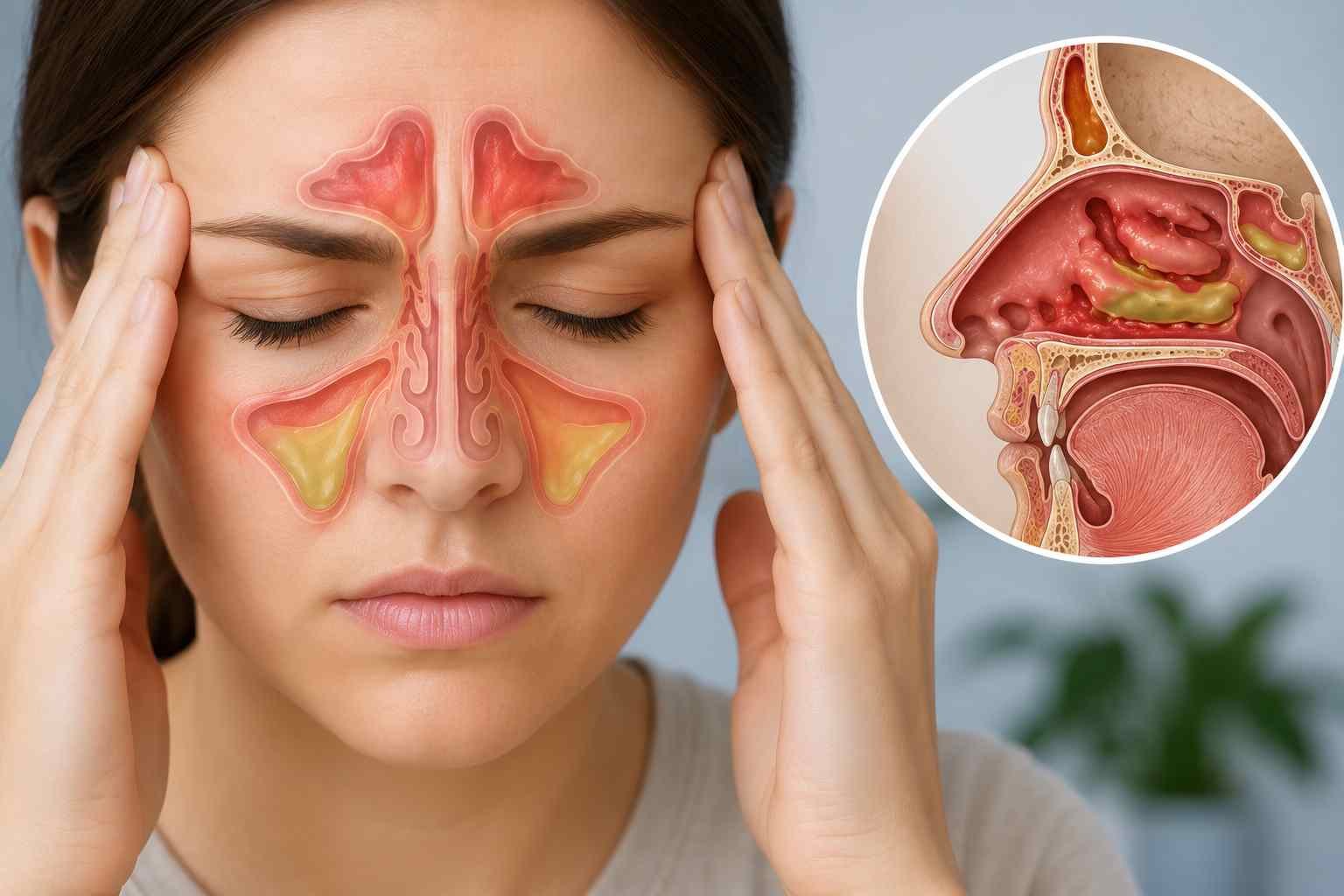
Sinusitis, also known as a sinus infection or rhinosinusitis, is characterized by a thick nasal discharge, cough, postnasal drip, headache, facial pressure, and nasal congestion.
How long does it take for a sinus infection to disappear?
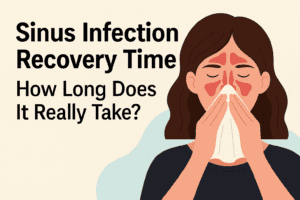
The vast majority of acute sinus infections are caused by viruses and go away on their own without the need for antibiotics. Some symptoms may take longer to entirely go away, but many start to get better within 7–10 days. A medical evaluation for bacterial sinusitis may be necessary if symptoms don’t improve after 10 days, get worse, or improve and then abruptly deteriorate.
By Dr. Sagar Rajkuwar, MS-ENT — ENT Specialist, Nashik, Maharashtra, India
Clinic: 🌐 www.entspecialistinnashik.com

Table of contents-
- What is a sinus infection?
- What Is the Typical Duration of a Sinus Infection?
- What Symptoms Indicate That a Sinus Infection Is Improving?
- When Should Sinus Infection Symptoms Start Improving?
- Why Does It Take Longer to Heal a Sinus Infection?
- What steps can you take to improve your recovery?
- Are Antibiotics Necessary for a Sinus Infection?
- Antibiotics Should Not Be Self-Treated: Why?
- When Is It Necessary to Consult a Doctor for Sinusitis?
- Is it possible for a sinus infection to last for months?
- How to Reduce Your Risk of Developing Sinus Issues in the Future
- Commonly Asked Questions
- Key Lessons
- Conclusion
What is a sinus infection?
Inflammation of the sinus and nasal lining causes a sinus infection. Normal sinus outflow might be disrupted by swelling, leading to a accumulation of fluid or mucus.
Frequent symptoms are:
- obstruction or congestion in the nose
- Nose drip
- Pressure or pain in the face
- Headache
- postnasal drip
- Cough.
- Painful throat
- Decreased perception of smell
- Unpleasant odor
- Tiredness
The majority of acute sinus infections are brought on by viruses. Only a tiny portion of cases are caused by bacteria. Thus, not every sinus infection requires an antibiotic.
What Is the Typical Duration of a Sinus Infection?
The time it takes to recover is determined by the kind of sinusitis and its root cause.
Sinusitis (acute)
Sinusitis that lasts less than four weeks is considered acute.
Around 7–10 days, the majority of viral infections begin to get better. However, some individuals may need more time to fully recover.
Sinusitis that is Subacute
Typically, subacute sinusitis lasts between four and twelve weeks.
If symptoms don’t get better over time, further assessment may be necessary.
Long-term rhinosinusitis
Chronic rhinosinusitis lasts for 12 weeks or more and is not just an acute infection that has persisted for months. A diagnosis often needs objective evidence of inflammation, such as nasal endoscopy or CT scan results, in addition to compatible symptoms.
Acute Sinusitis Recurrent
Recurrent acute rhinosinusitis describes several acute episodes with total or almost complete recovery in between. According to one often used definition, 4 or more episodes in a year are indicative.
What Symptoms Indicate That a Sinus Infection Is Improving?
Usually, symptoms of sinusitis get less severe and less common as the condition gets better.
You might see:
- Reduced nasal congestion
- simpler breathing via the nose
- Reduced pressure on the face
- Lower headache rate
- Reduced postnasal drip
- Less thick or declining nasal discharge
- coughing less
- Enhanced sense of smell
- Reduced weariness
- If there is a fever, it gets better.
Recovery does not always occur right away. Over the course of several days, symptoms may progressively get better.
A little bit of remaining congestion or postnasal drainage doesn’t always signal a worsening of the illness.
When Should Sinus Infection Symptoms Start Improving?
During the first 7 to 10 days of a lot of viral sinus infections, the symptoms get better.
Nevertheless, there are significant exceptions.

You should think about getting a medical examination if:
- The symptoms don’t get better for over 10 days.
- The symptoms worsen.
- Symptoms dramatically worsen after improving.
- Several days are spent with a fever.
- The pain in the face increases in intensity.
- Repeated sinus infections are common.
These patterns may imply bacterial sinusitis or another condition requiring evaluation.
Why Does It Take Longer to Heal a Sinus Infection?
Recovery might be impacted by a number of circumstances.
1. Viral contamination
Viral infections cause the majority of acute sinusitis cases. Without antibiotics, the immune system typically eliminates the illness.
2. Bacterial sinusitis.
Specifically, patients who experience no improvement in their symptoms or who see a deterioration after an initial improvement may develop bacterial sinusitis.
3. Allergies
Slower recovery may be due to chronic nasal swelling and congestion brought on by allergic inflammation.
4. Nasal polyps
Nasal polyps can prevent the sinuses from draining properly and may exacerbate chronic symptoms.
5. Different structural issues or a deviated nasal septum
Sinus ventilation and drainage may be impacted by structural narrowing.
6. Long-term rhinosinusitis
If a patient’s symptoms last for more than 12 weeks, the diagnosis should be chronic rhinosinusitis rather than just assuming that an acute infection that was not treated is still present.
What steps can you take to improve your recovery?
For simple sinusitis, supportive care can aid in symptom management as the illness gets better.
Rinses of the Nose with Saline
Nasal comfort and mucus clearance can be facilitated by saline irrigation.
Make sure to properly rinse the item and use water that has been prepared according to the product or medical instructions.
Hot Compressors
Facial pressure may be reduced by applying a warm compress to the forehead and nose.
Rest and fluids
You may feel more at ease and encourage overall recovery with enough fluid consumption and rest.
Corticosteroid Sprays for the Nose
When there is considerable nasal inflammation or allergies, these may help relieve it. Inquire with a healthcare provider to see if they are a good fit for you.
Decongestants
Some decongestants can offer temporary comfort.
But prolonged usage of topical nasal decongestant sprays should be avoided since overusing them can lead to rebound nasal congestion.
Additionally, the CDC advises using symptomatic interventions like warm compresses, saline nasal spray, and the proper over-the-counter drugs to relieve symptoms.
Are Antibiotics Necessary for a Sinus Infection?
Not always.
Antibiotics don’t cure viral illnesses, and most sinus infections are brought on by viruses. Side effects and antibiotic resistance can be caused by unneeded antibiotics.

Bacterial sinusitis may be thought of by a healthcare provider when symptoms:
- Last over ten days with no improvement.
- Are severe, such as high fever with purulent nasal discharge or severe facial discomfort for several days
- get worse after initially getting better
These characteristics are utilized to discern between a typical viral infection and a potential bacterial sinusitis.
Either acceptable observation in selected individuals or antibiotic treatment when necessary are supported by current standards for adults who have straightforward bacterial sinusitis. Amoxicillin or amoxicillin-clavulanate are frequently advised as first-line alternatives when antibiotics are prescribed, depending on the circumstances.
Before making any changes to your antibiotic regimen, including starting, stopping, or altering doses, consult your doctor.
Antibiotics Should Not Be Self-Treated: Why?
Unnecessary antibiotic use can result in the following:
- Nausea or diarrhea
- cause hypersensitive reactions
- Interact with other drugs
- Contribute to the problem of antibiotic resistance.
- Expose you to needless medication dangers.
The appropriate antibiotic, if one is required, is determined by considerations such as the patient’s diagnosis, allergies, past antibiotic exposure, and regional resistance patterns.
As a result, the antibiotic lists in the prior iteration of this piece should not be offered as a self-medication option.
When Is It Necessary to Consult a Doctor for Sinusitis?
According to the Centers for Disease Control and Prevention, a medical assessment is required if sinus symptoms are severe, persist for more than ten days without getting better, get worse after initially improving, or are accompanied by recurrent infections or a continuous fever.
You should consult a doctor if you experience any of the following:
- Pain that is acute on the face
- Intense headache
- High or prolonged temperature
- No improvement in symptoms for longer than 10 days
- Symptoms that disappear then come back worse
- Frequent sinus infections
- Swelling around the eye that is noticeable
- Changes to vision
- Significant weakness or other alarming symptoms
It is especially crucial to seek emergency medical attention if symptoms indicate a potential issue in the vicinity of the eye, brain, or other neighboring structures.
Is it possible for a sinus infection to last for months?
Yes, however, symptoms that persist for months should not be considered a basic sinus infection without further ado.
Chronic rhinosinusitis should be taken into account if sinonasal symptoms persist for 12 weeks or more. Objective evidence of inflammation must be combined with the right symptoms for a diagnosis.
Prolonged nasal symptoms can also be caused by other circumstances, such as:
- Rhinitis due to allergies
- polyps in the nose
- Septum that has shifted from its normal position
- Rhinosinusitis that is chronic
- Other headache disorders or migraines
- dental issues
- Additional nasal illnesses
A ENT exam might help identify the true reason.
How to Reduce Your Risk of Developing Sinus Issues in the Future
Although you can’t avoid every sinus infection, there are some steps you can take:
- Regular hand washing is recommended.
- Avoid secondhand smoke and smoking.
- control allergies
- Maintain a suitable level of moisture in your nasal passages.
- treat root nasal problems
- Steer clear of needless antibiotic use.
- For chronic sinus disease, adhere to your doctor’s advised course of treatment.
The CDC further advises maintaining basic respiratory health, avoiding exposure to smoke, and practicing good hand hygiene.
Commonly Asked Questions
How long does a sinus infection normally last?
Symptoms can sometimes linger longer, but many severe sinus infections resolve in 7–10 days. A period of less than four weeks is typically considered acute sinusitis.
Is it possible to cure a sinus infection without antibiotics?
Yep. Without antibiotics, the majority of sinus infections are viral and go away on their own. Antibiotics should only be used if there is a suspicion of bacterial infection and the treatment is adequate.
Is the presence of yellow or green mucus a sign that antibiotics are required?
Not required, though. The color of nasal secretions alone does not indicate a bacterial infection. More significant is the overall pattern of symptoms and their duration.
What does it mean to feel better before becoming worse?
Double worsening symptoms that worsen considerably after improving should be checked by a doctor.
When does sinusitis turn chronic?
Usually, chronic rhinosinusitis involves symptoms and inflammation that persist for 12 weeks or more, along with objective proof that supports the diagnosis.
Is it possible for sinusitis to lead to headaches?
Indeed. Facial pressure and headaches might be caused by sinus inflammation. Further evaluation may be required for chronic or recurring headaches that are linked to nasal symptoms but are not always caused by sinusitis.
Key Lessons
- Viruses are the cause of the majority of severe sinus infections.
- Within seven to ten days, a large number of cases begin to show progress.
- Less than four weeks pass during acute sinusitis.
- Chronic rhinosinusitis may be indicated by symptoms that last for 12 weeks or longer, rather than just a chronic infection.
- Antibiotics are not necessary for the majority of viral sinus infections.
- You should get evaluated if your symptoms are bad, get worse after getting better initially, or last longer than 10 days without getting better.
- If symptoms recur, allergies, nasal polyps, structural abnormalities, or chronic rhinosinusitis should be ruled out.
Conclusion
The time it takes to recover from a sinus infection varies from person to person. Many simple acute sinus infections get better on their own, usually within a week or ten days, but other symptoms may take longer to go away.
It’s important to monitor the entire recovery pattern. When congestion, facial pressure, headache, and nasal discharge are progressively getting better, recovery is typically going in the correct direction.
However, a healthcare expert should evaluate symptoms that last longer than 10 days without getting better, get worse, or get better and then get worse.
An ENT assessment might be required to ascertain if persistent rhinosinusitis or another underlying disease is to blame if symptoms last for 12 weeks or longer.
Medical Disclaimer
This article is intended for general educational purposes and does not replace an examination, diagnosis, or individualized treatment plan from a qualified healthcare professional. Do not start or change antibiotics or other prescription medicines based solely on information found online.
📞 ENT Consultation & Surgery
Dr. Sagar Rajkuwar (MS-ENT)
Prabha ENT Clinic, Ambad, Nashik
📱 7387590194 | 9892596635
🌐 www.entspecialistinnashik.com
Medical References
- Centers for Disease Control and Prevention (CDC) – Sinus Infection Basics
CDC: Sinus Infection Basics - CDC – Adult Outpatient Antibiotic Treatment: Acute Bacterial Rhinosinusitis
CDC: Adult Outpatient Antibiotic Treatment Guidelines - American Academy of Otolaryngology–Head and Neck Surgery (AAO-HNS) – Adult Sinusitis Guideline
AAO-HNS: Adult Sinusitis Clinical Practice Guideline - American Academy of Otolaryngology–Head and Neck Surgery – Chronic Rhinosinusitis
AAO-HNS: Chronic Rhinosinusitis Information
🔗 Sinus Related Articles (Internal Links)
🤧 Sinus Headache & Symptoms
- https://healthuseful.com/sinus-headache-symptoms/
- https://healthuseful.com/sinus-headache-symptoms-one-side/
- https://healthuseful.com/sinus-headache-symptoms-right-side/
- https://healthuseful.com/sinus-headache-back-of-head/
- https://healthuseful.com/sinus-headache-symptoms-home-remedies/
- https://healthuseful.com/how-to-rid-of-a-sinus-infection-headache/
🦠 Sinus Infection Treatment
- https://healthuseful.com/how-to-get-rid-of-a-sinus-infection-in-24-hours/
- https://healthuseful.com/how-to-get-rid-of-sinus-infection-without-antibiotics/
- https://healthuseful.com/what-kills-a-sinus-infection-naturally/
- https://healthuseful.com/sinus-headache-tablet/
- https://healthuseful.com/how-do-doctors-drain-sinuses-without-surgery/
- https://healthuseful.com/signs-of-sinus-infection-getting-better/
- https://healthuseful.com/signs-of-sinus-infection-getting-better-with-antibiotics/
⚠️ Serious Conditions & Warning Signs
- https://healthuseful.com/end-stages-of-a-sinus-infection/
- https://healthuseful.com/how-to-tell-if-sinus-infection-has-spread-to-brain/
- https://healthuseful.com/how-to-tell-if-sinus-infection-has-spread-to-bone/
- https://healthuseful.com/what-is-a-red-flag-for-sinusitis/
- https://healthuseful.com/when-to-go-to-ae-with-sinusitis/
👁️ Related Symptoms & Complications
- https://healthuseful.com/can-a-sinus-infection-cause-eye-pain/
- https://healthuseful.com/can-sinusitis-affect-your-ears/
- https://healthuseful.com/can-sinus-infection-cause-hair-loss/
- https://healthuseful.com/symptoms-of-perforated-sinus-after-tooth-extraction/
🧠 Causes, Triggers & Misdiagnosis
- https://healthuseful.com/what-triggers-sinusitis-headaches/
- https://healthuseful.com/what-can-be-mistaken-for-a-sinus-infection/
- https://healthuseful.com/what-mimics-sinus-issues/
- https://healthuseful.com/what-can-worsen-a-sinus-infection/
🧬 Nutrition & Deficiency
- https://healthuseful.com/what-vitamin-deficiency-causes-sinus-headaches/
- https://healthuseful.com/what-vitamin-deficiency-causes-sinusitis/
- https://healthuseful.com/what-deficiency-causes-sinusitis/
📘 General Sinus Knowledge
- https://healthuseful.com/what-are-the-four-cardinal-signs-of-sinusitis/
- https://healthuseful.com/is-a-sinus-infection-contagious-with-fever/
- https://healthuseful.com/can-you-smell-a-fungal-sinus-infection/
- https://healthuseful.com/sinusitis-in-hindi/
💰 Treatment & Surgery
- https://healthuseful.com/cost-of-sinus-surgery-in-india/
- https://healthuseful.com/how-to-cure-sinus-permanently/
🧒 Special Cases
🔍 Rare Conditions
🔗 Related Articles on Nasal Polyps (ENT Expert Guides)
For detailed, evidence-based information, explore the following articles:
https://healthuseful.com/can-nasal-polyps-turn-cancerous/
https://healthuseful.com/can-nasal-polyps-affect-the-brain/
https://healthuseful.com/what-are-the-symptoms-of-cancerous-nasal-polyps/
https://healthuseful.com/when-to-worry-about-nasal-polyp/
https://healthuseful.com/what-happens-if-nasal-polyps-untreated/
https://healthuseful.com/number-one-cause-of-nasal-polyps/
https://healthuseful.com/how-to-stop-polyp-growth/
https://healthuseful.com/can-nasal-polyps-cause-heart-problems/
https://healthuseful.com/how-to-cure-nasal-polyps-permanently/
https://healthuseful.com/can-ent-see-nasal-polyps/