What can I do to maintain my gut health when taking doxycycline?
Author: Dr Sagar Rajkuwar, ENT Specialist, Nashik, Maharashtra, India
🌐 www.entspecialistinnashik.com
To avoid hurting your stomach when taking doxycycline, separate your probiotic supplements and drugs from your dosage by one to two hours. Be cautious when it comes to dairy: Foods and supplements that are high in calcium inhibit doxycycline absorption, so consume them away from your medicine schedule.
Observe these important advice for maintaining a healthy stomach:
Use Probiotics: Take supplements with strains such as Saccharomyces boulardii, Bifidobacterium, or Lactobacillus to help restore bacterial balance and avoid antibiotic-associated diarrhea.
Plan Your Supplements: At least 1 to 2 hours either before or after your doxycycline dosage, always consume your probiotic. Taking them simultaneously might result in the antibiotic killing the good bacteria in the supplement.
Eat Fermented and Prebiotic Foods: Prebiotic plant fibers, such as those found in garlic, onions, asparagus, and whole grains, can help feed your digestive system. Introduce fermented meals (kefir, sauerkraut, kimchi) after you’ve finished the prescription to restore beneficial microorganisms.
Don’t Consume Dairy Near Treatment: Since calcium lowers the antibiotic’s potency, avoid taking your doxycycline with calcium-fortified items, milk, or yogurt.
Stay Away from Irritants: Avoid alcohol, artificial sweeteners, and highly processed, sugary items since they promote hazardous microorganisms and might make digestive problems worse.
To find out the ideal dosage and probiotic strain for your health requirements, speak with a registered dietitian or your healthcare provider.
Table of Contents
- Introduction
- Why Can Gut Health Be Affected by Doxycycline?
- Follow the Directions for Taking Doxycycline
- Take into account eating probiotic foods.
- Maintain a diet that is beneficial to your gut.
- Be properly hydrated.
- Don’t use antibiotics unless it’s absolutely necessary.
- Restrict Meals That Have Been Heavily Processed
- Regarding probiotic supplements, speak with your doctor.
- Observe Signs of Major Gut Troubles
- Commonly Asked Questions
- Conclusion
Introduction
Doxycycline is a frequently prescribed antibiotic used to treat a variety of medical conditions, including bacterial infections, acne, rosacea, and Lyme disease. Doxycycline is typically useful, but it may sometimes throw off the equilibrium of good bacteria in your digestive system.
Side effects such as nausea, diarrhea, stomach discomfort, bloating, and modifications to gut health may result from this. Luckily, there are many methods to safeguard your stomach while using doxycycline and lower the chance of digestive problems.
Why Can Gut Health Be Affected by Doxycycline?
In your digestive system, there are billions of healthy bacteria that support immune function, nutrition absorption, and digestion. Similar to many antibiotics, doxycycline can upset this natural balance by eradicating both beneficial and harmful microorganisms.
Therefore, some people may experience:
- Nausea.
- Diarrhea
- Abdominal pain
- Feeling of fullness
- loss of hunger
- Infections caused by yeast
Maintaining a healthy gut during antibiotic therapy can help reduce these side effects.
Follow the Directions for Taking Doxycycline
One of the easiest methods to alleviate stomach discomfort is to take doxycycline exactly as directed.
For optimal outcomes, please do the following:
- Drink it with 240 mL of water.
- Afterward, stay up straight for a minimum of 30 to 60 minutes.
- Do not take it right before night.
- Regarding your diet, adhere to your doctor’s recommendations.
Irritation of the stomach and esophagus is diminished by appropriate administration.
Take into account eating probiotic foods.
Foods high in probiotics could promote good gut bacteria when taking antibiotics.
For instance, consider:
- Yogurt with living cultures
- Kefir
- Pickled cabbage
- Kimchi.
- Miso soup
- Vegetables that have been fermented
Avoid taking probiotic meals within 1-2 hours of your medicine because they may interfere with doxycycline absorption.
Maintain a diet that is beneficial to your gut.
When taking antibiotics, it is important to eat a balanced diet in order to maintain digestive health.
Concentrate on:
- Fruit
- Veggies
- Entire Grains
- legumes and beans
- Proteins with low fat content
- Foods that are rich in fiber
Nutrients that promote good gut bacteria are found in these diets.
Be properly hydrated.
Normal digestive function and reduced nausea can both be supported by drinking enough water.
Try to:
- All day long, drink water.
- Have a full glass of water with your doxycycline.
- Avoid dehydration, especially if you have diarrhea.
Don’t use antibiotics unless it’s absolutely necessary.
Doxycycline should only be taken as directed by a doctor. Repeated disturbances to gut microorganisms and an increased risk of antibiotic resistance may result from taking antibiotics when they are not essential.
Restrict Meals That Have Been Heavily Processed
Excess sugar and highly processed items may have a detrimental impact on gut health.
Make an effort to minimize:
- Drinks high in sugar
- Snacks that have been processed
- Quick meal
- too much candy
Consuming nutrient-dense foods may aid in the restoration of healthy intestinal flora.
Regarding probiotic supplements, speak with your doctor.
During or after antibiotic therapy, some people find probiotic supplements helpful. All probiotics are not equal, though.
Before taking a probiotic supplement:
- See your doctor.
- Be sure to read the product directions thoroughly.
- Apart from doxycycline, consume probiotics.
Observe Signs of Major Gut Troubles
Although most digestive adverse effects are minor, see a doctor if you experience any of the following symptoms:
- Terrible diarrhea
- Stools that are bloody
- Ongoing stomach aches
- Feverishness
- Dehydration that is severe
A more severe complication related to antibiotics may be indicated by these symptoms.
Commonly Asked Questions
Is it possible to have diarrhea after taking doxycycline?
Yeah. Doxycycline can upset the balance of bacteria in the digestive tract, which is why diarrhea is a frequent side effect.
Is it okay to use probiotics with doxycycline?
According to some, probiotics are beneficial. Talk to your doctor to see if they’re right for you.
Is it safe to consume yogurt while taking doxycycline?
Doxycycline and yogurt can be taken together, but in order to avoid absorption difficulties, it is ideal to do so at least one to two hours apart.
Can doxycycline permanently hurt gut bacteria?
No. After finishing the antibiotic regimen, the gut microbiota usually recovers in the majority of individuals.
Conclusion
To protect your gut while on doxycycline, you must take the drug correctly, eat a nutritious diet, stay hydrated, and promote the growth of beneficial gut bacteria. To reduce digestive side effects, you might take doxycycline with a lot of water, consume a fiber-rich diet, think about probiotic meals, and abide by your healthcare professional’s advice.
For a thorough evaluation, get in touch with your doctor right away if you have severe gastrointestinal problems.
Medical Disclaimer
Medical Disclaimer: This content is for educational purposes only and does not replace professional medical advice, diagnosis, or treatment. Always follow your healthcare provider’s instructions regarding doxycycline use. Consult your doctor before starting probiotics, supplements, or making significant dietary changes during treatment.
What to Avoid While Taking Doxycycline
https://healthuseful.com/what-to-avoid-while-taking-doxycycline/
Cluster 1: Antibiotics, Doxycycline & Medication Safety
Pillar Article
Doxycycline Cluster
- https://healthuseful.com/will-doxycycline-clear-tonsillitis/
- https://healthuseful.com/how-do-i-protect-my-gut-while-taking-doxycycline/
- https://healthuseful.com/can-i-drink-milk-with-doxycycline/
- https://healthuseful.com/what-happens-if-you-dont-drink-enough-water-with-doxycycline/
- https://healthuseful.com/what-is-the-most-common-side-effect-of-doxycycline/
- https://healthuseful.com/what-foods-should-i-avoid-while-taking-doxycycline/
Antibiotic Use & Safety
- https://healthuseful.com/cefuroxime-and-adenoid-infections-effective-or-not/
- https://healthuseful.com/are-bacterial-sinus-infections-contagious-while-on-antibiotics/
Medication Safety
- https://healthuseful.com/drugs-to-be-avoided-in-certain-circumstances/
- https://healthuseful.com/drugs-to-be-avoided-in-certain-circumstances-2/
Cluster 2: Sinus Infection & Sinusitis
Pillar Article
Cluster 3: Allergy & Drug Reactions
Pillar Article
Supporting Articles
- https://healthuseful.com/drugs-to-be-avoided-in-certain-circumstances/
- https://healthuseful.com/drugs-to-be-avoided-in-certain-circumstances-2/
- https://healthuseful.com/what-is-the-most-common-side-effect-of-doxycycline/
Cluster 4: Nasal Disorders
Pillar Article
Cluster 5: Ear Disorders & Hearing Health
Pillar Article
Cluster 6: Common Cold & Upper Respiratory Infections
Pillar Article
References
- MedlinePlus Doxycycline Information
- Mayo Clinic Doxycycline Oral Route Guide
- U.S. Food and Drug Administration – Doxycycline prescribing information and safety guidance.
- National Library of Medicine – Antibiotic safety and gut health resources.
- Centers for Disease Control and Prevention – Appropriate antibiotic use and patient safety.
- American Gastroenterological Association – Gut health and probiotic guidance.
Antibiotic-Related Nausea: Six Foods That Can Help You Combat It
Crucial takeaways:
Antibiotics are a life-saving medication that can have side effects. Antibiotics frequently cause nausea, diarrhea, or stomach cramps.
Foods that are naturally high in probiotics might help your nausea and keep your gut healthy when taking antibiotics.
Antibiotic nausea and upset stomach can also be reduced by foods high in fiber.
One of the miracles of contemporary medicine are antibiotics, which treat infections that would have been lethal only a few decades ago. However, like all medications, they may have unpleasant side effects such upset stomach and nausea. The wonderful thing is that you may do things to lessen the nausea that antibiotics cause. Let’s examine the meals that might help ease your upset stomach while your antibiotics fight the illness.
Why does using antibiotics make people nauseous?
Antibiotics cause nausea for a variety of reasons:
Irritation of the stomach lining: The digestive system lining can be irritated by certain antibiotics. Gut irritation can cause nausea, vomiting, and discomfort.
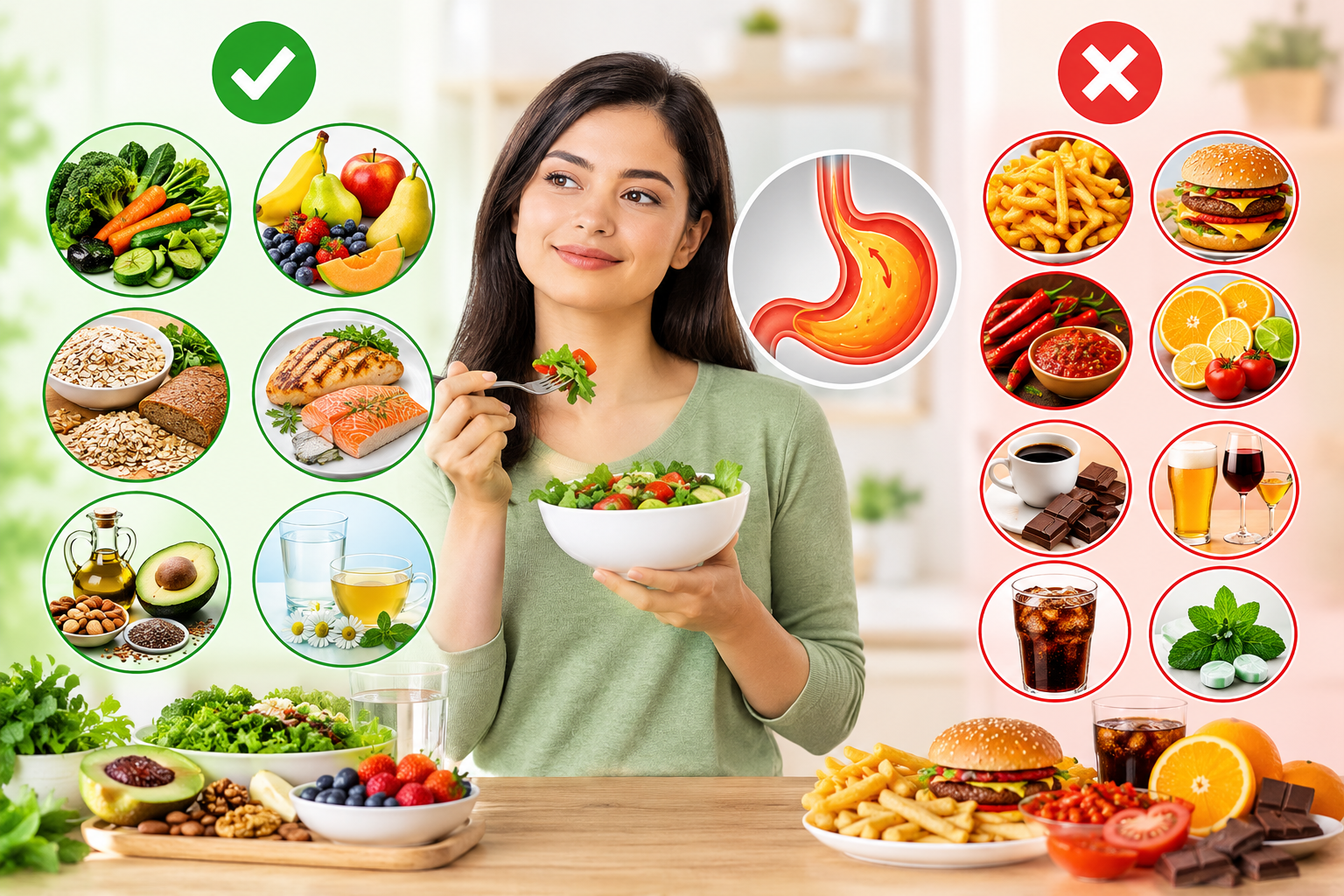
Antibiotics destroy a significant portion of the beneficial gut bacteria in addition to the pathogenic ones, which causes an interruption in the gut microbiome. You can digest food, create necessary vitamins, and detoxify harmful chemicals with the aid of healthy stomach bacteria. Diarrhea, indigestion, and an upset stomach can all result from an imbalance in your microbiota.
Antibiotics can induce acid reflux, which is characterized by acid from the stomach flowing into the esophagus and causing discomfort. Heartburn and nausea result from this.
Although several medications can make you nauseous, erythromycin and doxycycline are the most frequent causes.
To avoid nausea, what are the finest meals to eat with antibiotics?
You may take precautions to minimize (or even avoid) antibiotic-associated nausea if you need to take antibiotics that are harsh on the stomach. The first step is to change your diet to safeguard the health of your gut microbiome. An imbalanced microbiome, where “bad” germs proliferate, can lead to digestive disorders, which a healthy microbiome can prevent.
Here are six foods that can assist in maintaining the healthy balance of germs in your digestive system.
1. Foods high in fiber
Fiber-rich meals can defend your microbiota and lessen irritation in your gastrointestinal system. Foods high in fiber to include in your diet while on antibiotics include:
Kale, spinach, and other leafy greens
Beans
Oatmeal
Fruits.
flax or chia seeds
2. Cultivated or fermented meals
Live yeasts and bacteria, known as probiotics, may be found in cultured and fermented foods, and they help maintain your gut microbiome’s natural flora. You may include the following items in your diet each day:
Yogurt
Cheese.
Kimchi
Sauerkraut
Miso
Fermented soybeans (natto)
Butter Milk
Kombucha
Vegetables that have been fermented Check meal labels to see if the goods include live cultures, such as Lactobacillus or Bifidobacteria, or “active cultures.”
3. Garlic
Garlic is a prebiotic that stops harmful bacteria. Prebiotics are basically good gut bacteria’s food. According to lab studies, garlic promotes the growth of helpful microorganisms.
Raw garlic should be consumed for optimal results. It might not seem appetizing to eat raw garlic cloves. However, consider incorporating raw, minced garlic into salad dressings or guacamole. You can also rub toast with sliced garlic cloves.
Leeks and raw onions are excellent prebiotics to include in your diet, especially if you like strong flavors.
4. Chocolate that is dark
Chocolate may be beneficial to your health. Your gut can be protected from inflammation by beneficial bacteria that ferment cocoa in chocolate to produce anti-inflammatory chemicals. Antioxidant compounds (catechin and epicatechin) and dietary fiber are also present in cocoa. Compared to other varieties of chocolate, dark chocolate has a greater cocoa content. Try including a little square of dark chocolate in your diet every day while on medication.
5. Probiotic supplements
Similar to fermented and cultured meals, probiotic supplements include probiotics like Lactobacillus that may help restore your gut microbiome. There are several types of probiotic supplements, such as powders and capsules. Probiotics are sometimes added to beverages and other meals by certain manufacturers.
Probiotics should be used while taking antibiotics, according to strong data. However, due to the FDA’s lack of regulation over supplements, the quality of probiotic pills can differ significantly. A reputable probiotic can be selected with the aid of a healthcare practitioner. Instead of taking supplements, a lot of health professionals advise opting for foods that are naturally rich in probiotics.
6. ginger
Ginger has been utilized as an alternative medicine for a long time to aid in the prevention and treatment of nausea symptoms brought on by a range of factors. In order to avoid nausea caused by antibiotics, it might also be helpful to experiment.
Nearly every supermarket sells ginger. Ginger can be consumed as a spice, in teas, as a ginger shot, or as candied ginger. Ginger is an excellent home treatment to try if you experience nausea while taking antibiotics.
What meals are prohibited during antibiotic treatment?
Some meals may make you more prone to stomach trouble, just as there are foods that can help prevent nausea and vomiting when taking antibiotics. Below is a list of foods that you should stay away from while on antibiotics.
1. Hot meals
Your stomach lining is irritated by spicy meals. Symptoms such as nausea, vomiting, or stomach pains can be made worse by this. Steer clear of spicy meals if antibiotics are upsetting your stomach, or if you’re feeling sick or throwing up while taking them.
2. Foods that are acidic
Additionally, acidic foods might bother the stomach lining. Taking antibiotics might lead to symptoms such as nausea, vomiting, heartburn, and stomach cramps. Acidic foods include:
Lemons are good.
Lime fruits
Grapefruit
Pineapple
Oranges
Tomatoes
Hard Cider
Soft drink
3. Caffeine
Nausea may result from caffeine. Since caffeine might exacerbate your nausea if you’re already taking antibiotics, it’s advised to stay away from it. You may limit or avoid caffeine found in soda, energy drinks, tea, and coffee.
What more can you do to prevent antibiotic-related nausea?
In addition to incorporating some tummy-friendly items into your diet, there are several additional things you may do to prevent feeling queasy while using antibiotics:
Have a snack or a meal with your antibiotics.
Make sure to drink water with your antibiotics and keep yourself hydrated throughout the day.
After taking your antibiotic, lay down for at least 30 minutes.
Consult your doctor to see if you should use medication for heartburn when you are using antibiotics.
Popular questions
What should you do if you throw up after taking antibiotics?
If you vomit right after taking an antibiotic, it’s possible that your body didn’t have enough time to digest it. The first step is to check whether there is an intact antibiotic in your vomit. It’s probably best to take another dose if you do since it’s unlikely that you took in much of the medicine the first time.
You shouldn’t take another dosage if you don’t see the antibiotic or if it’s liquid medicine that is difficult to identify. Repeating the dosage may cause you to take too much medicine since you may have already absorbed some. No matter what, let your doctor know you’re experiencing sickness. They may advise you on whether you need to take another dosage.
Is it possible for antibiotics to result in stomach cramps?
Stomach cramps might occur from the inflammation of the lining of your stomach caused by antibiotics. Taking antibiotics with meals is the finest approach to prevent this. Having food with antibiotics protects the stomach lining from the antibiotics’ effects. This ought to help avoid stomach cramps.
How long can nausea from antibiotics endure?
Typically, antibiotic nausea manifests after a day or two of use. It might continue until you complete the course of medicines after it begins. If you get nauseated from antibiotics, consider taking them with meals rather than on an empty stomach. Should it continue, let your doctor know.
The end outcome
In the stomach and esophagus, antibiotics might irritate and upset the healthy bacterium balance. Antibiotic-related nausea, diarrhea, and indigestion may result from this. Antibiotics might induce nausea and an upset stomach, but foods rich in fiber, prebiotics, and probiotics can help.