🩺 Can You Live with Nasal Polyps for Years? ENT Specialist Explains
By Dr. Sagar Rajkuwar, ENT Specialist, Nashik, Maharashtra, India
🌐 www.entspecialistinnashik.com
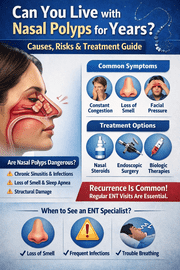
Nasal Polyps are a common chronic (long-term) condition affecting the lining of the nose and sinuses. While they are noncancerous (benign) and usually painless, they often require ongoing management rather than a one-time cure.
Many patients ask: “Can I live with nasal polyps for years?”
The answer is yes—but with proper care and medical guidance.
📌 1. Nasal Polyps Are Treatable, Not Usually “Curable”
Although modern treatments are highly effective, nasal polyps are generally not permanently cured.
✔ What treatment does:
- Shrinks or removes polyps
- Improves breathing
- Restores smell (in many cases)
- Enhances quality of life
❗ Important:
Even after successful treatment, polyps may return because the underlying inflammation persists.
👉 Learn more:
https://healthuseful.com/how-to-cure-nasal-polyps-permanently/
🔁 2. Recurrence of Nasal Polyps Is Common
One of the biggest challenges in managing Nasal Polyps is recurrence.
- Polyps can return within months to years after treatment
- Studies show ~20% recurrence within 5 years after surgery
- Risk is higher in patients with:
- Asthma
- Allergies
- Chronic sinusitis
🧴 Lifelong Maintenance Is Key
To prevent regrowth, doctors often recommend:
- Long-term nasal steroid sprays
- Regular saline nasal irrigation
- Periodic ENT follow-up
👉 Read more:
https://healthuseful.com/how-to-stop-polyp-growth/
⚠️ 3. Risks of Leaving Nasal Polyps Untreated
Ignoring Nasal Polyps can lead to serious complications over time.
🚨 Possible complications:
- Persistent sinus infections (chronic sinusitis)
- Reduced or complete loss of smell and taste
- Obstructive Sleep Apnea (breathing interruptions during sleep)
- Chronic nasal blockage and difficulty breathing
- Facial pressure and headaches
👉 Detailed guide:
https://healthuseful.com/what-happens-if-nasal-polyps-untreated/
🌿 4. Lifestyle Changes Are Essential for Long-Term Control
Living with nasal polyps requires active inflammation control.
🧠 Key lifestyle strategies:
✔ Manage underlying conditions
- Control asthma and allergies
- Follow prescribed medications regularly
✔ Avoid triggers
- Dust, pollen, smoke, pollution
- Strong perfumes and chemical irritants
✔ Maintain nasal health
- Use humidifiers to keep air moist
- Stay hydrated
- Practice daily saline rinses
👉 Cause explained:
https://healthuseful.com/number-one-cause-of-nasal-polyps/
👨⚕️ 5. When to See an ENT Specialist
Consult an ENT doctor if you experience:
- Persistent nasal blockage
- Loss of smell
- Recurrent sinus infections
- Poor response to medications
An ENT specialist can confirm diagnosis using nasal endoscopy or CT scan and recommend the best treatment plan.
👉 Diagnosis guide:
https://healthuseful.com/can-ent-see-nasal-polyps/
🧾 Conclusion (ENT Expert Advice)
You can live with Nasal Polyps for many years, but they should not be ignored.
✔ They are benign but chronic
✔ They often require long-term management
✔ With proper treatment and lifestyle care, you can lead a normal, symptom-free life
However, regular monitoring by an ENT specialist is essential to:
- Prevent complications
- Reduce recurrence
- Maintain good nasal and sinus health
❓ FAQs (SEO Boost Section)
❓ Can nasal polyps go away on their own?
No, they rarely disappear without treatment and usually require medical therapy.
❓ Are nasal polyps dangerous?
They are not cancerous, but untreated polyps can cause complications like infections and breathing problems.
❓ Do nasal polyps always come back after surgery?
Not always, but recurrence is common, especially without maintenance therapy.
🎥 Watch Educational Videos
👉 YouTube Channel:
http://www.youtube.com/@healthuseful8539/
📞 ENT Consultation & Surgery
Dr. Sagar Rajkuwar (MS-ENT)
Prabha ENT Clinic, Ambad, Nashik
📱 7387590194 | 9892596635
🌐 www.entspecialistinnashik.com
📲 For Health-Related Articles & Videos
🔹 Facebook: https://www.facebook.com/positivemind.healthcare
🔹 YouTube: http://www.youtube.com/@healthuseful8539/
⚠️ Medical Disclaimer
This article is for educational purposes only. Please consult a qualified ENT specialist for diagnosis and treatment.
📚 References
- Cleveland Clinic
Nasal Polyps: Symptoms, Causes & Treatment - Mayo Clinic
Nasal Polyps – Diagnosis and Treatment - Johns Hopkins Medicine
Chronic Sinusitis and Nasal Polyps - National Institutes of Health
Chronic Rhinosinusitis with Nasal Polyps (CRSwNP) - American Academy of Otolaryngology–Head and Neck Surgery
Clinical Practice Guidelines for Nasal Polyps - PubMed Central
Recurrence Rates and Long-Term Outcomes in Nasal Polyps
🩺 Are Nasal Polyps Curable or Just Treatable? ENT Specialist Explains
Nasal Polyps are commonly misunderstood as a condition that can be permanently cured. In reality, they are best described as a manageable chronic disease—meaning they can be effectively treated, but often require long-term care to prevent recurrence.
📌 Treatable Nature of Nasal Polyps
Although Nasal Polyps are not usually permanently curable, they are highly treatable. The main goal of treatment is to reduce their size or remove them completely, thereby improving breathing and overall quality of life.
💊 1. Medications (First-Line Treatment)
- Corticosteroid nasal sprays help shrink polyps and reduce inflammation
- Oral steroids may be used in severe cases for faster relief
- Helps relieve:
- Nasal blockage
- Loss of smell
- Sinus pressure
🔪 2. Surgery (When Medicines Are Not Enough)
- Endoscopic sinus surgery is used to:
- Remove polyps
- Clear blocked sinus passages
- Provides immediate symptom relief, but does not prevent recurrence
🧬 3. Targeted Therapy (Advanced Treatment)
- Biologic medications are modern treatments designed to:
- Control chronic inflammation
- Reduce recurrence in difficult cases
- Especially useful in patients with:
- Severe allergies
- Asthma-associated polyps
❗ Why Nasal Polyps Are Not Usually “Curable”
🔁 1. High Recurrence Rate
A major reason Nasal Polyps are not considered curable is their tendency to return.
- Polyps often regrow months to years after treatment
- Recurrence is linked to ongoing inflammation
🧠 2. Chronic Underlying Disease
Nasal polyps are usually a result of long-term conditions such as:
- Chronic sinusitis
- Allergies
- Immune system reactions
Since these underlying causes may persist, complete cure is difficult, and long-term management becomes essential.
🔄 Long-Term Management Strategies
Effective control of Nasal Polyps requires continuous care and lifestyle adjustments.
✔ Key strategies include:
- Regular use of nasal steroid sprays
- Managing allergies and asthma effectively
- Routine follow-up with an ENT specialist
- Saline nasal irrigation to keep nasal passages clean
👨⚕️ When to See an ENT Specialist
Consult an ENT doctor if you have:
- Persistent nasal blockage
- Reduced or lost sense of smell
- Frequent sinus infections
- Symptoms not improving with medication
Early intervention helps prevent complications and reduce recurrence risk.
🧾 Conclusion
Nasal Polyps are not usually permanently curable, but they are highly manageable with proper treatment.
✔ Medications and surgery can control symptoms effectively
✔ Recurrence is common without ongoing care
✔ Long-term management is the key to living symptom-free
With the right treatment plan and regular ENT follow-up, most patients can maintain excellent quality of life.
❓ FAQs
❓ Can nasal polyps be cured permanently?
No, they are usually not permanently curable but can be well controlled with treatment.
❓ What is the best treatment for nasal polyps?
Corticosteroid nasal sprays are the first-line treatment, followed by surgery if needed.
❓ Do nasal polyps always come back?
Not always, but recurrence is common, especially without maintenance therapy.
⚠️ Medical Disclaimer
This content is for informational purposes only and should not replace professional medical advice. Consult a qualified ENT specialist for proper diagnosis and treatment.
🔁 Recurrence of Nasal Polyps After Surgery: ENT Specialist Guide
Nasal Polyps are well known for their high recurrence rate, even after successful surgical removal. While treatments like Functional Endoscopic Sinus Surgery (FESS) can significantly improve symptoms, they do not eliminate the underlying cause—chronic inflammation.
As a result, many patients experience regrowth of polyps over time, making long-term management essential.
📊 Key Findings on Recurrence Rates
⏳ Short-Term Recurrence
- Around 35% to 40% of patients develop recurrence within 6 to 18 months after surgery
📅 Long-Term Recurrence
- Studies show recurrence rates can exceed 50–60% over 10 to 12 years
🔄 Revision Surgery Rates
- Approximately 20% to 37% of patients may require repeat (revision) surgery within 5 years
👉 These statistics highlight that Nasal Polyps are a chronic condition requiring continuous care, not a one-time surgical cure.
❗ Why Do Nasal Polyps Come Back?
🔬 1. Persistent Chronic Inflammation
Surgery removes polyps but does not cure the underlying inflammatory disease, which continues to trigger regrowth.
🫁 2. Associated Medical Conditions (Comorbidities)
Patients with the following conditions have a higher risk of recurrence:
- Asthma
- Allergies
- Aspirin-Exacerbated Respiratory Disease (aspirin sensitivity)
🧪 3. Severe Inflammatory Response
- High levels of eosinophils (inflammatory cells)
- Strong immune response in sinus lining
→ Leads to faster and more aggressive regrowth
⚠️ 4. Incomplete Removal
- Microscopic remnants of polyps in deep sinus areas
- Complex anatomy can make complete removal difficult
→ Can result in early recurrence
🛡️ Strategies to Prevent Recurrence
Although recurrence is common, it can be significantly reduced with proper long-term management.
💊 1. Topical Steroid Therapy (Most Important)
- Daily use of nasal steroid sprays
- Medicated saline rinses (e.g., steroid-mixed irrigation)
✔ Reduces inflammation
✔ Prevents regrowth
🧬 2. Biologic Therapy (Advanced Cases)
- Targeted medications for severe disease
- Example: Dupilumab
✔ Blocks type 2 inflammation pathway
✔ Reduces polyp size and recurrence
✔ Especially helpful in asthma-associated polyps
👨⚕️ 3. Regular ENT Follow-Ups
- Nasal endoscopy helps detect early regrowth
- Allows timely intervention before symptoms worsen
🌿 4. Allergy & Inflammation Control
- Treat allergies aggressively
- Avoid environmental triggers (dust, smoke, pollution)
- Maintain nasal hygiene with saline rinses
🧾 Conclusion
Nasal Polyps frequently recur after surgery, with both short-term and long-term regrowth being common.
✔ Surgery improves symptoms but does not cure the disease
✔ Recurrence rates can be significant over time
✔ Long-term medical therapy is essential
However, with proper treatment and follow-up, most patients experience significant improvement in breathing and quality of life, even if mild regrowth occurs.
❓ FAQs (SEO Optimization)
❓ How soon can nasal polyps come back after surgery?
They can recur as early as 6 months, but more commonly within 1–2 years.
❓ Is repeat surgery common for nasal polyps?
Yes, about 20–37% of patients may need revision surgery within 5 years.
❓ Can recurrence be prevented completely?
Not completely, but it can be significantly reduced with proper long-term treatment.
⚠️ Medical Disclaimer
This article is for educational purposes only and should not replace professional medical advice. Consult an ENT specialist for proper diagnosis and treatment.
⚠️ What Happens If Nasal Polyps Are Left Untreated? ENT Specialist Guide
Nasal Polyps may appear harmless initially, but leaving them untreated can lead to serious health complications over time. Although they are noncancerous, their progressive growth can block nasal passages and sinuses, causing long-term problems.
🚨 Top Risks of Untreated Nasal Polyps
🦠 1. Chronic Sinusitis & Recurrent Infections
When Nasal Polyps block sinus openings:
- Mucus becomes trapped
- Bacteria and infections develop easily
- Leads to chronic sinusitis (long-term sinus infection)
✔ Symptoms include:
- Facial pain and pressure
- Thick nasal discharge
- Persistent congestion
🫁 2. Worsening Asthma & Breathing Problems
Nasal polyps are strongly linked with airway inflammation.
- Can trigger frequent asthma attacks
- Causes difficulty breathing through the nose
- Leads to chronic mouth breathing
👉 Patients with both asthma and polyps often have more severe disease
😴 3. Obstructive Sleep Apnea (OSA)
Large polyps can block airflow during sleep, leading to
Obstructive Sleep Apnea
✔ Effects include:
- Loud snoring
- Interrupted breathing during sleep
- Daytime fatigue and poor concentration
⚠️ Severe OSA can increase risk of heart problems and high blood pressure
👃 4. Loss of Smell and Taste
Long-term blockage caused by Nasal Polyps can damage smell receptors.
- Partial or complete loss of smell (anosmia)
- Reduced sense of taste
- In some cases, this may become permanent if untreated
🧠 5. Rare but Serious Complications
In severe and neglected cases:
- Infection may spread to nearby areas
- Possible complications include:
- Eye infections
- Brain infections such as Meningitis
⚠️ These complications are rare but potentially life-threatening
🦴 6. Structural Changes in Nose & Face
Very large, long-standing polyps may cause:
- Expansion of sinus cavities
- Facial pressure or widening (rare cases)
- Altered nasal structure
📉 7. Reduced Quality of Life
Untreated polyps can significantly impact daily life:
- Constant nasal blockage
- Poor sleep quality
- Chronic headaches and discomfort
- Reduced productivity and concentration
👨⚕️ When to See a Doctor
Consult an ENT specialist if you experience:
- Persistent nasal congestion
- Recurrent sinus infections
- Loss of smell or taste
- Snoring or breathing issues during sleep
👉 Early diagnosis helps prevent complications and improves outcomes.
🧾 Conclusion
Nasal Polyps should not be ignored, even though they are benign.
✔ They can lead to chronic infections and breathing problems
✔ May worsen asthma and cause sleep apnea
✔ Rarely, can lead to serious complications
Timely treatment ensures:
- Better symptom control
- Prevention of complications
- Improved quality of life
❓ FAQs
❓ Are untreated nasal polyps dangerous?
Yes, they can cause chronic infections, breathing issues, and sleep disorders if left untreated.
❓ Can nasal polyps cause permanent damage?
Yes, prolonged untreated cases may lead to permanent loss of smell or chronic sinus problems.
❓ Do nasal polyps get worse over time?
Yes, they tend to grow gradually and worsen symptoms without treatment.
⚠️ Medical Disclaimer
This content is for educational purposes only and should not replace professional medical advice. Always consult an ENT specialist for diagnosis and treatment.
🩺 Lifestyle Changes for Long-Term Disease Control: Complete Doctor Guide
Chronic diseases such as Hypertension, Type 2 Diabetes, Heart Disease, and Obesity require lifelong management. While medications are important, sustainable lifestyle changes form the foundation of long-term control.
Adopting healthy habits not only improves disease outcomes but also enhances overall quality of life and longevity.
🌿 Why Lifestyle Changes Are Essential
Lifestyle modifications help to:
- Improve treatment effectiveness
- Reduce disease progression
- Lower complications
- Enhance physical and mental well-being
👉 In many cases, lifestyle changes can reduce the need for medications over time.
🔑 Key Lifestyle Changes for Long-Term Health
🥗 1. Heart-Healthy Diet
A balanced diet plays a central role in managing chronic diseases.
✔ Recommended dietary patterns:
- DASH diet
- Mediterranean diet
✔ Include:
- Fruits and vegetables
- Whole grains
- Lean proteins (fish, poultry, legumes)
❌ Limit:
- Saturated fats
- Trans fats
- Added sugars
🧂 2. Reduce Sodium Intake
High sodium intake is strongly linked to Hypertension.
- Recommended intake: 1,500–2,300 mg per day
- Helps:
- Lower blood pressure
- Reduce risk of heart disease
🚶♂️ 3. Regular Physical Activity
Exercise is essential for overall metabolic and cardiovascular health.
✔ Recommendation:
- At least 150 minutes of moderate-intensity exercise per week
✔ Benefits:
- Improves heart function
- Helps control weight
- Enhances insulin sensitivity
⚖️ 4. Weight Management
Maintaining a healthy weight is critical for controlling chronic diseases.
- Losing just 5–10% of body weight can:
- Lower blood pressure
- Improve blood sugar levels
- Reduce cardiovascular risk
🚭 5. Smoking Cessation & Alcohol Moderation
✔ Smoking:
- Increases risk of heart disease and complications
- Quitting significantly improves health outcomes
✔ Alcohol:
- Limit intake:
- Women: up to 1 drink/day
- Men: up to 2 drinks/day
🧘 6. Stress Management & Quality Sleep
Chronic stress and poor sleep negatively affect overall health.
✔ Recommendations:
- Practice meditation, yoga, or relaxation techniques
- Get 7–9 hours of quality sleep daily
✔ Benefits:
- Better hormonal balance
- Improved heart and metabolic health
🔄 Making Lifestyle Changes Stick
Long-term success depends on building sustainable habits, not short-term motivation.
🎯 1. Gradual Approach
- Start with small, achievable goals
- Replace unhealthy habits step-by-step
📊 2. Self-Monitoring
Track key health indicators such as:
- Weight
- Blood pressure
- Blood sugar levels
✔ Helps maintain accountability and motivation
👨⚕️ 3. Professional Support
Consult healthcare professionals for personalized guidance:
- Doctors
- Dietitians
- Fitness trainers
✔ Ensures safe and effective long-term management
🧾 Conclusion
Lifestyle changes are the cornerstone of long-term management of chronic diseases like Hypertension, Type 2 Diabetes, and Heart Disease.
✔ Medications support treatment
✔ Lifestyle habits drive long-term success
✔ Small, consistent changes lead to major health improvements
By adopting sustainable habits, patients can achieve better disease control, fewer complications, and improved quality of life.
❓ FAQs
❓ Can lifestyle changes control chronic diseases without medication?
In some cases, yes—but most patients benefit from a combination of lifestyle changes and medication.
❓ How long does it take to see results?
Improvements can begin within weeks, but long-term benefits require consistent effort.
❓ What is the most important lifestyle change?
A combination of healthy diet, regular exercise, and weight control provides the best results.
⚠️ Medical Disclaimer
This content is for informational purposes only and should not replace professional medical advice. Consult a qualified healthcare provider for diagnosis and treatment.
🩺 When to See an ENT Specialist for Nasal Polyps (Warning Signs You Shouldn’t Ignore)
Nasal Polyps are benign (non-cancerous) growths, but they are not a temporary issue. They are a chronic condition caused by long-term inflammation, and in most cases, require ongoing medical management.
While it is possible to live with nasal polyps, leaving them untreated is not recommended, as they tend to grow and cause serious complications over time.
⚠️ What Happens If You Leave Nasal Polyps Untreated?
Untreated Nasal Polyps usually increase in size and do not disappear on their own.
🚨 Major Risks Include:
👃 Permanent Loss of Smell and Taste
- Large polyps block smell receptors
- Can lead to anosmia (permanent loss of smell)
- Affects taste and appetite
🦴 Structural Damage to Nose and Face
- Long-standing pressure may:
- Damage surrounding tissues
- Widen nasal structures
- Narrow the space between the eyes (rare cases)
😴 Severe Sleep and Breathing Problems
- Can lead to Obstructive Sleep Apnea
- Causes:
- Interrupted breathing during sleep
- Loud snoring
- Chronic mouth breathing
🫁 Worsening Asthma
- Strong association with airway inflammation
- May cause:
- Frequent asthma attacks
- Poor asthma control
👨⚕️ When to See an ENT Specialist
You should consult an ENT specialist if you experience:
📌 Persistent Symptoms
- Nasal congestion lasting more than 10–14 days
- Symptoms not improving with over-the-counter treatment
📌 Chronic Nasal Blockage
- Constant feeling of a blocked or stuffed nose
- Difficulty breathing through the nose
📌 Loss of Smell or Taste
- Sudden or gradual reduction in smell (anosmia)
- Decreased taste sensation
📌 Recurrent Sinus Infections
- Frequent episodes of sinusitis
- Thick nasal discharge and facial pressure
📌 Facial Pain or Pressure
- Persistent discomfort around:
- Eyes
- Forehead
- Cheeks
⚠️ Red Flag Symptom (Urgent Evaluation Needed)
- Growth or symptoms affecting only one side of the nose
👉 This requires immediate evaluation to rule out serious conditions
📌 Sleep Disturbances
- Snoring
- Poor sleep quality
- Daytime fatigue
🚨 When to Seek Immediate Medical Care
Seek urgent medical attention if you develop:
- 👁️ Vision problems (double vision, blurred vision)
- 😵 Severe swelling around the eyes
- 🌡️ High fever with severe headache
- 🚫 Difficulty bending the neck forward
👉 These symptoms may indicate serious complications
💊 Treatment and Management Options
Nasal Polyps can be effectively managed with the right treatment approach.
🧴 1. Nasal Steroid Sprays or Rinses
- First-line treatment
- Reduce inflammation and shrink polyps
💊 2. Oral Steroids
- Short-term use for:
- Large polyps
- Severe symptoms
🧬 3. Biologic Therapy
- Advanced targeted treatment
- Example: Dupilumab
✔ Reduces inflammation
✔ Prevents recurrence in severe cases
🔪 4. Endoscopic Sinus Surgery
- Minimally invasive procedure
- Removes polyps and clears blocked sinuses
- Recommended when medications are ineffective
🔄 Importance of Long-Term Follow-Up
Even after successful treatment or surgery:
- Polyps may recur
- Regular ENT follow-up is essential
- Long-term use of medications helps prevent regrowth
🧾 Conclusion
Nasal Polyps should not be ignored, even though they are benign.
✔ They are chronic and progressive if untreated
✔ Can lead to serious complications
✔ Early ENT consultation improves outcomes
Timely diagnosis and proper management can help you maintain normal breathing, prevent complications, and improve quality of life.
❓ FAQs
❓ How long should I wait before seeing an ENT for nasal congestion?
If symptoms persist beyond 10–14 days, consult an ENT specialist.
❓ Are nasal polyps dangerous if untreated?
Yes, they can cause breathing problems, infections, and loss of smell.
❓ Can nasal polyps go away without treatment?
No, they usually do not resolve on their own and require medical care.
⚠️ Medical Disclaimer
This content is for educational purposes only and should not replace professional medical advice. Consult a qualified ENT specialist for diagnosis and treatment.
🔗 Related Articles on Nasal Polyps (ENT Expert Guides)
For detailed, evidence-based information, explore the following articles:
https://healthuseful.com/can-nasal-polyps-turn-cancerous/
https://healthuseful.com/can-nasal-polyps-affect-the-brain/
https://healthuseful.com/what-are-the-symptoms-of-cancerous-nasal-polyps/
https://healthuseful.com/when-to-worry-about-nasal-polyp/
https://healthuseful.com/what-happens-if-nasal-polyps-untreated/
https://healthuseful.com/number-one-cause-of-nasal-polyps/
https://healthuseful.com/how-to-stop-polyp-growth/
https://healthuseful.com/can-nasal-polyps-cause-heart-problems/
https://healthuseful.com/can-nasal-polyps-cause-heart-problems/
https://healthuseful.com/how-to-cure-nasal-polyps-permanently/