High-Fibre Foods for Acid Reflux: Best Foods, Benefits, Diet Plan and Tips-various aspects-
Medically reviewed By ENT and respiratory health specialist — Dr. Sagar Rajkuwar, MS-ENT. Clinic Website: www.entspecialistinnashik.com
Health education article | HealthUseful.com
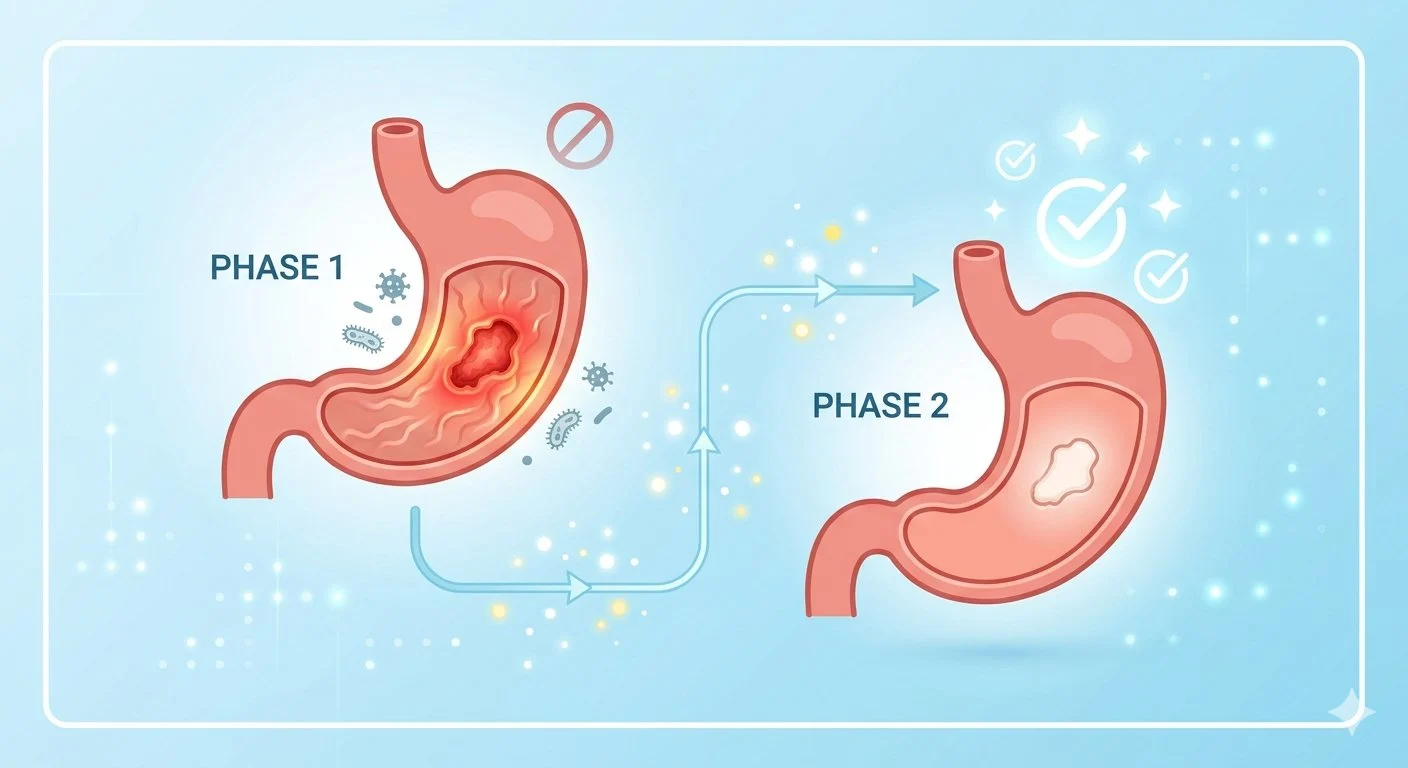
Acid reflux is a common digestive problem that causes heartburn, a sour taste in the mouth, regurgitation and sometimes discomfort in the chest or upper abdomen. Certain eating habits and food choices can aggravate symptoms, while a balanced diet may help improve digestive health and support long-term symptom management. Including high-fibre foods in your diet is one way to support overall gastrointestinal health. Foods such as oatmeal, bananas, apples, pears, vegetables, whole grains, lentils and beans provide dietary fibre and important nutrients. They can also help maintain bowel regularity and support healthy weight management.
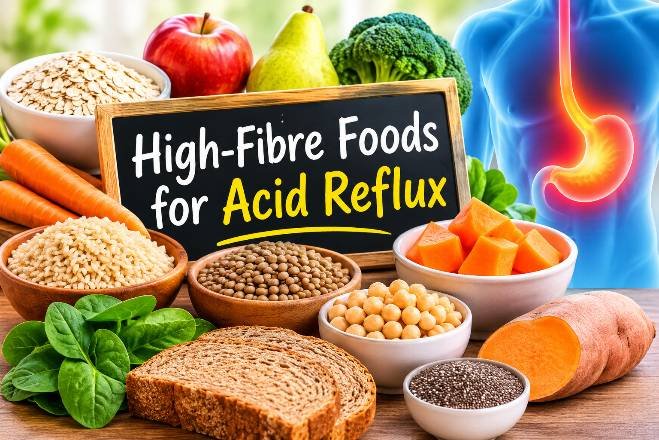
However, it is important to understand that fibre does not directly neutralise stomach acid or cure gastro-oesophageal reflux disease (GERD). Its potential benefits are mainly indirect, through improved dietary quality, bowel function and weight management. Some high-fibre foods can also cause bloating and may aggravate reflux symptoms in certain individuals. This medical guide explains which high-fibre foods may be suitable for people with acid reflux, how to include them in an Indian diet, which foods may need portion adjustments, and when medical treatment is necessary.
Table of Contents
- What Is Acid Reflux?
- Can High-Fibre Foods Help with Acid Reflux?
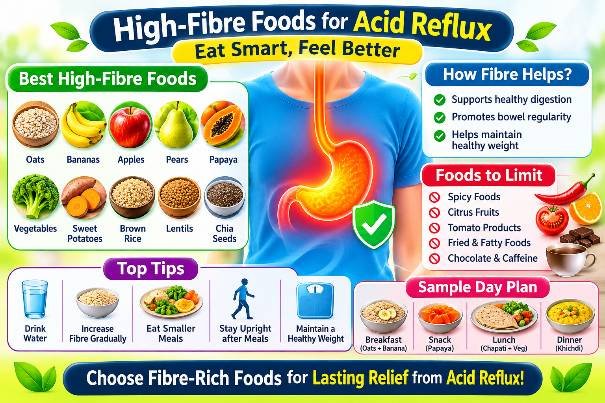
- 15 High-Fibre Foods to Include in an Acid Reflux Diet
- Best Fruits for Acid Reflux
- Best Vegetables for Acid Reflux
- Whole Grains and Pulses for Acid Reflux
- High-Fibre Indian Foods for Acid Reflux
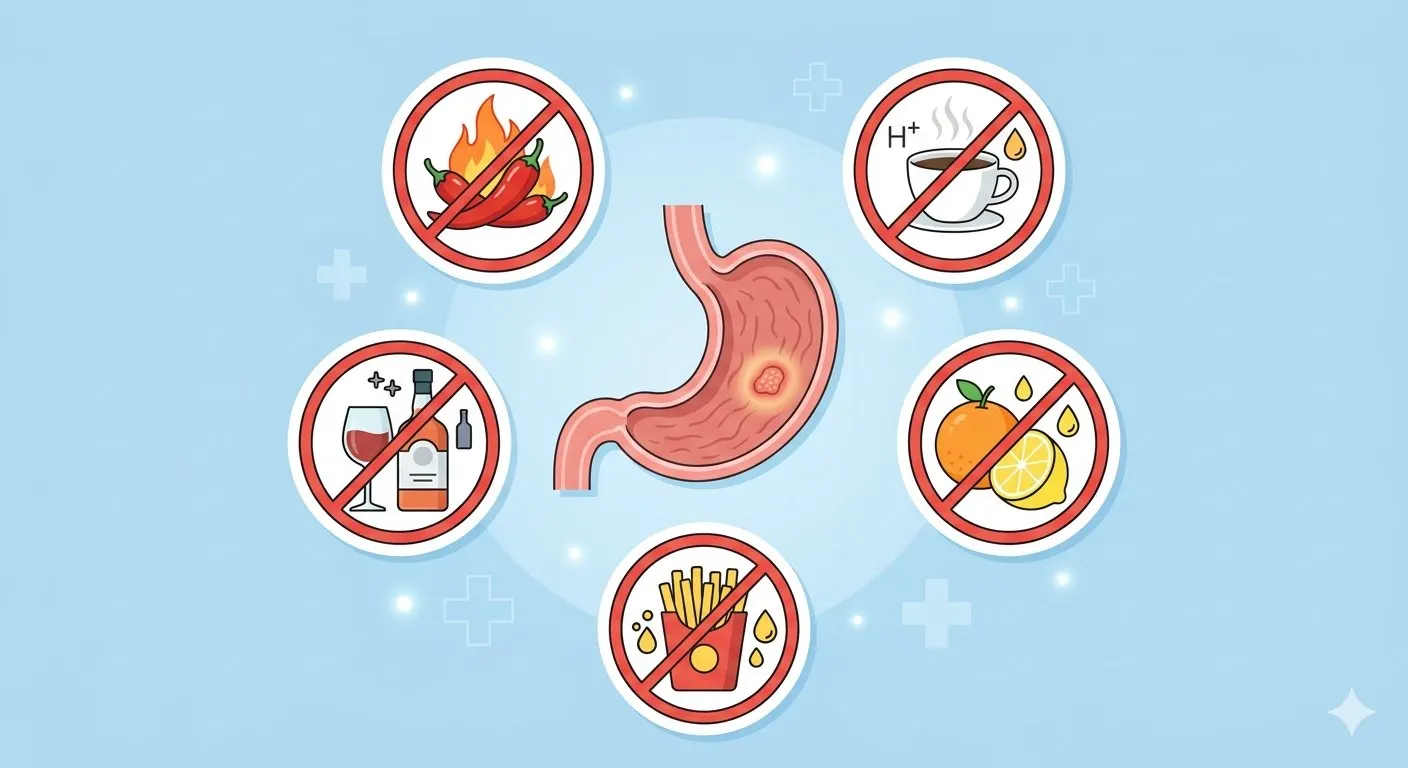
- Foods That May Worsen Acid Reflux
- How to Increase Fibre Without Triggering Reflux
- Sample One-Day High-Fibre Diet Plan
- When Should You See a Doctor?
- Frequently Asked Questions
- Conclusion
1. What Is Acid Reflux?
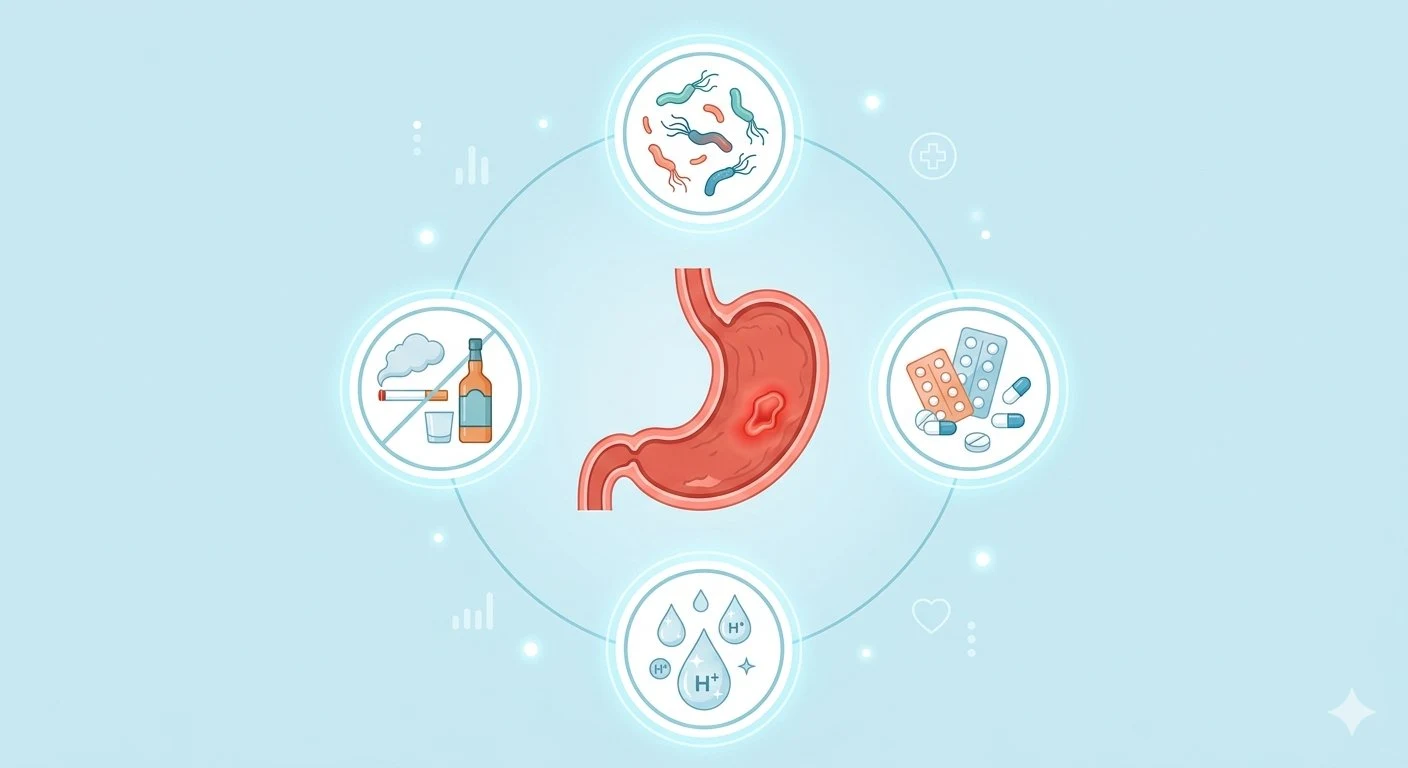
When the stomach’s contents enter the oesophagus, the tube that runs from the mouth to the stomach, this is known as acid reflux. Normally, a muscular valve known as the lower esophageal sphincter (LES) aids in keeping stomach contents from ascending. Stomach contents might irritate the oesophagus if this valve does not close effectively or relaxes improperly.
Typical symptoms include:
- – Heartburn, or a burning sensation behind the sternum.
- – Having a bitter or unpleasant taste in the mouth.
- – Food or drink returning to the throat.
- – Upper stomach pain.
- – Regular belching.
- – When lying down or after meals, symptoms are worse.
- – throat irritation or nocturnal coughing in certain individuals.
Commonly, acid reflux occurs sometimes. However, if reflux occurs often, causes bothersome symptoms, or results in consequences, it may be categorized as gastro-oesophageal reflux disease (GERD).
2. Can High-Fibre Foods Help with Acid Reflux?
High-fiber foods can be a part of a well-balanced diet for people who suffer from acid reflux, however their benefits shouldn’t be exaggerated. The portion of plant foods that the body is unable to fully digest is known as dietary fiber. Legumes, nuts, seeds, fruits, vegetables, and whole grains all include it. The two primary forms of fiber are soluble and insoluble. This kind of fibre dissolves in water and creates a gel-like substance in the gastrointestinal system. Examples include chia seeds, lentils, bananas, apples, and oats. Insoluble fiber: This kind aids in stool regularity and adds bulk to stool. Many veggies, nuts, and vegetable skins include insoluble fiber.
Foods rich in fiber may have benefits.
1. Helping with good weight control
For controlling GERD, keeping a healthy weight is essential. Increased pressure on the stomach and reflux can be brought on by too much abdominal fat. Foods rich in fiber might promote fullness and aid in maintaining a nutritious diet. For those who are obese or overweight, steadily losing weight might help with reflux symptoms. Weight loss is advised by the American College of Gastroenterology for those who are overweight or obese and have GERD. [turn102799search3][turn102799search4]
2. Increasing bowel regularity
When consumed with enough water, fibre can help promote regular bowel motions and minimize constipation. However, constipation alleviation shouldn’t be mistaken for a confirmed treatment for acid reflux. Increasing bowel regularity may promote overall digestive comfort, but it does not always stop stomach contents from entering the esophagus.
3. Assisting in general digestive health
Certain fiber-rich foods nourish the body and can support good gut microbes. Generally, a balanced diet of different plant foods is good for long-term health.
4. Substituting less healthy meals
Instead of consuming a lot of fried meals, processed snacks, and high-fat meals, opt for oats, fruits, vegetables, and whole grains to increase the overall quality of your diet. It might help people who get reflux after fatty or big meals in an indirect way. Important evidence limitation: There is insufficient high-quality clinical evidence to advise adopting a high-fiber diet as a single treatment for GERD. More directly than increasing fiber in particular, major GERD guidelines place a greater emphasis on weight management, meal scheduling, individual food triggers, and sleep position.
3. 15 High-Fibre Foods to Include in an Acid Reflux Diet
The following foods provide dietary fibre and can be included in a balanced eating plan. Individual tolerance varies, so introduce them gradually and observe whether any particular food aggravates your symptoms.
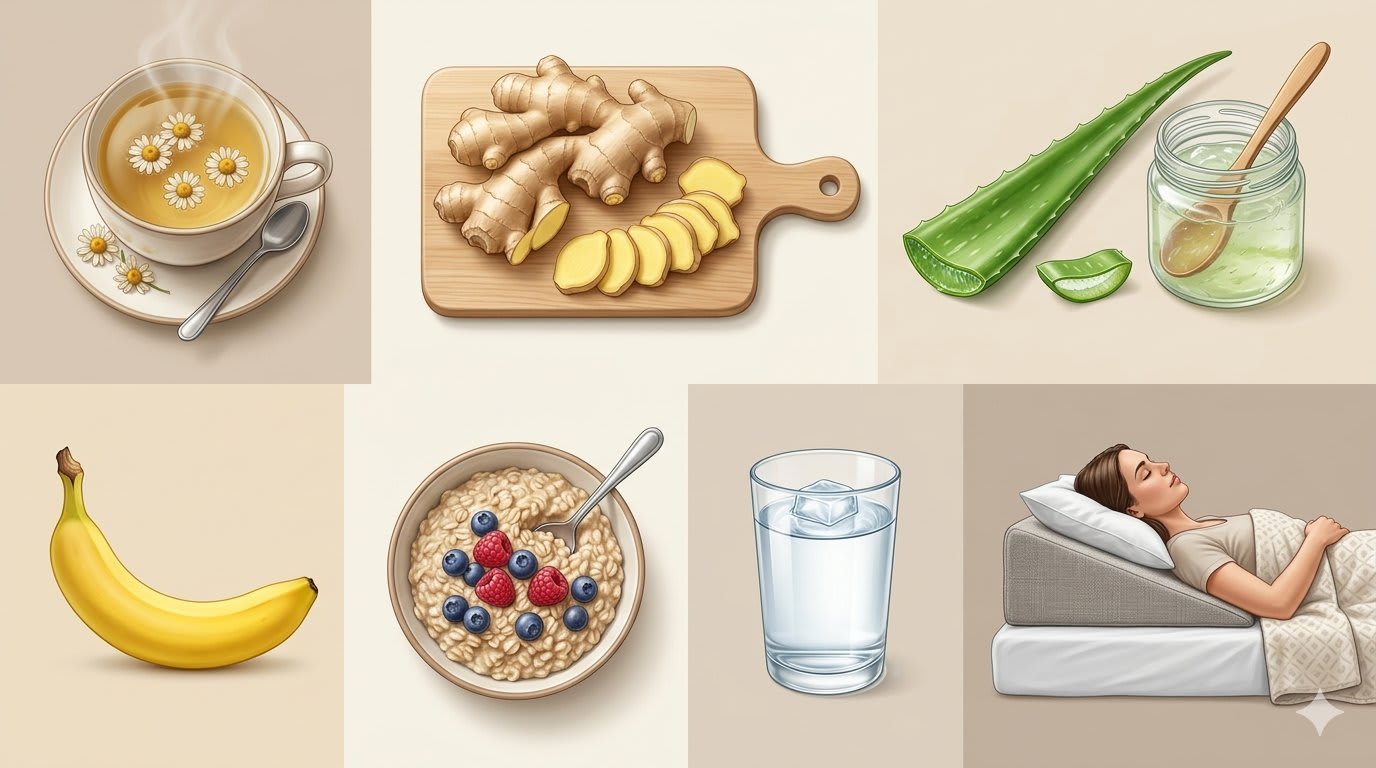
1. Oatmeal
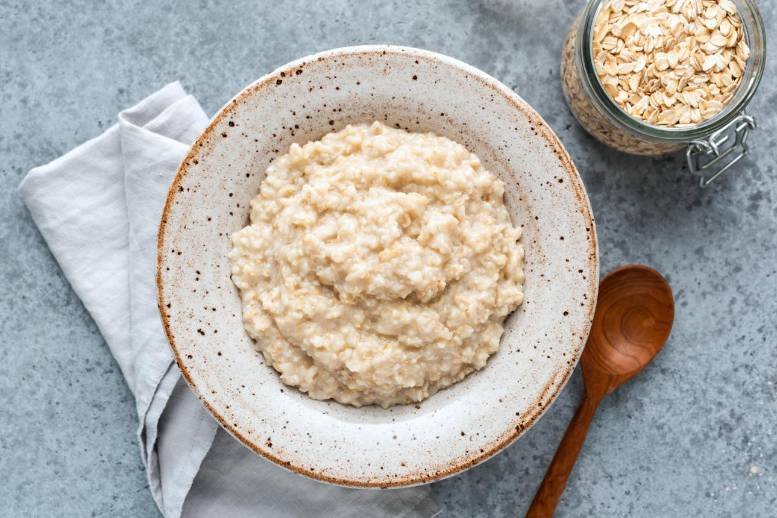
Oatmeal is a good source of soluble fibre and can be a convenient breakfast option. Potential benefits:
-
Provides soluble fibre.
-
Helps increase fullness.
-
Can replace high-fat breakfast options.
-
Is easy to prepare without excessive oil or butter.
How to eat it: Prepare plain oats with water or low-fat milk if tolerated. You can add sliced banana or a small quantity of apple. Avoid adding large amounts of chocolate, cream or high-fat toppings if they trigger your symptoms.
2. Bananas

Bananas provide dietary fibre, potassium and other nutrients. They are also less acidic than citrus fruits and may be tolerated by some people with reflux. Potential benefits:
-
Provide dietary fibre.
-
Make a convenient snack.
-
Can be added to oatmeal or breakfast cereals.
-
Offer an alternative to more acidic fruits.
How to eat them: Choose a ripe banana as a snack or add sliced banana to plain oats. Bananas do not coat the oesophagus or neutralise stomach acid. Their suitability depends on individual tolerance.
3. Apples
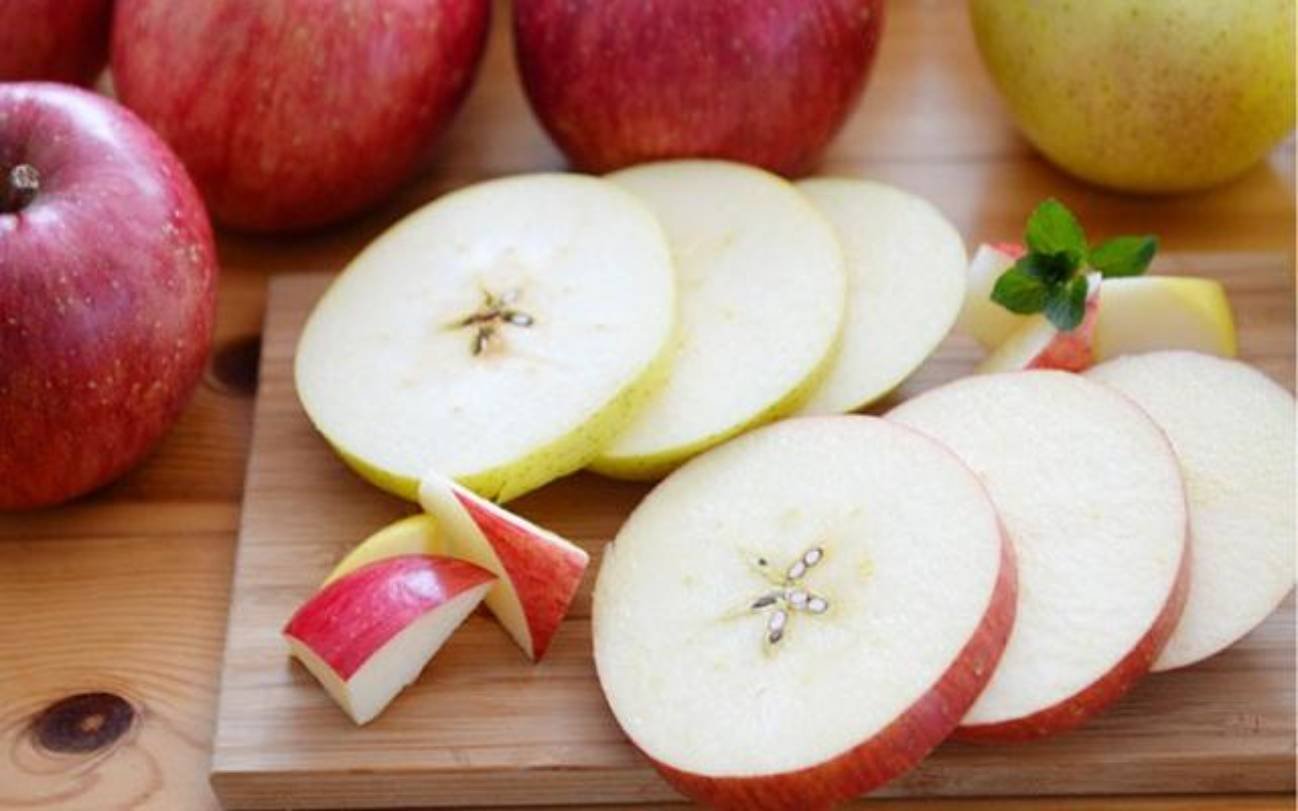
Apples contain soluble and insoluble fibre. Their skin provides additional fibre. Potential benefits:
-
Support bowel regularity.
-
Provide soluble fibre, including pectin.
-
Supply antioxidants and other nutrients.
How to eat them: Eat a small apple, preferably with its skin after washing it properly. If raw apples cause discomfort, try a peeled or gently cooked apple. Some people may experience reflux symptoms with particular fruits, so monitor your response.
4. Pears

Pears are a source of dietary fibre and are generally less acidic than citrus fruits. Potential benefits:
-
Provide soluble and insoluble fibre.
-
Support normal bowel movements.
-
Offer a naturally sweet snack.
How to eat them: Choose a ripe pear and eat it in a moderate portion. If the skin feels difficult to tolerate, peel it.
5. Papaya
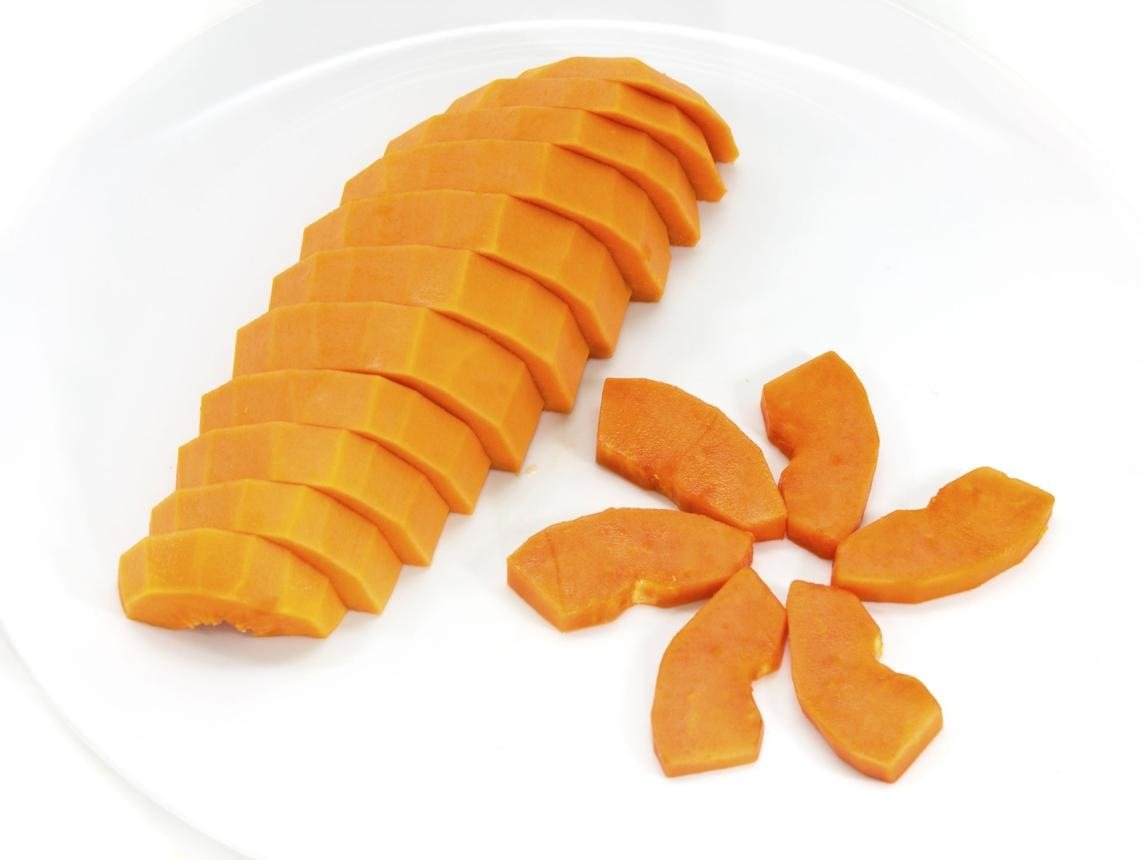
Papaya provides dietary fibre, vitamin C and carotenoids. Potential benefits:
-
Contributes to daily fibre intake.
-
Provides vitamins and antioxidants.
-
Can be included in a varied fruit diet.
How to eat it: Have a small bowl of ripe papaya as a snack. Papaya is not a proven GERD treatment. Claims that it reliably cures acidity or improves reflux through digestive enzymes are not established by strong clinical evidence.
6. Carrots
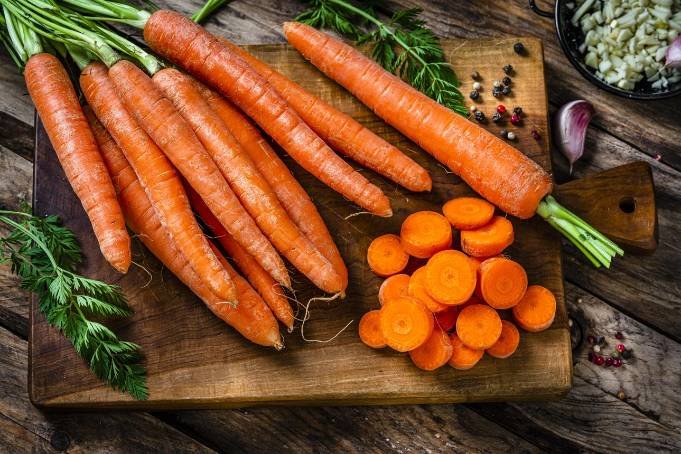
Carrots provide fibre, beta-carotene and other nutrients. They can be eaten raw or cooked. Potential benefits:
-
Add fibre to meals.
-
Provide vitamin A precursors.
-
Can be prepared without added fat.
How to eat them: Try steamed carrots, carrot soup or cooked carrots with rice. If raw vegetables cause bloating, cooked versions may be more comfortable.
7. Broccoli
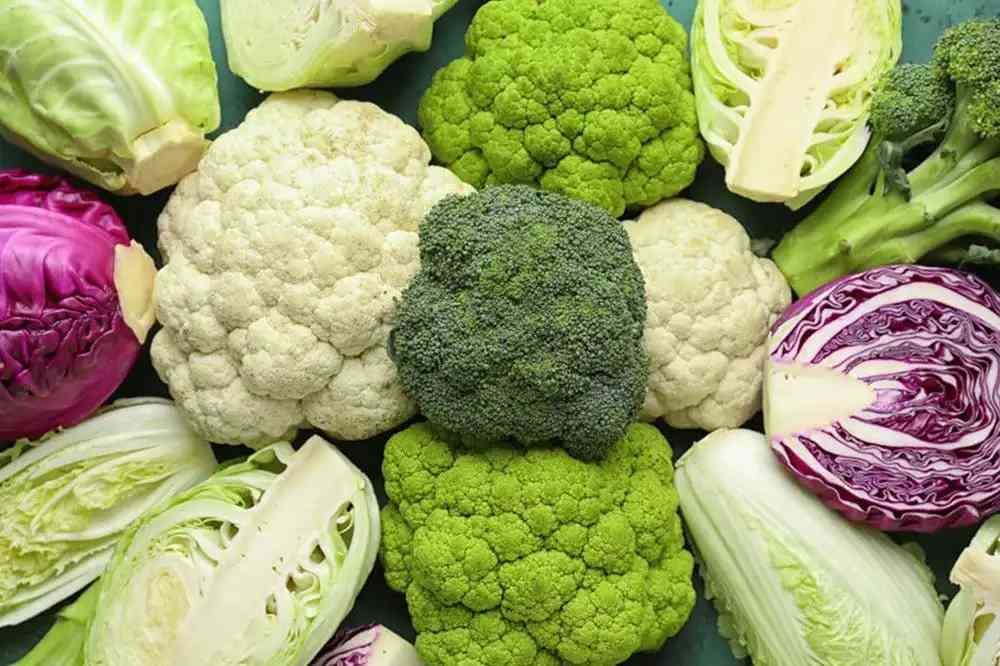
Broccoli contains fibre, vitamin C, vitamin K and other plant nutrients. Potential benefits:
-
Supports daily fibre intake.
-
Provides several essential micronutrients.
-
Can be included in balanced meals.
How to eat it: Try small portions of steamed or lightly cooked broccoli. Caution: Broccoli may cause gas and bloating in some people. If bloating makes your reflux worse, reduce the portion or choose another vegetable.
8. Spinach
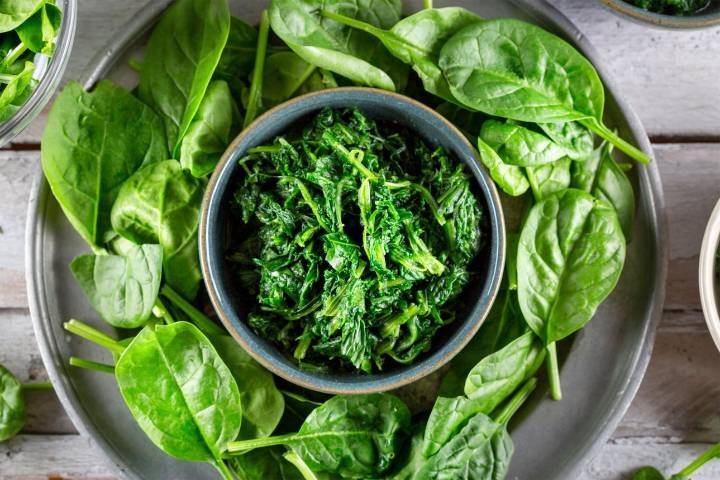
Potential benefits:
-
Contributes to overall vegetable intake.
-
Provides fibre and micronutrients.
-
Can be added to several meals.
How to eat it: Include cooked spinach in dal, vegetable preparations or soups. Avoid excessive oil, chilli and heavy cream if these aggravate your reflux.
9. Green Beans

Green beans provide dietary fibre and are useful in a varied vegetable diet. Potential benefits:
-
Provide fibre and plant nutrients.
-
Can be prepared with minimal oil.
-
Work well as a side dish.
How to eat them: Steam or lightly cook green beans. Start with a moderate portion if you are prone to bloating.
10. Sweet Potatoes

Sweet potatoes contain fibre, potassium and beta-carotene. Potential benefits:
-
Provide complex carbohydrates.
-
Contribute to daily fibre intake.
-
Can replace some refined or fried carbohydrate options.
How to eat them: Choose boiled, steamed or baked sweet potatoes instead of deep-fried preparations.
11. Brown Rice
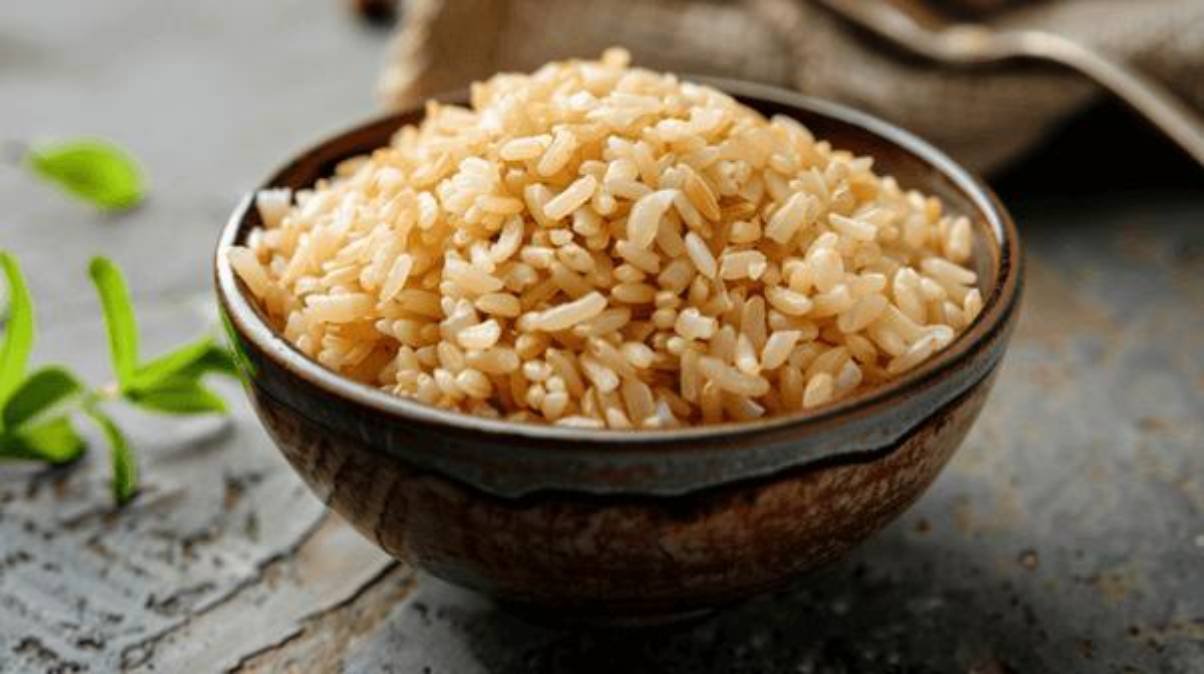
Brown rice is a whole grain that contains more fibre than refined white rice. Potential benefits:
-
Provides whole-grain fibre.
-
Can form part of a balanced meal.
-
Offers a useful alternative to refined grains.
How to eat it: Start with a small serving if you are not accustomed to whole grains. Brown rice may feel heavier or cause bloating in some people.
12. Whole-Wheat Bread
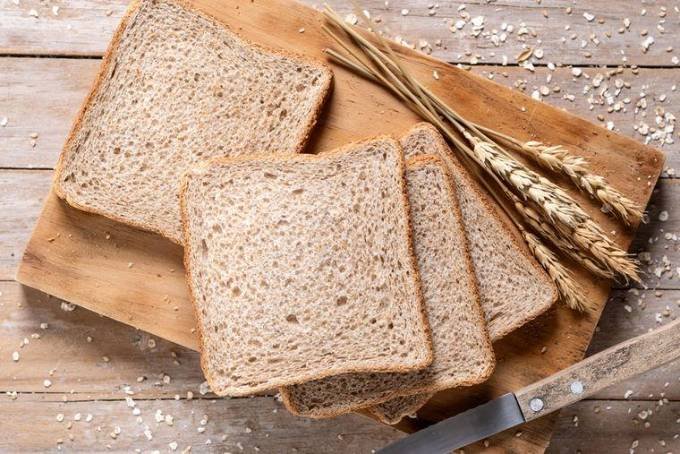
Whole-wheat bread contains dietary fibre, particularly when made from whole-grain flour. Potential benefits:
-
Helps increase whole-grain intake.
-
Provides more fibre than many refined white breads.
-
Can be used for simple breakfasts or snacks.
How to eat it: Choose whole-wheat bread with a high proportion of whole-grain flour. Avoid adding excessive butter, cheese or fatty spreads.
13. Lentils (Dal)

Lentils are an important source of fibre and plant protein in Indian diets. Examples include:
-
Moong dal.
-
Masoor dal.
-
Toor dal.
-
Chana dal.
Potential benefits:
-
Provide plant protein.
-
Contain soluble and insoluble fibre.
-
Help make meals more filling.
How to eat them: Well-cooked moong dal may be a convenient starting option for people who find other pulses difficult to digest. Use moderate quantities of oil and spices. Some lentils can cause gas, so adjust the quantity according to tolerance.
14. Chickpeas
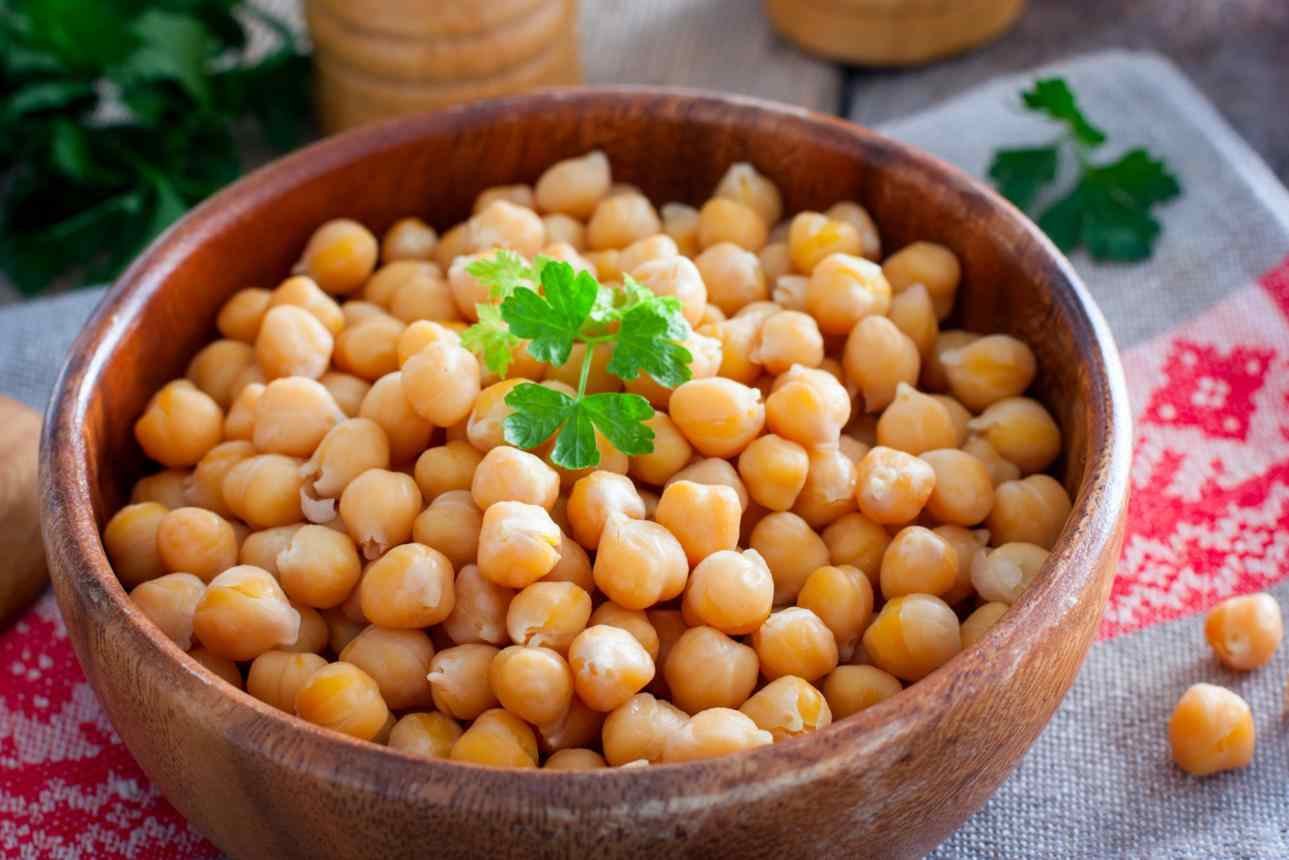
Chickpeas contain fibre, protein and several minerals. Potential benefits:
-
Support daily fibre intake.
-
Provide plant-based protein.
-
Can replace some processed snacks.
How to eat them: Use well-cooked chickpeas in moderate portions. If they cause bloating, reduce the amount or try a smaller serving of well-cooked moong dal instead.
15. Chia Seeds
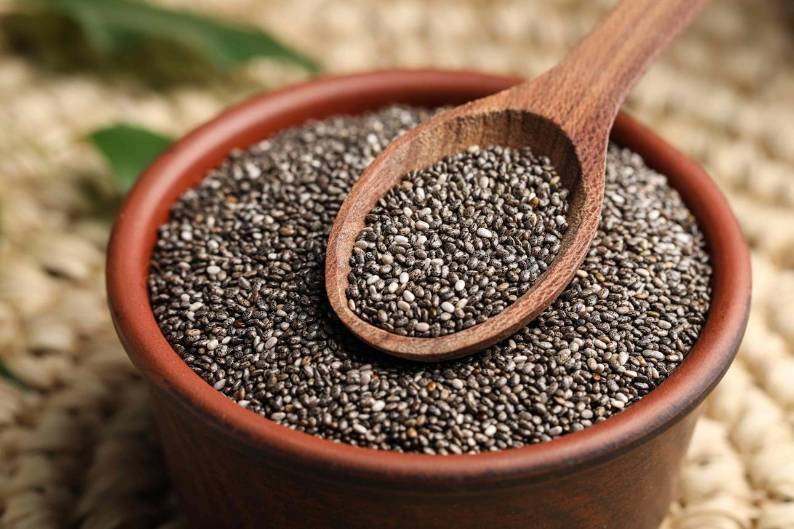
Chia seeds contain soluble fibre, insoluble fibre and plant-based omega-3 fatty acids. Potential benefits:
-
Provide concentrated dietary fibre.
-
Can be added to breakfast foods.
-
Help increase the fibre content of meals.
How to eat them: Start with a small quantity, such as one teaspoon, soaked in water or added to oatmeal. Increase gradually if tolerated. Do not swallow large quantities of dry chia seeds. Allow them to absorb liquid before eating.
4. Best Fruits for Acid Reflux
Fruits provide fibre, vitamins, minerals and antioxidants. However, not every fruit is equally comfortable for people with reflux. The following fruits are often practical choices because they are relatively less acidic:
| Fruit | Fibre-related benefit | Practical advice |
|---|---|---|
| Banana | Provides dietary fibre | Choose ripe bananas |
| Apple | Contains pectin and other fibre | Eat with skin if tolerated |
| Pear | Provides soluble and insoluble fibre | Choose ripe pears |
| Papaya | Provides fibre and vitamin C | Eat a moderate portion |
| Melon | Provides water and some fibre | Choose fresh melon |
| Avocado | Contains fibre and unsaturated fat | Use small portions because it is high in fat |
Fruits to limit if they trigger symptoms
Some people with acid reflux experience discomfort after eating:
-
Oranges.
-
Lemons.
-
Grapefruit.
-
Pineapple.
-
Other highly acidic fruits.
These fruits do not necessarily cause reflux in everyone. Their acidity may irritate an already sensitive oesophagus in some individuals. Avoid them only if you notice a consistent relationship with your symptoms.
5. Best Vegetables for Acid Reflux
Vegetables are valuable sources of fibre and micronutrients. Many can be included in an acid reflux diet, particularly when prepared with limited oil and spices.
-
Carrots.
-
Spinach.
-
Green beans.
-
Bottle gourd (lauki).
-
Pumpkin.
-
Sweet potatoes.
-
Zucchini.
-
Cucumber.
-
Broccoli, if tolerated.
-
Cauliflower, if tolerated.
Are raw vegetables better than cooked vegetables?
Not necessarily. Raw vegetables may retain their natural texture and nutrients, but some people experience bloating after eating large raw salads. Cooking vegetables can soften their structure and make them easier to chew and digest. If raw vegetables cause discomfort, try steaming, boiling or lightly cooking them. Avoid preparing vegetables with excessive chilli, oil, butter or rich sauces if these ingredients trigger your reflux.
6. Whole Grains and Pulses for Acid Reflux
Whole grains and pulses are important sources of dietary fibre. They can help replace some refined carbohydrate foods and improve the overall nutritional quality of your meals.
Whole grains
Consider including:
-
Oats.
-
Brown rice.
-
Whole-wheat chapati.
-
Whole-grain bread.
-
Barley.
-
Dalia (broken wheat).
-
Millets such as jowar and bajra.
Whole grains may be introduced gradually. A sudden increase in fibre can cause bloating, abdominal discomfort and increased gas.
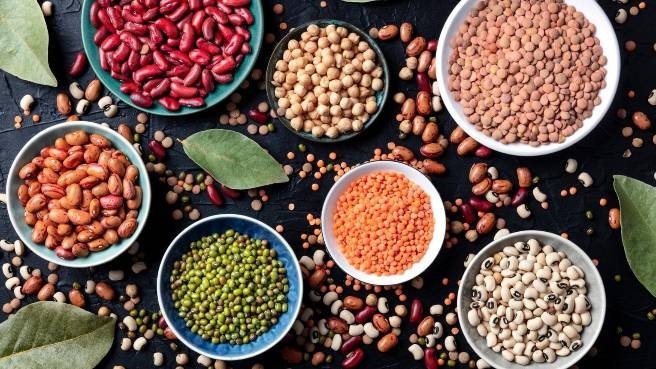
Pulses and legumes
Useful options include:
-
Moong dal.
-
Masoor dal.
-
Chickpeas.
-
Kidney beans (rajma).
-
Black-eyed peas (lobia).
-
Green peas.
-
Lentils.
-
Begin with small portions.
-
Soak dried beans and chickpeas before cooking.
-
Cook pulses thoroughly until soft.
-
Avoid combining several gas-producing foods in one large meal.
-
Increase portions gradually according to tolerance.
7. High-Fibre Indian Foods for Acid Reflux
You do not need to follow an expensive or unfamiliar diet to increase your fibre intake. Many commonly available Indian foods provide dietary fibre.
| Food | Why it can be useful | Preparation tips |
|---|---|---|
| Moong dal khichdi | Provides fibre and plant protein | Use moderate oil and mild seasoning |
| Vegetable dalia | Provides whole-grain fibre | Add cooked carrots and beans |
| Oats upma | Provides soluble fibre | Use mild spices and limited oil |
| Whole-wheat chapati | Provides whole-grain fibre | Avoid excessive ghee |
| Lauki sabzi | Provides water and some fibre | Cook with limited oil |
| Vegetable poha | Can include vegetables and some fibre | Add peas and carrots |
| Vegetable soup | Helps increase vegetable intake | Avoid cream and excess chilli |
| Steamed sweet potato | Provides fibre and complex carbohydrates | Avoid deep-frying |
| Moong dal | Provides fibre and protein | Cook thoroughly |
| Fruit bowl | Provides vitamins and fibre | Choose fruits you tolerate |
Is khichdi good for acid reflux?
Plain moong dal khichdi may be a comfortable meal option for some people with acid reflux. It is generally easy to prepare and can be made with moderate amounts of oil and mild seasoning. Adding small quantities of well-cooked vegetables can increase its fibre content. However, khichdi is not a treatment for GERD. Large portions, excessive ghee or spicy seasoning may still aggravate symptoms.
8. Foods That May Worsen Acid Reflux
A high-fibre diet is only one part of reflux management. It is also important to identify foods and eating habits that consistently trigger symptoms. Commonly reported triggers include:
| Food or drink | Why it may cause problems |
|---|---|
| Deep-fried foods | High-fat meals may worsen symptoms in some people |
| Spicy foods | May irritate an already sensitive oesophagus |
| Citrus fruits | Their acidity may aggravate symptoms |
| Tomato-based foods | May trigger symptoms in susceptible individuals |
| Chocolate | May contribute to reflux in some people |
| Coffee and caffeine | May trigger symptoms in some individuals |
| Peppermint | May aggravate reflux in some people |
| Carbonated drinks | May increase belching and discomfort |
| Alcohol | May worsen reflux symptoms in some people |
These foods do not affect everyone equally. The evidence supporting universal food restrictions is limited, and major clinical guidance favours identifying individual triggers rather than eliminating every commonly listed food.
Should you avoid all high-fat foods?
No. Not all fats need to be eliminated. Large, high-fat meals may worsen reflux symptoms in some individuals. However, moderate portions of healthy fat-containing foods, such as nuts, seeds and avocado, can be part of a balanced diet if tolerated. The goal is to avoid excessive portions and identify foods that repeatedly cause symptoms.
9. How to Increase Fibre Without Triggering Reflux
Increasing fibre too quickly can cause gas, bloating and abdominal discomfort. These symptoms may make some people feel that their reflux is worsening. Follow these practical steps:
1. Increase fibre gradually
If your usual diet contains little fibre, do not suddenly start eating large portions of beans, bran, seeds and raw vegetables. Introduce one additional fibre-rich food at a time and increase the amount gradually.
2. Eat smaller meals
Large meals can increase stomach fullness and may promote reflux. Try moderate portions distributed across the day rather than eating one or two very large meals.
3. Cook vegetables properly
Steamed, boiled or lightly cooked vegetables may be easier to tolerate than large quantities of raw vegetables.
4. Drink adequate water
Water helps fibre function normally in the digestive tract and supports bowel regularity. However, drinking large amounts of water at once does not neutralise stomach acid or cure reflux. If large drinks make you feel overly full, drink smaller amounts throughout the day.
5. Avoid lying down after meals
Remain upright after eating. For people with night-time reflux, avoiding meals within approximately three hours of bedtime may help reduce symptoms. 【turn102799search0】【turn102799search3】
6. Maintain a healthy weight
If you are overweight or have obesity, gradual weight loss may improve GERD symptoms. A balanced diet containing vegetables, fruits, whole grains and appropriate portions can support this goal.
7. Identify your personal food triggers
Keep a simple food and symptom diary for one or two weeks. Record:
-
What you eat.
-
Approximate portion sizes.
-
When symptoms occur.
-
Whether symptoms worsen after lying down.
-
Whether a particular food repeatedly causes discomfort.
This can help you identify genuine triggers without unnecessarily restricting your diet.
10. Sample One-Day High-Fibre Diet Plan for Acid Reflux
The following is an example of a balanced Indian-style meal plan. It should be adjusted according to individual calorie needs, food tolerance, medical conditions and dietary preferences.
Breakfast
Plain oatmeal with sliced banana and a small quantity of soaked chia seeds.
Mid-morning snack
A small bowl of ripe papaya or one pear.
Lunch
Whole-wheat chapati, well-cooked moong dal and bottle gourd or carrot sabzi.
Evening snack
A small portion of roasted makhana or a banana, depending on tolerance.
Dinner
Vegetable moong dal khichdi with well-cooked carrots or other tolerated vegetables. Important: This is a sample, not a medically prescribed diet. Adjust the portion sizes to your nutritional requirements. People with diabetes, kidney disease, food allergies or other medical conditions may need individual dietary advice. Try to finish dinner at least three hours before lying down if you experience night-time reflux.
11. When Should You See a Doctor?
Dietary changes may help some people manage occasional heartburn, but persistent reflux symptoms should not be managed through diet alone. Consult a doctor if you experience:
-
Heartburn more than twice a week.
-
Persistent acid regurgitation.
-
Symptoms that disturb sleep.
-
Difficulty swallowing food.
-
Painful swallowing.
-
Persistent nausea or vomiting.
-
Unexplained weight loss.
-
Symptoms that do not improve with appropriate treatment.
Warning signs that require urgent medical attention
Seek urgent medical assessment if you experience vomiting blood, vomit that looks like coffee grounds, or black, tarry stools. Chest pain should not automatically be assumed to be acid reflux. Severe or unexplained chest discomfort, particularly when associated with breathlessness, sweating, faintness or pain spreading to the arm, jaw or back, requires emergency evaluation to exclude a heart problem.
Can GERD require medication?
Yes. Depending on symptom frequency and severity, a doctor may recommend:
-
Antacids: Provide short-term relief by neutralising stomach acid.
-
Alginates: Form a protective barrier that can reduce reflux after meals.
-
H2-receptor blockers: Reduce stomach acid production.
-
Proton pump inhibitors (PPIs): Reduce acid production and are commonly used to treat GERD and heal acid-related oesophageal inflammation.
Persistent symptoms may require further assessment, and treatment should be based on the diagnosis rather than relying on dietary changes alone.
12. Frequently Asked Questions
1. Which high-fibre foods are best for acid reflux?
Oatmeal, bananas, apples, pears, papaya, carrots, spinach, sweet potatoes, whole grains and lentils are useful sources of dietary fibre. Choose foods that you tolerate comfortably.
2. Is oatmeal good for acid reflux?
Oatmeal is a good source of soluble fibre and can be included in a balanced breakfast. Plain oatmeal is often a practical alternative to high-fat breakfast foods. However, it does not directly treat or cure GERD.
3. Are bananas good for acid reflux?
Bananas are relatively low in acidity and provide dietary fibre. Many people with reflux tolerate them, but they are not a proven treatment for acid reflux.
4. Is papaya good for acid reflux?
Papaya provides fibre, vitamin C and other nutrients. It can be included in a balanced diet if tolerated. However, there is insufficient clinical evidence that papaya directly prevents reflux or heals oesophageal inflammation.
5. Can eating fibre reduce stomach acid?
No. Dietary fibre does not directly neutralise stomach acid or stop acid production. Its potential benefits are related to bowel health, dietary quality and weight management.
6. Can high-fibre foods cause acid reflux?
High-fibre foods do not necessarily cause reflux. However, some foods, such as beans, chickpeas, broccoli and cauliflower, may cause gas and bloating. In susceptible individuals, abdominal distension may increase discomfort or aggravate reflux symptoms.
7. Is curd good for acid reflux?
Plain, low-fat curd may be tolerated by some people. However, high-fat dairy products can aggravate symptoms in certain individuals. Curd is not a proven treatment for GERD, and tolerance varies.
8. Is rice good for acid reflux?
Plain rice is generally tolerated by many people with reflux. Brown rice provides more fibre than white rice, but some people find it harder to tolerate. Choose the variety that suits your digestion.
9. Should I avoid spicy foods completely?
Not necessarily. Spicy foods can trigger symptoms in some people, but not everyone with GERD needs to avoid them. Reduce or avoid spices that consistently aggravate your symptoms.
10. How much fibre should an adult eat daily?
A commonly used general target for adults is approximately 25–30 grams of dietary fibre daily, although requirements vary with age, sex, energy intake and individual health needs. Increase intake gradually rather than making sudden changes.
11. Can constipation make acid reflux worse?
Constipation and acid reflux are different conditions. Some people experience both, and abdominal discomfort or bloating may accompany either problem. Improving constipation through adequate fibre, fluids and physical activity can improve bowel regularity, but it is not an established treatment for GERD.
12. Can I eat high-fibre foods at night?
Yes, if they are comfortable for you. However, large meals close to bedtime can aggravate night-time reflux. Avoid eating for approximately three hours before lying down if you experience symptoms at night.
13. Conclusion
High-fibre foods can be a valuable part of a healthy diet for people with acid reflux. Oatmeal, bananas, apples, pears, papaya, carrots, spinach, sweet potatoes, whole grains and lentils provide dietary fibre and important nutrients. Their main benefits are supporting bowel regularity, improving overall dietary quality and helping with healthy weight management. However, high-fibre foods do not directly neutralise stomach acid or cure GERD. The most practical approach is to increase fibre gradually, eat moderate portions, identify individual food triggers, maintain a healthy weight and avoid lying down soon after meals. If heartburn is frequent, persistent or associated with warning symptoms, seek medical evaluation rather than relying only on dietary changes.
Medical Disclaimer
This article is intended for general educational purposes and does not replace professional medical advice, diagnosis or treatment. Dietary tolerance varies between individuals. Consult a qualified healthcare professional if you have persistent acid reflux, difficulty swallowing, unexplained weight loss, gastrointestinal bleeding or other concerning symptoms.
Medical References
-
National Institute of Diabetes and Digestive and Kidney Diseases (NIDDK). Eating, Diet, and Nutrition for GER and GERD.
-
Katz PO, et al. ACG Clinical Guideline for the Diagnosis and Management of Gastroesophageal Reflux Disease. American Journal of Gastroenterology. 2022.
-
American College of Gastroenterology. GERD: Guidelines and Treatment Information.
-
National Institutes of Health. Gastroesophageal Reflux Disease (GERD).
-
MedlinePlus. Gastroesophageal Reflux Disease (GERD).
📲 For Health-Related Articles & Videos
🔹 Facebook: https://www.facebook.com/positivemind.healthcare
ENT Consultation & Surgery
Dr. Sagar Rajkuwar (MS-ENT) Consultant ENT Specialist & Head-Neck Surgeon📱 7387590194 | 9892596635
🌐 www.entspecialistinnashik.com