What Percentage of the Population Suffers from Nasal Polyps? (Complete Global Statistics & ENT Guide)
By Dr. Sagar Rajkuwar, ENT Specialist, Nashik, Maharashtra, India
🌐 www.entspecialistinnashik.com
Millions of individuals throughout the world suffer from nasal polyps, a prevalent but frequently misdiagnosed illness. Patients often ask this question when they visit ENT clinics:
How many individuals experience nasal polyps?
Early detection, appropriate therapy, and enhanced quality of life depend on comprehending the prevalence, risk factors, and demographic distribution of nasal polyps.
What exactly are nasal polyps?
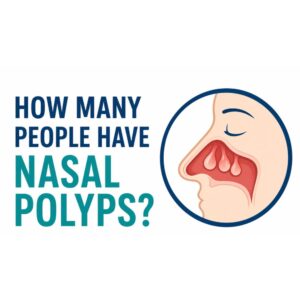
Due to persistent inflammation, nasal polyps are benign, painless, and soft growths that can appear in the lining of the nose or sinuses.
They include:
- movable and sac-like
- Typically found in both nostrils
- Related to persistent inflammation of the sinuses
They can have a major impact on sinus health and breathing, but they are not malignant.
Worldwide Prevalence of Nasal Polyps
Nasal polyps are not very common.
According to studies, nasal polyps impact about:
- Worldwide, between 2% and 4% of the population at large
- Around one in every 200 individuals
This makes nasal polyps a rather prevalent ENT disorder.
United States prevalence
- According to estimations, about 9 million Americans suffer from nasal polyps.
Due to symptoms that are minor or ignored, numerous instances are still undiagnosed.
The Chance of a Lifetime
Nasal polyps can affect up to 40% of the population at some point in their lives, particularly if there are risk factors.
Distribution of Age among Medical Professionals
Age has a significant role in the development of nasal polyps.
Important points:
- Uncommon in youngsters (except for certain diseases)
- Most prevalent in people between the ages of 40 and 60
- After age 40, the prevalence rises sharply.
→ An increase in exposure to allergens and inflammation occurs with age.
Variations in Gender
Research regularly demonstrates that:
- Nasal polyps are more common in males than females
- The ratio of males to females is around 2:1.
👉 Hormones and the environment might have a role.
Connect with Chronic Sinusitis
The following are strongly correlated with nasal polyps:
👉 Chronic Rhinosinusitis
Significant information:
- Between 25% and 30% of people with persistent sinusitis get nasal polyps.
- CRSwNP, which stands for Chronic Rhinosinusitis with Nasal Polyps, is the name of this illness.
⚠️ Factors that raise the prevalence of the disease
The likelihood of developing nasal polyps is considerably increased by some medical diseases:
1. Allergies
Persistent nasal inflammation facilitates the development of polyps
2. Asthma
A strong link to nasal polyps
3. Aspirin sensitivity
Results in a condition called AERD
4. Diseases of the Genes
Fibrosis Cystic
👉 Cystic fibrosis is the most frequent cause in children.
What causes such a high incidence of nasal polyps?
The primary causes of the high frequency of nasal polyps are:
- Persistent inflammation
- Environmental contamination
- Allergic illnesses
- Things that affect lifestyle
An increase in cases is caused by contemporary urban settings.
Geographic variation
The incidence of nasal polyps differs from place to place.
- More prevalent in wealthy nations
- growing in cities
- Underreporting in developing countries
Recurrence rates
Nasal polyps often recur even after therapy.
Key data points:
- After surgery, 40% or more of patients experience recurrence.
- It’s critical to have long-term follow-up
Rates of Diagnosis vs. Real Prevalence
Key lesson:
- Numerous instances continue to go unidentified.
- Symptoms that are moderate are frequently disregarded.
- Real prevalence may be greater than what is stated.
🧘 Effects on the Quality of Life
Daily life can be greatly impacted by nasal polyps:
- Hard to breathe
- Low-quality sleep
- Less acute sense of smell
- Persistent tiredness
👉 The significance of early discovery is emphasized by these consequences.
🏥 Financial Burden
Polyps in the nose add to:
- Growing expenses for health care
- Several trips to the doctor
- costs of surgery
- Using medication for a long period of time
From the Perspective of an ENT Specialist
From the perspective of an ENT:
- In clinical practice, nasal polyps are frequently encountered.
- Often linked to persistent sinusitis
- Demand long-term administration
📊 Summary of Key Statistics
| Factor | Data |
|---|---|
| Global prevalence | 2–4% |
| U.S. population affected | ~9 million |
| Age group | 40–60 years |
| Gender | More common in men |
| Chronic sinusitis link | 25–30% |
| Recurrence rate | >40% |
Why Knowledge Is Crucial
Knowing prevalence helps with:
- Early diagnosis
- Avoiding difficulties
- enhanced illness control
Conclusion
- Millions of people worldwide are affected by nasal polyps, which are more prevalent than many are aware of.
- The prevalence of chronic sinus disorders rises with age and is greater in people who have them.
- Although they are not cancerous, they do have an effect on breathing and quality of life, so they need adequate medical care.
🔑 Principal Conclusions
- 2–4% of the world’s population is impacted.
- Frequently seen in middle-aged people
- Strong connection to persistent inflammation of the sinuses
- High rate of relapse following treatment
FAQ: How many individuals suffer from nasal polyps?
1. Worldwide, how many individuals suffer from nasal polyps?
Millions of people worldwide are affected by nasal polyps, which affect 2–4% of the population.
2. What is the prevalence of nasal polyps?
Approximately 1 in 200 individuals worldwide suffers from nasal polyps, which are rather prevalent.
3. What percentage of the population in the United States suffers from nasal polyps?
About nine million Americans are thought to have nasal polyps.
4. When do nasal polyps occur most often?
In children, nasal polyps are uncommon, whereas they are most prevalent in adults between the ages of 40 and 60.
5. Do men or women experience nasal polyps more frequently?
Men are more likely than women to have nasal polyps, particularly in older age groups.
6. What proportion of persons with sinusitis also experience nasal polyps?
Between 25% and 30% of people with chronic rhinosinusitis experience nasal polyps.
7. Who is more likely to get nasal polyps?
People with the following conditions are more at risk:
- Allergies
- Asthma
- Sensitivity to aspirin
- Fibrosis of the Cystic
8. Does the frequency of nasal polyps increase with age?
Yes, the incidence of nasal polyps rises sharply after the age of 40.
9. Following treatment, how frequently do nasal polyps return?
Following treatment or surgery, recurrence may occur in more than 40% of patients.
10. Is the diagnosis of nasal polyps underdiagnosed?
Since symptoms might be minor or mistaken for sinus infections, there are still many instances that are not diagnosed.
⚠️ Medical Disclaimer
This content is for informational purposes only and does not replace professional medical advice. Consult an ENT specialist for diagnosis and treatment.
👉 YouTube Channel:
http://www.youtube.com/@healthuseful8539/
📞 ENT Consultation & Surgery
Dr. Sagar Rajkuwar (MS-ENT)
Prabha ENT Clinic, Ambad, Nashik
📱 7387590194 | 9892596635
🌐 www.entspecialistinnashik.com
📲 For Health-Related Articles & Videos
🔹 Facebook: https://www.facebook.com/positivemind.healthcare
🔹 YouTube: http://www.youtube.com/@healthuseful8539/
The Complete ENT Guide to Nasal Polyps: Signs, Causes, Diagnosis, and Therapy
Although frequent, nasal polyps are frequently misunderstood growths that can have a major impact on a person’s breathing and overall well-being. It’s critical to comprehend their symptoms, causes, and available treatments in order to facilitate early diagnosis and successful treatment.
What exactly are nasal polyps?
Nasal polyps are benign, painless, and soft growths that occur in the lining of the nose or sinuses. They are often saccular, mobile, and present in both nostrils.
Massive or numerous polyps might obstruct airflow and cause problems, but they are not harmful in and of themselves.
⚠️ Typical Signs of Nasal Polyps
The size and amount of polyps determine the kind of symptoms.
The most frequent symptoms are:
- Congestion in the nose
- Having trouble breathing via the nose
- anosmia, or loss of smell
- decreased taste perception
- drippy nose
- The nasal passage drips.
- Headache or facial pressure
Possible long-term consequences include:
- Recurring sinusitis
- nose widening (in extreme cases)
What are the reasons behind nasal polyps?
Although the precise cause is unknown, nasal polyps are closely associated with persistent inflammation.
Related disorders include:
- Rhinosinusitis that persists over time
- allergies
- Asthma
- Sensitivity to aspirin
- Fibrosis in the cyst
👉 A significant cause of nasal polyps in children is cystic fibrosis.
Pathophysiology (how polyps are formed)
Chronic inflammation of the sinus lining is the cause of nasal polyps.
Method:
- The lining of the sinuses becomes inflamed.
- In tissues, fluid builds up
- There is swelling
- Takes the shape of a polyp and extends into the nasal cavity.
Polyps can grow over time and obstruct nasal airways.
The various kinds of nasal polyps
The two primary categories are:
1. Ethmoidal Polyps
- From the ethmoid sinuses
- Typically, there are many
- Typical among adults
2. Polyps in the Antrochoana
- Start in the maxillary sinus
- Generally single and bigger
- more prevalent in children
Nasal Polyps Diagnosed
1. Examination of the body
By looking inside the nose, doctors may be able to see polyps.
2. Nasal Endoscopy
For a thorough view, a little camera is placed up the nose.
3. CT scan
Used for evaluation:
- The number and size of the polyps
- Involvement of the sinuses
- Planning for surgery
🔬 Histology (Microscopic Observations)
The components of nasal polyps are:
- Connective tissue that is edematous
- inflammatory cells (neutrophils, eosinophils)
- areas full of liquid
Significant: Because polyps have no nerve supply, they are often painless.
⚠️ Circumstances that Resemble Nasal Polyps
Several severe illnesses might seem alike:
- Neoplasms
- Encephalocele
- Papilloma inversion
- Sinusitis caused by fungi
In dubious cases, a biopsy might be necessary.
Treatment for Nasal Polyps
1. First-Line Medical Care
✔ Steroid nasal sprays
- Lower inflammation
- Polyps should be reduced in size
✔ Oral Steroids
- Offer immediate relief
- Because of adverse consequences, it is used for a limited time.
✔ Antihistamine
- Alleviate allergy symptoms
- Avoid direct treatment of polyps.
✔ Antibiotics
- Only used if there is an infection
2. Procedure for Surgery
Surgery of the sinuses through an endoscope
- Not too invasive
- Gets rid of polyps
- Unblocks clogged sinuses
👉 Time of procedure: 45–60 minutes
Advantages:
- enhances respiratory function
- improves drug efficacy
⚠ Recurrence Following Surgery
Surgery frequently fails to prevent the recurrence of nasal polyps.
Prevention:
- Prolonged usage of steroid nasal sprays
- Consistent monitoring by an ENT expert
💊 Unique Instance: Aspirin Sensitivity
Some patients experience:
- Asthma
- Nasal polyps
- Intolerance to aspirin
The name of this illness is:
👉 Respiratory illness aggravated by aspirin (AERD)
Tips for Managing Your Life and Lifestyle
- Avoid allergens
- Use saline nasal rinses
- Maintain a regular schedule of medication.
- Refrain from smoking
Kids’ Nasal Polyps
Key point:
- Children with nasal polyps may have Cystic Fibrosis
The science of epidemiology
- Approximately 4% of people are affected.
- More prevalent among those over 40
- More common in men
- Between 10 and 54 percent of patients have allergies
🔗Nasal Polyps Articles (Internal Links)
For detailed, evidence-based information, explore the following articles:
https://healthuseful.com/can-nasal-polyps-turn-cancerous/
https://healthuseful.com/can-nasal-polyps-affect-the-brain/
https://healthuseful.com/what-are-the-symptoms-of-cancerous-nasal-polyps/
https://healthuseful.com/when-to-worry-about-nasal-polyp/
https://healthuseful.com/what-happens-if-nasal-polyps-untreated/
https://healthuseful.com/number-one-cause-of-nasal-polyps/
https://healthuseful.com/how-to-stop-polyp-growth/
https://healthuseful.com/can-nasal-polyps-cause-heart-problems/
https://healthuseful.com/how-to-cure-nasal-polyps-permanently/
https://healthuseful.com/can-ent-see-nasal-polyps/
🔗 Related Articles on Sinus (ENT Expert Guides)
🤧 Sinus Headache & Symptoms
- https://healthuseful.com/sinus-headache-symptoms/
- https://healthuseful.com/sinus-headache-symptoms-one-side/
- https://healthuseful.com/sinus-headache-symptoms-right-side/
- https://healthuseful.com/sinus-headache-back-of-head/
- https://healthuseful.com/sinus-headache-symptoms-home-remedies/
- https://healthuseful.com/how-to-rid-of-a-sinus-infection-headache/
🦠 Sinus Infection Treatment
- https://healthuseful.com/how-to-get-rid-of-a-sinus-infection-in-24-hours/
- https://healthuseful.com/how-to-get-rid-of-sinus-infection-without-antibiotics/
- https://healthuseful.com/what-kills-a-sinus-infection-naturally/
- https://healthuseful.com/sinus-headache-tablet/
- https://healthuseful.com/how-do-doctors-drain-sinuses-without-surgery/
- https://healthuseful.com/signs-of-sinus-infection-getting-better/
- https://healthuseful.com/signs-of-sinus-infection-getting-better-with-antibiotics/
⚠️ Serious Conditions & Warning Signs
- https://healthuseful.com/end-stages-of-a-sinus-infection/
- https://healthuseful.com/how-to-tell-if-sinus-infection-has-spread-to-brain/
- https://healthuseful.com/how-to-tell-if-sinus-infection-has-spread-to-bone/
- https://healthuseful.com/what-is-a-red-flag-for-sinusitis/
- https://healthuseful.com/when-to-go-to-ae-with-sinusitis/
👁️ Related Symptoms & Complications
- https://healthuseful.com/can-a-sinus-infection-cause-eye-pain/
- https://healthuseful.com/can-sinusitis-affect-your-ears/
- https://healthuseful.com/can-sinus-infection-cause-hair-loss/
- https://healthuseful.com/symptoms-of-perforated-sinus-after-tooth-extraction/
🧠 Causes, Triggers & Misdiagnosis
- https://healthuseful.com/what-triggers-sinusitis-headaches/
- https://healthuseful.com/what-can-be-mistaken-for-a-sinus-infection/
- https://healthuseful.com/what-mimics-sinus-issues/
- https://healthuseful.com/what-can-worsen-a-sinus-infection/
🧬 Nutrition & Deficiency
- https://healthuseful.com/what-vitamin-deficiency-causes-sinus-headaches/
- https://healthuseful.com/what-vitamin-deficiency-causes-sinusitis/
- https://healthuseful.com/what-deficiency-causes-sinusitis/
📘 General Sinus Knowledge
- https://healthuseful.com/what-are-the-four-cardinal-signs-of-sinusitis/
- https://healthuseful.com/is-a-sinus-infection-contagious-with-fever/
- https://healthuseful.com/can-you-smell-a-fungal-sinus-infection/
- https://healthuseful.com/sinusitis-in-hindi/
💰 Treatment & Surgery
- https://healthuseful.com/cost-of-sinus-surgery-in-india/
- https://healthuseful.com/how-to-cure-sinus-permanently/
🧒 Special Cases
🔍 Rare Conditions
📚 References
https://my.clevelandclinic.org/health/diseases/
https://acaai.org/allergies/allergic-conditions/chronic-rhinosinusitis-with-nasal-polyps/