🌐 www.entspecialistinnashik.com
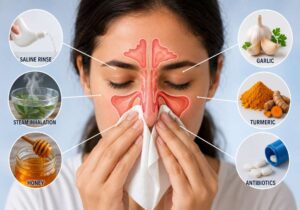
Table of Contents
- Introduction
- Can Bacteria Live Inside the Nose?
- Common Types of Nasal Bacteria
- What Causes Bacterial Growth in the Nose?
- Symptoms of Bacteria in the Nose
- What Kills Bacteria in Your Nose Naturally?
- Medical Treatments That Kill Nasal Bacteria
- Saline Nasal Irrigation and Nasal Hygiene
- Steam Inhalation and Humidification
- Foods That Support Nasal and Immune Health
- Can Antibiotics Remove Nose Bacteria?
- MRSA and Staph Bacteria in the Nose
- How Sinus Infections Develop
- Difference Between Viral and Bacterial Sinusitis
- Home Remedies for Nasal Bacteria
- Lifestyle Changes That Help Prevent Infection
- When to See an ENT Specialist
- Can Nose Bacteria Become Dangerous?
- Prevention Tips for Healthy Sinuses
- Frequently Asked Questions
- Conclusion
- Medical Disclaimer
Introduction
One of the body’s most vital line of defense is the nose. It cleans the air we breathe every day by filtering out dust, pollutants, allergens, viruses, fungi, and germs. Surprisingly, several bacteria naturally reside in the nose without causing any damage. Nonetheless, under specific circumstances, dangerous bacteria can grow and cause infections, sinusitis, crusting, congestion, discomfort, or even life-threatening consequences.
Asking, “What kills bacteria in your nose?” is a common online search. The type of bacteria, the severity of the infection, and the underlying cause determine the course of treatment. Steam inhalation and saline rinses are examples of natural techniques that may help slow the development of bacteria in some circumstances. Doctors may prescribe antibiotics or medicated nasal ointments in more severe cases of infection.
This article covers all you need to know about nasal bacteria, including symptoms, causes, treatments, natural cures, preventative measures, and when you should seek medical attention.
Is it possible for bacteria to live inside the nose?
Indeed. The nasal microbiome is the collective term for the many microorganisms that occur in the nose naturally. Certain bacteria are harmless and may even provide protection against dangerous pathogens. But if specific bacteria proliferate too much or invade injured tissue, they can turn harmful.
Because the nasal cavity is warm and humid, it’s a great place for bacteria to thrive.
Typical nasal bacteria include:
- Staphylococcus aureus
- Members of the Streptococcus genus
- Corynebacterium
- influenzae of Haemophilus
Not everyone with nasal bacteria gets symptoms. The majority of issues arise when mucus gets trapped inside the sinuses or when the immune system gets compromised.
Typical Varieties of Bacteria Found in the Nose
1. Staphylococcus aureus
One of the most prevalent germs in the nose is this one. Some individuals carry it symptom-free, while others contract infections.
2. MRSA
Compared to other staph infections, methicillin-resistant Staphylococcus aureus (MRSA) is a more lethal and antibiotic-resistant variety.
3. Streptococcus pneumonia
Respiratory and sinus infections are possible from this bacteria.
4. Haemophilus influenzae
Often associated with sinusitis and infections of the upper respiratory tract.
Why Does Bacteria Grow in the Nose?
There are a number of potential causes for excessive bacterial proliferation:
- Ongoing nasal congestion
- Allergies
- colds that spread quickly
- Low immunity
- Tobacco use
- dry air
- Polyps in the nose
- Septum deviation
- Inadequate nasal hygiene
- Overexposure to pollution
- Diabetes
- Regularly touching the nose
Bacteria can get trapped and proliferate within the sinuses if mucus is unable to drain properly.
Signs of Nose Bacteria
The severity of the symptoms varies.
Common Symptoms
- stuffy nose
- dense mucus that is either yellow or green in color
- facial ache or pressure
- a headache
- Nose odor is unpleasant
- Crusting of the nasal passages
- nasal sores
- Fever
- The flow of liquid from the back of the nose.
- Lower sense of smell
- Pressure in the sinuses
Critical Indicators
- Eye puffiness
- A terrible headache
- breathing issues
- bleeding from the nose
- a high temperature
- Around the nostrils, there is a skin infection.
What are the natural ways to get rid of bacteria in your nose?
There are a few organic ways to help promote sinus drainage and lessen the development of bacteria.
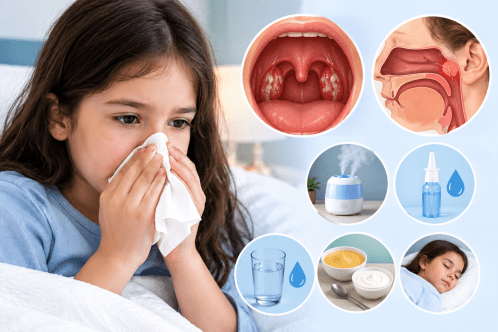
Rinse your nose with saline.
Mucus, allergens, and germs may be removed with a saline rinse.
Among the advantages are:
- Keeping the nasal passages hydrated
- Reducing congestion
- Boosting mucus drainage
- Getting rid of irritants
To prevent contamination, it is important to use sterile or distilled water.
Inhalation of steam
Mucus can be loosened and sinus drainage enhanced by warm steam.
Typical additions include:
- Oil of eucalyptus
- Tulsi
- leaves of mint
To prevent burns, steam should be warm rather than too hot.
Honey
Honey has inherent antibacterial qualities.
To promote throat health and immunity, some individuals drink warm honey with turmeric or ginger.
Turmeric
Curcumin, which has antibacterial and anti-inflammatory characteristics, is found in turmeric.
Traditional therapies frequently employ turmeric tea or turmeric milk.
Garlic
Allicin, a substance with antibacterial properties, is found in garlic.
According to several research, garlic may aid in boosting the immune system’s response to infections.
Ginger
Ginger might aid in sinus drainage and lessen inflammation.
During sinus infections and colds, warm ginger tea is frequently consumed.
Treatments for medical conditions that eliminate bacteria in the nose
Medical intervention may be required if symptoms become severe or persistent.
Antibiotics
If a bacterial sinus infection persists for more than ten days, a physician may recommend antibiotics.
The following are some typical antibiotics:
- Clavulanate amoxicillin
- Doxycycline
- azithromycin (in certain instances)
Antibiotics should only be taken with a doctor’s prescription.
Nasal Ointments with Antibiotics
Physicians may recommend the following course of treatment for staph infections in the nose:
- Mupirocin lotion
This is frequently employed to lower the amount of staph that colonizes the nose.
Sprays of nasal steroids
These assist in lowering inflammation and enhancing sinus drainage.
Some instances are:
- Fluticasone
- Budenide
Nasal Hygiene and Saline Irrigation of the Nose
One of the safest and most effective methods for enhancing nasal hygiene is saline irrigation.
Among the benefits are:
- lowering the number of bacteria
- Getting rid of allergens
- Boosting the flow of mucus
- Lowering the pressure in the sinuses
You can use a squeeze bottle or neti pot.
Use all the time:
- Water that is free of bacteria
- Water that has been distilled
- Water that had been previously boiled and cooled
Humidification and steam inhalation
Nasal discomfort can be exacerbated by dry air.
A humidifier could help to:
- Lower the dryness
- Enhance the flow of mucus
- Promote healthy sinuses
Keep humidity at a moderate level as too much moisture can promote the growth of mold.
Foods that Promote a Healthy Immune System and Nose
Some foods may strengthen the immune system.
Beneficial Foods
- Citrus fruits
- Garlic
- Ginger
- Turmeric
- Yogurt with probiotics
- Vegetables with green leaves
- Soups that are warm
Foods to cut back on
- Too much sugar
- processed meals
- The act of smoking
- too much alcohol
Do Antibiotics Kill Nose Bacteria?
Occasionally.
Although antibiotics can kill dangerous bacteria, excessive usage can result in antibiotic resistance.
Antibiotics are not always necessary for nasal infections because many sinus infections are viral rather than bacterial.
Staph and MRSA Bacteria in the Nose
The nasal cavity of certain individuals may harbor MRSA bacteria without any symptoms.
But occasionally, MRSA can result in:
- Painful lesions
- Skin ailments
- Abscesses
- Critical infections in at-risk populations
If infections recur, doctors may advise testing and focused therapy.
The Process of Developing Sinus Infections
The facial bones contain empty, air-filled chambers called sinuses.
If the mucus gets trapped:
- Bacteria may proliferate.
- Inflammation arises
- The pressure rises.
This might result in:
- Acute sinusitis
- Sinusitis that lasts a long time
The Distinction Between Bacterial and Viral Sinusitis
Sinusitis caused by a virus
Typically improves within 7 to 10 days.
Sinusitis Caused by Bacteria
Can include:
- Ongoing symptoms
- Thick, discolored mucus
- A temperature
- Intense discomfort in the face
Before prescribing antibiotics, doctors carefully assess symptoms.
Home Solutions for Nasal Bacteria
Warm compress
Using a warm towel can help relieve sinus pressure.
Hydration
Drinking enough fluids can help thin mucus.
Rest
Getting enough sleep helps your immune system work properly.
Refrain from smoking
The nasal lining is irritated by smoke, which also weakens the body’s natural defenses.
Lifestyle Modifications That Can Help Prevent Infection
- Wash your hands frequently
- Refrain from touching your nose often
- Treat allergies as soon as possible
- Maintain your hydration
- Use humidifiers with caution
- Avoid being exposed to contaminants
- Keep up healthy sleeping practices
When to Visit an ENT Expert
Consult a doctor if you have any of the following signs:
- High temperature
- Symptoms that persist for more than 10 days
- extreme swelling of the face
- repeated infections of the sinuses
- trouble breathing
- Nose sores that last a long time
- Bleeding often
The following procedures could be carried out by an ENT specialist:
- An examination of the nose
- Endoscopy
- Research on imaging
- Testing for allergies
An early assessment is particularly crucial for persistent or recurring sinus problems when you are an ENT expert.
Are Nasal Bacteria Capable of Being Hazardous?
In a few instances, yes.
Infections that are not treated can spread to:
- The sinuses
- Skin
- The eyes
- Bloodstream
Although uncommon, severe complications are possible, particularly in those with weakened immune systems.
Tips for Maintaining Good Sinuses
- Rinse with saline safely.
- Keep yourself hydrated
- Don’t smoke
- Control allergies
- Maintain indoor air quality
- Make exercise a regular habit.
- Consume meals that boost immunity
Frequently Asked Questions
Q1. What is the body’s natural defense mechanism against nasal bacteria?
Maintaining adequate hydration, steam inhalation, saline rinses, and immune support may help limit bacterial development organically.
Q2. Is it possible for nose bacteria to disappear on its own?
Although moderate illnesses occasionally get better on their own, medical intervention may be necessary if symptoms persist.
Q3. Is it common for bacteria to live in the nose?
Indeed. The nose is naturally home to a large number of harmless germs.
Q4. What are the symptoms of a sinus infection caused by bacteria?
A bacterial sinusitis infection is indicated by a fever, facial pain, thick discharge, and symptoms that persist for more than 10 days.
Q5. Does rinsing with salt water kill bacteria?
Rinsing with saline can aid in removing mucus, allergens, and certain bacteria from nasal passages.
Q6.What antibiotic kills nose bacteria?
Depending on the illness, doctors may recommend antibiotics such as amoxicillin-clavulanate or mupirocin.
Q7. Does inhaling steam help?
The loosening of mucus and improved drainage can be aided by warm steam.
Q8. Is it possible for nasal bacteria to be hazardous?
Untreated infections sometimes spread and cause complications.
Conclusion
There are germs in the nose by nature, but an overabundance of hazardous bacteria can cause inflammation, discomfort, congestion, and sinus infections. A mix of good nasal hygiene, immune support, lifestyle modifications, and medical care—when necessary—are all necessary to understand what kills bacteria in your nose.
Maintaining a healthy diet, staying hydrated, inhaling steam, and performing saline washes are all natural strategies that might help lower bacterial development and enhance sinus health. Nevertheless, you should always see a healthcare provider or ENT expert if your symptoms are persistent or serious.
Early treatment and prevention continue to be the most effective methods for safeguarding long-term sinus and nasal health.
Medical Disclaimer
This article is intended for informational and educational purposes only and should not be considered medical advice, diagnosis, or treatment. Always consult a qualified doctor or ENT specialist regarding any nasal infection, sinus problem, or health concern. Never ignore professional medical advice or delay treatment based on online information.
🔗 Sinus Related Articles (Internal Links)
🤧 Sinus Headache & Symptoms
- https://healthuseful.com/sinus-headache-symptoms/
- https://healthuseful.com/sinus-headache-symptoms-one-side/
- https://healthuseful.com/sinus-headache-symptoms-right-side/
- https://healthuseful.com/sinus-headache-back-of-head/
- https://healthuseful.com/sinus-headache-symptoms-home-remedies/
- https://healthuseful.com/how-to-rid-of-a-sinus-infection-headache/
🦠 Sinus Infection Treatment
- https://healthuseful.com/how-to-get-rid-of-a-sinus-infection-in-24-hours/
- https://healthuseful.com/how-to-get-rid-of-sinus-infection-without-antibiotics/
- https://healthuseful.com/what-kills-a-sinus-infection-naturally/
- https://healthuseful.com/sinus-headache-tablet/
- https://healthuseful.com/how-do-doctors-drain-sinuses-without-surgery/
- https://healthuseful.com/signs-of-sinus-infection-getting-better/
- https://healthuseful.com/signs-of-sinus-infection-getting-better-with-antibiotics/
⚠️ Serious Conditions & Warning Signs
- https://healthuseful.com/end-stages-of-a-sinus-infection/
- https://healthuseful.com/how-to-tell-if-sinus-infection-has-spread-to-brain/
- https://healthuseful.com/how-to-tell-if-sinus-infection-has-spread-to-bone/
- https://healthuseful.com/what-is-a-red-flag-for-sinusitis/
- https://healthuseful.com/when-to-go-to-ae-with-sinusitis/
👁️ Related Symptoms & Complications
- https://healthuseful.com/can-a-sinus-infection-cause-eye-pain/
- https://healthuseful.com/can-sinusitis-affect-your-ears/
- https://healthuseful.com/can-sinus-infection-cause-hair-loss/
- https://healthuseful.com/symptoms-of-perforated-sinus-after-tooth-extraction/
🧠 Causes, Triggers & Misdiagnosis
- https://healthuseful.com/what-triggers-sinusitis-headaches/
- https://healthuseful.com/what-can-be-mistaken-for-a-sinus-infection/
- https://healthuseful.com/what-mimics-sinus-issues/
- https://healthuseful.com/what-can-worsen-a-sinus-infection/
🧬 Nutrition & Deficiency
- https://healthuseful.com/what-vitamin-deficiency-causes-sinus-headaches/
- https://healthuseful.com/what-vitamin-deficiency-causes-sinusitis/
- https://healthuseful.com/what-deficiency-causes-sinusitis/
📘 General Sinus Knowledge
- https://healthuseful.com/what-are-the-four-cardinal-signs-of-sinusitis/
- https://healthuseful.com/is-a-sinus-infection-contagious-with-fever/
- https://healthuseful.com/can-you-smell-a-fungal-sinus-infection/
- https://healthuseful.com/sinusitis-in-hindi/
💰 Treatment & Surgery
- https://healthuseful.com/cost-of-sinus-surgery-in-india/
- https://healthuseful.com/how-to-cure-sinus-permanently/
🧒 Special Cases
🔍 Rare Conditions
🔗 Related Articles on Nasal Polyps (ENT Expert Guides)
For detailed, evidence-based information, explore the following articles:
https://healthuseful.com/can-nasal-polyps-turn-cancerous/
https://healthuseful.com/can-nasal-polyps-affect-the-brain/
https://healthuseful.com/what-are-the-symptoms-of-cancerous-nasal-polyps/
https://healthuseful.com/when-to-worry-about-nasal-polyp/
https://healthuseful.com/what-happens-if-nasal-polyps-untreated/
https://healthuseful.com/number-one-cause-of-nasal-polyps/
https://healthuseful.com/how-to-stop-polyp-growth/
https://healthuseful.com/can-nasal-polyps-cause-heart-problems/
https://healthuseful.com/how-to-cure-nasal-polyps-permanently/
https://healthuseful.com/can-ent-see-nasal-polyps/