What foods inflame nasal polyps?
Foods that exacerbate or cause nasal polyps typically cause inflammation, elevate histamine levels, or thicken mucus, all of which contribute to increased swelling in the sinuses. Alcohol, particularly beer and wine, dairy products, meals high in sugar, processed meats, aged cheeses, refined carbohydrates, and artificial ingredients like MSG are some of the main offenders.
By Dr. Sagar Rajkuwar, ENT Specialist, Nashik, Maharashtra, India
🌐 www.entspecialistinnashik.com
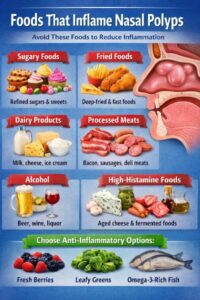
Table of contents
- Diet and Nasal Polyps: How Inflammation Affects Symptoms
- Why Diet Matters in Nasal Polyps Management
- Impact of Diet on Nasal Polyps
- When to Seek Medical Advice
- Conclusion: Diet and Nasal Polyps
- FAQs: What Foods Inflame Nasal Polyps?
Diet and Nasal Polyps: How Inflammation Affects Symptoms
Are you experiencing constant nasal congestion, facial pressure, or a reduced sense of smell? These symptoms may be linked to nasal polyps—soft, noncancerous growths that develop inside the nasal passages or sinuses due to chronic inflammation.
In the early stages, nasal polyps may appear as small, teardrop-shaped swellings. As they grow, they often resemble peeled grapes and may appear pink, yellow, or grey in color. They can occur as a single growth or in clusters, leading to nasal blockage, breathing difficulty, and persistent sinus discomfort.
Although nasal polyps are benign, they are closely associated with long-term inflammation of the nasal lining. When inflammation increases, symptoms such as nasal congestion, facial pressure, sinus blockage, and loss of smell can worsen significantly, affecting overall quality of life.
Because of this strong link to inflammation, diet and lifestyle modifications play a crucial supportive role in managing nasal polyps. While medical treatment remains essential, adopting an anti-inflammatory diet can help control symptoms, reduce flare-ups, and support better sinus health.
Certain foods—especially those high in sugar, processed ingredients, or allergens—may increase inflammation and aggravate symptoms. On the other hand, anti-inflammatory foods rich in antioxidants, vitamins, and omega-3 fatty acids can help reduce swelling in the nasal passages and improve breathing.
According to experts in allergy and immunology, immune system activity has a direct impact on nasal polyps. Daily habits, including diet, can significantly influence inflammation levels and symptom control, making nutrition an important part of long-term management.
Why Diet Matters in Nasal Polyps Management
The immune system and inflammatory response are closely connected to nasal polyp formation. Poor dietary choices can trigger inflammation, worsening symptoms and increasing the risk of complications such as:
- Chronic sinus congestion
- Recurrent infections (Sinusitis)
- Blocked nasal passages
- Sleep disturbances
While adopting an anti-inflammatory diet can help reduce symptoms, it is not a substitute for medical treatment. If symptoms persist or worsen, professional evaluation is essential.
1. Cookies and Sugary Foods: A Hidden Trigger for Nasal Polyps
Cookies, cakes, pastries, candies, and other sugary treats may seem harmless, but they can worsen symptoms of Nasal polyps. These foods are high in refined sugar, which is known to trigger an inflammatory response in the body.
Chronic intake of sugary foods can lead to low-grade inflammation, making nasal polyps more symptomatic and increasing issues like:
- Nasal congestion
- Sinus pressure
- Reduced sense of smell
In addition, excessive sugar consumption is linked to serious health conditions such as:
- Type 2 Diabetes
- Metabolic Syndrome
- Heart Disease
Healthier Alternative: Anti-Inflammatory Sweet Options
If you’re craving something sweet, switch to natural, anti-inflammatory foods like berries. According to Jamie Baham, berries are an excellent choice for people with nasal polyps.
Why berries help:
- Rich in quercetin, which helps block histamine release
- High in anthocyanins, powerful anti-inflammatory antioxidants
- Support immune function and reduce allergy-related symptoms
Since histamine release plays a role in allergies and sinus inflammation, choosing foods that naturally reduce histamine can help control nasal polyp symptoms.
Takeaway
Limiting high-histamine aged cheeses and switching to fresh, non-aged dairy products can help reduce inflammation and support better sinus and nasal health in individuals with nasal polyps.
2. Aged Cheeses and Nasal Polyps: Why Histamine Matters
Certain aged cheeses can worsen symptoms of Nasal polyps due to their high histamine content. Histamine is a chemical involved in immune responses and allergic reactions, and elevated levels can trigger inflammation, nasal congestion, and sinus irritation.
Aged cheeses such as:
- Blue cheese
- Parmesan
- Brie
undergo a long fermentation process, during which proteins break down and form higher amounts of histamine. This can aggravate symptoms, especially in individuals prone to Allergic Rhinitis or sinus issues.
Better Cheese Options for Sinus Health
You don’t have to eliminate cheese entirely. If you tolerate dairy well, you can choose low-histamine, non-aged cheeses, such as:
- Mozzarella
- Goat cheese
- Provolone
These options are less likely to trigger inflammation and are generally safer for people managing nasal polyps.
Takeaway
Limiting high-histamine aged cheeses and switching to fresh, non-aged dairy products can help reduce inflammation and support better sinus and nasal health in individuals with nasal polyps.
3. Yogurt With Added Sugars: Healthy or Harmful for Nasal Polyps?
Yogurt is often considered a healthy food due to its probiotic content, which can support gut health and strengthen mucosal immunity—the immune defense system in the lining of the nose and sinuses. This makes it potentially beneficial for people with Nasal polyps.
However, not all yogurts are equally healthy. Many commercially available yogurts contain high amounts of added sugar, which can increase inflammation and counteract the natural benefits of probiotics.
Excess sugar intake may:
- Trigger inflammatory responses
- Worsen nasal congestion and sinus symptoms
- Negatively impact immune function
Healthier Yogurt Choices for Sinus Health
To get the benefits without the drawbacks, choose:
- Plain, unsweetened yogurt
- Yogurt with no added sugars
- Natural options with live probiotic cultures
If you prefer a sweeter taste, you can add:
- A small amount of natural honey
- Fresh fruits like berries (anti-inflammatory benefits)
Takeaway
While probiotic yogurt can support sinus and immune health, avoiding added sugars is essential. Choosing unsweetened yogurt helps reduce inflammation and may improve symptoms related to nasal polyps.
4. French Fries and Fried Foods: A Major Inflammatory Trigger
French fries and deep-fried foods—including onion rings, fried chicken, doughnuts, and battered fish—can worsen symptoms of Nasal polyps due to their strong pro-inflammatory effects.
These foods stimulate the immune system to release proteins called cytokines, which are directly linked to increased inflammation in the body. Elevated cytokine levels can aggravate sinus swelling, nasal congestion, and polyp growth.
Why Fried Foods Are Harmful
Regular consumption of deep-fried foods may:
- Increase inflammation through excess cytokine production
- Contain high levels of trans fats and unhealthy oils
- Negatively impact gut health and immunity
- Raise the risk of conditions like:
- Obesity
- Heart Disease
Healthier Alternatives for Reducing Inflammation
If you occasionally consume fried foods, balance your diet with anti-inflammatory foods such as:
- Dark leafy greens (spinach, kale)
- Fresh vegetables and fruits
- Omega-3-rich foods
These foods help regulate the immune response and may reduce inflammation associated with nasal polyps.
5. Bacon and Processed Meats: Why They Worsen Nasal Polyps
Processed and cured meats such as bacon, hot dogs, salami, pepperoni, and sausages can aggravate symptoms of Nasal polyps due to their strong link with chronic inflammation.
These foods often contain nitrates, preservatives, and high levels of saturated fats, all of which can trigger inflammatory responses in the body. Increased inflammation may worsen symptoms like:
- Nasal congestion
- Sinus pressure
- Breathing difficulty
Why Processed Meats Are Harmful
Regular consumption of processed meats may:
- Increase inflammatory markers in the body
- Promote the release of substances like leukotrienes and prostaglandins (linked to sinus inflammation)
- Raise the risk of chronic conditions such as:
- Heart Disease
- Obesity
Healthier Protein Alternatives
To support sinus and immune health, replace processed meats with anti-inflammatory protein sources, such as:
- Fatty fish (salmon, sardines) rich in omega-3 fatty acids
- Plant-based proteins like legumes and nuts
Omega-3 fatty acids help reduce inflammation by lowering levels of inflammatory compounds, which may help improve symptoms of nasal polyps and Chronic Rhinosinusitis.
Takeaway
Avoiding processed and cured meats and choosing omega-3-rich foods can help reduce inflammation, improve sinus health, and support better management of nasal polyps.
Impact of Diet on Nasal Polyps
An anti-inflammatory diet cannot cure nasal polyps, but it can:
- Reduce inflammation and swelling
- Improve sinus drainage
- Lower the risk of recurrence
- Support immune function
When combined with appropriate medical treatment, dietary changes can significantly improve symptom control and overall sinus health.
When to Seek Medical Advice
Even with proper diet and lifestyle changes, nasal polyps may continue to grow due to underlying conditions like allergies or chronic sinus infections. Early consultation with a specialist is important if you experience:
- Persistent nasal blockage
- Frequent sinus infections
- Difficulty breathing or sleeping
- Loss of smell or worsening symptoms
A healthcare expert—such as an allergist or ENT specialist—can identify triggers and design a personalized treatment plan for long-term management.
Conclusion: Diet and Nasal Polyps
Nasal polyps can worsen when inflammation in the body increases, leading to symptoms such as nasal congestion, facial pressure, and reduced sense of smell. Managing inflammation is key to controlling these symptoms and improving overall sinus health.
While diet alone cannot cure nasal polyps, adopting an anti-inflammatory diet can significantly help in reducing symptom severity and preventing further growth or complications.
Foods that may increase inflammation include:
- Refined sugars (cookies, pastries, sugary drinks)
- Deep-fried and processed foods
- Cured and processed meats
Avoiding or limiting these foods can help reduce inflammation, improve breathing, and support better sinus function.
Medical Disclaimer:
This content is for informational purposes only and not a substitute for professional medical advice, diagnosis, or treatment. Consult a qualified healthcare provider for proper evaluation and care.
👉 YouTube Channel:
http://www.youtube.com/@healthuseful8539/
📞 ENT Consultation & Surgery
Dr. Sagar Rajkuwar (MS-ENT)
Prabha ENT Clinic, Ambad, Nashik
📱 7387590194 | 9892596635
🌐 www.entspecialistinnashik.com
📲 For Health-Related Articles & Videos
🔹 Facebook: https://www.facebook.com/positivemind.healthcare
🔹 YouTube: http://www.youtube.com/@healthuseful8539/
📚 References
https://www.everydayhealth.com/ear-nose-throat/foods-to-limit-or-avoid-if-you-have-nasal-polyps/
🔗 Related Articles on Nasal Polyps (ENT Expert Guides)
For detailed, evidence-based information, explore the following articles:
https://healthuseful.com/can-nasal-polyps-turn-cancerous/
https://healthuseful.com/can-nasal-polyps-affect-the-brain/
https://healthuseful.com/what-are-the-symptoms-of-cancerous-nasal-polyps/
https://healthuseful.com/when-to-worry-about-nasal-polyp/
https://healthuseful.com/what-happens-if-nasal-polyps-untreated/
https://healthuseful.com/number-one-cause-of-nasal-polyps/
https://healthuseful.com/how-to-stop-polyp-growth/
https://healthuseful.com/can-nasal-polyps-cause-heart-problems/
https://healthuseful.com/how-to-cure-nasal-polyps-permanently/
https://healthuseful.com/can-ent-see-nasal-polyps/
🔗 Sinus Related Articles (Internal Links)
🤧 Sinus Headache & Symptoms
- https://healthuseful.com/sinus-headache-symptoms/
- https://healthuseful.com/sinus-headache-symptoms-one-side/
- https://healthuseful.com/sinus-headache-symptoms-right-side/
- https://healthuseful.com/sinus-headache-back-of-head/
- https://healthuseful.com/sinus-headache-symptoms-home-remedies/
- https://healthuseful.com/how-to-rid-of-a-sinus-infection-headache/
🦠 Sinus Infection Treatment
- https://healthuseful.com/how-to-get-rid-of-a-sinus-infection-in-24-hours/
- https://healthuseful.com/how-to-get-rid-of-sinus-infection-without-antibiotics/
- https://healthuseful.com/what-kills-a-sinus-infection-naturally/
- https://healthuseful.com/sinus-headache-tablet/
- https://healthuseful.com/how-do-doctors-drain-sinuses-without-surgery/
- https://healthuseful.com/signs-of-sinus-infection-getting-better/
- https://healthuseful.com/signs-of-sinus-infection-getting-better-with-antibiotics/
⚠️ Serious Conditions & Warning Signs
- https://healthuseful.com/end-stages-of-a-sinus-infection/
- https://healthuseful.com/how-to-tell-if-sinus-infection-has-spread-to-brain/
- https://healthuseful.com/how-to-tell-if-sinus-infection-has-spread-to-bone/
- https://healthuseful.com/what-is-a-red-flag-for-sinusitis/
- https://healthuseful.com/when-to-go-to-ae-with-sinusitis/
👁️ Related Symptoms & Complications
- https://healthuseful.com/can-a-sinus-infection-cause-eye-pain/
- https://healthuseful.com/can-sinusitis-affect-your-ears/
- https://healthuseful.com/can-sinus-infection-cause-hair-loss/
- https://healthuseful.com/symptoms-of-perforated-sinus-after-tooth-extraction/
🧠 Causes, Triggers & Misdiagnosis
- https://healthuseful.com/what-triggers-sinusitis-headaches/
- https://healthuseful.com/what-can-be-mistaken-for-a-sinus-infection/
- https://healthuseful.com/what-mimics-sinus-issues/
- https://healthuseful.com/what-can-worsen-a-sinus-infection/
🧬 Nutrition & Deficiency
- https://healthuseful.com/what-vitamin-deficiency-causes-sinus-headaches/
- https://healthuseful.com/what-vitamin-deficiency-causes-sinusitis/
- https://healthuseful.com/what-deficiency-causes-sinusitis/
📘 General Sinus Knowledge
- https://healthuseful.com/what-are-the-four-cardinal-signs-of-sinusitis/
- https://healthuseful.com/is-a-sinus-infection-contagious-with-fever/
- https://healthuseful.com/can-you-smell-a-fungal-sinus-infection/
- https://healthuseful.com/sinusitis-in-hindi/
💰 Treatment & Surgery
- https://healthuseful.com/cost-of-sinus-surgery-in-india/
- https://healthuseful.com/how-to-cure-sinus-permanently/
🧒 Special Cases
🔍 Rare Conditions