Can Nasal Polyps Affect Your Eyes?
Rather than severe eye issues, nasal polyps typically result in nasal obstruction, impaired smell, and chronic sinus symptoms. However, severe sinus disease with nasal polyps can sometimes impact tissues surrounding the eye. Severe eye pain, a protruding eye, a bulging eye, double vision, or poor or blurry vision all need immediate medical attention.
⚡ At a Glance — Can Nasal Polyps Affect Your Eyes?
- Short answer: Usually no serious eye involvement. In long-standing or severe cases, yes — through pressure or spread of inflammation across the thin ethmoid bone (lamina papyracea) that separates the nose from the eye socket.
- Common mild effects: Pressure or fullness around the eyes, mild periorbital puffiness, excessive tearing, forehead ache.
- Serious warning signs (ENT/ophthalmic emergency): Proptosis (bulging eye), diplopia (double vision), sudden vision loss, severe eye pain, inability to move the eye, high fever with facial swelling — these may indicate orbital cellulitis, subperiosteal abscess, or orbital abscess.
- Chandler classification (standard ENT grading of orbital complications): Group I (preseptal cellulitis) → Group V (cavernous sinus thrombosis). Any group II–V needs hospital admission and IV antibiotics.
- Modern 2024 treatment of CRSwNP: intranasal mometasone/fluticasone, oral corticosteroid short courses, and — for severe or recurrent cases — biologics (dupilumab, mepolizumab, omalizumab) or endoscopic sinus surgery (ESS).
- Prognosis: With early diagnosis and proper treatment, serious eye complications are rare. If vision changes occur — see an ENT and an ophthalmologist the same day.
By Dr. Sagar Rajkuwar, ENT Specialist, Nashik, Maharashtra, India
🌐 www.entspecialistinnashik.com
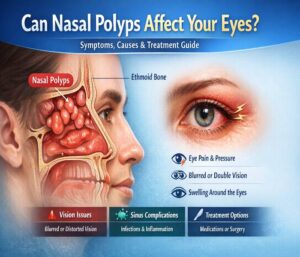
Table of contents
- (1)Introduction
- (2)What Causes Nasal Polyps?
- (3)Anatomical Relationship Between the Eyes and Nasal Passages
- (4)Connection Between Orbital Anatomy and the Nasal Cavity
- (5)Symptoms of Nasal Polyps That Affect Vision
- (6)Are Vision Changes Always Caused by Nasal Polyps?
- (7)How Doctors Diagnose the Link Between Nasal Polyps and Eye Problems
- (8)Treatment Options for Nasal Polyps
- (9)Home Care and Lifestyle Management for Nasal Polyps
- (10)When to See a Doctor for Nasal Polyps
- (11)When Are Nasal Polyps and Eye Symptoms an Emergency?
- (12)FAQs: Nasal Polyps and Eye Symptoms
- (13)Conclusion: Can Nasal Polyps Affect Your Eyes?
(1)Introduction
Can nasal polyps affect your eyes? Usually, nasal polyps mainly cause nasal blockage, reduced smell and sinus symptoms. However, severe sinus inflammation or complications involving the tissues around the eye can sometimes cause eye pain, swelling or vision changes. New double vision, reduced vision, significant eye swelling or severe eye pain should be evaluated urgently.
Nasal polyps affect nearly 4% of the global population and are benign, painless growths that develop in the lining of the nose or sinuses. They are commonly linked to chronic sinus infections, allergies, and asthma, and can lead to symptoms like nasal blockage, reduced smell, and breathing difficulty. But can nasal polyps affect your eyes? The answer is yes—especially when polyps become large or untreated, as they can create pressure in nearby structures.
An important anatomical factor is the ethmoid bone, which lies between the nasal cavity and the eyes. Because of this close connection, enlarged nasal polyps can sometimes impact eye health, causing symptoms such as eye pressure, pain, or even vision disturbances. Understanding this relationship is essential for early diagnosis and preventing complications.
Key Points About Nasal Polyps and Eye Health
- Nasal polyps are soft, painless, noncancerous growths that develop in the lining of the nose and sinuses.
- They are commonly associated with chronic sinus infections, allergies, and asthma.
- Due to the close location of the ethmoid bone (between the eyes and nasal cavity), large polyps may affect eye health.
- If left untreated, nasal polyps can lead to breathing problems, sinus complications, and pressure-related symptoms.
- Understanding the link between nasal polyps and eye symptoms is important for early diagnosis and effective treatment.
(2)What Causes Nasal Polyps?
Nasal polyps develop due to chronic inflammation of the nasal lining, often triggered by long-term conditions like sinusitis, allergies, or asthma. This ongoing irritation leads to swelling and fluid buildup, eventually forming soft growths inside the nasal passages.
Although benign (noncancerous), nasal polyps can significantly impact daily life by blocking airflow, causing nasal congestion, sinus pressure, and breathing difficulties. In more advanced cases, they may also contribute to eye-related symptoms due to their proximity to surrounding structures.
What Are Nasal Polyps?
Nasal polyps are soft, painless, noncancerous growths that develop in the lining of the nose or sinuses. They are most commonly linked to chronic sinusitis, especially when inflammation lasts for more than 12 weeks. Over time, this persistent inflammation causes swelling of the nasal lining, leading to the formation and growth of polyps.
Chronic inflammation is considered the main cause of nasal polyps, and it can result in symptoms such as:
- Nasal congestion
- Difficulty breathing through the nose
- Reduced or complete loss of smell (anosmia)
Common Causes and Risk Factors of Nasal Polyps
Several conditions increase the likelihood of developing nasal polyps, particularly those that cause long-term inflammation in the nasal passages. The most common causes include:
- Asthma – increases airway inflammation and polyp risk
- Allergies (allergic rhinitis) – trigger chronic nasal irritation
- Recurrent sinus infections – lead to persistent swelling
Other Important Risk Factors
- Aspirin sensitivity (NSAID intolerance)
- Cystic fibrosis (genetic condition affecting mucus)
- Allergic fungal sinusitis
- Frequent or untreated sinus infections
Why Treating the Underlying Cause Is Important
Effective management of nasal polyps focuses on treating the root cause of inflammation, not just the symptoms. Treatment options may include:
- Medications for allergies and inflammation
- Antibiotics (if bacterial infection is present)
- Corticosteroid nasal sprays or oral steroids
- Referral to an ENT specialist or allergy clinic for advanced care
Understanding the causes and risk factors of nasal polyps is essential for long-term control. With proper treatment and lifestyle management, patients can reduce symptoms, prevent recurrence, and improve quality of life.
(3)Anatomical Relationship Between the Eyes and Nasal Passages
The eyes and nasal passages are closely connected anatomically, which is why conditions like nasal polyps and sinus infections can sometimes affect eye health. One of the most important structures linking these areas is the ethmoid bone, located between the nasal cavity and the eye sockets (orbit).
Role of the Ethmoid Bone and Sinus System
The ethmoid bone forms the roof of the nasal cavity and acts as a thin barrier separating the nasal passages from the eyes. It contains multiple small air-filled spaces known as ethmoid sinuses, which are part of the paranasal sinus system.
These sinuses play an important role in:
- Air filtration and humidification
- Reducing skull weight
- Supporting normal breathing
However, the ethmoid sinuses are highly sensitive to inflammation and infection, making them a common site for sinus-related problems.
How Nasal Conditions Can Affect the Eyes
Because the ethmoid sinuses are located very close to the orbit (eye socket), any inflammation, infection, or growth (such as nasal polyps) can potentially spread or exert pressure on nearby eye structures.
This close anatomical relationship explains why nasal conditions may lead to:
- Eye pressure or discomfort
- Swelling around the eyes
- Vision-related symptoms in severe cases
Understanding this connection is essential for early diagnosis and effective treatment of nasal polyps and sinus diseases, helping to prevent complications involving the eyes.
(4)Connection Between Orbital Anatomy and the Nasal Cavity
The orbital cavity (eye socket) and the nasal cavity are closely connected through shared bony structures. The ethmoid bone, which forms the inner wall of the orbit, plays a key role in separating the eyes from the nasal passages. Because this barrier is thin, diseases of the nose and sinuses can easily affect the eyes.
Another important structure is the nasolacrimal duct, which drains tears from the eyes into the nasal cavity. This connection can allow infections or inflammation to spread from the nose to the eyes, increasing the risk of eye-related complications.
Understanding this anatomical link helps doctors accurately diagnose and treat conditions affecting both areas. Treatments like saline nasal irrigation (sinus rinse) can help reduce inflammation and may lower the risk of complications involving the eyes.
(5)Symptoms of Nasal Polyps That Affect Vision
Recognizing the symptoms of nasal polyps affecting the eyes is important for early treatment. When polyps grow large or multiple, they can block nasal passages and sinuses, leading to:
- Nasal congestion
- Reduced or loss of smell
- Breathing difficulty
- Increased risk of sinus infections
In more severe cases, nasal polyps may also impact vision and eye comfort due to their proximity to the eye structures.
Why These Symptoms Should Not Be Ignored
Eye symptoms related to nasal polyps can significantly affect daily life and vision quality. Early recognition and treatment can help:
- Prevent complications
- Reduce inflammation
- Improve both sinus and eye health
If symptoms persist or worsen, seeking medical care is essential to avoid long-term damage.
(6)Are Vision Changes Always Caused by Nasal Polyps?
Not necessarily. Nasal polyps themselves are usually benign inflammatory growths and do not normally compress the optic nerve. When a person with nasal polyps develops significant vision changes, doctors may need to investigate other causes, including severe sinus inflammation, orbital complications, a mucocele, or an unrelated eye condition.
Therefore, new blurred vision, double vision, reduced vision, eye swelling or severe eye pain should not simply be assumed to be caused by nasal polyps.
Symptom |
How concerning is it? |
What to do |
|---|---|---|
Nasal blockage |
Common |
Routine medical assessment if persistent |
Reduced sense of smell |
Common with nasal polyps |
Discuss with an ENT specialist |
Mild pressure around the eyes |
Can occur with sinus inflammation |
Arrange assessment if persistent |
Eye pain |
Needs assessment if significant or worsening |
Seek medical advice |
Eyelid swelling/redness |
Concerning |
Prompt medical evaluation |
Double vision |
Urgent warning sign |
Seek urgent medical care |
Reduced or worsening vision |
Emergency warning sign |
Seek immediate medical attention |
Bulging of the eye |
Serious warning sign |
Urgent assessment |
(7)How Doctors Diagnose the Link Between Nasal Polyps and Eye Problems
To determine whether nasal polyps are affecting the eyes, doctors use a combination of medical history, physical examination, and advanced diagnostic tests. During evaluation, special attention is given to how nasal inflammation or polyp growth may impact vision and eye structures.
Medical Tests for Nasal Polyps and Eye Symptoms
Healthcare professionals use several tests to confirm the diagnosis and assess severity:
- Nasal Endoscopy – A thin, flexible camera is used to directly visualize nasal passages and sinuses for polyps.
- CT Scan (Computed Tomography) – Helps determine the size, location, and extent of polyps, especially their proximity to the eyes.
- MRI Scan – Used in complex cases to evaluate soft tissue involvement and orbital impact.
These tests allow doctors to understand whether nasal polyps are causing pressure on the eye socket (orbit) or contributing to vision problems. Based on the findings, a personalized treatment plan is created.
Differential Diagnosis: Ruling Out Other Causes
Before confirming that nasal polyps are responsible for eye symptoms, doctors carefully rule out other possible conditions, such as:
- Sinus infections (sinusitis)
- Allergic rhinitis
- Eye disorders or infections
This step ensures an accurate diagnosis and appropriate treatment, avoiding unnecessary complications.
Specialists at allergy, asthma, and ENT clinics often perform detailed evaluations and may recommend supportive treatments like saline nasal rinses to reduce inflammation.
(8)Treatment Options for Nasal Polyps
The treatment of nasal polyps focuses on reducing inflammation, shrinking the polyps, and relieving eye-related symptoms.
1. Medications for Nasal Polyps
Medications are the first-line treatment and are highly effective in most cases.
Corticosteroids (Anti-Inflammatory Treatment)
Corticosteroids help reduce swelling and shrink nasal polyps, improving both nasal and eye symptoms. They can be used as:
- Nasal sprays (e.g., budesonide, fluticasone)
- Oral steroids (for severe inflammation)
These medications work by controlling chronic inflammation, which is the root cause of polyp formation.
2. Biologic Therapies (Advanced Treatment)
In patients with severe or recurrent nasal polyps, biologic medications (such as monoclonal antibodies) may be prescribed. These target specific inflammatory pathways and help prevent polyp regrowth.
FDA/EMA-approved biologics for severe CRSwNP (2024 update)
| Drug | Target | Typical Dose | Best For |
|---|---|---|---|
| Dupilumab (Dupixent) | IL-4Rα (blocks IL-4 and IL-13) | 300 mg SC every 2 weeks | Most studied, broad eligibility; also treats comorbid asthma, atopic dermatitis |
| Mepolizumab (Nucala) | IL-5 | 100 mg SC every 4 weeks | Patients with high eosinophil counts (≥150/µL) |
| Omalizumab (Xolair) | IgE | 75–600 mg SC every 2–4 weeks (weight/IgE dependent) | Elevated total IgE, concomitant allergic asthma |
| Benralizumab (Fasenra) * | IL-5 receptor α | 30 mg SC (schedule varies by indication) | Eosinophilic phenotype; label expanding in some regions |
Per the EUFOREA / EPOS 2020 consensus (updated statements 2024), biologics are considered when at least 3 of the following are present: need for systemic steroids in the last 2 years, significant quality-of-life impairment, loss of smell, comorbid asthma, type-2 inflammation (eosinophils ≥ 250/µL or IgE elevated), and inadequate response to intranasal steroids ± previous ESS. Response is reassessed at 4–6 months; non-responders are stepped down or switched. In India, these are self-paid, expensive agents and the final decision is a joint one between the ENT, allergist/immunologist and the family.
Why Early Treatment Matters
Timely diagnosis and treatment can:
- Prevent vision complications
- Reduce sinus pressure and eye discomfort
- Improve overall quality of life
If you experience persistent eye symptoms along with nasal blockage, consult an ENT specialist for proper evaluation and management.
Surgical Treatment for Nasal Polyps Affecting the Eyes
When medications fail to control symptoms, surgery for nasal polyps may be required—especially if they are causing eye pressure, vision problems, or severe sinus blockage. The most commonly performed procedure is endoscopic sinus surgery (ESS).
During this minimally invasive procedure, a thin tube with a camera (endoscope) is inserted into the nasal passages to remove polyps and clear blocked sinuses. This helps relieve pressure around the eyes, improve breathing, and restore normal sinus drainage.
Treatment plans are always individualized, often combining medications (like corticosteroids) with surgery for the best long-term results. Regular follow-ups with an ENT specialist are essential to prevent recurrence and monitor eye-related complications.
(9)Home Care and Lifestyle Management for Nasal Polyps
Effective home care for nasal polyps can help reduce symptoms and support medical treatment. While these methods do not remove polyps, they can improve sinus health and reduce inflammation.
Key home care strategies include:
- Steam inhalation to relieve nasal congestion
- Saline nasal irrigation (neti pot or sprays) to clear mucus and allergens
- Avoiding allergens and irritants like dust, smoke, and strong chemicals
- Using air purifiers (HEPA filters) to improve indoor air quality
- Maintaining good hygiene to reduce infections
Incorporating these daily habits can help minimize sinus irritation, reduce eye pressure symptoms, and improve overall quality of life in patients with nasal polyps.
Environmental Changes to Control Nasal Polyps & Improve Sinus Health
Making the right environmental changes for nasal polyps can significantly reduce inflammation, prevent symptom flare-ups, and support long-term sinus health. Avoiding common allergens and irritants is essential to minimize nasal swelling and polyp growth.
Simple yet effective strategies include using HEPA air filters to remove dust, pollen, and airborne allergens, avoiding strong odors, smoke, and chemical irritants, and maintaining a clean, dust-free home environment. Regular cleaning, proper ventilation, and humidity control can further help in reducing sinus irritation.
By incorporating these lifestyle adjustments into your daily routine, you can improve nasal polyp management, reduce allergy triggers, and enhance overall respiratory health.
(10)When to See a Doctor for Nasal Polyps
Recognizing the warning signs of nasal polyps early is crucial to prevent complications, especially those affecting the eyes and sinuses. While mild symptoms can often be managed at home, certain signs require immediate medical attention.
Key Symptoms and Red Flags:
- Persistent nasal congestion that does not improve
- Loss of smell or taste
- Vision problems such as blurred or double vision
- Severe headache or facial pain
- Eye pressure, swelling, or discomfort
If you experience any of these symptoms, consult an ENT specialist promptly. Early diagnosis and treatment can prevent complications, protect eye health, and improve quality of life.
Medical Disclaimer
The information provided in this article is for general educational and informational purposes only. It is not intended to replace professional medical advice, diagnosis, or treatment.
Nasal polyps and eye-related symptoms can have different causes, and symptoms such as eye swelling, severe eye pain, double vision, blurred vision, vision loss, or a bulging eye may require prompt medical evaluation. Do not self-diagnose or delay medical care based solely on information provided in this article.
Treatment for nasal polyps may vary depending on the severity of the condition, associated sinus disease, allergies, asthma, aspirin sensitivity, previous surgery, and other individual factors. Medicines such as corticosteroids, biologic therapies, antibiotics, or surgery should be used only when recommended by an appropriately qualified healthcare professional.
If you develop sudden or worsening vision changes, significant swelling around the eye, severe eye pain, a bulging eye, severe headache, fever, confusion, or other concerning symptoms, seek urgent medical attention.
Every effort has been made to provide medically responsible and evidence-informed information, but medical knowledge and treatment recommendations can change over time. The website and its authors do not guarantee that the information is complete, current, or suitable for every individual.
Always consult a qualified ENT specialist, ophthalmologist, or other appropriate healthcare professional for evaluation and personalized medical advice.
👉 YouTube Channel:
http://www.youtube.com/@healthuseful8539/
📲 For Health-Related Articles & Videos
🔹 Facebook: https://www.facebook.com/positivemind.healthcare
🔹 YouTube: http://www.youtube.com/@healthuseful8539/
📞 ENT Consultation & Surgery
Dr. Sagar Rajkuwar (MS-ENT)
Prabha ENT Clinic, Ambad, Nashik
📱 7387590194 | 9892596635
🌐 www.entspecialistinnashik.com
📚 References
- Fokkens WJ, et al. European Position Paper on Rhinosinusitis and Nasal Polyps 2020 (EPOS 2020). Rhinology. 2020;58(Suppl S29):1–464.
- Hellings PW, et al. EUFOREA/EPOS2020 statement on the clinical considerations for chronic rhinosinusitis with nasal polyps care. Allergy. 2024;79(5):1123–1133. This is particularly useful for the treatment section covering corticosteroids, surgery, biologics and aspirin desensitization.
- Mayo Clinic – Nasal polyps: Symptoms and causes. This source supports common symptoms and important warning signs such as double vision, other vision changes, swelling or pain around the eyes and worsening headache.
- Mayo Clinic – Nasal polyps: Diagnosis and treatment. Useful for the article’s discussion of nasal steroids, oral corticosteroids, biologic medicines and surgery.
- American Academy of Allergy, Asthma & Immunology (AAAAI) – Nasal Polyps. Provides information on corticosteroid treatment, surgery, recurrence, biologic therapies and management of chronic rhinosinusitis with nasal polyps.
- U.S. Food and Drug Administration (FDA) – Chronic Rhinosinusitis With Nasal Polyps: Developing Drugs for Treatment. FDA guidance concerning clinical development and treatment research for chronic rhinosinusitis with nasal polyps.
🔗 Related Articles on Nasal Polyps (ENT Expert Guides)
For detailed, evidence-based information, explore the following articles:
https://healthuseful.com/can-nasal-polyps-turn-cancerous/
https://healthuseful.com/can-nasal-polyps-affect-the-brain/
https://healthuseful.com/what-are-the-symptoms-of-cancerous-nasal-polyps/
https://healthuseful.com/when-to-worry-about-nasal-polyp/
https://healthuseful.com/what-happens-if-nasal-polyps-untreated/
https://healthuseful.com/number-one-cause-of-nasal-polyps/
https://healthuseful.com/how-to-stop-polyp-growth/
https://healthuseful.com/can-nasal-polyps-cause-heart-problems/
https://healthuseful.com/how-to-cure-nasal-polyps-permanently/
https://healthuseful.com/can-ent-see-nasal-polyps/
🔗 Sinus Related Articles (Internal Links)
🤧 Sinus Headache & Symptoms
- https://healthuseful.com/sinus-headache-symptoms/
- https://healthuseful.com/sinus-headache-symptoms-one-side/
- https://healthuseful.com/sinus-headache-symptoms-right-side/
- https://healthuseful.com/sinus-headache-back-of-head/
- https://healthuseful.com/sinus-headache-symptoms-home-remedies/
- https://healthuseful.com/how-to-rid-of-a-sinus-infection-headache/
🦠 Sinus Infection Treatment
- https://healthuseful.com/how-to-get-rid-of-a-sinus-infection-in-24-hours/
- https://healthuseful.com/how-to-get-rid-of-sinus-infection-without-antibiotics/
- https://healthuseful.com/what-kills-a-sinus-infection-naturally/
- https://healthuseful.com/sinus-headache-tablet/
- https://healthuseful.com/how-do-doctors-drain-sinuses-without-surgery/
- https://healthuseful.com/signs-of-sinus-infection-getting-better/
- https://healthuseful.com/signs-of-sinus-infection-getting-better-with-antibiotics/
⚠️ Serious Conditions & Warning Signs
- https://healthuseful.com/end-stages-of-a-sinus-infection/
- https://healthuseful.com/how-to-tell-if-sinus-infection-has-spread-to-brain/
- https://healthuseful.com/how-to-tell-if-sinus-infection-has-spread-to-bone/
- https://healthuseful.com/what-is-a-red-flag-for-sinusitis/
- https://healthuseful.com/when-to-go-to-ae-with-sinusitis/
👁️ Related Symptoms & Complications
- https://healthuseful.com/can-a-sinus-infection-cause-eye-pain/
- https://healthuseful.com/can-sinusitis-affect-your-ears/
- https://healthuseful.com/can-sinus-infection-cause-hair-loss/
- https://healthuseful.com/symptoms-of-perforated-sinus-after-tooth-extraction/
🧠 Causes, Triggers & Misdiagnosis
- https://healthuseful.com/what-triggers-sinusitis-headaches/
- https://healthuseful.com/what-can-be-mistaken-for-a-sinus-infection/
- https://healthuseful.com/what-mimics-sinus-issues/
- https://healthuseful.com/what-can-worsen-a-sinus-infection/
🧬 Nutrition & Deficiency
- https://healthuseful.com/what-vitamin-deficiency-causes-sinus-headaches/
- https://healthuseful.com/what-vitamin-deficiency-causes-sinusitis/
- https://healthuseful.com/what-deficiency-causes-sinusitis/
📘 General Sinus Knowledge
- https://healthuseful.com/what-are-the-four-cardinal-signs-of-sinusitis/
- https://healthuseful.com/is-a-sinus-infection-contagious-with-fever/
- https://healthuseful.com/can-you-smell-a-fungal-sinus-infection/
- https://healthuseful.com/sinusitis-in-hindi/
💰 Treatment & Surgery
- https://healthuseful.com/cost-of-sinus-surgery-in-india/
- https://healthuseful.com/how-to-cure-sinus-permanently/