Medically reviewed By ENT and respiratory health specialist — Dr. Sagar Rajkuwar, MS-ENT. Clinic Website: www.entspecialistinnashik.com
Health education article | HealthUseful.com
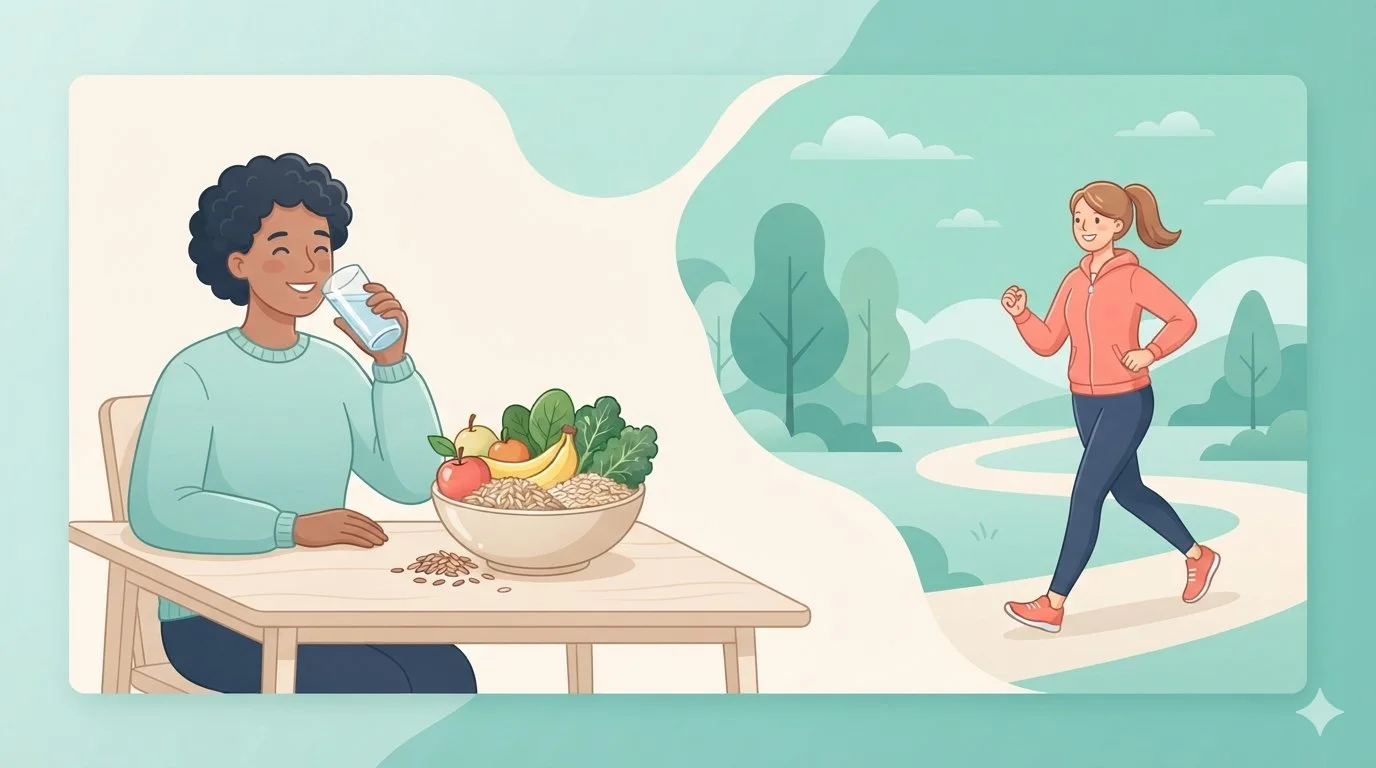
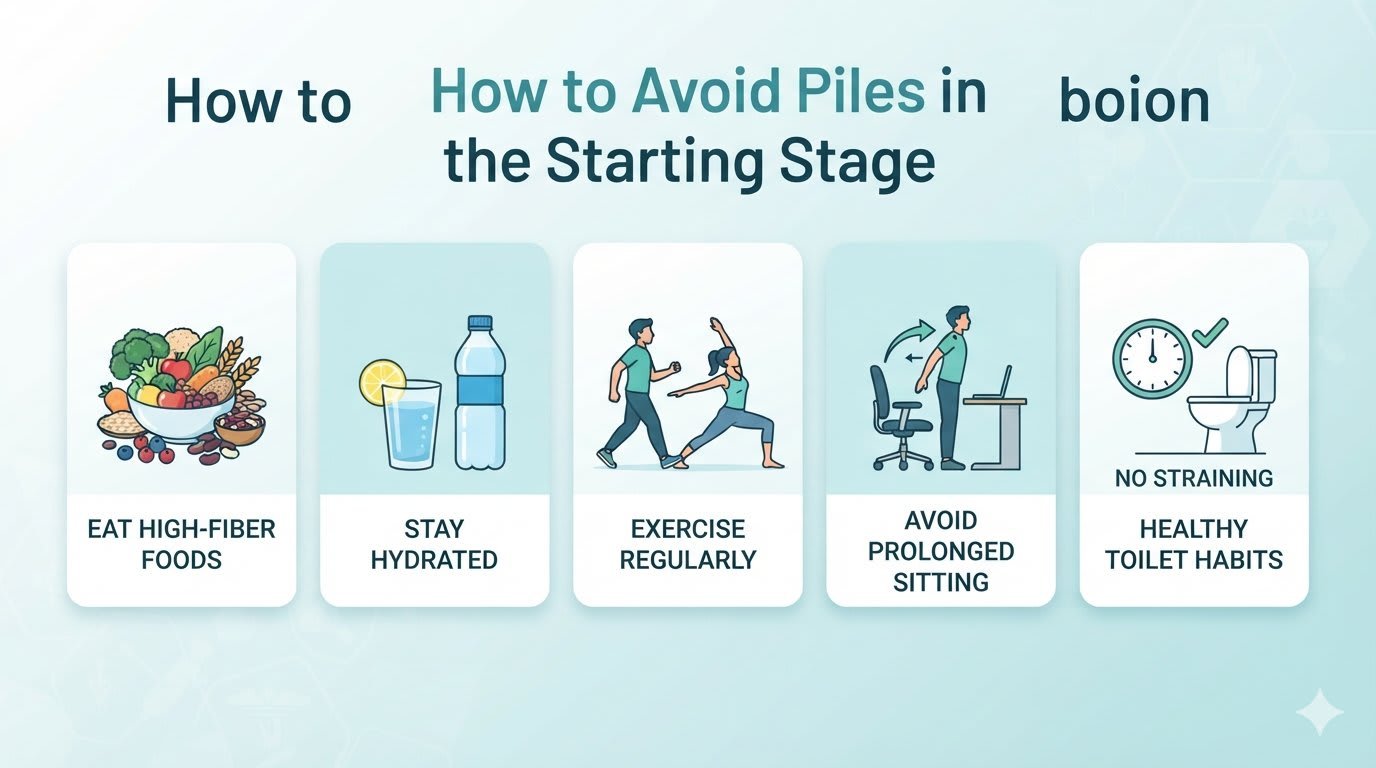
Direct answer: To avoid piles getting worse in the starting stage, keep stools soft, eat enough fibre, drink suitable amounts of fluid, avoid straining, do not sit on the toilet for long periods, stay physically active and treat constipation or diarrhoea early. These steps often improve mild haemorrhoidal symptoms and reduce recurrence. They cannot guarantee that piles will disappear, and rectal bleeding should be medically assessed rather than automatically assumed to be piles.
Introduction
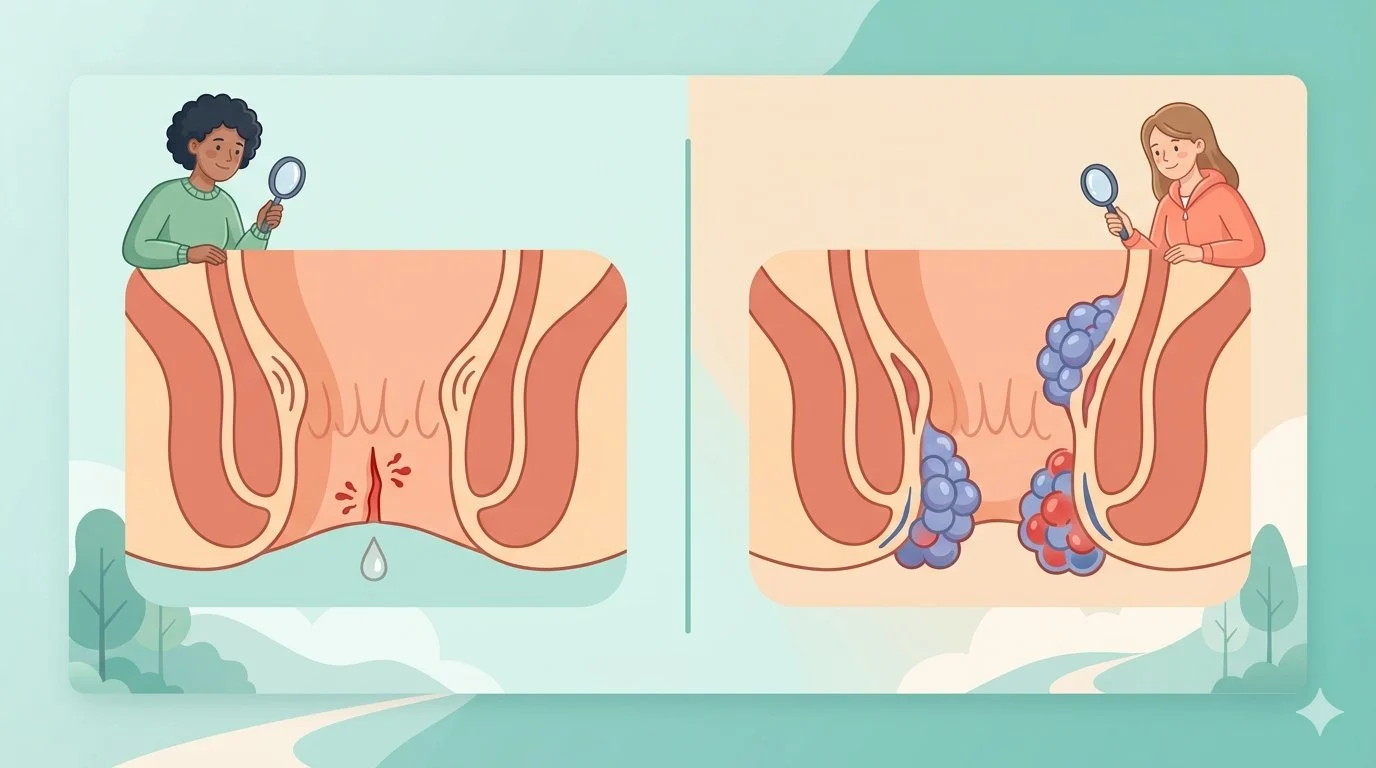
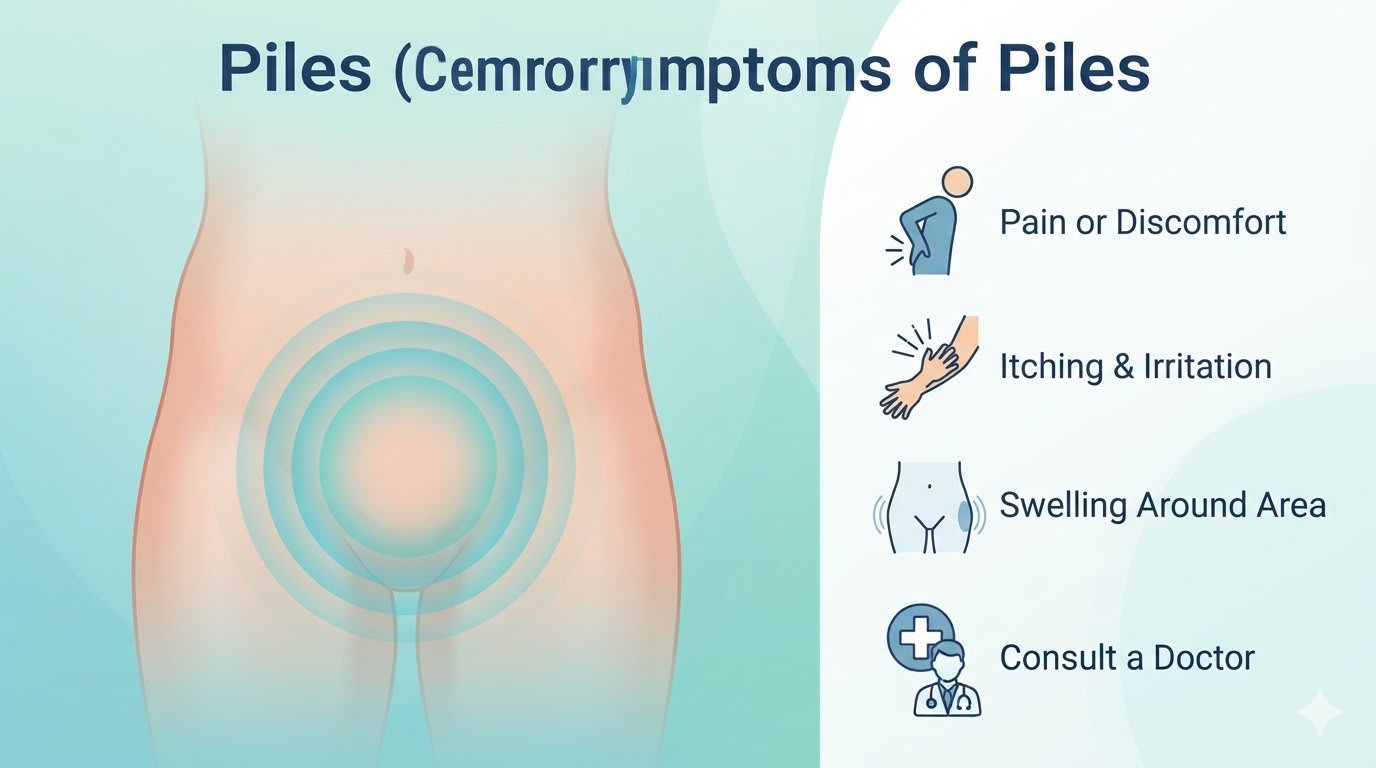
People searching for how to avoid piles in starting stage are often experiencing early symptoms such as mild itching, a little discomfort, a small lump or occasional bright-red blood after passing stool. At this point, correcting bowel habits may prevent repeated irritation and may reduce symptoms. The most useful strategy is not a special “piles cure” or restrictive diet; it is making bowel movements easy and avoiding repeated pressure on the anal canal. Piles, also called haemorrhoids, are enlarged or displaced vascular cushions in the anal canal. They may be internal or external. Mild symptoms can improve with conservative care, but similar symptoms can occur with an anal fissure, infection, inflammatory bowel disease and other conditions. This article explains practical prevention, safe home care and warning signs that need medical attention.Table of contents
1. What should you do at the first sign of piles?
If mild haemorrhoidal symptoms begin, focus first on the factors that make bowel movements difficult. Do not repeatedly strain to empty the bowel, and do not spend extra time sitting on the toilet. Review whether stools are hard, whether you are delaying the urge to pass stool, and whether your diet contains enough fibre.- Increase fibre-containing foods gradually.
- Drink enough fluids for your health needs, unless your clinician has restricted fluids.
- Respond to the natural urge to pass stool.
- Avoid forceful pushing and prolonged toilet sitting.
- Keep the anal area clean and dry without vigorous rubbing.
- Arrange a medical assessment for rectal bleeding, persistent pain or a new lump.
Important: These steps are useful for mild symptoms and prevention, but they do not confirm the diagnosis. If bleeding is new or recurrent, arrange an examination even if you suspect piles.
2. Eat more fibre gradually
Fibre is one of the most useful dietary measures for people with haemorrhoids. It absorbs water and helps make stool softer and easier to pass. Softer stool usually requires less straining, reducing repeated pressure on the anal cushions. Clinical guidance from the American Society of Colon and Rectal Surgeons recommends dietary and behavioural changes as first-line treatment for symptomatic haemorrhoids.Fibre-rich foods commonly available in India
| Food group | Examples | Practical idea |
|---|---|---|
| Fruit | Guava, pear, orange, papaya, apple with skin where suitable | Include a whole fruit rather than relying only on juice. |
| Vegetables | Carrot, beans, peas, leafy greens, cabbage, okra | Add vegetables to lunch and dinner. |
| Pulses and legumes | Moong, masoor, chana, rajma, chickpeas | Include dal or legumes regularly, as tolerated. |
| Whole grains | Whole-wheat roti, oats, brown rice, millets | Replace some refined grains with whole-grain choices. |
| Nuts and seeds | Almonds, chia, flaxseed | Use modest portions; increase gradually. |
How much fibre is needed?
Needs vary with age, sex, energy intake and medical conditions. A commonly used general benchmark is around 25–30 grams daily for many adults, but individual requirements differ. Increase fibre over several days or weeks rather than suddenly, because a rapid increase can cause gas and bloating. People with bowel narrowing, swallowing difficulty or certain gastrointestinal disorders should ask a clinician before making a major change.Example of a fibre-conscious day
- Breakfast: Oats or whole-grain poha with vegetables, plus a fruit.
- Lunch: Whole-wheat roti, dal and a generous serving of cooked vegetables.
- Snack: Guava, pear or another whole fruit.
- Dinner: Whole grain or millet with beans, dal or vegetables.
3. Drink adequate fluids
Fibre works best when accompanied by adequate fluid. If fluid intake is too low, adding fibre without enough water may make constipation worse in some people. Drink regularly through the day and use thirst, urine colour and your clinician’s advice as practical guides. There is no single water target that suits everyone. People with heart failure, kidney disease, advanced liver disease or another condition requiring fluid restriction should follow their treating clinician’s instructions rather than increasing water intake independently. Soups and other non-alcoholic fluids can contribute to intake, but sugary drinks are not necessary.4. Improve your toilet habits
Toilet behaviour is an important part of learning how to avoid piles in starting stage. Repeated pushing and sitting on the toilet for a long time can increase pressure around the anal canal.- Do not ignore the urge: Delaying bowel movements can allow stool to become harder.
- Avoid straining: Let the bowel movement happen without forceful pushing or breath-holding.
- Limit toilet time: Avoid reading or scrolling on a phone while sitting on the toilet.
- Use a comfortable posture: A small footstool may help some people raise their knees slightly and pass stool more comfortably.
- Do not repeatedly try to empty: If nothing happens after a short, relaxed attempt, get up and try later when the urge returns.
5. Prevent and manage constipation early
Constipation is a common contributor to haemorrhoidal symptoms. Hard stool, infrequent bowel movements and repeated straining can aggravate existing piles. Addressing constipation is therefore central to early prevention.Practical constipation measures
- Eat fibre-containing foods every day and increase them gradually.
- Maintain suitable fluid intake.
- Walk or undertake other regular activity appropriate to your health.
- Respond promptly to the urge to pass stool.
- Review medicines with a clinician if constipation began after starting a new treatment.
When a fibre supplement or laxative may help
If food changes are not enough, a healthcare professional or pharmacist may recommend a bulk-forming fibre supplement such as psyllium, or a suitable laxative for a limited period. Follow product directions and take adequate fluid with bulk-forming products. Do not self-treat severe abdominal pain, vomiting, marked abdominal swelling or inability to pass gas or stool; these symptoms need prompt medical evaluation. Some medicines—including opioid painkillers and certain other prescribed drugs—can cause constipation. Do not stop prescribed medicines yourself. Ask the prescriber whether the dose, timing or an alternative can be considered.6. Do not ignore persistent diarrhoea
Although constipation is a common trigger, repeated diarrhoea and frequent bowel movements can also irritate the anal area. Frequent wiping, urgency and repeated bowel movements may worsen itching and discomfort. Persistent diarrhoea can be related to infection, food intolerance, medicines, irritable bowel syndrome or inflammatory bowel disease. Seek medical advice if diarrhoea lasts several days, repeatedly returns, occurs at night, or is accompanied by blood, fever, dehydration, severe abdominal pain or unexplained weight loss. Treating the underlying bowel problem is more useful than repeatedly applying piles cream.7. Exercise, weight and daily routine
Regular physical activity supports general health and can help bowel regularity. Walking is a practical option for many people. Increase activity according to fitness, age and medical advice. Avoid activities that repeatedly require forceful breath-holding or straining if they trigger symptoms, and use safe lifting technique. Higher body weight has been associated with haemorrhoids in some studies, but it is not the only cause. If weight management is appropriate, aim for sustainable dietary and activity changes rather than crash diets. Pregnancy, ageing, connective-tissue changes and bowel habits can also contribute to piles.8. Maintain gentle anal hygiene and relieve irritation
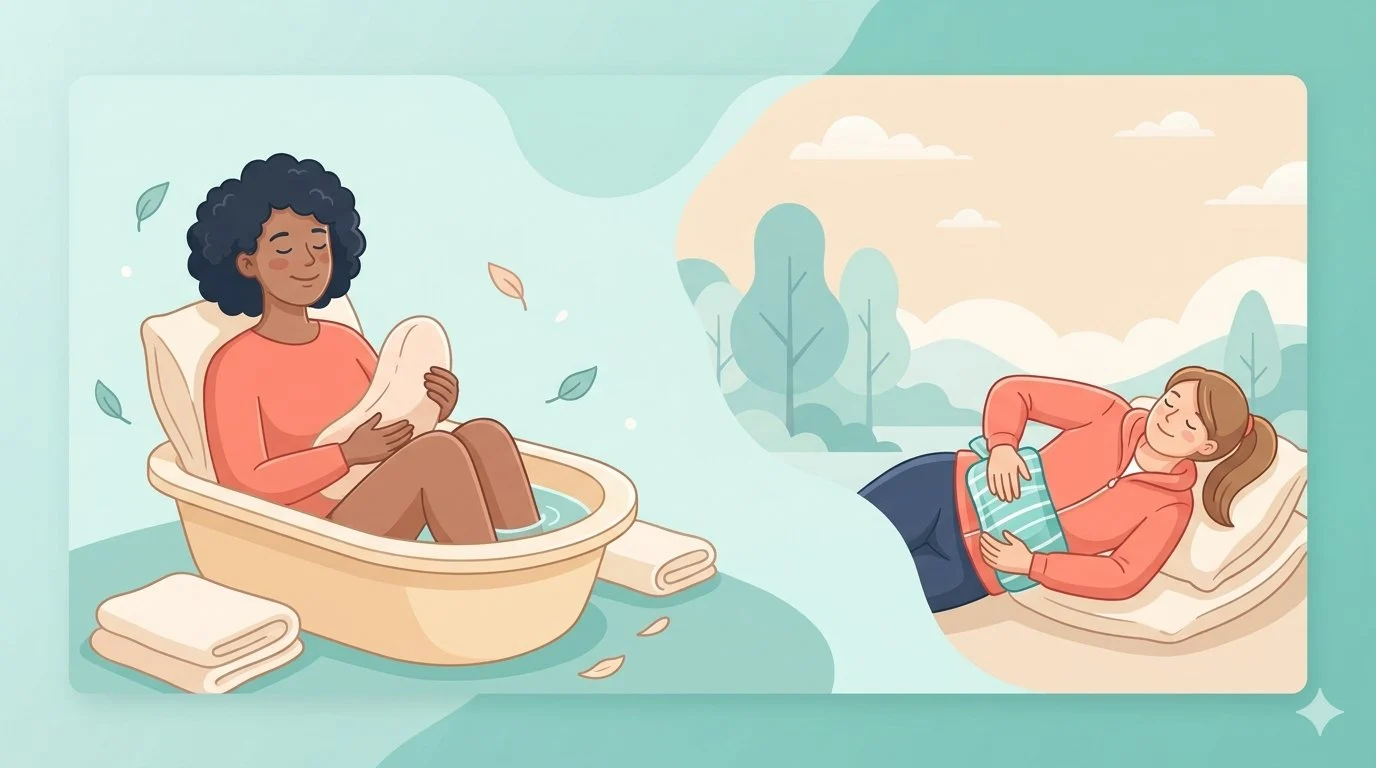
After a bowel movement, clean the area gently with water or unscented, non-irritating material. Pat dry rather than rubbing. Avoid excessive washing, vigorous scrubbing, fragranced soaps and products that cause burning. A warm sitz bath—sitting in comfortably warm water for around 10–15 minutes—may temporarily soothe discomfort or itching. A cold pack wrapped in a towel may briefly reduce swelling or discomfort. Never apply ice directly to the skin. These measures relieve symptoms; they do not remove the underlying haemorrhoid.9. Medicines and piles creams: what should you know?
Over-the-counter creams, ointments or suppositories may temporarily ease itching, swelling or discomfort, but they are not a substitute for correcting constipation or obtaining a diagnosis. Some products contain a local anaesthetic, protectant or a corticosteroid such as hydrocortisone. Follow the label and pharmacist’s advice. Steroid-containing products should generally be used only for a short period because prolonged use can irritate or thin the skin. Do not start multiple piles products together or use prescription medicines without advice. If symptoms persist after about a week of appropriate home care, arrange a medical review. A clinician may recommend a different treatment or assess whether the symptoms are actually caused by haemorrhoids.10. Common mistakes that can make early piles worse
- Straining to finish quickly: Pushing harder does not make bowel emptying healthier.
- Ignoring constipation: Repeated hard stools can maintain the cycle of irritation.
- Spending too long on the toilet: Phone use can turn a brief visit into prolonged sitting.
- Increasing fibre suddenly: A rapid change may cause bloating; build up gradually.
- Taking laxatives repeatedly without guidance: Persistent constipation needs an appropriate plan and sometimes investigation.
- Using steroid creams for too long: These products are not intended for prolonged unsupervised use.
- Assuming all bleeding is piles: Anal fissures, bowel inflammation, polyps and colorectal cancer can also cause bleeding.
- Trying to cut, puncture or tie a lump: Never attempt a home procedure; it can cause serious bleeding or infection.
11. When should you see a doctor?
Arrange a medical assessment if you have rectal bleeding—even if it is bright red or you believe you have piles. A clinician can examine the area and decide whether further tests are needed. This is especially important if bleeding is new, recurrent or accompanied by a change in bowel habits, unexplained weight loss, fatigue or abdominal symptoms.Seek urgent medical care if you have:
- Heavy or continuous rectal bleeding, large blood clots, fainting, collapse or marked dizziness.
- Severe or rapidly worsening anal pain.
- Fever, chills, pus or increasing redness and swelling around the anus.
- Severe abdominal pain, vomiting or significant illness along with rectal bleeding.
12. Frequently asked questions
1. How to avoid piles in starting stage?
Keep stools soft with gradual fibre increases and adequate fluids, avoid straining, limit toilet time, respond to the urge to pass stool and stay active. Seek medical assessment for bleeding or persistent symptoms because not every anal symptom is caused by piles.2. Can early piles disappear without surgery?
Mild haemorrhoidal symptoms often improve with dietary and toilet-habit changes. Some people need office-based procedures or other treatment if bleeding or prolapse continues. The right approach depends on examination findings and symptom severity.3. Which foods help prevent piles?
Fibre-rich foods such as vegetables, fruits, pulses, whole grains, nuts and seeds can soften stool and reduce straining. Increase fibre gradually and adapt the diet to individual medical needs.4. Is drinking water enough to prevent piles?
No. Adequate fluid supports bowel function, especially when fibre intake increases, but water alone cannot guarantee prevention. Fibre, toilet habits, physical activity and management of constipation or diarrhoea also matter.5. Should I stop eating spicy food?
Spicy food is not established as a direct cause of haemorrhoids. It may aggravate burning or irritation in some people. Avoid it if you notice a consistent personal trigger, but a restrictive diet is not routinely required.6. Is walking useful for piles?
Regular walking can support general health and bowel regularity. Choose activity suitable for your health and avoid straining or breath-holding during heavy exertion if it worsens symptoms.7. Can piles be prevented during pregnancy?
Risk cannot always be eliminated. Fibre-rich foods, adequate fluids, suitable activity and avoiding straining may reduce constipation-related aggravation. Ask the maternity-care team before using laxatives, creams or other medicines.8. Can I use piles cream at the first stage?
A pharmacist or clinician can advise whether a short course of a suitable product may relieve symptoms. Creams do not correct every cause and should not delay assessment of bleeding, persistent pain or a new lump.9. How long should I try home treatment?
If symptoms do not improve after about one week of appropriate home care, or worsen at any time, arrange medical review. Rectal bleeding should be assessed rather than waiting a week to see whether it stops.10. Does sitting for long hours cause piles?
Ordinary desk sitting is not established as a sole direct cause. Prolonged sitting on the toilet and straining are more relevant. Take regular movement breaks and avoid unnecessary toilet time.11. Can piles return after they improve?
Yes. Symptoms can recur, particularly if constipation, straining or other contributing factors continue. Maintaining healthy bowel habits can lower the chance of recurrence but cannot guarantee that piles will never return.12. Do all early piles need surgery?
No. Many mild cases improve with conservative measures. Selected persistent or prolapsing haemorrhoids may need office procedures, and surgery is reserved for particular cases after clinical assessment.13. Summary
- Early piles may improve when constipation and repeated straining are addressed.
- Increase fibre gradually through fruit, vegetables, pulses and whole grains.
- Drink adequate fluids according to your health needs.
- Avoid pushing, ignoring the urge to pass stool and sitting on the toilet for too long.
- Stay active and seek advice for persistent constipation or diarrhoea.
- Use creams only as directed; prolonged steroid use can harm the skin.
- Rectal bleeding needs medical assessment. Heavy bleeding, faintness, severe pain, fever or pus requires urgent care.
14. Conclusion
Knowing how to avoid piles in starting stage can help people take useful steps before symptoms become persistent. The foundation is simple: maintain soft, easy-to-pass stools, eat enough fibre, drink suitable amounts of fluid, avoid straining and limit time on the toilet. Gentle hygiene and regular physical activity may also help. However, home care is not a substitute for diagnosis. New or recurrent rectal bleeding, a persistent lump, severe pain or symptoms that do not improve should be assessed by a healthcare professional. Early evaluation helps confirm the cause and identify the most appropriate treatment.15. Medical disclaimer
This article is intended for general health education and does not provide an individual diagnosis or replace consultation with a qualified healthcare professional. Do not start, stop or change prescribed medicines based on this article. Fluid and fibre recommendations may need modification in people with kidney, heart, bowel or swallowing conditions. Rectal bleeding should be medically assessed. Seek emergency care for heavy bleeding, fainting, collapse or severe pain, and urgent care for fever or pus around the anus.16. References and further reading
- American Society of Colon and Rectal Surgeons (ASCRS). The American Society of Colon and Rectal Surgeons Clinical Practice Guidelines for the Management of Hemorrhoids. Diseases of the Colon & Rectum. 2024;67(5):614–623.
- National Institute of Diabetes and Digestive and Kidney Diseases (NIDDK). Treatment of Hemorrhoids.
- NIDDK. Eating, Diet, & Nutrition for Hemorrhoids.
- NIDDK. Symptoms & Causes of Hemorrhoids.
- National Health Service (NHS). Piles (haemorrhoids).
- American Gastroenterological Association (AGA). Diagnosis and treatment of hemorrhoids: Clinical Practice Update. 29 April 2026.
- American Family Physician. Management of Hemorrhoids: Guidelines From the ASCRS. 2025.