Piles Symptoms: Early Signs, Types, Warning Signs and When to See a Doctor-various aspects-
Medically reviewed By ENT and respiratory health specialist — Dr. Sagar Rajkuwar, MS-ENT. Clinic Website: www.entspecialistinnashik.com
Health education article | HealthUseful.com
Introduction
Piles, medically called haemorrhoids or hemorrhoids, are enlarged vascular cushions in and around the anal canal and lower rectum. These cushions are normal anatomical structures; symptoms develop when they become swollen, irritated, bleed or move downwards. The pattern of piles symptoms varies according to whether the haemorrhoids are internal, external or complicated by a blood clot. Many mild cases improve with softer stools, adequate fibre, appropriate fluid intake and avoiding straining. However, bleeding, persistent pain, a new lump or a change in bowel habits deserves proper assessment. This guide explains what symptoms can mean, what they cannot tell you, and how to decide on the next step.
Table of contents
1. Common piles symptoms
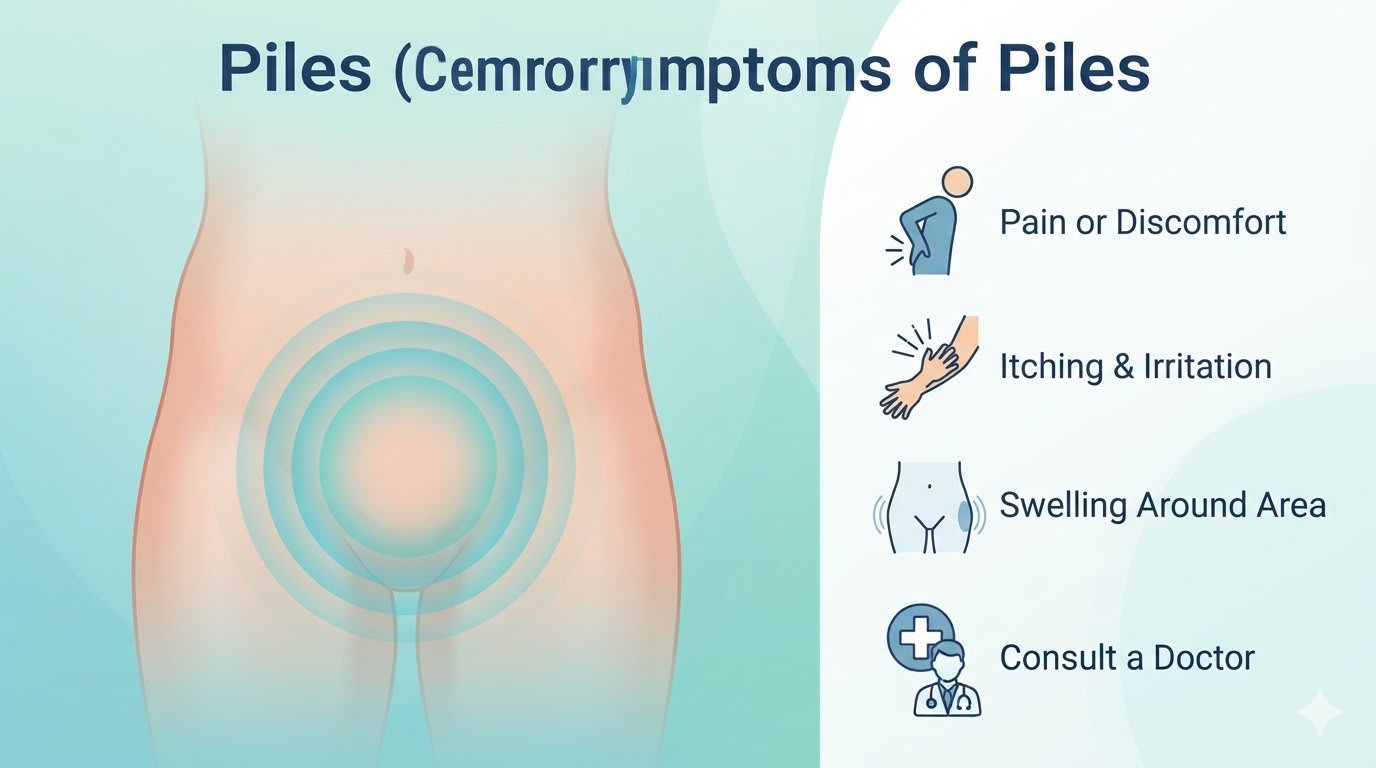
The following are commonly reported piles symptoms. A person may have only one symptom or several at the same time.
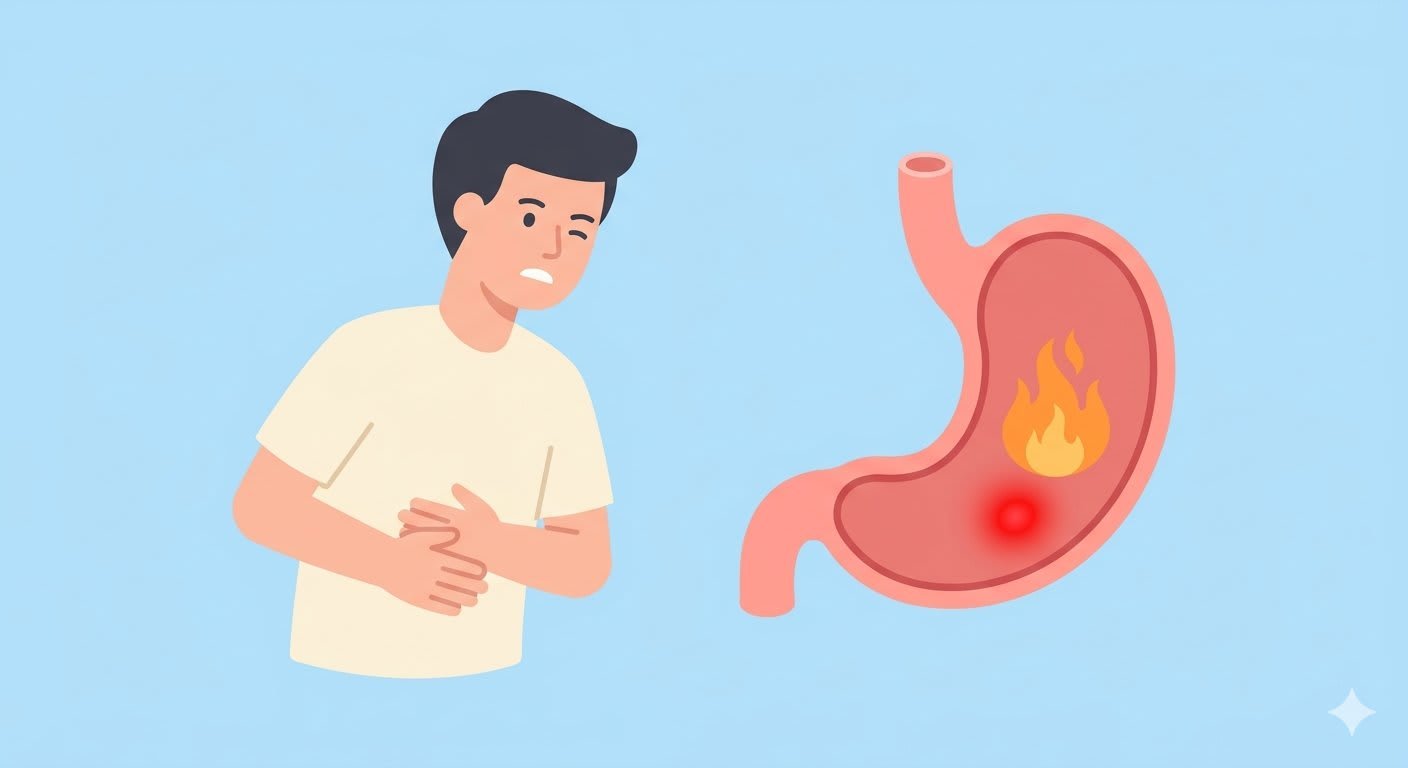
- Bright-red rectal bleeding: A small amount of fresh red blood may appear on toilet paper, on the surface of stool or in the toilet bowl after passing stool. Internal haemorrhoids are a frequent cause, but bleeding has other possible causes.
- Anal itching (pruritus): Irritation may occur around the anal opening, sometimes because mucus or small amounts of stool irritate the surrounding skin.
- A lump or swelling: A soft lump may be felt near the anus. A suddenly painful, firm or bluish lump can indicate a thrombosed external haemorrhoid—a clot within an external pile.
- Pain or discomfort: External piles may hurt, particularly when sitting, cleaning the area or passing stool. Uncomplicated internal piles are usually painless.
- Mucus or dampness: Some people notice mucus on underwear or toilet paper, especially if an internal haemorrhoid protrudes.
- Prolapse: Internal haemorrhoidal tissue may descend and appear at the anal opening during or after a bowel movement.
- Incomplete-emptying sensation: A person may feel that they still need to pass stool after using the toilet. This sensation is not specific to piles.
- Difficulty cleaning the anal area: Protruding tissue, skin tags or irritation can make hygiene difficult.
This guide is educational, not a diagnostic test.
2. Symptoms according to the type of piles
Internal haemorrhoids
Internal haemorrhoids develop inside the anal canal, above the dentate line, where sensation to ordinary cutting pain is less pronounced. The classic presentation is painless, bright-red bleeding during defecation. Some people notice tissue protruding from the anus. Internal piles may not be visible from outside, and a person can have them without feeling a lump.
External haemorrhoids
External haemorrhoids occur beneath the sensitive skin around the anal opening. They may cause a palpable lump, itching, swelling, irritation or pain. Pain can become marked if a clot forms. Not every external lump is a haemorrhoid; skin tags, fissures, abscesses and other conditions can produce similar findings.
Thrombosed external haemorrhoid
A thrombosed haemorrhoid contains a blood clot. It often presents suddenly as a firm, very tender lump, sometimes blue or purple in colour. Pain may be intense, particularly during the first few days. A clinician can assess whether pain control, observation or a procedure is appropriate; do not try to puncture or drain the lump yourself.
Prolapsing internal haemorrhoid
A prolapsing pile slides down towards or through the anal opening. It may go back inside by itself, need gentle repositioning after medical advice, or remain outside. Persistent protrusion can cause mucus leakage, irritation and difficulty keeping the area clean. Severe pain or tissue that becomes trapped needs urgent clinical assessment.
3. What does piles bleeding look like?
Bleeding from internal haemorrhoids is often described as fresh, bright-red blood. It may be seen as a streak on the stool, a spot on toilet paper or a few drops in the toilet bowl. The blood is commonly noticed during or just after passing stool. This appearance can be consistent with piles, but it does not prove that piles are the cause. Dark-red or maroon blood, black tarry stool, blood mixed throughout the stool, recurrent bleeding, or bleeding accompanied by abdominal pain, diarrhoea, unexplained weight loss or a persistent change in bowel habits requires medical evaluation. Depending on age, history and examination findings, a clinician may recommend further tests, including endoscopic evaluation.
4. Do piles always cause pain?
No. Pain is not present in every case. Uncomplicated internal haemorrhoids commonly cause painless bleeding rather than pain. External haemorrhoids can be uncomfortable because the skin around the anus is sensitive. A clot in an external pile can cause sudden, substantial pain and swelling. Severe or constant anal pain is not something to assume is routine piles. It may indicate a thrombosed haemorrhoid, an anal fissure, an abscess or another problem. Fever, chills, pus, rapidly worsening swelling or feeling generally unwell should prompt urgent medical attention.
5. Grades of internal haemorrhoids
Clinicians commonly describe internal haemorrhoids using four grades. The grade describes the degree of prolapse; it does not by itself measure pain or the amount of bleeding.
| Grade | What happens | Possible symptoms |
|---|---|---|
| Grade I | Internal haemorrhoids do not prolapse outside the anal canal. | May cause painless bleeding; often cannot be felt. |
| Grade II | They prolapse during straining or a bowel movement but return inside spontaneously. | Bleeding, temporary protrusion, irritation or mucus. |
| Grade III | They prolapse and need manual repositioning. | Protruding tissue, discomfort, mucus and hygiene difficulty. |
| Grade IV | They remain prolapsed and cannot be pushed back in. | Persistent protrusion, irritation and sometimes significant pain, particularly if trapped or compromised. |
Only an examination can establish the grade. Treatment decisions also depend on bleeding, discomfort, impact on daily life, other medical conditions and patient preference.
6. Conditions that can look like piles
Several anorectal and bowel conditions can cause symptoms that overlap with piles symptoms. The distinction matters because treatment differs.
| Condition | Features that may help distinguish it |
|---|---|
| Anal fissure | A small tear that often causes sharp, cutting pain during bowel movements, sometimes with a small amount of bright-red blood. |
| Perianal abscess | Constant throbbing pain, tender swelling, warmth, fever or pus; requires prompt medical assessment. |
| Anal fistula | A small opening near the anus with recurrent discharge, pus or irritation; sometimes follows an abscess. |
| Rectal prolapse | A larger segment of rectal tissue protrudes through the anus; it is different from a haemorrhoidal prolapse. |
| Inflammatory bowel disease | Bleeding may occur with diarrhoea, urgency, abdominal pain or mucus. |
| Colorectal polyps or cancer | May cause rectal bleeding, anaemia or a change in bowel habits; sometimes there are no early symptoms. |
Symptoms alone cannot reliably distinguish these conditions. A proper examination is particularly important for first-time bleeding, persistent symptoms or a new anal lump.
7. Causes and risk factors
Haemorrhoidal symptoms are associated with pressure and strain on the supporting tissues and blood vessels in the anal canal. Common contributing factors include:
- Constipation and repeated straining to pass hard stool.
- Spending a long time sitting on the toilet, particularly while using a phone.
- Chronic diarrhoea or frequent bowel movements that irritate the anal area.
- A diet low in fibre, which can contribute to hard stools and straining.
- Pregnancy, when pressure in the pelvic and rectal veins increases.
- Age-related weakening of supporting tissues.
- Overweight or obesity and repeated heavy lifting in some people.
These factors increase the likelihood of symptoms but do not mean that every person with constipation or a low-fibre diet will develop piles. Haemorrhoids are common and can occur without one obvious cause.
8. How doctors diagnose piles
A clinician usually begins by asking when the symptoms started, whether there is bleeding or pain, whether a lump comes out during bowel movements, and whether bowel habits have changed. Details such as stool consistency, straining, medicines (including blood thinners), family history and previous bowel disease may be relevant.
Examination
- External inspection: The clinician looks for swelling, external haemorrhoids, a fissure, skin tags, discharge or prolapsed tissue.
- Digital rectal examination: When appropriate, a lubricated gloved finger is used to assess the anal canal and rectum for tenderness, masses or other abnormalities.
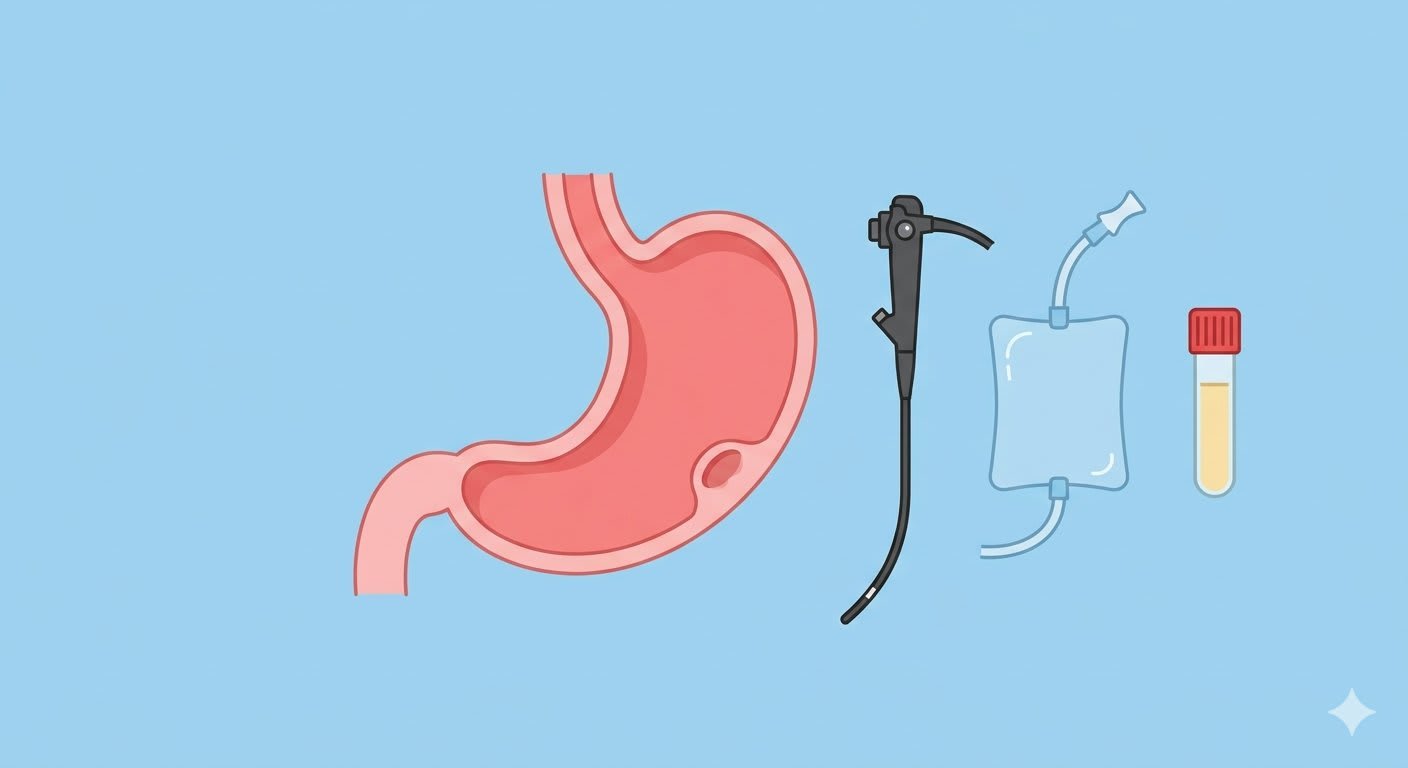
- Anoscopy or proctoscopy: A short viewing instrument may be used to inspect the anal canal and identify internal haemorrhoids.
- Further bowel investigation: Sigmoidoscopy or colonoscopy may be considered when bleeding or other features need investigation, based on age, risk factors, examination and screening history.
A diagnosis of piles should not prevent investigation of a separate cause of bleeding when the clinical picture warrants it.
9. Warning signs: when to seek medical help
Seek emergency care now if:
- Bleeding is continuous, heavy, or accompanied by large blood clots.
- You feel faint, dizzy, unusually weak, breathless or collapse—these can be signs of significant blood loss.
- You have severe or rapidly worsening anal pain, particularly with fever or feeling very unwell.
Arrange prompt medical assessment if:
- You notice rectal bleeding for the first time, or bleeding keeps returning.
- There is a new, persistent or changing lump near the anus.
- You have unexplained weight loss, fatigue, possible anaemia, abdominal pain or a persistent change in bowel habits.
- You have black or tarry stool, maroon blood, or blood mixed through the stool.
- There is pus, fever, chills or increasing redness and swelling around the anus.
- Symptoms are worsening or have not improved after about one week of sensible home care.
People taking anticoagulants or antiplatelet medicines, or those with a bleeding disorder, should seek individual medical advice about rectal bleeding. Do not stop prescribed medicines without speaking to the prescriber.
10. What to do if you have symptoms
For mild symptoms that have already been assessed as haemorrhoids, the first aim is to reduce straining and keep stool soft. These measures can ease discomfort and help prevent recurrence.
Practical steps
- Increase dietary fibre gradually. Include vegetables, fruit, pulses, whole grains, nuts and seeds as tolerated. Increasing fibre slowly may reduce bloating.
- Drink adequate fluids. Follow your clinician’s advice, especially if you have heart, kidney or other conditions that require fluid restriction.
- Respond to the urge to pass stool. Avoid delaying bowel movements and avoid prolonged sitting on the toilet.
- Do not strain or force a bowel movement. A footstool that raises the knees slightly may help some people adopt a more comfortable position.
- Keep the area clean gently. Use water or unscented, non-irritating wipes and pat dry; avoid vigorous rubbing and fragranced products.
- Try a warm sitz bath. Sitting in comfortably warm—not hot—water for around 10–15 minutes may temporarily soothe discomfort.
- Ask a pharmacist or clinician before using creams. Some products relieve itching or pain temporarily. Steroid-containing creams should generally not be used for longer than the product instructions or clinician’s advice; prolonged use can thin the skin.
What about fibre supplements or laxatives?
A clinician or pharmacist may suggest a bulk-forming fibre supplement such as psyllium, or a suitable stool-softening treatment, when diet alone is not enough. Introduce fibre with adequate fluid and check suitability if you have swallowing difficulty, bowel obstruction symptoms or significant abdominal pain. Do not repeatedly self-treat unexplained bleeding with laxatives or piles medicines instead of seeking assessment.
When are procedures needed?
If symptoms persist despite conservative care, a clinician may discuss office procedures such as rubber band ligation, sclerotherapy or infrared coagulation for selected internal haemorrhoids. Larger, advanced or recurrent haemorrhoids may require surgery. The best option depends on the type and grade of haemorrhoids, symptoms and individual circumstances.
11. Prevention and reducing recurrence
There is no guaranteed way to prevent every episode, but habits that reduce constipation and straining can lower the chance of recurring piles symptoms.
- Make fibre-rich foods a regular part of meals.
- Stay physically active according to your health and mobility.
- Maintain a regular toilet routine without rushing or straining.
- Limit unnecessary time on the toilet.
- Address persistent constipation or diarrhoea with a healthcare professional.
- Seek assessment for recurrent bleeding rather than repeatedly assuming it is haemorrhoids.
12. Common misconceptions about piles
Myth 1: Every episode of bright-red bleeding is piles
Fact: Haemorrhoids are one possible cause, but fissures, inflammation, polyps and cancers can also bleed. New or recurrent rectal bleeding needs assessment.
Myth 2: Piles always cause pain
Fact: Internal haemorrhoids often cause painless bleeding. Pain is more typical of external haemorrhoids, thrombosis, fissures or other complications.
Myth 3: A cream will cure every type of piles
Fact: Creams may provide temporary relief from itching or discomfort, but they do not correct every prolapsing or advanced haemorrhoid. Persistent symptoms may need examination and a procedure.
Myth 4: Surgery is always required
Fact: Many people improve with bowel-habit and dietary measures. Some need office-based procedures; surgery is reserved for selected cases.
Myth 5: If bleeding stops, investigation is never needed
Fact: Intermittent bleeding can still have causes other than piles. A clinician should decide whether further evaluation is appropriate.
13. Frequently asked questions about piles symptoms
1. What are the first signs of piles?
Early signs may include a small amount of bright-red blood after passing stool, anal itching, mild irritation or a small lump near the anus. Some internal haemorrhoids cause no noticeable symptoms until bleeding or prolapse occurs.
2. Can piles occur without bleeding?
Yes. External haemorrhoids may cause a lump, itching, swelling or pain without bleeding. Internal haemorrhoids may also be present without symptoms.
3. Are piles painful or painless?
Uncomplicated internal piles are commonly painless, although they may bleed. External piles can be painful, particularly if a blood clot develops. Severe pain should be assessed rather than assumed to be ordinary piles.
4. What colour is blood from piles?
When haemorrhoids bleed, the blood is often bright red and noticed on toilet paper, the stool surface or in the toilet bowl. Colour alone cannot identify the cause, so rectal bleeding should be discussed with a healthcare professional.
5. Can piles cause itching?
Yes. Mucus, moisture, prolapsing tissue and difficulty cleaning the area can irritate the skin around the anus and cause itching. Over-cleaning or fragranced wipes can make irritation worse.
6. Can piles cause a lump outside the anus?
Yes. External haemorrhoids can form a lump under the skin, and internal haemorrhoids can protrude during a bowel movement. A new lump may have another cause, so examination is useful.
7. How can I tell the difference between piles and an anal fissure?
A fissure often causes sharp or tearing pain during and after passing stool, sometimes with a small amount of bright-red blood. Internal piles more often cause painless bleeding. These patterns overlap, so a clinician may need to examine the area.
8. Can piles go away on their own?
Mild symptoms often settle over several days with softer stools and less straining. A prolapsing or recurrent haemorrhoid may persist or return. Seek medical advice if symptoms worsen, bleeding occurs or there is no improvement after about a week of home care.
9. When should rectal bleeding be treated as urgent?
Heavy or continuous bleeding, large clots, faintness, dizziness or collapse require emergency care. Fever, pus or severe worsening pain also needs urgent assessment.
10. Can piles cause anaemia?
Significant or repeated blood loss from haemorrhoids can rarely contribute to iron-deficiency anaemia. Tiredness, breathlessness, palpitations or pallor should be assessed; clinicians should also look for other sources of blood loss.
11. Do piles cause abdominal pain?
Abdominal pain is not a typical defining symptom of uncomplicated piles. If abdominal pain occurs with rectal bleeding, vomiting, fever, diarrhoea or a change in bowel habits, seek medical assessment.
12. Which doctor should I consult for piles symptoms?
A primary-care doctor, general surgeon or colorectal surgeon can assess suspected haemorrhoids. A gastroenterologist may be involved when bowel symptoms or investigation of the colon is needed.
14. Summary
- The common piles symptoms include bright-red rectal bleeding, itching, swelling, a lump, discomfort, mucus and prolapse.
- Internal haemorrhoids often bleed without pain; external haemorrhoids are more likely to cause a tender lump or soreness.
- A sudden, very painful lump may be a thrombosed external haemorrhoid.
- Rectal bleeding is not automatically caused by piles. Fissures, inflammatory bowel disease, polyps and colorectal cancer are among other possible causes.
- Diagnosis may involve inspection, a rectal examination and, when indicated, anoscopy or further bowel investigation.
- Fibre, adequate fluids where medically appropriate, avoiding straining and limiting toilet time can help many mild cases.
- Heavy bleeding, faintness, severe pain, fever or pus requires urgent care.
15. Conclusion
Recognising the pattern of piles symptoms can help people seek the right care early. Bright-red bleeding, itching, a lump or tissue protrusion may be related to haemorrhoids, but none of these symptoms confirms the diagnosis by itself. The safest approach is to arrange an examination for rectal bleeding or persistent symptoms, adopt bowel habits that reduce straining, and seek urgent help for heavy bleeding, faintness, severe pain or signs of infection. Treatment is usually tailored to the type and severity of haemorrhoids rather than based on symptoms alone.
16. Medical disclaimer
This article is for general educational purposes and does not provide an individual diagnosis or replace consultation with a qualified healthcare professional. Do not delay medical care because of information in this article. Rectal bleeding, persistent anal pain, a new lump or a change in bowel habits should be assessed by a clinician. Treatment and medication choices depend on the person’s medical history, examination and other medicines. Emergency symptoms require urgent in-person care.
17. References and further reading
- National Institute of Diabetes and Digestive and Kidney Diseases (NIDDK). Symptoms & Causes of Hemorrhoids.
- NIDDK. Diagnosis of Hemorrhoids.
- NIDDK. Treatment of Hemorrhoids.
- National Health Service (NHS). Piles (haemorrhoids).
- Mayo Clinic. Hemorrhoids: Symptoms and causes.
- Mayo Clinic. Hemorrhoids: Diagnosis and treatment.
- American Society of Colon and Rectal Surgeons (ASCRS). Hawkins AT, et al. The American Society of Colon and Rectal Surgeons Clinical Practice Guidelines for the Management of Hemorrhoids. Diseases of the Colon & Rectum. 2024;67(5):614–623.
- American Society of Colon and Rectal Surgeons. Hemorrhoids: Patient information.
Suggested YouTube learning resource: Search for patient-education videos on haemorrhoids and piles. Choose a video from a recognised hospital, government health service or qualified colorectal specialist; video content should not replace medical assessment.