Tympanosclerosis Treatment Without Surgery: What You Need to Know About Eardrum Scarring
Author: Dr Sagar Rajkuwar, ENT Specialist, Nashik, Maharashtra, India
🌐 www.entspecialistinnashik.com
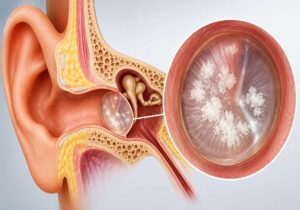
Tympanosclerosis is a condition characterized by calcification and scarring of the eardrum, sometimes expanding into the middle ear. Following recurrent ear infections, ear surgery, or hearing issues, a lot of individuals find it during an ENT exam.
Tympanosclerosis is not a serious problem for everyone. Others may experience ear pain, a blocked sensation, or problems with their hearing as a result. Since surgery might seem intimidating, many people look for “tympanosclerosis treatment without surgery” online, expecting to discover safer or more organic solutions.
However, is it possible for tympanosclerosis to heal without surgery?
The severity of scarring, the existence of hearing loss, and whether the middle ear bones are involved all influence the outcome. This thorough manual examines the symptoms, causes, diagnosis, non-surgical therapies, possibilities for hearing improvement, lifestyle advice, and the circumstances under which surgery could be required.
Table of Contents
- What Exactly Is Tympanosclerosis?
- What Causes Tympanosclerosis?
Symptoms of Tympanosclerosis - Does tympanosclerosis lead to hearing loss?
- Is Tympanosclerosis Dangerous?
- Can Tympanosclerosis Go Away Naturally?
- Tympanosclerosis Treatment Without Surgery
- Tympanosclerosis Hearing Aids
- Lifestyle Advice and Home Care
- When Is Surgery Required?
- Tests on Hearing and Diagnosis
- Tympanosclerosis vs Myringosclerosis
- Is it Possible for Children to Have Tympanosclerosis?
- Guidelines for Prevention
- When to Consult an ENT Specialist
- Summary
What Exactly Is Tympanosclerosis?
Calcium deposits cause the eardrum to scar and harden, a condition known as tympanosclerosis. The eardrum usually stays slim and flexible so that it can vibrate when sound waves enter the ear.
The membrane may become stiff, thickened, and less mobile when scar tissue grows. This could interfere with regular hearing.
During an ear exam, physicians sometimes find chalky white spots. The calcium accumulation is indicated by these areas.
In some cases, only the eardrum is involved. Calcification may also occur in the middle ear structures and microscopic auditory bones in more serious circumstances.
What Causes Tympanosclerosis?
According to specialists, tympanosclerosis is a result of an odd healing process brought on by ear damage or inflammation.
Causes include:
- Persistent ear infections
- Persistent infection in the middle ear
- Ear drum tear
- Ear glue
- Surgery to place ear tubes
- prior ear surgery
- Injury or trauma to the ear
- Chronic middle ear inflammation
Individuals who often experience otitis media may have a greater risk.
Symptoms of Tympanosclerosis
Many individuals are unaware that they suffer from minor tympanosclerosis. Typically, symptoms manifest when hearing is impacted.
Typical Signs
- Hearing damage
- On the eardrum, white patches appear.
- Fullness in the ear
- Minor ear pain
- Having trouble understanding what is said
- Less audible clarity
- Hearing is muffled.
Unless there is a simultaneous active infection, pain is uncommon.
Does tympanosclerosis lead to hearing loss?
Yes. Conductive hearing loss may be caused by tympanosclerosis.
When the outer or middle ear prevents sound from passing through properly, conductive hearing loss develops.
Vibrations are reduced if the eardrum becomes overly firm. Hearing may get worse if the middle ear bones are damaged.
Depending on how much scarring there is, the severity might range from mild to severe.
Is Tympanosclerosis Dangerous?
Tympanosclerosis is often not fatal in and of itself.
Unaddressed hearing loss, however, can impact:
- The transfer of information
- Work productivity
- Children learning
- Interaction with others
- Psychological health
A significantly worse quality of life might result from severe hearing loss.
Can Tympanosclerosis Go Away Naturally?
Unfortunately, scar tissue on the eardrum does not normally disappear spontaneously.
After calcium deposits have formed, they typically last forever.
However, surgery isn’t required for all patients.
Without intrusive intervention, some individuals keep their hearing intact for years.
Tympanosclerosis Treatment Without Surgery
The primary goals of non-surgical treatment are to enhance hearing, prevent additional ear damage, and control symptoms.
1. Consistent ENT Follow-ups
Observation alone is usually enough for mild tympanosclerosis.
Your ENT specialist might suggest:
- Regular hearing exams (every 6 to 12 months)
- Examinations of the ear
- Watching out for infections
Surgery might not be required if hearing is still steady.
2. Aids for hearing
One of the most efficient non-surgical treatments is hearing aids.
They enhance conversation and increase sound.
Advantages include:
- Improved intelligibility
- Increased engagement in social activities
- Decreased listening effort
- Better daily performance
Today’s hearing aids are compact, digital, and extremely configurable.
3. Preventing ear infections
Recurrent infections might aggravate ear injury.
Key prevention strategies include:
- Treat colds right away.
- Stay away from smoking and passive smoke exposure.
- Handle allergies
- Keep ears dry while swimming
- Avoid inserting cotton swabs in your ears
4. Sinus and Allergy Management
Middle ear pressure may be impacted by long-term allergy or sinus problems.
Future ear problems may be lessened by treating nasal congestion.
Helpful methods include:
- Rinses for the nose that contain saline
- Handling Allergies
- inhaling steam
- Avoiding ingredients that cause allergies
5. Guarding the Ears From Loud Noises
Generally, noise exposure can aggravate hearing issues.
Use hearing protection in these situations:
- Performances
- Work in factories
- Exposure to fireworks
- Use of loud machinery.
6. Habits for a Healthy Lifestyle
Hearing protection could be impacted by overall wellness.
Useful routines include the following:
- Consistent exercise
- High-quality sleep
- Maintaining hydration
- lower stress
- Don’t light up.
Tympanosclerosis Hearing Aids
Many patients successfully manage their hearing loss using only hearing aids.
Include the following:
- Hearing aids that sit behind the ear
- In-the-ear gadgets
- Devices that use bone conduction
Hearing tests can help an audiologist determine the optimal course of action.
Lifestyle Advice and Home Care
Though house cures cannot get rid of scar tissue, they may make the ear feel more at ease and lessen problems.
Helpful Information
- Don’t smoke.
- Early treatment for sinus infections
- Maintain a high level of hydration.
- Stay away from places that are really noisy.
- As prescribed, use drugs only.
- Do not use any oil or materials inside the ears without first consulting a doctor.
Foods That Are Beneficial For The Ears
Although there is no food that can treat tympanosclerosis, a balanced diet promotes nerve function and circulation.
Food That Is Healthy for Your Ears
- Green, leafy veggies
- omega-3-rich fish
- Seeds and nuts
- Fruits from citrus trees
- Berries.
- Garlic
- Turmeric
Oxidative stress to the auditory system can be minimized by antioxidants.
When Is Surgery Required?
Surgery may be an option when:
- Significant hearing loss occurs.
- Regular communication is impacted.
- The middle ear bones are destroyed.
- Hearing aids don’t offer enough improvement.
Possible procedures include:
- Tympanoplasty
- Myringoplasty
- Reconstruction of the Ossicular Chain
The objective of these procedures is to repair sound conduction.
Tests on Hearing and Diagnosis
ENT physicians identify tympanosclerosis using hearing tests and examination.
Diagnostic Approaches in General
Otoscopy
Using a lighted tool, the doctor examines the inside of the ear.
Hearing test
Checks for hearing impairment.
Tympanometry
Checks the middle ear pressure and the movement of the eardrum.
CT Scan
Used occasionally in complicated circumstances.
Tympanosclerosis vs Myringosclerosis
Even though these words are related, they are not quite the same.
Myringosclerosis
Only the eardrum is scarred.
Tympanosclerosis
Structures within the middle ear are affected by scarring.
Generally, tympanosclerosis raises your chance of hearing loss.
Is it Possible for Children to Have Tympanosclerosis?
Yes, there is.
Tympanosclerosis can affect youngsters who have had numerous ear infections or had ear tube implantation.
Hearing should be closely watched, even though the majority of cases continue to be mild.
Guidelines for Prevention
You can lower your risk by:
- Prompt treatment of ear infections
- Don’t smoke.
- Coping With Allergies
- During flights, protect your ears.
- Avoiding unnecessary trauma to the ear
When to Consult an ENT Specialist
If you detect the following symptoms, get medical help:
- Ongoing hearing damage
- Pain in the ear
- Discharge from the ear
- Having tinnitus
- Vertigo
- White patches are present on the eardrum.
Complications can be avoided by early diagnosis.
Questions That Are Often Asked
Is it possible to heal tympanosclerosis without surgery?
Even while scars rarely go away on their own, surgery might not be necessary in mild instances.
Is hearing loss permanent?
Depending on its severity, surgery or hearing aids may be able to lessen certain hearing loss.
Do hearing aids actually work?
Yeah. With hearing aids, a large number of patients see a remarkable improvement in their hearing.
Does tympanosclerosis hurt?
Not normally, unless there is an illness.
Is tympanosclerosis something that youngsters may have?
Yes, especially following recurrent ear infections or ear tube operation.
Does everyone with tympanosclerosis require surgery?
No, not in any way. Only observation is needed for a lot of mild situations.
Summary
Tympanosclerosis is a fairly common ear disorder characterized by calcium deposits and scarring on the eardrum and middle ear components. Many individuals may successfully manage their symptoms without surgery, even if the scar tissue often doesn’t go away on its own.
Regular ENT monitoring and hearing protection may be sufficient for minor cases. Hearing aids and lifestyle changes are frequently quite beneficial to those who have hearing loss.
An operation might not be necessary for everyone, but surgery may be able to restore hearing in more severe cases. The greatest methods to maintain long-term hearing health continue to be early identification and good ear care.
Medical Disclaimer
This article is for informational and educational purposes only and should not replace professional medical advice, diagnosis, or treatment. Always consult a qualified ENT specialist or healthcare provider regarding any ear symptoms, hearing loss, or treatment decisions.
Primary Topic Cluster: Otitis Media (Middle Ear Infection)
Pillar Article
Symptoms & Diagnosis
Chronic Otitis Media Cluster
- https://healthuseful.com/chronic-otitis-media/
- https://healthuseful.com/treatment-of-chronic-otitis-media/
- https://healthuseful.com/chronic-otitis-media-effusion/
Specific Types of Otitis Media
- https://healthuseful.com/otitis-media-nonsuppurative/
- https://healthuseful.com/otitis-media-paediatric/
Primary Topic Cluster: Tympanosclerosis
Pillar Article
Causes & Risk Factors
Treatment Cluster
- https://healthuseful.com/tympanosclerosis-treatment-without-surgery/
- https://healthuseful.com/tympanosclerosis-surgery-success-rate/
Symptoms & Complications
Comparison Articles
- https://healthuseful.com/tympanosclerosis-vs-otosclerosis/
- https://healthuseful.com/tympanosclerosis-vs-cholesteatoma/