Why are polyps so common?
Author: Dr Sagar Rajkuwar, ENT Specialist, Nashik, Maharashtra, India
🌐 www.entspecialistinnashik.com
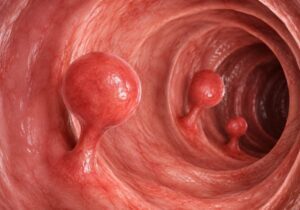
Polyps are quite prevalent, occurring in 30–50% of colonoscopies, mostly because they are caused by genetic alterations and are a normal part of the aging process. When cells in the body, especially in the colon, divide quickly, frequently as a result of environmental variables like diet and lifestyle, these aberrant cell clumps develop.
Major Causes of Widespread Incidence:
Aging: Polyps are a frequent discovery as people get older because their prevalence rises dramatically after the age of 45.
Genetic Mutations: The majority of colon polyps are brought on by sporadic genetic mutations, which are random mistakes in the cell’s genetic makeup, while others are inherited.
Chronic inflammation: Polyp formation can be brought on by persistent tissue irritation, which is why inflammatory bowel illnesses like Crohn’s disease or ulcerative colitis frequently induce it.
Lifestyle Factors: Polyps are more likely to develop as a result of obesity, smoking, excessive alcohol consumption, and diets rich in fat and low in fiber.
Kinds and Risks: Adenomatous Polyps: These are the most prevalent kind, and if they are not removed, they may develop into cancer.
Hyperplastic Polyps: Often benign and do not become cancerous. Although they are prevalent, they are often harmless, and routine screening, such as a colonoscopy, enables their identification and removal, warding off additional health complications.
Table of contents
- Introduction – Why Are Polyps So Common?
- Polyps in the colon
- Different Kinds of Colon Polyps
- Causes and Symptoms
- Tests and diagnosis
- Administration and Treatment
- Outlook/Prognosis
- Prevention
- Living With
- Summary – Why Are Polyps So Common?
- ❓ FAQ – Why Are Polyps So Common?
Introduction – Why Are Polyps So Common?
Polyps are aberrant tissue growths that can occur in several locations of the body, such as the nose, colon, stomach, uterus, and vocal cords. “Why are polyps so common?” is a question that many ask. The combination of aging, heredity, allergies, infections, lifestyle variables, environmental exposure, and chronic inflammation, which can induce excessive tissue development over time, is the cause.
Because the tissues lining these organs are continuously subjected to irritation, inflammation, bacteria, allergens, pollution, or dietary factors, some forms of polyps, like colon polyps and nasal polyps, are more prevalent. The likelihood of developing polyps can be further increased by factors such as smoking, obesity, family history, asthma, inflammatory bowel disease, and chronic sinusitis.
The majority of polyps are benign, but if certain varieties, notably colon polyps, are left untreated, they may occasionally turn malignant. For minimizing complications and preserving long-term health, early diagnosis, routine screening, and appropriate medical care are essential.
The primary risk factors, common symptoms, prevention methods, and circumstances under which medical attention should be sought are all covered in this article, along with the reasons why polyps are so prevalent.
Polyps in the colon
Colon polyps resemble tiny bumps that develop on the inside lining of your colon or rectum. Although most varieties are harmless, some can develop into colon cancer over several years. When healthcare providers find colon polyps during a regular colonoscopy, they remove them.
Colon polyps are what?
Colon polyps are growths on the inner lining of the colon (large intestine). A cluster or mass of aberrant cells is what defines them as a tumor. Tumors called polyps develop from the mucous membrane of hollow organs, such as the gastrointestinal tract, nose, or female reproductive system.
A large number of colon polyps are benign, although they are widespread. If, however, certain varieties are not eliminated, they may develop into cancer. This is why a colonoscopy, a procedure conducted within your colon, checks for polyps. Although polyps are not cancerous, nearly all colorectal malignancies originate from a polyp.
What are the various kinds of colon polyps?
There are a few ways that healthcare professionals categorize colon polyps. By observing the form, for example. A polyp is called “pedunculated” if it resembles a mushroom, complete with a “head” and “stalk.” They refer to it as “sessile” if it lacks a stem and has a larger base that resembles an elevated lump.
In addition to its appearance under a microscope, providers also take into account the polyp’s appearance. Because they grow and develop using different methods, different types have different microscopic characteristics. The same processes also determine whether a polyp can develop into cancer. Therefore, various kinds possess varying degrees of cancerous potential.
Different Kinds of Colon Polyps
The following are examples of colon polyps:
- Polyps with adenomatous glands (adenomas).
- adenomas in tubules.
- Adenomas with villous features.
- Adenomas with a tubulovillous structure.
- Polyps with serrations.
- Polyps that are hyperplastic.
- non-motile, serrated lesions.
- Adenomas with traditional serration.
- hamartomas (juvenile polyps).
- Inflammatory (pseudopolyps).
- Polyps that are non-neoplastic vs. neoplastic
To determine whether a colon polyp may develop into cancer, healthcare professionals categorize it as either neoplastic or non-neoplastic. Cancer can result from neoplastic polyps. Polyps that are not neoplastic cannot.
Neoplastic polyps consist of:
- Every adenomatous polyp (adenoma).
- Immobile serrated lesions.
- Adenomas with traditional serrated edges.
- Polyps that are not neoplastic are:
Polyps that are hyperplastic.
Polyps in children.
inflammatory fake polyps.
What is the prevalence of colon polyps?
Particularly with advancing age, colon polyps become more prevalent. They have an impact on 6% of children, around 20% of all adults, and 40% of adults over the age of 50. Anyone can get colon polyps and colon cancer, no matter their gender or family’s origin. However, they are generally somewhat more prevalent in Western countries.
What proportion of colon polyps are malignant?
During a colonoscopy, healthcare professionals remove the majority of colon polyps because they may develop into cancer. However, they seldom develop into cancer, and when they do, it happens over a long period of time. Polyps are removed during regular colonoscopies before they have the chance to develop into cancer.
Adenomatous polyps are the source of about 75% of colorectal cancers, and they make up about 80% of all colon polyps. However, only about 5% of adenomas are truly cancerous. The risk of a typical, average-sized colon polyp turning malignant is predicted to be 8% after 10 years and 24% after 20 years.
Causes and Symptoms
What are the signs of colon polyps?
The majority of colon polyps and a large number of colorectal malignancies are asymptomatic. For this reason, screening—testing for illnesses before symptoms occur—is essential. The polyp has usually already become cancerous by the time you experience symptoms.
Although rare, potential symptoms include:
- Signs of bleeding in the colon and rectum. Blood in your stool or when you wipe may be a sign of bleeding polyps. You might not notice a slow bleed, but you could experience it after a while. It’s possible that you could get iron deficiency anemia, which can have symptoms such as exhaustion and weakness.
- inexplicable shifts in bowel habits. Some people experience unexpected changes in their bowel movements, such as chronic diarrhea, constipation, or excessive mucus in their feces. Although there are many more probable causes for these symptoms than polyps, they are worth investigating, particularly if you are unable to account for them.
What are the causes of colon polyps?
The majority of colon polyps are sporadic, meaning that they develop at any time. On the other hand, certain individuals have hereditary diseases—disorders that run in their families—that lead to the development of colon polyps. These syndromes can increase the risk of cancer and result in significant quantities of specific forms of polyps.
What is the primary cause of colon polyps?
The primary cause of colon polyps is genetic mutations. These are flaws in the genetic code that your cells utilize in order to replicate themselves. There are greater opportunities for mistakes to happen because the cells in your colon lining regenerate frequently. They develop and act differently as their code evolves.
Certain gene mutations are inherited in families (these are hereditary syndromes). Some seem to be arbitrary, but there may be a variety of factors at play. Researchers hypothesize that environmental risk factors and genetic predisposition may contribute to the development of sporadic colon polyps.
What are the factors that contribute to the formation of colon polyps?
Genetics: If you have a first-degree family member who has had colon polyps, you are more likely to have them sometimes. It’s possible that you also have colon polyps linked to a particular genetic condition.
Some of the genetic conditions that lead to the development of colon polyps are:
- Familial adenomatous polyposis (FAP).
- Peutz-Jegher syndrome.
- polyposis linked to MUTYH.
- Syndrome of Gardner.
- syndrome of hamartoma tumors in the PTEN.
- Syndrome of Turcot.
- syndrome of serrated polyposis.
- Syndrome of polyposis in children.
Environment: Environmental risk factors are aspects of your life, such as where you live and how you live, that might impact the health of your colon. They include your lifestyle practices, social environment, and physical environment.
Colon polyps might be caused by a number of environmental risk factors, such as:
- Aging.
- smoking.
- Alcohol abuse.
- A diet high in fat and low in fiber.
- Not enough exercise.
- Obesity.
- Diabetes.
- inflammatory bowel illness
Exclusions include inflammatory pseudopolyps, which are not real polyps and are not the result of genetic abnormalities. They are ulcers that healed to produce bump-like scars resembling polyps. These ulcers are typically brought on by colitis, a chronic inflammation of the colon. They frequently have a connection to inflammatory bowel illness (IBD).
Tests and diagnosis
What methods are used to identify colon polyps?
A colonoscopy is the most effective technique for detecting and identifying colon polyps. The lighted camera used in this test allows the doctor to see inside your colon. A colonoscopy enables a healthcare professional to identify and remove polyps in the same operation, whereas other forms of imaging tests can detect colon polyps.
During your colonoscopy, your healthcare professional can insert tools via the colonoscope to remove polyps or collect tissue samples. These samples are sent to a lab for more research. The polyp specimens are examined by a pathologist under a microscope in order to determine the kind and look for cancerous cells.
The use of anesthesia and some preparation are necessary for a colonoscopy, which may be challenging for some individuals. Healthcare practitioners may start with less complicated screening exams for these reasons. But you would still need a colonoscopy to get rid of any colon polyps that were found by another test.
More tests that may indicate colon polyps include:
- Blood samples. From prolonged bleeding, a comprehensive blood count (CBC) may reveal signs of anemia. Electrolyte imbalances might be revealed by a basic metabolic panel. Genetic testing may be beneficial if your family has a hereditary disease to determine if you have the same gene mutations or syndrome.
- Testing the feces. A fecal occult blood test searches for minuscule amounts of blood in your feces. Additional tests examine the DNA in your feces for alterations that might indicate cancer.
- Imaging investigations. Virtual colonoscopy (a form of CT scan) and capsule endoscopy are examples of alternatives to the traditional colonoscopy. In capsule endoscopy, a pill-sized video camera that you swallow performs the colonoscopy. A barium enema, often known as a lower GI X-ray, can also reveal polyps.
What is the typical number of polyps found during a colonoscopy?
The quantity of colon polyps may range from zero to a few. The quantity, size, location, and kind of your polyps are all things that healthcare professionals pay attention to. Because polyps develop so gradually, having fewer and smaller polyps indicates that you are still at a comparatively low risk of getting colorectal cancer.
If you have any of the following, you may be more prone to colon cancer:
- more than three polyps.
- Polyps with a diameter greater than 10 mm (millimeters).
- The right side of your colon (your sigmoid or transverse colon) is where you’ll find polyps.
- Adenomas that are tubuvillous or villous.
- serrated adenomas or sessile serrated lesions.
- an inherited polyposis condition.
Administration and Treatment
What is the treatment for colon polyps?
Unless you only have non-neoplastic varieties, the usual course of therapy is to get rid of colon polyps. In some instances, a pathologist may need to inspect them under a microscope before determining whether they are neoplastic or non-neoplastic. You might have to wait a week or two for your biopsy results and diagnosis.
The likelihood of developing colorectal cancer is reduced by 80% by removing neoplastic polyps. However, if you have had polyps, you are more prone to get them again. Based on the polyps you’ve had in the past, your healthcare practitioner will evaluate your chance of developing more polyps in the future. They will use that risk to plan your next screening.
Colon polyp excision
Most of your colon polyps may be removed during your examination by healthcare professionals who perform colonoscopies, which are typically gastroenterologists or colorectal surgeons. This straightforward operation is known as a polypectomy. In rare circumstances, particular procedures (EMR or ESD) are necessary to get rid of certain polyps.
Colonoscopy monitoring
You might not need another colonoscopy for ten years if it doesn’t discover any neoplastic polyps. However, the timing of your next screening may alter if you have neoplastic polyps removed. Depending on your particular risk factors, your provider may advise you to return in one, three, five, or seven years.
Outlook/Prognosis
What are the dangers of colon polyps?
Due to their possibility to become cancerous, colon polyps can be dangerous. However, the majority of polyps are not malignant when they are discovered. If ignored, some may eventually develop into cancer. To prevent this from occurring, healthcare professionals get rid of them anytime they see them.
Prevention
Is it possible to prevent the development of colon polyps?
The genetic changes that give rise to colon polyps cannot be avoided. However, you may be able to lower your risk by prioritizing your overall health. Colorectal cancer may be prevented by consuming more whole foods, less animal fat, engaging in some physical activity, and refraining from excessive alcohol consumption and smoking.
Living With
What questions should I ask my doctor about my colon polyps?
You may want to inquire:
- What kind of colon polyps do I have?
- Is it possible that my polyps are neoplastic (precancerous) or non-neoplastic (benign, or noncancerous)?
- What are my chances of getting colon cancer: low, medium, or high?
- Is genetic testing for hereditary polyposis syndromes recommended?
- After removing them, how quickly do colon polyps return?
- When should my next colonoscopy screening take place?
Summary – Why Are Polyps So Common?
The frequent exposure of numerous bodily tissues to chronic irritation, inflammation, allergies, infections, hormonal shifts, aging, and environmental stimuli contributes to the prevalence of polyps. The nose, colon, stomach, uterus, or throat are just a few of the locations where these variables might result in aberrant tissue development.
Polyps’ usual risk factors are:
- Persistent inflammation
- Asthma and allergies
- Smoking
- Excessive weight
- Dietary deficiencies
- History of the family
- Ageing
Depending on their location and type, most polyps are harmless, but some might get bigger, produce symptoms, or raise the risk of cancer. Regular screening and medical evaluation are essential for early diagnosis, particularly for colon polyps.
Knowing the cause of polyp development can enable people to take preventative actions, control risk factors, and get therapy as soon as it is needed.
❓ FAQ – Why Are Polyps So Common?
Q1. What causes polyps in people?
The majority of polyps are caused by persistent inflammation, irritation, heredity, aging, infections, or allergies.
Q2. Are polyps prevalent?
Polyps are indeed quite prevalent, particularly in adults over the age of 40.
Q3.What is the root cause of nasal polyps?
The following conditions are frequently associated with nasal polyps:
- Persistent sinusitis
- allergies
- Asthma
- the nasal tissues’ inflammation
Q4. Is every polyp dangerous?
Not. No, the majority of polyps are benign (non-cancerous), but certain kinds can raise the risk of cancer if left untreated.
Q5.Is it possible for polyps to turn into cancer?
Certain polyps in the colon and elsewhere have the potential to turn malignant over time.
Q6.Which individuals are more susceptible to polyps?
Risk factors include:
The past of the family
Smoking
obesity
Inflammation that persists for a long period of time.
Advanced age
Q7. Do allergies cause polyps?
Chronic inflammation and allergies can certainly contribute to the formation of nasal polyps.
Q8. What procedures are used to identify polyps?
Doctors may use:
- Endoscopy
- Colonoscopy
- CT scan
- An examination of the nose
Q9. Do polyps ever go away on their own?
Although some tiny polyps may shrink with treatment, many need to be surgically removed or medically monitored.
Q10. How can polyps be avoided?
Regular screenings, avoiding smoking, allergy management, and healthy lifestyle choices can all help lower risk.
⚠️ Medical Disclaimer
This article is for educational and informational purposes only and should not be considered medical advice, diagnosis, or treatment. Polyps can vary in type, size, location, and severity, and proper medical evaluation is important for accurate diagnosis and management.
Always consult a qualified healthcare professional, ENT specialist, or gastroenterologist if you experience symptoms such as nasal blockage, bleeding, persistent sinus problems, abdominal pain, changes in bowel habits, or unexplained growths. Some polyps may require monitoring, medication, biopsy, or surgical removal.
Do not ignore professional medical advice or delay seeking treatment because of information read online. Seek immediate medical attention for severe symptoms or concerning health changes.
👉 YouTube Channel:
http://www.youtube.com/@healthuseful8539/
📞 ENT Consultation & Surgery
Dr. Sagar Rajkuwar (MS-ENT)
Prabha ENT Clinic, Ambad, Nashik
📱 7387590194 | 9892596635
🌐 www.entspecialistinnashik.com
📲 For Health-Related Articles & Videos
🔹 Facebook: https://www.facebook.com/positivemind.healthcare
🔹 YouTube: http://www.youtube.com/@healthuseful8539/
🔗 Related Articles on Nasal Polyps (ENT Expert Guides)
For detailed, evidence-based information, explore the following articles:
https://healthuseful.com/can-nasal-polyps-turn-cancerous/
https://healthuseful.com/can-nasal-polyps-affect-the-brain/
https://healthuseful.com/what-are-the-symptoms-of-cancerous-nasal-polyps/
https://healthuseful.com/when-to-worry-about-nasal-polyp/
https://healthuseful.com/what-happens-if-nasal-polyps-untreated/
https://healthuseful.com/number-one-cause-of-nasal-polyps/
https://healthuseful.com/how-to-stop-polyp-growth/
https://healthuseful.com/can-nasal-polyps-cause-heart-problems/
https://healthuseful.com/how-to-cure-nasal-polyps-permanently/
https://healthuseful.com/can-ent-see-nasal-polyps/
🔗 Sinus Related Articles (Internal Links)
🤧 Sinus Headache & Symptoms
- https://healthuseful.com/sinus-headache-symptoms/
- https://healthuseful.com/sinus-headache-symptoms-one-side/
- https://healthuseful.com/sinus-headache-symptoms-right-side/
- https://healthuseful.com/sinus-headache-back-of-head/
- https://healthuseful.com/sinus-headache-symptoms-home-remedies/
- https://healthuseful.com/how-to-rid-of-a-sinus-infection-headache/
🦠 Sinus Infection Treatment
- https://healthuseful.com/how-to-get-rid-of-a-sinus-infection-in-24-hours/
- https://healthuseful.com/how-to-get-rid-of-sinus-infection-without-antibiotics/
- https://healthuseful.com/what-kills-a-sinus-infection-naturally/
- https://healthuseful.com/sinus-headache-tablet/
- https://healthuseful.com/how-do-doctors-drain-sinuses-without-surgery/
- https://healthuseful.com/signs-of-sinus-infection-getting-better/
- https://healthuseful.com/signs-of-sinus-infection-getting-better-with-antibiotics/
⚠️ Serious Conditions & Warning Signs
- https://healthuseful.com/end-stages-of-a-sinus-infection/
- https://healthuseful.com/how-to-tell-if-sinus-infection-has-spread-to-brain/
- https://healthuseful.com/how-to-tell-if-sinus-infection-has-spread-to-bone/
- https://healthuseful.com/what-is-a-red-flag-for-sinusitis/
- https://healthuseful.com/when-to-go-to-ae-with-sinusitis/
👁️ Related Symptoms & Complications
- https://healthuseful.com/can-a-sinus-infection-cause-eye-pain/
- https://healthuseful.com/can-sinusitis-affect-your-ears/
- https://healthuseful.com/can-sinus-infection-cause-hair-loss/
- https://healthuseful.com/symptoms-of-perforated-sinus-after-tooth-extraction/
🧠 Causes, Triggers & Misdiagnosis
- https://healthuseful.com/what-triggers-sinusitis-headaches/
- https://healthuseful.com/what-can-be-mistaken-for-a-sinus-infection/
- https://healthuseful.com/what-mimics-sinus-issues/
- https://healthuseful.com/what-can-worsen-a-sinus-infection/
🧬 Nutrition & Deficiency
- https://healthuseful.com/what-vitamin-deficiency-causes-sinus-headaches/
- https://healthuseful.com/what-vitamin-deficiency-causes-sinusitis/
- https://healthuseful.com/what-deficiency-causes-sinusitis/
📘 General Sinus Knowledge
- https://healthuseful.com/what-are-the-four-cardinal-signs-of-sinusitis/
- https://healthuseful.com/is-a-sinus-infection-contagious-with-fever/
- https://healthuseful.com/can-you-smell-a-fungal-sinus-infection/
- https://healthuseful.com/sinusitis-in-hindi/
💰 Treatment & Surgery
- https://healthuseful.com/cost-of-sinus-surgery-in-india/
- https://healthuseful.com/how-to-cure-sinus-permanently/
🧒 Special Cases
🔍 Rare Conditions
📚 References
- Mayo Clinic – Colon Polyps Overview
- Cleveland Clinic – Polyps Information
- National Institute of Diabetes and Digestive and Kidney Diseases (NIDDK)
- American Cancer Society – Colon and Rectal Polyps
- Johns Hopkins Medicine – Nasal Polyps
- MedlinePlus – Nasal Polyps
- American Academy of Otolaryngology–Head and Neck Surgery_)