🌿What herbs are good for polyps?(The Best Natural Remedies for Lowering Inflammation)
Natural remedies and herbs for polyps are mostly used to treat inflammation, strengthen the immune system, and reduce growths, particularly in the nose. Turmeric (curcumin), cayenne pepper (capsaicin), ginger, garlic, bromelain (from pineapples), and golden seal are some of the major choices. Although these can help with symptom management, they should not take the place of medical guidance.
By Dr. Sagar Rajkuwar, ENT Specialist, Nashik, Maharashtra, India
🌐 www.entspecialistinnashik.com
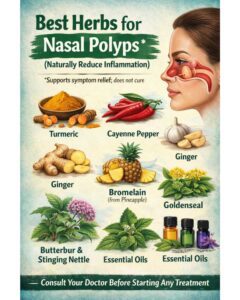
Table of contents
- 🌿 Top Herbs and Natural Remedies for Nasal Polyps
- 💧 Other Effective Natural Approaches
- ⚠️ Important Medical Note
- 🚨 When to Visit a Doctor
- ❓ Frequently Asked Questions (FAQs)
- 📝 Main Conclusion
- Conclusion
🌿 Top Herbs and Natural Remedies for Nasal Polyps
The main mechanism by which natural herbs function is by lowering inflammation, enhancing immunity, and enhancing sinus drainage.
1.Turmeric
Due to its powerful anti-inflammatory and antiseptic qualities, mainly caused by the active ingredient curcumin, turmeric is regarded as a successful natural treatment for treating nasal polyps. It functions by lowering inflammation, decreasing swelling in the nasal airways, and aiding in the relief of symptoms such as sneezing, a runny nose, and congestion.
How to Use Turmeric for Nasal Polyps:
- Turmeric Milk: Mix 1 teaspoon of turmeric powder into a glass of warm milk and drink it once or twice daily.
- Turmeric Tea: Mix 1 to 2 teaspoons of turmeric powder in a cup of boiling water.
- Dietary Addition: Add turmeric to daily cooking to manage symptoms from the inside out.
- Supplementation: Some studies suggest that oral curcumin supplements can improve nasal symptoms, such as sneezing and congestion, in individuals with polyp-related rhinitis.
Key Factors to Consider:
It’s Not a Cure:Turmeric can assist in controlling symptoms and lowering inflammation, but it cannot promise that it will completely eliminate existing polyps.
Seek expert advice: If symptoms are severe, always see a healthcare practitioner for polyp diagnosis and treatment.
Turmeric can be part of a broader natural approach to nasal polyps, which may include the use of bromelain, garlic, and neti pot rinses.
2.Cayenne Pepper
Because cayenne pepper is rich in capsaicin, a chemical that is known to have anti-inflammatory effects, open nasal airways, and clear sinuses, it is commonly accepted as a helpful natural treatment for treating nasal polyp symptoms. Although it is not a treatment, it may aid in reducing polyps and preventing them from returning.
The main advantages of using cayenne for nasal polyps include:
Anti-inflammatory Action: Capsaicin alleviates inflammation in the nasal passages.
Decongestant: By encouraging the flow of mucus, it offers transient relief from congestion.
Immune System Support: High in vitamins A, C, and antioxidants, which aid in lowering the symptoms of nasal allergies.
Recommendations for Use:
Use in cooking: Add more cayenne pepper to meals.
Tea or Drink: Add a dash of cayenne powder to tea or hot water.
Supplements/Sprays: There are capsaicin-based nasal sprays, and studies indicate that topical application may help alleviate symptoms.
Please keep in mind that cayenne pepper will not eliminate big, pre-existing polyps and is not a substitute for medical treatment, despite its ability to lessen symptoms. If your symptoms are severe, see a doctor.
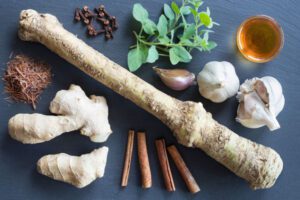
3.Ginger
Ginger is a powerful natural treatment for managing the symptoms of nasal polyps because of its potent anti-inflammatory, antimicrobial, and decongestant qualities, which aid in clearing sinus congestion and reducing airway inflammation. Research suggests that [6]-gingerol, a constituent of ginger, may help prevent the formation of nasal polyps by alleviating inflammation-related tissue alterations.
How to Use Ginger for Nasal Polyps
- Ginger Tea: Drink hot ginger tea (steeped fresh ginger in hot water) two to three times daily to help reduce inflammation.
- Incorporate into Diet: Add fresh ginger, garlic, and cayenne pepper to meals to assist in breaking down mucus and reducing inflammation.
- Ginger Compressor: Boil ginger slices, soak a washcloth in the water, and place it over the nose/sinus area for 15 minutes to relieve congestion.
Advantages and Considerations
Decreases Swelling: The anti-inflammatory properties of ginger help reduce the inflammation in the nasal passages brought on by polyps.
Increases Immunity: Its antibacterial qualities aid in the treatment of accompanying sinus infections.
Constraints: Although ginger aids in symptom management, it is not a treatment and should be taken in conjunction with medical guidance, such as corticosteroid sprays, to reduce polyps.
Important: Before using home treatments for nasal polyps, always see a healthcare provider, especially if you are on medication or have any underlying medical problems.
4.Garlic
Garlic is widely regarded as a strong natural anti-inflammatory and antibacterial agent that, when ingested, may aid in lowering the inflammation linked to nasal polyps. It includes allicin, a substance that aids the immune system and combats infection. But avoid inserting raw garlic cloves straight into your nose since this is a dangerous habit that increases congestion and causes irritation.
Suggested Garlic Usage for Polyps:
Eat two cloves of raw garlic every day or use it in food to help prevent inflammation and infections.
Garlic Tea: To prepare garlic tea, boil two or three cloves of crushed garlic in water and drink the mixture.
With Olive Oil: In order to help alleviate sinusitis, combine with olive oil in a treatment.
Although it is safe to eat garlic, it should be used in conjunction with expert medical guidance because it does not directly “cure” established, big polyps on its own.
5.Bromelain
Because of its potent anti-inflammatory and mucolytic (mucus-breaking) effects, bromelain, an enzyme found in pineapple stems, is a popular natural treatment for nasal polyps. It works by perhaps shrinking the size of polyps, lowering inflammation, and clearing congestion.
Bromelain for nasal polyps
Action: Being a proteolytic enzyme, it aids in lowering edema (swelling) and inflammation by breaking down proteins in the nasal passages.
Usage: The core of a pineapple can be eaten, a daily supplement can be taken (usually 300 FIP units or a 600-milligram tablet), or pineapple juice can be consumed.
Effectiveness: Research suggests that it is typically more beneficial for persistent sinusitis without polyps than with them, even if it may alleviate symptoms like congestion and overall quality of life.
Negative Effects: Despite the possibility of minor digestive problems such as diarrhea or an upset stomach, it is usually tolerated and safe.
Key Considerations
Bromelain is a supplementary approach for managing symptoms and should not take the place of established therapies such nasal steroids or surgery, particularly for big polyps.
Seek Expert Advice: Before taking supplements, especially if you have bleeding diseases or are on blood thinners, always talk to a doctor because bromelain can alter coagulation.
6.Goldenseal
Due to its ability to lower inflammation of the mucous membrane and fight infection, goldenseal (Hydrastis canadensis) is used in natural medicine to treat nasal polyps. Because it includes berberine, which has antibacterial and antimicrobial effects, it is a well-liked option for treating sinus infections that can occur with polyps.
Goldenseal Use: Main Considerations
Approach: It can be consumed as a tea, tincture, or capsule to help lessen excessive mucus and calm inflamed nasal passages.
Restrictions: Because overuse might lead to discomfort or have an impact on gut health, it is usually advised to restrict ongoing use to no more than three weeks.
Caution: Pregnant or breastfeeding women should not use it.
Effectiveness: It should not take the place of standard medical therapy, even if it is used in herbal medicine because there is little scientific evidence to support its ability to target nasal polyps.
To amplify its effects, goldenseal is frequently used in conjunction with other natural remedies like echinacea. Before beginning this or any other herbal therapy for polyps, it is strongly advised to speak with a medical professional.
7.Butterbur and Stinging Nettle
Because they address the allergic rhinitis and inflammation that frequently contribute to or exacerbate polyp development, butterbur and stinging nettle are effective herbal cures for treating the symptoms of nasal polyps. Both herbs act as natural antihistamines and anti-inflammatories, which help alleviate sinus inflammation, congestion, and swelling.
Butterbur (Petasites hybridus) for Nasal Polyps
Action: Known for its potent antihistamine action, similar to common antihistamines like Zyrtec, but frequently without producing drowsiness. It also inhibits leukotrienes.
Effectiveness: Research indicates that it is very helpful in alleviating allergy symptoms, which may aid in reducing or preventing the development of polyps.
Key Safety Reminder: Raw butterbur has poisonous chemicals (pyrrolizidine alkaloids) that can harm the liver. Always be sure that the extract you’re using is certified “PA-free” (pyrrolizidine alkaloid-free) and widely available as a supplement.
Stinging Nettle (Urtica dioica) for Nasal Polyps
Action: Acts as an astringent, antioxidant, and anti-inflammatory, which helps to relieve nasal congestion and minimize inflammation.
Effectiveness: It has the potential to lower the intensity of allergy symptoms and prevent histamine synthesis.
Consumption: Frequently taken as a tea, in capsule form, or prepared (cooking eliminates the stinging impact).
Takeaways
Pairing: These are frequently utilized in combination to treat allergies that occur before polyps.
Limitations: Although these treatments can aid in the management of symptoms (congestion, swelling) and perhaps stop further growth, they are not likely to eliminate large, established polyps, which may still need medical treatment.
Safety: Before beginning these supplements, particularly if you have underlying liver problems or ragweed allergies, speak with your physician.
Before using herbal supplements, especially for treating and diagnosing chronic diseases such nasal polyps, it is advisable to seek the advice of a healthcare provider.
8.Essential Oils(Tea tree oil)
Tea tree is a popular essential oil. It is thought by some that it can lessen itching, inflammation, and infection. This could help avoid the symptoms and causes of nasal polyps.
How to use: Make a diluted solution of tea tree essential oil (3–5 drops of oil for every ounce of carrier oil). Carrier oils include sweet almond oil and olive oil. Apply the solution to the nasal passages using a clean cotton swab.
The necessary oil may be added to aromatherapy diffusers or steam inhalation.
💧 Other Effective Natural Approaches
Successful natural treatments for nasal polyps concentrate on clearing mucus, decreasing inflammation, and lessening the allergy symptoms that cause them to develop. Although these techniques are not often successful in removing huge, well-established polyps, they can help reduce smaller polyps and alleviate symptoms.
1.Neti Pot/Nasal Irrigation
A neti pot is a widely advised, practical, and secure at-home approach for treating persistent sinus problems and nasal polyps by nasal irrigation. By eliminating mucus, allergens, and inflammatory chemicals, it helps to lessen edema, relieve congestion, and facilitate breathing.
How it Aids with Polyps
Reduces Inflammation: It lessens inflammation of the nasal lining, which is essential for treating the symptoms of nasal polyps.
Clearance: It eliminates allergens and accumulated mucus that can make polyp growth worse.
Additional therapy support: As a helpful supplementary treatment, it is frequently advised following surgery since it can amplify the benefits of other treatments.
Guidelines for Safe Use & Maintenance
Water must be sterile. Avoid using tap water at all costs. To avoid a severe illness, only use distilled, sterile, or previously boiled and cooled water.
Use saline solution: Combine the water with a salt mixture that is not iodized. To lessen discomfort, you can add a dash of baking soda.
Lean over a sink, tilt your head to the side, and breathe through your mouth as you pour the solution into the top nostril so it runs out of the bottom.
Thoroughly clean and dry the neti pot or nose. To avoid bacterial development, wash the bottle after each usage.
Frequency: Although it may be used for congestion on a daily basis or as needed, overuse can result in dryness.
Neti pots are used to treat symptoms rather than cure the polyps themselves, so if your symptoms get worse or don’t get better, see a doctor.
2.Xylitol Rinses
Xylitol nasal rinses are a very effective method for treating nasal polyps and chronic sinusitis by moisturizing nasal passages, decreasing inflammation, and preventing bacterial adhesion. They are especially advised to help alleviate symptoms, improve breathing, and aid in recovery after polyp removal surgery.
Mechanism and Benefits
Reduces Inflammation And swelling: Xylitol can alleviate polyp-related pain and reduce inflammation in tissues.
Enhances Mucus Clearance: It aids in the breakdown of biofilms and the removal of mucus, which is essential for individuals with persistent sinusitis.
Bactericidal Action: By preventing pollutants and germs from adhering to nasal tissues, xylitol acts as a bactericide.
Help Following Surgery: Patients who use xylitol after endoscopic sinus surgery experience a marked improvement in their symptoms and recovery, according to research.
Uses and Applications
Techniques for Application: May be administered using a Neti Pot, sinus rinse bottle, or unique Xlear Nasal Spray.
Mixture: A typical combination consists of 1/2 teaspoon of xylitol, 1/4 teaspoon each of salt and baking soda, and 8 ounces of distilled water.
Frequency: Regular usage helps keep sinuses clear (for example, using 2-4 sprays in each nostril).
With few, transient adverse effects, xylitol is well tolerated.
3.Dietary Changes
Foods to Include (Anti-inflammatory & Immune Boosting)
- Omega-3 Fatty Acids: Salmon, sardines, and flaxseed help reduce inflammatory compounds (leukotrienes and prostaglandins) associated with nasal polyps.
- Fruits and Vegetables: Berries and leafy greens are rich in antioxidants, including quercetin, which helps manage histamine activity.
- Pineapple/Bromelain: Contains bromelain, an enzyme that reduces inflammation in nasal passages.
- Spices: Turmeric and ginger have strong anti-inflammatory properties.
- Magnesium-Rich Foods: Nuts, seeds, and legumes help relax body tissues.
- Vitamin D Sources: Fatty fish, fortified foods, and moderate sunlight to reduce inflammation.
Foods to Avoid (Pro-inflammatory & Histamine-Releasing)
- Dairy Products: Milk, cheese, butter, and yogurt can increase mucus viscosity, thickening mucus and worsening congestion.
- Refined Sugar and Carbs: Foods high in sugar contribute to inflammation.
- Processed and Cured Meats: Bacon, sausage, and lunch meats often contain nitrates and high saturated fat, increasing inflammation.
- Fried Foods: Deep-fried foods stimulate the immune system to release cytokines, which increase swelling.
- High-Histamine Foods: Tomatoes and chocolate can trigger congestion in sensitive individuals.
Additional Dietary Tips
- Hydration: Drink plenty of fluids to thin mucus.
- Elimination Diet: Some evidence suggests tracking food sensitivities (like dairy) can improve symptoms for those with chronic inflammation.
⚠️ Important Medical Note
- Although natural treatments can help control symptoms, they cannot eradicate nasal polyps.
- Medical or surgical intervention may be necessary for big or persistent polyps.
- Before beginning herbal supplements, always see a medical expert, especially if you are taking any medications or have any underlying health issues.
🚨 When to Visit a Doctor
If you have any of the following, see a doctor:
- extreme nasal congestion
- Breathing problems
- Loss of the sense of smell
- Frequent sinus infections
❓ Frequently Asked Questions (FAQs)
1. What herbs are good for nasal polyps?
Herbs like turmeric, ginger, garlic, butterbur, and stinging nettle are helpful for managing nasal polyps. They work by reducing inflammation and supporting the immune system.
2. Can herbs shrink nasal polyps naturally?
Herbs may help reduce inflammation and swelling, which can make polyps smaller. However, they usually do not completely eliminate nasal polyps.
3. Is turmeric effective for nasal polyps?
Yes, turmeric contains curcumin, a powerful anti-inflammatory compound that can help reduce nasal swelling and improve symptoms like congestion.
4. How does ginger help with nasal polyps?
Ginger has anti-inflammatory and antimicrobial properties that help reduce sinus inflammation, improve drainage, and relieve congestion.
5. Can garlic cure nasal polyps?
Garlic helps boost immunity and fight infections, but it cannot cure nasal polyps. It is useful as supportive therapy.
6. What is bromelain and does it help nasal polyps?
Bromelain is an enzyme found in pineapple that helps reduce inflammation and mucus. It may improve sinus symptoms but does not remove polyps completely.
7. Are herbal supplements safe for nasal polyps?
Most herbal supplements are safe when used properly, but some may interact with medications. Always consult a doctor before starting any supplement.
8. Which herb is best for allergy-related nasal polyps?
Butterbur and stinging nettle are effective natural antihistamines and may help reduce allergy-related nasal inflammation.
9. Can essential oils help nasal polyps?
Essential oils like eucalyptus and peppermint may relieve congestion and improve breathing. They should always be diluted before use.
10. When should I see a doctor for nasal polyps?
Consult a doctor if you have severe nasal blockage, breathing difficulty, loss of smell, or frequent sinus infections. Medical treatment may include steroids like Prednisone.
📝 Main Conclusion
- Herbs can aid in alleviating symptoms and inflammation.
- Bromelain, garlic, ginger, and turmeric are the most potent.
- Diet and neti pots are essential.
- Although nasal polyps may not be entirely cured by natural remedies, they can still help.
- Medical care might still be necessary.
Conclusion
Herbs such as turmeric, ginger, garlic, and butterbur can be helpful in naturally treating nasal polyps by lowering inflammation and enhancing sinus health. They should, however, be utilized as complementary therapy in conjunction with adequate medical treatment.
👉 YouTube Channel:
http://www.youtube.com/@healthuseful8539/
📞 ENT Consultation & Surgery
Dr. Sagar Rajkuwar (MS-ENT)
Prabha ENT Clinic, Ambad, Nashik
📱 7387590194 | 9892596635
🌐 www.entspecialistinnashik.com
📲 For Health-Related Articles & Videos
🔹 Facebook: https://www.facebook.com/positivemind.healthcare
🔹 YouTube: http://www.youtube.com/@healthuseful8539/
⚠️ Disclaimer
While these herbal therapies may help alleviate symptoms, they are not a substitute for conventional medical care for nasal polyps. Before beginning any supplement, always speak with a healthcare provider.
📚 References
- World Health Organization
Guidance on safe use of herbal and traditional medicines. - Harvard Medical School
Insights on complementary therapies like herbal medicine and inflammation control.
https://www.healthline.com/health/nasal-polyps-natural-treatment
Important Detailed Articles
🔗 Related Articles on Nasal Polyps (ENT Expert Guides)
For detailed, evidence-based information, explore the following articles:
https://healthuseful.com/can-nasal-polyps-turn-cancerous/
https://healthuseful.com/can-nasal-polyps-affect-the-brain/
https://healthuseful.com/what-are-the-symptoms-of-cancerous-nasal-polyps/
https://healthuseful.com/when-to-worry-about-nasal-polyp/
https://healthuseful.com/what-happens-if-nasal-polyps-untreated/
https://healthuseful.com/number-one-cause-of-nasal-polyps/
https://healthuseful.com/how-to-stop-polyp-growth/
https://healthuseful.com/can-nasal-polyps-cause-heart-problems/
https://healthuseful.com/how-to-cure-nasal-polyps-permanently/
https://healthuseful.com/can-ent-see-nasal-polyps/
🔗 Sinus Related Articles (Internal Links)
🤧 Sinus Headache & Symptoms
- https://healthuseful.com/sinus-headache-symptoms/
- https://healthuseful.com/sinus-headache-symptoms-one-side/
- https://healthuseful.com/sinus-headache-symptoms-right-side/
- https://healthuseful.com/sinus-headache-back-of-head/
- https://healthuseful.com/sinus-headache-symptoms-home-remedies/
- https://healthuseful.com/how-to-rid-of-a-sinus-infection-headache/
🦠 Sinus Infection Treatment
- https://healthuseful.com/how-to-get-rid-of-a-sinus-infection-in-24-hours/
- https://healthuseful.com/how-to-get-rid-of-sinus-infection-without-antibiotics/
- https://healthuseful.com/what-kills-a-sinus-infection-naturally/
- https://healthuseful.com/sinus-headache-tablet/
- https://healthuseful.com/how-do-doctors-drain-sinuses-without-surgery/
- https://healthuseful.com/signs-of-sinus-infection-getting-better/
- https://healthuseful.com/signs-of-sinus-infection-getting-better-with-antibiotics/
⚠️ Serious Conditions & Warning Signs
- https://healthuseful.com/end-stages-of-a-sinus-infection/
- https://healthuseful.com/how-to-tell-if-sinus-infection-has-spread-to-brain/
- https://healthuseful.com/how-to-tell-if-sinus-infection-has-spread-to-bone/
- https://healthuseful.com/what-is-a-red-flag-for-sinusitis/
- https://healthuseful.com/when-to-go-to-ae-with-sinusitis/
👁️ Related Symptoms & Complications
- https://healthuseful.com/can-a-sinus-infection-cause-eye-pain/
- https://healthuseful.com/can-sinusitis-affect-your-ears/
- https://healthuseful.com/can-sinus-infection-cause-hair-loss/
- https://healthuseful.com/symptoms-of-perforated-sinus-after-tooth-extraction/
🧠 Causes, Triggers & Misdiagnosis
- https://healthuseful.com/what-triggers-sinusitis-headaches/
- https://healthuseful.com/what-can-be-mistaken-for-a-sinus-infection/
- https://healthuseful.com/what-mimics-sinus-issues/
- https://healthuseful.com/what-can-worsen-a-sinus-infection/
🧬 Nutrition & Deficiency
- https://healthuseful.com/what-vitamin-deficiency-causes-sinus-headaches/
- https://healthuseful.com/what-vitamin-deficiency-causes-sinusitis/
- https://healthuseful.com/what-deficiency-causes-sinusitis/
📘 General Sinus Knowledge
- https://healthuseful.com/what-are-the-four-cardinal-signs-of-sinusitis/
- https://healthuseful.com/is-a-sinus-infection-contagious-with-fever/
- https://healthuseful.com/can-you-smell-a-fungal-sinus-infection/
- https://healthuseful.com/sinusitis-in-hindi/
💰 Treatment & Surgery
- https://healthuseful.com/cost-of-sinus-surgery-in-india/
- https://healthuseful.com/how-to-cure-sinus-permanently/