What Are Different Types of Polyps? Symptoms, Causes & Treatment Guide
Polyps are tiny, frequently harmless growths on tissue lining (colon, uterus, nose) that can turn cancerous and need to be removed by surgery or colonoscopy. Symptoms range from bleeding, congestion, or persistent discomfort depending on the location. Adenomatous (precancerous), hyperplastic (often benign), and sessile serrated are the most prevalent varieties.
By Dr. Sagar Rajkuwar, ENT Specialist, Nashik, Maharashtra, India
🌐 www.entspecialistinnashik.com
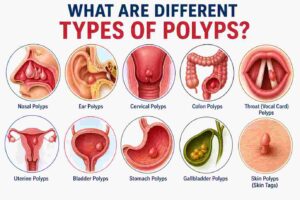
Table of contents
- Introduction
- What is a Polyp?
- Symptoms of Polyps: Signs Based on Type and Location
- What Causes Polyps? When to See a Doctor
- Complications of Polyps: Risks and Cancer Potential
- What are the treatments for polyps?
- Can Polyps Be Prevented?
- Summary
- FAQ: What Are Different Types of Polyps?
Introduction
Polyps are abnormal tissue growths that can develop in various parts of the body, including the nose, colon, uterus, stomach, gallbladder, and skin. Most polyps are benign (non-cancerous), but some can become precancerous or even malignant over time. The type of polyp is usually classified based on its location and structure, such as pedunculated (attached by a stalk) or sessile (flat and attached directly to tissue). Common types include Nasal Polyps, Colorectal Polyps, Cervical Polyps, and Gastric Polyps. While many polyps do not cause symptoms, their presence and potential risks depend on their size, number, and location.
Significant Details Regarding Polyps
- Polyps can be found in the ear, nose, throat, uterus, stomach, intestines, bladder, gallbladder, and skin, among other organs.
- Although the majority of polyps are harmless, some types can increase the chance of developing cancer.
- A lot of polyps are discovered by chance and don’t manifest any symptoms.
- A biopsy is often used to confirm the diagnosis.
- Maintaining a healthy lifestyle, which includes a balanced diet, regular physical activity, moderate alcohol intake, and avoiding smoking, can help lower the risk.
What is a Polyp?
A polyp is an unusual tissue growth that can occur in various areas of the body, either on the surface or within. Although the majority of polyps are harmless (non-cancerous), some may be precancerous, which means that they may develop into cancer over time. Sometimes, polyps might be cancerous, meaning that if treatment is not provided, the cancer may metastasize to other areas of the body.
Polyps are classified according to their form and attachment. A thin stem connects pedunculated polyps to the tissue, while sessile polyps are flat and develop directly from the surface without a stem. This variance in structure can have an impact on treatment and diagnosis.
Polyps can develop in a variety of body locations, such as the ear, nose, throat, uterus, and cervix. Additionally, they may grow in the gallbladder, the lining of the stomach and intestines, the bladder, or even on the skin. A lot of polyps are asymptomatic and found during regular medical checkups or imaging procedures.
Knowing what a polyp is and where it may develop is crucial for early identification and prevention. Routine health check-ups, timely screening, and a healthy lifestyle can all help lower the chance of problems related to polyps.
Symptoms of Polyps: Signs Based on Type and Location
Indicators Determined by Location and Kind Depending on the kind and location of the polyp in the body, the symptoms might differ. Numerous polyps are found during regular checkups and exhibit no obvious signs. The symptoms, though, are typically associated with the damaged organ.
(1)Signs of Cervical Polyps
An uncommon discharge or irregular vaginal bleeding may result from cervical polyps. In contrast, several women with cervical polyps have no symptoms.
(2)Symptoms of Colorectal Polyps
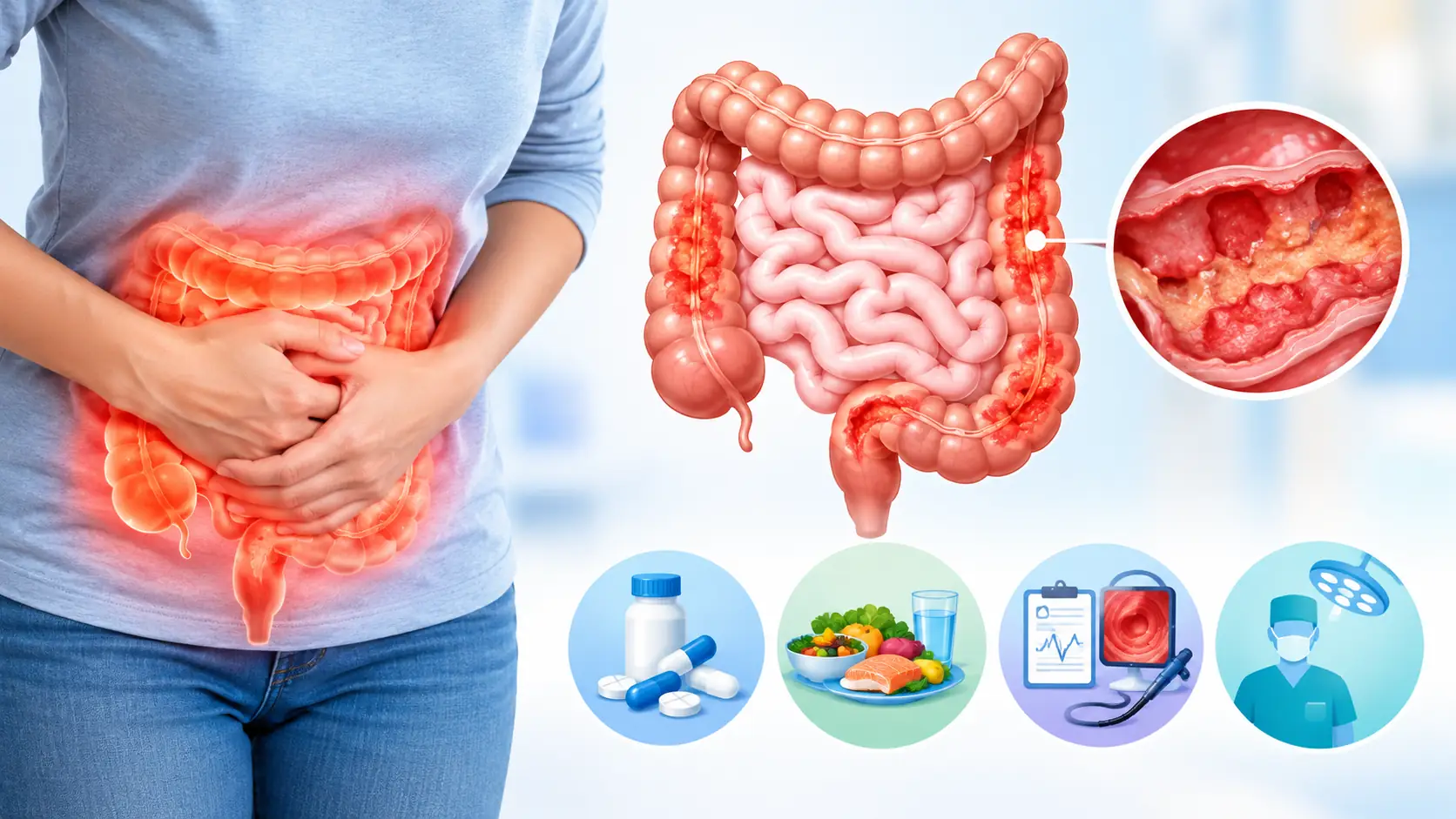
Polyps in the colon or rectum might potentially be cancerous. Blood in the stool, abdominal pain, constipation, or diarrhea are all potential symptoms.
(3)Symptoms of Nasal Polyps
Chronic cold-like symptoms that don’t get better are frequently brought on by nasal polyps. The common symptoms are frequent sinus infections, facial pain, nasal blockage, and loss of smell. Individuals with allergies or sinusitis may experience worsening symptoms.
(4)Signs of Polyps in the Throat (Vocal Cord)
Polyps that impact the vocal cords might result in a hoarse or raspy voice. Additionally, patients may experience a lump in their throat or have the urge to clear it often.
(5)Symptoms of Endometrial (Uterine) Polyps
In the lining of the uterus, endometrial polyps may form, resulting in heavy menstrual bleeding, bleeding between periods or following sexual activity, and trouble conceiving.
(6)Symptoms of Bladder Polyps
Blood in the urine, painful urination, or an increase in the number of times one urinates are all symptoms of bladder polyps.
(7)Symptoms of Gastric (Stomach) Polyps
The majority of the time, gastric polyps are asymptomatic. They can sometimes cause gastrointestinal bleeding, nausea, vomiting, or abdominal discomfort.
(8)Signs of Gallbladder Polyps
Polyps of the Gallbladder are usually identified through imaging investigations and are frequently asymptomatic. They are not often cancerous.
(9)Symptoms of Skin Tags (Skin Polyps)
Skin tags are benign tumors on the skin that don’t often cause pain or health issues.
(10)Symptoms of Polyps in the Ear Canal
Ear canal polyps can cause hearing loss or bloody discharge from the ear. They may occasionally be connected to illnesses like cholesteatoma, which needs urgent medical assessment.
What Causes Polyps? When to See a Doctor
Causes of Polyps
An unusual proliferation of cells in the lining of various organs causes polyps. The precise origin of polyps is frequently unknown. However, a variety of factors may contribute to their development, including smoking, poor diet, lifestyle choices, infections, genetic predisposition, hormonal fluctuations, and chronic inflammation. Although the majority of polyps are benign (non-cancerous), some may develop into precancerous or cancerous conditions over time, highlighting the need for early diagnosis.
When Should You Seek Medical Attention?
If you have any unusual or persistent symptoms that may point to the existence of polyps or other underlying illnesses, it is imperative to see a doctor. If you see any of the following, consult a doctor:
- Blood in your stool
- urinary bleeding
- Unusual vaginal bleeding
It’s important to pay attention to these symptoms, as they could be signs of polyps in places like the colon, bladder, or uterus. Early diagnosis through appropriate examination and tests, such as imaging or biopsy, can aid in preventing complications, including cancer.
How Are Polyps Diagnosed?
A combination of medical history, physical examination, and unique diagnostic procedures are used to identify polyps. Many polyps are discovered during regular examinations or tests for other illnesses because they don’t manifest symptoms.
Polyps’ Medical Evaluation
Your doctor will start by inquiring about any risk factors, your symptoms, and your family and personal medical history. This is followed by a physical examination to look for symptoms of the polyp’s suspected location.
Tests for Polyp Diagnosis
Your physician can advise particular tests, such as the ones listed below, depending on where the polyp is situated:
- Ultrasound – commonly used to identify polyps in the gallbladder or uterus
- Colonoscopy – used to check the colon and rectum for bowel polyps
- Hysteroscopy – aids in the diagnosis and visualization of uterine polyps
- Gastroscopy is used to identify polyps in the stomach.
The presence of a polyp may be confirmed by these tests, which also enable direct observation of the afflicted region.
Biopsy for a precise diagnosis
Your doctor may suggest a biopsy if a polyp is discovered, which entails taking a tiny tissue sample for laboratory examination. This helps determine whether the polyp is benign, precancerous, or cancerous. Sometimes, treatments like hysteroscopy, gastroscopy, or colonoscopy are utilized to reach and remove the polyp for biopsy.
Using Screening Tests to Detect
Routine screening procedures frequently reveal polyps, even if there are no signs. Examples include:
- Following a positive faecal occult blood test (stool test) used for colorectal cancer screening, bowel polyps were found during a colonoscopy.
- Finding cervical polyps during routine cervical screening (Pap smear)
Complications of Polyps: Risks and Cancer Potential
The majority of polyps are benign (non-cancerous) and may not pose a significant threat to one’s health. But one of the most significant complications of polyps is the possibility that they might turn cancerous if they are not identified and treated in time. Over time, some forms of polyps, notably those found in the colon or uterus, can progressively transform from benign tumors into precancerous or cancerous lesions.
As an example, Colorectal Cancer frequently manifests itself as tiny, benign polyps in the colon. These polyps might grow and ultimately turn cancerous if they are not found and eliminated by screening methods such as colonoscopy. Early detection is essential because this change can take years.
Additional potential consequences of polyps include hemorrhage, obstruction (blockage of an organ), infection, and symptoms associated with their size and position. Polyps may also impair fertility in certain circumstances (in uterine polyps) or cause respiratory and vocal difficulties (in nasal or throat polyps).
What are the treatments for polyps?
A variety of essential variables, such as the kind of polyp, its location in the body, whether it is cancerous, the quantity of polyps present, and their size, affect how polyps are treated. Some polyps are harmless and simply need to be watched, but others need medical or surgical intervention to alleviate symptoms or lower the chance of cancer.
Typical Course of Treatment for Polyps
Regular follow-ups and observation over time may be sufficient for some polyps, and they may not need immediate treatment. However, physicians may advise surgery or targeted therapy if a polyp causes symptoms or exhibits indications of becoming cancerous. The most important factor in avoiding complications is early intervention.
Therapy for Polyps in the Uterus
Drugs can be used to treat symptoms of uterine polyps, such as excessive bleeding. Surgery removal (polypectomy) is frequently advised if they have an impact on fertility or induce persistent symptoms.
Treatment for Colorectal Polyps
During a colonoscopy, colorectal polyps are routinely removed. By removing precancerous growths early, this method aids in the prevention of colorectal cancer.
Therapy for Polyps in the Gallbladder
Small Gallbladder Polyps are often kept under observation. However, if they are larger than 10 mm or exhibit questionable characteristics, surgical removal of the gallbladder (cholecystectomy) may be recommended to lower the risk of cancer.
Polyps in the Throat (Vocal Cords) Treatment
It is frequently possible to treat throat polyps that impact the vocal chords conservatively. The following are some of the available therapies:
- Refrain from yelling and rest your voice
- Maintaining adequate hydration
- If present, manage acid reflux.
- Treatment for voice problems with a speech expert
- Surgical excision in severe or recurrent cases
Can Polyps Be Prevented?
Because the majority of polyp kinds are caused by age, genetics, or unexplained reasons, they cannot be totally avoided. Regular health exams and early screening are, however, the greatest strategies to manage polyps since they aid in the detection and treatment of them before any issues arise.
The Significance of Routine Screening
Early detection of polyps and cancer prevention depend on regular screening. Doctors may advise:
- Regular screening tests for bowel cancer (such as stool tests and colonoscopy), particularly after the age of 45
- To identify early alterations and cervical polyps, people with a cervix should undergo cervical screening tests every few years.
Your risk may be increased if you have a family history of polyps or genetic disorders. In these situations, your physician may advise you to have more frequent or more specific screening procedures.
Modifying one’s lifestyle to lower the chance of developing polyps
Although not all polyps can be avoided, maintaining a healthy lifestyle can reduce the risk of some varieties of polyps as well as associated malignancies. Major preventative steps include:
- Having a balanced, fiber-rich, and nutritious diet
- maintaining general fitness by regularly exercising.
- Keeping a healthy weight
- Refraining from smoking
- Alcohol intake should be restricted.
Summary
In summary, polyps are common growths that can occur in multiple organs, each with different symptoms, risks, and treatment approaches. Although most are harmless, some types—especially those in the colon or uterus—may develop into cancer if not detected early. Regular screening, timely diagnosis, and appropriate management are essential to prevent complications. Understanding the different types of polyps helps in early identification and ensures better long-term health outcomes.
FAQ: What Are Different Types of Polyps?
What are the different types of polyps?
Polyps are classified based on their location in the body and their structure. Common types include Nasal Polyps, Colorectal Polyps, Cervical Polyps, Endometrial Polyps, Gastric Polyps, gallbladder polyps, bladder polyps, throat (vocal cord) polyps, and skin polyps (skin tags). Each type varies in symptoms, risk, and treatment.
Which type of polyp is most common?
Colorectal Polyps are among the most common types, especially in adults over 45 years. Many are benign, but some may develop into cancer if not removed early.
Are all types of polyps dangerous?
No, most polyps are benign and do not cause harm. However, some types—particularly colon and uterine polyps—can become precancerous or cancerous over time if left untreated.
What is the difference between sessile and pedunculated polyps?
Sessile polyps are flat and grow directly on the tissue surface, while pedunculated polyps are attached by a stalk. Sessile polyps may carry a slightly higher risk because they are harder to detect.
Can polyps occur in different parts of the body?
Yes, polyps can develop in multiple organs such as the nose, colon, uterus, stomach, gallbladder, bladder, throat, and skin.
How do I know which type of polyp I have?
The type of polyp is determined through medical evaluation and diagnostic tests such as endoscopy, imaging, or biopsy performed by a doctor.
Do different types of polyps require different treatments?
Yes, treatment depends on the type, size, location, and cancer risk. Some polyps are monitored, while others require removal through procedures or surgery.
⚠️ Medical Disclaimer
This article is for informational purposes only and does not replace professional medical advice. Consult a healthcare provider for diagnosis and treatment.
👉 YouTube Channel:
http://www.youtube.com/@healthuseful8539/
📞 ENT Consultation & Surgery
Dr. Sagar Rajkuwar (MS-ENT)
Prabha ENT Clinic, Ambad, Nashik
📱 7387590194 | 9892596635
🌐 www.entspecialistinnashik.com
📲 For Health-Related Articles & Videos
🔹 Facebook: https://www.facebook.com/positivemind.healthcare
🔹 YouTube: http://www.youtube.com/@healthuseful8539/
🔗Nasal Polyps Articles (Internal Links)
For detailed, evidence-based information, explore the following articles:
https://healthuseful.com/can-nasal-polyps-turn-cancerous/
https://healthuseful.com/can-nasal-polyps-affect-the-brain/
https://healthuseful.com/what-are-the-symptoms-of-cancerous-nasal-polyps/
https://healthuseful.com/when-to-worry-about-nasal-polyp/
https://healthuseful.com/what-happens-if-nasal-polyps-untreated/
https://healthuseful.com/number-one-cause-of-nasal-polyps/
https://healthuseful.com/how-to-stop-polyp-growth/
https://healthuseful.com/can-nasal-polyps-cause-heart-problems/
https://healthuseful.com/how-to-cure-nasal-polyps-permanently/
https://healthuseful.com/can-ent-see-nasal-polyps/
🔗 Related Articles on Sinus (ENT Expert Guides)
🤧 Sinus Headache & Symptoms
- https://healthuseful.com/sinus-headache-symptoms/
- https://healthuseful.com/sinus-headache-symptoms-one-side/
- https://healthuseful.com/sinus-headache-symptoms-right-side/
- https://healthuseful.com/sinus-headache-back-of-head/
- https://healthuseful.com/sinus-headache-symptoms-home-remedies/
- https://healthuseful.com/how-to-rid-of-a-sinus-infection-headache/
🦠 Sinus Infection Treatment
- https://healthuseful.com/how-to-get-rid-of-a-sinus-infection-in-24-hours/
- https://healthuseful.com/how-to-get-rid-of-sinus-infection-without-antibiotics/
- https://healthuseful.com/what-kills-a-sinus-infection-naturally/
- https://healthuseful.com/sinus-headache-tablet/
- https://healthuseful.com/how-do-doctors-drain-sinuses-without-surgery/
- https://healthuseful.com/signs-of-sinus-infection-getting-better/
- https://healthuseful.com/signs-of-sinus-infection-getting-better-with-antibiotics/
⚠️ Serious Conditions & Warning Signs
- https://healthuseful.com/end-stages-of-a-sinus-infection/
- https://healthuseful.com/how-to-tell-if-sinus-infection-has-spread-to-brain/
- https://healthuseful.com/how-to-tell-if-sinus-infection-has-spread-to-bone/
- https://healthuseful.com/what-is-a-red-flag-for-sinusitis/
- https://healthuseful.com/when-to-go-to-ae-with-sinusitis/
👁️ Related Symptoms & Complications
- https://healthuseful.com/can-a-sinus-infection-cause-eye-pain/
- https://healthuseful.com/can-sinusitis-affect-your-ears/
- https://healthuseful.com/can-sinus-infection-cause-hair-loss/
- https://healthuseful.com/symptoms-of-perforated-sinus-after-tooth-extraction/
🧠 Causes, Triggers & Misdiagnosis
- https://healthuseful.com/what-triggers-sinusitis-headaches/
- https://healthuseful.com/what-can-be-mistaken-for-a-sinus-infection/
- https://healthuseful.com/what-mimics-sinus-issues/
- https://healthuseful.com/what-can-worsen-a-sinus-infection/
🧬 Nutrition & Deficiency
- https://healthuseful.com/what-vitamin-deficiency-causes-sinus-headaches/
- https://healthuseful.com/what-vitamin-deficiency-causes-sinusitis/
- https://healthuseful.com/what-deficiency-causes-sinusitis/
📘 General Sinus Knowledge
- https://healthuseful.com/what-are-the-four-cardinal-signs-of-sinusitis/
- https://healthuseful.com/is-a-sinus-infection-contagious-with-fever/
- https://healthuseful.com/can-you-smell-a-fungal-sinus-infection/
- https://healthuseful.com/sinusitis-in-hindi/
💰 Treatment & Surgery
- https://healthuseful.com/cost-of-sinus-surgery-in-india/
- https://healthuseful.com/how-to-cure-sinus-permanently/
🧒 Special Cases
🔍 Rare Conditions
📚 References
- World Health Organization
- Mayo Clinic
- National Institutes of Health
- PubMed