Which Food Deficiency Causes Headaches? A Complete Guide to Nutritional Triggers
Headaches are one of the most common health complaints worldwide. While stress, dehydration, sinus infections, and hormonal changes are well-known triggers, many people don’t realize that nutritional deficiencies can also cause persistent headaches and migraines.
By Dr. Sagar Rajkuwar, ENT Specialist, Nashik, Maharashtra, India
🌐 www.entspecialistinnashik.com
If you frequently experience headaches without a clear reason, your diet might be playing a major role.
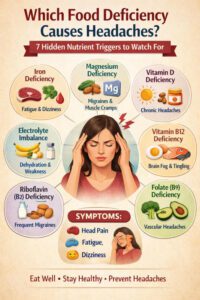
Table of Contents
-
Introduction
-
How Nutritional Deficiencies Trigger Headaches
-
Iron Deficiency and Headaches
-
Magnesium Deficiency and Migraines
-
Vitamin D Deficiency Headaches
-
Vitamin B12 Deficiency and Brain Fog
-
Riboflavin (Vitamin B2) Deficiency
-
Folate (Vitamin B9) Deficiency
-
Potassium and Sodium Imbalance
-
Dehydration vs Food Deficiency
-
How to Diagnose Nutritional Headaches
-
Best Foods to Prevent Headaches
-
When to Seek Medical Advice
-
Conclusion
Introduction
Headaches may appear simple, but they are often a signal that something is wrong inside the body. One overlooked cause is micronutrient deficiency — especially deficiencies of iron, magnesium, vitamin D, and B vitamins.
Chronic headaches, tension headaches, and even migraines may worsen when the brain does not receive adequate nutrients for proper nerve and blood vessel function.
How Nutritional Deficiencies Trigger Headaches
The brain consumes nearly 20% of the body’s energy. It requires:
-
Proper oxygen supply
-
Balanced electrolytes
-
Stable neurotransmitters
-
Healthy blood vessels
When nutrients are deficient, it can lead to:
-
Reduced oxygen delivery
-
Neurotransmitter imbalance
-
Increased inflammation
-
Muscle tension
-
Blood vessel constriction or dilation
All of these can trigger headaches.
📞 ENT Consultation & Surgery
Dr. Sagar Rajkuwar (MS-ENT)
Prabha ENT Clinic, Ambad, Nashik
📱 7387590194 | 9892596635
🌐 www.entspecialistinnashik.com
1. Iron Deficiency and Headaches
Why It Happens
Iron deficiency leads to anemia, which reduces oxygen supply to the brain. Low oxygen levels can cause:
-
Dull headaches
-
Pressure in the head
-
Fatigue-related headaches
Common Symptoms of Iron Deficiency:
-
Extreme fatigue
-
Pale skin
-
Shortness of breath
-
Hair fall
-
Dizziness
Iron deficiency is especially common in:
-
Women with heavy menstrual cycles
-
Pregnant women
-
Vegetarians without proper iron intake
Iron-Rich Foods:
-
Spinach
-
Lentils
-
Red meat
-
Pumpkin seeds
-
Jaggery
2. Magnesium Deficiency and Migraines
Magnesium is one of the most important nutrients linked to headaches.
Scientific Link
Magnesium helps regulate:
-
Nerve transmission
-
Blood vessel relaxation
-
Serotonin balance
Low magnesium levels are strongly associated with migraines.
Studies show magnesium supplementation may reduce migraine frequency.
Symptoms of Magnesium Deficiency:
-
Muscle cramps
-
Anxiety
-
Irritability
-
Insomnia
-
Frequent migraines
Magnesium-Rich Foods:
-
Almonds
-
Cashews
-
Dark chocolate
-
Spinach
-
Banana
3. Vitamin D Deficiency Headaches
Vitamin D deficiency is very common in India, especially among people who work indoors.
Low vitamin D levels have been linked to:
-
Chronic tension headaches
-
Migraine frequency
-
Generalized body pain
Vitamin D plays a role in reducing inflammation and regulating pain perception.
Signs of Vitamin D Deficiency:
-
Bone pain
-
Muscle weakness
-
Fatigue
-
Low mood
Sources of Vitamin D:
-
Sunlight exposure (15–20 minutes daily)
-
Egg yolk
-
Fortified milk
-
Fatty fish
4. Vitamin B12 Deficiency and Headaches
Vitamin B12 is essential for nerve health and red blood cell production.
When deficient, it can cause:
-
Brain fog
-
Head pressure
-
Neurological symptoms
-
Tingling sensation
Vitamin B12 deficiency headaches often come with:
-
Memory issues
-
Fatigue
-
Mood changes
Risk Groups:
-
Strict vegetarians
-
Elderly individuals
-
People with gastric issues
B12-Rich Foods:
-
Dairy products
-
Eggs
-
Fish
-
Chicken
-
Fortified cereals
5. Riboflavin (Vitamin B2) Deficiency
Riboflavin plays a role in energy production inside brain cells.
Low B2 levels can contribute to migraines.
In fact, riboflavin supplementation is often recommended for migraine prevention.
Food Sources:
-
Milk
-
Yogurt
-
Eggs
-
Almonds
-
Green vegetables
6. Folate (Vitamin B9) Deficiency
Folate deficiency can increase homocysteine levels in the blood, which may contribute to:
-
Migraines
-
Vascular headaches
Folate-Rich Foods:
-
Green leafy vegetables
-
Beans
-
Citrus fruits
-
Avocado
7. Potassium and Sodium Imbalance
Electrolytes are essential for nerve conduction.
Low potassium or sodium imbalance can cause:
-
Headache
-
Weakness
-
Confusion
-
Dehydration-related symptoms
This is common in:
-
Excess sweating
-
Severe diarrhea
-
Inadequate diet
Dehydration vs Food Deficiency
Many headaches are caused by dehydration rather than food deficiency.
Key Difference:
| Dehydration Headache | Nutritional Deficiency Headache |
|---|---|
| Improves after water | Persistent despite hydration |
| Dry mouth | Associated fatigue |
| Thirst | Other deficiency symptoms |
How to Diagnose Nutritional Headaches
If headaches are frequent (more than 2–3 times per week), consider:
-
Complete Blood Count (CBC)
-
Serum Ferritin
-
Vitamin B12 levels
-
Vitamin D levels
-
Serum Magnesium
Consult a qualified physician for proper evaluation.
Best Diet to Prevent Headaches
A balanced anti-headache diet includes:
✔ Iron-rich foods
✔ Magnesium sources
✔ B vitamins
✔ Vitamin D support
✔ Adeate hydration
✔ Limited processed sugar
Sample Headache-Prevention Plate:
-
Spinach dal
-
Brown rice
-
Curd
-
Salad
-
Handful of nuts
When to See a Doctor
Seek medical help if headaches are:
-
Severe and sudden
-
Associated with vomiting
-
Accompanied by vision changes
-
Frequent and worsening
-
Associated with neurological symptoms
Chronic headaches may not always be due to deficiency. They may also relate to sinusitis, migraine disorder, cervical spondylosis, or stress.
Conclusion
So, which food deficiency causes headaches?
The most common nutritional deficiencies linked to headaches include:
-
Iron deficiency
-
Magnesium deficiency
-
Vitamin D deficiency
-
Vitamin B12 deficiency
-
Riboflavin deficiency
-
Folate deficiency
-
Electrolyte imbalance
If you experience frequent headaches, evaluating your nutritional status can be a simple yet powerful step toward relief.
A balanced diet rich in essential vitamins and minerals can significantly reduce headache frequency and improve overall brain health.
Medical Disclaimer:
This article is for informational purposes only and does not replace professional medical advice, diagnosis, or treatment. If you experience severe, persistent, or worsening headaches, consult a qualified healthcare professional for proper evaluation and management.
-FOR FURTHER INFORMATION IN GREAT DETAIL ON Can Sinus Infection Cause Hair Loss PL CLICK ON THE LINK GIVEN BELOW-It is always better to view links from laptop/desktop rather than mobile phone as they may not be seen from mobile phone. ,in case of technical difficulties you need to copy paste this link in google search. In case if you are viewing this blog from mobile phone you need to click on the three dots on the right upper corner of your mobile screen and ENABLE DESKTOP VERSION.
FOR FURTHER INFORMATION IN GREAT DETAIL ON Symptoms of Perforated Sinus After Tooth Extraction PL CLICK ON THE LINK GIVEN BELOW-It is always better to view links from laptop/desktop rather than mobile phone as they may not be seen from mobile phone. ,in case of technical difficulties you need to copy paste this link in google search. In case if you are viewing this blog from mobile phone you need to click on the three dots on the right upper corner of your mobile screen and ENABLE DESKTOP VERSION.
FOR FURTHER INFORMATION IN GREAT DETAIL ON Sinusitis in Hindi PL CLICK ON THE LINK GIVEN BELOW-It is always better to view links from laptop/desktop rather than mobile phone as they may not be seen from mobile phone. ,in case of technical difficulties you need to copy paste this link in google search. In case if you are viewing this blog from mobile phone you need to click on the three dots on the right upper corner of your mobile screen and ENABLE DESKTOP VERSION.
FOR FURTHER INFORMATION IN GREAT DETAIL ON How to rid of a sinus infection headache PL CLICK ON THE LINK GIVEN BELOW-It is always better to view links from laptop/desktop rather than mobile phone as they may not be seen from mobile phone. ,in case of technical difficulties you need to copy paste this link in google search. In case if you are viewing this blog from mobile phone you need to click on the three dots on the right upper corner of your mobile screen and ENABLE DESKTOP VERSION.
FOR INFORMATION IN GREAT DETAIL What Deficiency Causes Sinusitis? Vitamins Linked to Sinus Infections PL CLICK ON THE LINK GIVEN BELOW-It is always better to view links from laptop/desktop rather than mobile phone as they may not be seen from mobile phone. ,in case of technical difficulties you need to copy paste this link in google search. In case if you are viewing this blog from mobile phone you need to click on the three dots on the right upper corner of your mobile screen and ENABLE DESKTOP VERSION-
FOR INFORMATION IN GREAT DETAIL Can You Smell a Fungal Sinus Infection? ENT Warning Signs PL CLICK ON THE LINK GIVEN BELOW-It is always better to view links from laptop/desktop rather than mobile phone as they may not be seen from mobile phone. ,in case of technical difficulties you need to copy paste this link in google search. In case if you are viewing this blog from mobile phone you need to click on the three dots on the right upper corner of your mobile screen and ENABLE DESKTOP VERSION-
FOR INFORMATION IN GREAT DETAIL What Mimics Sinus Issues? 15 Conditions That Feel Like Sinusitis PL CLICK ON THE LINK GIVEN BELOW-It is always better to view links from laptop/desktop rather than mobile phone as they may not be seen from mobile phone. ,in case of technical difficulties you need to copy paste this link in google search. In case if you are viewing this blog from mobile phone you need to click on the three dots on the right upper corner of your mobile screen and ENABLE DESKTOP VERSION-
FOR INFORMATION IN GREAT DETAIL What Are the 4 Cardinal Signs of Sinusitis? ENT Expert Guide PL CLICK ON THE LINK GIVEN BELOW-It is always better to view links from laptop/desktop rather than mobile phone as they may not be seen from mobile phone. ,in case of technical difficulties you need to copy paste this link in google search. In case if you are viewing this blog from mobile phone you need to click on the three dots on the right upper corner of your mobile screen and ENABLE DESKTOP VERSION-
FOR INFORMATION IN GREAT DETAIL When to Go to A&E With Sinusitis? Emergency Warning Signs PL CLICK ON THE LINK GIVEN BELOW-It is always better to view links from laptop/desktop rather than mobile phone as they may not be seen from mobile phone. ,in case of technical difficulties you need to copy paste this link in google search. In case if you are viewing this blog from mobile phone you need to click on the three dots on the right upper corner of your mobile screen and ENABLE DESKTOP VERSION-
FOR INFORMATION IN GREAT DETAIL How to Get Rid of a Sinus Infection Without Antibiotics (ENT Doctor Guide) PL CLICK ON THE LINK GIVEN BELOW-It is always better to view links from laptop/desktop rather than mobile phone as they may not be seen from mobile phone. ,in case of technical difficulties you need to copy paste this link in google search. In case if you are viewing this blog from mobile phone you need to click on the three dots on the right upper corner of your mobile screen and ENABLE DESKTOP VERSION-
FOR INFORMATION IN GREAT DETAIL How Do Doctors Drain Sinuses Without Surgery? ENT Guide PL CLICK ON THE LINK GIVEN BELOW-It is always better to view links from laptop/desktop rather than mobile phone as they may not be seen from mobile phone. ,in case of technical difficulties you need to copy paste this link in google search. In case if you are viewing this blog from mobile phone you need to click on the three dots on the right upper corner of your mobile screen and ENABLE DESKTOP VERSION-
FOR INFORMATION IN GREAT DETAIL How To Tell If Sinus Infection Has Spread To Brain? Signs Explained by an ENT Doctor PL CLICK ON THE LINK GIVEN BELOW-It is always better to view links from laptop/desktop rather than mobile phone as they may not be seen from mobile phone. ,in case of technical difficulties you need to copy paste this link in google search. In case if you are viewing this blog from mobile phone you need to click on the three dots on the right upper corner of your mobile screen and ENABLE DESKTOP VERSION-
FOR INFORMATION IN GREAT DETAIL Can Sinusitis Affect Your Ears? Ear Pain, Pressure & Hearing Loss PL CLICK ON THE LINK GIVEN BELOW-It is always better to view links from laptop/desktop rather than mobile phone as they may not be seen from mobile phone. ,in case of technical difficulties you need to copy paste this link in google search. In case if you are viewing this blog from mobile phone you need to click on the three dots on the right upper corner of your mobile screen and ENABLE DESKTOP VERSION-
FOR INFORMATION IN GREAT DETAIL Can Sinusitis Affect Your Ears? Ear Pain, Pressure & Hearing Loss PL CLICK ON THE LINK GIVEN BELOW-It is always better to view links from laptop/desktop rather than mobile phone as they may not be seen from mobile phone. ,in case of technical difficulties you need to copy paste this link in google search. In case if you are viewing this blog from mobile phone you need to click on the three dots on the right upper corner of your mobile screen and ENABLE DESKTOP VERSION-
FOR INFORMATION IN GREAT DETAIL How to Tell If a Sinus Infection Has Spread to the Bone (Serious Warning Signs) PL CLICK ON THE LINK GIVEN BELOW-It is always better to view links from laptop/desktop rather than mobile phone as they may not be seen from mobile phone. ,in case of technical difficulties you need to copy paste this link in google search. In case if you are viewing this blog from mobile phone you need to click on the three dots on the right upper corner of your mobile screen and ENABLE DESKTOP VERSION-
FOR INFORMATION IN GREAT DETAIL What Can Be Mistaken for a Sinus Infection? | ENT Doctor PL CLICK ON THE LINK GIVEN BELOW-It is always better to view links from laptop/desktop rather than mobile phone as they may not be seen from mobile phone. ,in case of technical difficulties you need to copy paste this link in google search. In case if you are viewing this blog from mobile phone you need to click on the three dots on the right upper corner of your mobile screen and ENABLE DESKTOP VERSION-
FOR INFORMATION IN GREAT DETAIL Red Flags for Sinusitis: Warning Signs You Shouldn’t Ignore PL CLICK ON THE LINK GIVEN BELOW-It is always better to view links from laptop/desktop rather than mobile phone as they may not be seen from mobile phone. ,in case of technical difficulties you need to copy paste this link in google search. In case if you are viewing this blog from mobile phone you need to click on the three dots on the right upper corner of your mobile screen and ENABLE DESKTOP VERSION-
FOR INFORMATION IN GREAT DETAIL What Triggers Sinusitis Headaches? Causes & Relief Explained PL CLICK ON THE LINK GIVEN BELOW-It is always better to view links from laptop/desktop rather than mobile phone as they may not be seen from mobile phone. ,in case of technical difficulties you need to copy paste this link in google search. In case if you are viewing this blog from mobile phone you need to click on the three dots on the right upper corner of your mobile screen and ENABLE DESKTOP VERSION-
FOR INFORMATION IN GREAT DETAIL Signs Your Sinus Infection Is Getting Better (Day-by-Day Recovery Guide) PL CLICK ON THE LINK GIVEN BELOW-It is always better to view links from laptop/desktop rather than mobile phone as they may not be seen from mobile phone. ,in case of technical difficulties you need to copy paste this link in google search. In case if you are viewing this blog from mobile phone you need to click on the three dots on the right upper corner of your mobile screen and ENABLE DESKTOP VERSION-
FOR INFORMATION IN GREAT DETAIL Signs Of Sinus Infection Getting Better With Antibiotics. PL CLICK ON THE LINK GIVEN BELOW-It is always better to view links from laptop/desktop rather than mobile phone as they may not be seen from mobile phone. ,in case of technical difficulties you need to copy paste this link in google search. In case if you are viewing this blog from mobile phone you need to click on the three dots on the right upper corner of your mobile screen and ENABLE DESKTOP VERSION-
FOR INFORMATION IN GREAT DETAIL Sinus Headache Tablet: Best Medicines for Fast Relief PL CLICK ON THE LINK GIVEN BELOW-It is always better to view links from laptop/desktop rather than mobile phone as they may not be seen from mobile phone. ,in case of technical difficulties you need to copy paste this link in google search. In case if you are viewing this blog from mobile phone you need to click on the three dots on the right upper corner of your mobile screen and ENABLE DESKTOP VERSION-
FOR INFORMATION IN GREAT DETAIL End Stages of a Sinus Infection: Symptoms You Should Never Ignore PL CLICK ON THE LINK GIVEN BELOW-It is always better to view links from laptop/desktop rather than mobile phone as they may not be seen from mobile phone. ,in case of technical difficulties you need to copy paste this link in google search. In case if you are viewing this blog from mobile phone you need to click on the three dots on the right upper corner of your mobile screen and ENABLE DESKTOP VERSION-
FOR INFORMATION IN GREAT DETAIL Can A Sinus Infection Cause Eye Pain? ENT Doctor Explains PL CLICK ON THE LINK GIVEN BELOW-It is always better to view links from laptop/desktop rather than mobile phone as they may not be seen from mobile phone. ,in case of technical difficulties you need to copy paste this link in google search. In case if you are viewing this blog from mobile phone you need to click on the three dots on the right upper corner of your mobile screen and ENABLE DESKTOP VERSION-
FOR INFORMATION IN GREAT DETAIL What Vitamin Deficiency Causes Sinusitis? ENT Doctor Explains PL CLICK ON THE LINK GIVEN BELOW-It is always better to view links from laptop/desktop rather than mobile phone as they may not be seen from mobile phone. ,in case of technical difficulties you need to copy paste this link in google search. In case if you are viewing this blog from mobile phone you need to click on the three dots on the right upper corner of your mobile screen and ENABLE DESKTOP VERSION-
FOR INFORMATION IN GREAT DETAIL What Vitamin Deficiency Causes Sinus Headaches? ENT Doctor Explains PL CLICK ON THE LINK GIVEN BELOW-It is always better to view links from laptop/desktop rather than mobile phone as they may not be seen from mobile phone. ,in case of technical difficulties you need to copy paste this link in google search. In case if you are viewing this blog from mobile phone you need to click on the three dots on the right upper corner of your mobile screen and ENABLE DESKTOP VERSION-
FOR INFORMATION IN GREAT DETAIL Sinus Headache Symptoms: How to Tell If Your Head Pain Is From Sinusess PL CLICK ON THE LINK GIVEN BELOW-It is always better to view links from laptop/desktop rather than mobile phone as they may not be seen from mobile phone. ,in case of technical difficulties you need to copy paste this link in google search. In case if you are viewing this blog from mobile phone you need to click on the three dots on the right upper corner of your mobile screen and ENABLE DESKTOP VERSION-
FOR INFORMATION IN GREAT DETAIL Sinus Headache Symptoms One Side: ENT Doctor Explains PL CLICK ON THE LINK GIVEN BELOW-It is always better to view links from laptop/desktop rather than mobile phone as they may not be seen from mobile phone. ,in case of technical difficulties you need to copy paste this link in google search. In case if you are viewing this blog from mobile phone you need to click on the three dots on the right upper corner of your mobile screen and ENABLE DESKTOP VERSION-
FOR INFORMATION IN GREAT DETAIL Sinus Headache Back of Head: ENT Doctor Explains PL CLICK ON THE LINK GIVEN BELOW-It is always better to view links from laptop/desktop rather than mobile phone as they may not be seen from mobile phone. ,in case of technical difficulties you need to copy paste this link in google search. In case if you are viewing this blog from mobile phone you need to click on the three dots on the right upper corner of your mobile screen and ENABLE DESKTOP VERSION-
FOR INFORMATION IN GREAT DETAIL Sinus Headache Symptoms & Home Remedies That Really Work PL CLICK ON THE LINK GIVEN BELOW-It is always better to view links from laptop/desktop rather than mobile phone as they may not be seen from mobile phone. ,in case of technical difficulties you need to copy paste this link in google search. In case if you are viewing this blog from mobile phone you need to click on the three dots on the right upper corner of your mobile screen and ENABLE DESKTOP VERSION-
FOR INFORMATION IN GREAT DETAIL Right Side Sinus Headache – Symptoms You Shouldn’t Ignore PL CLICK ON THE LINK GIVEN BELOW-It is always better to view links from laptop/desktop rather than mobile phone as they may not be seen from mobile phone. ,in case of technical difficulties you need to copy paste this link in google search. In case if you are viewing this blog from mobile phone you need to click on the three dots on the right upper corner of your mobile screen and ENABLE DESKTOP VERSION-
FOR INFORMATION IN GREAT DETAIL Sinus Headache Symptoms & Home Remedies That Really Work PL CLICK ON THE LINK GIVEN BELOW-It is always better to view links from laptop/desktop rather than mobile phone as they may not be seen from mobile phone. ,in case of technical difficulties you need to copy paste this link in google search. In case if you are viewing this blog from mobile phone you need to click on the three dots on the right upper corner of your mobile screen and ENABLE DESKTOP VERSION-
FOR INFORMATION IN GREAT DETAIL When Should Parents Worry About Headaches in Children? ENT Doctor Explains PL CLICK ON THE LINK GIVEN BELOW-It is always better to view links from laptop/desktop rather than mobile phone as they may not be seen from mobile phone. ,in case of technical difficulties you need to copy paste this link in google search. In case if you are viewing this blog from mobile phone you need to click on the three dots on the right upper corner of your mobile screen and ENABLE DESKTOP VERSION-
FOR INFORMATION IN GREAT DETAIL Sinus Mucocele Symptoms – Early Signs, Eye & Brain Risks PL CLICK ON THE LINK GIVEN BELOW-It is always better to view links from laptop/desktop rather than mobile phone as they may not be seen from mobile phone. ,in case of technical difficulties you need to copy paste this link in google search. In case if you are viewing this blog from mobile phone you need to click on the three dots on the right upper corner of your mobile screen and ENABLE DESKTOP VERSION-