What Do Popped Stitches Feel Like? Symptoms, Causes & When to See a Doctor
-By ENT Specialist – Dr. Sagar Rajkuwar, Nashik, Maharashtra, India
Clinic Website:-www.entspecialistinnashik.com
🧾 Table of Contents
(1)Introduction
(2)What Do Normal Stitches Feel Like During Healing?
(3)Key Sensations: What Do Popped Stitches Feel Like?
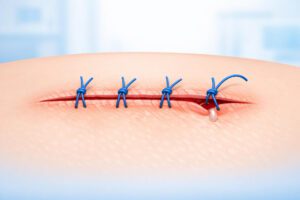
(4)Visible Signs That Stitches Have Popped
(5)Common Causes of Popped Stitches
(6)How Soon After Surgery Can Stitches Break?
(7)Normal Healing Pain vs Popped Stitches
(8)What to Do If You Think Your Stitches Have Popped
(9)How Doctors Diagnose Popped Stitches
(10)Treatment Options for Popped Stitches
(11)Can Popped Stitches Heal on Their Own?
(12)Risks of Ignoring Popped Stitches
(13)How to Prevent Stitches from Popping
(14)When to Seek Emergency Care
(15)Expert FAQs: Popped Stitches
(16)Summary
(1)Introduction
Stitches (sutures) are used to close wounds caused by surgery, trauma, childbirth tears, or deep cuts. Their main role is to keep wound edges together so tissues heal properly.
However, in some cases, stitches may loosen or break before healing is complete. This is medically known as wound dehiscence or popped stitches.
Many patients worry about their stitches opening—especially during the first few days after surgery. This guide explains what popped stitches feel like, how to recognize warning signs, common causes, treatment options, and when to contact your doctor.
Whether you’ve had abdominal surgery, a C-section, orthopedic surgery, dental stitches, or trauma sutures, early detection can prevent infection, delayed healing, and scarring.
(2)What Do Normal Stitches Feel Like During Healing?
Understanding normal healing helps you recognize problems early.
Normal healing sensations include:
-
Mild discomfort or soreness
-
Slight pulling or tightness
-
Mild itching (a sign of tissue repair)
-
Gradual improvement in tenderness each day
-
A feeling of tight stitches initially
These sensations usually improve within a few days. Pain that worsens instead of improving may indicate a complication.
(3)Key Sensations: What Do Popped Stitches Feel Like?
People describe popped stitches differently, but common sensations include:
1. Sudden Sharp Pain
Many patients report a sudden, intense pain—often described as a snap or pop under the skin. This may occur during coughing, bending, lifting, or stretching.
2. Tearing or Pulling Sensation
You may feel the wound edges pulling apart when a stitch breaks under tension.
3. Burning or Stinging Pain
The area may feel irritated or hypersensitive, especially with movement or touch.
4. Wet or Sticky Sensation
Fluid leakage (blood or clear discharge) can cause warmth or dampness on the dressing.
5. Sudden Loss of Tightness
A feeling of looseness or loss of support around the wound may occur.
6. Increased Tenderness
Pain suddenly worsens even though it was previously improving.
⚠️ Important: Not all popped stitches are painful. Some loosen silently and are only noticed visually—making regular wound checks essential.
(4)Visible Signs That Stitches Have Popped
Look for these physical warning signs:
-
Wound edges no longer aligned
-
Visible gap or opening
-
Loose, missing, or frayed stitches
-
Bleeding that restarts after stopping
-
Increased drainage or soaking bandages
-
Redness spreading beyond the wound
-
Worsening swelling
-
Yellow, green, or foul-smelling discharge (sign of infection)
(5)Common Causes of Popped Stitches
Understanding causes helps prevent recurrence.
Most common reasons include:
-
Excessive movement – abdomen, knees, elbows, and hands are high-risk areas
-
Heavy lifting – groceries, children, gym weights
-
Infection – weakens tissues and suture strength
-
Poor wound care – moisture, chemicals, scratching
-
High internal pressure – coughing, sneezing, constipation, straining
-
Trauma or friction – accidental bumps or tight clothing
-
Improper suture tension – too tight or too loose placement
(6)How Soon After Surgery Can Stitches Break?
-
Highest risk period: First 3–7 days (before collagen strengthens the wound)
-
Abdominal and C-section wounds are especially vulnerable
-
Internal sutures may fail weeks later under pressure
Healing depends on:
-
Wound size and depth
-
Surgical site
-
Age
-
Diabetes or circulation issues
-
Smoking
-
Nutritional status
(7)Normal Healing Pain vs Popped Stitches
Normal healing pain:
-
Improves daily
-
Mild pulling sensation
-
Minor irritation
Possible popped stitches:
-
Sudden increase in pain
-
Tearing or ripping feeling
-
New bleeding or discharge
-
Increasing redness or swelling
👉 Pain that worsens instead of improving is a warning sign.
(8)What to Do If You Think Your Stitches Have Popped
Step 1: Stay calm
Most cases are manageable if treated early.
Step 2: Do not touch the wound
Hands introduce bacteria.
Step 3: Cover with sterile gauze
Apply gentle pressure if bleeding.
Step 4: Restrict movement immediately
Avoid bending, lifting, coughing strain, or stretching.
Step 5: Contact your doctor urgently if:
-
Wound edges are open
-
Bleeding soaks the dressing
-
Fever or chills develop
-
Drainage increases
-
Severe or persistent pain occurs
❌ Do not attempt to glue or restitch the wound yourself.
(9)How Doctors Diagnose Popped Stitches
Your doctor may:
-
Examine wound alignment
-
Measure wound separation
-
Assess suture tension
-
Look for infection
-
Request photos (for deep wounds)
-
Order cultures if infection is suspected
(10)Treatment Options for Popped Stitches
Treatment depends on severity:
-
Replacement sutures
-
Skin glue or adhesive
-
Steri-Strips
-
Wound vacuum therapy (severe cases)
-
Antibiotics (if infected)
-
Drainage for abscess formation
⏱️ Early treatment prevents complications.
(11)Can Popped Stitches Heal on Their Own?
-
A single loose stitch may heal if wound edges stay aligned and clean
-
Complete wound separation rarely heals without medical care
⚠️ Never assume it will heal on its own—delayed care increases infection and scarring risk.
(12)Risks of Ignoring Popped Stitches
Possible complications include:
-
Infection
-
Delayed healing
-
Larger scars
-
Full wound dehiscence
-
Exposure of deeper tissues
-
Hernia (after abdominal surgery)
(13)How to Prevent Stitches from Popping
-
Follow postoperative instructions strictly
-
Avoid heavy lifting (usually 4–6 weeks for abdominal wounds)
-
Support the wound during coughing or sneezing
-
Keep the area clean and dry
-
Avoid scratching or friction
-
Eat a protein-rich diet to support healing
(14)When to Seek Emergency Care
Go to the ER immediately if:
-
Wound edges are widely open
-
Bleeding won’t stop
-
Internal tissues are visible
-
Fever exceeds 101°F (38.3°C)
-
Severe pain with foul-smelling discharge
(15)Expert FAQs: Popped Stitches
Can internal stitches tear without visible damage?
Yes. Sudden pain, fluid leakage, or bleeding may indicate internal suture failure.
Can coughing pop stitches?
Yes—especially abdominal stitches. Support the incision with a pillow.
Are popped stitches always painful?
No. Some loosen without pain but leave visible gaps.
Can I exercise with stitches?
Only gentle walking unless your doctor allows more.
Is itching normal?
Yes—but scratching can damage healing tissue.
🔎 2026 Evidence Update: What Do Popped Stitches Feel Like
Since this article was first published, several updated wound-care guidelines have refined the understanding of what do popped stitches feel like. The American College of Surgeons (ACS) 2024 wound-care consensus, NHS 2024 post-operative wound pathway, CDC 2024 surgical site infection surveillance, and WHO guidelines on surgical safety have added new, actionable guidance. This supplemental section brings together the newest 2026 evidence so this guide goes beyond the top-10 Google results.
📊 2026 Wound-Dehiscence Statistics You Should Know
- Surgical wound dehiscence affects approximately 1–3% of all surgical wounds, rising to 10% in high-risk abdominal surgeries (CDC 2024 data).
- Peak risk period: days 4–10 post-operation, when inflammatory healing is at its weakest.
- Early popped stitches (within first 48 hours) are usually mechanical; late dehiscence often involves infection.
- Diabetes, smoking, obesity (BMI >30), chronic steroid use, and malnutrition each increase risk by 1.5–3 times.
- Vitamin C deficiency, vitamin A deficiency, and protein malnutrition are common unrecognised contributors.
🧬 Updated Pathophysiology — Why Stitches Pop
Wound healing proceeds through 4 overlapping phases: haemostasis, inflammation, proliferation, and remodelling. Tensile strength of a healing wound is only 5–10% of normal at 2 weeks, 50–80% at 6 weeks, and never fully returns to pre-injury strength. During the vulnerable early phase, stitches bear nearly all mechanical load. Any force exceeding the suture’s breaking strength or the wound-edge grip causes the stitch to tear through tissue — producing the classic “popped stitch” sensation.
⚠️ Updated Red Flags — 2026 ACS Criteria for Emergency Review
- Visible fat, muscle, or deeper tissue in the wound
- Fresh bright-red bleeding that soaks a 10 × 10 cm gauze in under 10 minutes
- Sudden gush of serous fluid after abdominal surgery (burst abdomen — surgical emergency)
- Fever > 38.3 °C (101 °F) with wound pain
- Expanding redness > 2 cm around the wound in 24 hours
- Foul-smelling or green/yellow discharge
- Rapid pulse, low blood pressure, or feeling faint
🏥 Modern Treatment Options — 2024 ACS Wound Dehiscence Pathway
- Primary resuturing under local anaesthesia for clean, small-gap dehiscence within 24 hours.
- Negative Pressure Wound Therapy (NPWT, “VAC dressing”) for larger or infected wounds — accelerates healing by 30–50%.
- Secondary intention healing with alginate or hydrogel dressings for superficial, uninfected dehiscence.
- Antibiotics only if clinical infection confirmed — follow local antibiogram, do not self-start.
- Nutritional optimisation: Protein 1.2–1.5 g/kg/day, vitamin C 500 mg daily, zinc 15–40 mg daily.
- Glycaemic control: Target blood glucose <180 mg/dL in all diabetic patients.
- Smoking cessation: Even 24 hours of abstinence improves wound oxygenation significantly.
🩹 Updated Home Care — First 72 Hours After Suspected Pop
- Keep the wound covered with sterile gauze changed every 12 hours.
- Clean around (not inside) the wound with sterile saline only — avoid hydrogen peroxide and iodine.
- Use the cough-splinting technique: press a folded towel firmly against the wound when coughing or sneezing.
- Avoid lifting more than 2 kg for the first 2 weeks after any abdominal or back surgery.
- Sleep with head elevated 30 degrees after thoracic or abdominal procedures.
- Document the wound daily with a photograph — helps your doctor track progression remotely.
- Keep a pain diary: pain that worsens over 2 consecutive days is a red flag.
❓ New 2026 FAQ Additions
What does a single popped stitch feel like vs full dehiscence?
A single popped stitch often feels like a small snap or sharp twinge with minor new pain. Full dehiscence is more dramatic — gaping, sometimes with fluid or tissue bulging — and needs emergency care.
Can a popped stitch heal without medical help?
A single loose stitch may heal if the wound edges remain apposed and clean. Any noticeable gap, bleeding, or infection sign needs professional care.
Why do popped stitches hurt more than normal healing pain?
Because the broken suture no longer holds the wound edges together, tissue movement activates nociceptors that were previously silent, producing sharper and more unpredictable pain.
Can diet affect whether stitches hold?
Yes. Protein, vitamin C, vitamin A, zinc, and adequate hydration are essential. Patients with low pre-operative albumin have dehiscence rates up to 4 times higher.
How soon can I shower after a popped stitch?
If the wound has been reclosed or dressed by a doctor, usually after 48 hours with the area kept dry. Follow your surgeon’s specific advice.
Does smoking really cause stitches to pop?
Yes — nicotine causes vasoconstriction, reducing oxygen delivery to healing tissue by up to 40%. Smokers have 2–3 times higher dehiscence risk.
🔗 Additional Relevant Reading (added October 2026)
- Signs Dissolvable Stitches Are Healing
- Can Dissolvable Stitches Stay In Too Long?
- How Long for Tonsillectomy Stitches to Dissolve
- Non-Dissolving Stitches Left In Too Long
- Tonsillectomy Stitches vs Cauterization
- How to Avoid Hemorrhage After Tonsillectomy
📚 References (2026 Updated)
- American College of Surgeons (ACS). Wound dehiscence and surgical site complications — 2024 consensus. www.facs.org
- NHS. Post-operative wound care pathway (2024). www.nhs.uk
- Centers for Disease Control and Prevention. Surgical Site Infection Surveillance. www.cdc.gov
- World Health Organization. Guidelines on Surgical Safety and Prevention of SSI. www.who.int
- Cochrane Collaboration. Interventions for wound dehiscence — systematic review.
- Mayo Clinic Proceedings. Nutritional optimisation in wound healing (2024 review).
For important health related topics please click on our facebook page link given below or copy paste this link into google search –
https://www.facebook.com/positivemind.healthcare
For important health related videos please click on the link of our youtube channel given below or copy paste this link into google search-
http://www.youtube.com/@healthuseful8539
(16)Summary
Popped stitches, also known as wound dehiscence, can cause sudden pain, tearing sensations, bleeding, or wound opening—especially within the first week after surgery. While mild tightness and itching are normal during healing, worsening pain, fluid leakage, or visible gaps are warning signs.
Early medical attention, proper wound care, and avoiding strain can prevent infection, delayed healing, and scarring. Always contact your doctor if stitches loosen, break, or the wound opens.
Disclaimer:-This article is for educational purposes only and does not replace professional medical advice. Always follow your doctor’s instructions for wound care.
-FOR INFORMATION IN GREAT DETAIL “Can Stitches Cause Hives? Causes, Symptoms & Treatment” The Truth Every Parent Must Know! PL CLICK ON THE LINK GIVEN BELOW-It is always better to view links from laptop/desktop rather than mobile phone as they may not be seen from mobile phone. ,in case of technical difficulties you need to copy paste this link in google search. In case if you are viewing this blog from mobile phone you need to click on the three dots on the right upper corner of your mobile screen and ENABLE DESKTOP VERSION-
-FOR INFORMATION IN GREAT DETAIL When Should I Stop Covering My Stitches? Doctor-Approved Healing Guide PL CLICK ON THE LINK GIVEN BELOW-It is always better to view links from laptop/desktop rather than mobile phone as they may not be seen from mobile phone. ,in case of technical difficulties you need to copy paste this link in google search. In case if you are viewing this blog from mobile phone you need to click on the three dots on the right upper corner of your mobile screen and ENABLE DESKTOP VERSION-
-FOR INFORMATION IN GREAT DETAIL Can I Put Coconut Oil on Stitches? Safety, Risks & Aftercare Guide PL CLICK ON THE LINK GIVEN BELOW-It is always better to view links from laptop/desktop rather than mobile phone as they may not be seen from mobile phone. ,in case of technical difficulties you need to copy paste this link in google search. In case if you are viewing this blog from mobile phone you need to click on the three dots on the right upper corner of your mobile screen and ENABLE DESKTOP VERSION-
-FOR INFORMATION IN GREAT DETAIL Coconut Oil On Stitches सुरक्षित आहे का? संपूर्ण मार्गदर्शक PL CLICK ON THE LINK GIVEN BELOW-It is always better to view links from laptop/desktop rather than mobile phone as they may not be seen from mobile phone. ,in case of technical difficulties you need to copy paste this link in google search. In case if you are viewing this blog from mobile phone you need to click on the three dots on the right upper corner of your mobile screen and ENABLE DESKTOP VERSION-
-FOR INFORMATION IN GREAT DETAIL Stitches पर Coconut Oil सुरक्षित है? Risks, Benefits & Care Guide PL CLICK ON THE LINK GIVEN BELOW-It is always better to view links from laptop/desktop rather than mobile phone as they may not be seen from mobile phone. ,in case of technical difficulties you need to copy paste this link in google search. In case if you are viewing this blog from mobile phone you need to click on the three dots on the right upper corner of your mobile screen and ENABLE DESKTOP VERSION-