Can a Thyroid Patient Donate Blood? Complete 2026 Doctor’s Guide
By Dr Sagar Rajkuwar, ENT Specialist, Nashik, Maharashtra, India
🌐 www.entspecialistinnashik.com
Short answer: Yes — in most cases, a thyroid patient can donate blood, provided the thyroid disease is well-controlled on medication, the person feels well, and all standard blood-bank eligibility criteria are met. People wondering can a thyroid patient donate blood safely must understand that stability — not the diagnosis itself — is what blood banks look at. The most widely-used international guidelines (AABB, FDA, WHO, NHS Blood & Transplant, Indian National Blood Transfusion Council / NBTC) all allow blood donation by people on stable levothyroxine therapy who are otherwise healthy.
Table of Contents
- Introduction
- Understanding Thyroid Conditions
- Eligibility of Thyroid Patients for Blood Donation
- Precautions for Thyroid Patients Who Wish to Donate Blood
- What International Blood-Bank Guidelines Say (2024–2026)
- Special Situations: Pregnancy, Autoimmune, Cancer History
- Myths vs Facts
- FAQs
- Conclusion
1) Introduction
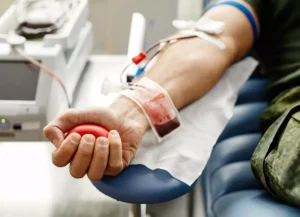
Blood donation is a vital act of generosity that saves lives — one unit of donated blood can help up to three patients because it is separated into packed red blood cells (PRBC), fresh frozen plasma (FFP), and platelets. Numerous individuals are eager to give blood to help those in need. However, there are worries about specific medical conditions that might impact the eligibility of potential donors.
Thyroid disorders are among the most common chronic illnesses in the world. According to the Indian Thyroid Society and American Thyroid Association (ATA), around 42 million Indians and more than 20 million Americans live with thyroid disease. So the question — can a thyroid patient donate blood — comes up constantly in blood drives and ENT clinics.
The answer to can a thyroid patient donate blood depends on several factors — the kind and severity of the thyroid issue, overall wellness, specific medications used, how long the patient has been stable, and whether the person meets general donor criteria (age 18–65, weight ≥50 kg, haemoglobin ≥12.5 g/dL for women and ≥13 g/dL for men as per NBTC). This 2026 guide examines eligibility in detail, drawing on WHO, FDA, AABB Standards 33rd edition, NHS Blood & Transplant, and NBTC/DGHS India rules.
2) Understanding Thyroid Conditions
The thyroid gland is a butterfly-shaped endocrine organ located in the front of the neck, below the Adam’s apple, draping over the trachea. It secretes two hormones — thyroxine (T4) and triiodothyronine (T3) — that control metabolism, body temperature, heart rate, cognition, and growth. The hormone thyroid-stimulating hormone (TSH), released by the pituitary gland, regulates the thyroid.

The three most common thyroid disorders are:
- Hypothyroidism — thyroid produces too little hormone. Causes: Hashimoto’s thyroiditis (autoimmune), iodine deficiency, post-surgical, post-radioactive iodine.
- Hyperthyroidism — thyroid produces excess hormone. Causes: Graves’ disease (autoimmune), toxic multinodular goitre, toxic adenoma, thyroiditis.
- Thyroid nodules and goitre — including benign nodules, cysts, and thyroid cancer (papillary, follicular, medullary, anaplastic).
Both hyper- and hypothyroidism can cause fatigue, weight changes, mood swings, palpitations, heat/cold intolerance, hair loss, infertility, and heart problems. Management usually involves lifelong levothyroxine (eltroxin) for hypothyroidism, or methimazole/carbimazole, propylthiouracil (PTU), radioactive iodine (I-131) or surgery for hyperthyroidism. Being on these medicines does not automatically disqualify someone from giving blood — the key question remains: can a thyroid patient donate blood safely while on these drugs? For most, the answer is yes.
DISCLAIMER: Some patients go to the internet and directly take treatment from there, which can lead to catastrophic consequences. Many people ask then why to read all this text — the reason is that it helps you understand the pathology better, cooperate with treatment better, and ask informed questions. Your treating physician is already busy with his patients and does not have sufficient time to explain everything from ABCD, so it is always better to have some knowledge of the disease/disorder you are suffering from.
3) Eligibility of Thyroid Patients for Blood Donation
In general, individuals with thyroid issues are qualified to donate blood if specific criteria are fulfilled. Here is the detailed, guideline-based answer to can a thyroid patient donate blood:
1. Stabilized Condition
If thyroid function has been stable for at least 3 months on the same dose of medication, the person is almost always eligible. Blood banks look for a steady TSH level in the normal range (0.4–4.5 mIU/L), absence of symptoms, and good general health. The AABB and NHS specifically state that euthyroid patients on stable thyroid replacement are acceptable donors.
2. No Active Symptoms
Active symptoms disqualify. If a thyroid patient has fatigue, palpitations, dizziness, tachycardia (>100 bpm), hypertension, unexplained weight loss or gain, tremors, or heat intolerance, blood donation is deferred until symptoms resolve.
3. Medications
Medication is often the biggest worry — but the answer to can a thyroid patient donate blood while on medicines is reassuring. Common thyroid medicines and donation rules:
- Levothyroxine (T4) — allowed; no deferral if stable.
- Liothyronine (T3) — allowed if stable.
- Carbimazole / Methimazole — allowed in most countries once the person is clinically and biochemically euthyroid. NHS requires 2-week deferral after a dose change.
- Propylthiouracil (PTU) — allowed if stable and liver function is normal; PTU carries a black-box warning for hepatotoxicity.
- Beta-blockers (propranolol, metoprolol) often used alongside anti-thyroid drugs — allowed if blood pressure is controlled.
- Radioactive iodine (I-131) — requires deferral of at least 12 months after therapy per Indian guidelines; some centres require longer. The 2024 FDA & AABB rules recommend waiting until the person is euthyroid and free of symptoms.
4. Thyroid Surgery or Radioactive Treatment
Patients who have had surgery or I-131 therapy often ask: once I am recovered, can a thyroid patient donate blood? After thyroidectomy (partial or total), donors must wait until wound healing is complete (usually 6 months) and TSH is stable on replacement. For thyroid cancer survivors who are disease-free, most blood banks allow donation 1–5 years after completing treatment, depending on tumour type and local policy. Low-risk papillary thyroid cancer survivors are more freely accepted than high-risk cases.
5. Other Health Factors
Besides the thyroid, eligibility screens cover anaemia, blood pressure, pulse, infectious diseases (HIV, HBV, HCV, syphilis, malaria), recent surgery, tattoos, pregnancy, lactation, and travel. A thyroid patient who is anaemic (very common with autoimmune hypothyroidism) is deferred until Hb is corrected. So the full answer to can a thyroid patient donate blood is: yes, if the whole-body picture is healthy.
4) Precautions for Thyroid Patients Who Wish to Donate Blood
Once you are confident a thyroid patient can donate blood in principle, these practical steps make the day go smoothly. Before donating, thyroid patients should take sensible precautions to ensure both their own safety and the quality of the donated blood.
1. Consult Your Doctor
Any thyroid patient asking can a thyroid patient donate blood for the first time should check with their endocrinologist or treating physician. Request a recent TSH, Free T4, Free T3 report. Normal values and absence of symptoms are green signals.
2. Take Your Medication as Usual
Do NOT skip your thyroid medicine on the day of donation. Take levothyroxine 30–60 minutes before breakfast as usual.
3. Monitor Symptoms
Track fatigue, palpitations, dizziness, or weakness in the week before donating. If any are present, defer.
4. Maintain a Healthy Lifestyle
Eat a well-balanced, iron-rich diet, stay hydrated (at least 500 ml water in the 3 hours before donation), and get proper sleep the night before. Avoid alcohol for 24 hours before and 24 hours after donation.
5. Know Your Blood-Bank Guidelines
Each centre has its own forms and rules. Carry a recent prescription and lab report. Honest disclosure of your thyroid condition is essential.
6. Post-Donation Care
Rest for 15 minutes with juice/snacks, keep the bandage on for 4–6 hours, drink plenty of fluids over 24 hours, avoid heavy exercise or sauna for 24 hours, and resume your medication schedule. These rules apply equally whether you have a thyroid condition or not.
5) What International Blood-Bank Guidelines Say (2024–2026)
- WHO (World Health Organization, 2024 update): Chronic stable endocrine disease, including treated hypothyroidism, is not a contraindication to voluntary blood donation.
- AABB Standards (33rd edition, 2024): Donors on levothyroxine are eligible if they feel well.
- FDA (USA) Donor Eligibility Questionnaire: Thyroid medication by itself does not defer the donor.
- NHS Blood & Transplant (UK, 2025): Fully controlled thyroid problems do not stop donation; 2-week deferral after a dose change; longer after radioactive iodine.
- NBTC / Drugs & Cosmetics Rules 1945, Part XIIB (India): Donor must be in good health; thyroid patients with controlled disease are accepted at most Indian blood banks; untreated or active disease is deferred.
- Council of Europe & European Directorate (EDQM, 2024 Blood Guide): Thyroid replacement therapy is acceptable; thyroid cancer in remission handled case by case.
The international consensus is unambiguous: can a thyroid patient donate blood? Yes — if their disease is controlled.
6) Special Situations: Pregnancy, Autoimmune, Cancer History
- Pregnancy & lactation: No blood donation during pregnancy or for 6–12 months postpartum, regardless of thyroid status.
- Hashimoto’s thyroiditis (autoimmune hypothyroidism): Donation allowed if euthyroid, no active flare, haemoglobin acceptable. The autoimmune nature itself is not a bar.
- Graves’ disease: Allowed when euthyroid on anti-thyroid drugs; deferred during active hyperthyroid phase.
- Thyroid cancer: Papillary and follicular — typically donate after 1–5 years disease-free; medullary and anaplastic — permanent deferral at many centres.
- Thyroid nodules: Benign, untreated nodules — allowed if no symptoms; cancer must be ruled out via FNAC (fine-needle aspiration cytology) first.
- Subclinical hypothyroidism/hyperthyroidism: Usually allowed if symptom-free and labs mildly deranged.
So for most patients living with thyroid disease, the practical answer to can a thyroid patient donate blood is a confident yes with sensible precautions.
7) Myths vs Facts
Wrong information online makes many people doubt whether a thyroid patient can donate blood. Let’s clear the top five myths.
- Myth: Thyroid patients should never donate blood. Fact: They can — the AABB, FDA, WHO, and NHS all agree.
- Myth: Donating blood lowers thyroid hormone levels. Fact: Donating 350–450 ml does not affect circulating thyroid hormones meaningfully.
- Myth: Levothyroxine is passed to the recipient and can harm them. Fact: Levothyroxine levels in donated blood are physiological; recipients are unaffected.
- Myth: You need to stop thyroid medicine on the donation day. Fact: Never stop. Continue as prescribed.
- Myth: Autoimmune thyroid disease means a lifetime ban. Fact: Autoimmune diseases alone do not bar donation if stable.
8) FAQ’s
Here are the most common questions patients ask when wondering can a thyroid patient donate blood.
Q1. Can a person with hypothyroidism donate blood?
Yes, provided the condition is well-managed with levothyroxine, TSH is in range, and the individual is in good overall health.
Q2. Can a person with hyperthyroidism donate blood?
Yes, if symptoms are controlled, TSH and T3/T4 are near normal, and the person is on stable anti-thyroid medication without side effects.
Q3. Does thyroid medication affect my ability to donate blood?
No. Thyroid medicines by themselves do not disqualify a donor. Only recent dose changes and uncontrolled disease matter.
Q4. How long after thyroid surgery can I donate blood?
Wait until the surgical wound has healed (usually 6 months), you are on a stable replacement dose, and your TSH is normal.
Q5. How long after radioactive iodine (I-131) treatment can I donate?
At least 12 months in most Indian guidelines; some countries require 2–5 years. Confirm with your blood bank.
Q6. Are there any risks for thyroid patients when donating blood?
If the patient is euthyroid and otherwise healthy, risks are the same as any donor — mild dizziness, bruising at the needle site, fainting (vasovagal syncope). No long-term risk to thyroid function.
Q7. Can I donate platelets or plasma instead?
Yes. The same eligibility rules apply to apheresis platelet and plasma donation.
Q8. Can a thyroid cancer survivor donate blood?
Depends on cancer type, treatment and follow-up. Low-risk papillary cancer survivors are often accepted after 1–5 disease-free years; always ask your blood bank and oncologist.
For important health-related topics please click on our Facebook page link given below or copy-paste this link into Google search —
https://www.facebook.com/positivemind.healthcare
For important health-related videos please click on the link of our YouTube channel given below or copy-paste this link into Google search —
http://www.youtube.com/@healthuseful8539/
9) Conclusion / Summary
Thyroid patients are generally able to donate blood, but their eligibility hinges on several factors — the stability of their thyroid condition, the medications used, and overall health. It is important for thyroid patients to collaborate closely with their healthcare provider to ensure the thyroid disorder is properly managed before donating. Donating blood is a commendable act, but it is vital to prioritise personal health and well-being first. By following the appropriate guidelines and precautions, thyroid patients can safely contribute to this life-saving cause — proving that for most of them, the answer to can a thyroid patient donate blood is a confident yes.
If any patient has any ENT – ear nose throat problems and requires any consultation, online consultation, or surgery in the clinic of ENT specialist Dr Sagar Rajkuwar, he may TAKE APPOINTMENT BY CLICKING ON THE LINK GIVEN BELOW —
Clinic address of ENT specialist Dr Sagar Rajkuwar —
Prabha ENT Clinic, Plot no 345, Saigram Colony, Opposite Indoline Furniture, Ambad Link Road, Ambad, 1 km from Pathardi Phata, Nashik, 422010, Maharashtra, India — Dr Sagar Rajkuwar (MS-ENT), Cell no 7387590194, 9892596635
📞 ENT Consultation & Surgery
Dr. Sagar Rajkuwar (MS-ENT)
Prabha ENT Clinic, Ambad, Nashik
📱 7387590194 | 9892596635
🌐 www.entspecialistinnashik.com
Medical Disclaimer:
This article is for educational purposes only and does not replace professional medical advice, diagnosis, or treatment. Audiogram results should be interpreted by a qualified audiologist or ENT specialist. If you have sudden hearing loss, severe dizziness, ear discharge, or other concerning symptoms, seek medical evaluation promptly. Blood-donation decisions should always be made in consultation with a qualified physician and the local blood-bank protocol.
FOR FURTHER INFORMATION IN GREAT DETAIL ON Is Fasting Required for Thyroid Test PL CLICK ON THE LINK GIVEN BELOW-