Tums for Acid Reflux: How It Works, Uses, Dosage, Side Effects & Precautions
-various aspects-
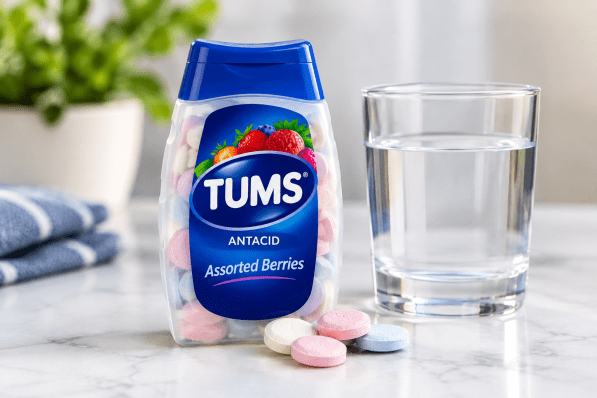
Tums is a nonprescription antacid used to treat upset stomach that is brought on by too much stomach acid, sour stomach, acid indigestion, and infrequent heartburn. Calcium carbonate, which neutralizes stomach acid and offers reasonably quick symptom relief, is often its main component.
Tums may be effective in relieving sporadic acid reflux symptoms, but it does not address the underlying etiology of frequent gastroesophageal reflux disease (GERD). Those who frequently require antacids ought to consult a doctor about their issues.
Author: Dr Sagar Rajkuwar, ENT Specialist, Nashik, Maharashtra, India
🌐 www.entspecialistinnashik.com

Table of Contents
- What Is Tums?
- How Does Acid Reflux Respond to Tums?
- How long does Tums take to start working?
- Different Tums Strengths
- Tums: How to Use Them
- How Many Times May Tums Be Taken?
- Tums for Mild Heartburn
- Tums for Recurrent Acid Reflux
- GERD and Tums
- Tums and Gas or Bloating
- Tums Side Effects
- Drug Interactions with Tums
- Who Needs to Be Careful with Tums?
- Pregnancy and Tums
- Lifestyle Changes That Could Relieve Acid Reflux
- When Is It Necessary to Consult a Doctor?
- Chest Pain Requires Special Attention
- Tums vs. Long-Acting Acid Medicines
- FAQs
- Summary
What Is Tums?
A brand of antacid with calcium carbonate is called Tums. Stomach acid is neutralized and its acidity is decreased by calcium carbonate.
It is mostly used for:
- Heartburn
- Acid reflux
- An acidic stomach
- Upset stomach accompanied by these signs
The usage of calcium carbonate as an antacid, however, differs from its usage for nutritional calcium supplementation. Additionally, it is utilized as a calcium supplement.
How Does Acid Reflux Respond to Tums?
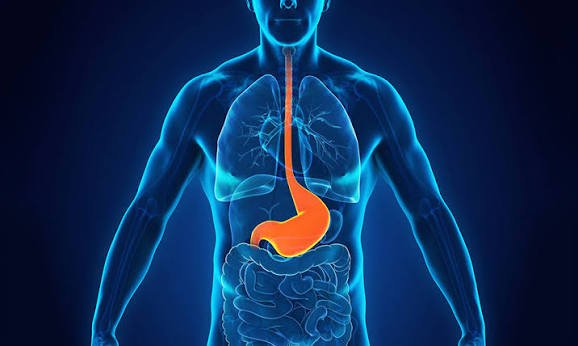
By neutralizing stomach acid that has accumulated there, Tums functions.
When stomach acid rises into the esophagus, it can result in the burning sensation that is referred to as heartburn. An antacid can lessen the acidity and thus alleviate the burning feeling.
Tums is made to provide quick, short-term relief from symptoms. It doesn’t cure inflammation or damage caused by persistent GERD, nor does it stop all subsequent reflux episodes.
How long does Tums take to start working?
Calcium carbonate antacids may start working quickly after consumption. The precise start and duration of relief might change depending on the recipe, amount, food consumption, and unique symptoms.
Therefore, Tums should be seen as a short-term treatment for occasional symptoms, not as a medication intended to provide long-lasting control of frequent reflux.
Different Tums Strengths
Different Tums products contain different amounts of calcium carbonate.
Examples include:
Product strength |
Calcium carbonate per tablet |
|---|---|
Regular Strength |
500 mg |
Extra Strength |
750 mg |
Ultra Strength |
1,000 mg |
The exact formulation and directions can vary between products and countries. Always check the current package label rather than assuming that the dosage is the same for every Tums product.
Some formulations may also contain additional ingredients for specific symptoms. For example, products designed for heartburn accompanied by gas may contain simethicone in addition to an antacid.
Tums: How to Use Them
For calcium carbonate antacids that can be chewed:
- Before swallowing, thoroughly chew the tablet.
- Adhere to the dose specified on the label of the particular product.
- The package’s recommended daily dosage shouldn’t be exceeded.
- If the product’s instructions suggest it, drink water after taking the medication.
- For persistent symptoms, do not continue self-treatment past the advised length of time.
For instance, the current U.S. label for a 750 mg calcium carbonate Tums product recommends that adults and children aged 12 and older take 2–4 tablets as symptoms appear and warns against using the greatest dosage for more than two weeks unless instructed to do so by a doctor.
Don’t believe that all Tums products have a six-tablet maximum. Depending on the formulation and strength, the maximum dosages vary.
How Many Times May Tums Be Taken?
The exact product determines how much is needed.
Labels for Tums allow for multiple tablets to be taken when symptoms arise, but the highest number of tablets in a 24-hour period depends on the medication’s strength and formula. Hence, the package instructions must be strictly followed.
The important question isn’t only how many Tums pills you may take if you need them often. Constant heartburn might be a symptom of GERD or another illness that needs to be assessed.
Tums for Mild Heartburn
Tums may be used for sporadic heartburn.
Heartburn happens when gastric contents, such as acid, back up into the esophagus. This may result in a chest or throat burn.
Antacids may provide symptom relief and balance existing stomach acid. Nevertheless, they don’t cover every mechanism that causes reflux.
Tums for Recurrent Acid Reflux
Tums is not meant to be the exclusive treatment for chronic or persistent acid reflux.
GERD might be present if heartburn happens two or more days per week. Over time, frequent reflux can harm the esophageal lining.
Antacids provide less sustained acid suppression than other medications like proton pump inhibitors and H2 blockers. The proper treatment is determined by the cause and seriousness of the symptoms.
GERD and Tums
Even though Tums can momentarily relieve GERD symptoms, they don’t always manage the underlying reflux.
Those who suffer from repeated GERD may require:
- Alterations in lifestyle
- Persistent Symptom Evaluation
- When appropriate, acid-reducing medicine with a longer half-life
- Additional testing in a few instances
Antacids can alleviate symptoms, but they don’t treat inflammation or other damage brought on by persistent reflux.
Tums and Gas or Bloating
Simethicone, a substance used to alleviate gas symptoms, is combined with calcium carbonate in certain antacid formulations.
However, regular calcium carbonate Tums doesn’t specifically target gas. Its main function is to counteract stomach acid.
Consider the underlying cause of persistent bloating or gas rather than using an antacid repeatedly.
Tums Side Effects
Side effects are possible with calcium carbonate antacids, however they are often well accepted when used as directed on the label.
Potential impacts include:
- Obstipation
- Fuel
- Belching
- Swelling
Exceeding recommended dosages might lead to excessive calcium levels and other issues.
Signs of an overabundance of calcium
If symptoms such as the following arise after excessive usage of calcium carbonate, get medical treatment:
- Vomiting or nausea
- Weakness or fatigue that is not normal
- Excessive thirst
- A rise in urine production
- Daze
- Major constipation
Large amounts of calcium carbonate might be dangerous.
Drug Interactions with Tums
Some drugs’ effectiveness or absorption may be hampered by calcium carbonate.
It has the potential to interact with drugs such as:
- Some antibiotics
- Iron dietary supplements
- Medications for thyroid issues
- Certain antifungal medications
- Some anti-seizure medications
- Some alternative prescription medications
When instructed by a doctor or pharmacist, calcium carbonate should typically be kept apart from other drugs. According to Medline Plus, calcium carbonate can diminish the efficacy of certain medications. It advises consulting with a healthcare professional about the timing of the medication. Before using calcium carbonate frequently, consult with a pharmacist or physician if you take prescription medications daily.
Who Needs to Be Careful with Tums?
Before regular use, consult a healthcare professional if you have:
- Renal illness
- Elevated blood calcium concentrations
- A history of kidney stones.
- Dehydration.
- Gastrointestinal hemorrhage or stomach ulcer
- Serious constipation
- regular prescription medications for other medical issues
Additionally, individuals who use calcium pills should take into account how much calcium they are getting from all sources.
Pregnancy and Tums
Even though heartburn is frequently experienced during pregnancy, over-the-counter remedies shouldn’t be assumed to be safe just because they are readily available.
Consult your doctor about the best dosage and antacid if you are breastfeeding or pregnant.
For pregnancy, some Tums product labels have certain maximum daily dosages that may be lower than the maximum for the average adult.
Lifestyle Changes That Could Relieve Acid Reflux
Medication is not the sole method of lessening reflux symptoms.
Helpful actions could include:
- Steering clear of eating right before going to bed
- Keeping vertical after eating
- Identifying foods that trigger symptoms on a regular basis
- Maintaining a healthy weight when appropriate is crucial.
- Tobacco use should be avoided.
- Elevating the head of the bed during nocturnal reflux episodes
- Avoiding meals or drinks that make symptoms worse for you individually
Some folks may find that staying upright for a few hours after supper and raising their upper body when sleeping helps with nighttime reflux.
When Is It Necessary to Consult a Doctor?
Don’t depend on Tums if:
- Frequent heartburn
- Symptoms appear the majority of days
- Even with antacid usage, symptoms remain.
- Regular usage of antacids is necessary.
- You struggle to swallow.
- When swallowing, food appears to be caught.
- Weight loss that cannot be explained
- Continuous nausea is present.
- You have tar-like or dark stools
- You’re bleeding in your stomach.
Heartburn can sometimes be caused by ailments other than simple occasional acid reflux, therefore persistent symptoms necessitate assessment.
Chest Pain Requires Special Attention
Acid reflux is not the only cause of every chest burning feeling.
Urgent medical evaluation is necessary for severe, crushing, pressure-like, or unexplained chest pain, particularly when it is accompanied by shortness of breath, sweating, weakness, or pain that radiates to the arm, back, neck, or jaw.
Don’t automatically think that a brief antacid relief indicates heartburn.
Tums vs. Long-Acting Acid Medicines
Antacids like Tums primarily act by counteracting existing acidity.
Different mechanisms are used by proton pump inhibitors and H2 blockers. Despite not giving the same immediate symptom relief, they often provide more durable control than antacids and lessen acid production.
Depending on whether symptoms occur sometimes or frequently, and whether GERD or another disease is present, the best choice may vary.
FAQs
Acid reflux is best treated with Tums.
By neutralizing stomach acid, Tums can alleviate occasional acid indigestion and heartburn. It is intended primarily for the short-term relief of symptoms.
How quickly does Tums take effect?
Quickly, calcium carbonate antacids can start neutralizing stomach acid. The precise length and speed of relief are based on the product and unique situations.
Is it okay for me to take Tums on a regular basis?
Without medical advice, regular daily use shouldn’t be maintained. Regular heartburn may be a sign of GERD or another illness that needs to be assessed.
Can GERD be treated with Tums?
No. Even though Tums can alleviate heartburn symptoms, it does not address the underlying causes of GERD or heal esophageal damage brought on by reflux.
Is it possible for Tums to induce constipation?
Yes. Calcium carbonate antacids are known to cause constipation.
Can Tums be combined with other drugs?
Yes, there is. Some drugs may be affected by calcium carbonate. If you use any prescription medications, vitamins, iron, thyroid medication, or antibiotics, talk to a pharmacist or doctor about the best time to take them.
Is calcium carbonate equivalent to Tums?
Many Tums products contain calcium carbonate as the active ingredient. Tums is a brand of antacid. However, formulations can vary, so always check the product label.
Is it possible to take Tums for gas?
Tums with regular calcium carbonate are generally used to treat symptoms brought on by acid. Certain mix medications also include simethicone and are specifically designed to alleviate gas.
Summary
Tums, which often includes calcium carbonate, can alleviate occasional heartburn and acid indigestion quickly and temporarily by neutralizing stomach acid. When reflux symptoms are recurring or ongoing, it is not meant to replace assessment or long-term therapy.
Consider potential medication interactions, stick to the dosage listed on the product label, and don’t go over the advised amount. It’s important to consult a doctor if heartburn is chronic, resistant to treatment, or accompanied by unexplained weight loss, bleeding, swallowing problems, or severe chest pain.
Medical Disclaimer
This article is for general educational purposes only. It does not replace a medical examination, diagnosis, or individualized treatment from a qualified healthcare professional. Medication doses and product formulations can change, so always read the current package label and consult a doctor or pharmacist when appropriate.
👉 YouTube Channel:
http://www.youtube.com/@healthuseful8539/
Medical References
- MedlinePlus. Calcium Carbonate.
- MedlinePlus. Taking Antacids.
- MedlinePlus. Gastroesophageal Reflux Disease (GERD).
- DailyMed. Calcium Carbonate Antacid Drug Label.
- DailyMed. Calcium Carbonate 750 mg Chewable Tablet.
- Katz PO, et al. ACG Clinical Guideline for the Diagnosis and Management of Gastroesophageal Reflux Disease. Am J Gastroenterol. 2022;117(1):27–56. PMID: 34807007.