Gastroenteritis vs Gastritis: How to Recognise the Differences Between These Two Conditions-various aspects-
Article author: Dr. Sagar Rajkuwar, MS-ENT 🌐 www.entspecialistinnashik.com
Gastroenteritis and Gastritis: Both Are Different Topics – Know the Difference
People often confuse gastroenteritis and gastritis because both conditions can cause stomach pain, nausea and vomiting. Their names also sound similar. However, they are different medical conditions: gastroenteritis affects the stomach and intestines, while gastritis refers to inflammation of the stomach lining.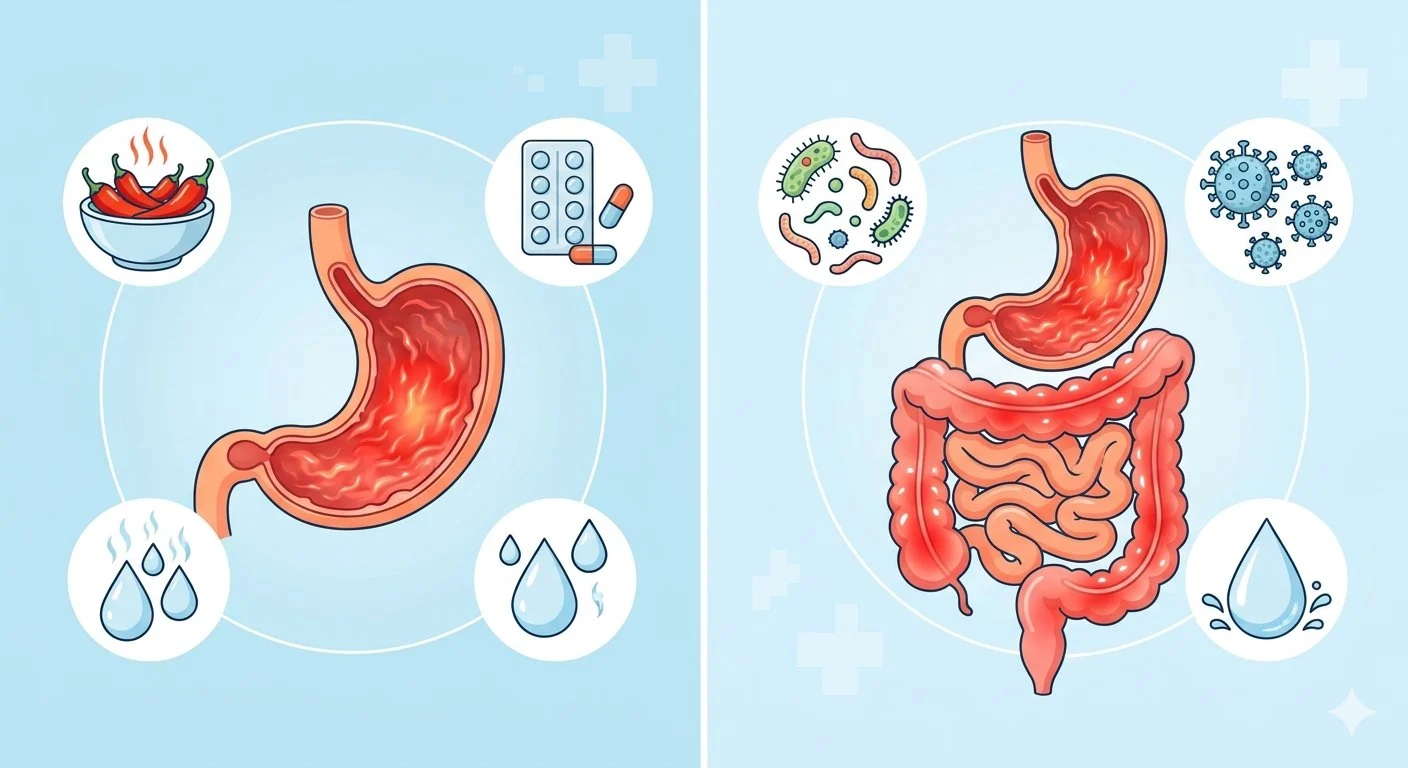
Are gastroenteritis and gastritis different?
Yes. Gastroenteritis and gastritis are two different conditions. Gastroenteritis is inflammation of the stomach and intestines, usually due to an infection, and commonly causes diarrhoea, vomiting and abdominal cramps. Gastritis is inflammation of the stomach’s inner lining; common causes include Helicobacter pylori (H. pylori), non-steroidal anti-inflammatory drugs (NSAIDs), alcohol and autoimmune conditions. Gastritis may cause upper abdominal discomfort or indigestion, and many people have no symptoms. The most useful clinical clue is that diarrhoea is common in gastroenteritis but is not a typical defining feature of uncomplicated gastritis. Nevertheless, symptoms overlap, so symptoms alone cannot always establish the diagnosis.What is gastroenteritis?
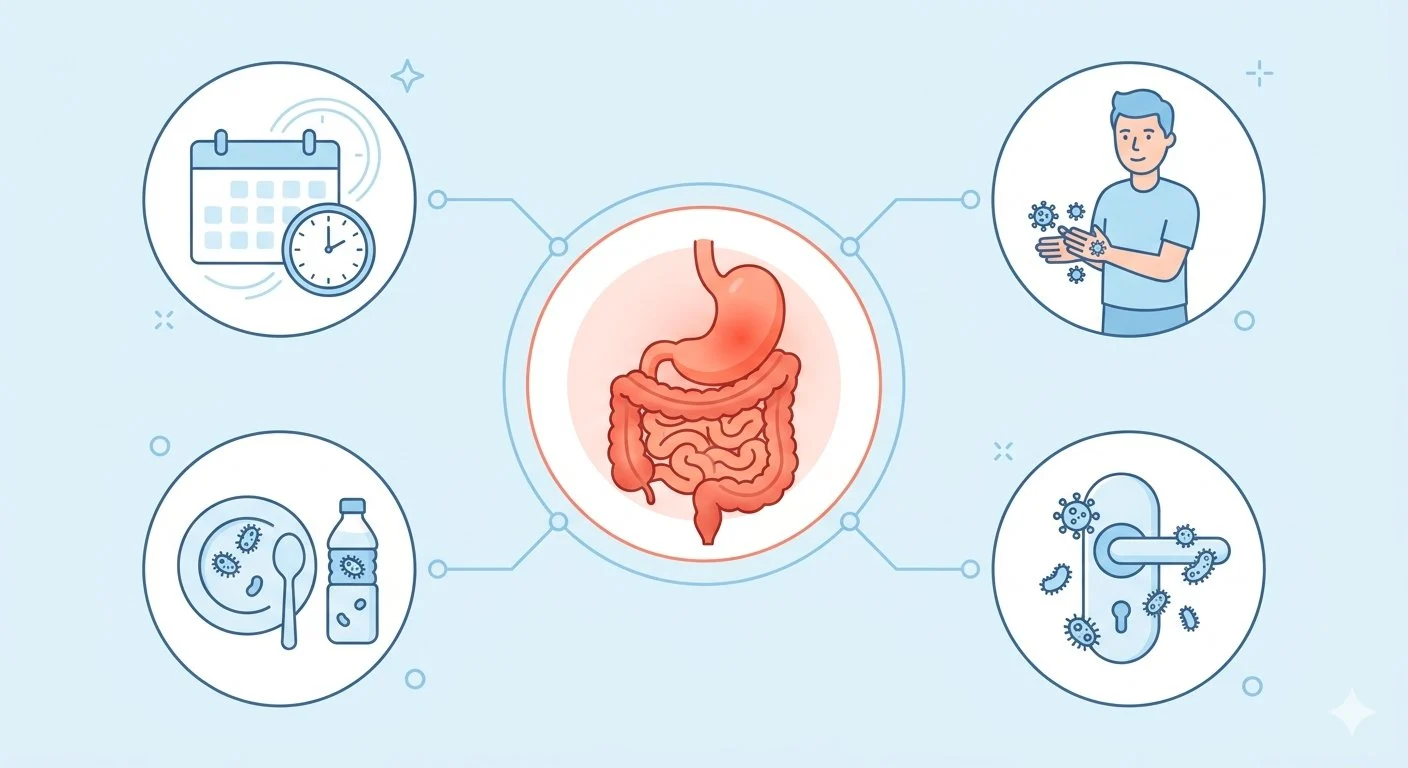
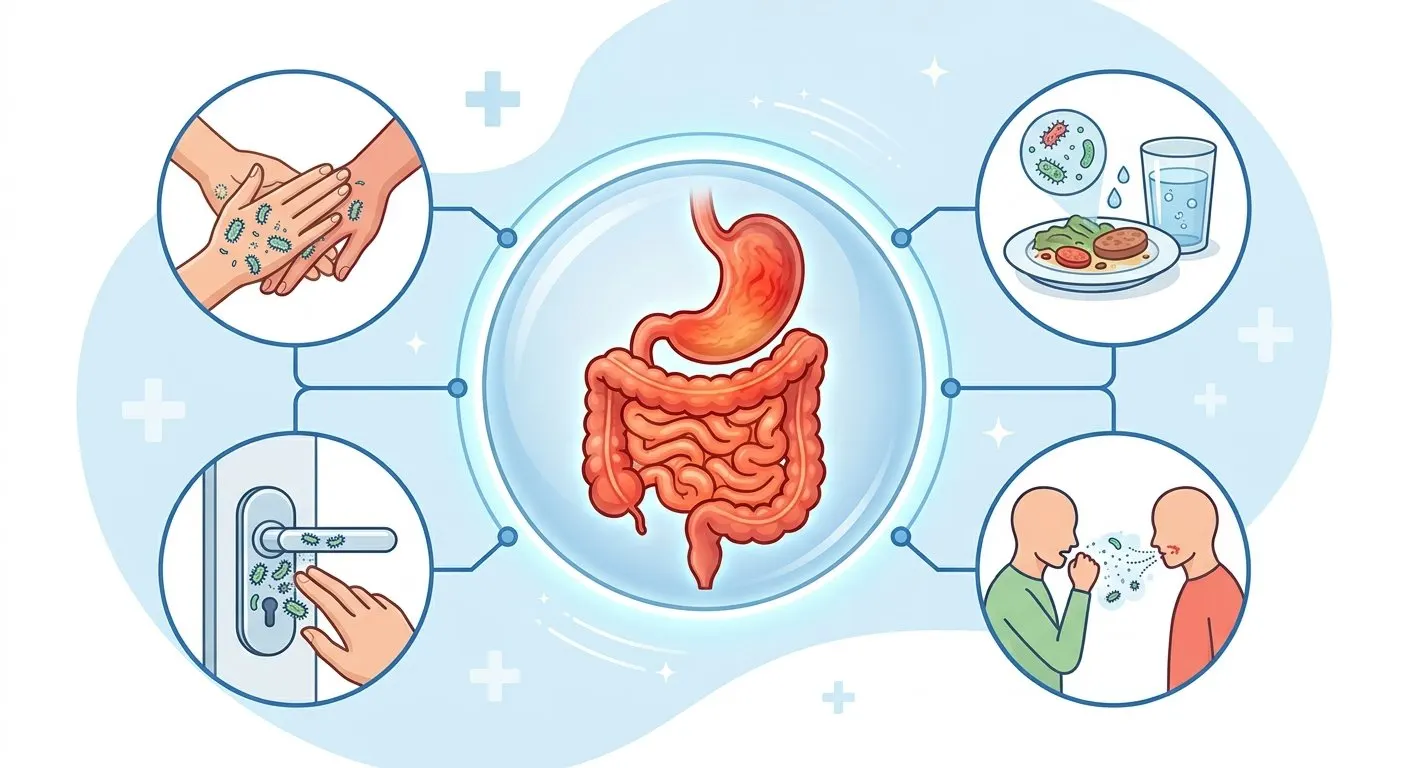
Gastroenteritis is inflammation of the gastrointestinal tract, particularly the stomach and intestines. It is commonly caused by infection with viruses, bacteria or parasites. Viral causes include norovirus and rotavirus; bacterial causes include organisms such as Salmonella, Campylobacter and Shigella. Typical symptoms include sudden-onset watery diarrhoea, vomiting, nausea, abdominal cramps and sometimes fever. Infection may spread through contaminated food or water, infected hands, shared surfaces or direct contact with an infected person. Not every episode of diarrhoea and vomiting is infectious, but acute infectious gastroenteritis is often contagious.What is gastritis?
Gastritis is inflammation of the gastric mucosa, the protective inner lining of the stomach. It may be acute, developing over a short period, or chronic, persisting for months or longer. Some people with gastritis have no symptoms. Others experience upper abdominal pain or discomfort, nausea, vomiting, indigestion, bloating or feeling full sooner than expected. Important causes include H. pylori infection, regular use of certain painkillers such as ibuprofen or aspirin, alcohol-related irritation, autoimmune gastritis and severe physical illness. Gastritis is not simply “too much acid”; the cause and type of stomach lining injury matter when selecting treatment.Which parts of the digestive system are affected?
Gastroenteritis affects the stomach and intestines
The term combines gastro (stomach) and enteritis (inflammation of the intestine). Inflammation or infection involving the intestines interferes with normal absorption and secretion of water and salts. This helps explain why diarrhoea is such a prominent symptom. Vomiting may occur when the stomach and upper digestive tract are involved.Gastritis affects the stomach lining
Gastritis is localised to the stomach lining. The gastric mucosa normally protects underlying tissue from acid and digestive enzymes. Inflammation or damage can produce upper abdominal symptoms and, in erosive cases, bleeding. The small and large intestines are not necessarily inflamed in gastritis.Clinical distinction: Gastroenteritis is a syndrome involving stomach and intestinal symptoms, often with diarrhoea. Gastritis is a stomach-lining diagnosis. The word “gastritis” should not be used as a general label for every type of stomach upset.
Gastroenteritis vs gastritis: key differences
| Feature | Gastroenteritis | Gastritis |
|---|---|---|
| Definition | Inflammation of the stomach and intestines | Inflammation of the stomach lining |
| Main organs involved | Stomach and intestines | Stomach mucosa |
| Common causes | Viruses, bacteria, parasites; sometimes foodborne toxins cause a similar illness | H. pylori, NSAIDs, alcohol, autoimmune processes and other causes |
| Diarrhoea | Common, especially in infectious cases | Not a typical defining symptom |
| Vomiting | Common in many acute infections | May occur, but is not always present |
| Pain location | Cramping or discomfort may be central or diffuse | Often upper abdomen, below the breastbone |
| Fever | May occur, depending on the cause | Not typical of uncomplicated gastritis |
| Contagiousness | Many infectious cases are contagious | Gastritis itself is not generally contagious; H. pylori can spread |
| Typical course | Often improves over days, depending on the organism | May be acute or persist until the cause is treated |
| Diagnosis | Often based on symptoms; stool tests in selected cases | May require H. pylori testing and sometimes endoscopy with biopsy |
| Treatment focus | Hydration, symptom care and targeted treatment only when indicated | Treat the cause, such as H. pylori eradication or reducing irritant medicines |
Causes of gastroenteritis and gastritis
Causes of gastroenteritis
1. Viral infections
Norovirus is a common cause of outbreaks of vomiting and diarrhoea. Rotavirus is an important cause of diarrhoeal illness in young children, and vaccination reduces the risk of severe rotavirus disease. Other viruses can also cause gastroenteritis.2. Bacterial infections
Salmonella, Campylobacter, Shigella and certain strains of Escherichia coli can cause intestinal infection. Exposure may occur through undercooked food, contaminated water, unsafe food handling or person-to-person spread, depending on the organism.3. Parasitic infections
Giardia and Cryptosporidium are examples of parasites that can cause diarrhoea. Contaminated water and faecal-oral transmission are important routes.4. Foodborne toxins and non-infectious mimics
Some illnesses called food poisoning result from toxins already formed in food. They can cause abrupt vomiting or diarrhoea but do not necessarily spread from one person to another. Medicines and other bowel disorders can also mimic infectious gastroenteritis.Causes of gastritis
1. Helicobacter pylori infection
H. pylori is a bacterium that can live in the stomach and cause chronic inflammation. It is a major cause of gastritis and is also associated with peptic ulcers. Persistent infection may require a prescribed combination of antibiotics and acid-suppressing treatment.2. Non-steroidal anti-inflammatory drugs (NSAIDs)
Medicines such as ibuprofen, naproxen and aspirin can damage the stomach’s protective lining, particularly with regular use or in people with additional risk factors. Do not stop prescribed aspirin or other essential medicines without discussing the risks with the prescribing clinician.3. Alcohol
Heavy or repeated alcohol exposure can irritate and damage the stomach lining. Avoiding alcohol is important when it is contributing to symptoms or mucosal injury.4. Autoimmune gastritis
In autoimmune gastritis, the immune system attacks cells in the stomach lining. This can reduce absorption of vitamin B12 and iron and may lead to anaemia. It requires appropriate investigation and follow-up.5. Severe physical illness and other causes
Major burns, serious infections, critical illness or reduced blood flow can cause acute erosive stomach injury, sometimes called stress-related mucosal disease. Bile reflux and less common infections may also cause gastritis or gastropathy.Symptoms: how can you tell them apart?
Common symptoms of gastroenteritis
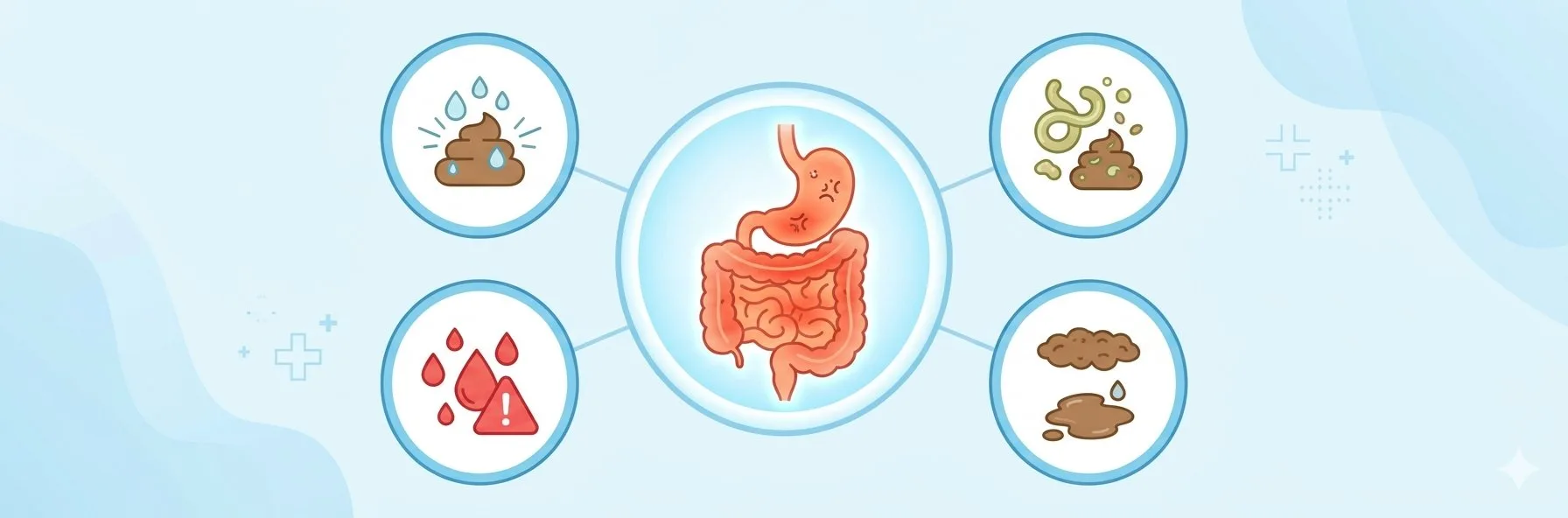
- Sudden watery diarrhoea or frequent loose stools.
- Nausea and vomiting.
- Abdominal cramps, sometimes throughout the abdomen.
- Fever, chills, headache or body aches in some infections.
- Loss of appetite and weakness.
- Dehydration when fluid losses are substantial.
Common symptoms of gastritis
- Upper abdominal pain, burning or discomfort.
- Indigestion or a feeling of fullness after eating.
- Feeling full unusually quickly during a meal.
- Nausea, sometimes with vomiting.
- Reduced appetite or unexplained weight loss in some cases.
- No symptoms at all in many people.
Why symptoms alone may not be enough
Both conditions can cause nausea, vomiting and abdominal pain. A person with gastritis may also have a separate intestinal infection, and a person with gastroenteritis may describe upper abdominal discomfort. Persistent symptoms, blood loss, weight loss or severe pain should not be labelled as simple “acidity” without appropriate assessment.Are gastroenteritis and gastritis contagious?
Is gastroenteritis contagious?
Many cases of infectious gastroenteritis are contagious. Norovirus, rotavirus and certain bacterial or parasitic infections can spread through contaminated hands, food, water and surfaces. People with vomiting or diarrhoea should wash hands with soap and water, avoid preparing food for others and follow local guidance about staying away from work or school after symptoms stop.Is gastritis contagious?
Gastritis itself is not generally contagious. You cannot catch stomach-lining inflammation simply by sitting beside someone who has gastritis. However, one important cause of gastritis, H. pylori, is an infection that can spread between people. It may be transmitted through contact involving saliva, vomit or stool, and through food or water contaminated with these materials. The exact routes by which people acquire H. pylori are still being studied.Important difference: A person does not “catch gastritis” as a syndrome. They may acquire H. pylori, which can later cause gastritis. This distinction is important when discussing contagiousness with family members.
How long do gastroenteritis and gastritis last?
Duration of gastroenteritis
Many uncomplicated viral infections improve within a few days, although duration depends on the organism and the person’s age and health. Some bacterial or parasitic infections can last longer and may require testing or specific treatment. Diarrhoea that persists, returns or is associated with blood, fever or dehydration needs medical assessment.Duration of gastritis
Acute gastritis may improve when the trigger is removed and appropriate treatment is started. Chronic gastritis can persist for months or years, particularly if H. pylori infection or an autoimmune cause remains untreated. Symptom improvement does not always prove that the underlying inflammation or infection has resolved.How are gastroenteritis and gastritis diagnosed?
Diagnosis of gastroenteritis
A clinician generally considers the onset and pattern of diarrhoea and vomiting, hydration, fever, food or water exposure, travel, sick contacts and medical history. Mild, short-lived illness may not need laboratory tests. Stool testing may be appropriate when there is bloody diarrhoea, severe illness, prolonged symptoms, suspected outbreak, recent travel or a higher-risk patient.Diagnosis of gastritis
Assessment may include medicine history, alcohol use, symptoms and risk factors. Tests can include:- H. pylori urea breath test to detect active infection.
- Stool antigen test to detect H. pylori infection.
- Upper gastrointestinal endoscopy (gastroscopy) to inspect the stomach lining.
- Biopsy during endoscopy to examine tissue and identify inflammation, H. pylori or other changes.
- Blood tests to assess anaemia, iron or vitamin B12 deficiency, or other concerns.
Treatment: why the approaches are different
Treatment of gastroenteritis
1. Replace fluids and electrolytes
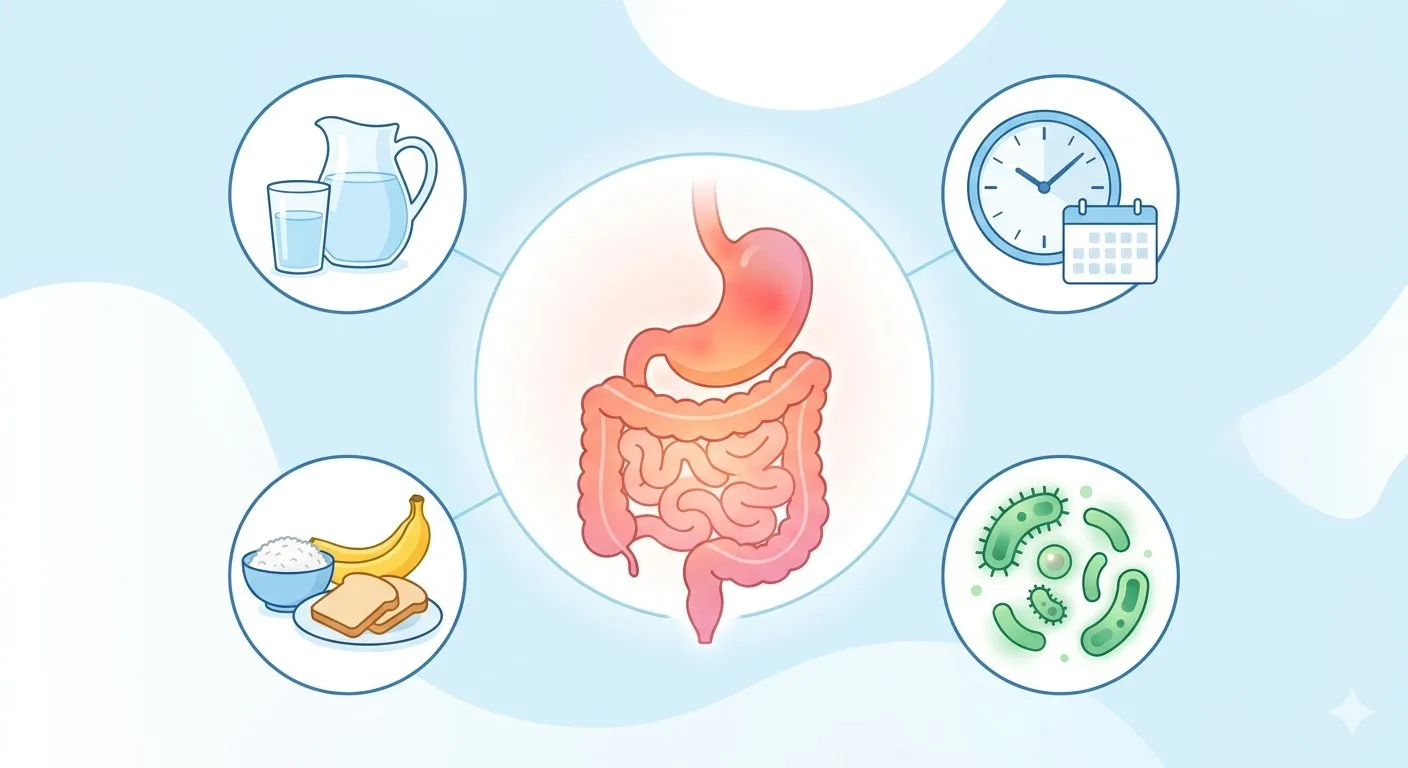
The main treatment for many acute cases is oral rehydration solution (ORS). Use a commercial sachet mixed with exactly the volume of safe water stated on the packet. Give small, frequent sips if nausea is present. Continue breastfeeding in infants and resume suitable food as tolerated.2. Treat the cause when necessary
Antibiotics are not routinely needed for viral gastroenteritis and should not be self-prescribed for diarrhoea. Selected bacterial infections may require specific treatment, while some infections are managed without antibiotics. The decision depends on the organism, severity and patient risk.3. Prevent transmission
Wash hands with soap and water, disinfect contaminated surfaces, handle laundry carefully and avoid preparing food for others while symptomatic. For many common infectious causes, people should remain away from work, school or food preparation until at least 48 hours after vomiting and diarrhoea stop, but organism-specific rules may differ.Treatment of gastritis
1. Treat H. pylori when confirmed
H. pylori gastritis is treated with a prescribed combination regimen, commonly involving more than one antibiotic and an acid-suppressing medicine, sometimes with bismuth. The exact regimen should reflect local antibiotic resistance patterns, allergies and previous antibiotic exposure. Completing the full course is important.2. Reduce or remove the cause
If NSAIDs are contributing, the clinician may review the need, dose or alternative options and consider stomach protection. Do not independently stop prescribed aspirin, antiplatelet therapy or other essential medicines. Avoid alcohol if it is causing irritation.3. Reduce acid and manage complications
Proton pump inhibitors (PPIs) or other acid-reducing medicines may be used depending on the cause and clinical findings. Autoimmune gastritis may require monitoring and replacement of vitamin B12 or iron when deficient. Bleeding or ulcer complications require specific medical treatment.Food, fluids and recovery: what is different?
During gastroenteritis
Preventing dehydration is more important than following a restrictive diet. Use ORS when needed, continue breastfeeding and eat ordinary foods as appetite returns. Very sugary drinks, fruit juice and fizzy drinks can worsen diarrhoea in some people. Avoid fasting unless a clinician gives a specific reason.During gastritis
There is no single diet that cures every type of gastritis. Avoid foods, drinks or medicines that clearly trigger symptoms, and limit alcohol. Some people find smaller meals more comfortable. However, diet alone does not eradicate H. pylori or reverse every cause of gastritis; the underlying cause needs appropriate treatment.Do spicy foods cause gastritis?
Spicy foods may worsen discomfort in some individuals, but they are not considered the main cause of most gastritis. H. pylori, NSAIDs and alcohol are more important established causes. Personal tolerance can guide food choices, but an overly restrictive diet is usually unnecessary.When should you seek medical attention?
Seek urgent medical care for either condition if you experience:
- Vomiting blood or material resembling coffee grounds.
- Black, tarry stools or visible blood in stool.
- Severe, sudden or persistent abdominal pain.
- Fainting, confusion, marked weakness or signs of severe dehydration.
- Inability to keep fluids down or very little urine.
- Chest pain, breathlessness or collapse.
Arrange prompt medical assessment if:
- Diarrhoea or vomiting is persistent, worsening or recurrent.
- There is unexplained weight loss, reduced appetite or early fullness.
- Swallowing is painful or difficult.
- Vomiting keeps recurring.
- Symptoms occur in an infant, older adult, pregnant person or someone with a weakened immune system or significant chronic illness.
Common misconceptions about gastroenteritis and gastritis
Myth 1: Gastroenteritis and gastritis are the same disease.
Fact: Gastroenteritis involves the stomach and intestines; gastritis is inflammation of the stomach lining.Myth 2: Gastritis always causes excess stomach acid.
Fact: Gastritis has several causes, including H. pylori, NSAIDs and autoimmune disease. It is not simply a condition of excessive acid production.Myth 3: Gastritis is always contagious.
Fact: Gastritis itself is not generally contagious. H. pylori, one possible cause, can spread between people.Myth 4: Every case of gastroenteritis needs antibiotics.
Fact: Many cases are viral and improve with supportive care. Antibiotics are only appropriate for selected infections and should be prescribed when indicated.Myth 5: A bland diet cures gastritis.
Fact: Diet may help symptoms, but treatment must address the underlying cause, particularly H. pylori or medication-related injury.Frequently asked questions
1. Are gastroenteritis and gastritis the same condition?
No. Gastroenteritis affects the stomach and intestines and often causes diarrhoea and vomiting. Gastritis affects the stomach lining and commonly causes upper abdominal discomfort or indigestion, although some people have no symptoms.2. Which condition causes diarrhoea?
Gastroenteritis is much more likely to cause diarrhoea because it involves the intestines. Diarrhoea is not a typical defining symptom of uncomplicated gastritis.3. Is gastritis contagious?
Gastritis itself is not usually contagious. However, H. pylori infection, which can cause gastritis, may spread between people through routes involving saliva, vomit or stool and contaminated food or water.4. Is gastroenteritis contagious?
Many infectious forms are contagious. Viruses such as norovirus and rotavirus and certain bacteria and parasites can spread through contaminated hands, food, water and surfaces.5. Can gastritis cause vomiting?
Yes. Gastritis can cause nausea and vomiting, but these symptoms also occur in many other conditions. Persistent vomiting needs medical assessment.6. Can gastroenteritis cause pain in the upper abdomen?
Yes. Gastroenteritis can cause abdominal cramps or discomfort in different areas, including the upper abdomen. Pain location alone cannot reliably distinguish it from gastritis.7. Can a person have gastritis and gastroenteritis at the same time?
It is possible for a person to have more than one digestive condition. A clinician should assess symptoms and relevant tests rather than assuming one diagnosis explains everything.8. Which test confirms H. pylori gastritis?
Urea breath testing and stool antigen testing can detect active H. pylori infection. Endoscopy with biopsy may be recommended when clinically appropriate. The best test depends on symptoms, age, risk factors and previous treatment.9. Does gastritis always need endoscopy?
No. Many patients can be assessed initially with clinical history and non-invasive H. pylori testing. Endoscopy is considered according to age, alarm symptoms, persistent symptoms and other clinical factors.10. Can ORS treat gastritis?
ORS replaces fluid and salts lost through diarrhoea or vomiting; it does not treat inflammation of the stomach lining or eradicate H. pylori. It is useful when a person with gastroenteritis is losing fluids.Summary
- Gastroenteritis and gastritis are different medical conditions.
- Gastroenteritis affects the stomach and intestines; infectious cases commonly cause diarrhoea, vomiting and cramps.
- Gastritis is inflammation of the stomach lining and may cause upper abdominal discomfort, nausea, indigestion or early fullness; many people have no symptoms.
- Gastroenteritis is often infectious and may be contagious. Gastritis itself is not generally contagious.
- H. pylori can cause chronic gastritis and may spread between people.
- Gastroenteritis care focuses on hydration and cause-specific treatment when indicated; gastritis treatment depends on the underlying cause.
- Blood in vomit or stool, black stools, severe pain, fainting or severe dehydration require urgent medical assessment.
Conclusion
Gastroenteritis and gastritis are two different digestive conditions, even though some symptoms overlap. Gastroenteritis involves inflammation of the stomach and intestines and commonly presents with diarrhoea, vomiting and abdominal cramps. Gastritis involves inflammation of the stomach lining and more often causes upper abdominal discomfort, indigestion, nausea or early fullness. Their causes and treatments are also different. Infectious gastroenteritis often requires hydration and infection-control measures, whereas gastritis treatment depends on whether the cause is H. pylori, medication-related injury, alcohol, autoimmunity or another condition. Correct diagnosis matters because treating one condition as if it were the other may delay appropriate care.Disclaimer
This article is intended for general health education and does not replace individual medical advice, examination, diagnosis or treatment. Abdominal pain, vomiting and bowel changes can have causes other than gastroenteritis or gastritis. Seek medical assessment for persistent, severe or worrying symptoms and urgent care for bleeding, collapse, severe pain or dehydration. Medical review: This educational article should be reviewed by a registered medical practitioner with relevant expertise before being labelled “medically reviewed”. No independent specialist review is claimed in this version.Further learning
For additional patient education, see the YouTube search for medical explanations of gastroenteritis and gastritis. Prefer videos from recognised medical institutions or public-health organisations.References and authoritative sources
- National Institute of Diabetes and Digestive and Kidney Diseases (NIDDK). Gastritis & Gastropathy. Definition, causes, diagnosis and treatment.
- NIDDK. Symptoms and Causes of Gastritis & Gastropathy. Symptoms, H. pylori, NSAIDs, alcohol and autoimmune causes.
- NIDDK. Diagnosis of Gastritis & Gastropathy. Endoscopy, biopsy, stool and breath testing.
- NIDDK. Treatment of Gastritis & Gastropathy. Cause-specific treatment, H. pylori eradication and medicine-related injury.
- NIDDK. Viral Gastroenteritis. Symptoms, transmission, diagnosis and supportive treatment.
- World Health Organization (WHO). Diarrhoeal Disease. Causes, dehydration, prevention and oral rehydration.
- National Health Service (NHS), UK. Gastritis. Symptoms, causes, investigations and warning signs.
- NHS. Diarrhoea and Vomiting. Self-care and dehydration guidance.
- Cleveland Clinic. Gastroenteritis: What It Is, Symptoms, Causes & Treatment. Clinical explanation and comparison with gastritis.
- MedlinePlus, US National Library of Medicine. Gastritis. Causes and clinical features.
- BMJ Best Practice. Gastritis. Evidence-based clinical overview of diagnosis and management.
📲 For Health-Related Articles & Videos
🔹 Facebook: https://www.facebook.com/positivemind.healthcare🔹 YouTube: http://www.youtube.com/@healthuseful8539/
ENT Consultation & Surgery
Dr. Sagar Rajkuwar (MS-ENT) Consultant ENT Specialist & Head-Neck SurgeonPrabha ENT Clinic, Ambad, Nashik, Maharashtra, India