PPI Acid Reflux: How Proton Pump Inhibitors Work, Uses, Benefits, Side Effects, and Long-Term Safety
-various aspects-
GERD, or gastroesophageal reflux disease, is frequently treated with PPIs when heartburn and other symptoms are present. Medications known as proton pump inhibitors (PPIs) decrease the stomach’s production of acid. They are among the most effective medications for reducing acid-related esophageal injury and treating common reflux symptoms.
PPIs can be highly helpful if used for the appropriate medical condition. Long-term therapy should be evaluated on a regular basis with a healthcare expert, and not everyone who experiences intermittent heartburn needs a PPI.
In this post, we discuss PPIs, how they function, when they’re used for acid reflux, how to take them, potential adverse effects, long-term safety concerns, rebound symptoms after withdrawal, and when more medical evaluation may be needed.
Author: Dr Sagar Rajkuwar, ENT Specialist, Nashik, Maharashtra, India
🌐 www.entspecialistinnashik.com
What is PPI Acid Reflux Treatment?
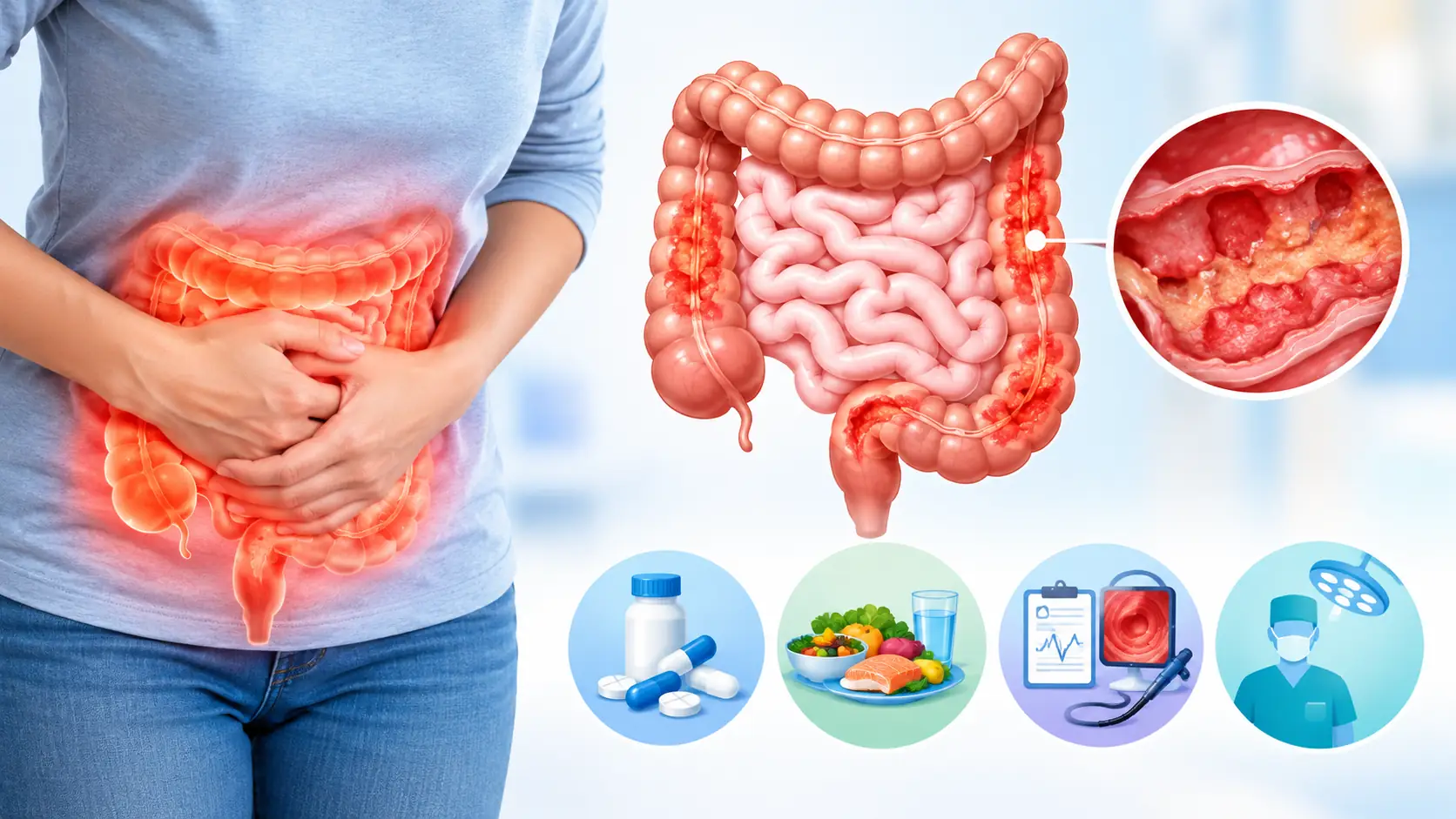
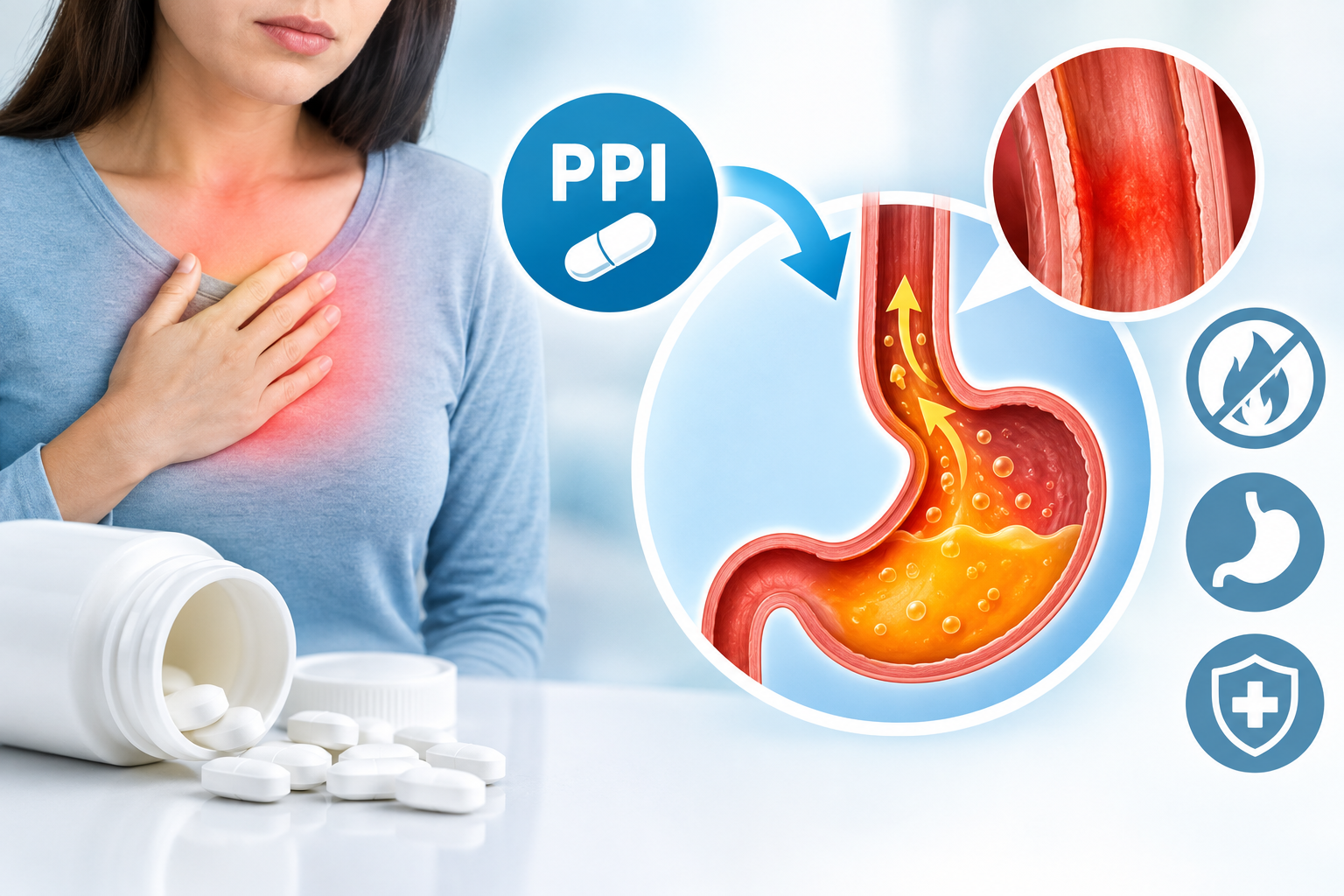
Acid reflux treatment with PPI involves taking a proton pump inhibitor to lower stomach acid in individuals who suffer from acid reflux or GERD.
When the contents of the stomach backflow into the esophagus, acid reflux results. Frequent reflux that results in issues or complications may be diagnosed as GERD, even though intermittent reflux is common.
Among the typical symptoms are:
- Heartburn
- Regurgitation of acid
- Having a sour or bitter taste in your mouth
- A sensation of burning behind the sternum.
- Upper stomach ache
- Reflux-related chest pain
- Some people experience nausea.
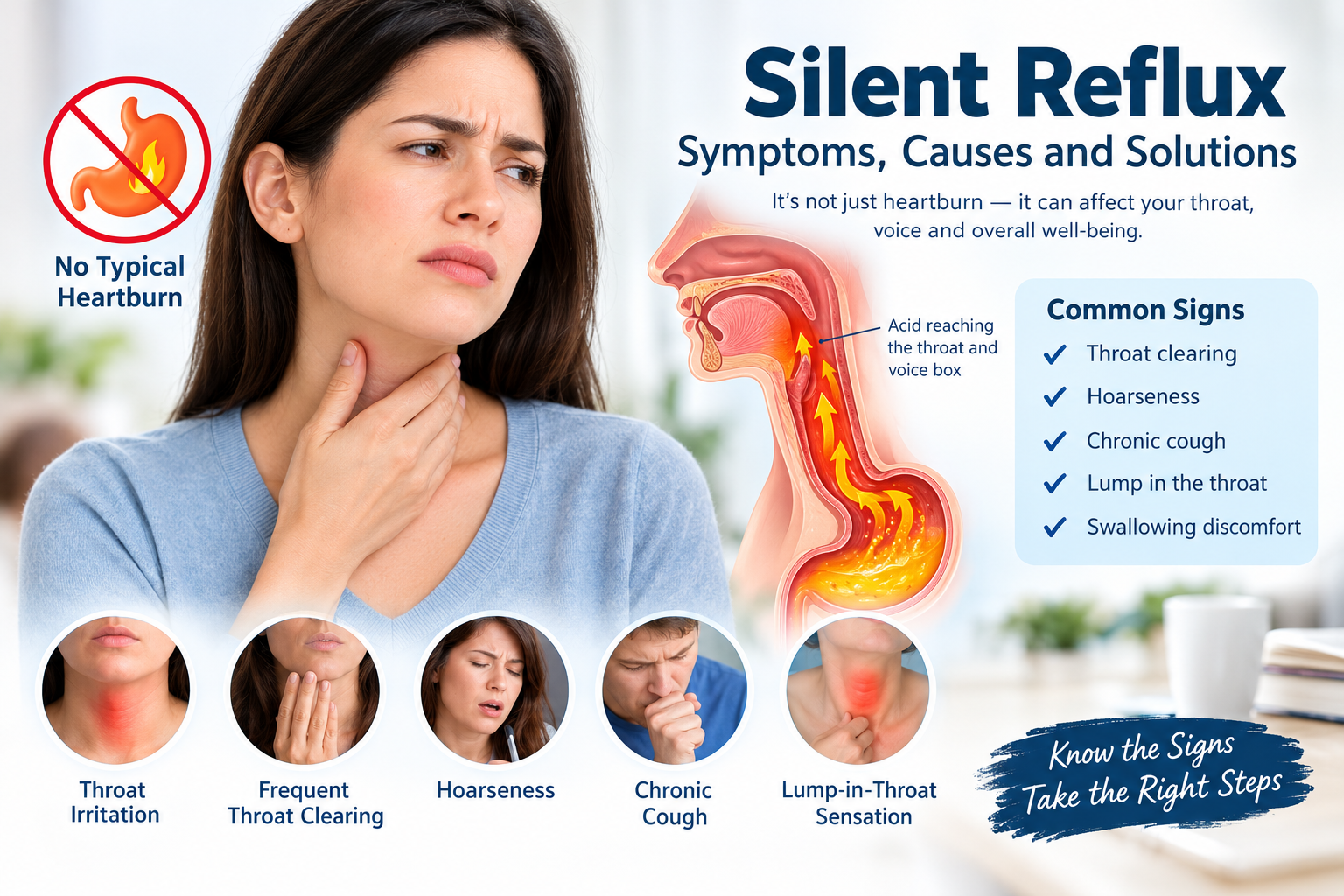
- In some individuals, there is a chronic cough or throat irritation.
- Some individuals experience hoarseness.
If the lower esophageal sphincter does not adequately prevent stomach contents from ascending, GERD may develop. Reflux can also be brought on by a hiatal hernia, being overweight, being pregnant, smoking, and using particular drugs.
Table of Contents
- What Are Proton Pump Inhibitors?
- How Do PPIs Work for Acid Reflux?
- Why Do People With GERD Benefit From Taking Less Stomach Acid?
- Which conditions are treated with PPIs?
- Are PPIs Better Than Antacids for Acid Reflux?
- Is using PPIs for sporadic heartburn a smart idea?
- How Long Does a PPI Take to Start Working?
- When is the ideal time to take a PPI?
- What Happens if PPI Therapy Fails to Treat Acid Reflux?
- Can regurgitation be treated with PPIs?
- Can PPIs Help Throat Symptoms and LPR?
- Common Side Effects of PPIs
- Is it Safe to Take PPIs for a Long Time?
- Kidney Issues and PPIs
- Reduced Magnesium and PPIs
- Vitamin B12 and PPIs
- Calcium or Fractures with PPIs
- PPIs and C. difficile Infection
- PPIs and the Gut Microbiome
- Can PPIs Cause SIBO?
- Do PPIs Cause Dementia?
- Do PPIs Cause Heart Disease?
- Do PPIs Cause Stomach Cancer?
- PPIs and Fundic Gland Polyps
- Can PPIs Cause Rebound Acid Reflux After Stopping?
- When you feel better, should you stop taking a PPI?
- What Is the Lowest Effective PPI Dose?
- What Happens If You Take Too Much PPI?
- Lifestyle Changes That May Help Acid Reflux
- When Is Testing for Acid Reflux Required?
- With acid reflux, what are the warning signs?
- PPI Acid Reflux: Important Drug Interactions
- Are Over-the-Counter PPIs Safe?
- Pregnancy-Related Acid Reflux During PPI Use
- PPI Acid Reflux in Older Adults
- Is it possible to use PPIs for years?
- Do all GERD sufferers require PPIs for the rest of their lives?
- PPI Acid Reflux: Benefits Versus Risks
- Why You Should Not Fear PPIs Unnecessarily
- Common Questions About PPI Acid Reflux
- Conclusion
What Are Proton Pump Inhibitors?
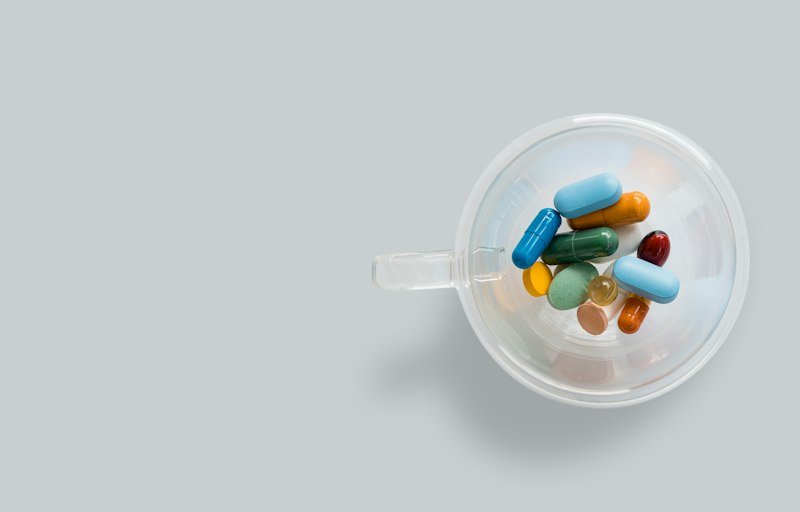
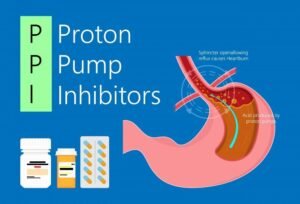
The manufacture of stomach acid is inhibited by a class of medications known as proton pump inhibitors.
For example:
- Omeprazole.
- esomeprazole
- Lansoprazole
- Pantoprazole
- Rabeprazole
- Dexlansoprazole
Even while different PPIs may have different formulations, dosing regimens, authorized applications, and drug interactions, they all share similar fundamental effects.
In certain countries, some PPIs are available over the counter, while others are exclusively available with a prescription.
Local medical advice and medication labels should be followed because the approved signs and availability may differ between countries.
How Do PPIs Work for Acid Reflux?
It’s helpful to understand how stomach acid is produced in order to know how PPIs operate.
The stomach has specialized cells called parietal cells, which have an enzyme system called the hydrogen-potassium ATPase, also known as the proton pump.
The final step in gastric acid secretion involves this proton pump.
This pump is inhibited by PPIs.
Thus:
Proton pump inhibition → lower stomach acid → less acidic refluxate → less discomfort and more effective esophageal healing
PPIs do not physically prevent stomach contents from traveling upward. Instead, they reduce the acidity of the refluxed substance.
This distinction is crucial.
If there is a lot of regurgitation due to stomach contents physically entering the esophagus, a PPI might lessen the acidity but might not completely eliminate the impression of liquid or food returning.
Why Do People With GERD Benefit From Taking Less Stomach Acid?
Because it has protective measures, the stomach is able to endure acidic substances.
The esophagus is not as well-protected against gastric acid repeated exposure.
Erosive esophagitis can occur in certain people as a result of repeated acid exposure, which irritates the lining of the esophagus.
The esophageal lining can heal if acid is reduced.
When GERD has resulted in obvious esophageal inflammation or injury, PPIs are especially beneficial. Additionally, they are employed to promote healing in those with complicated or recurring kinds of GERD.
Which conditions are treated with PPIs?
Beyond ordinary heartburn, PPIs are utilized for a variety of medical problems.
They can be used for:
1. Esophageal Reflux Disease
One of the most frequent reasons for treating GERD is PPIs.
Esophageal acid damage can be treated with PPIs, which also alleviate heartburn.
2. Erosive Oesophagitis
Reflux that occurs frequently might harm the lining of the esophagus.
PPIs are capable of lowering stomach acid levels to the point where the damaged lining may repair.
3. Ulcers of the Stomach
Healing of stomach and duodenal ulcers is possible with PPIs.
The underlying cause of the ulcer determines the course of therapy.
4. Infection with H. pylori
In the case of Helicobacter pylori infection, a PPI may be used in conjunction with antibiotics and, in certain cases, bismuth as part of an eradication regimen. The antibiotic medications fight the infection while the PPI aids in decreasing stomach acidity.
5. Preventing particular ulcers associated with NSAIDs
Acid-suppressing treatment may sometimes be given to people who need long-term nonsteroidal anti-inflammatory drugs (NSAIDs) and who have specific risk factors for ulcers to lessen gastrointestinal problems.
6. Barrett’s Esophagus
To manage reflux and lessen acid-related damage, PPIs are used to treat some people who have GERD and Barrett’s esophagus.
7. Zollinger-Ellison Disorder
Excessive stomach acid production is a symptom of this uncommon disorder. In affected patients, PPIs are a crucial component of therapy and could be required for a long time.
Are PPIs Better Than Antacids for Acid Reflux?
Antacids, H2 blockers, and PPIs operate in different ways.
Antacids
Acid that is currently in the stomach is neutralized by antacids.
Although they may offer temporary alleviation of minor heartburn, they do not offer the same degree of sustained acid suppression as PPIs.
Blockers for H2
By inhibiting histamine-mediated stimulation of acid secretion, H2 receptor blockers lower acid production.
Although they give less strong acid suppression, they typically operate more quickly than PPIs.
PPIs
The final step in acid synthesis is directly blocked by PPIs.
They are especially helpful when acid reduction needs to be maintained or when the esophagus requires time to recover.
According to the NIDDK, PPIs are often more effective than H2 blockers in treating GERD symptoms and healing the esophageal lining.
Is using PPIs for sporadic heartburn a smart idea?
Not always.
It’s possible that someone who only sometimes has heartburn doesn’t need to take PPIs on a regular basis.
A proper short-term medication or changes in lifestyle may be enough for moderate, infrequent symptoms.
The situation varies when symptoms are constant, frequent, or accompanied by esophageal inflammation.
The crucial issue is not just:
“Do PPI medications help reduce acid?”
Yes, it is.
The more crucial question is:
“Is there a condition in this individual that would significantly benefit from persistent acid suppression?”
Investigations, medical history, examination, and symptoms all influence the decision.
How Long Does a PPI Take to Start Working?
Many antacids are not meant to provide the same quick relief as PPIs.
They function on active proton pumps, and other pumps get active at various times, therefore their acid-suppressing impact takes time to manifest.
The full advantage may take longer, but some individuals see improvement in the first few days.
For this reason, taking a PPI as directed and on a regular basis is crucial if it has been prescribed as part of your regular treatment.
When is the ideal time to take a PPI?
When prescribed once daily, many standard PPIs are most effective when taken before a meal, generally before breakfast.
The precise directions are contingent upon the unique medicine and preparation.
For specific disorders, certain individuals need to be treated twice daily; however, this should be decided by a doctor rather than by just raising the dose when symptoms persist.
For some formulations, taking a PPI after eating may lower its efficacy.
Patients should thus adhere to the directions included with their particular medication.
What Happens if PPI Therapy Fails to Treat Acid Reflux?
Persistent symptoms do not automatically necessitate more PPI medication.
A number of choices need to be taken into account.
The symptoms could be brought on by:
- Poorly addressed GERD
- Taking the medicine at the wrong time
- Lack of compliance
- Important vomiting
- Hiatal hernia
- Heartburn with no physical cause
- hypersensitivity to acid reflux
- Disorders of Esophageal Motility
- Eosinophilic esophagitis
- Disease of peptic ulcers
- Gallbladder disease
- Symptoms associated with medication use
- another digestive illness
- a cause that is not related to the digestive system
If symptoms persist despite appropriate treatment, additional assessment may be more helpful than regularly escalating acid reduction.
According to NIDDK, testing may be taken into account if symptoms do not get better with therapy or if another problem or complication is thought to be present.
Can regurgitation be treated with PPIs?
Acid suppression may be helpful for certain individuals, but it doesn’t always stop stomach contents from moving into the esophagus.
This explains why a person could remark:
“Although my heartburn is better, I can still feel food or fluids returning.”
Despite the mechanical reflux episode continuing, the PPI may be effectively lowering acidity.
Therefore, rather than assuming that a greater PPI dosage is the solution, persistent troublesome regurgitation should be discussed with a medical expert.
Can PPIs Help Throat Symptoms and LPR?
Extra care must be exercised in this place.
Reflux has been suggested as a factor in symptoms like:
- clearing the throat constantly
- A sore throat
- Chronic cough
- irritation in the throat
- Feeling like there is a lump in the throat
- Feeling of too much mucus
However, there are several causes for these symptoms.
Acid reflux isn’t necessarily indicated by a sore throat.
Similar symptoms can also result from other conditions such as allergies, postnasal drainage, asthma, infection, and voice overuse.
As a result, long-term PPI treatment should not be used as a first resort for persistent throat symptoms without looking into other reasons.
Common Side Effects of PPIs
PPIs are usually well-tolerated by most people.
Possible negative effects are:
- Headache.
- Pain in the abdomen
- Queasy
- Diarrhoea
- Constipation
- Bloating or gas
- Vertigo
- Skin reactions in some individuals
Side effects are not experienced by everyone.
If a new symptom appears after starting a PPI, particularly if it is persistent or severe, it should be discussed with a medical expert.
Is it Safe to Take PPIs for a Long Time?
This is one of the most common questions regarding the PPI acid reflux therapy.
The solution is complex.
When properly prescribed, PPIs are often regarded as safe and effective.
In observational research, long-term usage has also been connected to a number of medical issues.
These include potential connections to:
- Certain digestive illnesses
- Lack of magnesium
- Insufficient vitamin B12
- Kidney concerns
- Bone breaks
- Variations in the intestinal bacteria
- Some drug reactions
Nonetheless, it’s crucial to draw a significant distinction:
Causation cannot be shown via association.
Individuals who use PPIs for a long time may be older, have more severe gastrointestinal problems, have other medical illnesses, or take multiple medications.
Apart from the PPI, these variables might affect health outcomes.
As a result, the current medical advice emphasizes utilizing PPIs when there is a valid reason to do so and assessing whether the dosage and length of treatment are still acceptable.
Kidney Issues and PPIs
According to some research, there is a connection between prolonged PPI use and renal disease.
Acute interstitial nephritis is an inflammatory renal condition that can occur with drugs like PPIs. It is also a known but rare side effect.
Nonspecific symptoms are possible.
Warning indicators that may appear include:
- Decreased urination
- Inflammation
- Fatigue for no apparent reason
- Fever
- Hasty
- Alterations in renal blood levels
Even if a PPI has this possible negative effect, it doesn’t mean that every user will get renal illness.
Those who already have kidney difficulties should consult their healthcare provider about their prescription use.
Reduced Magnesium and PPIs
Hypomagnesemia, which is defined as a lack of magnesium, is a recognized although rare issue linked to long-term PPI usage.
Serious cases of low magnesium may lead to:
- Cramps in muscles
- Fragility
- Shaking movements
- Heart rhythms that are irregular
- Epileptic seizures
The FDA has previously issued warnings about hypomagnesemia and protracted PPI usage. Particularly when medications or additional risk factors are present, some individuals may need to have their magnesium levels checked.
Vitamin B12 and PPIs
Digestion and absorption of specific nutrients can be hampered by stomach acid suppression over an extended period of time.
One nutrient that has attracted a lot of notice is vitamin B12.
Nevertheless, not everyone who uses a PPI experiences a shortage that is medically significant.
Routine supplementation or testing is not always necessary for everyone.
When symptoms, dietary variables, other medical conditions, or extended medication use give rise to concern, testing may be more appropriate.
Calcium or Fractures with PPIs
Prolonged PPI usage and fractures have been linked in several observational studies.
Changes in calcium absorption have been suggested as a possible mechanism.
Nevertheless, the proof doesn’t show that PPIs cause osteoporosis in everyone who uses them.
Individuals who are already at a high risk for osteoporosis should speak with their doctor about their complete medicine and bone-health profile.
PPIs and C. difficile Infection
Lower stomach acidity can change the body’s natural protection against some microorganisms.
Particularly in several groups, research has shown a link between Clostridioides difficile infection and PPI usage.
This does not mean that PPI treatment will always result in infection.
The risk should be considered in those who have additional risk factors, especially those who often need antibiotics or have other susceptibility variables.
PPIs and the Gut Microbiome
The stomach’s acidic environment determines which microorganisms may live and enter the intestine.
The microbiota of the gastrointestinal system might be altered when stomach acid is considerably decreased.
Variations in the gut microbiota have been seen in PPI consumers by researchers.
Many of these microbiological alterations, however, are still being investigated for their clinical relevance.
It should not be assumed that a shift in the microbiome indicates illness.
Can PPIs Cause SIBO?
Acid-suppressing medications have been studied in relation to SIBO, which is what small intestinal bacterial overgrowth is usually referred to as.
Since stomach acid is one of the body’s barriers to microbes that have been consumed, decreasing gastric acidity may alter bacterial populations in the digestive tract.
The link between SIBO, gastrointestinal symptoms, and PPI therapy is not straightforward, though.
Bloating, stomach pain, or changes in bowel habits should not be automatically categorized as SIBO when taking a PPI.
A thorough medical examination is necessary.
Do PPIs Cause Dementia?
Since some observational studies have found a link between PPI use and dementia, this is a frequent worry.
However, it cannot be concluded from observational data that the medicine was the cause of dementia.
Other research has not verified a definite causal link.
As a result, patients shouldn’t discontinue a medically required PPI only because they’re concerned it will lead to dementia.
The risks and benefits of each patient’s medical condition should be taken into account when making medicine decisions.
Do PPIs Cause Heart Disease?
Concerns regarding cardiovascular disease have also been highlighted in observational studies.
Nevertheless, an association between PPI usage and heart disease does not immediately imply that PPIs lead to heart disease.
Patients using PPIs may also have medical conditions that raise their risk of cardiovascular disease.
There is no justification for ending a properly prescribed PPI just out of concern for cardiovascular disease, according to the available information.
Do PPIs Cause Stomach Cancer?
There has been a lot of research into the connection between stomach cancer and PPI treatment.
Associations have been shown in some observational studies, particularly in those who have H. pylori infections or other underlying gastric problems.
Observational studies, on the other hand, can be impacted by confounding variables.
It is not enough evidence to draw a conclusion that stomach cancer is typically brought on by taking a PPI.
For this reason, PPIs should be used for the right reasons and not for longer than necessary.
PPIs and Fundic Gland Polyps
Small fundic gland polyps, which are frequently discovered incidentally during endoscopy, can be linked to long-term PPI use.
The majority are benign.
A person’s presence does not necessarily indicate that they have cancer.
If polyps are identified during an endoscopic examination, their importance is determined by their number, size, appearance, and other clinical factors.
Can PPIs Cause Rebound Acid Reflux After Stopping?
Some patients have an exacerbation of heartburn or acid-related symptoms after discontinuing a PPI after prolonged usage.
Rebound acid hypersecretion is the most common term for this condition.
It might persuade individuals that their underlying reflux has suddenly gotten much worse.
The right way to stop or lessen a PPI depends on why the drug was initially prescribed, though the symptoms might go away with time.
Instead of immediately stopping a treatment that is medically essential, those who have been taking PPIs for a lengthy period of time should typically speak with their healthcare professional about stopping.
When you feel better, should you stop taking a PPI?
Not always.
The medicine may be successfully managing the problem if you feel better.
Ultimately, certain individuals may be able to cut down on or stop treatment entirely.
For certain individuals, continuing medical care might be necessary since stopping it might lead to the reappearance of issues.
In some patients with severe erosive esophagitis or other illnesses where continuous acid suppression offers a considerable benefit, long-term care may be especially crucial.
Therefore, the original reason for treatment should be the foundation for the choice, rather than only whether symptoms are present.
What Is the Lowest Effective PPI Dose?
The aim is often to employ the lowest efficient dosage that appropriately manages the illness when long-term care is required.
It doesn’t imply that everyone should use the least amount of medicine possible.
For example, someone with mild heartburn sometimes may need a longer or stronger treatment than someone who suffers from severe erosive esophagitis.
Therefore, dosage reduction should be customized.
What Happens If You Take Too Much PPI?
Taking more medication doesn’t necessarily provide much more relief from symptoms.
Repeatedly increasing the dose of a treatment without first understanding why it is failing may not cure the underlying problem if the patient’s symptoms continue.
Instead, a medical expert may assess:
- Is the diagnosis accurate?
- if the drug is being taken as directed.
- Whether the time is right
- Is reflux truly causing the symptoms?
- Is there another disease affecting the esophagus?
- whether additional testing is needed
Lifestyle Changes That May Help Acid Reflux
One aspect of managing GERD is taking medicine.
For some individuals, lifestyle adjustments may be beneficial.
Don’t lie down right after you’ve eaten.
Reflux is more likely to occur if you eat and then lay down.
People who suffer from nocturnal symptoms may find it helpful to eat their last meal three hours before going to bed.
Find your own food triggers.
Everybody responds differently to the same meals.
Some of the most often mentioned triggers are:
- Meals rich in fat
- Dessert
- Coffee
- Drinks that are caffeinated
- Liquor
- Mint
- Hot cuisine
- Foods made with tomatoes
- Foods that are citrusy
Everybody doesn’t need to avoid every item on this list.
It’s more helpful to determine which meals routinely make your own symptoms worse.
Keep a healthy weight
Weight reduction may relieve GERD symptoms if someone is obese or overweight.
During sleep, lift your top body.
Elevating the head and upper torso during sleep may help those who suffer from nighttime reflux.
Instead of just placing cushions under the head, a wedge-style raise may be more beneficial.
When Is Testing for Acid Reflux Required?
Many patients with typical reflux symptoms may be able to receive a preliminary diagnosis based on their symptoms and medical history.
When any of the following occur, testing may be warranted:
- Treatment fails to lessen symptoms.
- Recurrence of symptoms often occurs.
- Symptoms of alarm exist
- It’s likely that there’s a problem.
- It is unclear what the diagnosis is.
- Symptoms might be explained by a different disease.
- Objective evidence is required for long-term treatment decisions.
Investigations might include:
Upper GI endoscopy.
The esophagus, stomach, and duodenum can all be seen by the physician using an endoscope.
It is able to distinguish between:
- Inflammation of the esophagus
- Sores
- Narrowing down
- Barrett’s esophagus
- Additional Abnormalities
- pH monitoring that is mobile
Over time, this gauges the esophageal acid exposure.
Monitoring impedance and pH
Reflux episodes that are not particularly acidic may be identified by this.
Manometry of the esophagus
The function of the lower esophageal sphincter and esophageal motion are assessed with this.
Not all heartburn patients require these exams.
With acid reflux, what are the warning signs?
Instead of continuously self-treating with acid-reducing medication, certain signs require a medical examination.
If you have reflux symptoms that are associated with any of the following, seek medical attention:
- Swallowing problems
- swallowing that hurts
- Continuous puking
- Throwing up blood
- Stools that are dark and sticky
- Losing weight for no apparent reason
- Extreme or ongoing chest pain
- Appetite loss
- Symptoms that get worse over time
Swallowing difficulty, chronic vomiting, gastrointestinal bleeding, inexplicable weight loss, and chest pain are all symptoms that the NIDDK particularly identifies as needing medical attention.
Do not presume that acid reflux is the source of chest discomfort. New, severe, or unexplained chest discomfort may necessitate an immediate assessment for heart or other major issues.
PPI Acid Reflux: Important Drug Interactions
Other drugs might interact with PPIs.
The interaction is influenced by the specific PPI and the second drug.
Individuals who are taking several medications should inform their healthcare provider of all of their medications, including:
- medications that need a prescription
- Over-the-counter drugs
- Vitamins
- Natural goods
- Additions
Some medications that are impacted by changes in stomach acidity or liver enzyme activity may need particular care.
Interactions between clopidogrel and PPIs, for example, have been the subject of in-depth research. Depending on the patient’s condition and the precise PPI used, the clinical importance may change.
Rather than ceasing acid-suppressing medication or antiplatelet drugs on one’s own, a healthcare expert should choose the medication mix.
Are Over-the-Counter PPIs Safe?
Over-the-counter accessibility does not imply that a medication may be used indefinitely.
Someone who needs an OTC PPI again and again to manage symptoms ought to talk to a doctor about it.
Frequent heartburn may indicate that you have GERD or another medical condition that needs to be assessed properly.
When symptoms do not go away after suitable short-term treatment, it is especially crucial to consult a doctor.
Pregnancy-Related Acid Reflux During PPI Use
Reflux symptoms might get worse during pregnancy due to hormonal and physical changes.
Not all acid-reducing medications are appropriate for all pregnant women.
Before starting or changing any drug treatment, pregnant women or women who are nursing should speak with a doctor.
PPI Acid Reflux in Older Adults
Many older individuals use a variety of medications concurrently and may have issues with their kidneys, bones, or nutrition.
This doesn’t imply that older folks should stay away from PPIs.
The dosage and sign should be carefully evaluated, particularly when the treatment is long-term.
The possibility of avoiding severe esophageal or ulcer-related problems in a specific patient may outweigh relatively uncommon medication risks.
Is it possible to use PPIs for years?
Some patients need to take PPI for a long time, yes.
A few instances where this might be the case include particular patients suffering from:
- Serious erosive GERD
- Recurring problems after stopping therapy
- Indications for Barrett’s Esophagus are met.
- when taking specific drugs, there is a substantial likelihood of ulcer problems.
- situations that include high acid formation
However, without a frequent assessment of why the drug is still necessary, long-term treatment shouldn’t just keep going on its own.
The American College of Gastroenterology highlights that PPIs are regarded safe when properly utilized and stresses the importance of using the lowest effective dosage in patients who need them.
Do all GERD sufferers require PPIs for the rest of their lives?
No.
GERD varies from patient to patient.
Following a brief period of treatment, some people’s sporadic symptoms get better.
Some individuals experience chronic illness that recurs after medication is stopped.
Furthermore, some may experience symptoms similar to GERD but which are brought on by a different ailment.
There is, thus, no one PPI length that works for everyone.
PPI Acid Reflux: Benefits Versus Risks
One way to think about PPI treatment is to weigh the pros and cons.
Possible advantages
PPIs are able to:
- Lower stomach acid secretion.
- Address acid-related symptoms that occur often
- Treat esophagitis that is erosive.
- Assist in avoiding the return of some acid-related problems.
- Assist in the treatment of peptic ulcers.
- Make a part of treatment for H. pylori infection
- Assist in preventing some ulcer complications caused by NSAIDs.
Possible issues
Long-term or pointless usage could be connected to:
- Some gastrointestinal illnesses
- lack of magnesium
- Potential problems with vitamin and mineral absorption
- Interstitial nephritis of the acute type
- Potential Kidney-Related Linkages
- Associations of Possible Fractures
- Interaction between pharmaceuticals
- Alterations in the gut microbiota
The quality of the evidence for each possible negative consequence varies.
As a result, statements that PPIs “damage the kidneys in everyone,” “cause cancer,” or “cause dementia” are inaccurate. Observational research is the source of many of these statements, which on their own are insufficient to establish cause and effect.
Why You Should Not Fear PPIs Unnecessarily
It is reasonable to be concerned about the safety of pharmaceuticals.
Nevertheless, fear can also result in dangerous choices.
Without medical advice, someone who actually requires a PPI due to serious esophageal illness, recurrent ulcer problems, or other compelling reasons should not cease therapy.
Acid-related disease that is left untreated or handled inadequately can result in complications.
The objective is not to totally prevent PPIs.
The purpose is to utilize them when there is a significant expected advantage and to evaluate treatment regularly.
Common Questions About PPI Acid Reflux
Which PPI is ideal for acid reflux?
The ideal PPI for one person is not necessarily the best for everyone. Rabeprazole, lansoprazole, pantoprazole, esomeprazole, omeprazole, and other PPIs may be beneficial. The choice depends on individual factors, other drugs, dosing needs, and response to the treatment.
How rapidly does PPI medication take effect?
While the greatest advantage may take longer, some people notice progress in a couple of days. Instant relief from sporadic heartburn is not the main purpose of PPIs.
Is it okay for me to take a PPI on a daily basis?
While some people need daily therapy, others do not. Daily usage should be based on medical advice and the cause of treatment.
Is it possible for me to suddenly quit my PPI?
After quitting long-term PPI therapy, certain people have more reflux symptoms. Talk to your doctor about stopping or decreasing your PPI if you’ve been using it regularly for a long time.
Is acid reflux permanently cured by PPIs?
PPIs manage acid production, although they don’t always get rid of the core propensity for reflux. Treatment may be stopped in certain persons, and symptoms may reappear.
Is it possible for PPIs to harm the kidneys?
PPI usage has been linked to kidney problems, such as acute interstitial nephritis, a uncommon side effect. Although observational research has also documented a relationship between PPIs and chronic kidney illness, it doesn’t establish that PPIs are the direct cause of chronic kidney disease in all users.
Are PPIs a factor in vitamin B12 insufficiency?
Acid suppression over a long period may impair B12 absorption in certain individuals. Deficiency that is clinically important is not unavoidable.
Can PPIs result in hypomagnesemia?
Notably with extended treatment, a few instances of significant hypomagnesemia have been documented. Individuals with additional risk factors may wish to consider monitoring.
Do PPIs have the potential to lead to osteoporosis?
According to several observational studies, fractures and the use of PPIs may be linked. The link is complex, and using a proton pump inhibitor does not guarantee that someone will get osteoporosis.
Is it okay to use PPIs for a long time?
PPIs are often thought to be safe and effective when there is a valid medical reason to use them. However, long-term care should be reviewed on a regular basis.
What steps should I take if PPI therapy is ineffective?
Do not raise your dose on your own. The diagnosis, medication timing, adherence, and chance of a different ailment should all be taken into account.
Conclusion
PPI acid reflux therapy may be very successful for patients with GERD and other acid-related disorders. Gastric acid production is lowered, acid-related symptoms are lessened, and damaged esophageal tissue is given time to recover with proton pump inhibitors.
Nevertheless, PPIs are not needed for every instance of heartburn, and symptoms that last a long time shouldn’t always result in higher dosages.
While unnecessary long-term usage should be avoided, long-term PPI therapy may be appropriate for some individuals. It is important to interpret documented connections to kidney illness, fractures, nutritional deficiencies, infections, and other diseases with caution, since a significant portion of the data is derived from observational research and does not prove a direct causal link between PPIs and these conditions.
The best course of action is to figure out why the PPI is being used, if it is working, if the dose is right, and if it is still needed.
Medical evaluation is crucial if symptoms persist even after the right treatment, or if alarm symptoms such as difficulty swallowing, gastrointestinal bleeding, inexplicable weight loss, persistent vomiting, or significant chest pain arise.
📞 ENT Consultation & Surgery
Dr. Sagar Rajkuwar (MS-ENT)
Prabha ENT Clinic, Ambad, Nashik
📱 7387590194 | 9892596635
🌐 www.entspecialistinnashik.com
Medical Disclaimer
This article is intended for general educational purposes and does not replace individualized medical advice, diagnosis or treatment. Do not start, stop, increase or decrease prescription medication without discussing it with a qualified healthcare professional. The appropriate PPI, dose and duration depend on the individual’s diagnosis, medical history, other medicines and response to treatment.
👉 YouTube Channel:
http://www.youtube.com/@healthuseful8539/
Medical References
- National Institute of Diabetes and Digestive and Kidney Diseases (NIDDK): GER and GERD treatment and diagnosis.
- National Institute of Diabetes and Digestive and Kidney Diseases (NIDDK): GERD symptoms and causes.
- American College of Gastroenterology: Acid Reflux/GERD information and PPI safety considerations.
- U.S. Food and Drug Administration: PPI prescribing information and safety information regarding hypomagnesemia and long-term use.
- National Institute of Diabetes and Digestive and Kidney Diseases: Peptic ulcer and H. pylori treatment.