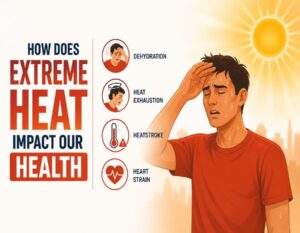
How Does Extreme Heat Impact Our Health? Signs, Risks & Prevention
Author: Dr Sagar Rajkuwar, ENT Specialist, Nashik, Maharashtra, India
🌐 www.entspecialistinnashik.com
Table of Contents
- Essential Information About Heat Stress
- Synopsis
- Who Is Most Affected by Heatwaves?
- Primary Risk Factors for Heat Vulnerability
- What Should the General Public Do During a Heatwave?
- Reaction from the WHO
- Conclusion
- Frequently Asked Questions (FAQs)
Essential Information About Heat Stress
Heat is a significant environmental and occupational health hazard. Prolonged exposure to high temperatures can affect the body’s ability to regulate its internal temperature and may lead to serious health problems.
Why Is Excessive Heat Dangerous?
Exposure to extreme heat can:
- Cause dehydration
- Lead to heat exhaustion
- Trigger heatstroke, a life-threatening medical emergency
Worsen existing medical conditions such as:
- Heart disease
- Diabetes
- Asthma
- Kidney disease
- Mental health disorders
In addition, excessive heat may increase the risk of accidents, especially among outdoor workers and older adults.
Who Is Most at Risk?
Certain groups are more vulnerable to heat-related illnesses, including:
- Older adults
- Infants and young children
- Pregnant women
- People with chronic medical conditions
- Outdoor workers
- Athletes
- Individuals without access to adequate cooling or hydration
Impact of Climate Change
Climate change has contributed to more frequent and intense heat waves worldwide. As a result, the number of people exposed to dangerous temperatures continues to increase.
Public health experts recommend taking preventive measures during periods of extreme heat to reduce the risk of heat-related illness.
How to Protect Yourself During Hot Weather
Simple precautions can help reduce the risk of heat-related health problems:
- Drink plenty of water throughout the day
- Avoid prolonged sun exposure during peak heat hours
- Wear lightweight, loose-fitting clothing
- Stay in cool or air-conditioned environments when possible
- Limit strenuous outdoor activities during extreme heat
- Check on elderly family members and vulnerable individuals
Synopsis
A heatwave is a period of unusually high temperatures that lasts for several days and nights. During a heatwave, the body is exposed to excessive heat for a prolonged period, increasing the risk of heat-related illnesses.
Due to climate change, heatwaves are becoming more frequent, longer-lasting, and more intense across many parts of the world. Even moderate heatwaves can affect health, especially in vulnerable individuals.
Why Are Heatwaves Dangerous?
Prolonged exposure to high temperatures places significant stress on the body. As a result, heatwaves can lead to:
- Dehydration
- Heat exhaustion
- Heatstroke
- Worsening of existing medical conditions
- Increased risk of hospitalization
- Increased risk of death in severe cases
Heatwaves can be particularly dangerous when both daytime and nighttime temperatures remain high, giving the body little opportunity to cool down and recover.
Who Is Most Vulnerable?
Certain groups are at greater risk of heat-related illness, including:
- Older adults
- Infants and young children
- Pregnant women
- Outdoor workers
- People with heart disease
- Individuals with diabetes
- Patients with kidney disease
- People with respiratory disorders such as asthma
- Individuals with limited access to cooling and hydration
Impact on Communities
Heatwaves can affect entire communities and may lead to:
- Increased demand for healthcare services
- Reduced work productivity
- Increased risk of power outages
- Disruptions to water and transportation systems
- Greater strain on public health resources
Heatwaves and Urban Living
Many cities experience higher temperatures than surrounding areas because of concrete surfaces, limited green spaces, and heat-absorbing building materials. This phenomenon is often referred to as the “urban heat island effect.”
Increasing green spaces and improving urban planning can help reduce heat exposure and improve public health.
Preventing Heat-Related Illness
Many heat-related illnesses can be prevented through simple measures, such as:
- Drinking adequate fluids
- Staying in cool environments
- Avoiding strenuous outdoor activities during peak heat hours
- Wearing lightweight, loose-fitting clothing
- Checking on elderly relatives and vulnerable individuals
- Seeking early medical attention when symptoms develop
Who Is Most Affected by Heatwaves?
Heatwaves can affect anyone, but some people are at a much higher risk of developing heat-related illnesses.
Older Adults and People With Medical Conditions
Older adults are particularly vulnerable to extreme heat because their bodies may not regulate temperature as efficiently as younger individuals.
People with the following health conditions are also at increased risk:
- Heart disease
- High blood pressure
- Diabetes
- Kidney disease
- Respiratory conditions such as asthma or COPD
- Mental health disorders
These conditions can make it harder for the body to cope with prolonged exposure to high temperatures.
Outdoor Workers and Athletes
People who spend long hours outdoors are more likely to experience heat stress and dehydration.
High-risk groups include:
- Construction workers
- Farmers
- Traffic police
- Delivery workers
- Athletes
- Emergency response personnel
Physical activity in hot weather increases the risk of heat exhaustion and heatstroke.
Infants, Children, and Pregnant Women
Infants and young children are more sensitive to heat because their bodies do not regulate temperature as effectively as adults.
Pregnant women may also be more vulnerable to dehydration and heat-related complications during periods of extreme heat.
People With Limited Access to Cooling
Individuals who lack access to air conditioning, clean drinking water, or adequate shelter may face a higher risk of heat-related illness.
This may include:
- Low-income families
- Homeless individuals
- People living in poorly ventilated homes
- Residents of densely populated urban areas
Urban Heat Exposure
Cities often become much hotter than surrounding rural areas because concrete, asphalt, and buildings absorb and retain heat. In addition, limited green spaces can make urban neighborhoods even warmer.
As a result, people living in densely populated cities may experience greater exposure to extreme heat.
Primary Risk Factors for Heat Vulnerability
Not everyone is affected by heat in the same way. Certain factors can increase a person’s risk of developing heat-related illnesses such as heat exhaustion and heatstroke.
Common Risk Factors
The risk of heat-related illness is higher in people who:
- Are older adults
- Are infants or young children
- Have heart disease or high blood pressure
- Have diabetes or kidney disease
- Have respiratory conditions such as asthma or COPD
- Work outdoors for long hours
- Participate in strenuous physical activities
- Are pregnant
- Have limited access to cooling or hydration
- Take certain medications that affect body temperature regulation
Understanding these risk factors can help individuals take appropriate precautions during periods of extreme heat.
How Does Heat Affect Your Health?
The human body normally regulates its temperature through sweating and increased blood flow to the skin. However, during periods of extreme heat, this cooling system may become overwhelmed.
Factors that increase heat stress include:
- High temperatures
- High humidity
- Direct sunlight
- Poor airflow
- Heavy or restrictive clothing
When the body cannot cool itself effectively, internal body temperature begins to rise.
Heat-Related Health Problems
Excessive heat exposure can cause:
- Dehydration
- Heat cramps
- Heat exhaustion
- Heatstroke
- Dizziness and fainting
- Fatigue and weakness
Heatstroke is a medical emergency and requires immediate treatment.
Impact on Existing Medical Conditions
Extreme heat can worsen several chronic health conditions, including:
- Heart disease
- High blood pressure
- Diabetes
- Kidney disease
- Asthma and other lung disorders
- Mental health conditions
In severe cases, heat exposure may lead to acute kidney injury, cardiovascular complications, or hospitalization.
Why Early Action Is Important
Heat-related illnesses can develop quickly, especially during heatwaves.
Seek medical attention immediately if a person develops:
- Confusion
- Loss of consciousness
- High body temperature
- Difficulty breathing
- Seizures
- Signs of heatstroke
Prompt treatment can prevent serious complications and save lives.
Additional Effects of Extreme Heat
Heatwaves can affect more than just individual health.
They may also lead to:
- Increased hospital visits
- Reduced work productivity
- Greater risk of workplace accidents
- Disruptions to transportation services
- Increased demand for electricity and water
- School and workplace closures during severe heat events
In some cases, extreme heat can worsen air pollution, which may further affect respiratory health.
What Should the General Public Do During a Heatwave?
Avoid Excessive Heat Exposure
Protecting yourself from extreme heat is the most effective way to prevent heat-related illnesses.
- Avoid going outdoors during the hottest part of the day, usually between 11 AM and 4 PM.
- Limit strenuous physical activity and exercise during hot weather.
- Stay in shaded areas whenever possible.
- Follow official weather forecasts and heatwave warnings.
Keep Your Home Cool
Maintaining a comfortable indoor temperature can reduce the risk of heat exhaustion and heatstroke.
- Open windows during the evening and early morning when outdoor temperatures are cooler.
- Close windows, curtains, blinds, or shutters during the day to block direct sunlight.
- Turn off unnecessary electrical appliances that generate heat.
- Use air conditioning if available.
If using fans, ensure adequate ventilation and hydration, especially during very hot weather.
Stay Hydrated
Proper hydration is essential during hot weather.
- Drink water regularly throughout the day, even if you do not feel thirsty.
- Aim for approximately 2–3 litres of fluids daily unless advised otherwise by your doctor.
- Increase fluid intake during physical activity or prolonged heat exposure.
- Avoid excessive alcohol and caffeinated beverages, which may contribute to dehydration.
Keep Your Body Cool
Simple cooling measures can help lower body temperature.
- Wear lightweight, loose-fitting, and light-colored clothing.
- Take cool showers or baths.
- Apply a cool, damp cloth to your neck, face, and wrists.
- Spend time in air-conditioned or cooler environments whenever possible.
Protect Children and Infants
Children are particularly vulnerable to heat-related illnesses.
- Never leave children or pets inside a parked vehicle, even for a short period.
- Keep children indoors or in shaded areas during peak heat hours.
- Dress children in lightweight clothing.
- Encourage frequent water intake.
- Use wide-brimmed hats, sunglasses, and sunscreen when outdoors.
Check on Vulnerable Individuals
Regularly monitor people who may be at higher risk of heat-related illness, including:
- Older adults
- Infants and young children
- Pregnant women
- People with heart, lung, or kidney disease
- Individuals living alone
- People with disabilities
A simple phone call or visit can help ensure their safety during extreme heat.
Reaction from the WHO
In order to limit the extent of human suffering caused by extreme heat, it is necessary and urgent to reduce greenhouse gas emissions and lessen the effects of climate change. Through its support of technical and policy resources at the country level to assist the health sector and communities in adjusting to the threats of climate change, the WHO is tackling climate change via the Alliance for Transformational Change in Climate and Health (ATACH).
By developing emergency response plans that map the risks, susceptible populations, available capacities, and resources, heat early warning systems and advisories, and heat action plans, the WHO collaborates with the health sector to strengthen governance, preparedness, and response to acute impacts of heatwaves. These initiatives safeguard populations at high risk, like those who don’t have access to cooling in schools, nursing homes, and health facilities.
WHO co-sponsors the Global Heat Health Information Network to speed up knowledge exchange and learning about the hazards and remedies for extreme heat. In order to create Heat Health Warning Systems, the World Meteorological Organization and WHO work closely together.
Conclusion
Heat stress and heatwaves are becoming increasingly common worldwide due to climate change. Prolonged exposure to high temperatures can lead to dehydration, heat exhaustion, heatstroke, and worsening of existing medical conditions such as heart disease, diabetes, asthma, and kidney disorders.
Certain groups, including older adults, young children, pregnant women, outdoor workers, and people with chronic illnesses, are particularly vulnerable to heat-related illnesses. Fortunately, many heat-related health problems can be prevented through simple measures such as staying hydrated, avoiding excessive sun exposure, keeping indoor environments cool, and recognizing the early warning signs of heat exhaustion and heatstroke.
By taking appropriate precautions and following heat safety recommendations, individuals and communities can significantly reduce the health risks associated with extreme heat and heatwaves.
Frequently Asked Questions (FAQs)
1. What is heat stress?
Heat stress occurs when the body is unable to cool itself effectively during hot weather. It can lead to dehydration, heat exhaustion, and, in severe cases, heatstroke.
2. What is the difference between heat exhaustion and heatstroke?
Heat exhaustion is a heat-related illness that causes symptoms such as heavy sweating, dizziness, weakness, nausea, and headache. Heatstroke is a medical emergency characterized by a dangerously high body temperature, confusion, loss of consciousness, or seizures.
3. Who is most at risk during a heatwave?
People at higher risk include:
- Older adults
- Infants and young children
- Pregnant women
- Outdoor workers
- Athletes
Individuals with heart disease, diabetes, kidney disease, or respiratory conditions
4. How much water should I drink during hot weather?
Most healthy adults should drink adequate fluids throughout the day. In hot weather, many people require approximately 2–3 litres of water daily, although individual needs may vary depending on age, activity level, and medical conditions.
5. What are the early signs of heat-related illness?
Common warning signs include:
- Excessive sweating
- Thirst
- Fatigue
- Headache
- Dizziness
- Muscle cramps
- Nausea
Early treatment can help prevent serious complications.
6. Can heatwaves worsen existing medical conditions?
Yes. Extreme heat can aggravate conditions such as heart disease, high blood pressure, diabetes, asthma, chronic kidney disease, and mental health disorders.
7. How can I keep my home cool during a heatwave?
You can help keep your home cool by:
- Closing curtains and blinds during the day
- Opening windows during cooler evening hours
- Using fans or air conditioning when available
- Reducing the use of heat-generating appliances
8. Is it safe to exercise during a heatwave?
Strenuous outdoor exercise should be avoided during the hottest part of the day. If exercise is necessary, choose cooler morning or evening hours and stay well hydrated.
9. When should I seek emergency medical help?
Seek immediate medical attention if someone develops:
- Confusion
- Loss of consciousness
- Difficulty breathing
- Seizures
- Extremely high body temperature
- Signs of heatstroke
10. Can heat-related illnesses be prevented?
Yes. Most heat-related illnesses can be prevented by staying hydrated, avoiding excessive heat exposure, wearing lightweight clothing, keeping living spaces cool, and monitoring vulnerable individuals during hot weather.
Medical Disclaimer
Medical Disclaimer: This content is for educational purposes only and should not replace professional medical advice, diagnosis, or treatment. Seek immediate medical care for symptoms of heatstroke or severe heat-related illness.
References
- World Health Organization – Heat and Health Fact Sheets.
- World Health Organization Heat and Health Resources
- Centers for Disease Control and Prevention – Heat-Related Illness Prevention.
- CDC Extreme Heat Information
- National Weather Service – Heat Safety Guidelines.
- Cleveland Clinic Hyperthermia Guide