Short answer: Sleep problems and mental health are tightly linked in both directions. Poor sleep — insufficient duration, poor quality, insomnia, or untreated obstructive sleep apnoea (OSA) — doubles the risk of major depression and significantly increases anxiety, bipolar relapse, suicidality, and substance misuse. Conversely, depression, anxiety, PTSD, bipolar disorder, and ADHD disrupt sleep architecture. In the United States, one in three adults gets less than the CDC-recommended 7 hours per night. The best treatments combine Cognitive Behavioural Therapy for Insomnia (CBT-I) — first-line per the American Academy of Sleep Medicine (AASM) — with evaluation for underlying mental-health and medical conditions, selective short-term pharmacology (DORAs like suvorexant, lemborexant, daridorexant), and lifestyle changes.
Table of Contents
- Why Sleep and Mental Health Are Linked
- How Much Sleep US Adults Need
- Insomnia
- Obstructive Sleep Apnoea
- Restless Legs, Narcolepsy, Circadian Disorders
- Sleep in Depression, Anxiety, PTSD, Bipolar
- Sleep Hygiene
- CBT-I — First-Line Treatment
- Medications in the US
- When to See a Doctor
- FAQs
- References
1. Why Sleep and Mental Health Are Linked
Sleep is when the brain consolidates memory, clears metabolic waste through the glymphatic system, resets mood circuitry, and regulates stress hormones. The CDC reports that 1 in 3 US adults sleeps fewer than 7 hours per night; among US high-schoolers, 77% get fewer than 8 hours. Short sleep raises risk of depression by ~2×, anxiety by ~1.5×, bipolar relapse, suicide ideation, substance misuse, hypertension, type 2 diabetes, obesity, and all-cause mortality (NHANES, UK Biobank, SPRINT MIND). Addressing sleep problems and mental health together is a high-yield US public-health strategy.
2. How Much Sleep US Adults Need
CDC and AASM recommendations:
- Newborn 0–3 mo: 14–17 h
- Infant 4–12 mo: 12–16 h
- Toddler 1–2 y: 11–14 h
- Preschool 3–5 y: 10–13 h
- School-age 6–12 y: 9–12 h
- Teen 13–18 y: 8–10 h
- Adult 18–64: 7+ h
- Older adult ≥65: 7–8 h
Quality matters as much as duration. Watch for frequent awakenings, trouble falling asleep ≥30 min, unrefreshing sleep, and daytime sleepiness.
3. Insomnia
Chronic insomnia disorder affects ~10% of US adults. Diagnosed by DSM-5-TR when sleep difficulty occurs ≥3 nights/week for ≥3 months with daytime impact. Common triggers: anxiety, depression, pain, perimenopause, shift work, caffeine, alcohol, screen exposure, medications. Perpetuated by conditioned arousal — fear of not sleeping drives wakefulness.
4. Obstructive Sleep Apnoea
Obstructive sleep apnoea (OSA) affects an estimated 25–30 million US adults, many undiagnosed. Repeated upper-airway collapse causes hypoxia, sympathetic surges, fragmented sleep. Signs: loud snoring, witnessed apnoeas, gasping, morning headache, daytime sleepiness, nocturia, concentration problems, irritability, resistant hypertension. Associated with depression, anxiety, cognitive decline, cardiovascular disease, atrial fibrillation. Diagnosed with home sleep apnoea test or in-lab polysomnography. First-line therapy: CPAP; alternatives include mandibular advancement devices, positional therapy, weight loss, hypoglossal nerve stimulation (Inspire), and now tirzepatide (Zepbound) — FDA-approved December 2024 for OSA in adults with obesity.
5. Restless Legs, Narcolepsy, Circadian Disorders
- Restless legs syndrome (RLS): 5–10% of US adults; check ferritin (target >75 ng/mL), avoid alcohol/caffeine; US FDA-approved treatments include gabapentin enacarbil (Horizant), rotigotine patch, pramipexole
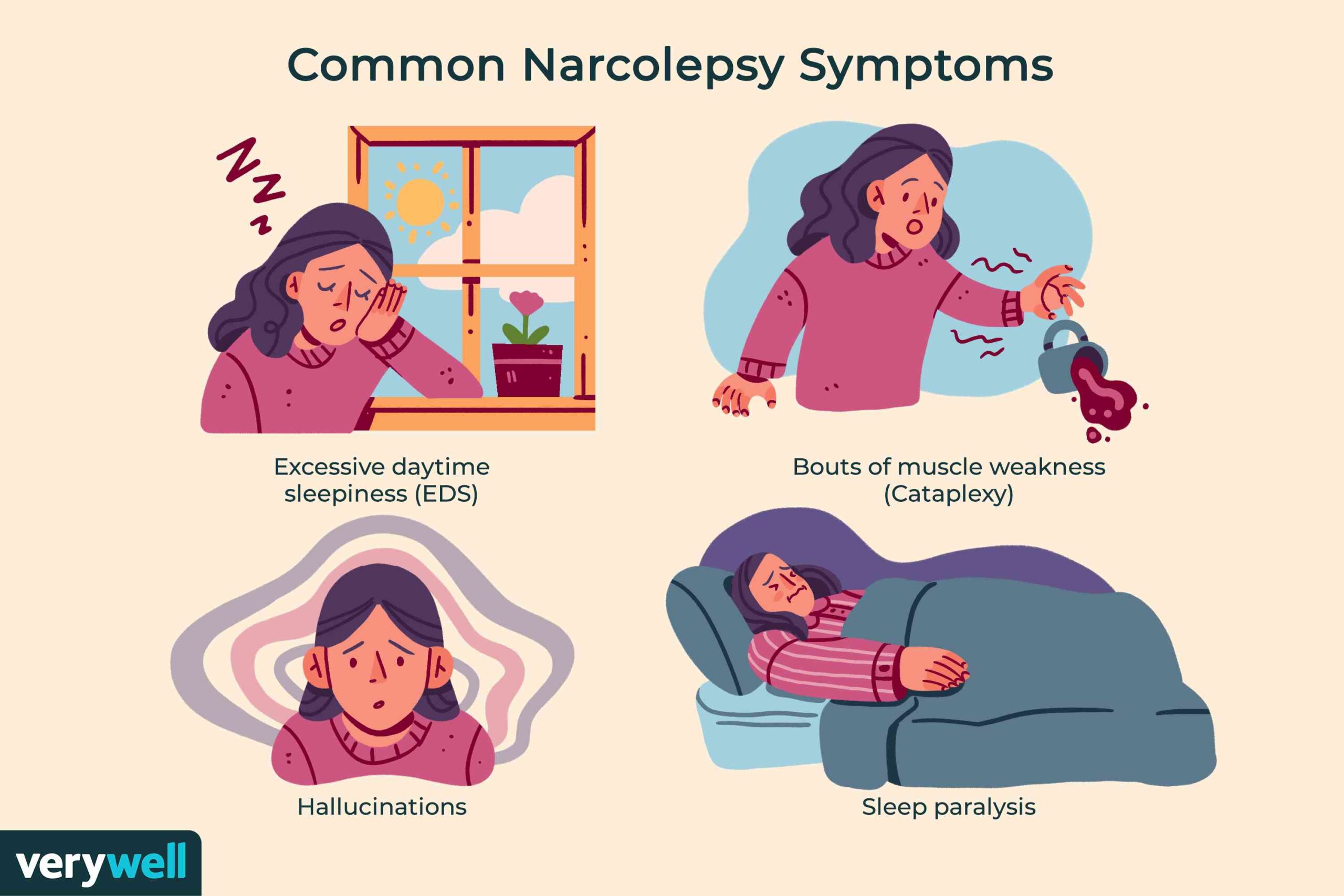
- Narcolepsy: excessive daytime sleepiness, cataplexy; FDA treatments include pitolisant, solriamfetol, sodium oxybate, modafinil
- Delayed sleep-wake phase disorder and shift work: light therapy, timed melatonin, chronotherapy
6. Sleep in Depression, Anxiety, PTSD, Bipolar
- Depression: early-morning waking, decreased REM latency; CBT-I plus antidepressant improves both
- Anxiety: difficulty falling asleep, racing thoughts, nocturnal panic
- PTSD: nightmares, hyperarousal; prazosin often helps nightmares
- Bipolar disorder: short sleep is a prodrome of mania; protecting sleep is a cornerstone of relapse prevention
- ADHD: delayed sleep onset, restless sleep
- Chronic insomnia itself raises risk of new-onset depression by 2× over 1 year (meta-analyses, Baglioni 2011; replicated)
7. Sleep Hygiene
- Fixed bedtime and wake time (even weekends)
- Dark, quiet, cool (65–68°F) bedroom
- No screens 30–60 min before bed
- Caffeine cut-off at noon (half-life 5 h)
- Limit alcohol — disrupts REM and raises hangxiety
- Daily daylight exposure (morning) and physical activity
- Bed only for sleep and intimacy — no work or TV
- If awake >20 min, leave bed, do something calming, return when sleepy
- Avoid long naps (>30 min) and late-afternoon naps
- Address stress with brief mindfulness or journaling
8. CBT-I — First-Line Treatment
Per the American Academy of Sleep Medicine and ACP, Cognitive Behavioural Therapy for Insomnia (CBT-I) is the first-line treatment for chronic insomnia — equal or superior to medication at follow-up, without side effects. Components:
- Sleep education
- Stimulus control
- Sleep restriction
- Cognitive restructuring
- Relaxation training
- Sleep hygiene
Delivered in 6–8 sessions by trained therapists or via FDA-authorised digital programs (Somryst, SleepioRx, CBT-I Coach app from the US VA). Covered by many US insurers and TRICARE.
9. Medications in the US
- Dual orexin receptor antagonists (DORAs) — FDA-approved for insomnia and increasingly preferred over benzodiazepines: suvorexant (Belsomra), lemborexant (Dayvigo), daridorexant (Quviviq)
- Z-drugs: zolpidem, eszopiclone, zaleplon — short-term; FDA boxed warnings on complex sleep behaviours
- Low-dose doxepin, trazodone
- Melatonin (0.3–3 mg) for jet lag or shift work; limited for primary insomnia; buy only USP-verified US products
- Ramelteon (Rozerem)
- Benzodiazepines (lorazepam, temazepam) — short-term only; AUD/elderly caution
- For OSA: CPAP, oral appliance, Inspire hypoglossal nerve stimulator, tirzepatide (Zepbound) in obesity
- For nightmares in PTSD: prazosin, imagery rehearsal therapy
10. When to See a Doctor
- Insomnia ≥3 nights/week for ≥3 months
- Loud snoring, witnessed apnoeas, daytime sleepiness
- Depression, anxiety, PTSD, bipolar, or suicidal thoughts
- Nightmares disrupting function
- Falling asleep at work or driving
- Legs feel irresistibly restless
- Sleep disruption after menopause, pregnancy, or new medications
- Children with persistent sleep issues
Call 988 for a mental-health crisis, 911 for safety emergencies.
Related reading: How to recognize the signs of depression, how to tell if I have anxiety, alcohol and anxiety: what is the connection, depression and anxiety symptoms, and how to support a loved one with a substance use disorder.
11. External Video Resource
NIH + AASM: Sleep and Mental Health (YouTube)
12. FAQs
Q1. Can poor sleep cause depression?
Yes — chronic insomnia roughly doubles 1-year risk of new-onset major depression.
Q2. Is 6 hours enough?
For most US adults, no. The CDC floor is 7 hours; most do best at 7–9.
Q3. Is melatonin safe long-term?
Short-term use (0.3–3 mg) is generally safe. Long-term data are limited; US products vary in actual content — use USP-verified brands.
Q4. Is CBT-I covered by insurance?
Often yes — commercial insurance, Medicare, TRICARE, and the VA cover CBT-I or FDA-authorised digital CBT-I.
Q5. Will treating sleep apnoea help my depression?
Yes — CPAP improves mood, cognition, blood pressure, and glycaemic control in OSA.
Q6. Are DORAs safer than Z-drugs?
Generally fewer next-day falls, less tolerance, lower abuse potential. Discuss with your clinician.
Q7. Can I drink coffee at 3 p.m.?
Half-life is 5 h; a 3 p.m. coffee leaves ~50% in your system at 8 p.m. Many people sleep worse — try noon cutoff.
13. Conclusion
Taking sleep problems and mental health seriously is one of the single most high-yield US health decisions. The CDC 7-hour target, sleep hygiene, CBT-I, and screening for OSA transform both nighttime and daytime life. Modern US tools — DORAs, digital CBT-I, Inspire for OSA, Zepbound for OSA with obesity — give clinicians more options than ever.
👨⚕️ Author & Medical Reviewer: Dr Sagar Rajkuwar
MBBS, MS (ENT), Nashik, Maharashtra, India
🏥 Visit: www.entspecialistinnashik.com
📞 For sleep apnoea and ENT-related sleep issues, see your US ENT or sleep medicine specialist.
14. References
- CDC. Sleep and Sleep Disorders Data Highlights, 2024.
- AASM. Clinical Practice Guideline for CBT-I, 2021–2024 Updates.
- NIH NHLBI. Healthy Sleep, 2024.
- FDA. Approval of daridorexant (Quviviq), 2022; tirzepatide for OSA (Zepbound) 2024.
- Baglioni C et al. Insomnia and risk of depression. J Affect Disord 2011 (meta-analysis).
- American College of Physicians. Management of Chronic Insomnia Disorder, 2016 Guideline.
Medical Disclaimer: This article is for educational and informational purposes only and does not substitute for professional medical advice, diagnosis, or treatment. Always consult a qualified healthcare provider regarding any medical condition or before making any decisions related to your health. Do not disregard or delay seeking professional advice based on information provided in this article.