
Can You Put Coconut Oil in Your Ear? What ENT Experts Want You to Know
By Dr. Sagar Rajkuwar (MS-ENT), ENT Specialist, Nashik, Maharashtra, India
🌐 www.entspecialistinnashik.com
Is it okay to use coconut oil in your ear? People searching for a natural strategy to manage earwax, dryness, or ear pain frequently ask this question.
There is not just a straightforward yes or no response.
In laboratories and other environments, coconut oil has been researched for its anti-inflammatory and antibacterial effects. But that doesn’t make coconut oil in the ear a reliable remedy for an ear infection.
Furthermore, there is little clinical proof to support the regular use of coconut oil as an ear drop.
Coconut oil should not be used as an alternative to accurate diagnosis or treatment of an ear infection. Therefore, it is important to remember this.
Some oil-based products may lubricate or soften earwax, but coconut oil is not recognized as a preferred treatment by medical standards. Appropriate cerumenolytic drugs, irrigation, or professional manual extraction are advised by the American Academy of Otolaryngology-Head and Neck Surgery, depending on the particular case.
Important: Unless a specialist has specifically advised you to do so, do not add any liquid to your ear if your eardrum may be perforated.

Table of contents-
- 1. Is Coconut Oil Safe for the Ear?
- 2. Can Coconut Oil Help With Earwax?
- 3. Can Coconut Oil Treat an Ear Infection?
- 4. Can Coconut Oil Help Dry or Itchy Ears?
- 5. When Should You Avoid Putting Coconut Oil in Your Ear?
- 6. What About Coconut Oil and a Perforated Eardrum?
- 7. How Is Earwax Safely Treated?
- 8. What’s the right time to visit an ENT Specialist?
- 9. What Should You Never Put in Your Ear?
- 10. Frequently Asked Questions
- 11. Summary
1. Is Coconut Oil Safe for the Ear?
Coconut oil shouldn’t be regarded as safe just because it’s organic.
The skin around the ear canal is delicate, and adding oils or other compounds may occasionally irritate it or create other issues.

Coconut oil drops were connected to fungal infections of the outer ear canal, according to an Indian research on otomycosis. Although it doesn’t establish that every fungal ear infection is caused by coconut oil, it is a significant reason to refrain from putting common home oils into the ear without thinking.
So:
- Don’t believe coconut oil can treat an ear infection.
- Don’t use it in place of prescription ear drops.
- Without medical advice, don’t use it if you have ear discharge.
- Don’t use it if you think your eardrum may be perforated.
- Without a solid reason, avoid putting oil into the ear multiple times.
2. Can Coconut Oil Help With Earwax?
Here is where the problem gets more complicated.
Certain oils have the ability to lubric lubricate and soften earwax, possibly facilitating its spontaneous exodus or its removal by a healthcare professional.
Nonetheless, coconut oil isn’t proven to be a better earwax therapy.
According to the AAO-HNS guideline, cerumenolytic drugs can be used to treat cerumen impaction, however no single chemical has been demonstrated to be significantly better than the others. Oil-based preparations primarily soften and lubricate wax rather than dissolving it.
Moreover, the NHS suggests that particular oil drops can treat simple earwax buildup, but that drops shouldn’t be used if the eardrum has a hole in it.
How to Deal with Suspected Earwax
You have:
- ears that are obstructed
- reduced hearing
- a sense of fullness in the ear
- ringing in the ears brought on by earwax
- visible or suspected impacted wax
Before choosing which drops are ideal, it is preferable to have your ear evaluated.
👉 Related: Drep Wax Ear Drops: Uses, Benefits & How to Use Safely
3. Can Coconut Oil Treat an Ear Infection?
No, thank you. Coconut oil should not be suggested as a verified remedy for an ear infection.
The initial essay has been greatly modified by this.
Ear infections come in many forms. They could include the following:
- canal of the outer ear
- middle ear
- ear drum
- tissues around
The actual diagnosis determines the course of treatment.
For instance, following an examination of the ear, acute otitis externa is typically treated with suitable topical medication. The AAO-HNS guideline stresses the importance of distinguishing otitis externa from alternative causes of ear pain and discharge and recommends appropriate topical treatments over unproven home cures.
4. Can Coconut Oil Help Dry or Itchy Ears?
The following are some of the potential reasons of dry or itchy ears:
- Dehydrated Skin
- dermatitis or eczema
- allergy
- Headphone or hearing aid irritation
- excessive cleaning
- outer ear infection
- infection caused by fungus
Despite the fact that a lubricant might be effective for dry skin, coconut oil shouldn’t be used to relieve persistent ear itching.
In the following cases, itching should be addressed:
- release
- ache
- edema
- stink
- deafness
Because infection or another ear issue may be the cause, an ENT exam is preferred.
5. When Should You Avoid Putting Coconut Oil in Your Ear?
When you have any of the following conditions, avoid putting coconut oil or other non-prescribed substances in your ear:
🚫 Suspected perforated eardrum
What ear drops may be used safely depends on whether the eardrum has a hole in it.
🚫 Ear discharge
An infection, perforation, or other condition that needs examination may be indicated by discharge.
🚫 Intense earache
It’s not good to cover up extreme discomfort with a DIY treatment without knowing what’s causing it.
🚫 No recent ear surgery
Patients who have had a grommet placed, mastoid surgery, tympanoplasty, or another ear operation should adhere to their ENT surgeon’s instructions.
🚫 Significant hearing loss
Medical evaluation is necessary for unexpected or sudden hearing loss, not home care.
🚫 Difficulty maintaining equilibrium or dizziness
Sometimes, these symptoms can point to a condition affecting ear structures that are deeper inside the ear.
The AAO-HNS guideline explicitly names a non-intact tympanic membrane as a crucial element that alters earwax management and asserts that irrigation and cerumenolytics should not be employed in the absence of an intact eardrum.
6. What About Coconut Oil and a Perforated Eardrum?
Never use coconut oil in an ear with a suspected or known perforated eardrum unless your ENT specialist specifically advises it.
Substances put in the ear canal may be able to enter the middle ear if there is a hole in it.
In individuals with: this is especially crucial.
- prior ear operation
- tympanoplasty
- grommets or ventilation tubes
- recurrent ear discharge
- past perforation of the eardrum
Likewise, the NHS advises against using ear drops when the eardrum is perforated.
7. How Is Earwax Safely Treated?
Normally protective and spontaneously exiting the ear is earwax.
When wax becomes impacted and creates symptoms or prevents proper examination of the ear, treatment is typically required.
Evidence-based alternatives are:
1. Cerumen-softening solutions
The softening of affected wax may be aided by suitable wax-softening products.
2. Irrigation
When there are no contraindications, selected patients may have ear irrigation.
3. Manual removal
A healthcare expert with the right training or an ENT specialist can use suction or equipment to remove wax.
Depending on the patient, the AAO-HNS recommendation considers cerumenolytics, irrigation, and manual extraction to be acceptable treatment alternatives.
Never place cotton swabs, matchsticks, pins, or other items inside your ear canal. They have the potential to injure the eardrum and ear canal or force wax deeper.
8. What’s the right time to visit an ENT Specialist?
If you have any of the following, consult an ENT doctor:
- chronic ear ache
- discharge from the ear
- less hearing
- hearing loss that happens suddenly
- frequent earaches
- intense itching
- constant ringing in the ears
- balance problems or dizziness
- Eardrum rupture that is thought to exist
- prior ear surgery
- unimproving symptoms
An otolaryngologist may inspect the eardrum and ear canal to determine if wax, infection, eczema, fungal disease, or middle-ear disease is the cause of the issue.
9. What Should You Never Put in Your Ear?
Never insert unapproved materials or household goods into the ear canal.
Refrain from doing so:
- earbuds
- matches
- Hairpins
- pens
- Pointed items
- candles for the ear
- ear preparations made at home
- essential oils in their purest form
- Antibiotic eyedrops
- Ear infection without diagnosis: Coconut oil
The AAO-HNS guideline expressly advises against ear candling.
10. Frequently Asked Questions
May I apply coconut oil to my ear for earwax removal?
Although coconut oil may lubricate or soften wax, it is not shown to be a better solution. Perhaps professional removal or suitable earwax-softening drops are better options.
Is it possible to treat an ear infection with coconut oil?
No. Coconut oil is not recommended for treating ear infections due to a lack of clinical evidence.
Is it possible for me to use coconut oil in my ear if my eardrum is perforated?
No, unless specifically told by an ENT doctor. If the eardrum is compromised, oils and ear drops may not be suitable.
Does coconut oil relieve itchy ears?
Although it can hydrate dry skin, persistent itching might be caused by eczema, a bacterial infection, or a fungal infection, and if it continues, it should be examined.
Are earwax drops superior to coconut oil?
There is no solid proof that coconut oil is better than established cerumen management techniques. The health and origin of the ear will influence the decision.
11. Summary
Is it OK to put coconut oil in your ear? Even while coconut oil is occasionally utilized as a home cure for dry skin or earwax, it shouldn’t be promoted as a reliable treatment for ear infections.
The best course of action is to start by figuring out what’s causing the ear to ache, itch, or produce discharge.
Evidence-based cerumen-softening treatments and expert removal are accepted solutions for simple earwax. However, ear drops should not be used if the eardrum is thought to be perforated or there are other contraindications.
Natural is not necessarily risk-free. An ENT evaluation is preferable to self-medication if you have a history of ear surgery, discharge, hearing loss, vertigo, or ear discomfort.
Author’s clinical note
This article is written for educational purposes based on the clinical perspective of Dr. Sagar Rajkuwar (MS-ENT), ENT Specialist, Nashik, Maharashtra, India. Individual treatment depends on examination findings and the condition of the ear.
📞 ENT Consultation & Surgery
Dr. Sagar Rajkuwar (MS-ENT)
Prabha ENT Clinic, Ambad, Nashik
📱 7387590194 | 9892596635
🌐 www.entspecialistinnashik.com
Disclaimer
Medical Disclaimer: This article is for general educational purposes and does not replace an examination or individualized medical advice. Do not self-treat an ear infection or suspected eardrum perforation with coconut oil or other home remedies. If you have significant pain, discharge, hearing loss, dizziness, fever or worsening symptoms, consult a qualified healthcare professional.
Medical References
- American Academy of Otolaryngology–Head and Neck Surgery. Clinical Practice Guideline: Earwax (Cerumen Impaction) – Update.
- NHS. Earwax build-up: symptoms, treatment and precautions regarding ear drops and perforated eardrum.
- American Family Physician. Cerumen Impaction: Diagnosis and Management.
- AAO-HNSF Clinical Practice Guideline: Acute Otitis Externa. Evidence-based recommendations for diagnosis and management of external ear infections.
- Primary otomycosis in the Indian subcontinent: predisposing factors, microbiology and classification. PubMed. The study reported an association between coconut-oil instillation and otomycosis in its study population.
Benefits of using coconut oil in ear infections
Most individuals prefer using coconut oil for addressing ear infections as a highly effective home treatment. This preference arises from its safety, straightforward application method, and its effectiveness. The advantages of using coconut oil in the ear are outlined as follows:

Taking antibiotics or conventional medications may lead to side effects, while applying a few drops of naturally occurring coconut oil tends to have comparatively fewer side effects and reduced risks. ·
Coconut oil can inhibit the proliferation of various microorganisms such as viruses, fungi, bacteria, parasites, and protozoa. This is due to its higher concentrations of medium-chain fatty acids (i. e. , MCFAs) that are akin to the sebum produced by the body.
It also possesses sporostatic and bactericidal effects.
Additionally, it demonstrates antioxidant and anti-inflammatory properties that help alleviate ear pain.
Type of coconut oil to be used
One might come across various brands of coconut oil that are readily accessible in health and food shops, grocery stores, and can also be purchased through online sellers, with some being marketed as nutritional supplements. Each of these brands might assert that they provide 100% virgin coconut oil, but it is crucial to select a high-quality coconut oil for usage in your ears.
How to identify virgin coconut oil for using it in the ear?
Look for hue – Coconut oil is transparent when in liquid state and creamy in solid state.
Scent – Unrefined coconut oil possesses a potent coconut scent, which is not present in oil that has been deodorized or refined.
Additionally, seek out well-regarded brand coconut oil that has independent verification.
Unadulterated and organic coconut oil that is applied into the ears can offer significant advantages in alleviating your earache and infection.
Coconut oil in the ear: How to use it for ear problems?
Administration of coconut oil for a chronic ear infection is relatively very simple. If feasible, it is the optimal remedy one can utilize for addressing the infection in the ear. It is consistently advised to seek the assistance of another person or a family member who can aid in administering the coconut oil into your ears. Since it’s quite challenging for someone to self-administer the oil into their ears, it may result in poking.
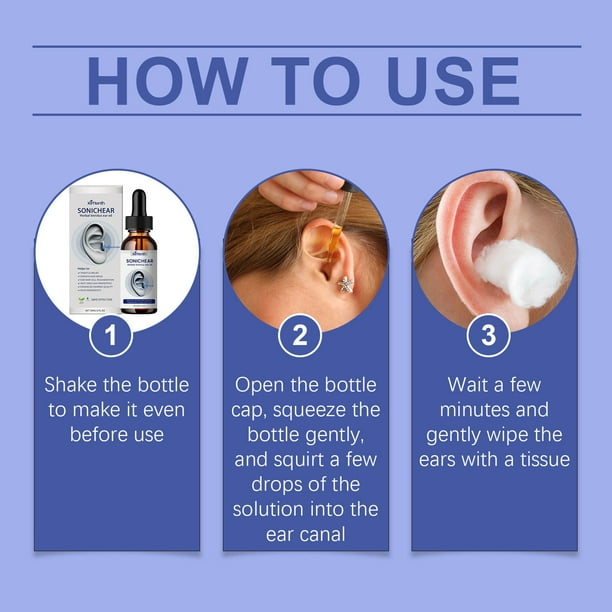
Coconut oil has a semi-solid consistency, therefore, prior to instillation, it should be melted slightly to transform it into a liquid state. Afterward, the oil should be administered with the aid of an eyedropper.
To gain additional advantages from coconut oil, one may heat one cup of coconut oil with two minced garlic cloves in a small saucepan for approximately one minute. Allow the mixture to cool down and pour it into a bottle. Utilize this mixture in your ears with the help of an eyedropper.
For optimal outcomes, apply coconut oil twice daily for a week. One might observe their symptoms fading away and the infection resolving within a week. If, however, symptoms persist after one week, consult your healthcare provider.
Coconut oil is regarded as a potential ‘miracle’ food and it is used as cooking oil, salad dressing, and also as hair oil. The fat found in coconut oil has the capability of promoting health benefits, including weight loss, prevention of cardiovascular diseases, and providing antibacterial, antifungal, antioxidant, and anti-inflammatory effects. So, the next time you acquire an ear infection, consider instilling a few drops of coconut oil into your ears before resorting to an antibiotic pill.
The Benefit of Coconut Oil For Teeth, Ears and Eyes

You are not alone if you have an ear infection, wax accumulation, or dry ears. While frequent, these ear problems can be really unpleasant, itchy, and even painful.
Fortunately, there are easy methods to treat and avoid these prevalent ear ailments. Your ear can be moisturized and cleaned by using natural coconut oil, which also helps to alleviate annoying symptoms like pain, itchiness, and dryness.
Due to its absence of adverse effects, coconut oil is frequently utilized for ear health. Due to its high concentration of medium-chain fatty acids (MCFAs), coconut oil is effective against a variety of parasites, bacteria, viruses, and fungus.
Helps with infections, wax buildup
You rely on your ears countless times each day to perceive sounds and engage in conversations. Therefore, it’s crucial to care for your ears. This becomes particularly vital when infections or excessive earwax occur. Discover why the advantages of coconut oil are worthwhile to investigate for ear health.

Earwax is essential for maintaining ear health. This organic material aids in capturing dust, dirt, and minute particles in your ear canal before they may reach, harm, or infect the eardrum. The quantity of earwax you generate and whether it dries out and comes out of your ear on its own are partially influenced by your genes.
The wax might continue to accumulate and even become impacted if your ears have trouble producing it. A impacted earwax is painful, particularly if it results in an ear infection.
A wax impaction has the following signs:
- Pain
- feeling of fullness within the ear
- Vertigo or lightheadedness
- Hearing loss
- constant coughing
- The sound of ringing in the ear
The pain may be intense in the event of an infection, and it may be accompanied by fever, itching, foul odor, or discharge from the ear canal. In addition to the aforementioned symptoms, you should seek immediate medical attention at the closest hospital or urgent care if you ever have a high fever, vomiting, dizziness, loss of balance, or difficulty walking.
There are a number of causes for earwax accumulation, such as:
- inserting items into your ear canal, such as cotton swabs
- The application of hearing aids
- Using earbuds or earplugs
- Genetics or unusual ear canal shapes
Coconut oil can fortunately aid in softening, breaking down, and eliminating accumulated earwax when used in the ear. Coconut oil can also be included in your daily ear care regimen to keep your ears clean and moisturized, as well as clean them.
Treating Ear Infections with Coconut Oil
Infections of the ear are a frequent illness, especially in newborns and young children. Ear infections are the most frequent reason for seeing a pediatrician in the United States, with approximately 30 million appointments annually.
Although ear infections are frequent, they must be treated as soon as possible. If left untreated, ear infections can result in significant consequences, such as facial paralysis and hearing loss.
The symptoms of an ear infection are:
- Pain in the ear
- Hearing that is muffled or reduced
- the sensation of a full ear
- nausea
- Fever
Coconut oil can be used to treat ear infections, alleviate symptoms, and avoid future infections. Coconut oil has natural antibacterial, antiviral, and antifungal properties that can help relieve excruciating symptoms.
Using coconut oil in your ear is a successful course of treatment, but it’s still necessary to keep an eye on your temperature and symptoms to make sure they are getting better. If you have a high fever or excruciating discomfort, you should always go to an emergency room, urgent care facility, or your doctor’s office. These might point to more serious illnesses.
Protects teeth, gums, oral tissues
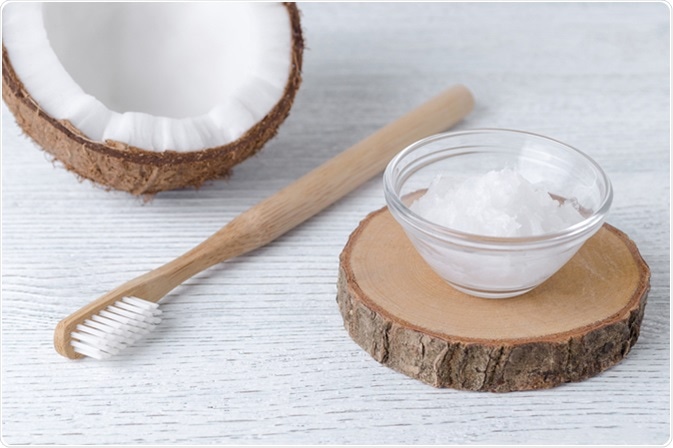
Coconut has lauric acid, which eliminates harmful fungi and viruses within the body. It also targets oral bacteria, such as streptococcus mutans, which can lead to tooth decay, gum disease, and bad breath. Engaging in oil pulling with coconut oil battles that bacteria and diminishes plaque. A study showed that individuals who practiced oil pulling had reduced plaque after only seven days. Oil pulling can also aid in moisturizing and rejuvenating receding gums. The advantages of coconut oil, coupled with consumer interest, have made it readily available at most grocery stores. Consider incorporating it into your daily brushing and flossing routine.
Potential help for dry eyes
Gritty, itchy, and red eyes can be quite bothersome. Frequently, these symptoms result from allergies. However, they may also indicate dry eyes due to reduced tear production. Tears play a crucial role in maintaining eye lubrication. If you are experiencing dry eyes, your eye doctor might suggest using over-the-counter artificial tears. Alternatively, your doctor might prescribe eye drops to ensure your eyes stay moist.

Dry, itchy ears are a common ailment brought on by:
- Allergies
- Dermatitis
- Bacteria
- Accumulation of earwax
Scratching your ears if they are itching makes them feel even drier. You are more susceptible to painful illnesses like swimmer’s ear. You might also be tempted to insert things into your ear, such as q-tips, in an effort to scratch and alleviate the itch, which might be extremely dangerous.
Coconut oil is an effective remedy for dry ears because it naturally promotes the health of your ears by moisturizing dry skin and relieving itching. To treat ear dryness, you should apply coconut oil to your ears twice a day for at least a week.
Using SENSES Natural Ear Mist for Organic Relief
Dry ears, ear infections, wax accumulation, and other connected illnesses may be treated or avoided with the use of SENSES Natural Ear Mist. Coconut oil can help to soften and eliminate stubborn earwax buildup while also washing and hydrating your ear canal.
To promote healthy ears naturally, SENSES Natural Ear Mist uses medicinal grade virgin, non-hydrogenated, organic coconut oil, jojoba oils, and vitamin E. Utilizing SENSES is straightforward. Just keep the bottle upright. Press down on the actuator in each ear one to two times while positioning the nozzle within your ear canal.
Everyone can benefit from the mildness of SENSES, including adults, children, and even animals. For organic relief, you can apply SENSES Natural Ear Mist twice a day.
Do you want to use coconut oil to treat ear infections, wax accumulation, or dry ears? If you have any questions, try SENSES Natural Ear Mist right now or get in touch with us.