Is Gastroenteritis Contagious? How It Spreads and How Long It Lasts
Article author: Dr. Sagar Rajkuwar, MS-ENT 🌐 www.entspecialistinnashik.com
Is Gastroenteritis Contagious? How It Spreads and How Long It Lasts
Gastroenteritis contagious is a common concern when one family member develops sudden diarrhoea, vomiting or stomach cramps. People often want to know whether they can catch the illness by sharing a bathroom, eating together, touching the same objects or caring for an affected child.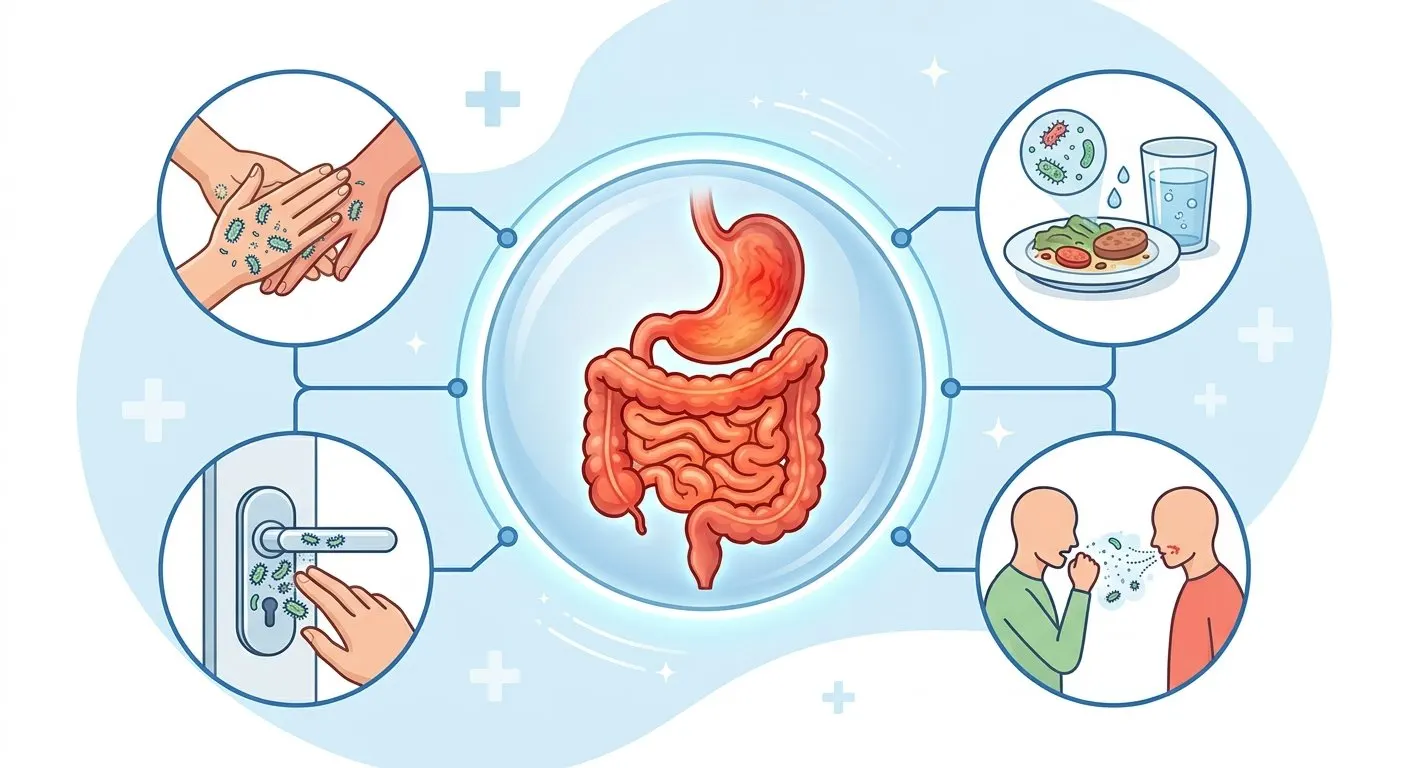
Is gastroenteritis contagious?
Yes, many cases of gastroenteritis are contagious. Viral infections such as norovirus and rotavirus, as well as certain bacterial and parasitic infections, can pass from one person to another. The germs usually spread when tiny amounts of infected stool or vomit reach another person’s mouth, often through unwashed hands, contaminated food or water, or contaminated surfaces. However, not every episode of gastroenteritis is infectious. Some similar symptoms can result from food toxins, medicines, alcohol, or other non-infectious conditions. The cause matters because it determines how easily the illness spreads and how long precautions are needed.This guide explains how gastroenteritis spreads, when an affected person is most infectious, how to protect household members, what to do if several people become ill, and when medical attention is necessary. The advice is based on public-health and medical sources, including the World Health Organization (WHO), Centers for Disease Control and Prevention (CDC) and National Health Service (NHS).
What is gastroenteritis?
Gastroenteritis means inflammation of the stomach and intestines. It commonly causes loose or watery stools, vomiting, nausea, abdominal cramps and sometimes fever. It is often called a stomach bug, but it is not the same as influenza (the respiratory flu). When gastroenteritis is caused by an infectious organism, germs enter the digestive tract and multiply or produce toxins. The infection may affect one person or spread among family members, schoolchildren, people in hospitals, or groups sharing meals and facilities. This is why understanding whether gastroenteritis is contagious is important for household and community prevention.
Which causes of gastroenteritis are contagious?
The main infectious causes include viruses, bacteria and parasites. Their routes of transmission and infectious periods are not identical.
1. Viral gastroenteritis
Norovirus
Norovirus is one of the most easily transmitted causes of acute vomiting and diarrhoea. It can spread through direct contact with an infected person, contaminated food or water, and objects or surfaces contaminated with stool or vomit. Very small amounts of virus can cause illness. People are most infectious while symptomatic and during the first few days after recovery, although viral shedding in stool can continue for two weeks or longer.
Rotavirus
Rotavirus is an important cause of severe diarrhoea in infants and young children. It spreads mainly by the faecal-oral route, including through contaminated hands, objects, food or water. Vaccination is an important preventive measure for young children; parents should follow the immunisation schedule recommended in their location.
Other viruses
Adenovirus and astrovirus can also cause infectious gastroenteritis, particularly in children. The incubation period and duration of symptoms vary according to the virus.
2. Bacterial gastroenteritis
Bacteria such as Salmonella, Shigella, Campylobacter and certain strains of Escherichia coli (E. coli) can cause diarrhoea and abdominal pain. Infection is often acquired through contaminated food or water, but some bacteria can also spread between people through faecal contamination.
- Shigella: can spread readily from person to person, especially where hand hygiene is inadequate or in childcare settings.
- Salmonella: is commonly associated with contaminated food, although transmission can occur through contact with infected stool or contaminated environments.
- Campylobacter: is often linked to undercooked poultry or contaminated food and water; person-to-person spread is less common.
- Shiga toxin-producing E. coli (STEC): may be foodborne or waterborne and can sometimes spread between people. Bloody diarrhoea requires prompt medical assessment.
Some food-related illness is caused by toxins already present in food rather than an infection that multiplies in the body. Such toxin-mediated illness may cause similar symptoms but is not necessarily passed directly from one person to another.
3. Parasitic gastroenteritis
Parasites such as Giardia and Cryptosporidium can spread through contaminated water, food or person-to-person contact. Transmission is more likely when sanitation is inadequate, hands are not washed properly, or people share contaminated recreational water. Some parasitic infections can cause symptoms that last longer than typical viral illness.
4. Non-infectious conditions that can look similar
Medication side effects, food intolerance, alcohol, inflammatory bowel disease and other digestive disorders can cause diarrhoea, nausea or abdominal pain without an infectious germ. In these situations, the symptoms themselves are not contagious. A clinician may need to assess the history and symptoms to distinguish infection from non-infectious causes.
How does contagious gastroenteritis spread?
Most infectious gastroenteritis spreads by the faecal-oral route. This means germs from an infected person’s stool, and sometimes vomit, reach another person’s mouth. This can happen even when contamination is invisible.
1. Direct person-to-person contact
Caring for someone who is ill, helping a child use the toilet, changing nappies, or cleaning vomit can contaminate hands. If hands are not washed thoroughly with soap and water before eating or touching the mouth, infection may occur.
2. Contaminated food and drinks
An infected food handler may contaminate ready-to-eat food. Food may also become contaminated through unsafe water, inadequate washing, poor refrigeration, cross-contamination from raw meat, or insufficient cooking. Food and water can therefore spread gastroenteritis to several people who share the same meal.
3. Contaminated surfaces and objects
Toilet flush handles, taps, door handles, phones, toys, kitchen counters and shared bathroom surfaces can carry infectious material. Touching a contaminated object and then eating or touching the mouth can transmit the organism.
4. Droplets produced during vomiting
During an episode of vomiting, tiny droplets containing virus can spread to nearby surfaces, objects or food. This is one reason the area around vomit should be cleaned and disinfected carefully. Gastroenteritis is not generally transmitted like a common cold through ordinary breathing across a room; the important risk is contamination of hands, food and nearby surfaces.
5. Contaminated water and recreational facilities
Drinking untreated water, swallowing contaminated swimming-pool water, or using water contaminated by sewage can transmit certain viruses, bacteria and parasites. Avoid swimming while ill and follow local public-health advice after symptoms resolve.
How long is gastroenteritis contagious?
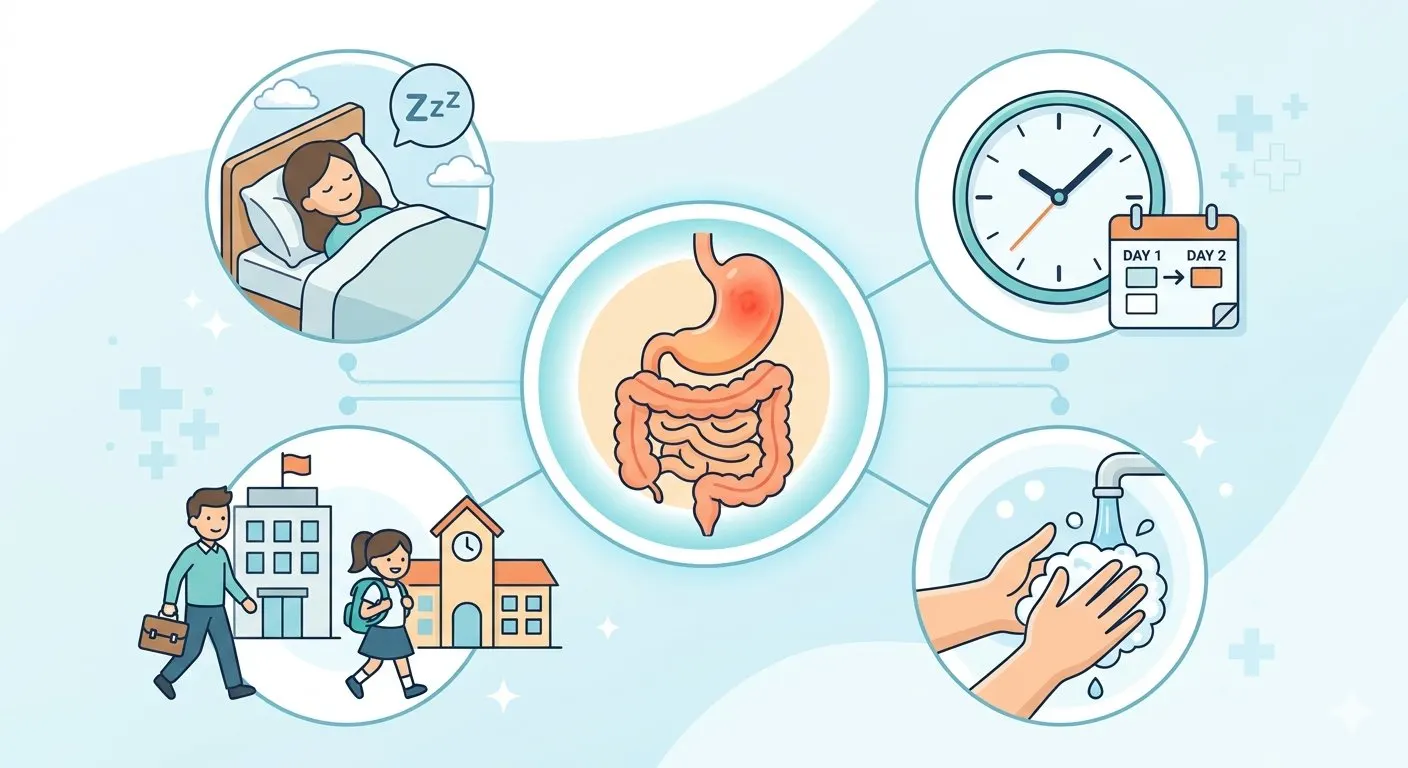
The infectious period depends on the organism. For many common cases, the greatest risk of spreading infection is during active vomiting or diarrhoea and for at least 48 hours after the last episode. This is why public-health guidance commonly advises staying away from work, school and food preparation for 48 hours after symptoms stop. However, the 48-hour rule is a practical minimum for many common infections, not a guarantee that every person is no longer infectious. Norovirus, for example, may continue to be present in stool for two weeks or more after recovery. Some bacterial and parasitic infections may require longer precautions or specific clearance, depending on the organism and the person’s work or living situation.
| Organism or cause | General information about transmission | Important point |
|---|---|---|
| Norovirus | Most infectious during symptoms and the first few days after recovery | Can continue to be shed in stool for two weeks or longer |
| Rotavirus | Spreads mainly by the faecal-oral route | Particularly important in infants and young children |
| Shigella | Can spread easily person to person | Follow clinician and public-health advice; exclusion may vary |
| Salmonella | Often foodborne; faecal-oral spread can occur | Shedding may continue after symptoms improve |
| Giardia | Can spread through contaminated water and faecal-oral contact | Symptoms and shedding can persist without treatment |
Practical advice: Do not prepare food for other people or return to school or work until at least 48 hours after vomiting and diarrhoea have completely stopped. Food handlers, healthcare workers, childcare workers and people involved in care of vulnerable patients should follow workplace and local public-health rules, which may be stricter for particular infections.
How soon after exposure do symptoms appear?
The incubation period is the time between exposure to an infectious organism and the beginning of symptoms. It varies widely. A person may be exposed and feel well for hours or days before becoming ill.
- Norovirus: symptoms commonly begin about 12–48 hours after exposure.
- Rotavirus: symptoms usually begin about 2 days after exposure.
- Adenovirus: symptoms may begin several days after exposure, often around 3–10 days.
- Astrovirus: symptoms commonly begin after about 4–5 days.
These are typical ranges, not a way to identify the organism in an individual. Different bacteria and parasites have different incubation periods. If several people become ill after eating the same food, record when each person’s symptoms began and what they ate; this information can help a healthcare professional or public-health team investigate a possible outbreak.
Symptoms of infectious gastroenteritis
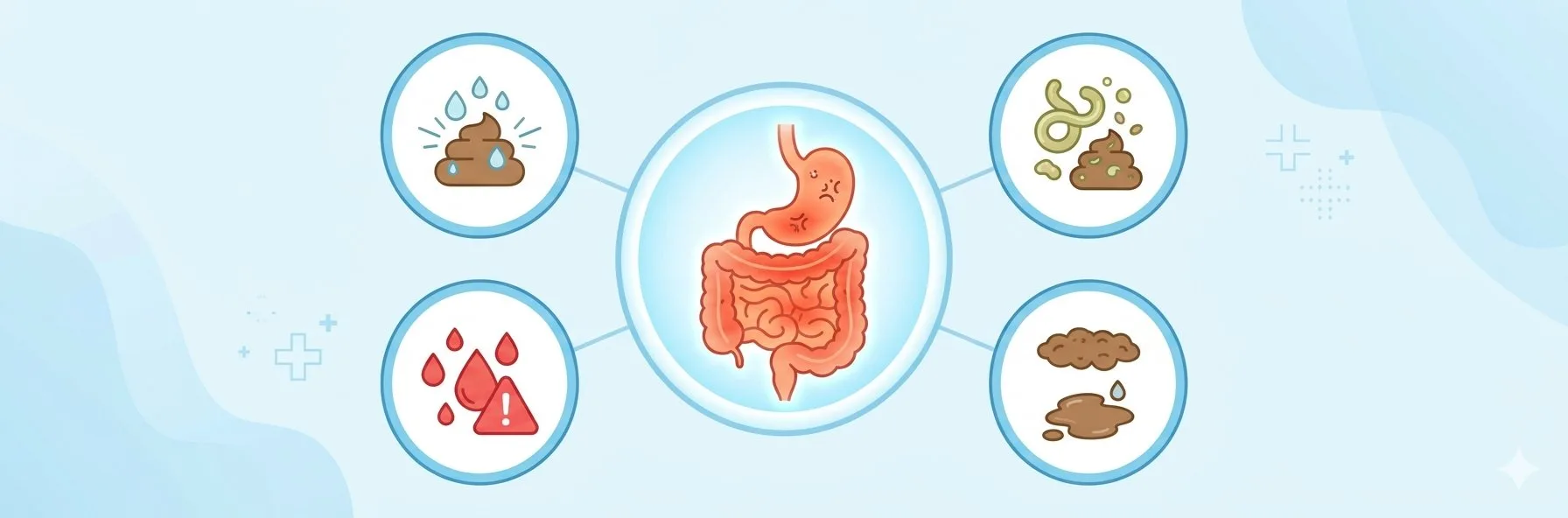
Symptoms depend on the cause and the person’s age and general health. Common symptoms include:
- Watery diarrhoea or frequent loose stools.
- Nausea and vomiting.
- Abdominal cramps or stomach pain.
- Fever, chills, headache or body aches.
- Reduced appetite, weakness and tiredness.
Recognising dehydration
Repeated diarrhoea and vomiting can cause loss of water and important salts called electrolytes. Watch for dry mouth, intense thirst, dark urine, passing urine less often, dizziness on standing and unusual weakness. In babies and young children, warning signs include fewer wet nappies, no tears when crying, sunken eyes, unusual sleepiness or irritability.
Who is at higher risk of complications?
Anyone can develop infectious gastroenteritis, but dehydration and complications are more concerning in:
- Infants and young children, particularly those under five years.
- Older adults and frail people.
- Pregnant individuals.
- People with weakened immune systems.
- People with kidney disease, diabetes or significant underlying illness.
These groups should seek medical advice earlier if vomiting or diarrhoea is frequent, fluid intake is poor, or symptoms are worsening.
How to prevent gastroenteritis from spreading at home
If one family member has contagious gastroenteritis, practical hygiene measures can reduce the chance of other household members becoming ill. Because gastroenteritis contagious organisms may remain on surfaces after visible dirt has been removed, cleaning and handwashing need to be thorough.
1. Wash hands with soap and water
Wash hands carefully for at least 20 seconds after using the toilet, changing nappies, cleaning vomit, and before preparing or eating food. Alcohol-based hand sanitiser should not replace soap-and-water washing for norovirus because it is less reliable against this virus.
2. Clean and disinfect contaminated areas
Wear disposable gloves when cleaning vomit or stool. Remove visible material safely, then disinfect the area using a product labelled effective against norovirus or an appropriate chlorine-based disinfectant, following the product label and local safety instructions. Never mix bleach with acids, ammonia or other cleaning products. Keep children and pets away during cleaning and ensure good ventilation.
3. Handle laundry safely
Handle soiled clothing, towels and bedding without shaking them. Wash separately using detergent and the warmest water temperature suitable for the fabric, then dry thoroughly. Wash hands after handling soiled laundry.
4. Avoid sharing personal items
Do not share towels, face cloths, drinking glasses, cutlery or eating utensils during illness. If possible, the affected person should use a separate toilet. If there is only one bathroom, clean frequently touched toilet and bathroom surfaces regularly.
5. Keep the sick person away from food preparation
A person with vomiting or diarrhoea should not prepare or serve food to others. Continue this restriction for at least 48 hours after symptoms stop, and longer if advised for a particular infection or occupation.
6. Use safe food and drinking water
Drink safe treated or boiled water where water quality is uncertain. Wash produce with safe water, separate raw and cooked foods, refrigerate perishable food promptly and cook meat, eggs and seafood thoroughly. Avoid raw or undercooked shellfish.
7. Take care in childcare and shared living settings
Clean shared toys and frequently touched surfaces, supervise children’s handwashing and keep children with vomiting or diarrhoea at home until at least 48 hours after symptoms stop. A school, childcare centre, hospital or public-health authority may give additional instructions during an outbreak.
Treatment: what should you do if you have gastroenteritis?
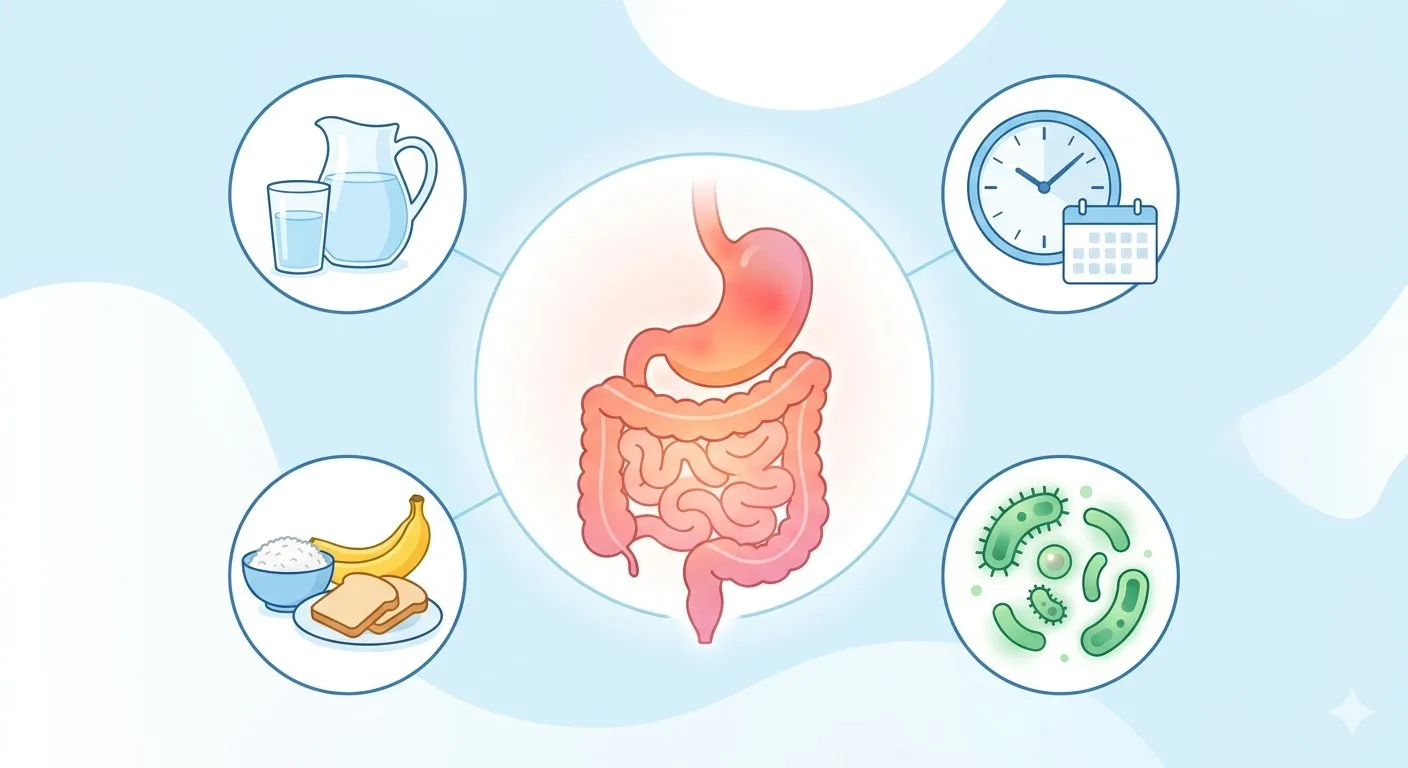
Most uncomplicated viral gastroenteritis improves with supportive care. The main priority is to prevent and correct dehydration.
Oral rehydration solution (ORS)
Oral rehydration solution (ORS) replaces water and salts lost through diarrhoea and vomiting. Use a commercially prepared ORS sachet and mix it with exactly the quantity of safe water written on the packet. Do not make the solution more concentrated or dilute it with extra water. Offer small, frequent sips if nausea is present. Breastfeeding should generally continue in infants.
Food during recovery
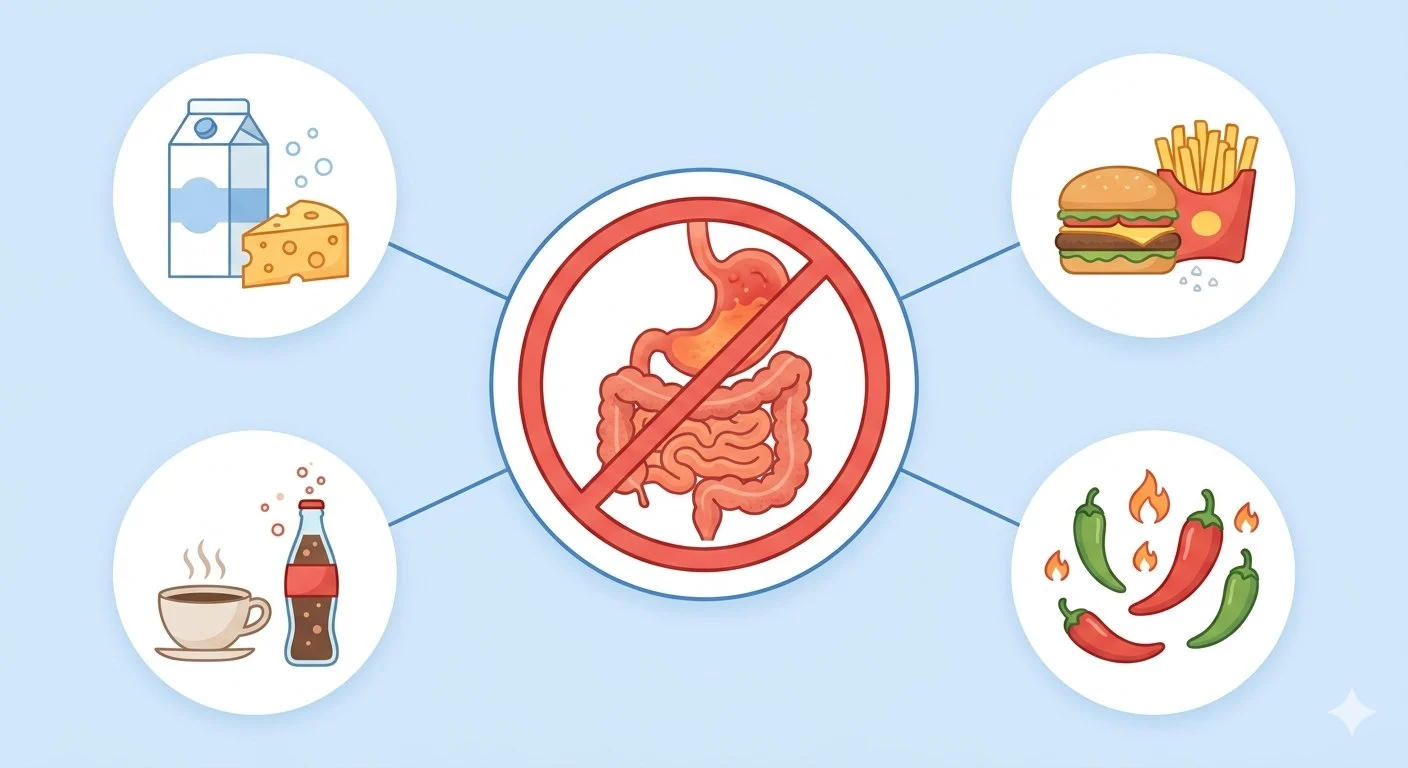
As appetite returns, resume ordinary foods that are tolerated. Small portions may be easier initially. Avoid foods or drinks that clearly worsen symptoms. Very sugary drinks, undiluted fruit juice and fizzy drinks may aggravate diarrhoea in some people and are not substitutes for ORS.
Are antibiotics necessary?
Antibiotics are not routinely required for viral gastroenteritis and do not treat viruses such as norovirus or rotavirus. Some bacterial infections may need specific treatment, but the decision depends on the suspected organism, severity, test results and the patient’s risk factors. Antibiotics can be harmful in certain infections, including some Shiga toxin-producing E. coli infections, so avoid self-medication.
Should diarrhoea-stopping medicines be used?
Medicines such as loperamide are not suitable for everyone. They should generally be avoided in children unless specifically advised by a clinician, and may be inappropriate when there is blood in the stool, high fever or suspected invasive bacterial infection. Ask a healthcare professional before using them, especially in pregnancy, older adults or people with chronic illness.
What should you do if several family members develop gastroenteritis?
When two or more people in a household develop vomiting or diarrhoea close together, a shared exposure or person-to-person spread is possible. Consider these steps:
- Encourage everyone who is ill to take fluids or ORS and monitor urine output.
- Record the onset of symptoms and any shared meals, water sources or events.
- Stop preparing food for others while symptomatic and for at least 48 hours after symptoms stop.
- Clean bathrooms, kitchen surfaces and high-touch objects carefully.
- Seek medical advice if anyone is at higher risk, has severe symptoms, or several people are affected after a suspected contaminated meal or water supply.
Do not assume that every person has the same infection. A clinician may recommend stool testing if there is bloody diarrhoea, severe illness, prolonged symptoms, recent travel, immunosuppression or a suspected outbreak. Public-health authorities may need to be informed in certain situations.
When should you consult a doctor?
Seek medical assessment if diarrhoea or vomiting is severe, worsening, or not improving as expected. Prompt medical advice is particularly important for infants, older adults, pregnant people and those with underlying medical conditions.
Seek urgent medical care if any of the following occur:
- Blood in the stool or vomit, or black, tarry stools.
- Severe or localised abdominal pain, a swollen abdomen, or persistent tenderness.
- Signs of severe dehydration, fainting, confusion or marked drowsiness.
- Inability to keep even small amounts of fluid down.
- High or persistent fever, or a rapidly worsening general condition.
- Very little urine or no urine for an unusually long period.
For adults, diarrhoea lasting more than a few days or vomiting that persists beyond about two days warrants medical advice, sooner if symptoms are severe. Children, especially infants, can become dehydrated more quickly and should be assessed earlier. Do not delay care while waiting for a particular duration if warning signs are present.
Common myths and facts about contagious gastroenteritis
Myth 1: Once vomiting stops, the person cannot infect anyone.
Fact: A person may still spread certain organisms after symptoms stop. For common viral illness, maintain strict hygiene and stay away from food preparation, work or school for at least 48 hours after the last episode. Norovirus can be shed for longer.
Myth 2: Gastroenteritis spreads only through food.
Fact: Contaminated food is one route, but hands, toilets, surfaces, objects, water and vomit-contaminated surroundings can also transmit infection.
Myth 3: Hand sanitiser always prevents stomach infections.
Fact: Soap and water are especially important for norovirus. Sanitiser may be an additional measure but should not replace proper handwashing.
Myth 4: Every case of diarrhoea is contagious.
Fact: Infectious organisms cause many cases, but medicines, food intolerance and other non-infectious conditions can also cause diarrhoea. Clinical assessment may be needed to identify the cause.
Myth 5: Antibiotics make all gastroenteritis resolve faster.
Fact: Antibiotics do not work against viruses and are not appropriate for every bacterial infection. Treatment should be based on the likely cause and clinical assessment.
Frequently asked questions
1. Is gastroenteritis contagious from person to person?
Yes. Many infectious causes can spread from one person to another, particularly through contaminated hands, shared surfaces and the faecal-oral route. Norovirus and Shigella are examples of organisms that can spread readily in close-contact settings.
2. How long is gastroenteritis contagious after diarrhoea stops?
For many common infections, follow the minimum 48-hour exclusion period after the last episode of diarrhoea or vomiting. Some organisms can continue to be shed for longer, so the exact infectious period depends on the cause.
3. Can I catch gastroenteritis by sharing a toilet?
Yes, if the toilet, flush handle, taps or nearby surfaces become contaminated and germs are transferred to your mouth through unwashed hands. Clean and disinfect frequently touched bathroom surfaces and wash hands with soap and water.
4. Can gastroenteritis spread through kissing or hugging?
Close contact can create opportunities for contamination, particularly if hands or objects are contaminated with stool or vomit. The main route is not saliva itself but accidental transfer of infectious material to the mouth. Avoid close caregiving contact where possible while symptoms are active, and maintain careful hygiene.
5. Can someone spread gastroenteritis before symptoms begin?
For some infections, infectious material may be present before a person recognises symptoms. Norovirus can be present in stool before symptoms start. Good hand hygiene and safe food handling are important even before illness is suspected.
6. Can you get gastroenteritis twice?
Yes. Infection may not provide lasting protection against all strains. Norovirus has multiple types, and a previous infection does not guarantee protection against a different type or future infection.
7. Does gastroenteritis spread through the air?
It is not usually a respiratory airborne infection. However, vomiting can produce droplets that contaminate nearby food, surfaces and objects. Clean the area promptly and avoid preparing food nearby during cleanup.
8. When can a child return to school?
As a general rule, keep a child away from school or childcare until at least 48 hours after the last episode of diarrhoea or vomiting. Follow any additional advice from the school, clinician or local public-health authority.
9. Can a person with no symptoms transmit gastroenteritis?
Some infections can be shed before symptoms or after recovery. An apparently well person may therefore occasionally transmit germs, particularly through food handling or inadequate hand hygiene.
10. Is food poisoning the same as contagious gastroenteritis?
Not always. Food poisoning is a broad term that includes infections acquired from contaminated food and illnesses caused by toxins in food. Some foodborne infections can spread from person to person, while toxin-mediated illness is not usually directly contagious.
Summary
- Many cases of gastroenteritis are contagious, but not every cause of diarrhoea and vomiting is infectious.
- Norovirus, rotavirus, certain bacteria and parasites can spread through contaminated hands, food, water and surfaces.
- People are often most infectious during symptoms and for at least 48 hours after vomiting and diarrhoea stop.
- Norovirus may continue to be shed in stool for two weeks or longer, so careful hygiene remains important after recovery.
- Soap-and-water handwashing, safe food and water, careful cleaning and avoiding food preparation while ill help prevent spread.
- ORS is central to preventing dehydration. Antibiotics are not routinely needed and should not be self-prescribed.
- Blood in stool, severe abdominal pain, inability to drink, confusion or signs of severe dehydration require prompt medical attention.
Conclusion
Gastroenteritis contagious infections can spread quickly, especially in households, schools, childcare centres and other places where people share bathrooms, food or frequently touched objects. The most useful protective steps are simple but important: wash hands with soap and water, disinfect contaminated surfaces, use safe food and drinking water, and avoid preparing food for others until at least 48 hours after symptoms have stopped. Remember that the precise infectious period depends on the organism. A person may feel better while still shedding germs, and some non-infectious conditions can mimic an intestinal infection. Seek medical advice when symptoms are severe, prolonged or occur in someone at higher risk of dehydration.
Disclaimer
This article is intended for general health education and does not replace an individual medical consultation, diagnosis or treatment plan. The cause and severity of gastroenteritis can vary. Do not delay urgent medical care because of information on this page. Medication decisions, stool testing, isolation requirements and return-to-work or school advice should be tailored to the patient and local public-health guidance.
Further learning
For a video explanation, see the YouTube search for CDC norovirus transmission and prevention videos. Choose a video from a recognised public-health or medical organisation and verify that its advice is current.
References and authoritative sources
- World Health Organization (WHO). Diarrhoeal disease. Information on transmission, safe water, sanitation, hygiene and oral rehydration.
- Centers for Disease Control and Prevention (CDC). How Norovirus Spreads. Transmission routes and period of infectiousness.
- CDC. How to Prevent Norovirus. Handwashing, cleaning, food handling and staying home after illness.
- CDC. About Norovirus. Symptoms, incubation, complications and prevention.
- CDC. Clinical Overview of Rotavirus. Transmission, incubation and risk groups.
- National Health Service (NHS), UK. Diarrhoea and vomiting. Self-care, hygiene and 48-hour return guidance.
- NHS inform, Scotland. Gastroenteritis in adults. Infectious period and prevention.
- National Institute of Diabetes and Digestive and Kidney Diseases (NIDDK). Symptoms and Causes of Viral Gastroenteritis. Common viruses and incubation periods.
- NSW Health, Australia. Norovirus. Routes of spread and infectious period.