48-Hour Gastro Rule: When Can You Return to Work?-various aspects-
Article author: Dr. Sagar Rajkuwar, MS-ENT 🌐 www.entspecialistinnashik.com
What Is the 48-Hour Gastro Rule?
Vomiting and diarrhoea can spread easily, especially when they are caused by viruses such as norovirus. One frequently recommended precaution is to remain away from work, school and food-handling activities for 48 hours after symptoms have stopped. This is commonly called the 48-hour gastro rule.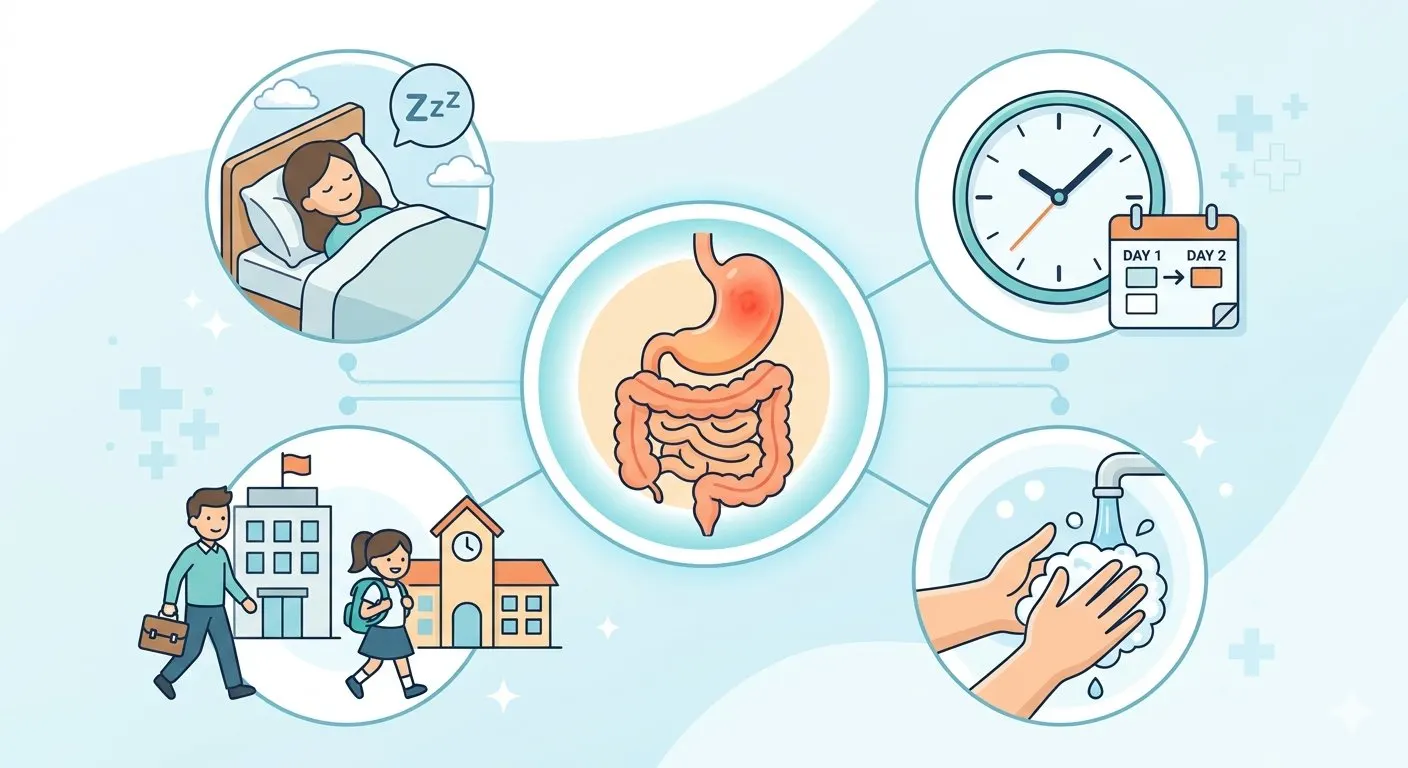
What Is the 48-Hour Gastro Rule? (Direct Answer)
The 48-hour gastro rule means that a person with vomiting or diarrhoea should generally stay away from work, school, childcare, swimming pools and preparing food for other people until at least 48 full hours have passed since the last episode of vomiting or diarrhoea. Count from whichever symptom happened last.
For example, if the last episode of diarrhoea was at 7 pm on Monday and there has been no further vomiting or diarrhoea, the 48-hour period ends at 7 pm on Wednesday. Return should also depend on feeling well enough and any applicable local or workplace requirements.
The purpose of the 48-hour gastro rule is to reduce the chance of passing an infection to other people. It is particularly important in schools, hospitals, care homes, restaurants, kitchens and childcare settings, where one infected person may expose many others.
Important: This is not a rule that gastroenteritis must disappear within 48 hours. It is not a guarantee that a person is no longer infectious after exactly two days. Some organisms may continue to be shed in stool after symptoms improve, so hand hygiene remains essential.
Table of Contents
Why Is the 48-Hour Rule Recommended?
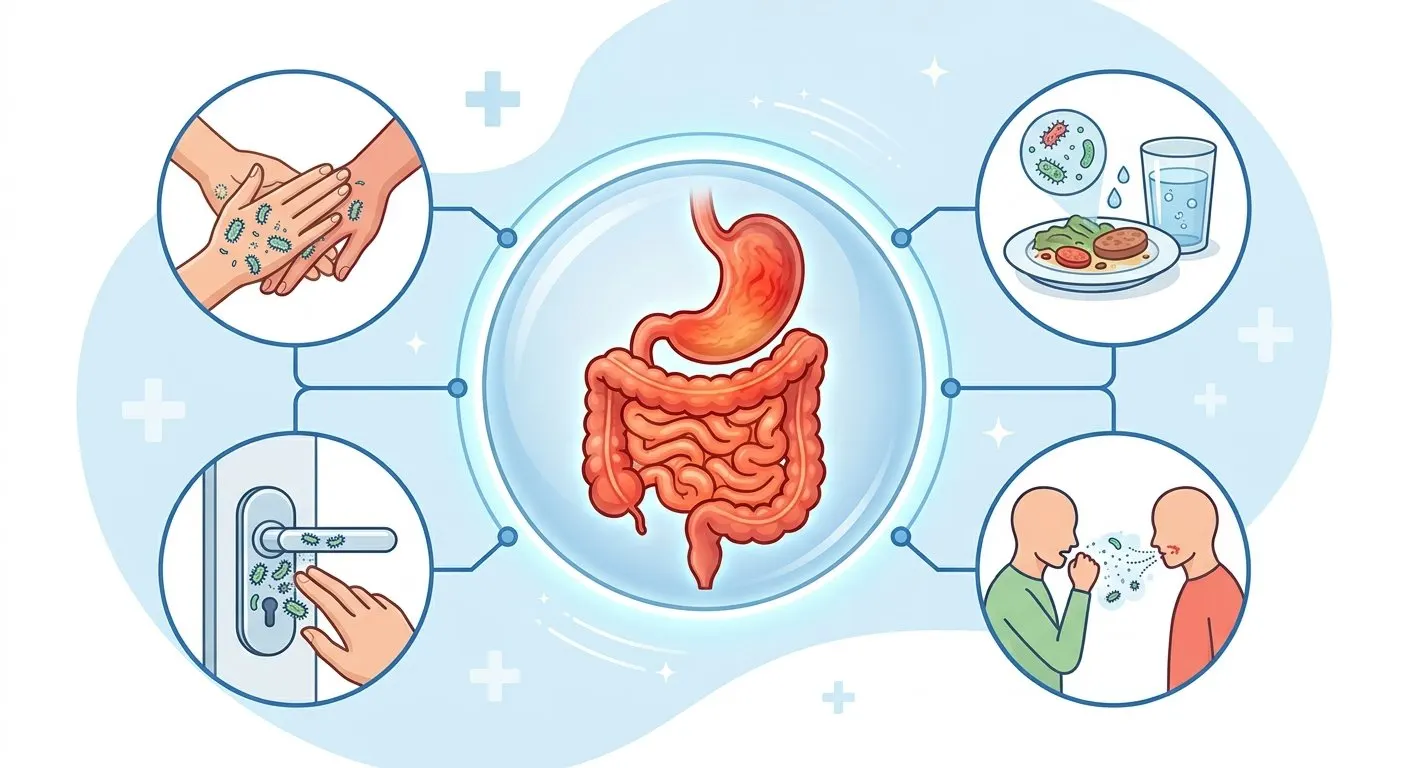
Many cases of acute gastroenteritis are infectious. Germs can leave the body in vomit and stool and reach another person through contaminated hands, food, water, toilets, taps, door handles, toys and other surfaces. Tiny particles from vomit can also contaminate nearby surfaces during an episode of vomiting. Norovirus is a particularly contagious cause of vomiting and diarrhoea. Public-health guidance from the US Centers for Disease Control and Prevention (CDC) advises people to wait at least 48 hours after symptoms stop before preparing or handling food for others or caring for others in settings where infection could spread. The UK National Health Service (NHS) similarly advises staying off work or school until there has been no vomiting or diarrhoea for at least two days. The 48-hour gastro rule is therefore a practical infection-control measure. It reduces exposure during the period immediately after recovery, when a person may still be shedding infectious organisms.Why feeling better is not the same as being non-infectious
Symptoms may settle before all infectious material has left the digestive tract. The CDC notes that norovirus can remain detectable in stool for two weeks or longer after a person feels better. This does not mean a person must stay home for two weeks; rather, it explains why careful handwashing and bathroom hygiene should continue after the 48-hour exclusion period.Why this matters in shared environments
- Schools and childcare: Children may share toys, toilets, desks and meals.
- Food businesses: A food handler can contaminate ready-to-eat food if hand hygiene is inadequate.
- Hospitals and care homes: Patients may be older, frail or immunocompromised and more vulnerable to complications.
- Households: Shared bathrooms and frequently touched surfaces can allow infection to pass between family members.
When Does the 48-Hour Countdown Start?
Start counting only after the last episode of vomiting or diarrhoea. If one symptom stops but the other continues, the countdown has not started. If symptoms return, restart the 48-hour period after the new final episode.| Example | What to do |
|---|---|
| Last vomiting episode: Tuesday, 8 am. No diarrhoea after that. | Count 48 hours from Tuesday, 8 am, provided no further symptoms occur. |
| Vomiting stops Monday, but diarrhoea continues until Wednesday, 6 pm. | Count from Wednesday, 6 pm. |
| Symptoms stop, then diarrhoea returns the next morning. | Restart the count after the new final episode. |
| No vomiting or diarrhoea for 48 hours, but fever and weakness remain. | Do not assume you are ready to return. Consider your overall recovery and seek advice if unwell. |
Who Should Follow the 48-Hour Gastro Rule?
1. Children attending school or childcare
Children with vomiting or diarrhoea should generally remain at home until at least 48 hours after both symptoms have stopped. This helps limit outbreaks in classrooms and childcare centres. Parents should also tell the school or childcare provider if several people in the household or class are affected.2. Adults returning to work
For many routine workplaces, staying home during illness and for 48 hours after the last episode is a sensible precaution. People who work closely with vulnerable individuals should follow their employer’s infection-control policy.3. Food handlers, cooks and restaurant staff
Food workers should not prepare, serve or handle food for others while ill. CDC guidance recommends remaining away from food work for at least 48 hours after symptoms stop. Local food-safety rules may impose additional restrictions, so staff should inform their manager and follow the applicable policy.4. Healthcare and care-home workers
Workers in hospitals, nursing homes and residential-care settings should follow occupational-health and infection-prevention instructions. A suspected outbreak or a particular identified organism may require a longer exclusion period or specific clearance before returning.5. People who care for others
If possible, avoid preparing meals or providing close personal care while symptomatic and for at least 48 hours after symptoms stop. If care cannot be avoided, use careful handwashing, gloves when appropriate for contact with bodily fluids, and thorough cleaning of contaminated areas.Are There Exceptions to the 48-Hour Gastro Rule?
Yes. The 48-hour gastro rule is widely used for common infectious vomiting and diarrhoea, particularly suspected norovirus, but it does not cover every cause of diarrhoea. Some infections require longer exclusion, medical assessment, testing or clearance under local public-health rules.- Shiga toxin-producing E. coli (STEC): Some cases, especially in children or people working in high-risk settings, may require microbiological clearance and a longer exclusion period.
- Shigella: Public-health authorities may recommend additional precautions or clearance depending on the setting and local rules.
- Hepatitis A: This infection has a different incubation and infectious period; the routine 48-hour approach should not be used as the only return-to-work criterion.
- Outbreaks in institutions: Infection-control teams may impose stricter measures.
- Persistent symptoms: Ongoing diarrhoea, fever or significant weakness means the person may not be ready to return, even if vomiting has stopped.
Practical advice: If a doctor or public-health authority identifies a specific organism, follow their instructions rather than relying only on the general 48-hour rule.
What Are the Symptoms and Causes of Gastroenteritis?
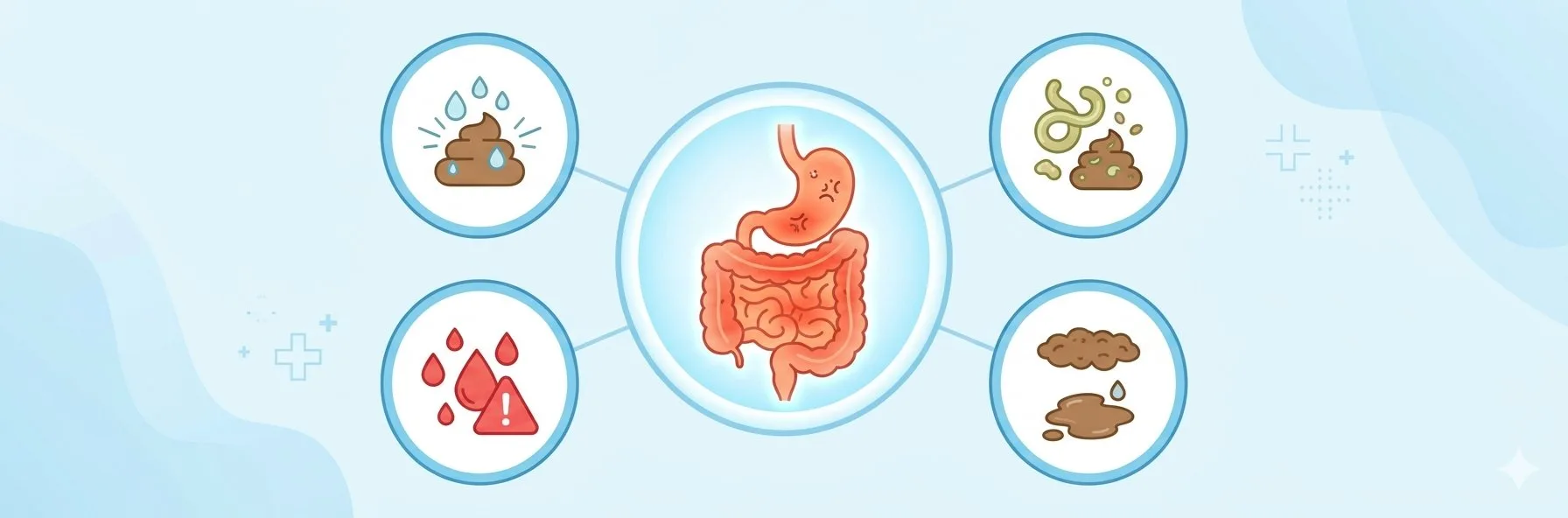
Gastroenteritis is inflammation of the stomach and intestines, commonly due to an infection. Symptoms can begin suddenly and vary from mild to severe.Common symptoms
- Loose or watery stools (diarrhoea)
- Nausea and vomiting
- Abdominal cramps or stomach pain
- Fever or chills
- Loss of appetite
- Headache, muscle aches and tiredness
Common causes
Viral infections
Norovirus and rotavirus are important viral causes. Norovirus can affect people of all ages and is readily transmitted in shared settings. Rotavirus is an important cause of severe diarrhoea in young children; vaccination helps prevent severe rotavirus disease.Bacterial infections
Bacteria such as Salmonella, Campylobacter, Shigella and certain strains of Escherichia coli may cause diarrhoea, sometimes with fever, severe cramps or blood in the stool. Contaminated food or water is a common route of infection.Parasitic infections
Parasites such as Giardia can cause prolonged diarrhoea, bloating and abdominal discomfort. Persistent symptoms may need investigation rather than being assumed to be a short-lived stomach virus.How does infection spread?
Transmission can occur through the faecal–oral route: microscopic traces of infected stool reach another person’s mouth, often through contaminated hands, food, water or surfaces. Vomit can also spread norovirus particles into the surrounding environment.What Should You Do During the First 48 Hours?
1. Replace lost fluids and salts
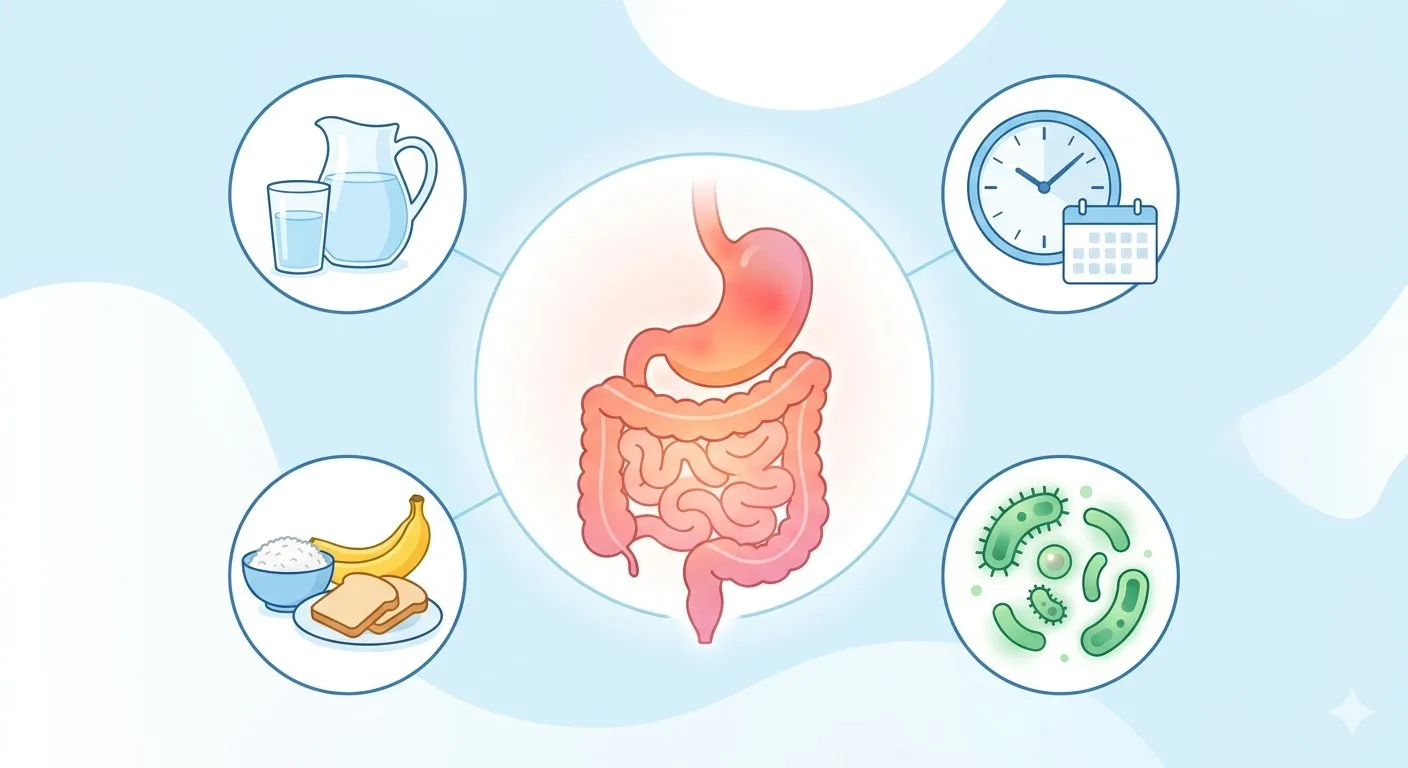
The most important part of treatment for many cases of acute diarrhoea is preventing dehydration. Use a commercially prepared oral rehydration salts (ORS) sachet and mix it with exactly the amount of safe water stated on the packet. Do not make the solution more concentrated or dilute than instructed. Take frequent small sips if nausea makes drinking difficult. After each loose stool, replace fluids. People who are vomiting may tolerate small, repeated sips better than a large glass at once.2. Continue feeding when possible
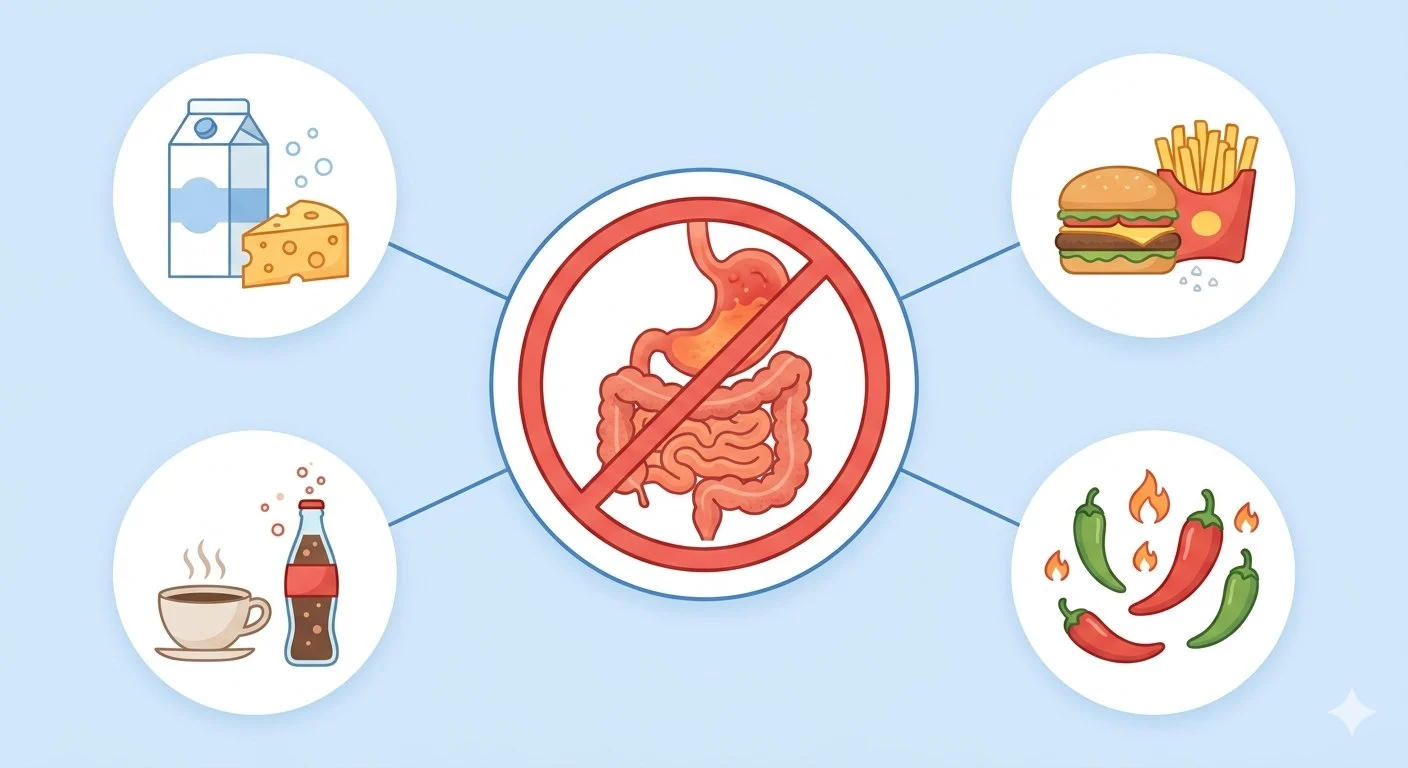
Resume ordinary, age-appropriate food as tolerated. Small meals may be easier at first. Avoid foods or drinks that clearly worsen symptoms. Very sugary drinks, undiluted fruit juice and fizzy drinks can aggravate diarrhoea in some people.For babies and young children
Continue breastfeeding. Continue usual-strength formula unless a clinician advises otherwise; do not dilute formula. Offer ORS as advised by a healthcare professional, especially if the child has repeated watery stools or vomiting. Young children can become dehydrated quickly.3. Use medicines carefully
Antibiotics are not useful for viral gastroenteritis and are not routinely needed for every episode of diarrhoea. The choice to prescribe an antibiotic depends on the suspected organism, severity, patient risk factors and clinical assessment. Some infections, including suspected STEC, require particular caution because certain antibiotics may increase the risk of complications. Anti-diarrhoeal medicines such as loperamide are not suitable for everyone. They should generally be avoided in children unless specifically advised by a clinician, and in people with bloody diarrhoea, high fever or suspected invasive infection. Do not self-medicate if symptoms are severe or unusual.4. Rest and monitor symptoms
Monitor how often you pass urine, whether you can keep fluids down, your temperature and whether symptoms are improving. Keep a note of the time of the final vomiting or diarrhoea episode so the 48-hour period can be calculated accurately.How Can You Prevent Gastroenteritis From Spreading at Home?
Even after the 48-hour gastro rule has been completed, good hygiene is important because some germs may continue to be shed after symptoms resolve.- Wash hands with soap and running water for at least 20 seconds after using the toilet, changing nappies, cleaning vomit or stool, and before preparing or eating food.
- Do not rely on alcohol-based hand sanitiser as a substitute for soap-and-water handwashing when norovirus is possible; sanitiser is less reliable against it.
- Do not prepare food for other people while ill and for at least 48 hours after symptoms stop, unless local guidance requires a longer period.
- Clean and disinfect toilets, flush handles, taps, door handles and other frequently touched surfaces. Use a disinfectant effective against norovirus and follow its label instructions.
- Wear disposable gloves when handling soiled laundry or cleaning vomit and stool; wash hands after removing gloves.
- Wash contaminated clothes and bedding separately using detergent and the warmest suitable wash permitted by the fabric-care label.
- Do not share towels, flannels, utensils or drinking glasses while someone is ill.
- Keep the bathroom as clean as possible and, where feasible, use a separate toilet for the sick person.
Food and water safety
Drink safe water, wash produce, cook food thoroughly and avoid cross-contamination between raw and cooked foods. In settings with uncertain water quality, use appropriately treated or boiled water for drinking and food preparation.When Should You Contact a Doctor?
Most uncomplicated episodes improve with adequate fluid replacement, but some symptoms require medical assessment. Do not wait for the 48-hour period to finish if warning signs appear.Seek urgent medical assessment if you have:
- Blood in the stool or vomit, or black, tarry stool
- Severe, persistent or localised abdominal pain
- Repeated vomiting and inability to keep fluids down
- Very little urine, very dark urine, marked thirst or a dry mouth
- Dizziness on standing, fainting, a rapid heartbeat or severe weakness
- Confusion, unusual drowsiness, difficulty waking or collapse
- High fever with significant illness, or symptoms that are worsening
People who need earlier medical advice
Seek advice sooner for infants, older adults, pregnant people, people with kidney or heart disease, diabetes, weakened immunity, or other significant long-term conditions. Dehydration can become serious more quickly in these groups. A baby with fewer wet nappies, poor feeding, sunken eyes or unusual sleepiness needs prompt assessment.When symptoms persist
Arrange medical review if diarrhoea lasts more than about seven days, vomiting continues for more than about two days, or symptoms are not improving. A clinician may consider stool testing, especially with blood in the stool, recent travel, recent antibiotic use, severe illness, an outbreak link or prolonged symptoms.Emergency warning: Collapse, severe confusion, inability to wake, signs of shock or severe dehydration require emergency medical care. Do not delay care to try home remedies.
When Can You Return to Work, School, Food Preparation or Exercise?
| Activity | General practical guidance |
|---|---|
| Work or school | Usually wait at least 48 hours after the last vomiting or diarrhoea episode, and return only when well enough. Follow local policy. |
| Food preparation for others | Do not prepare food while ill or for at least 48 hours after symptoms stop. Food-service rules may be stricter. |
| Childcare or care of vulnerable people | Follow the facility’s infection-control policy; longer exclusion may be required for particular infections or outbreaks. |
| Swimming | Avoid swimming until at least 48 hours after diarrhoea has stopped; follow pool and local public-health rules. |
| Exercise | Resume gradually once hydrated, eating normally and no longer feverish or weak. Avoid strenuous exercise while dehydrated. |
| Travel | Consider postponing travel while symptomatic or dehydrated. Avoid exposing others in shared transport and accommodation. |
Common Myths and Mistakes About the 48-Hour Rule
Myth 1: Gastroenteritis always lasts 48 hours
Fact: The rule concerns time away from shared settings after symptoms stop. It does not predict how long the illness will last. Vomiting and diarrhoea can continue for several days depending on the cause.Myth 2: Once 48 hours have passed, there is zero risk of transmission
Fact: The risk is reduced, not eliminated. Norovirus may continue to be shed in stool for two weeks or longer. Continue handwashing and careful bathroom and food hygiene.Myth 3: Hand sanitiser alone is enough
Fact: Soap and water are especially important for norovirus. Alcohol-based sanitiser should not replace proper handwashing.Myth 4: Antibiotics are needed for every case
Fact: Many cases are viral and do not respond to antibiotics. Unnecessary antibiotics can cause side effects and contribute to antimicrobial resistance.Myth 5: If vomiting has stopped, the countdown is over
Fact: Both vomiting and diarrhoea must have stopped. Count 48 hours from whichever symptom occurred last.Frequently Asked Questions
1. What is the 48-hour gastro rule in simple words?
Stay away from work, school and food preparation for other people until at least two full days have passed since your last vomiting or diarrhoea episode. Follow any stricter local rules.2. Do I count 48 hours from the first day of gastro?
No. Count from the final episode of vomiting or diarrhoea, whichever happened later. If symptoms return, restart the count after the new final episode.3. Can I go to work if I still have mild diarrhoea?
No. The 48-hour period has not started while diarrhoea continues. Stay home and avoid preparing food for others. Seek medical advice if diarrhoea is persistent, severe or accompanied by warning signs.4. Can my child return to school after 24 hours without vomiting?
Generally, no. If the child has had vomiting or diarrhoea, the usual recommendation is to wait at least 48 hours after both have stopped. Check the school’s and local health authority’s requirements.5. Can I cook for my family after the 48-hour period?
In many routine situations, food preparation can resume after at least 48 symptom-free hours, but wash hands carefully with soap and water and clean food-contact surfaces. Food workers should follow their workplace and local food-safety rules.6. Can norovirus spread after symptoms stop?
Yes. Norovirus can continue to be shed in stool for two weeks or more after recovery. The 48-hour rule is a practical exclusion period, not proof that shedding has ended.7. Does the 48-hour rule apply to food handlers?
Yes. CDC guidance advises food workers to stay away from food preparation and handling while sick and for at least 48 hours after symptoms stop. Local regulations may require more.8. What should I drink during gastroenteritis?
Use frequent small amounts of fluid. ORS is useful for replacing water and electrolytes lost through diarrhoea and vomiting. Prepare a commercial ORS sachet exactly as directed. Continue breastfeeding for infants.9. Should I take antibiotics for gastroenteritis?
Not automatically. Many cases are viral, and antibiotics do not treat viruses. A clinician should decide whether testing or antibiotics are appropriate based on symptoms, risk factors and likely cause.10. When is diarrhoea an emergency?
Seek urgent care for blood in stool, severe abdominal pain, inability to keep fluids down, very little urine, fainting, confusion, collapse or marked drowsiness. Babies, older adults and people with chronic illnesses may need earlier assessment.Summary
- The 48-hour gastro rule generally means staying away from work, school and food handling until 48 hours after the last episode of vomiting or diarrhoea.
- Start the countdown after the final symptom, not from the day the illness began.
- The rule helps reduce transmission, particularly from highly contagious infections such as norovirus.
- It does not mean the illness always lasts two days or that infectious shedding completely stops after 48 hours.
- Continue soap-and-water handwashing, safe food practices and careful cleaning after returning to normal activities.
- Use ORS correctly to prevent dehydration and seek medical care for blood in stool, severe pain, persistent vomiting or signs of dehydration.
- Some infections and high-risk workplaces require longer exclusion or specific public-health advice.
Conclusion
The 48-hour gastro rule is a simple but important measure for limiting the spread of infectious gastroenteritis. In general, remain away from work, school, childcare and food preparation for others until at least 48 full hours have passed since the last episode of vomiting or diarrhoea. The countdown restarts if symptoms return. However, the rule is not a substitute for medical assessment or local infection-control instructions. Some infections need longer precautions, and people who remain unwell should not rush back to normal activities. Good handwashing, safe food handling, environmental cleaning and adequate hydration remain important even after symptoms settle.Related Video Resource
For an additional visual explanation of gastroenteritis, oral rehydration and prevention, see relevant educational videos from established health organisations. This link opens YouTube search results rather than endorsing a particular unverified video: Watch educational videos about gastroenteritis, ORS and prevention on YouTube.References and Further Reading
- World Health Organization (WHO). Diarrhoeal disease: causes, dehydration, prevention and oral rehydration salts. WHO fact sheet.
- US Centers for Disease Control and Prevention (CDC). How to Prevent Norovirus. Includes advice to wait at least 48 hours after symptoms stop before preparing food or caring for others in relevant settings. CDC prevention guidance.
- CDC. Norovirus Fact Sheet for Food Workers. Food worker guidance.
- National Health Service (NHS), United Kingdom. Diarrhoea and vomiting: self-care, duration and advice to stay off work or school until symptom-free for at least two days. NHS guidance.
- UK Government. How to stop norovirus spreading. Public-health advice.
- CDC. Summary of recommendations for prevention and control of norovirus gastroenteritis in healthcare settings. Healthcare infection-control guidance.
- World Gastroenterology Organisation. Acute Diarrhea guideline. Clinical guideline.
Medical Disclaimer
This article is for general educational purposes only. It does not provide an individual diagnosis or replace consultation with a qualified doctor. The cause and severity of vomiting or diarrhoea can vary, and advice may differ for infants, older adults, pregnant people, people with chronic illnesses and people with weakened immunity. Seek professional medical advice when symptoms are severe, persistent or concerning. Follow local public-health, workplace and food-safety regulations. Do not start antibiotics or other prescription medicines without appropriate medical advice.
📲 For Health-Related Articles & Videos
🔹 Facebook: https://www.facebook.com/positivemind.healthcare🔹 YouTube: http://www.youtube.com/@healthuseful8539/
ENT Consultation & Surgery
Dr. Sagar Rajkuwar (MS-ENT) Consultant ENT Specialist & Head-Neck SurgeonPrabha ENT Clinic, Ambad, Nashik, Maharashtra, India