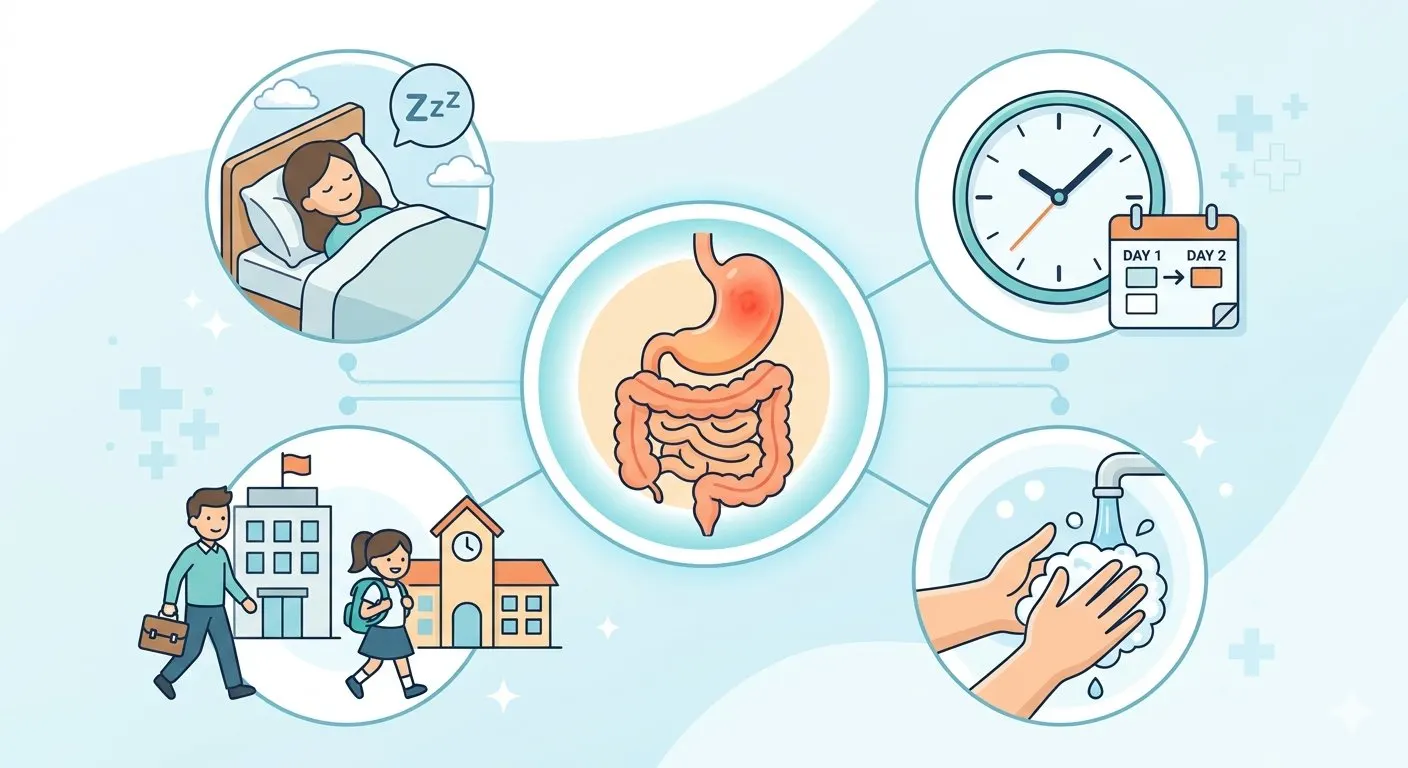
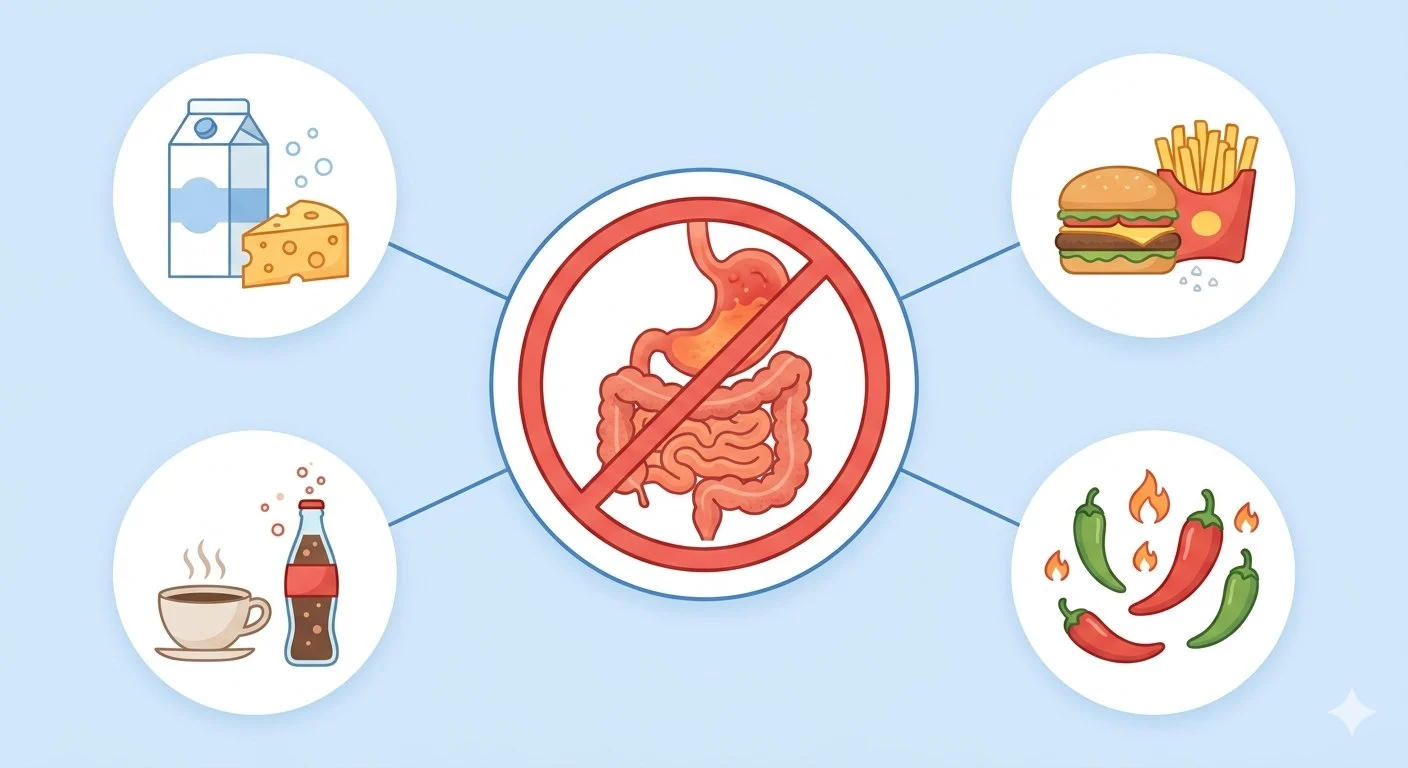
What Does Gastroenteritis Stool Look Like?-various aspects-
Article author: Dr. Sagar Rajkuwar, MS-ENT 🌐 www.entspecialistinnashik.com
What Does Gastroenteritis Stool Look Like?
Updated: 8 November 2026 A sudden change in stool consistency is one of the most common signs of gastroenteritis. People often notice that their bowel movements become watery, loose, more frequent or unusually urgent. Some may also notice mucus or a change in colour. However, stool appearance alone cannot tell you which germ is responsible or how serious the illness is.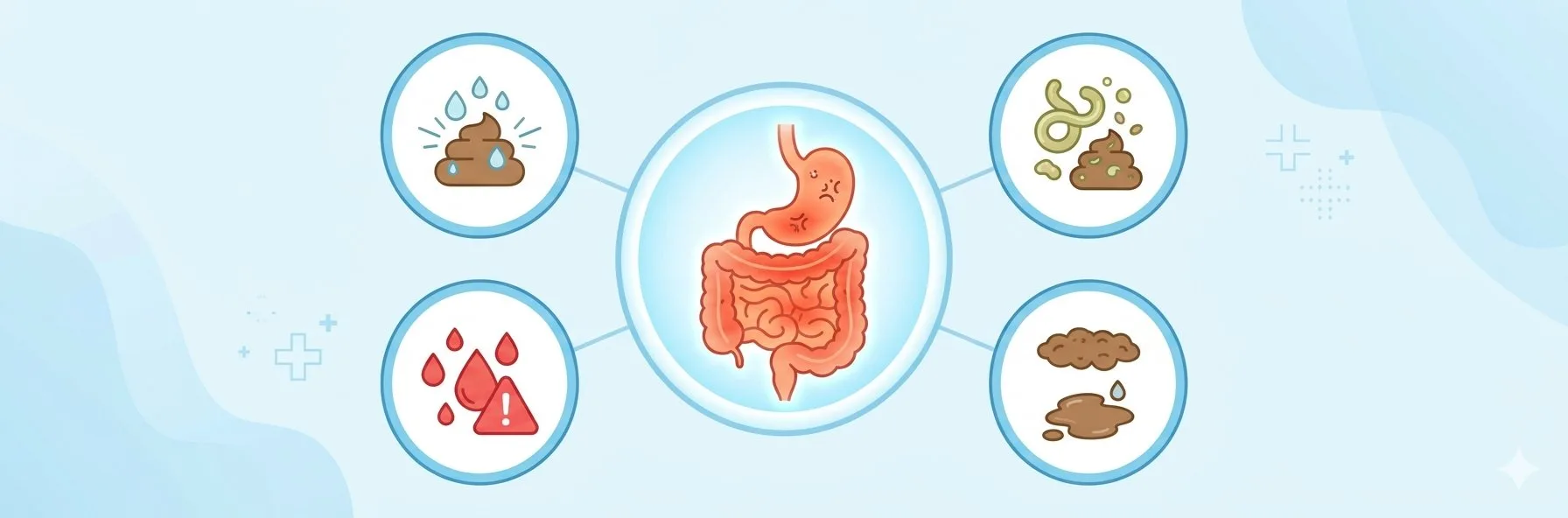
What Does Gastroenteritis Stool Look Like? (Direct Answer)
Gastroenteritis stool is most commonly loose or watery, often passed more frequently than usual. It may look yellowish, greenish or brown, and can be accompanied by abdominal cramps, nausea, vomiting and sometimes fever. The stool may be large in volume or occur in repeated small amounts, depending on the cause.
Blood, black tar-like stool, or substantial mucus should not be dismissed as an ordinary stomach bug. These findings may indicate intestinal inflammation, bleeding or a specific infection and need medical assessment.
When asking what does gastroenteritis stool look like, remember that the appearance varies with the infecting organism, the speed at which stool moves through the intestine, diet and hydration. A clinician uses the complete history, examination and sometimes stool tests—not colour alone—to assess the cause.
Table of Contents
What Is the Typical Appearance of Gastroenteritis Stool?
In many cases, especially viral gastroenteritis, stool becomes watery and loose. It may not hold its usual shape and can spread through the toilet water. The person may need to pass stool several times in a day and may experience urgency or abdominal cramps.Common features
- Watery consistency: stool contains more water than usual and may take the shape of the toilet bowl or container.
- Loose or mushy texture: stool may be soft, poorly formed or fragmented.
- Increased frequency: bowel movements occur more often than is normal for that individual.
- Urgency: there may be a sudden need to pass stool.
- Variable volume: some infections cause large watery motions, while inflammatory infections may cause frequent small-volume motions.
What Does the Colour of Gastroenteritis Stool Mean?
Stool colour can vary during diarrhoea. The colour is influenced by bile pigments, intestinal transit time, food, medicines and sometimes bleeding. A particular colour does not reliably identify a particular virus or bacterium.| Stool appearance | Possible explanation | What to do |
|---|---|---|
| Yellowish watery stool | Rapid intestinal transit can leave less time for normal digestion and colour changes. Diet may also contribute. | Assess hydration and overall symptoms; colour alone does not identify the cause. |
| Green watery stool | Stool may pass quickly, allowing bile pigments to retain a greener appearance. Green foods or food colouring can also contribute. | Usually interpret alongside frequency, duration and other symptoms. |
| Brown watery stool | Brown remains a common stool colour even when the consistency is watery. | Watery consistency and fluid loss matter more than the brown colour. |
| Red or blood-streaked stool | May indicate intestinal infection, inflammation, haemorrhoids or bleeding from another source. | Seek prompt medical assessment; urgent care if bleeding is substantial or accompanied by severe illness. |
| Black, sticky, tar-like stool | Can indicate digested blood from the upper digestive tract. Iron or some foods can also darken stool. | Seek urgent medical advice, particularly if stool is tarry, weakness or dizziness occurs. |
| Pale, clay-coloured stool | Not a typical feature of simple gastroenteritis; can be associated with reduced bile reaching the intestine. | Arrange medical assessment, especially with yellow skin or eyes or dark urine. |
Does yellow stool mean viral gastroenteritis?
No. Yellow stool can occur when intestinal contents move quickly, but it is not a reliable test for a viral infection. Bacterial infections and non-infectious conditions can also cause diarrhoea with yellowish stool.Does green stool mean bacterial infection?
No. Green stool may result from rapid transit, bile pigments, green foods or food colouring. It does not prove that the illness is bacterial and is not, by itself, a reason to take antibiotics.Key point: Do not diagnose the cause of gastroenteritis from stool colour alone. The duration, frequency, hydration status, fever, pain, travel, food exposure and presence of blood are more useful clinical clues.
Can Gastroenteritis Stool Contain Mucus?
Mucus is a slippery substance produced by the lining of the intestines. A small amount may be difficult to notice, but visible mucus can appear as clear, whitish or yellowish jelly-like material mixed with stool. Mucus may occur when the intestinal lining is irritated or inflamed. It can be seen with some intestinal infections, including infections that affect the colon. However, mucus is not specific to gastroenteritis and can also occur in conditions such as inflammatory bowel disease or irritable bowel syndrome.When is mucus more concerning?
- Mucus mixed with visible blood
- Mucus with fever or significant abdominal cramps
- Frequent small-volume stools with urgency or a feeling of incomplete emptying
- Persistent mucus or diarrhoea that does not improve
- Mucus with weight loss, night-time symptoms or recurrent episodes
Is Blood in Stool Normal With Gastroenteritis?
Important: Blood in diarrhoea is not a typical feature of uncomplicated viral gastroenteritis. Bloody diarrhoea needs prompt medical assessment because it may be caused by an invasive bacterial infection or another bowel condition.
Blood may appear bright red, maroon or mixed throughout the stool. Some people also pass mucus, develop fever, abdominal cramps or a painful urge to pass stool. This pattern can occur with infections such as Shigella, Campylobacter and certain types of Salmonella or Shiga toxin-producing Escherichia coli (STEC).
Why is bloody diarrhoea important?
Some infections that cause bloody diarrhoea can lead to complications. In particular, STEC infection can sometimes cause haemolytic uraemic syndrome (HUS), a serious condition affecting the blood and kidneys. Warning signs can include reduced urine, unusual tiredness, pallor or bruising after a diarrhoeal illness. This requires urgent medical assessment.Do not self-start antibiotics
Antibiotics are not automatically appropriate for bloody diarrhoea. IDSA guidance recommends against routine empiric antibiotic treatment for most otherwise healthy children and adults while test results are pending, with defined exceptions. Antibiotics should be avoided in infections caused by STEC O157 or strains producing Shiga toxin 2, or when the toxin type is unknown, because treatment may increase the risk of harm. A clinician should decide on testing and treatment.How Do Different Causes of Gastroenteritis Affect Stool?
Different pathogens can produce overlapping symptoms. Stool appearance may provide clues, but laboratory testing is sometimes needed to identify the organism.1. Viral gastroenteritis
Viruses such as norovirus and rotavirus commonly cause watery diarrhoea, vomiting, nausea and abdominal cramps. Fever may occur. Blood is not typical of uncomplicated viral gastroenteritis.2. Bacterial gastroenteritis
Bacteria such as Campylobacter, Shigella, Salmonella and certain strains of E. coli can cause watery or inflammatory diarrhoea. Some infections cause fever, marked cramps, mucus or blood. A stool test may be indicated depending on severity and risk factors.3. Cholera
Cholera, caused by toxigenic Vibrio cholerae, can cause sudden, profuse watery diarrhoea classically described as rice-water stool. The stool can look pale and cloudy with flecks of mucus. Severe fluid loss can develop rapidly and may be life-threatening without prompt rehydration and medical treatment. This appearance is not exclusive to cholera, and suspected cholera requires urgent medical/public-health assessment.4. Parasitic gastroenteritis
Parasites such as Giardia can cause prolonged diarrhoea, bloating, gas and foul-smelling or greasy stools. Symptoms may persist longer than a typical short viral illness. Travel, untreated water exposure and prolonged symptoms may lead a clinician to consider stool testing.What Other Symptoms Occur Along With Gastroenteritis Stool Changes?
Gastroenteritis affects more than stool consistency. Common accompanying symptoms include:- Diarrhoea: loose or watery bowel movements.
- Nausea and vomiting: may occur before or alongside diarrhoea.
- Abdominal cramps: intermittent pain caused by intestinal irritation and contractions.
- Fever: may occur, particularly with some infections.
- Loss of appetite: common during acute illness.
- Body aches and tiredness: can accompany infection and fluid loss.
How Can You Recognise Dehydration From Diarrhoea?
The main immediate risk of frequent watery stool is loss of water and electrolytes. Dehydration can become serious, particularly in infants, young children, older adults and people with chronic illnesses.Signs in adults
- Marked thirst or dry mouth
- Passing urine less often or having very dark urine
- Dizziness, especially on standing
- Unusual tiredness or weakness
- Sunken eyes or fainting in more severe cases
Signs in babies and children
- Fewer wet nappies than usual
- Dry mouth or tongue
- No tears when crying
- Sunken eyes or sunken soft spot in an infant
- Unusual irritability, lethargy or poor feeding
When Are Stool Tests Needed?
Most mild, short-lived watery diarrhoea in otherwise healthy people does not require stool testing. A doctor may recommend a test when the result could change treatment, infection-control decisions or public-health action.Situations in which testing may be considered
- Bloody diarrhoea or significant mucus, particularly with fever or severe cramps
- Severe illness, dehydration or suspected sepsis
- Diarrhoea lasting longer than expected or persistent for 14 days or more
- Recent international travel or exposure to unsafe water
- Recent antibiotic use or healthcare exposure, raising concern for C. difficile
- Weakened immunity or an outbreak affecting several people
- Infants or children with concerning features
What stool sample is used?
IDSA guidance identifies a fresh diarrhoeal stool sample—the sample that takes the shape of its container—as the preferred specimen for many infectious diarrhoea investigations. The laboratory may use culture, antigen testing or molecular tests depending on the suspected organism. Follow the laboratory’s collection and transport instructions. Do not collect a sample from toilet water or add preservatives unless instructed. Stool colour charts, home photographs and visual inspection cannot replace laboratory diagnosis when testing is clinically indicated.What Should You Do If You Have Watery Gastroenteritis Stool?
1. Replace fluid and electrolyte losses
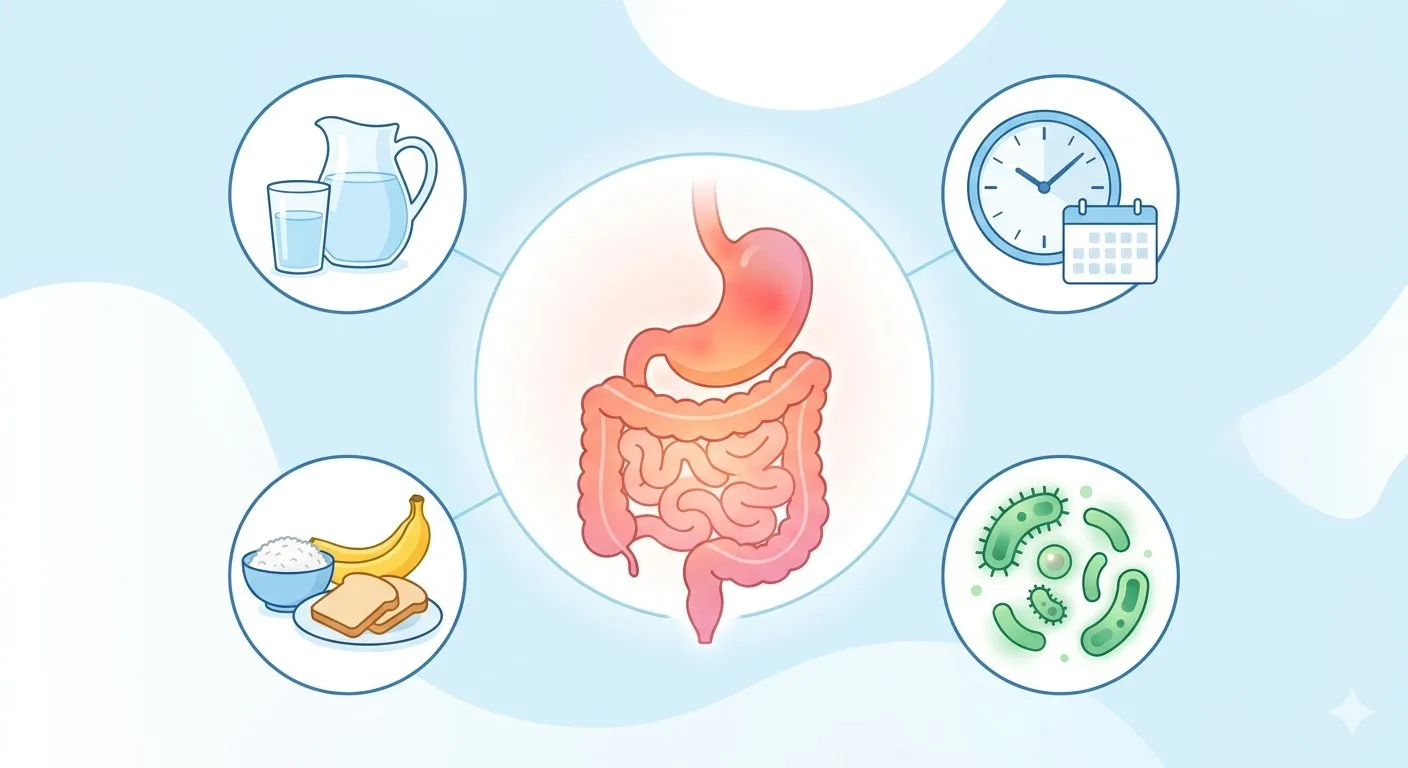
Use a correctly prepared oral rehydration salts (ORS) solution when appropriate. Mix the sachet with exactly the amount of safe water stated on the packet. Do not add extra salt or sugar and do not make it more concentrated or dilute than directed. Take frequent small sips if nausea is present.2. Continue feeding as tolerated
Resume an age-appropriate normal diet as appetite allows. Small meals may be easier initially. Continue breastfeeding for infants and do not dilute formula. Avoid prolonged fasting or a highly restrictive diet.3. Be cautious with medicines
Antibiotics do not treat viral gastroenteritis and are not required for every bacterial diarrhoea. Anti-diarrhoeal medicines such as loperamide are not suitable for everyone and should generally be avoided in bloody diarrhoea or diarrhoea with high fever unless a clinician specifically advises otherwise. Do not give these medicines to children without medical advice.4. Prevent spread to others
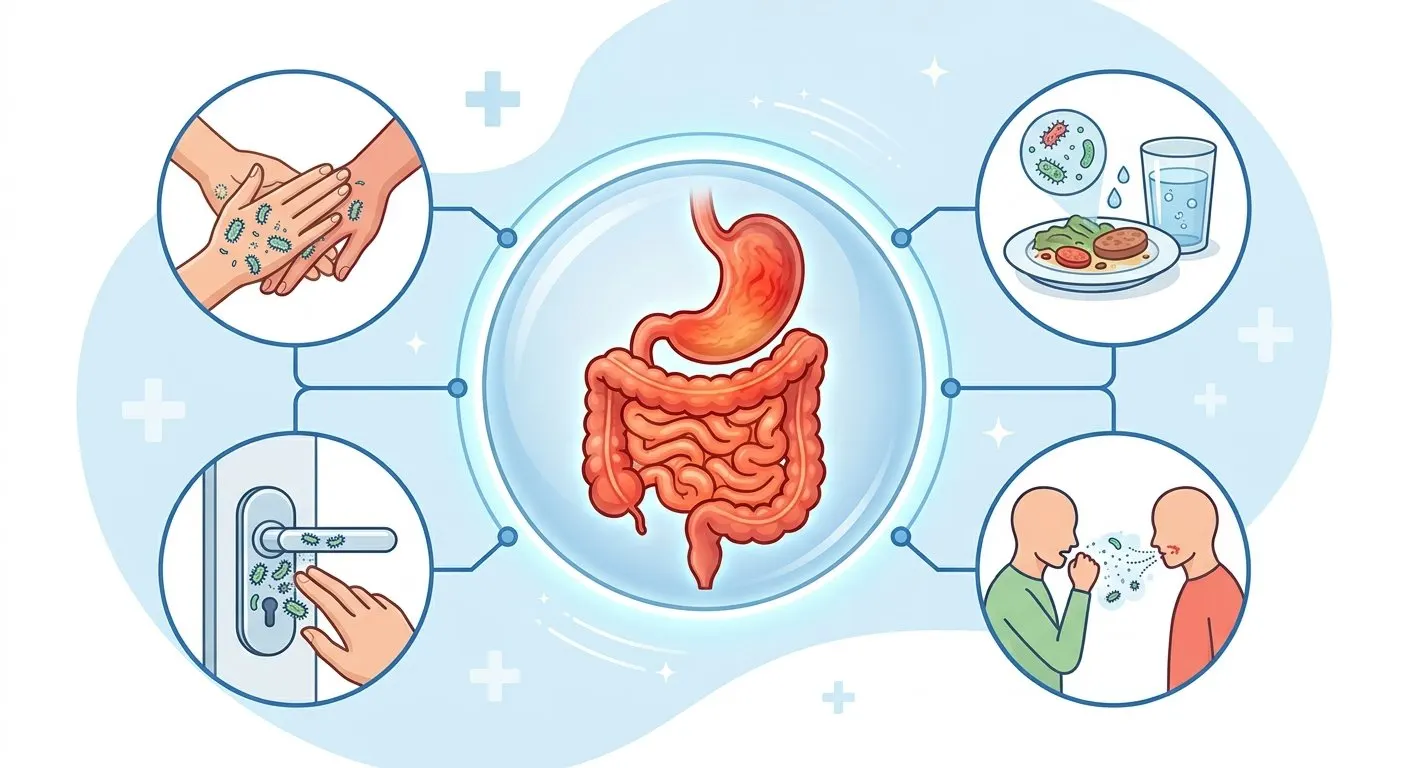
Wash hands thoroughly with soap and water after using the toilet or changing nappies and before preparing food. Clean contaminated bathroom surfaces and avoid preparing food for others while ill and for at least 48 hours after vomiting and diarrhoea stop, following local guidance.When Should You Seek Medical Attention?
Seek urgent medical care if you have:
- Blood in stool or black, tar-like stool
- Severe or persistent abdominal pain
- Repeated vomiting or inability to keep fluids down
- Very little urine, fainting, severe dizziness or marked weakness
- Confusion, collapse or unusual drowsiness
- Profuse watery diarrhoea with rapid fluid loss, especially after travel or during a suspected outbreak
Contact a healthcare professional promptly if:
- Diarrhoea is not improving after several days or lasts 7 days or longer.
- You have fever with diarrhoea, significant mucus or worsening cramps.
- You recently used antibiotics or were admitted to hospital.
- You are pregnant, older, immunocompromised or have significant kidney, heart or other chronic disease.
- A baby or young child has frequent watery stools, poor feeding or fewer wet nappies.
Common Misunderstandings About Gastroenteritis Stool
Myth 1: Green stool always means bacterial infection
Fact: Green colour can result from rapid transit or food pigments. It does not identify the pathogen.Myth 2: Yellow watery stool proves a viral infection
Fact: Many conditions can cause yellowish diarrhoea. Diagnosis depends on the overall clinical picture.Myth 3: Mucus always means a dangerous infection
Fact: Mucus has several possible causes. Blood, fever, severe pain or persistent symptoms make assessment more important.Myth 4: Blood in diarrhoea is a normal part of a stomach bug
Fact: Bloody diarrhoea needs medical assessment. Do not assume it is harmless or start antibiotics without advice.Myth 5: The appearance of stool can identify the exact germ
Fact: Stool appearance can suggest patterns but cannot reliably distinguish norovirus, rotavirus, Salmonella, Shigella or other causes.Frequently Asked Questions
1. What does gastroenteritis stool look like?
It is commonly loose or watery and passed more frequently than usual. It may be brown, yellowish or greenish. The appearance varies and cannot identify the cause by itself.2. Is gastroenteritis stool always watery?
No. It can be watery, loose, mushy or poorly formed. In some inflammatory infections, frequent small-volume stools may occur.3. What colour is stool in viral gastroenteritis?
It can be brown, yellowish or greenish. Viral gastroenteritis typically causes watery diarrhoea, but colour is not a reliable way to diagnose a virus.4. Can gastroenteritis cause mucus in stool?
Yes. Mucus may occur with intestinal irritation or inflammation. If it is visible in significant amounts or occurs with blood, fever, pain or persistent diarrhoea, seek medical advice.5. Is blood in stool normal during gastroenteritis?
No. Blood may indicate an invasive infection or another cause of intestinal bleeding. It needs prompt medical assessment.6. What does rice-water stool mean?
Rice-water stool is profuse, pale watery diarrhoea with flecks of mucus, classically associated with cholera. Suspected cholera can cause rapid dehydration and requires urgent medical/public-health assessment.7. How many times a day is diarrhoea?
WHO commonly defines diarrhoea as three or more loose or liquid stools in 24 hours, or more frequently than is normal for the person. A change from the individual’s usual pattern matters.8. Should I get a stool test for watery diarrhoea?
Not always. Mild short-lived watery diarrhoea often does not need testing. Testing may be recommended for blood, fever, severe illness, persistent symptoms, recent travel, antibiotic exposure or weakened immunity.9. What should I drink if I have watery stool?
Use safe fluids and correctly prepared ORS to replace water and salts when needed. Mix ORS exactly as directed on the sachet. Severe dehydration needs urgent medical treatment.10. When is diarrhoea dangerous?
Blood or black tarry stool, severe pain, inability to drink, very little urine, fainting, confusion or collapse are warning signs. Infants, older adults and people with chronic illness need earlier assessment.Summary
- Gastroenteritis most commonly causes loose or watery stool that occurs more frequently than usual.
- Stool may be brown, yellowish or greenish; colour alone cannot identify the cause.
- Mucus can occur with intestinal irritation, but mucus with blood, fever or pain needs assessment.
- Blood in diarrhoea and black tar-like stool are warning signs, not features to dismiss as routine gastroenteritis.
- Rice-water diarrhoea can occur in cholera and may cause rapid, dangerous dehydration.
- ORS, safe fluids, continued feeding and hand hygiene are important parts of care.
- Stool testing is considered when symptoms are severe, bloody, persistent or associated with specific risk factors.
Conclusion
Gastroenteritis usually causes loose or watery bowel movements, often with increased frequency, urgency and abdominal cramps. Stool can look brown, yellowish or greenish, and some infections may cause mucus. However, no stool colour or texture can reliably identify the responsible organism. Blood in stool, black tar-like stool, severe abdominal pain, profuse watery diarrhoea or signs of dehydration require medical attention. Focus on replacing fluid and electrolyte losses with correctly prepared ORS, continuing food as tolerated and preventing infection spread. If symptoms are severe, persistent or unusual, a healthcare professional can decide whether stool testing or other investigations are needed.Related Video Resource
For additional education on diarrhoea, oral rehydration and warning signs, explore videos from recognised health organisations. This link opens a YouTube search rather than endorsing a specific unverified video: Watch educational videos about diarrhoea, ORS and gastroenteritis.References and Further Reading
- World Health Organization (WHO). Diarrhoeal disease: definition, dehydration, oral rehydration and prevention. WHO fact sheet.
- National Institute of Diabetes and Digestive and Kidney Diseases (NIDDK). Symptoms and Causes of Viral Gastroenteritis. NIDDK guidance.
- Infectious Diseases Society of America (IDSA). 2017 Clinical Practice Guidelines for the Diagnosis and Management of Infectious Diarrhea. Clinical guideline.
- National Institute for Health and Care Excellence (NICE). Diarrhoea and vomiting caused by gastroenteritis in under 5s: diagnosis and management. NICE recommendations.
- Indian Council of Medical Research (ICMR). Treatment Guidelines for Antimicrobial Use in Common Syndromes, section on acute gastroenteritis and stool characteristics. ICMR guideline PDF.
- World Gastroenterology Organisation (WGO). Acute Diarrhea guideline. WGO guideline.
- National Health Service (NHS), United Kingdom. Bleeding from the bottom (rectal bleeding): causes and when to seek advice. NHS guidance.
Medical Disclaimer
This article is for general educational purposes only and does not replace an individual medical consultation. Stool appearance cannot establish the cause of diarrhoea or rule out serious illness. Seek prompt medical assessment for blood in stool, black tarry stool, severe abdominal pain, fever with bloody diarrhoea or signs of dehydration. Seek emergency care for collapse, confusion, severe weakness or inability to keep fluids down. Infants, older adults, pregnant people and people with weakened immunity or significant chronic illness may need earlier assessment. Do not start antibiotics or anti-diarrhoeal medicines without appropriate medical advice.
📲 For Health-Related Articles & Videos
🔹 Facebook: https://www.facebook.com/positivemind.healthcare🔹 YouTube: http://www.youtube.com/@healthuseful8539/
ENT Consultation & Surgery
Dr. Sagar Rajkuwar (MS-ENT) Consultant ENT Specialist & Head-Neck SurgeonPrabha ENT Clinic, Ambad, Nashik, Maharashtra, India