Gastritis Symptoms: Early Warning Signs, Causes, Diagnosis and When to Seek Medical Help
Article author: Dr. Sagar Rajkuwar, MS-ENT Gastritis means inflammation of the stomach lining. Some people with gastritis have no noticeable symptoms, while others experience upper abdominal discomfort, nausea, bloating or feeling full unusually quickly. Importantly, these symptoms are not specific to gastritis and can also occur with ulcers, reflux, indigestion and other digestive conditions. The cause—not symptoms alone—determines the right treatment.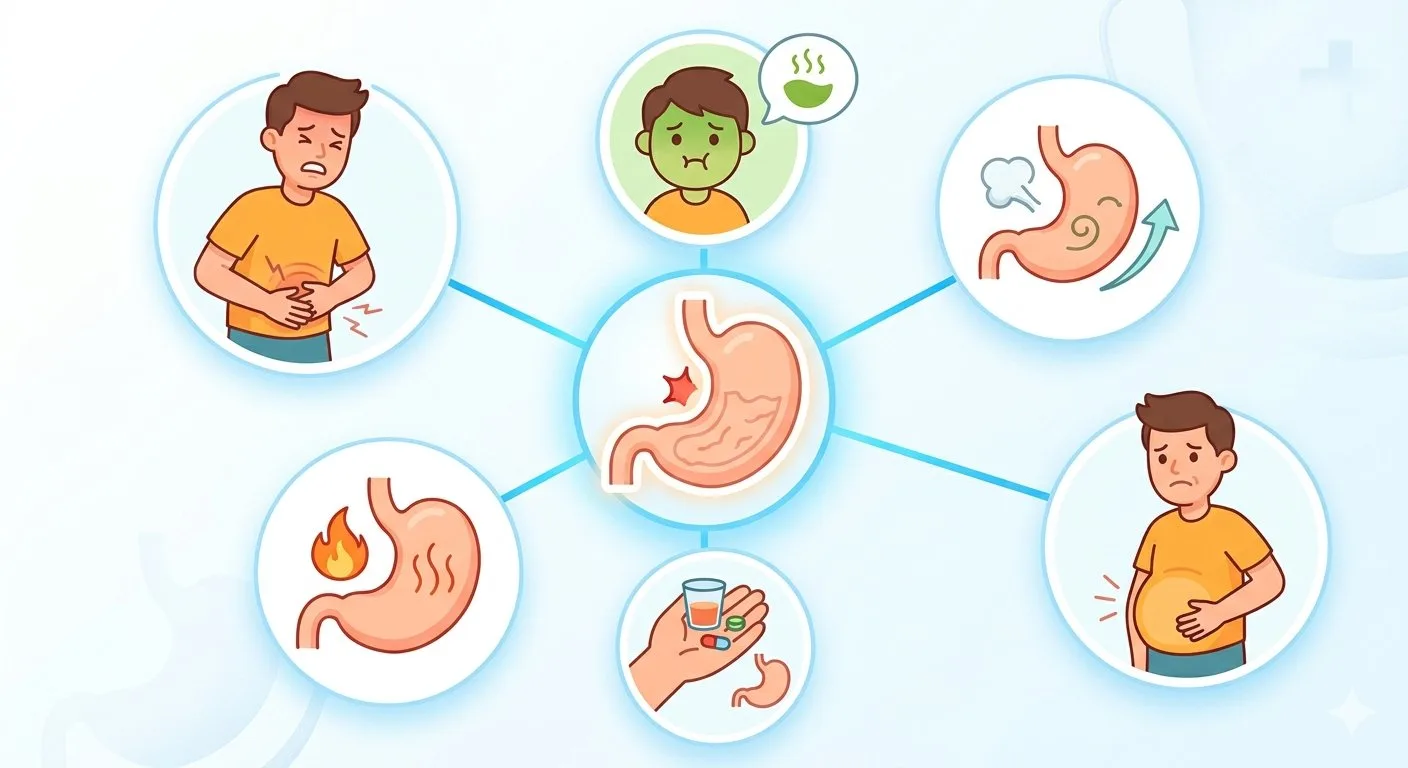
What are the symptoms of gastritis?
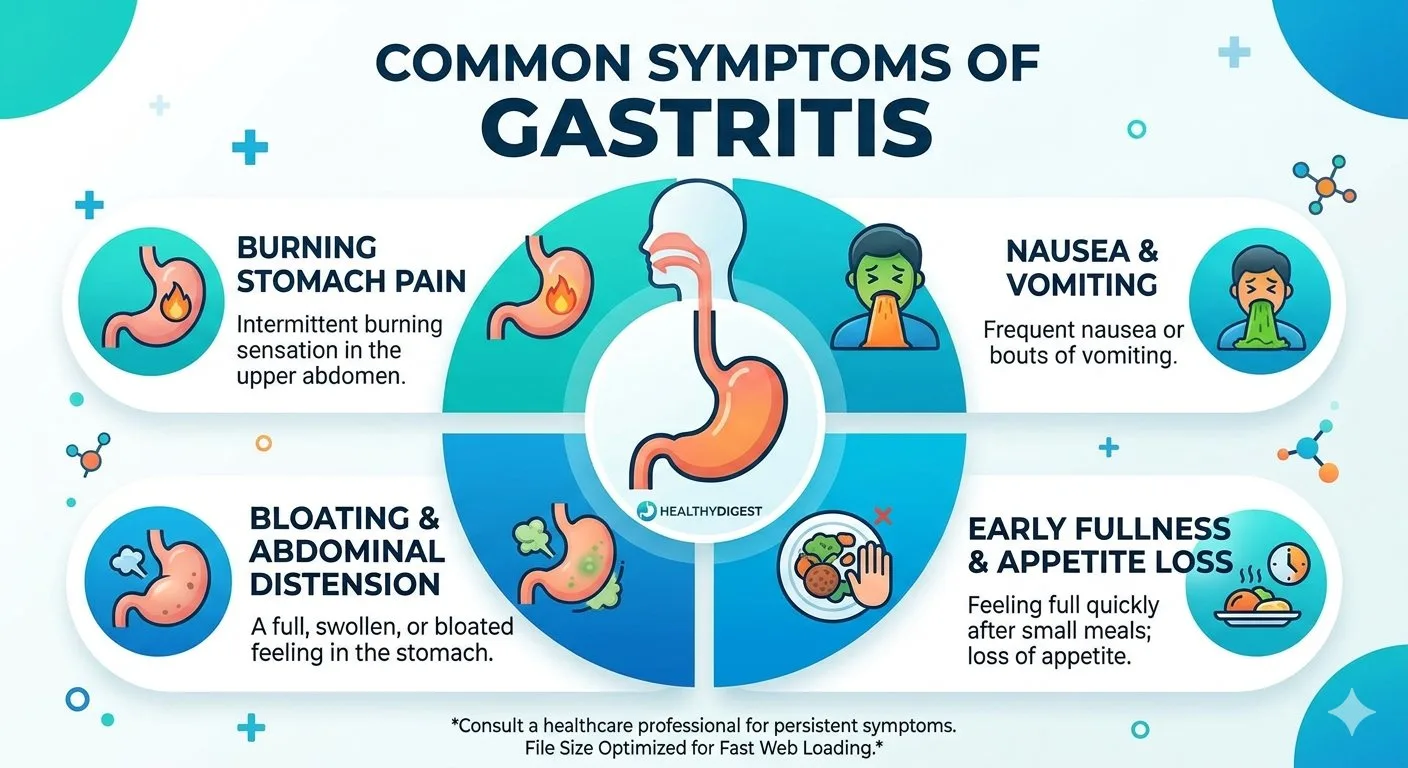
The most commonly reported gastritis symptoms are pain or discomfort in the upper middle abdomen, nausea, vomiting, indigestion, bloating and early fullness during meals. However, many people with inflammation or damage to the stomach lining have no symptoms at all. A person cannot reliably confirm gastritis from symptoms alone; clinical assessment and, in selected cases, testing are needed. Symptoms may be mild and intermittent or persistent. They may occur before eating, after meals or at other times. The timing and severity can offer clues, but neither establishes the diagnosis.Table of Contents
- Common symptoms of gastritis
- How symptoms may vary
- Warning signs that need urgent medical attention
- Causes and risk factors
- Conditions that can resemble gastritis
- How gastritis is diagnosed
- Treatment and recovery
- Food, drinks and lifestyle
- Possible complications
- When to consult a doctor
- Frequently asked questions
- Summary and conclusion
- Medical references
1. Common symptoms of gastritis
1. Upper abdominal pain or discomfort
Discomfort is often felt in the upper central part of the abdomen, below the breastbone. People may describe it as aching, burning, gnawing, soreness or a vague uncomfortable sensation. It may come and go. Pain in this area has several possible causes, so persistent or severe pain should not automatically be labelled as gastritis.2. Nausea and sometimes vomiting
Nausea is a feeling that you may vomit. It can accompany stomach inflammation, infection, medication-related irritation or many unrelated digestive illnesses. Repeated vomiting, inability to keep fluids down or vomiting associated with severe pain requires prompt medical assessment.3. Bloating, belching and indigestion
Some people report abdominal fullness, pressure, excessive belching or a sensation of indigestion. These complaints are common but nonspecific. They can also occur with functional dyspepsia, gastro-oesophageal reflux, food intolerance and altered stomach emptying.4. Feeling full quickly (early satiety)
Early satiety means becoming full after eating less food than usual. Some people also feel excessively full for a long time after a meal. Persistent early satiety deserves medical review, particularly when accompanied by appetite loss, vomiting, anaemia or unintentional weight loss.5. Reduced appetite
Nausea, discomfort or a sense of fullness may reduce the desire to eat. If appetite loss continues, causes dehydration or leads to weight loss, do not rely only on home remedies. A clinician should assess the reason.6. Vomiting
Vomiting can occur in some cases, but it is not present in everyone with gastritis. Recurrent vomiting may indicate a more significant stomach problem or another illness. Blood in vomit, or vomit that resembles dark coffee grounds, is an emergency warning sign.7. Symptoms caused by bleeding
If inflammation progresses to erosions or ulcers, bleeding may occur. Possible signs include black, sticky, tar-like stools; red blood in vomit; coffee-ground-like vomit; unusual tiredness; breathlessness; dizziness or fainting. Bleeding may sometimes be slow and not obvious, eventually contributing to iron-deficiency anaemia.Important: The presence, absence or intensity of symptoms does not reliably show how severe the stomach lining changes are. Some people have significant inflammation without symptoms, while people with troublesome indigestion may have no gastritis on testing.
2. How gastritis symptoms may vary
Acute gastritis or acute stomach lining injury
Acute inflammation or injury develops over a relatively short period. It may cause sudden upper abdominal discomfort, nausea or vomiting, although symptoms vary. Some acute forms are associated with medicines, alcohol exposure or severe physical illness. Sudden severe pain, bleeding or persistent vomiting should be assessed urgently.Chronic gastritis
Chronic gastritis develops over time and may remain silent for years. When symptoms occur, they can include recurring indigestion, upper abdominal discomfort, nausea or early fullness. Chronic disease due to Helicobacter pylori or autoimmune mechanisms may affect nutrient absorption even when digestive symptoms are limited.H. pylori-associated gastritis
Helicobacter pylori (H. pylori) is a bacterium that can live in the stomach lining and cause persistent inflammation. Many infected people have no symptoms. Others may experience indigestion or upper abdominal discomfort; some develop peptic ulcers. Symptoms alone cannot determine whether H. pylori is present—a breath, stool or biopsy-based test may be required.Autoimmune gastritis
In autoimmune gastritis, the immune system attacks cells in the stomach lining. The condition may reduce the production of intrinsic factor and stomach acid, interfering with vitamin B12 and iron absorption. Some people develop iron deficiency or vitamin B12 deficiency before noticing stomach symptoms. Unexplained anaemia, numbness, tingling or unusual fatigue should be discussed with a clinician.3. Warning signs: when gastritis-like symptoms may be an emergency
Seek emergency medical care now if you have:
- Vomiting fresh red blood or material resembling coffee grounds.
- Black, sticky, tar-like stools, especially with weakness or dizziness.
- Fainting, severe light-headedness, marked weakness, breathlessness or a racing heartbeat with possible bleeding.
- Sudden, severe or rapidly worsening abdominal pain, or severe chest pain.
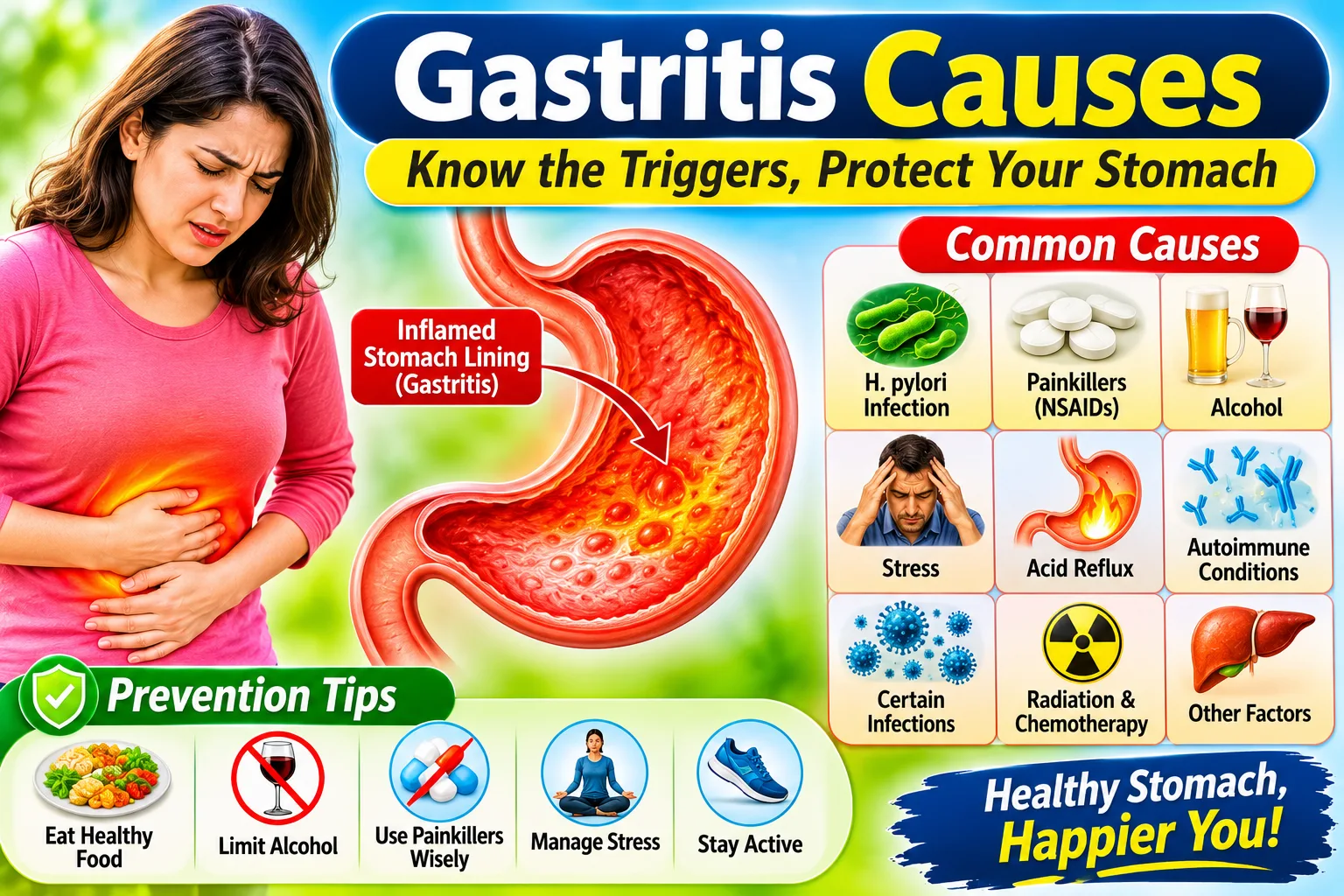
4. Causes and risk factors of gastritis
1. H. pylori infection
H. pylori is a major cause of chronic gastritis worldwide. Infection is often acquired during childhood, and transmission is thought to occur through oral–oral or faecal–oral routes, including contaminated food or water in some settings. It can persist unless treated. Confirmed infection should be managed with an appropriate eradication regimen selected by a healthcare professional, taking local antibiotic resistance and previous antibiotic exposure into account.2. Non-steroidal anti-inflammatory drugs (NSAIDs)
Medicines such as ibuprofen, naproxen and aspirin can damage the stomach’s protective lining, particularly with regular use, higher doses, older age, a previous ulcer or use alongside certain blood thinners or steroids. Do not stop prescribed aspirin or another essential medicine on your own. Ask the prescribing clinician whether the dose, medicine or stomach-protection plan should be changed.3. Alcohol
Heavy alcohol exposure can irritate and injure the stomach lining and may cause acute erosive damage. Avoiding alcohol is sensible when it triggers symptoms or when alcohol-related injury is suspected. Alcohol is not the explanation for every case of gastritis.4. Autoimmune conditions
Autoimmune gastritis occurs when immune activity targets the stomach’s acid-producing cells. It is associated with other autoimmune disorders, particularly autoimmune thyroid disease. It may lead to iron deficiency and vitamin B12 deficiency and needs condition-specific evaluation.5. Severe physical stress or critical illness
Major burns, severe injuries, sepsis, shock and critical illness can reduce blood flow to the stomach lining and cause stress-related erosive injury. This is different from ordinary emotional stress. Psychological stress may worsen a person’s experience of indigestion, but it should not be assumed to be the cause of histologically confirmed gastritis.6. Bile reflux and other less common causes
Bile reflux occurs when bile flows backwards from the small intestine into the stomach and may cause reactive gastropathy. Less common causes include certain infections in people with weakened immune systems, Crohn’s disease, sarcoidosis, radiation or chemotherapy-related injury and, rarely, reactions to particular supplements or foods.5. Conditions that can resemble gastritis
Several conditions produce similar symptoms. This is why the phrase “gastric problem” is not a diagnosis.| Condition | Possible overlapping symptoms | Why assessment matters |
|---|---|---|
| Gastro-oesophageal reflux disease (GERD) | Burning behind the breastbone, sour taste, regurgitation, sometimes upper abdominal discomfort. | Symptoms may be related to reflux rather than stomach lining inflammation. |
| Peptic ulcer disease | Upper abdominal pain, nausea, indigestion; bleeding may cause black stools or blood in vomit. | Ulcers can bleed or, rarely, perforate and may require specific treatment. |
| Functional dyspepsia | Post-meal fullness, early satiety, upper abdominal pain or burning. | Symptoms occur without an identifiable structural explanation on routine evaluation. |
| Gallbladder disease | Upper abdominal pain, often on the right or after meals, sometimes nausea. | May need examination and ultrasound or other tests. |
| Pancreatic disease | Upper abdominal pain, sometimes radiating to the back, nausea or vomiting. | Some causes require urgent assessment and blood tests or imaging. |
| Cardiac disease | Chest or upper abdominal pressure, nausea, sweating or breathlessness. | A heart problem can sometimes be mistaken for indigestion; emergency symptoms must not be ignored. |
6. How is gastritis diagnosed?
Diagnosis starts with a detailed history and examination. A doctor may ask where the discomfort occurs, how long it has lasted, whether it relates to meals, whether there is vomiting or bleeding, and which prescription, over-the-counter or herbal medicines are being used. Alcohol use, previous ulcers, family history and associated conditions may also matter.H. pylori breath test
A urea breath test detects active H. pylori infection. The patient takes a test preparation containing labelled urea; if the bacterium is present, it produces labelled carbon dioxide that can be detected in the breath. Certain medicines, especially proton pump inhibitors, antibiotics and bismuth, can affect results. Follow the laboratory or clinician’s instructions about withholding medicines; do not stop them without advice.Stool antigen test
A stool antigen test can detect active H. pylori infection and is also commonly used to confirm that treatment has worked. Correct timing and medicine washout are important to reduce false-negative results.Upper gastrointestinal endoscopy (gastroscopy)
Upper GI endoscopy uses a thin flexible camera to examine the oesophagus, stomach and first part of the small intestine. The clinician may take small tissue samples (biopsies) to look for H. pylori, inflammation, atrophy, intestinal metaplasia or other abnormalities. Endoscopy is not necessary for every person with short-lived mild indigestion. It may be considered when symptoms persist, warning features are present, risk factors exist or the diagnosis is uncertain.Blood tests
Blood tests may assess anaemia, iron status, vitamin B12 or other possible complications. They may also help investigate alternative diagnoses. Blood antibody testing for H. pylori does not reliably distinguish current infection from past exposure and is generally not the preferred test to confirm eradication.Why a biopsy may be important
When atrophic or autoimmune gastritis is suspected, biopsy findings can establish the pattern and extent of stomach lining changes. Depending on the case, clinicians may assess iron, vitamin B12, antibodies and associated autoimmune disease. The need for follow-up endoscopy is individualized rather than identical for every patient.7. Treatment of gastritis
Treatment depends on the underlying cause, the presence of ulcers or bleeding, and the patient’s medical history. There is no single tablet that cures every form of gastritis.Treating H. pylori infection
When testing confirms H. pylori, clinicians prescribe a combination of acid-suppressing medicine and antibiotics, sometimes with bismuth. The exact regimen should follow current local guidance, antibiotic susceptibility where available, allergies and previous antibiotic exposure. Patients should complete the prescribed course and should not use leftover antibiotics or stop treatment early because symptoms improve. Confirmation of eradication matters: a breath test, stool antigen test or appropriate biopsy-based test is generally performed at least four weeks after completing antibiotics. Proton pump inhibitors are usually withheld for about two weeks before the test, and antibiotics and bismuth for about four weeks, if clinically safe and directed by the treating clinician. Follow the clinician’s exact instructions.Acid-reducing medicines
Proton pump inhibitors (PPIs) reduce stomach acid and may be prescribed for a defined period when appropriate. Examples include omeprazole, pantoprazole and esomeprazole. H2-receptor blockers are another class of acid-reducing medicines. Antacids or alginates may provide short-term symptom relief in selected situations, but they do not eradicate H. pylori or treat every cause of stomach lining injury. The medicine and duration should be selected by a clinician.Reviewing painkillers and other medicines
If NSAIDs or aspirin may be contributing, the prescriber can review whether they are necessary, whether an alternative is suitable and whether stomach protection is indicated. Do not independently discontinue prescribed aspirin used for cardiovascular protection, antiplatelet medicines, anticoagulants or other long-term treatments.Autoimmune gastritis and nutrient deficiencies
Management may include monitoring and treating iron or vitamin B12 deficiency. Some patients with pernicious anaemia require vitamin B12 injections. Follow-up and endoscopic surveillance depend on biopsy findings, the extent of atrophy, associated lesions and individual risk.When bleeding is present
Gastrointestinal bleeding needs urgent hospital assessment. Depending on the cause and severity, treatment may include intravenous fluids, blood tests, acid suppression, endoscopic treatment and, rarely, surgery or other interventions.8. Food, drinks and lifestyle: what actually helps?
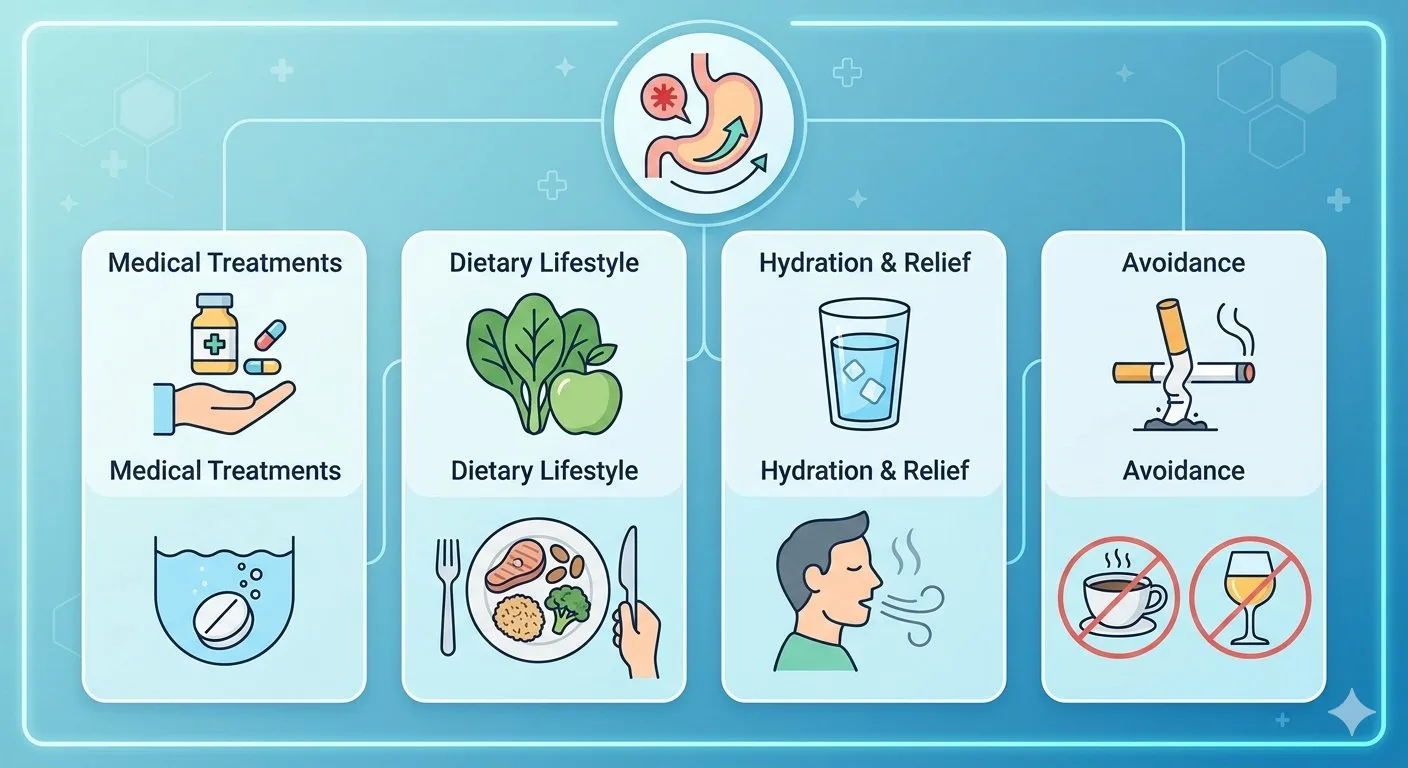
Diet is often blamed for gastritis, but research has not shown that ordinary foods cause most cases. H. pylori infection, NSAID exposure, autoimmune disease and other medical causes are more important explanations. Food choices can nevertheless influence symptoms in an individual.- Notice personal triggers: temporarily reduce foods or drinks that consistently worsen your symptoms, then discuss persistent problems with a clinician.
- Choose manageable meals: smaller meals may be more comfortable if large meals cause fullness or nausea.
- Limit alcohol: avoid it if it triggers symptoms or if alcohol-related injury is suspected.
- Avoid unnecessary NSAIDs: use painkillers only as directed and discuss safer options if you need them frequently.
- Stay hydrated: take fluids regularly, especially after vomiting. Seek care if you cannot keep fluids down.
- Stop smoking: smoking can impair ulcer healing and is harmful to digestive and general health.
- Do not rely on restrictive diets: there is no universal “gastritis diet” that treats H. pylori or autoimmune gastritis.
Are spicy foods responsible for gastritis?
Spicy foods may worsen burning or discomfort in some individuals, but they are not considered the cause of most gastritis. Avoiding a food that clearly triggers symptoms can be reasonable; eliminating many foods without a clear reason may make nutrition unnecessarily difficult.Does milk cure gastritis?
Milk is not a cure for gastritis and does not eradicate H. pylori. It may temporarily soothe some people but can worsen bloating or discomfort in others. Do not use milk instead of appropriate diagnosis and treatment.Can stress cause gastritis?
Severe physical stress from critical illness can cause stress-related stomach lining injury. Everyday emotional stress may aggravate indigestion or affect symptom perception, but it should not be assumed to be the cause of chronic gastritis. Persistent symptoms deserve proper evaluation.9. Possible complications of untreated or persistent gastritis
Complications depend on the cause and type. Many cases do not progress to serious disease, but some forms require treatment and follow-up.- Peptic ulcers: H. pylori and NSAID-related injury can contribute to ulcers in the stomach or duodenum.
- Gastrointestinal bleeding: erosions or ulcers may bleed, sometimes causing iron-deficiency anaemia.
- Atrophic gastritis: long-standing inflammation can lead to loss of normal stomach glands.
- Vitamin B12 deficiency: autoimmune gastritis can impair absorption and, in advanced cases, lead to pernicious anaemia.
- Iron deficiency: H. pylori-associated or atrophic gastritis may contribute to impaired iron absorption.
- Increased stomach cancer risk in selected forms: chronic H. pylori infection and advanced atrophic gastritis or intestinal metaplasia are associated with increased risk. This does not mean that every person with gastritis will develop cancer. Risk assessment and surveillance are individualized.
10. When should you consult a doctor?
Arrange a medical appointment if upper abdominal pain or indigestion lasts more than a week, repeatedly returns, worsens, or interferes with eating or daily activities. Seek earlier review if you have persistent vomiting, unexplained weight loss, reduced appetite, early satiety, swallowing difficulty, known anaemia, a history of ulcers or regular NSAID use. Seek emergency care for vomiting blood, coffee-ground vomit, black tarry stools with concerning symptoms, fainting, severe sudden abdominal pain or severe chest pain. Do not assume these are ordinary gastritis symptoms. Before your appointment, make a list of symptoms, their duration, any relationship to meals, all medicines and supplements, previous test results and any history of ulcers or H. pylori treatment. This information can help the clinician decide which tests are appropriate.11. Frequently asked questions about gastritis symptoms
1. What are the first symptoms of gastritis?
Possible early symptoms include upper abdominal discomfort, indigestion, nausea, bloating and feeling full quickly. However, many people have no symptoms, and these complaints can arise from several other conditions.2. Where is gastritis pain usually felt?
It is commonly described in the upper central abdomen, below the breastbone. Pain location alone cannot confirm gastritis and should be assessed in context.3. Can gastritis occur without pain?
Yes. Many people with gastritis have no noticeable symptoms. It may be discovered during an endoscopy or investigation for another problem.4. Can gastritis cause bloating and gas?
Some people report bloating, belching or indigestion. These symptoms are nonspecific and may also be caused by reflux, functional dyspepsia, food intolerance or other digestive disorders.5. Does gastritis cause nausea every day?
It can cause nausea, but daily nausea is not proof of gastritis. Persistent nausea should be evaluated, especially if associated with vomiting, dehydration, weight loss or pain.6. Can H. pylori cause gastritis without symptoms?
Yes. H. pylori infection often causes no obvious symptoms even though it can produce chronic inflammation. Testing—not symptoms alone—is needed to identify active infection.7. Are gastritis symptoms worse on an empty stomach?
Some people notice discomfort when hungry, while others experience symptoms after eating or have no clear pattern. The timing is not reliable enough to distinguish gastritis from an ulcer or another cause.8. How long do gastritis symptoms last?
Duration varies. Symptoms may settle after the cause is removed or treated, but persistent H. pylori infection, ongoing NSAID exposure or autoimmune gastritis may require specific management. Continuing symptoms should be reviewed rather than repeatedly self-treated.9. Can gastritis be cured permanently?
Some causes can be treated effectively. H. pylori can often be eradicated with an appropriate antibiotic regimen, while medicine-related injury may improve after the offending exposure is addressed. Autoimmune gastritis is generally a long-term condition that may need monitoring and nutrient replacement.10. Is endoscopy necessary for everyone with gastritis symptoms?
No. The decision depends on age, symptom duration, warning signs, risk factors, examination and response to initial management. Some people may first need non-invasive H. pylori testing or other evaluation.11. Can gastritis cause black stools?
Bleeding from erosions or ulcers can cause black, tarry stools. This can be a sign of gastrointestinal bleeding and requires urgent medical assessment. Iron tablets and some medicines can also darken stools, but suspected bleeding should never be dismissed without assessment.12. What is the difference between gastritis and gastropathy?
Gastritis means inflammation of the stomach lining. Gastropathy means damage to the stomach lining with little or no inflammation. The distinction may require endoscopy and biopsy, and the causes and treatment can differ.12. Summary
Gastritis symptoms may include upper abdominal pain or discomfort, nausea, vomiting, bloating, indigestion, reduced appetite and early fullness. Yet many people have no symptoms, and these complaints do not prove that gastritis is present.
- H. pylori infection and NSAID medicines are important causes.
- Autoimmune gastritis can cause iron and vitamin B12 deficiency, sometimes without obvious digestive symptoms.
- Diagnosis may involve a breath test, stool test, blood tests or upper GI endoscopy with biopsy, depending on the clinical situation.
- Treatment must address the cause; antibiotics are used for confirmed H. pylori infection, not for every case of indigestion.
- Blood in vomit, coffee-ground vomit, black tarry stools, fainting or sudden severe pain require urgent assessment.
Conclusion
Gastritis is a condition of the stomach lining, but its symptoms are variable and often overlap with other digestive disorders. Upper abdominal discomfort, nausea, bloating and early fullness may occur, while some people have no symptoms at all. The most useful next step is not to assume the diagnosis from symptoms, but to identify the underlying cause when medical assessment is needed. Appropriate testing and cause-specific treatment can reduce symptoms, treat H. pylori infection when present and help prevent complications. Any sign of gastrointestinal bleeding or sudden severe pain requires urgent medical care.Related video resource
For a video to accompany this article, add a clinician-reviewed YouTube explainer on gastritis or H. pylori here after checking its accuracy and suitability for your readers: Find gastritis and H. pylori educational videos on YouTube. This is a YouTube search link, not an endorsement of every video shown.Medical references
- National Institute of Diabetes and Digestive and Kidney Diseases (NIDDK). Symptoms & Causes of Gastritis & Gastropathy. Covers common symptoms, asymptomatic cases and causes.
- NIDDK. Diagnosis of Gastritis & Gastropathy. Explains endoscopy, biopsies, blood, stool and breath testing.
- NIDDK. Treatment of Gastritis & Gastropathy. Describes cause-specific treatment and management.
- NIDDK. Eating, Diet, & Nutrition for Gastritis & Gastropathy. Discusses diet and nutrient absorption.
- National Health Service (NHS), United Kingdom. Gastritis. Patient guidance on symptoms, causes, when to seek help and treatment.
- American College of Gastroenterology (ACG). ACG Clinical Guideline: Treatment of Helicobacter pylori Infection. Clinical guidance on testing and eradication.
- Chey WD, et al. ACG Clinical Guideline: Treatment of Helicobacter pylori Infection. American Journal of Gastroenterology. 2024;119(9):1730–1753. PubMed record.
- Shah SC, et al. AGA Clinical Practice Update on the Diagnosis and Management of Atrophic Gastritis: Expert Review. Gastroenterology. 2021. Full text at PubMed Central.
Medical disclaimer
This article is for general educational purposes only. It is not a substitute for an individual medical consultation, diagnosis or treatment plan. Symptoms described here can have several causes. Do not start antibiotics, stop prescribed medicines or delay urgent care based on this article. Consult a qualified healthcare professional for personal advice. Seek emergency medical care for vomiting blood, coffee-ground vomit, black tarry stools with weakness or dizziness, fainting, sudden severe abdominal pain or severe chest pain.
📲 For Health-Related Articles & Videos
🔹 Facebook: https://www.facebook.com/positivemind.healthcare🔹 YouTube: http://www.youtube.com/@healthuseful8539/
ENT Consultation & Surgery
Dr. Sagar Rajkuwar (MS-ENT) Consultant ENT Specialist & Head-Neck SurgeonPrabha ENT Clinic, Ambad, Nashik, Maharashtra, India