Gastritis Treatment: Medicines, Diet, Recovery Time and When to Seek Help
November 8, 2026
by
admin
Share on facebook
Share on twitter
Share on linkedin
Share on pinterest
Share on linkedin
Gastritis Treatment: Medicines, Diet, Recovery Time and When to Seek Help-various aspects
Article author: Dr. Sagar Rajkuwar, MS-ENT
Introduction
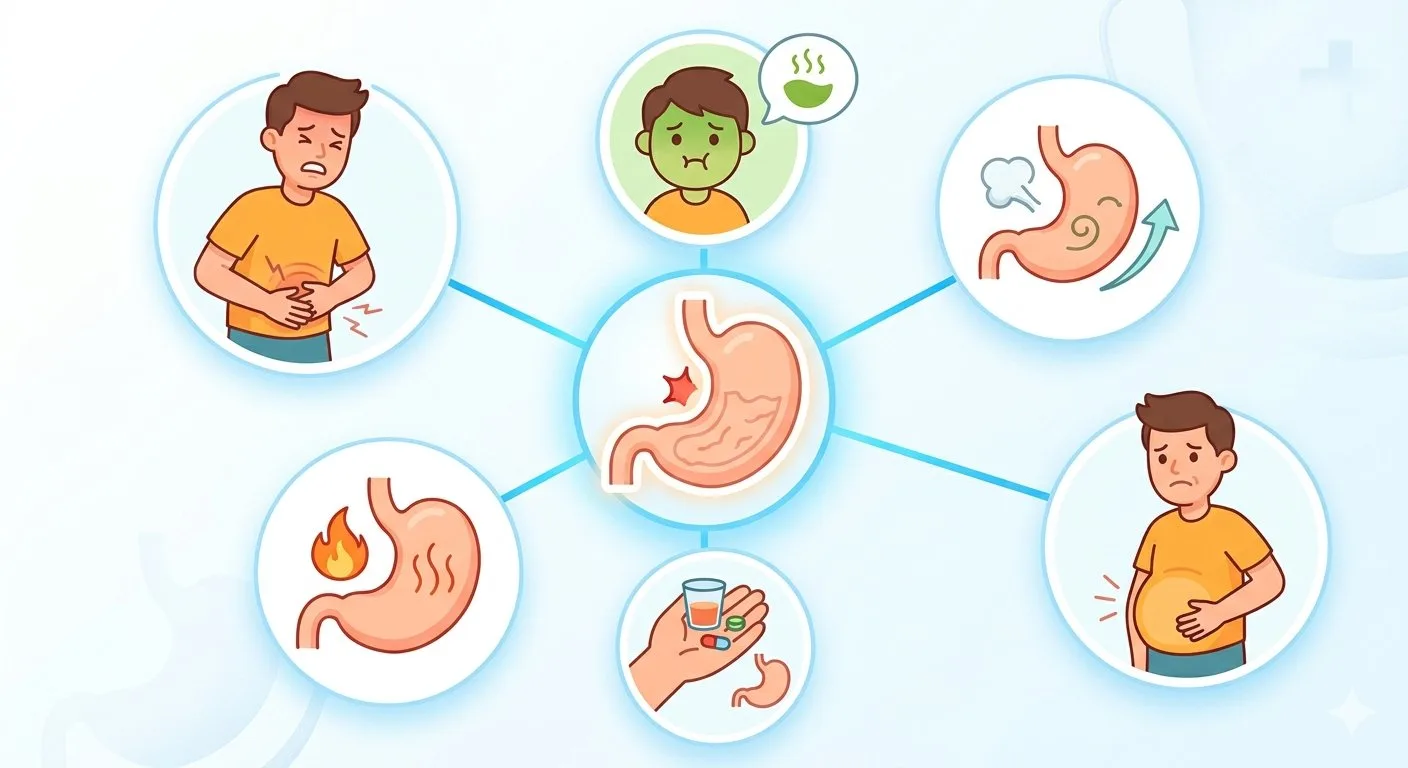
Gastritis treatment depends on what is causing inflammation of the stomach lining. Some patients improve after removing an irritating medication or avoiding alcohol, while others require prescription medicines to eliminate a bacterial infection or correct a nutritional deficiency. Gastritis refers to inflammation of the gastric mucosa, the protective lining inside the stomach. It may develop suddenly (acute gastritis) or persist over time (chronic gastritis). A related condition, gastropathy, involves injury to the stomach lining with relatively little inflammation. Symptoms can include upper abdominal discomfort, nausea, vomiting, early fullness, bloating, and reduced appetite. However, many people with confirmed gastritis have no symptoms at all. The most effective gastritis treatment addresses the underlying cause rather than simply suppressing stomach acid.
Gastritis Treatment
Quick answer: What is the best treatment for gastritis?
There is no single medicine that treats every form of gastritis. Doctors may recommend:
Proton pump inhibitors (PPIs) such as omeprazole or pantoprazole to reduce stomach acid.
Gastritis Treatment: Medicines, Diet, Recovery Time and When to Seek Help-
1. Understanding gastritis and its causes
What causes gastritis?
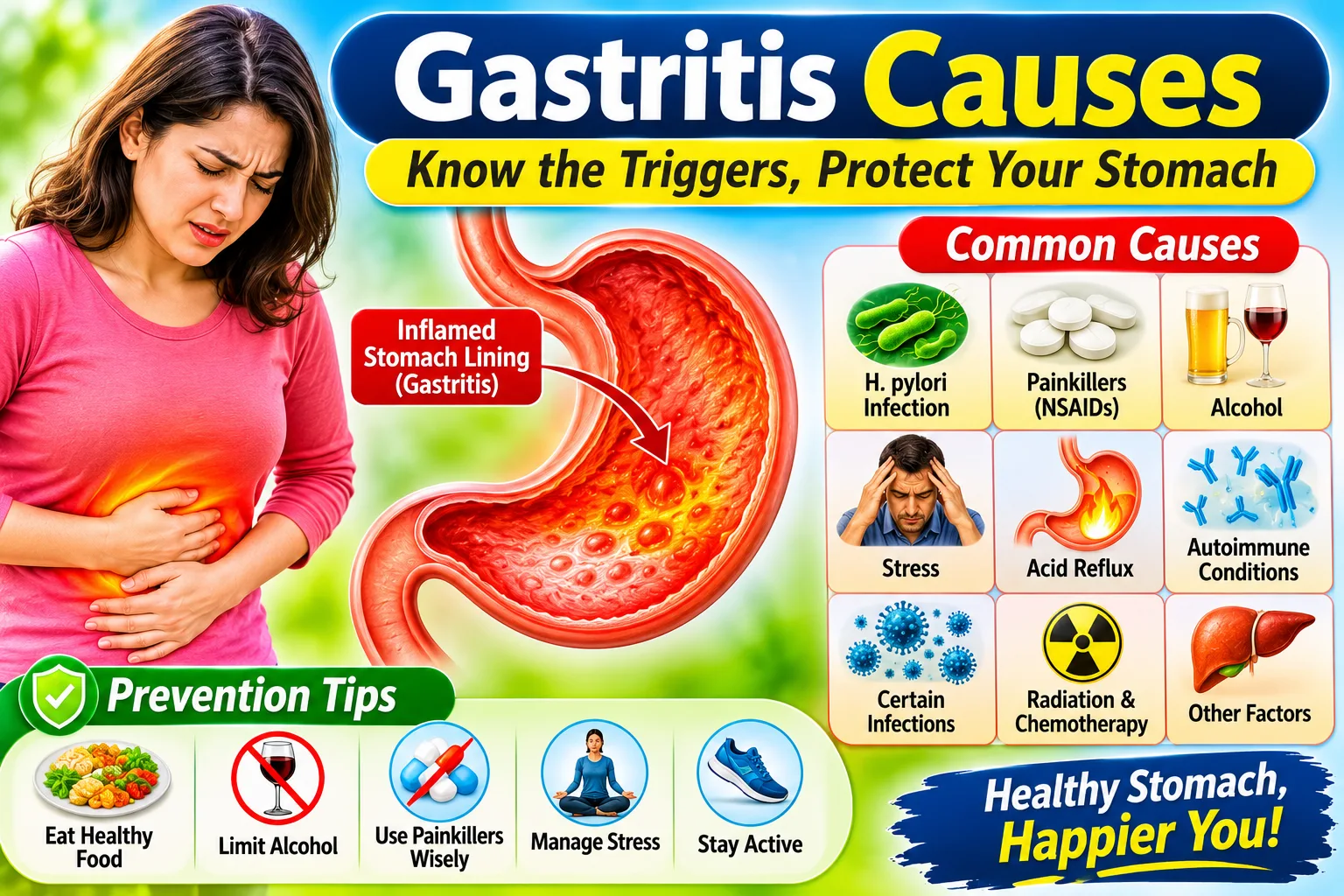
The main causes include infection with H. pylori, long-term use of NSAID painkillers, alcohol exposure, autoimmune disease, and severe physiological stress associated with critical illness. Less common causes include bile reflux, Crohn’s disease, certain infections in immunocompromised patients, and reactions to some medical treatments.
How the cause changes treatment
Underlying problem
Typical treatment approach
H. pylori infection
Prescribed eradication regimen and test of cure
NSAID-related injury
Review the medication and consider acid suppression
Alcohol-related injury
Stop alcohol exposure and treat symptoms or complications
Autoimmune gastritis
Monitor and replace B12 and iron when needed
Bile-related gastropathy
Specialist assessment and cause-specific treatment
Severe erosive disease
Acid suppression, monitoring, and treatment of bleeding if present
Gastritis treatment should be individualized. For example, a person taking aspirin to prevent another heart attack should not independently discontinue it because of stomach discomfort. The prescribing clinician must balance bleeding risk against cardiovascular protection.
2. How do doctors diagnose gastritis before treatment?
Symptoms alone cannot reliably establish that someone has gastritis. Conditions such as gastroesophageal reflux disease (GERD), functional dyspepsia, peptic ulcer disease, gallbladder disease, and occasionally heart disease can produce overlapping symptoms.
Common diagnostic tests
H. pylori testing
A urea breath test or stool antigen test can identify an active H. pylori infection. Blood antibody testing is generally unsuitable for confirming whether a previously treated infection has been cured, because antibodies may remain detectable long after treatment.
Upper gastrointestinal endoscopy
An upper gastrointestinal endoscopy, also called gastroscopy, allows a clinician to examine the esophagus, stomach, and first part of the small intestine. A small tissue sample (biopsy) may be collected to evaluate inflammation, H. pylori, atrophy, intestinal metaplasia, or other abnormalities.
Blood investigations
Complete blood count (CBC) to identify anemia.
Ferritin and iron studies to assess iron deficiency.
Vitamin B12 testing when deficiency or autoimmune gastritis is suspected.
Additional autoimmune investigations when clinically appropriate.
Not everyone needs every test. Age, symptoms, cancer risk factors, medication history, and local clinical guidance determine the investigation strategy.
3. Gastritis treatment according to the underlying cause
H. pylori-associated gastritis
When H. pylori infection is confirmed, treatment generally involves a combination of antibiotics and potent acid suppression, sometimes with bismuth. Untreated infection can persist for years and may increase the risk of peptic ulcers and gastric cancer.
NSAID-related gastritis and gastropathy
Painkillers such as ibuprofen, naproxen, and aspirin can interfere with the stomach’s protective mechanisms. Treatment may involve reducing or stopping the offending drug under medical supervision, selecting another pain-relief strategy, and prescribing a PPI. Patients taking prescribed aspirin, blood thinners, or anti-inflammatory medicines for serious conditions should discuss changes with their treating clinician.
Autoimmune gastritis
In autoimmune gastritis, the immune system damages stomach cells involved in acid production and vitamin B12 absorption. Treatment focuses on identifying and correcting deficiencies, managing pernicious anemia when present, and determining whether endoscopic surveillance is appropriate.
Alcohol-related stomach irritation
Avoiding alcohol is an important part of gastritis treatment when alcohol is contributing to mucosal injury. Additional medication may be prescribed if symptoms or erosions require it. People with alcohol dependence may require medical support to stop drinking safely because withdrawal can be dangerous.
Severe erosive gastritis
Patients with significant bleeding, severe illness, or extensive erosions may require hospital care, intravenous medicines, endoscopic hemostasis, blood transfusion, or other interventions. This is not a condition to manage with home remedies.
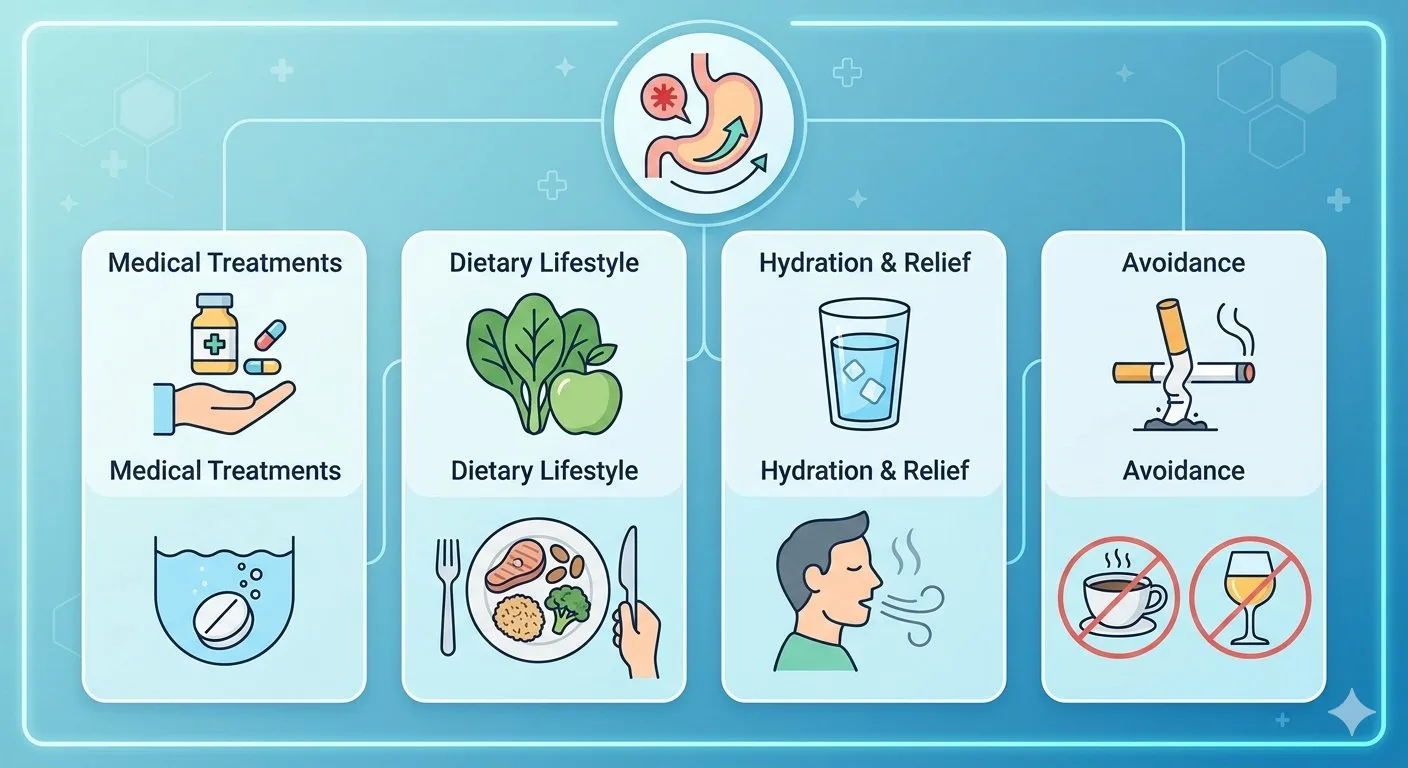
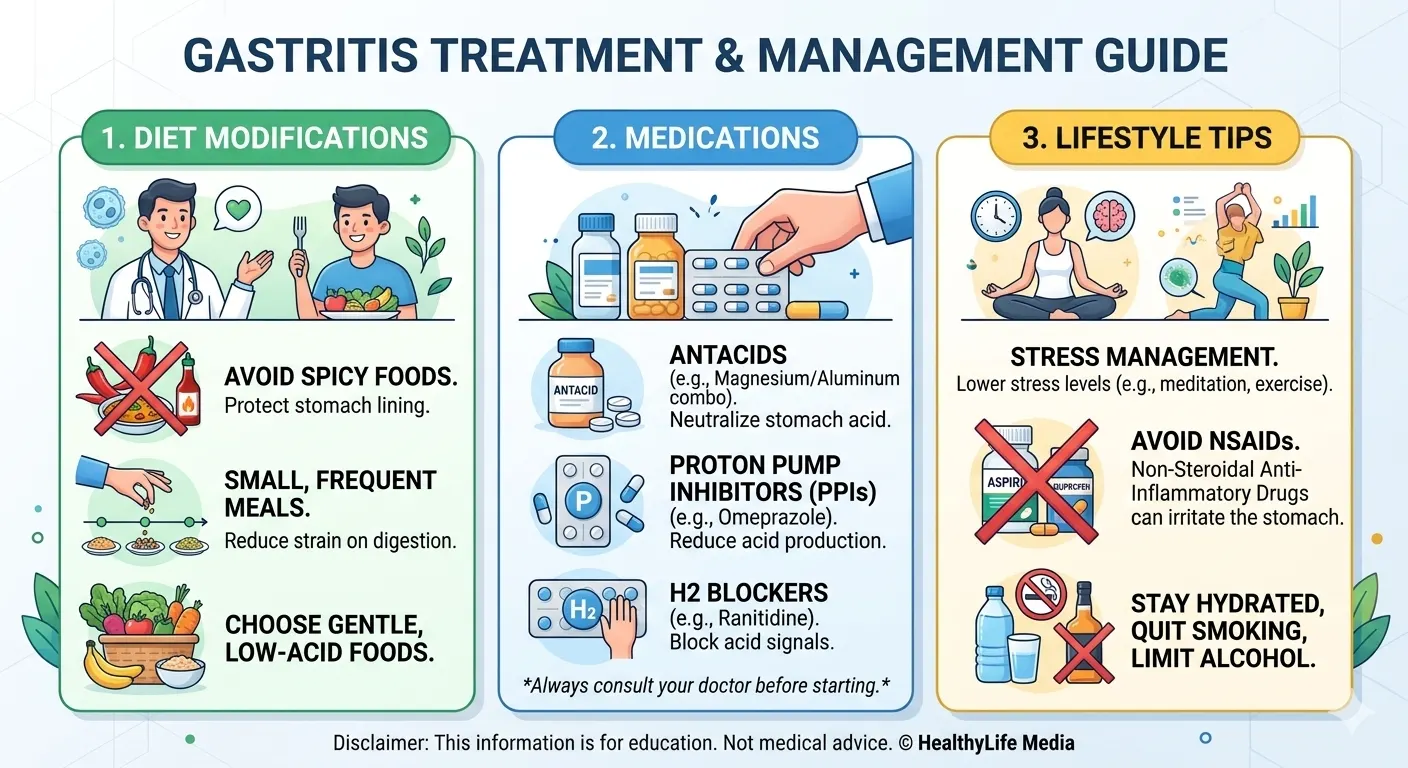
4. Medicines used for gastritis treatment
Medicines help in different ways. Some neutralize existing stomach acid, others reduce acid production, and certain medicines treat the underlying infection.
Common medication classes
Medicine class
Examples
Main purpose
Proton pump inhibitors (PPIs)
Omeprazole, pantoprazole, esomeprazole
Strong reduction of stomach acid
H2 receptor antagonists
Famotidine
Reduce stomach acid production
Antacids
Calcium carbonate and magnesium-based preparations
Short-term relief of acid-related symptoms
Alginates
Sodium alginate combinations
Reduce reflux-related symptoms
Antibiotics
Amoxicillin, tetracycline, metronidazole and others
Eradicate susceptible H. pylori infections
Bismuth preparations
Bismuth subsalicylate or subcitrate
Component of certain H. pylori regimens
Mucosal protectants
Sucralfate
Used in selected circumstances to protect injured mucosa
How do PPIs work?
Proton pump inhibitors suppress the stomach’s acid-producing enzyme system, known as the H+/K+-ATPase proton pump. Lower acidity can help damaged tissue heal and improve acid-related symptoms. However, PPIs do not eliminate H. pylori when used alone. A clinician determines the medicine, dose, and duration according to the diagnosis. Patients should not continue prescription acid suppression indefinitely without reassessment.
Can antacids cure gastritis?
Antacids may temporarily relieve burning or indigestion, but they do not reliably treat bacterial infection, autoimmune inflammation, or other underlying causes. Some antacids also interact with prescription medicines by affecting their absorption. Patients should check with a pharmacist before combining treatments.
Are antibiotics necessary for everyone?
No. Antibiotics are generally indicated for confirmed H. pylori infection or certain other documented bacterial infections. Taking antibiotics without a suitable indication exposes patients to adverse effects and contributes to antimicrobial resistance.
5. H. pylori gastritis treatment: What patients should know
H. pylori is a bacterium capable of surviving in the stomach. It is associated with chronic gastritis, ulcers, and an increased risk of certain gastric cancers. The American College of Gastroenterology’s 2024 guideline emphasizes effective combination therapy, antibiotic resistance, and confirmation that the infection has been eliminated.
What is bismuth quadruple therapy?
For many adults with H. pylori infection whose antibiotic susceptibility is unknown, the guideline recommends optimized bismuth quadruple therapy for 14 days. This prescribed regimen combines:
A PPI.
Bismuth.
Tetracycline.
Metronidazole.
The clinician must select exact doses, formulations, and alternatives based on allergies, pregnancy status, previous antibiotic exposure, drug interactions, and local availability. Other guideline-supported options may include rifabutin-based triple therapy or vonoprazan-amoxicillin dual therapy for appropriate patients. Routine use of clarithromycin-based triple therapy without demonstrated susceptibility is discouraged because antibiotic resistance can make it ineffective.
Why completing treatment matters
Stopping antibiotics early or missing doses may reduce the chance of successful eradication. Patients should discuss side effects promptly rather than independently stopping therapy. Common problems may include nausea, diarrhea, altered taste, and medication-specific reactions. Some bismuth preparations can darken the stool or tongue. Nevertheless, black, tarry stool accompanied by weakness, dizziness, or other concerning symptoms requires urgent evaluation because gastrointestinal bleeding may look similar.
How to confirm that H. pylori is gone
Stage
What to do
During prescribed therapy
Complete the entire antibiotic regimen, commonly 14 days for preferred regimens.
After finishing antibiotics
Wait at least four weeks before testing for eradication.
Before the test
PPIs and potassium-competitive acid blockers (PCABs) generally need to be withheld for two weeks; antibiotics and bismuth for four weeks, under medical guidance.
Confirmation
Use a urea breath test, stool antigen test, or an appropriate biopsy-based test to verify eradication.
Symptom improvement does not prove that H. pylori has been eradicated. Every patient treated for a confirmed infection should have an appropriate test of cure.
6. Gastritis treatment at home: Diet and lifestyle
Dietary measures can improve comfort, but there is no universally effective gastritis diet. Food does not cause most cases of gastritis, and dietary modification cannot replace treatment for H. pylori. A practical approach is to identify foods that repeatedly worsen individual symptoms rather than unnecessarily restricting many nutritious foods.
Foods that may be easier to tolerate
Food group
Practical examples
Grains
Oatmeal, rice, toast, plain porridge
Vegetables
Cooked carrots, pumpkin, zucchini
Fruits
Banana, melon, peeled or cooked apple
Protein
Eggs, lean poultry, fish, tofu
Fluids
Water, clear soups, oral rehydration solution when appropriate
These are examples of generally tolerable foods, not treatments proven to heal gastritis. Individual tolerances and dietary requirements vary.
Foods and drinks worth limiting if they trigger symptoms
Spicy dishes, acidic foods, coffee, highly fatty meals, and carbonated beverages can worsen discomfort in some people. Alcohol is particularly important to avoid when it is contributing to stomach injury.
A sample one-day eating plan
Breakfast: Oatmeal with banana, or eggs with toast.
Lunch: Rice with cooked vegetables and lean protein.
Afternoon snack: A tolerated fruit or plain crackers.
Dinner: Vegetable soup with rice, potatoes, tofu, fish, or another tolerated protein.
Five practical home-care measures
Eat smaller meals if large meals worsen fullness or nausea.
Maintain hydration, especially when vomiting has occurred.
Avoid alcohol and smoking.
Avoid taking additional over-the-counter NSAIDs without checking whether they are appropriate.
Keep a short food-and-symptom diary to identify reproducible triggers.
Persistent symptoms should prompt medical evaluation rather than increasingly restrictive diets.
7. How long does gastritis take to heal?
The recovery period depends on the cause, severity, and whether treatment successfully removes the underlying problem.
Clinical situation
Expected course
Mild acute irritation
Symptoms may improve within days after the trigger is removed.
NSAID-related injury
Healing may take days to weeks, depending on severity and ongoing exposure.
H. pylori gastritis
Eradication treatment is commonly 14 days, but inflammation can take longer to resolve.
Gastric ulcer associated with gastritis
Healing often requires several weeks of treatment.
Autoimmune gastritis
Usually a chronic condition requiring ongoing assessment.
These are general expectations, not guaranteed healing times.
Why symptoms may continue after treatment
Even after H. pylori is eradicated, a patient may have ongoing functional dyspepsia, reflux, medication-related symptoms, or another digestive condition. Continuing discomfort does not automatically mean that antibiotics have failed. Similarly, feeling better does not prove eradication.
8. What if gastritis treatment is not working?
When symptoms persist, clinicians may reassess the original diagnosis and review treatment adherence, medicines, risk factors, and previous investigations.
Possible reasons for persistent symptoms
H. pylori was not successfully eradicated.
NSAIDs or another irritating medicine are still being used.
The original symptoms were caused by reflux, functional dyspepsia, or another disorder.
A gastric ulcer or another complication is present.
Autoimmune gastritis has produced a nutritional deficiency.
A less common cause requires specialist investigation.
What happens if H. pylori treatment fails?
A doctor may select another antibiotic combination based on previous exposure and, when available, antibiotic susceptibility testing. Repeating the same ineffective regimen without reassessment may contribute to further resistance. Patients with persistent symptoms, repeated treatment failure, anemia, or concerning clinical findings may benefit from gastroenterology assessment.
9. Complications and long-term monitoring
Most people do not develop serious complications, particularly when the underlying cause is identified and managed appropriately. Nevertheless, some forms of chronic gastritis can lead to important problems.
Peptic ulcers and gastrointestinal bleeding
H. pylori infection and NSAID exposure can contribute to ulcer formation. Severe ulcer complications include bleeding and perforation.
Iron deficiency and vitamin B12 deficiency
Chronic inflammation or autoimmune injury may interfere with nutrient absorption. Vitamin B12 deficiency can cause anemia, fatigue, numbness, balance problems, and neurological complications. Prompt diagnosis is important because some neurological damage may become irreversible.
Gastric atrophy and intestinal metaplasia
Long-standing inflammation can sometimes lead to loss of normal gastric glands (atrophic gastritis) or changes in the cells lining the stomach (gastric intestinal metaplasia). These findings may influence decisions about H. pylori eradication, biopsy assessment, and surveillance.
Gastric cancer risk
H. pylori infection is an established risk factor for gastric adenocarcinoma and certain forms of mucosa-associated lymphoid tissue (MALT) lymphoma. This does not mean that most infected patients will develop cancer. It means appropriate testing, eradication, and risk-based follow-up are important.
10. Special considerations for different patients
Gastritis treatment during pregnancy
Pregnant patients should not start antibiotics, bismuth preparations, or acid-suppressing medication without discussing safety with their obstetric clinician. The appropriate treatment depends on the cause, symptom severity, and stage of pregnancy.
Gastritis in older adults
Older patients may have a higher risk of medication interactions, dehydration, anemia, and complications from gastrointestinal bleeding. A medication review is especially important when aspirin, anticoagulants, corticosteroids, or NSAIDs are involved.
Gastritis in children
Children with persistent abdominal symptoms require age-appropriate evaluation. Adult H. pylori testing and treatment strategies should not automatically be applied to children.
Gastritis in patients with kidney or liver disease
Certain antacids, bismuth preparations, and antibiotics may be unsuitable or require adjustments in people with significant kidney or liver disease.
Patients taking several medications
A complete medication list helps the clinician identify possible interactions and unnecessary duplication of acid-suppressing therapy.
11. When should you consult a doctor?
Seek emergency medical care immediately for vomiting blood, vomit resembling coffee grounds, black tarry stools, fainting with suspected bleeding, or sudden severe abdominal or chest pain.
Arrange prompt medical assessment for unexplained weight loss, difficulty swallowing, persistent vomiting, early fullness after small meals, signs of anemia, or symptoms that worsen or recur. If stomach pain or indigestion lasts longer than a week, or symptoms continue despite initial measures, consult a healthcare professional.
12. Frequently asked questions about gastritis treatment
Can gastritis be cured permanently?
Some forms can resolve when the cause is successfully treated. For example, H. pylori-associated gastritis may improve after eradication, while autoimmune gastritis usually requires long-term management.
What is the fastest way to relieve gastritis pain?
A clinician may recommend an antacid or acid-suppressing medicine, depending on the symptoms and cause. Sudden severe pain should not be treated as routine gastritis without evaluation.
Is pantoprazole good for gastritis?
Pantoprazole is a PPI that reduces acid production and can be useful in selected cases. It does not cure H. pylori infection when taken alone.
Can gastritis heal without antibiotics?
Yes, when the cause does not require antibiotics. However, confirmed H. pylori infection generally requires an effective eradication regimen.
Is yogurt helpful for gastritis?
Yogurt may be tolerated as part of a balanced diet, but it is not a proven cure. Some probiotics have been investigated as adjuncts during H. pylori treatment, but evidence varies by product and strain. They should not replace prescribed therapy.
Does drinking milk cure gastritis?
No. Milk may temporarily change how the stomach feels, but it does not reliably heal inflammation or eradicate H. pylori.
Can stress cause gastritis?
Everyday psychological stress can worsen digestive symptoms, but it is not the same as the severe physiological stress associated with stress-related erosive gastropathy in critically ill patients.
Can I take omeprazole every day?
Some patients require daily PPIs for a defined period or longer-term indications. Regular use should be reviewed by a clinician to confirm the reason, dose, and duration.
Can gastritis cause back pain?
Upper abdominal discomfort may sometimes be perceived elsewhere, but significant pain radiating to the back can also occur with other conditions, including pancreatic disease. New or severe pain requires assessment.
Is fasting recommended for gastritis?
Routine prolonged fasting is not an established treatment. Patients with nausea may tolerate smaller meals, but prolonged food restriction can worsen nutritional intake.
Can gastritis return after successful treatment?
Yes. Symptoms or inflammation can recur because of new exposure to irritants, another underlying condition, or occasionally recurrent infection.
Is an endoscopy always necessary?
No. Endoscopy is selected according to age, alarm symptoms, risk factors, clinical findings, and response to initial management.
13. Practical checklist before your doctor’s appointment
Write down when symptoms started and where the pain occurs.
List all prescription medicines, painkillers, and supplements.
Record any previous H. pylori tests and antibiotics.
Mention weight loss, vomiting, swallowing problems, or dark stools.
Ask whether testing, treatment, or follow-up is needed.
If H. pylori is treated, arrange a test to confirm eradication.
14. Summary: Key facts about gastritis treatment
Successful gastritis treatment begins with identifying the cause. PPIs and other acid-reducing medicines may improve symptoms and promote healing, while confirmed H. pylori infection requires effective combination therapy followed by a test of cure. Avoiding irritating medications when medically appropriate, limiting alcohol, and making individualized dietary adjustments can support recovery. Patients with autoimmune gastritis may need ongoing monitoring and nutritional replacement. Persistent symptoms deserve reassessment, and warning signs such as gastrointestinal bleeding, unexplained weight loss, or severe pain should never be ignored.
15. Conclusion
Gastritis is not one disease with one universal cure. It is a group of conditions affecting the stomach lining, and treatment must reflect the underlying cause. The most useful approach combines an accurate diagnosis, evidence-based medicines when needed, sensible lifestyle measures, and appropriate follow-up. For H. pylori infection, confirming eradication is particularly important. Patients should avoid self-prescribing antibiotics or relying on unproven remedies in place of proper medical care.
This article is intended for general educational and informational purposes only. It does not replace individualized medical advice, diagnosis, or treatment from a qualified healthcare professional. Medication choices, antibiotic combinations, dosages, and treatment duration must be determined by an appropriately qualified clinician. Do not stop prescribed medicines or begin antibiotics without medical guidance. If you experience vomiting of blood, black tarry stools, sudden severe abdominal pain, chest pain, fainting, or other potentially serious symptoms, seek emergency medical attention.