Gastritis Causes: 15 Common Triggers, Hidden Risk Factors, Symptoms, Diagnosis and Prevention
November 7, 2026
by
admin
Share on facebook
Share on twitter
Share on linkedin
Share on pinterest
Share on linkedin
Gastritis Causes: 15 Common Triggers, Hidden Risk Factors, Symptoms, Diagnosis and Prevention
Article author: Dr. Sagar Rajkuwar, MS-ENT
Introduction: Why Does Gastritis Develop?
A burning sensation in the upper abdomen, nausea after meals, unexplained stomach discomfort or a feeling of fullness may raise concerns about gastritis. However, these symptoms do not automatically mean that the stomach lining is inflamed. Similar complaints can occur with functional dyspepsia, peptic ulcer disease, gastroesophageal reflux disease (GERD) and other digestive disorders.
Understanding gastritis causes is important because treatment depends on the underlying problem. A bacterial infection requires a different approach from medication-related injury, an autoimmune condition or irritation caused by alcohol.
Some individuals with confirmed gastritis experience no symptoms at all. Others develop persistent inflammation that can eventually contribute to ulcers, nutritional deficiencies or other complications.
This guide explains the major and less common causes, how doctors distinguish them, which symptoms require urgent attention and what patients can do to protect their digestive health.
Gastritis Causes
What Are the Main Gastritis Causes? A Direct Answer
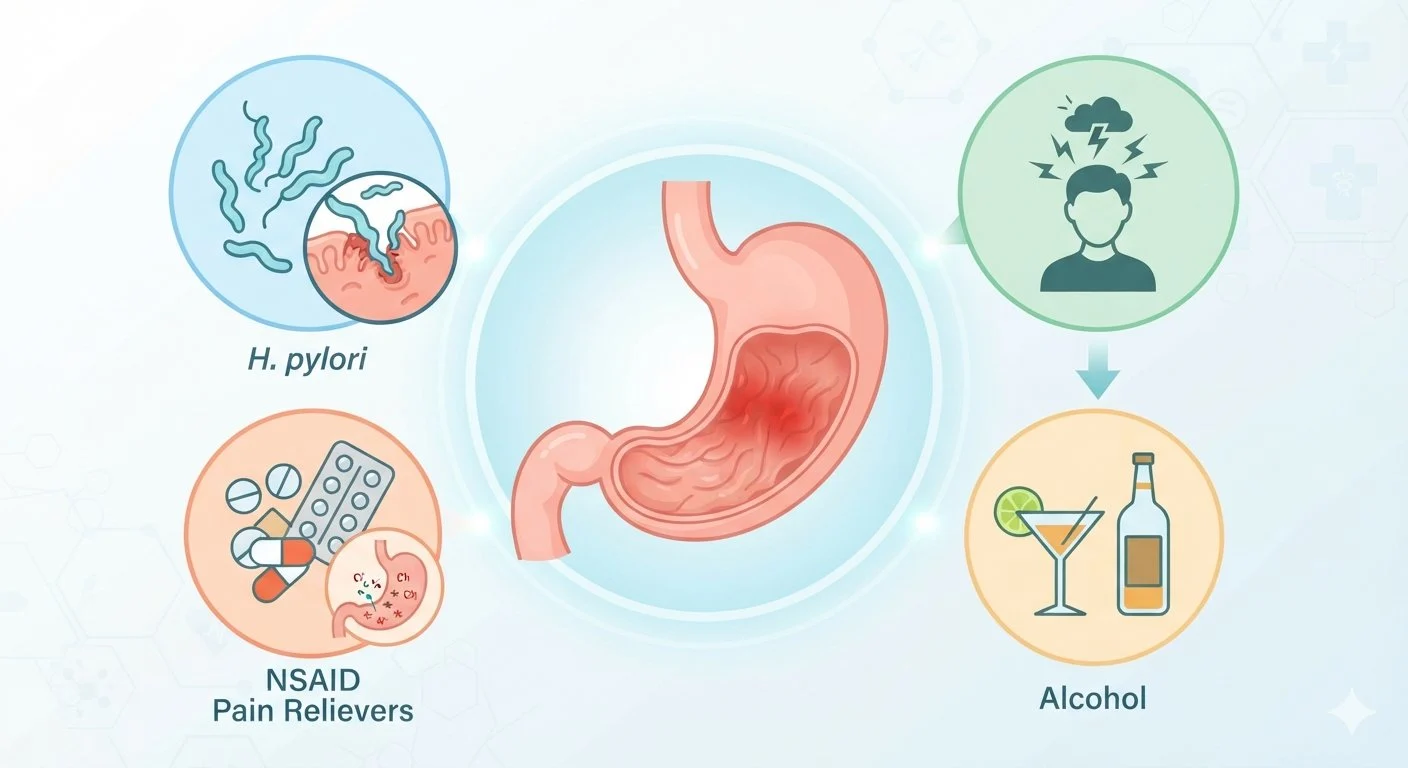
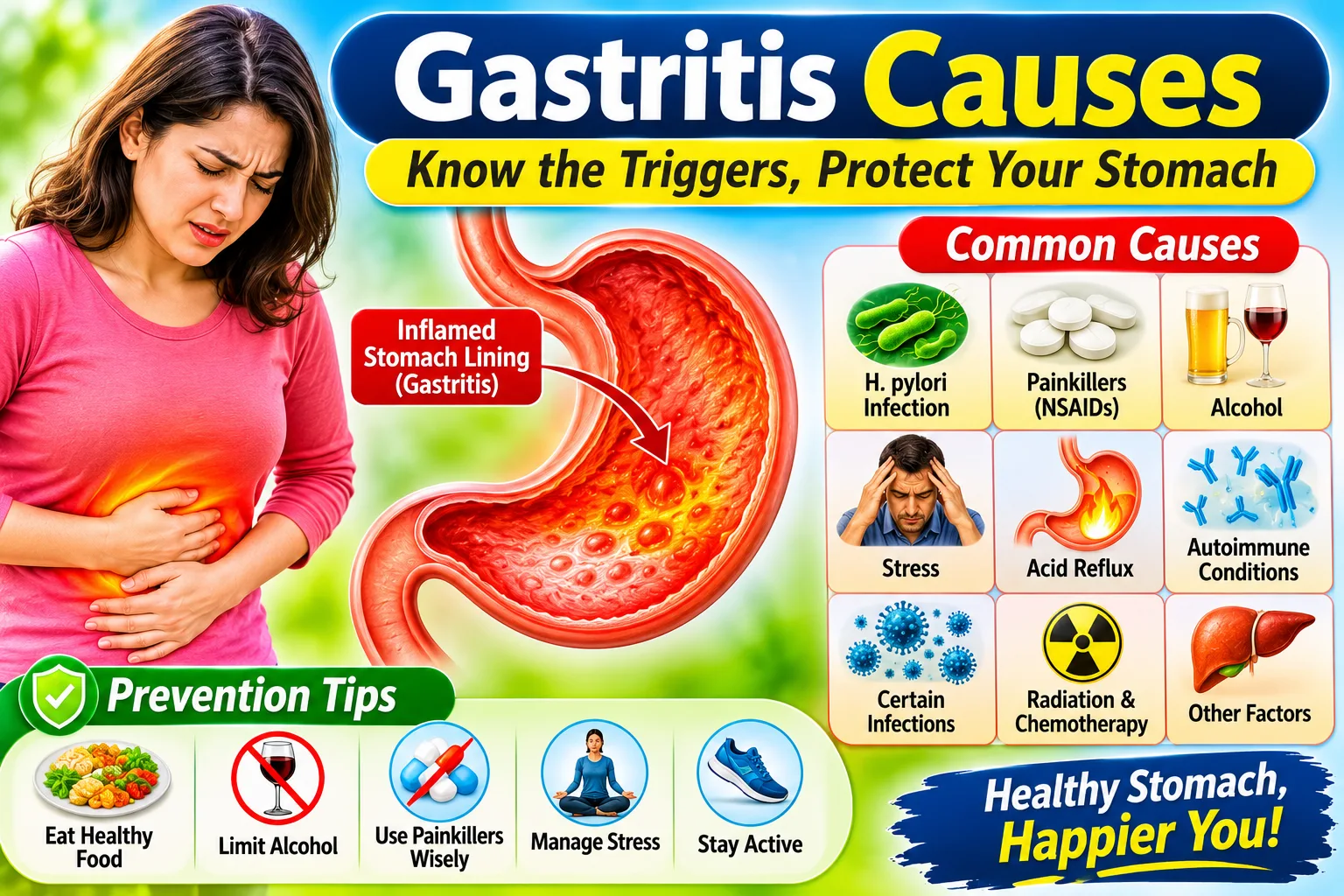
The most important gastritis causes include infection with Helicobacter pylori (H. pylori), regular use of nonsteroidal anti-inflammatory drugs (NSAIDs) such as ibuprofen or naproxen, excessive alcohol consumption, autoimmune gastritis, and severe physiological stress associated with critical illness.
Other recognized causes include bile reflux, certain infections, Crohn’s disease, eosinophilic gastritis, radiation exposure and some cancer treatments.
A useful distinction is that some conditions cause true inflammation, while others cause reactive gastropathy, meaning injury to the stomach lining with relatively little inflammation.
The cause cannot reliably be determined from symptoms alone. Testing for H. pylori, reviewing medications and occasionally performing upper gastrointestinal endoscopy with biopsy may be necessary.
Table of Contents
What is gastritis?
Fifteen important gastritis causes
Acute versus chronic gastritis
How gastritis develops
Symptoms and warning signs
Who is at increased risk?
Diagnosis and medical tests
Treatment according to cause
Diet and lifestyle measures
Prevention strategies
Complications and long-term health
Common myths and misconceptions
Practical patient examples
Frequently asked questions
Summary and conclusion
Gastritis Causes
1. What Is Gastritis?
Gastritis refers to inflammation of the gastric mucosa, the protective lining inside the stomach.
The stomach normally produces hydrochloric acid and digestive enzymes to help break down food. Its protective barrier includes mucus, bicarbonate, adequate blood flow and mechanisms that repair injured cells.
When this barrier is disrupted, the stomach lining may become inflamed or damaged.
Acute Gastritis
Acute gastritis develops over a relatively short period. It may be associated with certain medications, infections, alcohol exposure or serious illness. The severity varies considerably. Some cases are mild, while others involve erosions or bleeding.
Chronic Gastritis
Chronic gastritis involves persistent inflammation, often identified through microscopic examination of a stomach biopsy. H. pylori infection and autoimmune disease are important causes. Chronic inflammation can sometimes produce gastric atrophy, meaning loss of normal stomach glands.
Gastritis Versus Gastropathy
These terms are frequently used interchangeably, but they are not identical.
Gastritis
Gastropathy
Inflammation is a defining feature.
Injury may occur with minimal inflammation.
Often associated with H. pylori or autoimmune conditions.
Often associated with NSAIDs, alcohol or bile exposure.
Diagnosis may require biopsy.
May show reactive changes or erosions.
Treatment targets the underlying cause.
Treatment focuses on removing the damaging exposure.
This distinction helps explain why different gastritis causes require different treatments.
2. Fifteen Important Gastritis Causes Explained
Cause 1: Helicobacter pylori Infection
H. pylori is one of the leading gastritis causes worldwide. This spiral-shaped bacterium can survive in the acidic environment of the stomach. It produces an enzyme called urease, which helps neutralize acid in its immediate surroundings.
The bacteria can colonize the stomach’s mucus layer and provoke persistent inflammation.
How H. pylori Causes Gastritis
Triggers a chronic immune response.
Disrupts protective mechanisms in the stomach lining.
Alters acid secretion in some patients.
Increases susceptibility to peptic ulcers.
Can cause atrophic gastritis and intestinal metaplasia in certain individuals over time.
Many infected individuals have no noticeable symptoms.
How Does H. pylori Spread?
Transmission is thought to occur through close contact with infected individuals and exposure to contaminated food or water. Possible routes include oral–oral and fecal–oral transmission. Infection is frequently acquired during childhood.
An Important Point About Long-Term Risk
H. pylori is recognized as a human carcinogen because persistent infection increases the risk of certain types of gastric cancer and gastric mucosa-associated lymphoid tissue (MALT) lymphoma. However, most infected individuals do not develop stomach cancer.
Identifying and treating the infection can reduce important long-term risks.
Cause 2: Nonsteroidal Anti-inflammatory Drugs
Among medication-related gastritis causes, NSAIDs are particularly important. Examples include ibuprofen, naproxen, aspirin, diclofenac and indomethacin.
These medicines reduce pain and inflammation by inhibiting cyclooxygenase (COX) enzymes. However, they also reduce production of protective prostaglandins, which normally help maintain stomach mucus, bicarbonate secretion and blood flow.
Who Is at Higher Risk?
Older age.
Previous stomach ulcers or gastrointestinal bleeding.
Higher doses or prolonged treatment.
Taking more than one NSAID.
Concurrent use of anticoagulants, corticosteroids or certain antidepressants.
H. pylori infection.
Low-dose aspirin can also increase bleeding risk, particularly when combined with other medications.
Important: Never stop prescribed aspirin, anticoagulants or other essential medicines without medical advice. Abruptly stopping certain medicines can increase the risk of heart attack or stroke.
Cause 3: Excessive Alcohol Consumption
Alcohol is another recognized cause of reactive gastropathy and acute injury to the gastric lining. Alcohol can disturb the protective mucosal barrier and increase susceptibility to irritation and erosions.
Heavy drinking may also worsen nausea, vomiting and upper abdominal discomfort. However, alcohol-related symptoms do not prove that gastritis is present. Other disorders, including pancreatitis and reflux, may produce similar complaints.
Reducing or avoiding alcohol is especially important when alcohol-related stomach injury is suspected.
Cause 4: Autoimmune Gastritis
Autoimmune gastritis occurs when the immune system mistakenly attacks components of the stomach lining. It particularly affects parietal cells, which produce gastric acid and intrinsic factor, a protein required for normal vitamin B12 absorption.
Over time, this process may lead to reduced gastric acid production, loss of normal gastric glands, vitamin B12 deficiency, iron deficiency, pernicious anemia and increased risk of certain gastric tumors.
Symptoms Beyond Stomach Pain
Patients may experience fatigue, weakness, numbness, tingling, difficulty with balance or memory problems when vitamin B12 deficiency develops. Autoimmune gastritis can coexist with other autoimmune conditions, including autoimmune thyroid disease.
Why Early Detection Matters
Neurological complications of prolonged vitamin B12 deficiency may become difficult to reverse. Timely diagnosis and appropriate replacement therapy are therefore important.
Cause 5: Severe Physiological Stress and Critical Illness
The word stress can create confusion when discussing gastritis causes. Ordinary emotional stress is not equivalent to stress-related mucosal disease seen in critically ill patients.
Severe physiological stress may develop during major burns, severe trauma, sepsis, shock, multiorgan failure and prolonged critical illness. Reduced blood flow and impaired protective mechanisms can produce acute erosive gastropathy.
Some critically ill patients require preventive acid-suppressing treatment based on their individual risk of bleeding. Routine preventive treatment is not necessary for every healthy person experiencing psychological stress.
Cause 6: Bile Reflux
Bile reflux occurs when bile flows backward from the small intestine into the stomach. Bile normally helps digest fats. When it repeatedly contacts the gastric lining, it may contribute to chemical injury and reactive changes.
Risk may be increased after certain stomach operations, particularly procedures that alter the normal anatomy of the stomach and pylorus. Symptoms may include upper abdominal discomfort, nausea or vomiting, but these findings are not specific.
Diagnosis can be challenging because bile seen during endoscopy does not always establish that it is responsible for symptoms.
Cause 7: Crohn’s Disease
Crohn’s disease is a chronic inflammatory condition that can affect any part of the gastrointestinal tract, from the mouth to the anus. Although it commonly involves the small intestine and colon, it can occasionally affect the stomach.
Possible features include abdominal pain, nausea, weight loss, diarrhea and nutritional deficiencies. Gastric involvement may be suspected when a patient with known Crohn’s disease develops persistent upper digestive symptoms.
Cause 8: Eosinophilic Gastritis
Eosinophilic gastritis is an uncommon inflammatory condition involving an increased accumulation of eosinophils, a type of white blood cell, in the stomach lining. It belongs to the group of eosinophilic gastrointestinal disorders (EGIDs).
Possible symptoms include abdominal pain, nausea, vomiting and difficulty tolerating meals. Some patients have associated allergic or immune conditions, although the exact mechanism varies.
Diagnosis generally requires tissue biopsies and careful exclusion of other causes of eosinophilic inflammation. Treatment may involve specialist-directed dietary or medication strategies.
Cause 9: Viral Infections
Certain viral infections can produce gastritis, particularly in individuals with weakened immune systems. An important example is cytomegalovirus (CMV).
Patients who have undergone organ transplantation, have advanced immune deficiency or receive substantial immunosuppressive treatment may be more vulnerable. CMV-related stomach disease can cause abdominal pain, ulcers and gastrointestinal bleeding. Diagnosis usually requires endoscopic tissue assessment.
Cause 10: Fungal, Parasitic and Other Bacterial Infections
Less common infectious gastritis causes include organisms other than H. pylori. Examples include certain fungal infections, parasitic infections and unusual bacterial infections.
These are uncommon in otherwise healthy individuals. Risk may be higher in people with severe immune suppression or serious underlying illness. Treatment depends on identifying the specific organism rather than giving antibiotics indiscriminately.
Cause 11: Radiation Therapy
Radiation-induced gastritis may occur when radiation treatment exposes the stomach to clinically significant doses. Radiation can damage the mucosal lining and small blood vessels.
The condition may cause inflammation, erosions or bleeding, sometimes developing months after treatment. Patients undergoing cancer treatment should report new or persistent upper abdominal symptoms to their oncology team.
Cause 12: Chemotherapy and Other Cancer Treatments
Certain anticancer treatments can damage the gastrointestinal mucosa or cause immune-mediated inflammation. Some immune checkpoint inhibitors, for example, may produce inflammatory adverse effects involving the digestive tract, including uncommon cases of gastritis.
Symptoms may include nausea, abdominal discomfort, vomiting or reduced appetite. Patients receiving cancer treatment should not assume these symptoms are ordinary acidity. Prompt assessment may be necessary, particularly when symptoms are severe or progressive.
Cause 13: Celiac Disease and Associated Immune Disorders
Celiac disease is an immune-mediated disorder triggered by gluten in genetically susceptible individuals. Its principal site of injury is the small intestine. However, some individuals have associated gastric inflammatory changes, including lymphocytic gastritis.
Lymphocytic gastritis describes increased numbers of intraepithelial lymphocytes in the stomach lining. It can also occur in association with H. pylori and other conditions.
This is one reason that persistent symptoms accompanied by anemia, diarrhea or unexplained weight loss may require a broader diagnostic evaluation.
Cause 14: Portal Hypertension
Portal hypertension refers to increased pressure in the portal venous system, often associated with advanced liver disease. It can cause portal hypertensive gastropathy, which produces characteristic vascular changes in the stomach lining.
Although it is not typical inflammatory gastritis, it is important in the differential diagnosis of stomach injury and gastrointestinal bleeding. Some patients develop chronic blood loss and iron deficiency.
Treatment focuses on the underlying portal hypertension and bleeding risk.
Cause 15: Other Uncommon Chemical and Inflammatory Injuries
Additional uncommon gastritis causes or related gastric injuries include sarcoidosis, certain food-allergy-associated gastric inflammatory conditions, exposure to caustic substances, cocaine-associated gastric injury and unusual forms of granulomatous inflammation.
These conditions should not be assumed to be present simply because common treatments have failed. They require clinical evaluation and, in selected cases, biopsy or other specialized testing.
The distinction between common and rare gastritis causes helps prevent unnecessary investigations while ensuring that unusual disorders are not overlooked.
3. Acute Versus Chronic Gastritis: What Is the Difference?
Feature
Acute gastritis
Chronic gastritis
Development
Relatively sudden
Persistent or gradual
Common associations
Drugs, alcohol, acute injury, severe illness
H. pylori, autoimmune disease
Symptoms
May cause nausea or discomfort
Often asymptomatic
Tissue changes
Acute inflammation, sometimes erosions
Chronic inflammatory cells, sometimes atrophy
Duration
Often short-term
May persist for years
Main concern
Erosions and bleeding in severe cases
Ulcers, atrophy, nutritional deficiencies or malignancy risk in selected cases
The terms acute and chronic primarily describe the inflammatory process and its duration or microscopic characteristics. They do not reliably indicate how severe a person’s pain will be.
4. How Does Gastritis Develop Inside the Stomach?
Understanding the mechanism of injury provides a clearer explanation of gastritis causes.
The Normal Protective Barrier
A healthy stomach protects itself through several coordinated mechanisms:
A mucus layer separates the epithelium from much of the acidic gastric contents.
Bicarbonate helps maintain a less acidic environment close to the cell surface.
Tight connections between epithelial cells limit penetration of harmful substances.
Adequate blood flow supplies oxygen and nutrients.
Different conditions interfere with these defenses in different ways. H. pylori stimulates an inflammatory response. NSAIDs reduce protective prostaglandins. Alcohol and bile may produce chemical injury. Severe illness can reduce mucosal blood flow. Autoimmune gastritis follows a different mechanism: immune-mediated destruction of gastric cells.
The result may be inflammation, erosions, altered acid secretion or loss of normal gastric glands.
Does Gastritis Always Mean Too Much Stomach Acid?
No. Some forms of gastritis are associated with increased acid-related injury, while others involve normal or reduced acid production. Advanced autoimmune gastritis, for example, may substantially reduce stomach acid secretion. Therefore, acid-suppressing medicines do not address every underlying cause.
5. Gastritis Symptoms: What Should Patients Watch For?
Many people with gastritis experience no symptoms. When symptoms occur, they often resemble general indigestion.
Common Symptoms
Burning or discomfort in the upper abdomen.
Nausea.
Vomiting.
Early fullness during meals.
Uncomfortable fullness after eating.
Reduced appetite.
Unintentional weight loss in some patients.
These symptoms are not specific enough to establish the diagnosis.
Can Gastritis Cause Back Pain?
Gastritis may coexist with discomfort that patients describe in different locations, but significant pain radiating to the back should not automatically be attributed to gastritis. Conditions such as pancreatitis, gallbladder disease and other abdominal disorders may require evaluation.
Can Gastritis Cause Chest Pain?
Upper abdominal discomfort can sometimes be confused with chest discomfort. However, chest pressure or pain accompanied by sweating, breathlessness, faintness or radiation to the arm or jaw requires emergency assessment for possible cardiac disease.
When to Seek Urgent Medical Care
Seek emergency care immediately if you experience:
Vomiting blood or material resembling coffee grounds.
Black, tarry stools or significant rectal bleeding.
Sudden, severe abdominal pain.
Fainting, marked weakness or confusion with suspected bleeding.
Chest pain with breathlessness or other cardiac warning signs.
Persistent vomiting, difficulty swallowing, unexplained weight loss or iron-deficiency anemia also warrant prompt medical evaluation, even without an emergency symptom.
6. Who Is at Increased Risk of Gastritis?
Risk depends on the specific cause.
Risk factor
Why it matters
H. pylori exposure
Can lead to persistent gastric inflammation.
Regular NSAID use
Reduces stomach mucosal protection.
Previous peptic ulcer
Indicates increased susceptibility to recurrent injury.
Heavy alcohol consumption
Can cause chemical mucosal damage.
Autoimmune conditions
May coexist with autoimmune gastritis.
Older age
May increase vulnerability to medication-related complications.
Severe critical illness
Can impair gastric mucosal blood flow.
Immune suppression
Increases susceptibility to certain unusual infections.
Previous gastric surgery
May increase the likelihood of bile reflux.
Certain cancer treatments
Can cause treatment-related gastric injury.
Not everyone with these risk factors develops gastritis.
Can Gastritis Run in Families?
Some susceptibility to H. pylori infection and autoimmune disease may cluster in families. Shared living conditions can also contribute to H. pylori transmission. A family history of gastric cancer is particularly important because it can affect decisions about testing, surveillance and specialist referral.
7. How Doctors Diagnose Gastritis Causes
A reliable diagnosis begins with medical history and examination. Doctors consider the location and duration of symptoms, medication use, alcohol exposure, previous ulcers, family history and associated warning signs.
H. pylori Testing
Two commonly used noninvasive tests are:
Urea breath test: Detects evidence of active H. pylori infection through bacterial urease activity.
Stool antigen test: Detects H. pylori antigens in a stool sample.
Both can help identify active infection and confirm successful treatment. Blood antibody tests are less useful for determining whether an infection is currently active because antibodies may remain detectable after eradication.
Upper Gastrointestinal Endoscopy
An upper gastrointestinal endoscopy, also called gastroscopy, allows a clinician to examine the esophagus, stomach and first part of the small intestine.
It may be recommended when patients have warning symptoms, persistent or recurrent problems, significant risk factors or other clinical indications.
Why Is a Biopsy Important?
A gastric biopsy allows microscopic examination of the stomach lining. It may help identify H. pylori-associated inflammation, atrophy, intestinal metaplasia, autoimmune-pattern changes, eosinophilic or lymphocytic inflammation and other unusual diseases.
The appearance of the stomach during endoscopy alone does not always establish the microscopic diagnosis.
Blood Tests
Depending on the clinical situation, doctors may request a complete blood count (CBC) to assess anemia, ferritin and iron studies, vitamin B12 levels, tests for autoimmune conditions and additional investigations for other suspected disorders.
A Frequently Missed Testing Problem
Proton pump inhibitors (PPIs) such as omeprazole can reduce the sensitivity of certain H. pylori tests. Recent antibiotics and bismuth can also cause false-negative results.
Patients should tell their clinician about all medications taken before testing. They should not discontinue prescribed medicines without instructions.
8. Treatment: Why Identifying the Cause Matters
Treatment is not the same for every patient. An effective plan addresses the specific cause rather than only suppressing symptoms.
H. pylori-Associated Gastritis
Confirmed H. pylori infection is generally treated with a combination of antibiotics and acid-suppressing medication, sometimes including bismuth.
The 2024 American College of Gastroenterology (ACG) guideline recommends optimized bismuth quadruple therapy for 14 days as a preferred empirical regimen in many treatment-naive patients when antibiotic susceptibility is unknown.
Other appropriate regimens may be considered based on allergies, prior antibiotic exposure, availability and clinical circumstances. Because antibiotic resistance is a major concern, clarithromycin-containing regimens should not be used empirically when susceptibility is unknown.
Confirming Eradication
Successful treatment must be confirmed with an appropriate test. The ACG recommends testing at least four weeks after completing antibiotics, with PPIs or potassium-competitive acid blockers (PCABs) withheld for at least two weeks and antibiotics or bismuth withheld for at least four weeks to reduce false-negative results.
Medication interruption should be coordinated with the treating clinician.
NSAID-Related Injury
Management may include reducing or stopping the offending medicine when medically appropriate, selecting an alternative pain treatment or prescribing a PPI. Patients taking aspirin for cardiovascular protection need individualized decisions. Aspirin should not be discontinued independently.
Autoimmune Gastritis
Treatment focuses on identifying and correcting nutritional deficiencies and monitoring for complications. Vitamin B12 replacement may be necessary, sometimes through injections. Iron replacement may also be required. Patients with atrophic changes or other risk factors may need specialist-directed endoscopic surveillance.
Alcohol-Related Injury
Avoiding alcohol is important when alcohol contributes to gastric injury. Acid-suppressing medication may be prescribed when appropriate.
Other Causes
Bile reflux, eosinophilic inflammation, infections and treatment-related gastritis require individualized approaches. The main lesson is that persistent symptoms despite acid suppression should prompt reassessment rather than indefinite self-medication.
9. Gastritis Diet: What Should You Eat and Avoid?
Dietary questions are among the most common concerns of people investigating gastritis causes. An important medical fact is that research has not established ordinary food choices as major causes of most cases of gastritis.
However, certain foods and drinks may worsen symptoms in individual patients.
Foods That May Be Easier to Tolerate
Depending on personal tolerance, suitable options may include oatmeal and other well-cooked cereals, rice, potatoes and other easily tolerated starches, bananas and non-acidic fruits, cooked vegetables, lean poultry or fish, eggs if tolerated, and soups and simple home-cooked meals.
These foods are not treatments for inflammation, but they may help maintain nutrition while symptoms are being evaluated.
Foods and Drinks That May Worsen Symptoms
Some patients notice increased discomfort after consuming alcohol, strong coffee or other caffeinated beverages, very spicy meals, highly acidic foods, large fatty meals, or foods that individually trigger indigestion.
There is no evidence that every patient with gastritis must permanently eliminate tomatoes, citrus fruits, spices or coffee.
Is Milk Good for Gastritis?
Milk may temporarily soothe discomfort in some individuals, but it does not cure H. pylori infection or autoimmune inflammation. People with lactose intolerance may experience bloating or diarrhea after drinking milk.
A Practical Eating Strategy
Try smaller meals if large meals worsen fullness. Eat slowly, maintain hydration and avoid foods that repeatedly provoke symptoms. A short food-and-symptom diary may help identify personal triggers without creating unnecessary dietary restrictions.
10. How to Prevent Gastritis
Not all gastritis causes can be prevented. Nevertheless, several practical steps can reduce avoidable risks.
Reduce H. pylori Exposure
Good hygiene practices include washing hands after using the toilet and before preparing food, drinking safe water and following appropriate food-safety measures. These measures support general infection prevention, although they cannot guarantee protection against H. pylori.
Use Painkillers Safely
Avoid unnecessary NSAID use and do not exceed recommended doses. People with previous ulcers, gastrointestinal bleeding or other risk factors should discuss safer pain-management options with a clinician.
Limit Alcohol-Related Injury
Avoiding heavy alcohol consumption reduces exposure to a recognized gastric irritant. People who already have alcohol-related gastric injury may benefit from complete abstinence.
Manage Existing Medical Conditions
Patients with autoimmune disease, Crohn’s disease, liver disease or other conditions associated with gastric abnormalities should follow their prescribed treatment and monitoring plans.
Do Not Ignore Persistent Symptoms
Recurring upper abdominal discomfort may reflect gastritis, but it can also indicate other conditions. Persistent symptoms deserve proper assessment rather than repeated self-treatment with antacids.
11. Possible Complications of Untreated Gastritis
Complications depend on the cause, severity and duration of the condition.
Peptic Ulcer Disease
H. pylori infection and NSAID exposure can contribute to peptic ulcers, which are deeper breaks in the stomach or duodenal lining.
Gastrointestinal Bleeding
Erosions and ulcers can sometimes bleed. Bleeding may be obvious or gradual and unnoticed, eventually contributing to iron-deficiency anemia.
Gastric Atrophy
Long-standing inflammation may damage gastric glands, resulting in atrophic gastritis.
Intestinal Metaplasia
In some patients, chronic injury leads to intestinal metaplasia, where gastric cells acquire characteristics resembling intestinal cells. This is a recognized precancerous change, although most individuals with intestinal metaplasia do not develop gastric cancer.
Vitamin B12 Deficiency
Autoimmune gastritis can impair intrinsic factor production and vitamin B12 absorption. Untreated deficiency can lead to anemia and neurological problems.
Gastric Cancer and MALT Lymphoma
Persistent H. pylori infection is an established risk factor for certain gastric malignancies. The presence of gastritis does not mean a patient has cancer. Risk assessment depends on the underlying cause, biopsy findings, family history and other clinical factors.
12. Common Myths About Gastritis Causes
Common belief
Medical explanation
All stomach burning is gastritis.
Reflux, ulcers, functional dyspepsia and other conditions can cause similar symptoms.
Spicy food is the main cause.
Spicy food may aggravate symptoms, but it is not an established major cause of most gastritis.
Stress always causes gastritis.
Critical physiological stress can cause mucosal injury; ordinary emotional stress is different.
Gastritis always means excess acid.
Some types, particularly advanced autoimmune gastritis, can reduce acid production.
Antacids cure H. pylori.
H. pylori generally requires an appropriate eradication regimen.
No symptoms means no gastritis.
Many people with gastritis have no symptoms.
Once antibiotics are finished, H. pylori is definitely gone.
Eradication must be confirmed with appropriate testing.
13. Practical Patient Examples
These hypothetical examples illustrate why identifying gastritis causes matters.
Example 1: Frequent Painkiller Use
A 58-year-old individual regularly takes ibuprofen for knee pain and develops upper abdominal discomfort. The clinician reviews NSAID exposure, previous ulcer history and bleeding risk. Depending on the findings, management may include a safer pain-treatment strategy, acid suppression or further investigation.
Example 2: Persistent H. pylori Infection
A 35-year-old patient experiences recurring indigestion and tests positive for H. pylori. The clinician prescribes an appropriate eradication regimen and arranges follow-up testing to confirm clearance. Symptoms alone cannot determine whether treatment succeeded.
Example 3: Unexplained Anemia
A 64-year-old patient has fatigue, low vitamin B12 and iron deficiency. Further assessment identifies autoimmune gastritis. Treatment addresses nutritional deficiencies and determines whether endoscopic monitoring is appropriate.
Example 4: Recurrent Symptoms Despite Acid Medication
A patient takes omeprazole repeatedly but continues to experience early fullness and upper abdominal discomfort. Rather than automatically increasing the dose, the clinician reassesses the diagnosis, considers H. pylori testing and checks for warning symptoms. This is especially important because not all upper abdominal discomfort is caused by gastritis.
14. Frequently Asked Questions About Gastritis Causes
1. What is the most common cause of gastritis?
H. pylori infection is one of the most common causes of true chronic gastritis worldwide. NSAIDs are also important causes of gastric mucosal injury.
2. Can gastritis occur without H. pylori?
Yes. Autoimmune disease, medication-related injury, alcohol exposure and several less common conditions can cause gastritis or gastropathy without H. pylori infection.
3. Can stress cause gastritis?
Severe physiological stress during critical illness can cause stress-related gastric mucosal injury. Everyday emotional stress may worsen digestive symptoms but is not equivalent to this condition.
4. Does coffee cause gastritis?
Coffee may aggravate upper abdominal symptoms in some individuals, but it has not been established as a major cause of most forms of gastritis.
5. Can gastritis cause bloating?
Bloating can occur alongside indigestion, but it is not specific to gastritis. Functional dyspepsia, food intolerance and other digestive conditions can also cause bloating.
6. Is gastritis contagious?
Gastritis itself is not contagious. However, H. pylori, a bacterial cause of gastritis, can spread between people.
7. Can gastritis heal completely?
Some forms improve after the underlying cause is treated or removed. H. pylori eradication can resolve infection-associated inflammation, although established atrophy or metaplasia may not completely reverse.
8. How long does gastritis take to heal?
Recovery varies. Acute irritation may improve relatively quickly after the cause is addressed, while chronic inflammatory conditions can require prolonged treatment and monitoring. There is no universal healing time.
9. Can gastritis lead to stomach cancer?
Certain forms of long-standing gastritis, particularly H. pylori-associated atrophic gastritis and autoimmune gastritis, can increase gastric cancer risk. Most patients with gastritis do not develop cancer.
10. Is gastritis the same as acid reflux?
No. Gastritis involves inflammation of the stomach lining. GERD involves reflux of stomach contents into the esophagus. The conditions can coexist but are not interchangeable.
11. Can antibiotics cause gastritis?
Some antibiotics can produce nausea or stomach discomfort. However, medication-related digestive symptoms do not necessarily indicate true gastric inflammation.
12. Is fasting helpful for gastritis?
Fasting is not an established treatment for most gastritis causes. Prolonged fasting may worsen discomfort in some people and may be inappropriate for patients with diabetes, nutritional deficiencies or other medical conditions.
13. Can children develop gastritis?
Yes. Children can develop gastritis, including H. pylori-associated disease. Testing and treatment decisions in children differ from those in adults and should be directed by a pediatric clinician.
14. Can gastritis return after treatment?
Yes. Symptoms can recur because of persistent H. pylori infection, reinfection, ongoing NSAID exposure, an untreated underlying condition or a different digestive disorder.
15. When should I see a gastroenterologist?
Consider specialist evaluation when symptoms persist despite appropriate initial care, recur frequently, or occur with anemia, unexplained weight loss, repeated vomiting, swallowing difficulty or other concerning findings.
15. A Practical Checklist Before Visiting Your Doctor
Patients with persistent upper abdominal symptoms can prepare for their appointment by documenting:
When symptoms started and how often they occur.
Whether symptoms are related to meals.
Current medicines, particularly aspirin and NSAIDs.
Alcohol consumption.
Previous H. pylori testing or treatment.
History of ulcers or gastrointestinal bleeding.
Unexplained weight changes.
Family history of gastric cancer.
Any previous endoscopy or biopsy results.
Bringing this information can help the clinician decide which gastritis causes or alternative diagnoses need investigation.
16. Summary: Key Facts About Gastritis Causes
Gastritis involves inflammation of the stomach lining, while gastropathy refers to injury with little or no inflammation.
H. pylori infection, NSAID exposure, autoimmune disease and severe physiological stress are important causes of gastritis or related gastric injury. Alcohol, bile reflux and several less common medical conditions can also contribute.
Symptoms alone cannot reliably distinguish gastritis from other digestive disorders. Many patients with confirmed gastritis have no symptoms.
The most effective management identifies the underlying cause. H. pylori requires appropriate eradication therapy and confirmation of cure, while medication-related injury may require changes to treatment under medical supervision.
Dietary modifications can help some patients feel more comfortable, but they do not replace treatment of an infection or other underlying disease.
17. Conclusion
Understanding gastritis causes helps patients avoid two common mistakes: assuming every episode of indigestion is gastritis and relying indefinitely on acid-suppressing medicines without investigating persistent symptoms.
Although many forms of gastritis can be managed effectively, some are associated with ulcers, bleeding, nutritional deficiencies or increased long-term gastric cancer risk.
The most useful approach combines accurate diagnosis, cause-specific treatment, appropriate follow-up and practical prevention measures.
Patients with persistent symptoms should consult a qualified healthcare professional. Vomiting blood, black tarry stools, fainting or severe abdominal pain require immediate medical attention.
18. Educational YouTube Video
For a visual explanation of stomach inflammation, H. pylori infection and related digestive conditions, readers can explore educational videos from recognized medical institutions.
Find gastritis and H. pylori educational videos on YouTubeThis is a YouTube search link rather than a verified individual video. Review the selected video for accuracy before embedding it on your website.
19. Medical Disclaimer
This article is intended for general medical education and does not replace individualized diagnosis, treatment or advice from a licensed healthcare professional.
Symptoms associated with gastritis can overlap with serious conditions, including peptic ulcer disease, gastrointestinal bleeding, pancreatitis and cardiac disorders.
Do not start or discontinue prescription medicines, including aspirin, anticoagulants, antibiotics or acid-suppressing therapy, without appropriate medical guidance.
Seek emergency medical care for vomiting blood, black tarry stools, fainting, severe abdominal pain or concerning chest pain.
Medical review status: This article has been prepared using authoritative medical sources but has not been independently reviewed by a named medical reviewer. A qualified clinician should verify the content before publication.
20. Medical References and Further Reading
National Institute of Diabetes and Digestive and Kidney Diseases (NIDDK). Gastritis & Gastropathy. NIDDK overview
American College of Gastroenterology. Chey WD, et al. ACG Clinical Guideline: Treatment of Helicobacter pylori Infection. American Journal of Gastroenterology. 2024;119(9):1730–1753. DOI: 10.14309/ajg.0000000000002968. Peer-reviewed guideline