Acid Reflux Medicine: Types, Uses, Side Effects, and When to See a Doctor
Medications for acid reflux are used to soothe esophageal discomfort brought on by GERD, minimize stomach acid, and relieve heartburn.
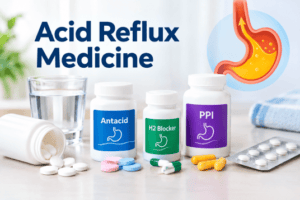
Antacids, H2-receptor blockers, proton pump inhibitors (PPIs), and occasionally other prescription drugs are some of the popular medications. The best course of therapy is determined by how frequently symptoms appear, how severe they are, whether the esophagus is harmed, and if another ailment is the root cause of the symptoms.
Acid reflux that occurs infrequently is typical. But persistent or repeated reflux may indicate GERD and require medical attention.
Author: Dr Sagar Rajkuwar, ENT Specialist, Nashik, Maharashtra, India
🌐 www.entspecialistinnashik.com
What Is Acid Reflux?
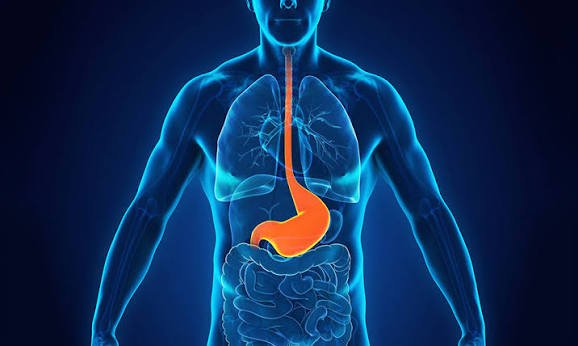
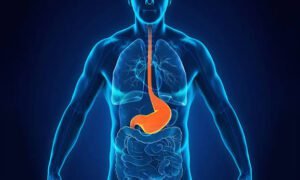
Acid reflux is the backup of stomach contents into the esophagus, the conduit that transfers food from the mouth to the stomach.
Typically, the lower esophageal sphincter (LES), a strong valve, stops stomach contents from moving upwards. Reflux can occur when the LES does not shut properly or relaxes too often.
Typical signs include:
- Burning sensation or heartburn behind the breastbone
- Acidic or sour taste in mouth
- Liquid or food regurgitation
- Belching
- Pain in the upper stomach
- Sickness
- Swallowing is challenging.
- A sore throat
- Hoarseness
- Some people suffer from chronic cough.
Lying down, bending over, or eating a lot of fatty meals can aggravate symptoms.
GERD vs. Acid Reflux
Acid reflux can occur occasionally in healthy individuals.
Troublesome or persistent reflux that occurs frequently and may lead to consequences or necessitate ongoing treatment is known as gastroesophageal reflux disease (GERD).
Not everyone with GERD experiences conventional heartburn. Cough, dysphagia, regurgitation, or throat problems are the primary symptoms experienced by some individuals.
Table of Contents
- Types of Acid Reflux Medicines
- What Is the Quickest Acid Reflux Medication?
- When Are PPIs Used?
- Lifestyle Changes That Can Aid Acid Reflux
- Is It Possible for Milk to Cure Acid Reflux?
- Are there any home treatments that might treat GERD?
- Acid Reflux Medicines and Drug Interactions
- When Is It Necessary to Consult a Doctor?
- Tests Used to Assess GERD
- Long-Term GERD: Possible Problems
- Is it possible to completely cure GERD?
- When Is GERD Surgery Considered?
- Commonly Asked Questions
- Main Points
Types of Acid Reflux Medicines
1. Antacids
Antacids function by reducing the stomach acid that is currently there.
Examples include drugs containing:
- Calcium carbonate
- Hydroxide of magnesium
- Hydroxide of aluminum
- Additional accepted antacid combinations
Antacids usually act quickly and may be effective for infrequent heartburn.
But they don’t treat the underlying reason of chronic GERD or reliably cure serious esophageal inflammation, and they offer only temporary relief.
Potential negative effects
Antacids may produce: depending on the ingredients.
- Stool retention
- Loose stools
- Discomfort in the stomach
- changes to bowel motions
People who take several other medications or have kidney problems should consult a doctor before using antacids frequently.
2. Blockers of the H2 receptor
The quantity of acid produced by the stomach is decreased by H2 blockers.
Common instances include:
- Famotidine
- Cimetidine
They usually provide long-lasting acid suppression, but they take longer to act than antacids.
Certain individuals with mild or occasional reflux may benefit from H2 blockers. Yet, for certain people, their acid-suppressing impact may diminish with continued usage.
Potential Negative Consequences
Side effects are normally minor but can be:
- Headaches
- Feeling dizzy
- Sickness
- Stomach pain
- Constipation or diarrhea
People using numerous medicines should consult a healthcare professional about cimetidine’s usage because it might interact with various drugs.
3. PPIs (proton pump inhibitors)
PPIs are effective medications that decrease stomach acid synthesis by blocking the proton pumps that produce acid in stomach cells.
Common PPIs include:
- Omeprazole
- Esomeprazole
- Lansoprazole
- Pantoprazole
- Rabeprazole
- Dexlansoprazole
Reflux symptoms that are chronic or when GERD has caused inflammation or damage to the esophagus are typical reasons for using PPIs.
They can give the esophageal lining time to heal and lessen acid exposure.
Although the precise timing varies according to the specific medication and treatment strategy, PPIs typically operate optimally when taken correctly, frequently before a meal.
Potential consequences
Among the short-term side effects are:
- Headache symptoms.
- Sickness
- Diarrhea
- Constipation
- Stomach pain
- Flatulence
For certain individuals, extended PPI therapy may be necessary, but a doctor should evaluate it on a regular basis to see whether it is still required.
4. Alginates
Certain reflux medications contain alginates, sometimes in combination with an antacid.
They can create a floating barrier on top of the stomach contents, potentially minimizing the amount of reflux that enters the esophagus.
They can be especially helpful for symptoms that appear after meals or when laying down.
5. Other Prescription Drugs
Other treatments may be required for some patients who have reflux that is difficult to manage.
Examples include:
- Selected Patients May Benefit from Baclofen
- Potassium competitive acid blockers (P-CABs), where allowed and acceptable
- In particular circumstances, prokinetic medications
Generally speaking, these medications are not appropriate for everyone and should only be taken as directed by a doctor.
Without medical guidance, prokinetic medications should not be regularly used for simple acid reflux since they can have serious side effects.
What Is the Quickest Acid Reflux Medication?
In most situations, antacids are the best choice for heartburn since they neutralize the acid already in the stomach and offer immediate relief.
Alginates may also offer comparatively immediate comfort by creating a barrier against reflux.
H2 blockers provide longer-lasting acid reduction, but they take more time to take effect.
Usually, PPIs are not meant to be a rapid cure for a single episode of heartburn. When used properly, they are more effective at treating acid-related harm and frequent reflux.
As a result, the right medication is determined by the pattern of symptoms, not just by picking the most potent acid-suppressing medication.
When Are PPIs Used?
When may a healthcare professional suggest a PPI?
- Heartburn is a common occurrence.
- Lifestyle modifications are ineffective in alleviating GERD symptoms.
- The gullet is inflamed
- An ulcer in the esophagus is present
- There is yet another complication pertaining to acid
- Acid reduction over an extended period is medically necessary.
Without checking the necessity for treatment, people shouldn’t use PPIs continuously.
Instead of repeatedly restarting a PPI without determining the cause, medical counsel may be necessary if symptoms reappear after cessation.
Lifestyle Changes That Can Aid Acid Reflux
Only a portion of GERD management involves medication. Additionally, lifestyle adjustments can alleviate symptoms.
1. Don’t lie down right after you eat
Especially if nighttime reflux is a problem, attempt to remain upright for two to three hours after a meal.
2. Take smaller meals.
Reflux can be brought on by huge meals, which can also increase the pressure in the stomach.
Smaller meals might be simpler to swallow.
3. Be aware of your own food triggers
Typical triggers include:
- Foods with fat
- chocolate
- Other caffeinated beverages or coffee
- Alcohol
- Mint
- Foods that are spicy
- Foods with tomatoes
- Foods from citrus plants
But every person has a different set of triggers. There is typically no reason to remove every food that might be a trigger if it does not create symptoms.
4. Don’t eat late at night.
Before going to bed, eating might worsen nocturnal reflux.
Finishing supper a few hours before laying down may help if night symptoms happen.
5. Elevate the top half of your body when you sleep
For those who suffer from reflux at night, a wedge or elevating the head of the bed by 6 to 8 inches can help reduce reflux.
Simply putting a few pillows under the head might not have the same effect and could occasionally cause the body to bend in a way that raises stomach pressure.
6. Keep a healthy weight
Increased strain on the stomach, particularly abdominal weight, can lead to GERD.
Reflux symptoms may get better for people who are overweight or obese by losing weight.
7. Don’t light a cigarette.
Reflux can be aggravated by smoking, which can also impede the operation of the lower esophageal sphincter.
There are also significant general health benefits associated with quitting smoking.
8. Stay away from tight clothing over the stomach.
For certain individuals, tight belts and apparel may increase abdominal pressure and worsen symptoms.
Is It Possible for Milk to Cure Acid Reflux?
Milk is not a cure for GERD, but it might help some folks feel less of a burning sensation.
In some people, high-fat milk may make reflux worse.
It’s okay to cut back on or stay away from a certain meal or beverage if it frequently causes symptoms.
Are there any home treatments that might treat GERD?
There is limited proof that popular home treatments permanently cure GERD, although household precautions might ease symptoms.
Ginger, baking soda, aloe vera, herbal remedies, or any other home remedies shouldn’t be regarded as replacements for the right medical care.
Especially, it is not recommended to drink baking soda on a regular basis for reflux without consulting a doctor since too much salt and alkalinity might lead to health problems.
Acid Reflux Medicines and Drug Interactions
Certain drugs for acid reflux may interact with other drugs.
For example:
- Some drugs’ absorption may be hampered by antacids.
- The metabolism of several drugs can be impacted by cimetidine.
- Selected drugs’ metabolism or absorption may be impacted by PPIs.
- When using some antacids, those who have renal disease may require extra caution.
Before starting a medication for acid reflux, consult a doctor or pharmacist if you frequently use vitamins, supplements, or prescription drugs.
When Is It Necessary to Consult a Doctor?
Testing for intermittent heartburn may not be necessary.
You should consult a doctor if:
- Heartburn is common.
- Despite receiving proper care, the patient’s symptoms persist.
- Sleep or everyday chores are impacted by symptoms
- You often need reflux medication
- After stopping medication, the symptoms often come back.
- You experience ongoing vomiting or nausea.
- Swallowing is difficult for you.
- While swallowing, food feels adhered.
- Weight loss that cannot be explained
- Persistent cough or hoarseness is present.
If You Have Chest Pain, Get Help Right Away.
In certain cases, heartburn might mimic chest pain caused by heart problems.
Urgent medical evaluation is necessary for chest pain, especially when it is accompanied by lightheadedness, weakness, sweating, shortness of breath, or discomfort that radiates to the shoulder, back, jaw, or arm.
Do not assume that acute or recent chest discomfort is merely acid reflux.
Tests Used to Assess GERD
The diagnosis of GERD can initially be made using the patient’s symptoms and medical history in many patients who present with the disease’s typical symptoms.
When symptoms are out of the ordinary, severe, persistent, or don’t react well enough to treatment, additional testing could be advised.
Potential examinations include:
Upper Endoscopy is performed.
A medical instrument called an endoscope is used to inspect the stomach, esophagus, and upper part of the small intestine.
It can identify:
- inflammation of the esophagus
- Ulcers
- Esophageal narrowing
- Esophagus of Barrett
- Different abnormalities
If necessary, a biopsy can be performed.
Monitoring pH of Esophagus
Over time, this test measures how much acid the esophagus is exposed to.
It may be useful in identifying if symptoms are truly caused by acid reflux.
Testing Esophageal Impedance
Impedance testing can identify reflux episodes that are not particularly acidic and can detect movement of liquid or gas through the esophagus.
Manometry of the esophagus
The esophagus’ pressure and muscular contractions are measured by manometry.
When swallowing problems are present or before specific anti-reflux treatments, it can be particularly beneficial.
Long-Term GERD: Possible Problems
Poorly controlled or untreated GERD may result in consequences like:
- Inflammation of the esophagus
- Esophageal ulcers
- Stricture of the esophagus
- having trouble swallowing
- Esophagus of Barrett
Long-term reflux is linked to changes in the lining of the esophagus, such as Barrett’s esophagus. Although most individuals with GERD do not get esophageal cancer, it may raise the likelihood of esophageal adenocarcinoma.
Is it possible to completely cure GERD?
Not every case of GERD may be completely healed by a single treatment.
A few individuals get long-term control via:
- suitable treatment
- When it is suitable, manage weight
- Changes in diet and lifestyle
- Treatment for an existing hiatal hernia
- Surgery or Anti-reflux treatments in certain people
The goals of treatment are to prevent complications, treat inflammation if it occurs, and manage symptoms.
When Is GERD Surgery Considered?
For some individuals, especially if: surgery or an anti-reflux treatment may be taken into account.
- GERD is empirically verified
- Even with the right medication, the symptoms persist.
- There is a big hiatal hernia.
- Medication over time is inappropriate or unwanted for a given patient.
- The anatomical issues or consequences can be resolved with surgery
Fundoplication and, in some patients, implantation of a LINX magnetic sphincter device are frequent procedures.
The patient’s symptoms, test findings, anatomy, and general health will all influence the viability of these treatments.
Commonly Asked Questions
What is the most effective acid reflux medication?
There is no one greatest medication for everyone. While H2 blockers and PPIs provide more potent and longer-lasting acid suppression, antacids may be beneficial for sporadic heartburn. PPIs are frequently used for heartburn that is chronic or esophageal irritation that is acid-related.
What medication offers quick relief from heartburn?
By reducing stomach acid, antacids often provide immediate comfort. Alginates may also offer comparatively immediate alleviation by forming a barrier that lessens reflux.
Is it okay if I use an antacid daily?
Symptoms shouldn’t be continuously used without knowing why they are happening. GERD may be suggested by frequent heartburn, which may necessitate a different treatment strategy.
Is it possible to take PPIs for a lengthy period of time?
A chronic PPI regimen is required for some individuals, particularly in the presence of a definite medical necessity. It is necessary to periodically discuss continuing treatment with a medical professional.
Is GERD the same as acid reflux?
No. Infrequently, acid reflux can strike. Recurrent or troublesome reflux that could cause symptoms or complications is called GERD.
Is it possible for GERD to lead to throat problems or coughing?
Yes. Cough, throat irritation, hoarseness, or a sensation of a lump in the throat may result from reflux that reaches the upper esophagus or throat. However, reflux shouldn’t be immediately considered to be the cause because there are several additional factors that might lead to these symptoms.
How long does it take for GERD to get better?
Although healing of an inflamed esophagus may take longer, symptoms might improve within days or weeks of proper treatment. The amount of time needed varies depending on how bad the illness is and what treatment is being used.
Should I quit taking my PPI when I feel better?
Never alter or stop a prescribed PPI without first seeing a doctor. Some people may be able to discontinue treatment after their symptoms have been stabilized, but others may need continuing medication.
Main Points
- Occasional heartburn can be quickly relieved with antacids.
- In general, H2 blockers are longer-lasting than antacids and decrease stomach acid.
- PPIs are often used for chronic GERD and acid-related esophageal damage because they suppress acid more effectively.
- A physical barrier created by alginates can aid in reducing reflux.
- Symptoms can be alleviated by adopting lifestyle adjustments such as refraining from eating late, remaining upright following a meal, and keeping a healthy weight.
- Rather than using self-medication endlessly, often or persistent heartburn should be assessed.
- You should seek medical treatment right away if you have unexplained weight reduction, black stools, vomiting blood, difficulty swallowing, or significant chest pain.
- Based on the patient’s symptoms, health history, other medications, and the presence or absence of problems, treatment should be customized.
Medical Disclaimer
This article is intended for general educational purposes and does not replace diagnosis, treatment, or individualized medical advice from a qualified healthcare professional. Medicine doses and treatment duration vary between individuals. Do not start, stop, or change prescription medicines without appropriate medical advice. Seek urgent medical attention for severe or unexplained chest pain, vomiting blood, black stools, difficulty swallowing, or other serious symptoms.
👉 YouTube Channel:
http://www.youtube.com/@healthuseful8539/
Medical References
- National Institute of Diabetes and Digestive and Kidney Diseases (NIDDK). Treatment for GER & GERD. Covers lifestyle measures, antacids, H2 blockers, PPIs, and surgical treatment.
- U.S. Food and Drug Administration (FDA). Over-The-Counter (OTC) Heartburn Treatment. Provides information on antacids, H2 blockers, PPIs, appropriate OTC use, and safety warnings.
- NIDDK. Acid Reflux (GER & GERD) in Adults. Provides information on GER, GERD, symptoms, causes, diagnosis, and treatment.
- Yadlapati R, et al. AGA Clinical Practice Update on the Personalized Approach to the Evaluation and Management of GERD: Expert Review. Clinical Gastroenterology and Hepatology. 2022;20(5):984–994.e1.
- NIDDK. Eating, Diet, & Nutrition for GER & GERD. Information on meal timing, weight management, and foods that may trigger symptoms in some people.
- U.S. Food and Drug Administration (FDA). Warning: Aspirin-Containing Antacid Medicines Can Cause Bleeding. Important safety information concerning aspirin-containing antacid products.