Scientists Show How Sweeteners Slow the Growth of Certain Gut Bacteria: What You Need to Know
Low-calorie and synthetic sweeteners are frequently utilized as sugar substitutes in a variety of items, including processed foods, medications, protein bars, chewing gum, desserts, and soft drinks. Because they don’t elevate blood sugar as rapidly and have less calories, they are frequently advertised as healthier alternatives to sugar.
However, a recent study from the University of Cambridge claims that certain sweeteners may have a direct impact on the bacteria that reside in our digestive systems. According to the study, some sweeteners have the ability to impede the development of healthy gut bacteria, and their consequences could be more pronounced when used in conjunction with often prescribed medications.
Despite the fact that these findings come from laboratory experiments rather than human studies, they emphasize a significant area of study on the link between artificial sweeteners, gut health, and the human microbiome.
Author: Dr Sagar Rajkuwar, ENT Specialist, Nashik, Maharashtra, India
🌐 www.entspecialistinnashik.com
Table of Contents
- What Are Artificial Sweeteners?
- Gut Bacteria: Why Are They So Important?
- What Did Cambridge Academics Look Into?
- The Study’s Principal Results
- Isosteviol and Duloxetine: The Biggest Discovery
- Decreased Diversity of Gut Microbes
- What Is The Significance Of Microbial Diversity?
- Is it time to give up artificial sweeteners?
- Who Should Be Warier?
- Advice on Maintaining a Healthy Gut
- Study Limits
- Future Studies
- Summary
- FAQs
What Are Artificial Sweeteners?
Substances that give sweetness with few or no calories are called artificial sweeteners. They are frequently used in:
- Diet soft drinks
- chewing gum without sugar
- Desserts that are low in calories
- Protein supplements are available.
- Cereals for breakfast
- Snack meals
- Candies without sugar
- Pharmaceutical pills and syrups
Common instances include:
- aspartame
- Sucralose
- Sweetener
- Acesulfame potassium
- Sweeteners made from stevia
- Isosteviol
- advantame
Frequently, these sweeteners are advised for people who are attempting to lose weight, control diabetes, or lower their sugar intake.
Gut Bacteria: Why Are They So Important?
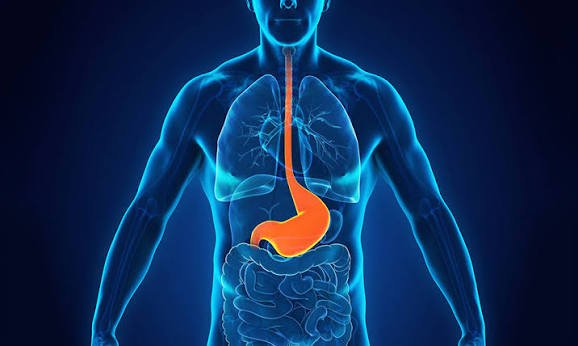
The human digestive system is home to trillions of microbes called the gut microbiome.
Among the several vital duties performed by these microorganisms include:
- Fiber digestion
- Creating vitamins
- supporting the immune system
- Preventing dangerous germs from spreading
- producing short-chain fatty acids
- Metabolism Control
- Aiding in blood glucose management
- decreasing inflammation
A healthy and diverse gut microbiome is linked to improved digestive and overall health.
What Did Cambridge Academics Look Into?
Is it true that sweeteners directly affect gut flora, according to researchers?
In contrast to earlier studies that primarily utilized animal investigations or population data, this laboratory study investigated direct interactions between sweeteners and bacteria.
Team:
- Individually grew twenty-five different intestinal bacterial species.
- 39 different sweeteners that are often used in business were evaluated.
- Growth of bacteria assessed
- Foods were flavored with medicines, caffeine, and other flavorings.
- To simulate the human microbiota, an artificial gut bacterial community was established.
This offered thorough details on the relationship between gut bacteria and sweeteners.
The Study’s Principal Results
Several key findings were made by the scientists.
1. Altered Bacterial Development in Many Sweeteners
At least one bacterial species was impacted by almost 75% of the sweeteners evaluated.
A few sweeteners:
- Reduced bacterial development
- Halting the growth of microorganisms
- Modified bacterial behavior
This shows that sweeteners are biologically active rather than entirely inert.
2. When paired with other chemicals, effects were different.
Over a hundred interactions between sweeteners and other substances were discovered by researchers.
When mixed with:
- Medications
- Additives to food
- Taste Makers
- Caffeine
Sometimes the results grew more powerful and sometimes they diminished.
This implies that the kind of meal they are consumed with affects how sweeteners affect them.
Isosteviol and Duloxetine: The Biggest Discovery
The most powerful impact included:
- Isosteviol (a sweetener obtained from stevia)
- an antidepressant called duloxetine
They significantly slowed the growth of two helpful bacteria:
Roseburia intestinalis
This bacteria aids in the production of:
- Butyrate should be produced.
- Preserve the integrity of the gut lining.
- Lower inflammation
- Help control blood sugar.
Merdae parabacteroides
This bacterium is linked to:
- A strong metabolism
- Regulation of immunity
- Digestive wellness
These germs were far more susceptible to the combination than to either drug by itself.
Decreased Diversity of Gut Microbes
Additionally, researchers constructed a simplified gut microbiome made up of all 25 bacterial species.
Duloxetine with isosteviol:
- Lower bacterial diversity
- altered the type of microorganisms that prospered
- Elevated toxicity towards particular host cells
- Cellular immune responses that have been modified
Despite the fact that this laboratory result does not always imply the same impact occurs in humans, diminished microbiota diversity is typically associated with worse gut health.
What Is The Significance Of Microbial Diversity?
Generally, a varied microbiome helps:
- Improved digestion
- Enhanced immune system performance
- Metabolism that is healthy
- Good intestinal barrier
- Resistance against diseases
Previously, reduced diversity has been connected to issues like:
- Weight Gain
- Type 2 Diabetes mellitus
- Intestinal inflammatory illness
- Allergies
However, this lab experiment on its own cannot demonstrate that sweeteners are the cause of these ailments.
Is it time to give up artificial sweeteners?
Not necessarily.
The researchers emphasized that:
- The experiment was done exclusively on laboratory cultures
- Human digestion is a lot more difficult.
- Unknown is the actual health consequences
- More clinical research is required.
Present evidence does not demonstrate that consuming authorized sweeteners has any negative effects on healthy individuals.
Who Should Be Warier?
If you: want to speak with your healthcare practitioner about using sweeteners, you may want to do so.
- Take a long-term antidepressant.
- Have an inflammatory bowel condition.
- Experience recurring digestive issues
- Have unexplained digestive problems
- Eat a lot of artificial sweeteners and have diabetes.
Individualized advise can be given by your dietitian or doctor.
Advice on Maintaining a Healthy Gut
Regardless of how much sweetener is consumed, these routines help maintain intestinal health:
- consume lots of veggies and fruits
- Grains that are whole should be included.
- Consume fermented meals such as yogurt and kefir.
- Consume fiber-rich legumes
- Drink plenty of water.
- Maintain a regular workout routine.
- Get enough sleep
- Steer clear of pointless medicines.
- Limit how much ultra-processed food you eat.
Any single dietary component has a significantly lesser influence on the microbiome than a healthy lifestyle.
Study Limits
The following are some of the drawbacks of this study:
- Carried out entirely in the lab
- Participants were not human.
- Simplified bacterial communities were employed.
- The long-term effects are still unknown.
- Actual exposure to the diet differs greatly
Therefore, the findings should be taken with caution.
Future Studies
Researchers now intend to look into:
- Clinical testing in people
- Alterations in the Microbiota over an Extended Period of Time
- Different sweetener dosages
- Interactions between drugs and sweeteners
- In individuals who suffer from chronic diseases, there are effects.
Whether the lab results translate into actual health outcomes will be determined by these studies.
Summary
New data from this Cambridge lab study indicates that specific artificial and low-calorie sweeteners can have an immediate effect on gut microbes. According to researchers, a lot of sweeteners modified bacterial development, and some combinations, especially duloxetine and isosteviol, had more pronounced effects on good gut microbes.
Despite their scientific relevance, these discoveries don’t show that humans are harmed by artificial sweeteners. Before dietary advice is altered, more clinical research is required. While scientists investigate the long-term impacts of authorized sweeteners on gut health, consuming them in moderation as part of a balanced diet is still a sensible method for the time being.
What You Should Know: Scientists Demonstrate How Sweeteners Reduce the Growth of Particular Gut Microbes in FAQs
1. What impact do fake sugars have on gut flora?
The balance and development of particular gut microbes might be affected by artificial sweeteners. According to research, some sweeteners may hinder the development of good bacteria that are essential for digestion, metabolism, and preserving general gut health.
2. Which sweetener was shown to influence the development of gut microbes?
According to recent studies, isosteviol, a sweetener-related molecule, when paired with the antidepressant duloxetine, had a major impact on the proliferation of two crucial gut bacteria involved in blood sugar regulation and gut health.
3. Is it possible for artificial sweeteners to hurt the gut microbiota?
According to some research, certain artificial sweeteners may change the makeup of the gut microbiome. However, depending on the sort of sweetener, the dosage, the person’s health, and the current balance of gut microorganisms, the effects might differ.
4. Why is the gut microbiome important and what is it?
There are trillions of microorganisms that make up the gut microbiome and reside in the digestive system. These bacteria aid in blood sugar control, immunological function, inflammation control, and metabolic health.
5. Is it true that artificial sweeteners elevate blood sugar levels?
Since they have little to no calories, the majority of artificial sweeteners don’t raise blood sugar levels directly. However, certain sweeteners may affect how the body metabolizes glucose by altering the gut bacteria.
6. Are all gut health sugar substitutes dangerous?
No. The gut microbiome may respond differently to various sweeteners. Additional study is required to ascertain which sweeteners are safe, helpful, or potentially dangerous for certain persons.
7. Should I give up artificial sweeteners?
One study alone should not be used by individuals to cease taking recommended prescriptions or to make significant dietary adjustments. If you often consume artificial sweeteners and are concerned about the health of your digestive system, talk to a healthcare provider about your food habits.
8. What meals have artificial sweeteners?
The following items usually contain artificial sweeteners:
Sugar-free soft beverages
Candies without sugar
Desserts low in calories
Protein powders
Gum for chewing
Supplements and several drugs
9. What are some natural ways to improve my gut flora?
By doing the following, you may encourage a healthy stomach microbiota:
Consuming a range of high-fiber meals
Incorporating whole grains, fruits, and vegetables
Eating fermented foods such as yogurt and kefir
Limiting overly processed foods
Remaining physically engaged
10. Is it possible for gut bacteria to have an impact on overall health?
Yes, I do. Digestive problems, immunological responses, inflammation, metabolism, and diseases associated with blood sugar regulation are all linked to gut bacteria. A varied gut microbiota may promote higher general health.
11. Does this study suggest that sweeteners cause sickness?
Never. According to the report, some chemicals may have an impact on certain gut bacteria. To ascertain if these changes cause health problems, further human research is necessary.
12. How does the use of sweeteners relate to the chance of getting diabetes?
According to several studies, modifications in gut microbiota may have an impact on glucose metabolism. Nevertheless, the connection between diabetes risk and artificial sweeteners is complicated and needs additional research.
Medical Disclaimer
Medical Disclaimer:
This article is intended for educational and informational purposes only and should not be considered medical advice. The research discussed is based on laboratory findings and does not prove the same effects occur in humans. Always consult a qualified healthcare professional before making changes to your diet, medications, or treatment plan. Never stop or modify prescribed medications without your doctor’s guidance.