🌿 What Naturally Shrinks Nasal Polyps? (Complete Guide: Home Remedies, Diet & Medical Treatment)
Although steroid nasal sprays and other medical procedures are frequently the first line of defense, a variety of all-natural approaches and lifestyle modifications can help control inflammation and, with time, may help reduce or eradicate nasal polyps.
By Dr. Sagar Rajkuwar, ENT Specialist, Nashik, Maharashtra, India
🌐 www.entspecialistinnashik.com
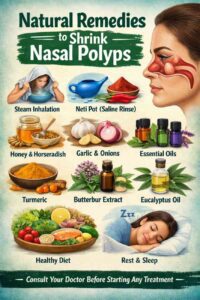
Treatment at home and with natural means
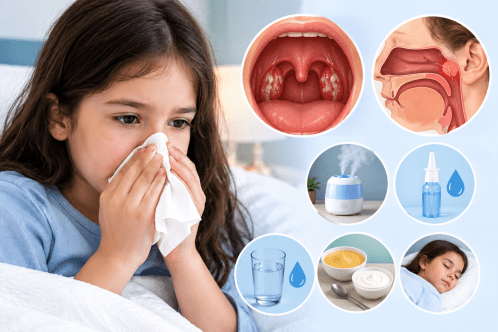
One of the best methods to clear out allergies, irritants, and extra mucus is saline nasal irrigation, which involves using a Neti pot or a squeeze bottle filled with a sterile saline solution. Regular use (1–2 times daily) can help minimize the persistent inflammation that promotes polyp development.
Steam Inhalation: Inhaling warm steam from a basin of hot water or from a hot shower can help relieve congestion by loosening mucus and moisturizing the nasal passages. Adding a few drops of essential oils, such eucalyptus or peppermint, can help decongest even more.
Humidifiers: Maintaining the humidity in your house, particularly during the dry winter months, helps prevent nasal passages from becoming dry and inflamed.
Dietary & Herbal Assistance
Spices with Anti-Inflammatory Properties:
Turmeric: Curcumin, a potent anti-inflammatory agent that can help alleviate swelling when ingested in tea or food, is found in turmeric.
Cayenne Pepper: Contains a high amount of capsaicin, which aids in opening sinuses and fortifying capillaries.
Foods high in omega-3 fatty acids, such as salmon, flaxseed, and walnuts, as well as those high in antioxidants, such as leafy greens and berries, should be prioritized in an anti-inflammatory diet in order to reduce systemic inflammation.
Probiotics: Eating probiotic-rich foods like yogurt, kimchi, and kefir might help maintain a strong immune system and regulate the body’s internal inflammatory response.
Additions
Vitamin D: Studies indicate that a large number of individuals with nasal polyps are deficient in Vitamin D. Small trials have demonstrated that supplementation, such as 4,000 IU daily, can help alleviate polyp symptoms and lower recurrence.
Bromelain is an enzyme that is present in pineapple cores and has anti-inflammatory properties as well as the ability to alleviate sinus pressure.
Quercetin: This antioxidant, which is found in apples and onions, may help prevent histamine release and lessen the allergic causes of polyps.
Changes to Lifestyle
Identify triggers and restrict your exposure to irritants that irritate the nasal lining, such as tobacco smoke, chemical vapors, dust, and intense aromas.
Higher Sleeping Position: To aid with mucus drainage and enhance breathing while you sleep, you can raise your head by using additional pillows.
Stress Management: High stress can exacerbate inflammation; techniques such as yoga, deep breathing, and meditation may indirectly aid in symptom management.
Important Safety Tip: Large polyps sometimes need expert medical attention. Never try to get rid of a polyp by yourself, as this might result in significant bleeding or infection. Because new supplements might interact with other medications, it’s important to always speak with a healthcare expert before beginning them.
Are you seeking for nearby ENT professionals or drugstores that sell saline rinse kits?
Table of contents
- 🩺 Introduction
- 🔍 Symptoms of Nasal Polyps
- 🌱 Natural Remedies That May Help Shrink Nasal Polyps
- 🥗 Lifestyle Changes That Help Shrink Nasal Polyps
- 💊 Choices for Medical Care
- 🚨 When Surgery Is Needed
- ⚠️ Essential Safety Advice
- 📝 Important Conclusions
- ❓ Frequently Asked Questions (FAQs)
- 📢Conclusion
🩺 Introduction
At times, unusual growths form within the nose and sinuses, obstructing the airways and impairing breathing or the sense of smell. These growths are called nasal polyps. They are benign, painless, and soft, but they can occasionally cause breathing problems, sinus pressure, and pain.
Allergies, infections, or illnesses like chronic sinusitis often result in nasal polyps as a result of persistent inflammation.
Even if there is no tried-and-true home remedy, a lot of natural remedies, lifestyle adjustments, and supportive treatments might be helpful:
- Reduce inflammation
- Shrink polyp size
- Improve breathing
- Prevent recurrence
However, severe cases may still require medical or surgical treatment. #
#SinusRelief
#SinusitisRelief #AllergyRelief
🔍 Symptoms of Nasal Polyps
Although nasal polyps are frequently asymptomatic in their early stages, bigger polyps can lead to:
- Congestion of the nose that lasts
- A stuffy or runny nose
- itching and sneezing
- loss or reduction of the sense of smell
- sinus headache or face discomfort
- Having trouble breathing
🌱 Natural Remedies That May Help Shrink Nasal Polyps
🌫️ 1. Steam Therapy (Steam Inhalation)
Steam inhalation is one of the simplest and most effective remedies.
- Clears nasal passages
- Thins mucus
- Relieves sinus pressure and headaches
👉 How to use:
- Inhale steam from hot water, shower, or steam room
- Add eucalyptus or peppermint oil for enhanced effect
🫖 2. Saline Rinse (Neti Pot Irrigation)
Nasal irrigation addresses the underlying causes, such as sinus infections and allergies.
- Eliminates mucus, allergens, and bacteria
- Reduces inflammation
- Improves airflow
👉 How to use:
- Mix ½ teaspoon salt in warm boiled water
- Use a neti pot to rinse both nostrils
⚠ Always use distilled or sterilized water.
🍯 3. Honey and Horseradish Mixture
Horseradish has potent antibacterial qualities and a strong fragrance that helps to unclog sinuses.
- Aids in congestion reduction
- Might aid in reducing polyp size
👉 How to use:
- Mix grated horseradish with honey
- Take 1 teaspoon twice daily
🧄 4. Onion and Garlic
Quercetin is one of the many naturally occurring chemicals found in onions and garlic.
- Antibacterial and antifungal
- Decrease inflammation
- Help stop infections.
👉 How to use:
- Consume raw garlic and onion daily
🌶️ 5. Capsicum (Cayenne Pepper)
Capsaicin helps to lower inflammation and enhance circulation.
✔ clears the nasal passages
✔ Boosts sinus drainage
👉 How to use:
- Add to food or prepare cayenne tea
🌿 6. Essential Oils
Essential oils help relieve congestion and inflammation.
✔ Tea tree oil – antimicrobial
✔ Eucalyptus oil – decongestant
✔ Peppermint oil – improves breathing
✔ Lavender & thyme – soothing
👉 How to use:
- Dilute with carrier oil
- Use in steam inhalation or diffuser
🌼 7. Chamomile
Chamomile has anti-inflammatory and anti-allergic effects.
✔ Helps reduce sinus irritation
✔ May relieve chronic inflammation
👉 Use as tea or steam inhalation
🌱 8. Butterbur
Traditionally used for allergy relief.
✔ May reduce inflammation
✔ Helpful in sinus-related symptoms
⚠ Limited scientific evidence
🟡 9. Turmeric
Turmeric contains curcumin, a powerful anti-inflammatory compound.
✔ Reduces airway inflammation
✔ Supports immune system
👉 How to use:
- Turmeric milk or tea daily
🌳 10. Eucalyptus
- Opens nasal passages
- Reduces congestion
- Has antibacterial properties
🌿 11. Peppermint
Contains menthol for instant relief.
- Improves airflow
- Relieves nasal blockage
🌸 12. Echinacea
- Boosts immunity
- Helps prevent infections
- Reduces recurrence risk
🌿 13. Xanthium (Traditional Herbal Remedy)
Used in traditional medicine systems.
- Anti-inflammatory properties
- May reduce nasal swelling
🥗 Lifestyle Changes That Help Shrink Nasal Polyps
Balanced Diet
A healthy diet reduces inflammation in the body.
👉 Include:
- Fruits and vegetables
- Whole grains
- Lean protein
- Healthy fats
Hydration
- Keeps mucus thin
- Improves sinus drainage
Adequate Rest
- Boosts immune system
- Helps body fight infections
👉 Aim for 7–8 hours of sleep daily
Allergy Control
- Avoid dust, smoke, and pollution
- Use air purifiers
💊 Choices for Medical Care
In cases of moderate to severe severity, doctors may prescribe:
- Steroid nasal spray
- Prednisone, an example of an oral steroid
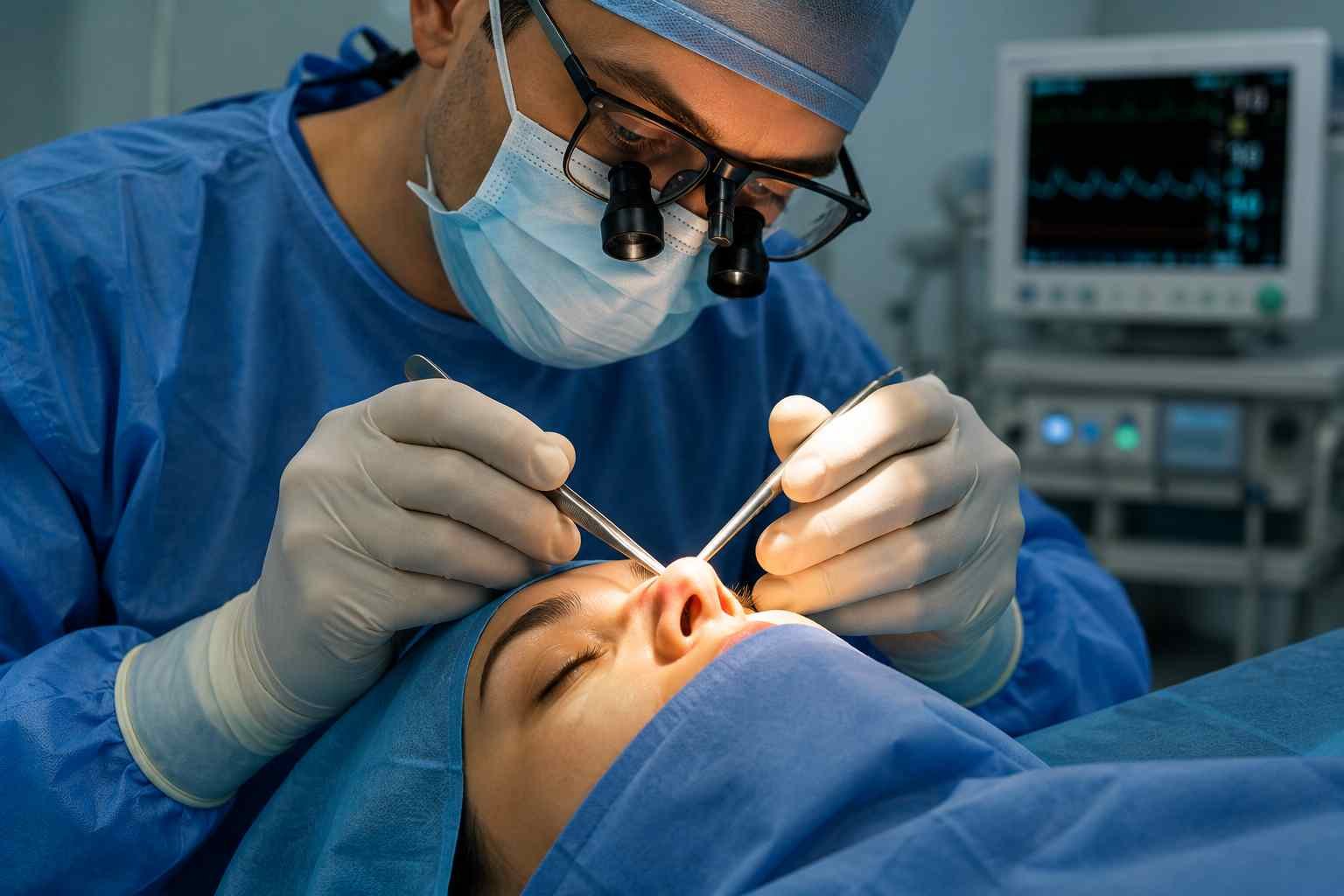
- Surgery of the sinuses via endoscopy
✔ These treatments are more successful.
❗Although relapse is possible, though.
🚨 When Surgery Is Needed
Surgery becomes necessary if:
- Polyps block breathing
- Medications fail
- Symptoms severely affect quality of life
⚠️ Essential Safety Advice
- Undiluted essential oils should never be used.
- For nasal irrigation, only utilize sterile water.
- Prior to taking supplements, speak with a physician.
- Be aware of drug interactions
📝 Important Conclusions
- Nasal polyps are frequent and benign.
- Brought about by persistent allergies and inflammation
- Natural cures help alleviate symptoms but do not treat the condition.
- Steam inhalation and saline wash are the most successful.
- A significant role is played by lifestyle changes.
- Treatment in a medical facility is frequently necessary.
❓ Frequently Asked Questions (FAQs)
1. What naturally shrinks nasal polyps?
Natural methods like steam inhalation, saline nasal irrigation (neti pot), turmeric, and essential oils may help reduce inflammation and relieve symptoms. However, they do not completely remove nasal polyps.
2. Can nasal polyps go away on their own?
Small nasal polyps may shrink if inflammation is controlled, but most do not disappear completely without treatment. Medical therapy is often needed for full resolution.
3. Is steam inhalation effective for nasal polyps?
Yes, steam inhalation helps open nasal passages, reduce congestion, and relieve sinus pressure. It is one of the most effective natural remedies for symptom relief.
4. Does a neti pot help nasal polyps?
Using a neti pot for saline irrigation can clear mucus, allergens, and irritants, helping reduce inflammation and improve breathing in patients with nasal polyps.
5. Can turmeric cure nasal polyps?
Turmeric has anti-inflammatory properties that may help reduce swelling, but it cannot completely cure nasal polyps.
6. Are essential oils safe for nasal polyps?
Essential oils like eucalyptus and peppermint may help relieve congestion, but they must always be diluted. Direct use inside the nose can cause irritation.
7. What is the best diet for nasal polyps?
An anti-inflammatory diet rich in fruits, vegetables, omega-3 fatty acids, and turmeric can help reduce inflammation and support sinus health.
8. When should I see a doctor for nasal polyps?
You should consult a doctor if you experience severe nasal blockage, breathing difficulty, loss of smell, or frequent sinus infections.
9. Can nasal polyps come back after treatment?
Yes, nasal polyps can recur, especially if underlying inflammation or allergies are not controlled.
10. What is the most effective treatment for nasal polyps?
Doctors commonly prescribe steroid nasal sprays or oral medications like Prednisone. In severe cases, surgery may be required.
📢Conclusion
Steam inhalation, saline irrigation, turmeric, and essential oils are examples of natural therapies that can greatly alleviate symptoms and aid in managing inflammation in nasal polyps. They should, nevertheless, be used as supportive care rather than a full cure.
A combination of the following is the best course of action for lasting comfort:
- Treatment using all-natural methods
- Lifestyle changes
- Appropriate medical care
🎥 Watch Educational Videos
👉 YouTube Channel:
http://www.youtube.com/@healthuseful8539/
📞 ENT Consultation & Surgery
Dr. Sagar Rajkuwar (MS-ENT)
Prabha ENT Clinic, Ambad, Nashik
📱 7387590194 | 9892596635
🌐 www.entspecialistinnashik.com
📲 For Health-Related Articles & Videos
🔹 Facebook: https://www.facebook.com/positivemind.healthcare
🔹 YouTube: http://www.youtube.com/@healthuseful8539/
⚠️ Medical Disclaimer
This content is for educational purposes only and should not replace professional medical advice. Always consult a qualified ENT specialist or Ayurvedic practitioner before starting any treatment.
Important Detailed Articles
🔗 Related Articles on Nasal Polyps (ENT Expert Guides)
For detailed, evidence-based information, explore the following articles:
https://healthuseful.com/can-nasal-polyps-turn-cancerous/
https://healthuseful.com/can-nasal-polyps-affect-the-brain/
https://healthuseful.com/what-are-the-symptoms-of-cancerous-nasal-polyps/
https://healthuseful.com/when-to-worry-about-nasal-polyp/
https://healthuseful.com/what-happens-if-nasal-polyps-untreated/
https://healthuseful.com/number-one-cause-of-nasal-polyps/
https://healthuseful.com/how-to-stop-polyp-growth/
https://healthuseful.com/can-nasal-polyps-cause-heart-problems/
https://healthuseful.com/how-to-cure-nasal-polyps-permanently/
https://healthuseful.com/can-ent-see-nasal-polyps/
📚 References
- Mayo Clinic
- Nasal polyps: Symptoms and causes
- https://www.mayoclinic.org/diseases-conditions/nasal-polyps
- Cleveland Clinic
- Nasal Polyps: Overview and treatment options
- https://my.clevelandclinic.org/health/diseases/15250-nasal-polyps
- NHS
- Nasal polyps treatment and management
- https://www.nhs.uk/conditions/nasal-polyps
- American Academy of Otolaryngology–Head and Neck Surgery
- Clinical practice guidelines for sinusitis and nasal polyps
- National Center for Biotechnology Information
- Studies on capsaicin, turmeric (curcumin), and nasal inflammation
- World Health Organization
- Guidelines on traditional and herbal medicine use
- Harvard Medical School
- Complementary therapies for sinus and nasal conditions