Why Does It Feel Like My Stitches Are Pulling?
Causes, Normal Healing Sensations & When to Worry
By: Dr. Sagar Rajkuwar
ENT Specialist, Nashik, Maharashtra
Table of contents-
- Introduction
- How Does “Pulling” Stitches Feel?
- Do stitches typically feel like they’re tugging?
- Common Causes of the Pulling Sensation of Stitches
- Under what circumstances is the pulling sensation not typical?
- How Long Does the Pulling Sensation Last?
- Are My stitches too tight?
- How to lessen the tugging sensation of stitches
- Should I break a stitch that feels too tight, or should I take it out?
- The Sensation of Pulling Following ENT Procedures
- Is it possible for tugging at stitches to cause long-term harm?
- When Should You Visit a Doctor?
- Frequently Asked Questions
- Conclusion
1️⃣Introduction
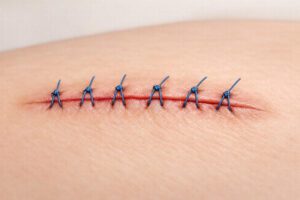
Stitches (sutures) are a necessary component of the healing process if you’ve just had surgery. Nevertheless, several patients complain of discomfort and ask:
“Why do I get the impression that my stitches are pulling?”
It might be alarming to experience this tugging or squeezing sensation, particularly if you’re not sure if it’s a symptom of a problem or a sign of typical healing. The good news is that stitches pulling is usually a typical component of wound healing. However, it can still point to issues that call for medical intervention.
In this piece, we’ll cover:
- The reason why stitches feel tight or pull
- Which feelings are considered normal and which are not?
- Things that make pulling more unpleasant
- The duration of the sensation
- What you may do to alleviate the situation
- When to consult a physician
2️⃣How Does “Pulling” Stitches Feel?
Pulling stitches is described in a variety of ways by patients, including:
- around the wound, there is tightness
- feeling of pulling or stretching
- When moving, there is moderate discomfort.
- skin that is rigid or constrained
- Infrequent, acute pangs
This sensation is often more apparent:
- When you stretch, move, or bend
- following an increase in swelling
- As the wound starts to constrict and heal
3️⃣Do stitches typically feel like they’re tugging?
Yes, it is usually normal.
Stitches are made to keep the wound margins together while under stress. Tissues contract and regenerate as your body heals, which might cause a pulling feeling.
The severity, length, and accompanying symptoms are all important, though. Moderate to mild pulling is typical; extreme pain or worsening symptoms might not be.
4️⃣Common Causes of the Pulling Sensation of Stitches
1. Regular Skin Tightening and Healing
Your body produces new collagen fibers during the healing process. This procedure causes the wound area to tighten spontaneously, causing stitches to feel constricting or pulling.
✔️Between days 3 and 10 following surgery, this is very prevalent.
2. Edema Around the Wound
The skin around the wound is stretched by the swelling that occurs after surgery. Swelling raises tension, resulting in pain, as stitches have little give.
✔️The swelling usually peaks 48–72 hours after it begins.
✔️When swelling diminishes, pulling is less effective.
3. Muscle Action and Movement
If stitches are applied:
- Close to joints (knee, elbow)
- On the chest or abdomen
- Around the neck or face
Their motions may give them the sensation that they are pulling.
✔️More evident while speaking, coughing, walking, or bending over.
4. The formation of scabs or dry skin
When a wound dries out:
- The skin’s flexibility diminishes.
- Scabs develop and become tighter.
- It can be difficult to move sutures.
✔️When wounds are exposed to air too soon, this frequently happens.
5. Permanent (Non-Dissolving) Sutures
In comparison to dissolving sutures, non-absorbable ones are stronger and might cause more stress.
✔️ It’s possible that pulling will get worse as healing advances.
✔️ After stitch removal, it often gets better.
6. Dissolvable (Absorbable) Suture Breakdown
As dissolving stitches begin to deteriorate:
- The ends could tug or poke.
- It’s possible for tension to become uneven.
✔ Discomfort is frequently transient
✔️Generally resolves itself in a few days
7. Where the wound is located
Constant motion causes some locations to experience more pulling:
- After a tonsillectomy or oral surgery, the mouth
- The Neck
- Abdomen
- groin
✔️Common side effects of ENT procedures include tugging during head rotation or swallowing.
5️⃣Under what circumstances is the pulling sensation not typical?
Even though little tugging is anticipated, seek medical guidance if you see any of the following:
🚨Alerting Indicators
- More pain than relief
- Redness extending around sutures
- discharge that is either pus-like or offensive-smelling
- a fever
- seams that are digging into flesh
- The wound is either gaping or opening.
- Immediate, acute pain following movement
- A feeling of popping or bleeding
These could mean:
- Infection
- dehiscence of wounds (stitches coming apart)
- Too much pressure on the wound
6️⃣How Long Does the Pulling Sensation Last?
| Type of Stitches | Typical Duration |
|---|---|
| Dissolving stitches | 1–3 weeks |
| Non-dissolving stitches | Until removal (5–14 days) |
| Deep surgical sutures | Several weeks |
| Tight areas (joints/neck) | Up to 4 weeks |
✔️ It should not worsen over time
7️⃣Are My stitches too tight?
Not necessarily.
The stitches are intentionally placed by surgeons with sufficient tension to:
- Keep wounds from opening
- Reduce scarring
- Promote recovery
But if the stitches are too tight, they may be:
- The skin becomes white or somewhat blue.
- The agony is unbearable and persistent.
- Sutures cause profound grooves.
- The blood supply seems jeopardized.
Consult your doctor right away if you think this is the case.
8️⃣How to lessen the tugging sensation of stitches
1. Minimize excessive movement
- Do not stretch the stitched area.
- Provide wound support while laughing or coughing
2. Maintain a Moist Wound (If Recommended)
- Use ointments as directed.
- Don’t let the wound get too dry.
⚠️Follow your doctor’s instructions since certain wounds heal better when kept dry.
3. Control Swelling
- Raise the area if at all possible.
- If allowed, apply a cold compress.
- Take any anti-inflammatory drugs that are prescribed.
4. Use supportive dressings.
- The tension is lessened by bandages or Steri-strips.
- compression clothing for abdominal procedures
5. Refrain from tugging or scratching.
- Itching can exacerbate anxiety.
- Don’t tug at any loose suture ends.
6. Consume protein-rich foods and remain hydrated.
- Aids in the production of collagen
- Enhances skin flexibility
9️⃣Should I break a stitch that feels too tight, or should I take it out?
❌Do not ever take out or cut stitches at home.
Removing them early might result in discomfort, even if they are.
- Wound reopening
- Infection
- Bad cicatrization
✔️ Always seek the advice of a healthcare provider.
🔟The Sensation of Pulling Following ENT Procedures
Patients frequently describe experiencing pulling sensations after seeing an ENT specialist because:
- Tonsil removal
- Thyroid operation
- surgery to remove lymph nodes from the neck
- Operations on the face or nose
The majority of the time, this is caused by:
- Muscle motion
- Talking and swallowing
- Neck skin tension
✔️The majority of cases respond to time and appropriate treatment.
1️⃣1️⃣Is it possible for tugging at stitches to cause long-term harm?
No, if recovery is typical.
Temporary pulling does not result in:
- Damage to the nerves
- constant suffering
- Skin issues that last a long time
Ignoring symptoms of illness or wound opening, though, might result in problems.
1️⃣2️⃣When Should You Visit a Doctor?
if: see your physician
- After 5–7 days, the pulling feeling gets worse.
- The agony gets worse
- The injury seems strange.
- You have a fever or feel ill
- Stitches feel like they are embedded or cutting into the skin.
A timely evaluation reduces the chance of problems.
1️⃣3️⃣Frequently Asked Questions
❓When stitches are healing correctly, may they feel tight?
Tightness is a common feeling during the healing process.
❓Do you have any questions? Is it worse to pull at night?
The decrease in distractions and stiffness might make it feel more apparent.
❓In what way? Do stitches get tighter as they heal?
Sometimes yes, particularly during collagen synthesis.
❓ Will taking out the stitches stop the pulling?
Particularly when using non-dissolvable sutures, the answer is yes most of the time.
For important health related topics please click on our facebook page link given below or copy paste this link into google search –
https://www.facebook.com/positivemind.healthcare
For important health related videos please click on the link of our youtube channel given below or copy paste this link into google search-
http://www.youtube.com/@healthuseful8539
1️⃣4️⃣Conclusion
Generally speaking, it’s typical and transient for your stitches to feel like they’re pulling as you recover. It frequently indicates successful tissue repair rather than a problem. It’s crucial to pay attention to the warning signals that your body always provides.
It’s always advisable to speak with your surgeon or ENT specialist rather than ignore any persistent discomfort.
Disclaimer of Medical Advice
This information is provided for informational purposes only and should not be taken in place of expert medical guidance. For specific recommendations, always speak with your physician.
If any patient has any ENT -Ear nose throat problems and requires any , consultation ,online consultation ,or surgery in clinic of ENT specialist Doctor Dr Sagar Rajkuwar ,he may TAKE APPOINTMENT BY CLICKING ON THE LINK GIVEN BELOW-
Clinic address of ENT SPECIALIST doctor Dr Sagar Rajkuwar-
Prabha ENT clinic, plot no 345,Saigram colony, opposite Indoline furniture Ambad link road ,Ambad ,1 km from Pathardi phata Nashik ,422010 ,Maharashtra, India-Dr Sagar Rajkuwar (MS-ENT), Cell no- 7387590194 , 98925966