7-Day Indian Vegetarian Diet Plan Chart for Healthy Weight Loss
It is not necessary to skip meals or stick to a very strict diet in order to lose weight. A realistic Indian vegetarian weight reduction plan may include vegetables, fruits, whole grains, pulses, beans, curd, milk, paneer, tofu, nuts, and seeds, all of which are suitable for the person’s calorie requirements.
Age, sex, body size, activity level, metabolism, and medical conditions are among the factors that influence the appropriate calorie intake. Therefore, a 7-day diet chart should be regarded as a sample framework rather than a universal prescription.
Sustainable eating practices, enough sleep, and consistent exercise are all part of a healthy weight loss strategy. Weight reduction that is done slowly is typically more durable than weight loss that occurs quickly.
Author: Dr Sagar Rajkuwar, ENT Specialist, Nashik, Maharashtra, India
🌐 www.entspecialistinnashik.com

Important: A specific diet should ideally be personalized by a registered dietitian or qualified healthcare professional, particularly if you have diabetes, kidney disease, gastrointestinal disease, are pregnant or breastfeeding, or have another medical condition.
Main Highlights
- A 7-day Indian vegetarian weight loss meal plan prioritizes balanced nutrition, portion control, and calorie management to assist with progressive fat reduction.
- The meal plan incorporates whole grains, lentils, fruits, veggies, nuts, and plant-based proteins that are high in nutrients and help with digestion and satiety.
- Balanced carbs, proteins, healthy fats, vitamins, and fibre are usually found in daily meals that contain about 1,200–1,500 calories.
- Maintaining consistent energy levels throughout the day and avoiding overeating are both possible with organized meal planning.
- A vegetarian diet, when combined with regular exercise, adequate hydration, and healthy lifestyle choices, can encourage sustained weight loss and better general health.
Because of its gastronomic quality, Indian cuisine has a special place in my heart. But do you know that the Indian diet, which is largely vegetarian, may be a great present to your health if the macros and servings are utilized correctly?
There’s a widespread misperception that vegetarian diets aren’t enough to meet the body’s requirements, but this isn’t the case. While a vegetarian diet may be deficient in certain nutrients, the body’s nutritional demands may be simply fulfilled by combining foods or through fortification. For instance, we obtain a full protein when we combine rice with dal or beans; both white and brown rice are low in lysine but rich in methionine. However, beans have a high lysine content but a low methionine content. Throughout the years, we have made great progress in creating a vegetarian diet that is nutritionally complete.
With that being said, an Indian diet for weight reduction might be a fantasy come true moment. In this sort of diet, you’re enjoying delicious recipes while losing weight. Let’s examine such an Indian diet regimen for losing weight. Keep in mind that before beginning any diet, you should consult your dietician to customize the program to your health objectives.
Provided you control your caloric intake, balance your diet, and keep consistent, a healthy vegetarian diet plan may aid in weight loss. This is a short-term reset program that encourages healthier decisions, better digestion, and gradual fat loss without severe constraints.
This diet plan template is designed for an average man; if you want a custom one, always speak to your nutritionist.
For Weight Loss, the Benefits of a Vegan Diet Plan
A plant-based diet plan is also low in saturated fats and high in fiber, antioxidants, vitamins, and minerals. Enhance digestion, lower calorie intake, and increase satiety are all possible benefits of eating fruits, whole grains, vegetables, and pulses. Overeating is prevented by this mixture, which also promotes fat reduction over time. Plant foods also help regulate blood sugar, boost energy, and maintain overall health via a methodical weight management regimen.
Eating a vegan diet for weight reduction means consuming a lot of plant-based minerals, antioxidants, and fiber. These elements help you feel full and are good for your digestive system. It may lower calorie consumption, accelerate metabolism, and support long-term adherence.
Weekly Nutritional Analysis of Weight Loss Diet Plan
A well-balanced 7-day weight loss diet plan incorporates necessary macronutrients including carbs (45–55%), protein (15–25%), healthy fats (20–30%), fiber, vitamins, and minerals. For long-lasting fat reduction, a well-planned vegan diet that emphasizes nutrient density and portion control should provide between 1200 and 1500 calories per day.
The weight loss diet plan for seven days includes complex carbs, plant proteins, fatty acids, and micronutrients. Foods that keep energy levels elevated include whole grains, lentils, fruits, and vegetables. A balanced Indian vegetarian diet reduces nutrient deficiency when cutting calories.
Why Pick a Vegetarian Indian Diet to Lose Weight?
The Indian weight-reduction diet has a wide range of nutritious and vegetarian food prepared with minimum oil and fundamental spices. Moreover, seasonal vegetables offer fiber and other critical nutrients, while lentils, whole grains, and legumes supply regular energy. Furthermore, homemade Indian cuisine is adaptable and can be made with fresh ingredients and adjusted for calorie count. This will ensure the long-term viability and cultural appropriateness of a vegetarian Indian diet, leading to long-term outcomes.
Indian meals are concerned with digestive spices, legumes, vegetables, and whole foods. Known tastes encourage compliance. In this way, one may frame cultural habits in relation to nutritional adequacy and portion management.
What is the Calorie Count of a 7-Day Weight Loss Plan?
Depending on your age, activity level, and metabolism, a standard 7-day weight loss diet normally restricts calories to between 1,200 and 1,500 kcal per day. This reduced intake leads to an energy deficit, which is essential for fat burning. Nutritional deficits can be avoided by eating all three macronutrients, which are protein, healthy fats, and complex carbohydrates. To see results in a week, you should eat with a regulated calorie count, consume water, and exercise frequently.
A person may consume 1200-1500 calories each day. Without wasting energy or muscles, the range aids in fat burning. Indian vegetarian diet plan is not too limited.
Full 7-Day Indian Vegetarian Diet Plan Chart
Meals and snacks are planned in a weekly chart to lessen decision exhaustion. Controlling hunger is aided by timely predictability. This seven-day vegetarian diet promotes more consistency and awareness of one’s eating habits.
7-Day Indian Vegetarian Diet Chart
The following plan is designed around commonly available Indian vegetarian foods. Portion sizes can be adjusted according to individual calorie and nutritional requirements.
Day 1
| Meal | Food |
|---|---|
| Early morning | 1 glass of water + 5–6 soaked almonds |
| Breakfast | 2 moong-dal chillas with vegetables + ½–1 cup plain curd |
| Mid-morning | 1 whole fruit such as apple, orange or guava |
| Lunch | 2 small whole-wheat rotis + 1 cup dal + 1–2 cups mixed vegetables + salad |
| Evening snack | Roasted chana + unsweetened tea/coffee |
| Dinner | 1–2 small rotis + tofu/paneer vegetable preparation + salad |
| Optional | Plain milk or unsweetened fortified milk if required |
Day 2
| Meal | Food |
|---|---|
| Early morning | Water + 1–2 walnuts |
| Breakfast | Vegetable oats or vegetable dalia + curd |
| Mid-morning | Guava, apple or papaya |
| Lunch | 1 cup rajma + 1 small serving brown rice or regular rice + salad + vegetables |
| Evening snack | Sprouts chaat with tomato, onion, cucumber and lemon |
| Dinner | 2 small rotis + mixed vegetable sabzi + dal or tofu |
| Optional | Unsweetened milk/fortified plant milk |
Day 3
| Meal | Food |
|---|---|
| Early morning | Water + small portion of nuts |
| Breakfast | 2 vegetable besan chillas + mint/coriander chutney + curd |
| Mid-morning | 1 whole fruit |
| Lunch | 2 small rotis + chole/chana + vegetable sabzi + salad |
| Evening snack | Roasted makhana or roasted chana |
| Dinner | Vegetable khichdi made with dal and whole grains + curd + salad |
| Optional | Unsweetened milk |
Day 4
| Meal | Food |
|---|---|
| Early morning | Water + 5 almonds |
| Breakfast | Vegetable poha with peanuts + curd |
| Mid-morning | Papaya, orange or guava |
| Lunch | 2 small rotis + moong dal + green vegetable + salad |
| Evening snack | Buttermilk without added sugar + roasted chana |
| Dinner | Tofu/paneer bhurji + 1–2 small rotis + cooked vegetables |
| Optional | Unsweetened milk/fortified plant milk |
Day 5
| Meal | Food |
|---|---|
| Early morning | Water + 1–2 walnuts |
| Breakfast | Idli with sambar + vegetable side |
| Mid-morning | 1 whole fruit |
| Lunch | Vegetable dal + 1 small serving rice + salad + curd |
| Evening snack | Sprouts or chana chaat |
| Dinner | 2 small rotis + mixed vegetable sabzi + paneer/tofu |
| Optional | Plain curd or milk if needed |
Day 6
| Meal | Food |
|---|---|
| Early morning | Water + small portion of nuts |
| Breakfast | Vegetable upma + curd |
| Mid-morning | Apple, guava or orange |
| Lunch | 2 small rotis + dal + bhindi/beans/cauliflower or another vegetable + salad |
| Evening snack | Roasted makhana or roasted chana + unsweetened tea |
| Dinner | Moong-dal chilla stuffed with vegetables/paneer + salad |
| Optional | Unsweetened milk |
Day 7
| Meal | Food |
|---|---|
| Early morning | Water + 5–6 almonds |
| Breakfast | Vegetable dosa or 2 moong-dal chillas + sambar |
| Mid-morning | 1 whole seasonal fruit |
| Lunch | Rajma/chole or dal + 1 small serving rice + vegetables + salad |
| Evening snack | Curd with a small amount of seeds or roasted chana |
| Dinner | Vegetable soup + tofu/paneer + 1–2 small rotis or another whole-grain option |
| Optional | Unsweetened milk/fortified plant milk |
How to Use This 7-Day Diet Chart
It is not necessary to adhere to this schedule strictly. The availability, preferences, budget, and nutritional needs can all be used to change the meals.
Example:
- Roti: multigrain, whole-grain, or whole-wheat roti
- Pulses such as moong, masoor, and toor/arhar are called Dal.
- Rajma, chickpeas, black chana, or other beans
- Tofu, paneer, curd, milk, soy foods, pulses, and beans are examples of protein-rich foods.
- Veggies: Incorporate a variety of seasonal veggies into your diet all week long.
- Fruits: choose whole fruits instead of fruit juice
- Brown rice is an alternative, but regular rice can be included in a regulated serving
- Roasted chana, makhana, sprouts, fruit, curd, or a small serving of nuts are good snack options.
When correctly planned and incorporating a wide range of meals, a vegetarian diet may be nutritionally sound.
How Much Should You Eat?
No person should strive to consume the same number of calories.
The amount of energy needed each day depends on a person’s size, gender, age, metabolism, and degree of physical exercise.
Consider the following rather than automatically suggesting a very low calorie diet:
- Your present height and weight.
- Your normal level of exercise
- Your gender and age
- the goal of your weight loss
- Drugs and medical conditions
- your usual preferences for Indian food
- your ability to stick to the diet for a few months
A registered dietitian or other health care professional can assist in determining the right nutrient and calorie intake.
Vegetarian Foods with a lot of protein for losing weight
Maintaining muscle mass while losing weight is facilitated by protein, which can also help make meals more filling.
Vegetarian protein sources that are beneficial include:
- Lentil
- Mung bean
- Lentil
- Chana
- red kidney beans
- Black chickpeas
- Soybean plants
- Tofu
- tempeh
- Paneer
- Cottage cheese
- Milk
- Soy milk with added nutrients
- Sprouts
- Seeds and nuts
You are not required to mix dal and rice together to produce the protein full in one meal. You may get a large spectrum of amino acids by eating a diversified diet throughout the day that includes pulses, grains, soy products, dairy, or other appropriate protein sources.
Include Vegetables With Main Meals
Vegetables add volume to meals and give fiber, vitamins, minerals, and other elements.
Attempt to incorporate vegetables such as:
- Spinach
- Methi
- Cauliflower
- Cabbage
- Beans
- Carrot
- Gourd
- Pumpkin
- Okra
- Tomato
- Cucumber
- Capsicum
- Eggplant
- Fresh seasonal vegetables
Dietary guidelines from ICMR-NIN emphasize whole grains, beans, pulses, and fresh vegetables while discouraging the consumption of fruit juices, processed foods, and excessive sugar.
Pick Whole Fruits Over Juice
Eating entire fruits is often better than drinking juice since they contain more fiber and require more chewing.
Good choices include:
- Apple computer
- Guava.
- Orange
- Papaya
- Pear
- Melon
- Melons
- Berries if available
- Pomegranate
Although fruit does contain natural sugar, this does not imply that it should be removed from a diet designed for weight loss.
Are Rice and Roti Allowed During Weight Loss?
Yes.
You don’t need to completely cut out rice or roti in order to lose weight. The key issues are:
- size of portion
- Daily calorie consumption total
- General nutritional value
- Physical activity
- Vegetable and protein consumption
For instance, a dinner could consist of a modest quantity of rice along with dal, vegetables, and salad.
Additionally, depending on a person’s caloric needs, two little rotis can be paired with dal, vegetables, and a food high in protein.
Foods to Avoid
It is not necessary to forbid certain foods entirely when following a weight-loss diet. But, controlling your weight might be challenging if you often eat meals high in calories.
Reduce the size and frequency of:
- Drinks high in sugar
- Candy
- sweets
- Desserts and cakes
- Snacks that are fried
- French fries
- savoury
- Cookies
- Quick cuisine
- Highly refined foods
- Too much sugar in your coffee or tea
- Considerable amounts of oil, butter, or ghee
- Fruit juices with sugar added
Cooking oils, paneer, seeds, and nuts can be wholesome, but they are rather calorie-dense, therefore portion control is still crucial.
What Should You Drink During Weight Loss?
You might make the following good daily choices:
- Water
- Unsweetened or regular buttermilk
- Tea without sugar
- Black coffee
- milk without additives in the correct amount
- Plant milk that has been fortified and is unsweetened
Do your best to keep sweet drinks from being a regular part of your diet.
Diet and Exercise
Weight management can be accomplished with a blend of diet and physical exercise.
According to CDC recommendations, adults should engage in muscle-strengthening exercises on at least two days each week, when medically appropriate and possible, in addition to at least 150 minutes of moderate-intensity aerobic activity.
For instance:
- Quick stroll
- Riding a bike
- Swimming
- To dance
- Strength exercise
- Exercises using bodyweight
Before engaging in strenuous exercise, those with a medical problem, severe obesity, severe joint issues, or those who have been inactive for an extended period of time may require tailored advise.
How Fast Can You Lose Weight?
Steer clear of plans that claim to cause significant weight loss in a short period of time.
The CDC states that gradual weight reduction of around 1-2 pounds per week is more likely to be maintained than faster loss, while the NIDDK advises practical beginning goals, such as losing 5% to 10% of starting body weight over approximately 6 months.
According to ICMR-NIN, weight reduction should happen gradually, and diets should provide all necessary nutrients rather than depending on severe restriction.
Thus, statements like “lose 10 kg in 7 days” are not a reasonable objective for a nutritious weight-loss plan.
Indian Vegetarian Diet: Essential Nutrients
A vegetarian diet may be healthy, but it must be planned with variety and nutrition in mind.
Keep an eye out for:
Vitamin B 12
Because vitamin B12 is only found in animal products, it merits particular consideration, especially for those on vegan diets or who consume little or no dairy or eggs. Based on the person’s nutritional condition and food, supplements or fortified foods may be suitable.
Iron
Sources of plants include:
- Lentils
- Beans
- Chickpeas
- Foods derived from soy
- Leafy green vegetables
- Seeds
- Foods that have been fortified
Consuming plant sources of iron along with foods high in vitamin C, like citrus fruits, tomatoes, or guava, can help with absorption.
Calcium
Sources include:
- milk
- Curd
- paneer
- Plant milk fortified with calcium
- Calcium-setting tofu
- Several green plants
Vitamin D
Sun exposure, skin traits, age, location, and diet all play a role in determining a person’s vitamin D level. Instead of automatically taking large amounts, supplementation should be tailored to individual needs.
Fats with omega-3 fatty acids
Alpha-linolenic acid (ALA) is found in flaxseeds, chia seeds, and walnuts. It is advisable for those on strict vegan diets to discuss their whole omega-3 intake with a doctor or nutritionist.
7-Day Vegetarian Weight-Loss Meal Substitutions
| If you don’t want | You can choose |
|---|---|
| Paneer | Tofu |
| Dal | Rajma/chana |
| Rice | Roti/dalia |
| Poha | Upma |
| Oats | Dalia |
| Curd | Unsweetened fortified soy yogurt, where available |
| Milk | Fortified soy milk or another suitable fortified alternative |
| Almonds | Walnuts/seeds |
| Sprouts | Roasted chana |
| One fruit | Another seasonal whole fruit |
This makes the plan easier to follow without depending on one particular food.
Common Mistakes During Vegetarian Weight Loss
1. Consuming insufficient amounts
Nutritional sufficiency might be jeopardized and the diet may be challenging to maintain if food is severely limited.
2. eating too many “healthy” calories
Total calorie intake can be increased by a lot of nuts, seeds, paneer, peanut butter, oils, ghee, and foods high in calories.
3. Calories from beverages
Shakes, fruit juices, soft drinks, coffee, and sweet tea can add significant calories without satisfying hunger as much as whole foods.
4. consuming little protein
Even if it is primarily made of rice, roti, potatoes, and snacks, a vegetarian supper might still be low in protein.
5. Completely eliminating carbs
Dalia, oats, dal, roti, and rice are a few whole-grain items that may be consumed in the right amounts.
6. Based on one meal that “burns fat”
No fruit, spice, beverage, or home cure can replace a calorie-appropriate diet and exercise.
7. Looking to lose weight in a week.
Viewing a seven-day chart as a technique to build regular eating habits rather than as a promise of a certain amount of weight reduction is preferable.
Commonly asked questions
Is it possible to lose weight while adhering to a vegetarian diet in India?
Affirmative. An appropriately organized vegetarian diet may offer enough nutrients and can be built on fruits, vegetables, whole grains, lentils, beans, soy foods, dairy, or fortified alternatives.
Is rice OK to eat when I’m trying to lose weight?
Yes. As part of a balanced dinner that includes veggies and a protein-rich food, rice can be added in an acceptable amount.
Is rice better than roti for losing weight?
Neither is automatically superior for everyone. The amount, preparation, overall calorie consumption, and general diet are crucial.
Can I consume fruit at night?
For the majority of people, the total dietary intake is more significant than the timing of fruit. At a time that is easily incorporated into the person’s eating pattern, an entire fruit might be included.
To lose weight, should I miss breakfast?
Not at all. While some people favor breakfast, others adopt various meal patterns. Whether the whole dietary pattern is nutritionally sufficient and sustainable is the main concern.
How much water should I consume?
Body size, activity level, weather conditions, diet, and medical issues all influence how much fluid is needed. Drink often in accordance with thirst and personal demands, and increase your intake of liquids when necessary during physical activity or hot weather.
Is it possible for me to adhere to this diet if I have diabetes?
An individualized diabetes meal plan should not be substituted with a generic diet chart. With their healthcare professional or dietitian, diabetics should assess their blood sugar levels, other health conditions, medications, and carbohydrate portions.
Is this weight loss chart safe for expectant or nursing mothers?
Nutritional demands vary between breastfeeding and pregnancy. Without medical guidance, pregnant women should avoid starting a weight reduction program. Additionally, lactating women should consult their healthcare provider about their nutritional requirements and calorie limitation.
Is a vegetarian diet naturally good for you?
No. A vegetarian diet can contain significant quantities of desserts, fried items, processed carbohydrates, and highly processed dishes. Nutritional completeness and the whole food pattern determine how healthy something is.
After one week, what if I haven’t lost weight?
Avoid making quick, drastic cuts to your diet. Other variables that can affect body weight include fluid balance, bowel contents, sodium intake, and the menstrual cycle. Examine the longer-term trend, and examine the activity, sleep, consistency, and parts.
Simple 7-Day Weight-Loss Checklist
- Eat vegetables often.
- Include a protein source in your main meals.
- Juice should be avoided in favor of complete fruits.
- Exercise moderation in your consumption of foods high in calories.
- Choose minimally processed foods as often as possible.
- Steer clear of fried foods and beverages high in sugar.
- Consume enough water.
- Walk frequently or engage in other appropriate physical exercise.
- When appropriate, include exercise that strengthens muscles.
- Have enough sleep.
- Don’t judge the diet after a day or two; instead, keep track of your progress over a few weeks.
Final Takeaway
While a 7-day Indian vegetarian diet plan might be a helpful initial framework, successful weight loss isn’t achieved by adhering to a strict menu for a single week. A sustainable approach includes a suitable calorie intake along with nutritious vegetarian foods, enough protein, vegetables, fruits, whole grains, frequent physical exercise, and long-term lifestyle habits.
Instead of presuming that everyone requires the same calorie intake and portion sizes, it should be adjusted for each individual. Rather than making pledges of quick weight reduction, evidence-based weight management programs place a focus on long-term maintenance, physical activity, sustainable eating habits, and realistic objectives.
Medical Disclaimer
This article is for general educational purposes and does not replace individualized medical or nutritional advice. People with diabetes, kidney or liver disease, eating disorders, pregnancy, breastfeeding, significant obesity, or other medical conditions should consult an appropriate healthcare professional before making major dietary changes. Calorie and portion requirements vary from person to person.
7-Day Diet Plan:
Introduction
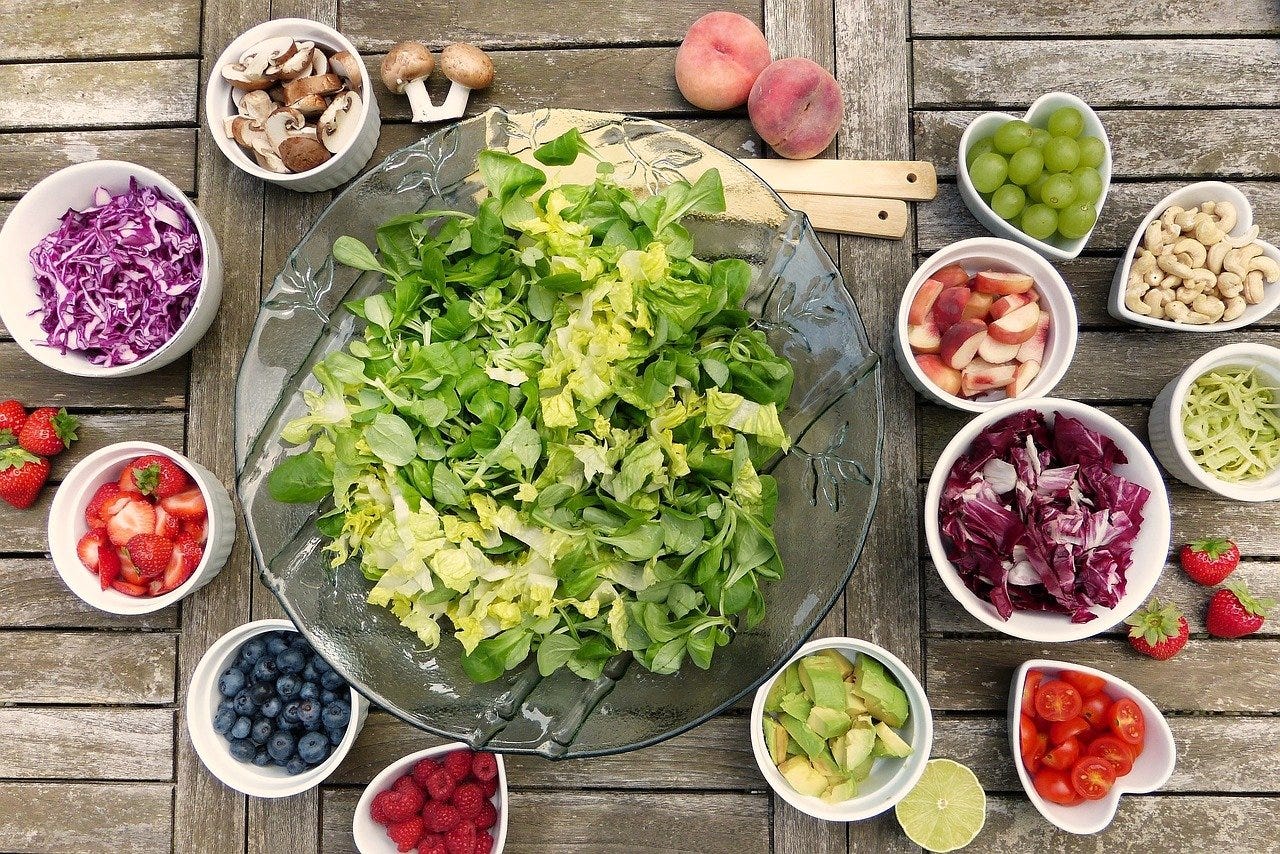
Indian cuisine occupies a cherished spot in hearts due to its culinary richness. The Indian diet is largely vegetarian in nature as well, but do you realize that when portions and macros are utilized correctly, it can become a tremendous boon for your health?
There exists a significant misconception that vegetarian diets do not sufficiently meet the body’s requirements, which is untrue. While a vegetarian diet may be deficient in certain nutrients, we can easily fulfill the body’s nutritional needs by combining foods or through fortification. For instance, by pairing rice and dal or beans, we achieve a complete protein – both brown and white rice are low in lysine yet high in methionine. Conversely, beans are rich in lysine but low in methionine. Over the years, the vegetarian diet has evolved effectively to ensure nutritional adequacy.
That being said, an Indian diet aimed at weight loss can truly be a dream come true. With this type of diet, you’re able to shed pounds while enjoying delightful recipes. Let’s explore an Indian diet plan template suitable for weight loss. Please remember to consult your dietician before starting any diet to tailor the plan according to your health objectives.
Note – This is a template of a diet plan based on an average male; for customization, always consult your dietician.
7 Day Diet Chart for Weight Loss Vegetarian
Day 1: The Energizing Start
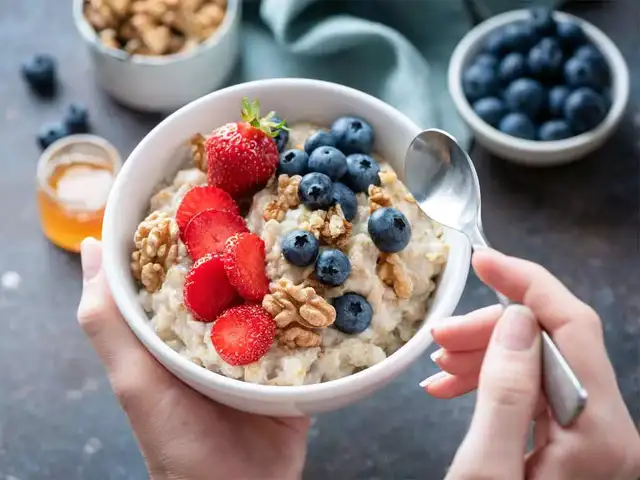
Breakfast
- Oatmeal prepared with milk or an unsweetened plant-based alternative
- Berries or another serving of fruit
- A small portion of nuts or seeds
- Oatmeal with diced nuts and seeds, or a bowl of sprouted moong dal.
Mid-Morning Snack
- One piece of fruit
Lunch
- Lentil soup
- Large mixed-vegetable salad
- One serving of whole-grain bread or another whole grain
- Brown rice with assorted vegetable curry, or a chickpea salad accompanied by whole wheat chapati.
Evening Snack
- Plain yogurt or unsweetened soy yogurt
- A handful of almonds or a piece of fruit.
Dinner
- Tofu with mixed vegetables
- Small serving of brown rice or quinoa
- Vegetable khichdi or a lentil soup served with whole wheat roti.
Focus: Fiber + protein + controlled portions.
Day 2: The Nutrient-Rich Day
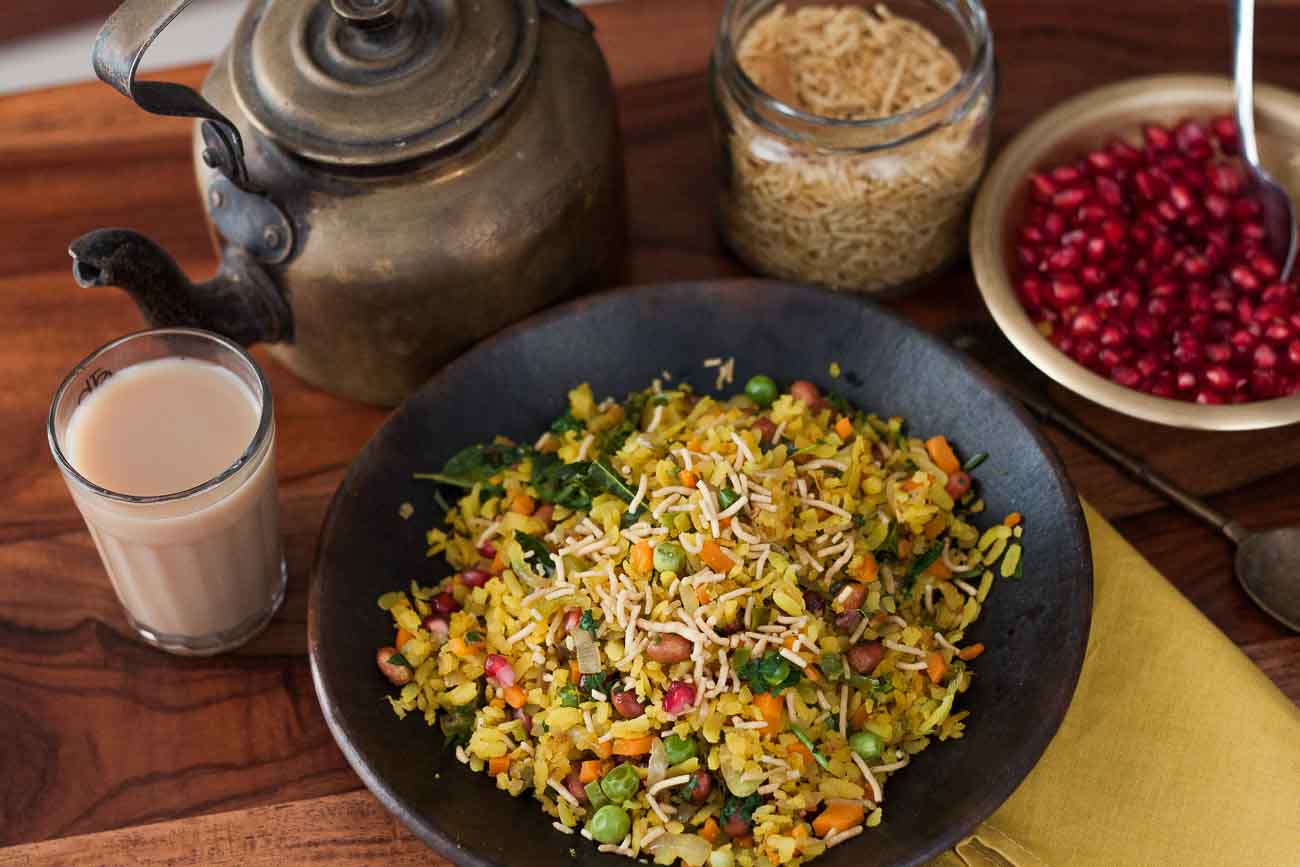
Breakfast
- Whole-grain toast
- Avocado in a moderate portion
- Tomato and cucumber
- Unsweetened tea or coffee
- A bowl of poha with onions and peanuts, or a vegetable and paneer paratha.
Mid-Morning Snack
- Apple, pear, orange, or another whole fruit
Lunch
- Chickpea and vegetable salad
- Whole-grain wrap or bread
- Plain yogurt if desired
- Dal makhani paired with brown rice, or a vegetable and paneer filled paratha.
Evening Snack
- A small handful of almonds or walnuts
- A bowl of curd or a glass of buttermilk.
Dinner
- Vegetable and bean soup
- Steamed vegetables
- Small serving of quinoa
- Vegetable stir-fry served with brown rice or quinoa.
Focus: Plant protein and high-fiber foods.
Day 3: The Good Balanced Food Day

Breakfast
- Greek yogurt or high-protein yogurt
- Fresh fruit
- Chia or flax seeds
- Small portion of oats
- A bowl of chana masala with whole wheat roti, or a vegetable omelette.
Mid-Morning Snack
- One fruit
Lunch
- Tofu or tempeh bowl
- Mixed vegetables
- Brown rice or another whole grain
- Vegetable biryani with salad, or a lentil and vegetable curry alongside whole wheat roti.
Evening Snack
- Carrot, cucumber, or bell-pepper sticks with hummus
- A bowl of fruit salad or a glass of milk.
Dinner
- Lentil and vegetable stew
- Side salad
- Vegetable and paneer filled paratha accompanied by a side of curd.
Focus: Increasing protein while keeping meals filling.
Day 4: The Filling and Wholesome Day

Breakfast
- Vegetable omelet if eggs are included in your vegetarian diet
OR - Tofu scramble with vegetables
- Whole-grain toast
- A bowl of upma with vegetables, or a vegetable and paneer paratha.
Mid-Morning Snack
- Fresh fruit
Lunch
- Bean and vegetable bowl
- Quinoa or brown rice
- Large serving of salad
- Vegetable and lentil curry served with brown rice, or a vegetable and paneer stuffed paratha.
Evening Snack
- Plain yogurt or unsweetened plant-based yogurt
- A bowl of curd or a glass of buttermilk.
Dinner
- Grilled tofu or tempeh
- Roasted vegetables
- Small serving of whole grains
- Vegetable khichdi served with a side salad.
Focus: Protein-rich foods throughout the day.
Day 5: The Body Refreshing Day

- Breakfast: A bowl of chana masala with whole wheat roti, or a vegetable and paneer paratha.
- Lunch: Vegetable biryani with salad, or a lentil and vegetable curry alongside whole wheat roti.
- Snack: A bowl of fruit salad or a glass of milk.
- Dinner: Vegetable and paneer stuffed paratha accompanied by a side of curd.
Breakfast
- Oatmeal with fruit
- Chia or flax seeds
- Small portion of nuts
Mid-Morning Snack
- Fresh fruit
Lunch
- Chickpea, bean, or lentil salad
- Whole-grain bread or quinoa
- Mixed vegetables
Evening Snack
- Plain yogurt or hummus with vegetables
Dinner
- Tofu or bean vegetable bowl
- Large salad
- Small serving of whole grains
Focus: Finish the week with a balanced, sustainable meal pattern.
Day 6: The Day of Smart Choices

- Breakfast: A bowl of poha with onions and peanuts, or a vegetable and paneer paratha.
- Lunch: Dal makhani served with brown rice, or a vegetable and paneer stuffed paratha.
- Snack: A bowl of curd or a glass of buttermilk.
- Dinner: Vegetable stir-fry served with brown rice or quinoa.
Day 7: At Last a Satisfying End

- Breakfast: Oatmeal with diced nuts and seeds, or a bowl of sprouted moong dal.
- Lunch: Brown rice with assorted vegetable curry, or a chickpea salad served with whole wheat chapati.
- Snack: A handful of almonds or a piece of fruit.
- Dinner: Vegetable khichdi or a lentil soup served with whole wheat roti.
Tips for Success:
- Plan Your Meals: Prepare your meals in advance to prevent unhealthy choices.
- Don’t Skip Meals: Consuming regular meals helps manage your metabolism.
- Listen to Your Body: Be aware of your hunger and fullness signals.
- Be Patient: Weight loss requires time and consistency.
- Consult a Professional: If you have any health issues, speak with a doctor or registered dietitian before making significant dietary changes.
Note – This is a template of a diet plan based on an average male; for customization, always consult your dietician.
Important Question ! Can You Lose Weight in 7 Days?
If you follow the plan, you can lose 1–2 kg in a week. However, don’t be alarmed if it doesn’t happen right away. Not everyone’s body is the same. Weight loss can happen fast for some individuals, while it takes others longer to lose weight. What truly matters? Reliability. These seven days serve as a springboard rather than a magic trick. Keep up your healthy diet, frequent exercise, and self-compassion. The energy will increase as the weight decreases. Have faith in the procedure. Also, keep in mind that steady advancement is also important!
Best Vegetarian Foods for Weight Loss
When following a 7 day diet chart for weight loss vegetarian, prioritize foods that provide protein and fiber without excessive calories.
Protein-rich vegetarian foods
- Lentils
- Chickpeas
- Beans
- Peas
- Tofu
- Tempeh
- Soy products
- Greek yogurt
- Cottage cheese or other suitable dairy products
- Eggs, if included in your vegetarian diet
- Nuts and seeds
High-fiber foods
- Vegetables
- Whole fruits
- Beans
- Lentils
- Oats
- Whole grains
- Chia seeds
- Flax seeds
Protein and fiber can help meals feel more satisfying, which may make calorie control easier.
Foods to Limit During Vegetarian Weight Loss
Being vegetarian does not automatically mean a diet is low in calories.
Some vegetarian foods can be highly calorie-dense or heavily processed.
Limit portions of:
- Sugary drinks
- Sweetened coffee and tea
- Cakes and pastries
- Cookies
- Candy
- Deep-fried foods
- Highly processed snack foods
- Large amounts of cheese
- Sugary cereals
- Excessive sauces and dressings
- Large portions of nuts and nut butter
- Alcohol
You do not necessarily need to completely eliminate these foods. Portion control and overall dietary pattern are more important for long-term sustainability.
How Much Protein Do You Need on a Vegetarian Weight-Loss Diet?
Protein is particularly important during weight loss because maintaining adequate protein intake can help support muscle mass when combined with resistance exercise.
Good vegetarian protein sources include:
- Lentils
- Beans
- Chickpeas
- Tofu
- Tempeh
- Soy foods
- Greek yogurt
- Cottage cheese
- Eggs
- Nuts and seeds
Your ideal protein intake depends on factors such as body weight, age, activity level, health status, and fitness goals. A dietitian can calculate an individualized target.
Can You Lose Weight in 7 Days?
Within seven days, you may notice a difference in your body weight; however, quick scale changes don’t always indicate a reduction in body fat.
Changes include:
- Retaining water
- Glycogen Reserves
- Food intake
- Ingestion of sodium
- Contents of the bowel
might result in changes in body weight.
Attempting to shed a significant amount of weight in a single week is typically not the focus of a sustainable weight-loss strategy; instead, it tends to emphasize incremental advancement.
A vegetarian 7-day diet chart for weight loss should therefore prioritize forming better eating habits rather than pledging a certain number of kilos of weight reduction.
How to Make This 7-Day Vegetarian Diet More Effective
1. Portion management
Calories are present in even healthy meals. Weight reduction might be more difficult if you consume huge amounts of calorie-dense meals like nuts, seeds, cheese, oils, and grains.
2. Eat protein with every major meal.
Try to incorporate a healthy protein source into your supper, lunch, and breakfast.
3. Include Additional Veggies in Your Diet
Generally, vegetables have little calories while adding bulk and fiber to meals.
4. Select whole fruit rather than fruit juice.
In general, whole fruit has more fiber and may be more satisfying than juice.
5. Consume enough water
For a healthy body to operate, water is necessary. In addition, choosing water over sugar-sweetened beverages might help you avoid ingesting unneeded calories.
6. Exercise frequently
Incorporate regular exercise with nutritional adjustments.
Cycling, swimming, resistance training, walking, and other exercises can help maintain a healthy weight and improve general health.
7. Get Enough Sleep
Healthy eating and appetite control can be more challenging for some individuals who get little sleep.
8. Keep an eye on your development.
Think about looking at patterns over a few weeks rather than only depending on daily scale measurements.
Common Mistakes on a Vegetarian Weight-Loss Diet
Even if a vegetarian diet is primarily composed of fried foods, sweets, refined carbohydrates, or huge servings, it may still result in weight gain.
Mistakes that are frequently made include:
- Consuming insufficient protein
- excessive calorie consumption
- Overeating nuts
- Utilizing an excessive amount of cooking oil
- using excessively processed vegetarian meals instead of meat
- Skipping meals and being very hungry afterwards
- Unnecessarily excluding entire food categories
- anticipating a significant loss of weight within a week
Before starting a weight-loss diet, who should consult a professional?
If you: are going to make substantial changes to your diet, consult with a registered dietitian or a healthcare expert.
- Be diabetic
- Suffer from renal disease
- Have liver disease.
- Have a history of consuming disorders
- Do pregnant women have a higher risk of developing gestational diabetes?
- Is breastfeeding
- Take medication that is influenced by food consumption
- Are Underweight
- Are you a child or an adolescent?
- suffer from another serious medical ailment
Instead of a universal seven-day diet chart, a customized plan can be more appropriate and safer.
1. Is a plant-based diet helpful for shedding pounds?
A properly designed vegetarian diet can help you lose weight if you eat enough protein, fiber, essential nutrients, and calories overall.
2. Is it possible for me to lose weight by just sticking to this strategy for seven days?
While seven days can aid in creating healthier eating routines, significant long-term weight control typically necessitates consistency that extends beyond a single week.
3. Can I use beans instead of tofu?
Yes. Legumes, such as beans, lentils, chickpeas, and peas, may be a good source of plant protein.
4. Am I allowed to consume snacks during a weight loss diet?
Yup. Make wise decisions when selecting nutrient-rich snacks, and maintain appropriate serving sizes to meet your caloric needs.
5. During weight loss, may fruit be consumed?
Yes. As part of a healthy diet to lose weight, whole fruit might be included.
6. Is it possible for vegetarians to obtain sufficient protein?
Yes. Legumes, soy products, dairy items, eggs (if included), nuts, seeds, and whole grains can all provide protein in a varied vegetarian diet.
7. Should I stay away from carbohydrates entirely?
No. Legumes, fruits, vegetables, and whole grains can all be included in a healthy diet. The quantity and type of carbohydrate are important.
8. Is it possible to repeat this 7-day dinner plan?
The plan can be used as a guide, but repeating the identical meals indefinitely may limit dietary variety. Choose from a variety of protein sources, grains, fruits, vegetables, and legumes.
9. What beverages should I consume on a vegetarian weight loss plan?
A great main option is water. Tea or coffee without sugar can also be part of a healthy diet.
10. What is the key to losing weight successfully?
Following a perfect seven-day regimen is less essential than long-term consistency. Effective weight management can be achieved via sustainable eating habits, sufficient calorie intake, physical exercise, sleep, and consistent monitoring.
Final Thoughts: Vegetarian Diet Plan for Weight Reduction in 7 Days
For a healthier eating habit, a 7-day weight loss vegetarian diet chart might be a wonderful starting point. Instead of concentrating on intense restriction or speedy weight loss, focus on vegetables, fruits, legumes, whole grains, vegetarian protein sources, healthy fats, enough hydration, and sensible portions.
The optimal diet is one that offers sufficient nourishment and may be adhered to regularly for an extended period of time.
Disclaimer: This material is provided for educational reasons only and is not a substitute for specialized medical or nutritional advice. Each person has different dietary needs. Seek advice from a licensed healthcare provider or registered dietitian before beginning any weight reduction plan, especially if you have a medical problem or are taking medication.
Medical Disclaimer
Medical Disclaimer: This article is for general educational purposes only and is not a substitute for personalized medical or dietary advice. Individual nutritional and weight-loss needs vary. Consult a doctor or registered dietitian before starting a weight-loss diet, especially if you have a medical condition, are pregnant, breastfeeding, or take medications.
Weight loss– Categorized Internal Linking List
1. Weight-Loss Diet Plans
- PCOD Diet Chart for Weight Loss
https://healthuseful.com/pcod-diet-chart-for-weight-loss/ - Diet Chart for Weight Loss for Female
https://healthuseful.com/diet-chart-for-weight-loss-for-female/
2. Foods for Weight Loss
- 16 Foods to Eat to Lose Weight Fast
https://healthuseful.com/16-foods-to-eat-to-lose-weight-fast/ - Can I Eat Eggs to Lose Weight Fast?
https://healthuseful.com/can-i-eat-eggs-to-lose-weight-fast/
3. Exercise for Weight Loss
- Fastest Weight Loss Exercise
https://healthuseful.com/fastest-weight-loss-exercise/
4. Vegetables and Weight Loss
- Are Cruciferous Vegetables Good for Weight Loss?
https://healthuseful.com/are-cruciferous-vegetables-good-for-weight-loss/
Medical References
- NHS – The Vegetarian Diet
- NHS – Eating a Balanced Diet
- CDC – Healthy Weight & Weight Loss Guidance
- CDC – Physical Activity Guidelines