Last medically reviewed: October 12, 2026
Introduction
Have your ears ever felt plugged, muffled, or waterlogged for days after a cold or flight — no matter how many times you swallow or yawn? That stuck, pressurised feeling is one of the classic eustachian tube dysfunction symptoms. The eustachian tube is a tiny channel that connects the middle ear to the back of your throat. When it fails to open and close properly, air pressure and fluid balance go out of sync, and your hearing, balance, and comfort all suffer. In this comprehensive, evidence-based guide, we unpack every one of the common and lesser-known eustachian tube dysfunction symptoms so you can recognize the problem early, treat it correctly, and prevent complications.
What Is Eustachian Tube Dysfunction?
📑 Table of Contents
- Introduction
- What Is Eustachian Tube Dysfunction?
- Core Eustachian Tube Dysfunction Symptoms
- Types of ETD & Their Symptom Patterns
- Causes & Triggers
- Risk Factors
- Symptoms in Children vs Adults
- How ETD Is Diagnosed
- Home Remedies & Self-Help
- Medical Treatments
- When to See a Doctor
- Potential Complications
- Prevention Tips
- Watch: Expert YouTube Video
- Summary
- Frequently Asked Questions
- Conclusion
- Disclaimer
- References
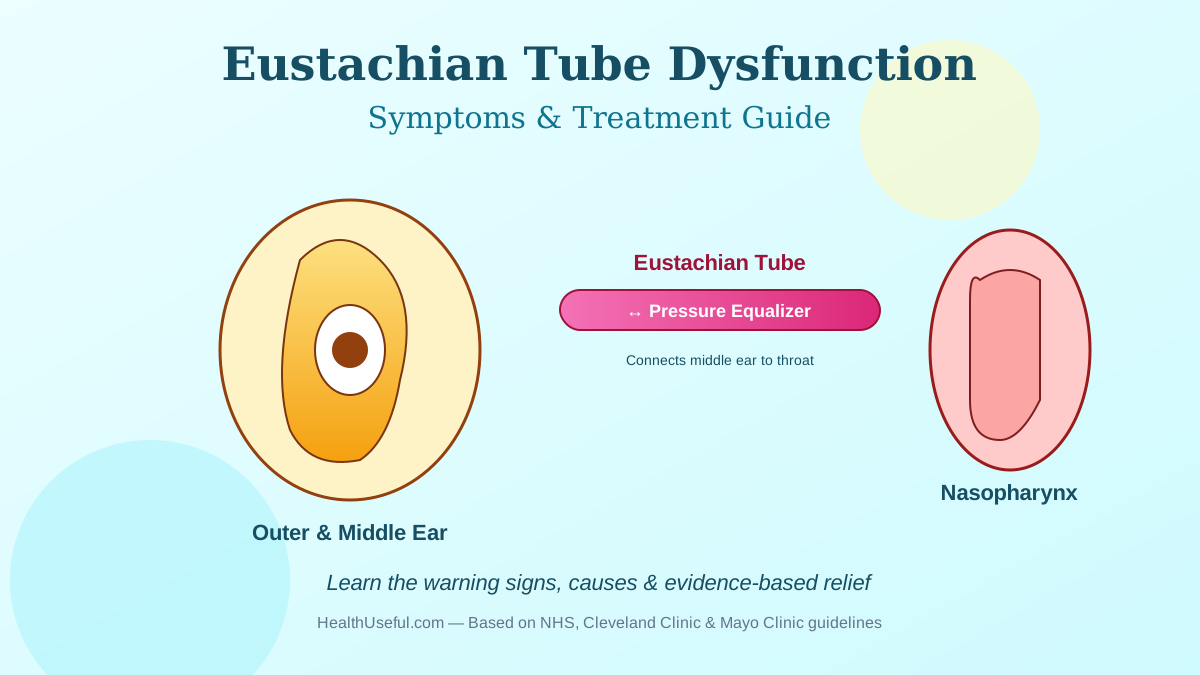
The eustachian tube (also called the auditory tube or pharyngotympanic tube) is a narrow, 3–4 cm channel lined with mucous membrane that links the tympanic cavity of the middle ear to the nasopharynx. Each time you swallow or yawn, the tube briefly opens, letting air in or out so pressure on both sides of the tympanic membrane (eardrum) stays balanced. When this delicate mechanism breaks down, the condition is called Eustachian tube dysfunction (ETD), and the resulting eustachian tube dysfunction symptoms can range from mildly annoying to severely disabling. According to the Cleveland Clinic, ETD affects roughly 1% of adults in some form and up to 40% of children at some point.
Core Eustachian Tube Dysfunction Symptoms
Most people develop a cluster of hallmark complaints. The classic eustachian tube dysfunction symptoms, confirmed across NHS, Cleveland Clinic, Mayo Clinic, and Merck Manual sources, include the following.
1. Ear Fullness or Pressure
A feeling that your ears are “plugged,” “stuffed,” or “filled with water.” This is often the first and most persistent sign of all eustachian tube dysfunction symptoms, caused by negative pressure pulling the eardrum inward.
2. Muffled or Underwater Hearing
Also called conductive hearing loss. Sound struggles to pass through a middle ear that cannot vibrate freely because of pressure imbalance or trapped fluid (middle ear effusion).
3. Popping, Clicking, or Crackling Sounds
When the eustachian tube partially opens, you may hear snapping, clicking, or Rice-Krispies-like noises. These sounds are among the most reported eustachian tube dysfunction symptoms, especially during swallowing or altitude change.
4. Ear Pain (Otalgia)
Pressure stretching the eardrum can cause sharp or aching ear pain, often mistaken for an ear infection.
5. Tinnitus (Ringing in the Ears)
A low-pitched hum, buzz, or ringing can accompany ETD, caused by altered middle-ear mechanics.
6. Dizziness & Balance Problems
Because the inner-ear vestibular system is adjacent, pressure imbalance can cause unsteadiness, lightheadedness, or true vertigo.
7. Autophony (Hearing Your Own Voice Too Loud)
A hallmark of patulous ETD, your voice and breathing echo loudly inside your head because the tube stays open.
8. Difficulty Equalising on Planes or Underwater
Sharp pain during descent in a plane, scuba diving, or driving down a mountain is a classic trigger of baro-challenge-induced ETD.
9. Nasal Congestion & Sinus Pressure
Because the tube opens into the nasopharynx, many eustachian tube dysfunction symptoms accompany sinus inflammation, allergies, or post-nasal drip.
10. Cough or Throat Clearing
Chronic mucus drainage down the throat irritates the eustachian opening and perpetuates symptoms.
Types of ETD & Their Symptom Patterns
Causes & Triggers of Eustachian Tube Dysfunction Symptoms
Understanding what triggers these eustachian tube dysfunction symptoms is key to prevention. The Merck Manual and Harvard Medical School cite the following leading causes:
Infection & Inflammation
- Upper respiratory tract infections (colds, flu, COVID-19)
- Acute and chronic sinusitis
- Allergic rhinitis and hay fever
- Enlarged adenoids (especially in children)
- Chronic rhinosinusitis with nasal polyps
Mechanical & Structural Factors
- Deviated nasal septum
- Cleft palate (anatomical risk factor)
- Nasal polyps or tumours
- Scar tissue after prior surgery or radiation
Environmental & Lifestyle Triggers
- Barometric pressure changes: flying, scuba diving, mountain driving
- Tobacco smoke and secondhand smoke exposure
- Air pollution
- Laryngopharyngeal reflux (LPR) inflaming the nasopharynx
- Hormonal shifts, especially in pregnancy
Patulous-Specific Causes
- Rapid weight loss
- Severe dehydration
- Pregnancy
- Neurological conditions affecting tube muscles
Risk Factors
Several groups face a higher risk of persistent eustachian tube dysfunction symptoms:
- Children under 7 — their eustachian tubes are shorter and more horizontal
- People with allergies or chronic sinus disease
- Smokers and those exposed to secondhand smoke
- Frequent flyers, divers, and climbers
- People with cleft palate or craniofacial anomalies
- Those with GERD or LPR
- Immunocompromised patients
Symptoms in Children vs Adults
While core eustachian tube dysfunction symptoms are similar, presentation differs because children can’t easily describe sensations.
| Feature | Children | Adults |
|---|---|---|
| Most common sign | Tugging ears, irritability | Fullness, muffled hearing |
| Pain level | Often cries, poor sleep | Variable, often tolerable |
| Common trigger | Enlarged adenoids, colds | Allergies, flights, reflux |
| Risk of complications | Higher — recurrent otitis media | Lower but possible |
| Typical treatment | Watchful waiting, ear tubes | Decongestants, nasal steroids, balloon dilation |
How Eustachian Tube Dysfunction Is Diagnosed
Correctly identifying eustachian tube dysfunction symptoms requires a professional work-up by a GP, audiologist, or otolaryngologist (ENT). Standard investigations include:
Clinical Tests Used
- Otoscopy: visual inspection of the eardrum, checking for retraction, dullness, or fluid.
- Pneumatic otoscopy: puffs of air test eardrum mobility.
- Tympanometry: measures middle ear pressure and eardrum compliance (a flat, type B trace suggests fluid).
- Pure-tone audiometry: identifies conductive hearing loss.
- Nasal endoscopy: examines the nasopharynx for inflammation, polyps, or masses.
- Eustachian Tube Dysfunction Questionnaire (ETDQ-7): validated 7-item patient score.
- Valsalva maneuver assessment: observed on otoscopy to see if the eardrum moves.
Home Remedies & Self-Help for Eustachian Tube Dysfunction Symptoms
Many episodes resolve within 1–2 weeks with simple at-home techniques endorsed by the NHS and Cleveland Clinic.
Pressure-Equalisation Techniques
Other Self-Help Measures
- Steam inhalation with menthol or eucalyptus
- Saline nasal irrigation (neti pot or spray) to clear congestion
- Warm compress on the ear
- Chewing gum or sucking boiled sweets during descent on flights
- Staying well hydrated to thin mucus
- Sleeping with the head elevated to reduce nasal pressure
- Over-the-counter antihistamines if allergies play a role
- Short-term oral or topical nasal decongestants (max 3 days to avoid rebound)
Pro Tip
Before flying with a cold, use a fluticasone or mometasone nasal spray 24 hours in advance and swallow or yawn frequently during ascent and descent to minimise eustachian tube dysfunction symptoms during the flight.
Medical Treatments
When home measures don’t work after 2–3 weeks, your ENT may escalate care. The Mayo Clinic and Harvard Medical School outline the following stepwise approach.
First-Line Medications
- Intranasal corticosteroid sprays (fluticasone, mometasone, budesonide) — first-line for allergy-driven ETD
- Oral antihistamines (cetirizine, loratadine, fexofenadine)
- Short course of oral decongestants (pseudoephedrine) under medical guidance
- Proton pump inhibitors if LPR is contributing
- Antibiotics only when bacterial sinus or ear infection is confirmed
Procedural Options
Myringotomy
A small surgical incision in the eardrum to drain trapped fluid, relieving pressure instantly.
Tympanostomy (Ear) Tubes
Small grommets placed in the eardrum keep the middle ear ventilated for 6–18 months — the gold standard for recurring pediatric ETD.
Balloon Eustachian Tuboplasty (BET)
Approved by the FDA in 2016, a tiny balloon catheter is passed through the nose and inflated inside the eustachian tube, reshaping tissue to improve opening. Clinical trials show BET significantly improves eustachian tube dysfunction symptoms on the ETDQ-7 score in roughly 50–80% of adults.
Adenoidectomy
Removing enlarged adenoids helps children with persistent ETD or recurrent middle-ear infections.
Patulous ETD Therapy
Treatment is distinct: nasal saline drops, weight restoration, estrogen cream (in select cases), or surgical shim/augmentation of the tube opening.
When to See a Doctor
Book an urgent appointment if you experience any of these red-flag eustachian tube dysfunction symptoms:
- Symptoms lasting more than 2–3 weeks
- Severe or worsening ear pain
- Significant hearing loss
- Bleeding or discharge from the ear
- High fever or systemic illness
- Severe vertigo or balance loss
- Facial weakness or numbness
- Symptoms only on one side in an adult (to rule out nasopharyngeal mass)
Potential Complications of Untreated ETD
Ignoring persistent eustachian tube dysfunction symptoms can occasionally lead to:
- Otitis media with effusion (OME) — fluid in the middle ear
- Acute otitis media — bacterial middle-ear infection
- Chronic otitis media
- Tympanic membrane retraction or perforation
- Cholesteatoma — abnormal skin cyst that can erode bone
- Permanent conductive hearing loss
- Impaired speech development in young children
Prevention Tips to Reduce Eustachian Tube Dysfunction Symptoms
Consistent habits can keep flare-ups at bay:
- Treat allergies and chronic sinus disease proactively
- Avoid tobacco smoke and air pollution
- Manage GERD / LPR with diet and medication
- Stay well hydrated
- Pre-medicate before flights or dives if prone to ETD
- Teach children safe nose-blowing (one nostril at a time)
- Use humidifiers in dry climates
- Vaccinate against influenza and pneumococcus
Watch: Expert YouTube Video on Eustachian Tube Dysfunction
For a visual walkthrough from leading ENT specialists on recognising and relieving ETD, we recommend this freely available educational video:
👉 Watch on YouTube: “Eustachian Tube Dysfunction Symptoms Explained by an ENT Surgeon”
Summary
Eustachian tube dysfunction is a common ENT condition where the tube connecting your middle ear and throat fails to open or close normally. The main eustachian tube dysfunction symptoms include ear fullness, muffled hearing, popping or clicking, ear pain, tinnitus, dizziness, autophony, and difficulty equalising pressure. Causes include colds, allergies, sinusitis, reflux, pressure changes, and anatomical factors. Diagnosis combines otoscopy, tympanometry, audiometry, and nasal endoscopy. Most cases improve with home measures, intranasal corticosteroids, and antihistamines; refractory cases may need myringotomy, ear tubes, or balloon eustachian tuboplasty. Seek urgent care if symptoms last beyond three weeks or include severe pain, bleeding, or hearing loss.
Frequently Asked Questions (FAQs)
Q1. How long do eustachian tube dysfunction symptoms usually last?
Most mild cases improve within 1–2 weeks. If eustachian tube dysfunction symptoms persist beyond 2–3 weeks, see an ENT.
Q2. Can eustachian tube dysfunction go away on its own?
Yes — most episodes self-resolve as the underlying cold, allergy, or pressure change clears. Chronic cases, however, usually need medical help.
Q3. What is the fastest way to relieve ETD at home?
Chewing gum, yawning widely, the gentle Valsalva maneuver, or inflating an Otovent balloon are the quickest home remedies for eustachian tube dysfunction symptoms.
Q4. Are decongestants safe for eustachian tube dysfunction?
Short-term use (up to 3 days) is safe for most adults. Topical sprays beyond 3 days can cause rebound congestion that worsens eustachian tube dysfunction symptoms.
Q5. Can allergies cause chronic ETD?
Absolutely. Allergic rhinitis is one of the most common chronic triggers of eustachian tube dysfunction symptoms. Daily nasal corticosteroid sprays can prevent flare-ups.
Q6. Is eustachian tube dysfunction the same as an ear infection?
No — ETD is a pressure/fluid problem, while otitis media is an active infection. However, prolonged ETD can lead to infection.
Q7. Can anxiety or stress make ETD worse?
Yes. Stress can heighten awareness of tinnitus, trigger teeth grinding (which affects jaw muscles near the tube), and worsen reflux — all of which amplify eustachian tube dysfunction symptoms.
Q8. What is balloon eustachian tuboplasty, and does it work?
It’s a minimally invasive outpatient procedure where a tiny balloon widens the eustachian tube from inside the nose. Studies show meaningful improvement in 50–80% of adults with chronic obstructive ETD.
Q9. Can children outgrow eustachian tube dysfunction?
Yes. As children grow, the tube lengthens and tilts more vertically, so most pediatric eustachian tube dysfunction symptoms resolve by age 7.
Q10. Is ETD linked to COVID-19?
Yes. Studies published after 2020 found that COVID-19 can trigger temporary ETD-like symptoms through mucosal inflammation of the nasopharynx.
Conclusion
While often dismissed as a trivial nuisance, persistent eustachian tube dysfunction symptoms can disrupt sleep, hearing, balance, and quality of life. The good news: understanding the warning signs, triggers, and evidence-based treatments gives you a clear path to relief. Most cases improve with simple pressure-equalisation techniques and treating the underlying cause — allergies, infections, or reflux. When symptoms linger beyond 2–3 weeks or involve pain, bleeding, or hearing loss, see an ENT; modern options like balloon eustachian tuboplasty make lasting relief possible. Early action is the strongest predictor of a complete recovery.
Disclaimer
Medical Disclaimer: This article is for informational and educational purposes only and does not constitute medical advice, diagnosis, or treatment. Information on eustachian tube dysfunction symptoms is drawn from peer-reviewed research and recognised medical institutions, but every individual’s clinical situation is unique. Always consult a qualified otolaryngologist (ENT), audiologist, or primary care provider for personalised diagnosis and a treatment plan. Never ignore professional medical advice or delay seeking it based on anything you have read here. In the event of a medical emergency, call your local emergency number immediately. HealthUseful.com and the authors do not assume liability for any outcomes resulting from use of the information in this article.
References
- Cleveland Clinic. Eustachian Tube Dysfunction. clevelandclinic.org
- NHS Chelsea and Westminster Hospital. Eustachian Tube Dysfunction Patient Leaflet. chelwest.nhs.uk
- NHS Rotherham Foundation Trust. Advice and Treatment for Eustachian Tube Dysfunction. therotherhamft.nhs.uk
- Merck Manual Professional. Eustachian Tube Dysfunction. msdmanuals.com
- Mayo Clinic. Ear Barotrauma and Eustachian Tube Problems. mayoclinic.org
- Harvard Medical School / Harvard Health Publishing. What to Do When Your Ears Won’t Pop.
- American Academy of Otolaryngology–Head and Neck Surgery (AAO-HNS). Clinical Guideline: Otitis Media with Effusion.
- Smith ME, Tysome JR. Tests of Eustachian Tube Function: A Review. Clinical Otolaryngology, 2015.
- Poe DS, et al. Balloon Dilation of the Cartilaginous Eustachian Tube. Otolaryngology–Head and Neck Surgery, 2011.
- McCoul ED, Anand VK. Eustachian Tube Dysfunction Questionnaire (ETDQ-7). Laryngoscope, 2012.
- WHO. Prevention of Hearing Loss and Ear Diseases. who.int
© 2026 HealthUseful.com — Found this guide helpful? Share it with someone struggling with ear pressure problems.