Anal Fissure Causes: Why Tears Develop and Who Is at Risk-various aspects-
Medically reviewed By ENT and respiratory health specialist — Dr. Sagar Rajkuwar, MS-ENT. Clinic Website: www.entspecialistinnashik.com
Health education article | HealthUseful.com
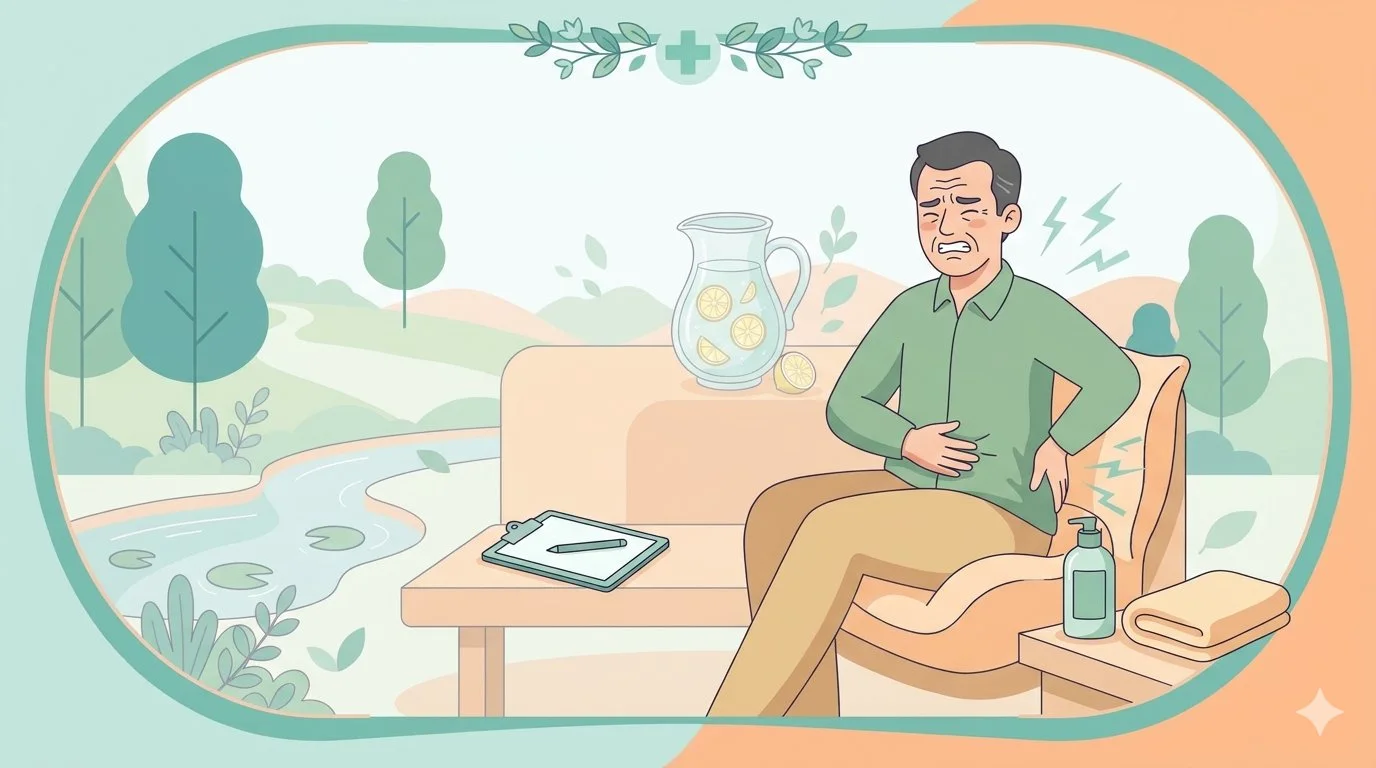
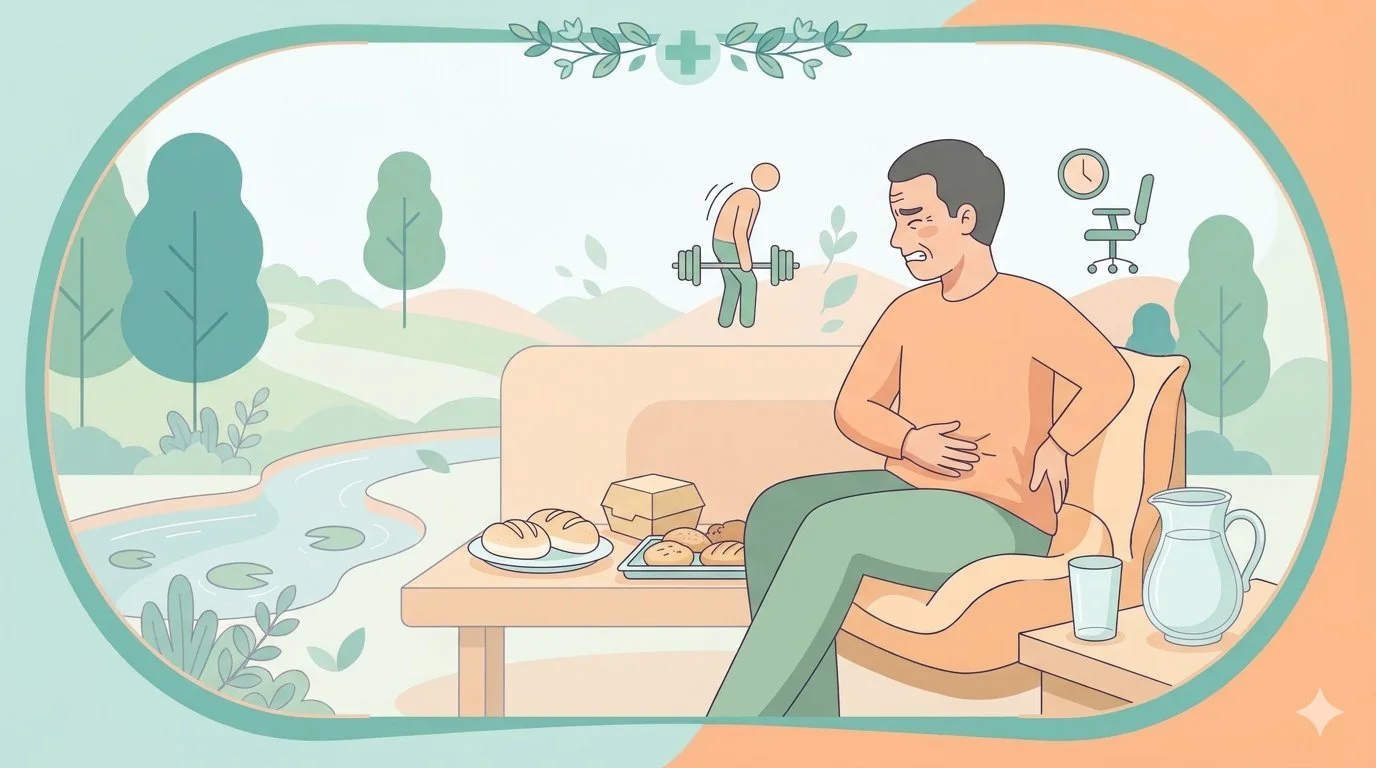
The most common anal fissure causes are mechanical injury from passing hard or large stools, constipation and straining. Repeated diarrhoea can also irritate and damage the anal lining. Childbirth and some anal procedures or sexual activity may cause trauma. In some people, increased tension in the internal anal sphincter reduces blood flow to the area and makes healing more difficult.
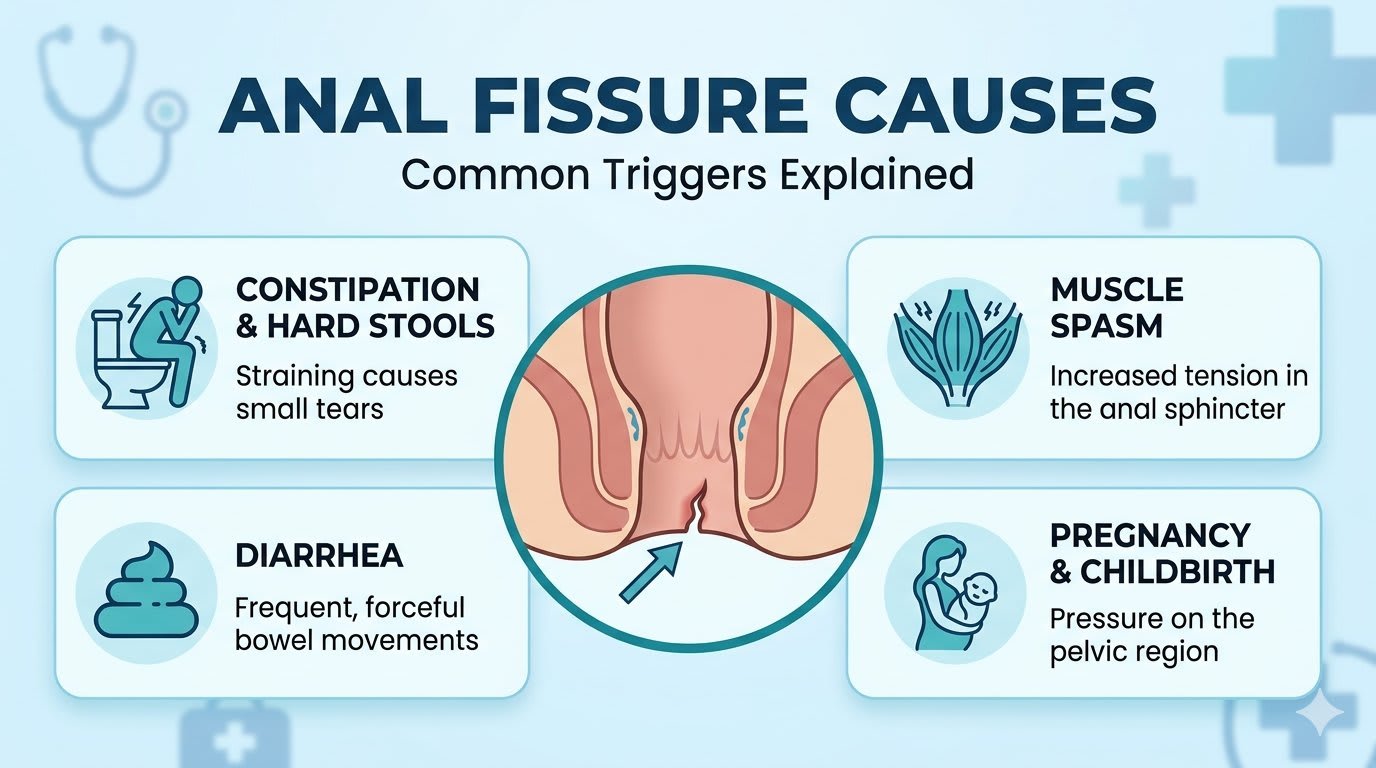
Table of contents
- Main guide
- Safe self-care
- When to seek medical care
- Frequently asked questions
- Summary and conclusion
Common causes of anal fissures
Constipation and hard stool
Dry, bulky stool stretches the anal canal and can split its delicate lining. Repeated straining adds pressure and may reopen a tear before it heals.Frequent diarrhoea
Repeated loose bowel movements and frequent wiping can inflame and irritate the anal opening. Chronic diarrhoea should be assessed because it may have an underlying cause.Childbirth
Anal fissures can occur around pregnancy and after vaginal delivery. Changes in bowel habits, pressure and tissue trauma may contribute.Local trauma
Anal intercourse, insertion of objects or some medical procedures can injure the anal lining. Avoid inserting anything when there is pain or bleeding, and discuss symptoms honestly with a clinician.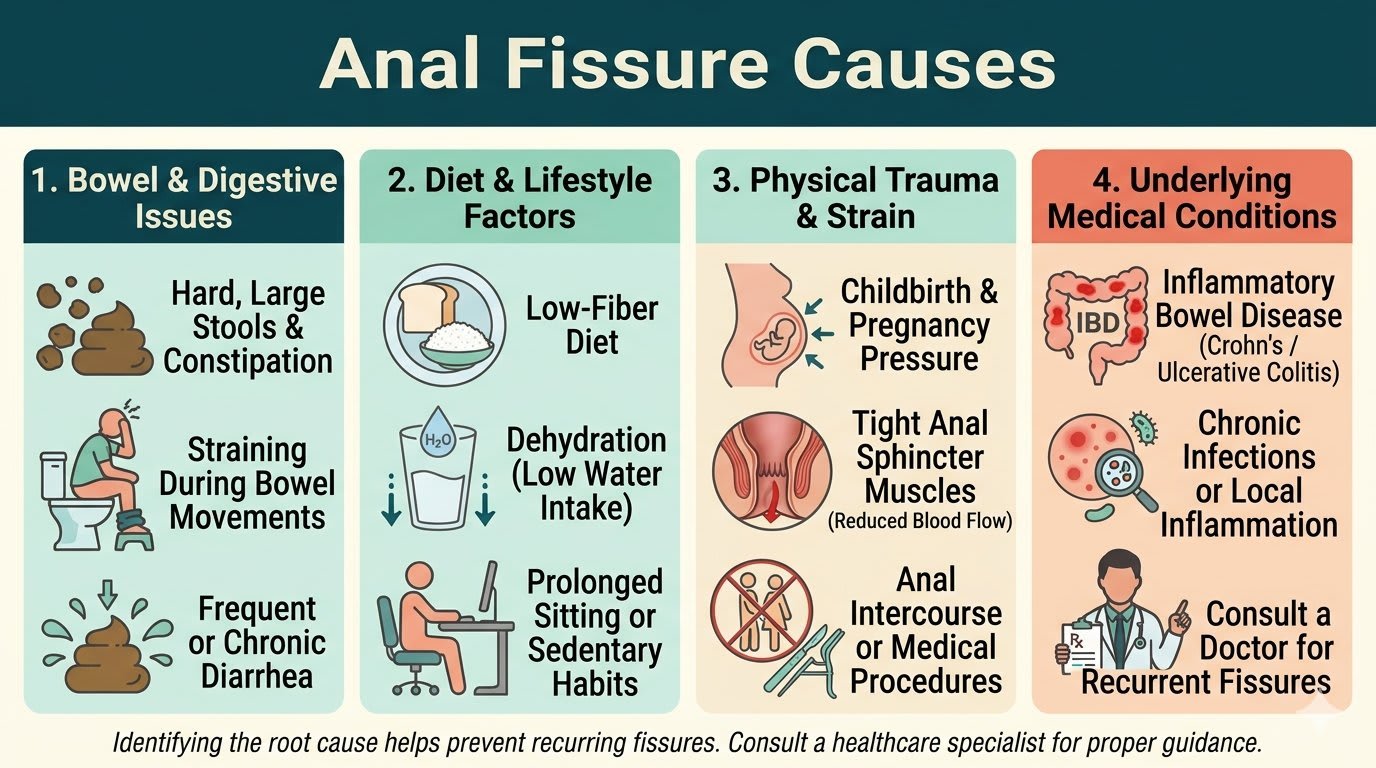
Why some fissures become chronic
The internal anal sphincter may remain in spasm after the tear occurs. Increased resting pressure can reduce local blood flow, making repair slower. Pain can then lead to withholding stool, worsening constipation and restarting the cycle. This is one reason prescription sphincter-relaxing ointments may be used for chronic fissures.Medical conditions associated with fissures
Multiple, off-midline, recurrent or non-healing fissures can sometimes be associated with Crohn’s disease or other inflammatory bowel disease, infections such as syphilis or herpes, tuberculosis, HIV-related disease or, rarely, anal cancer. These are not the usual explanation for a typical single midline fissure, but atypical features need medical evaluation.Risk factors you can modify
- Low-fibre eating patterns and inadequate fluid intake where medically appropriate.
- Ignoring the urge to pass stool.
- Repeated straining and prolonged toilet sitting.
- Unmanaged constipation or chronic diarrhoea.
- Low physical activity when it contributes to constipation.
Prevention: address the cause, not only the pain
Build fibre gradually, maintain suitable hydration, stay active, respond to the urge to defecate and seek help for persistent bowel changes. Review constipating medicines with the prescriber rather than stopping them yourself.Safe self-care that supports healing
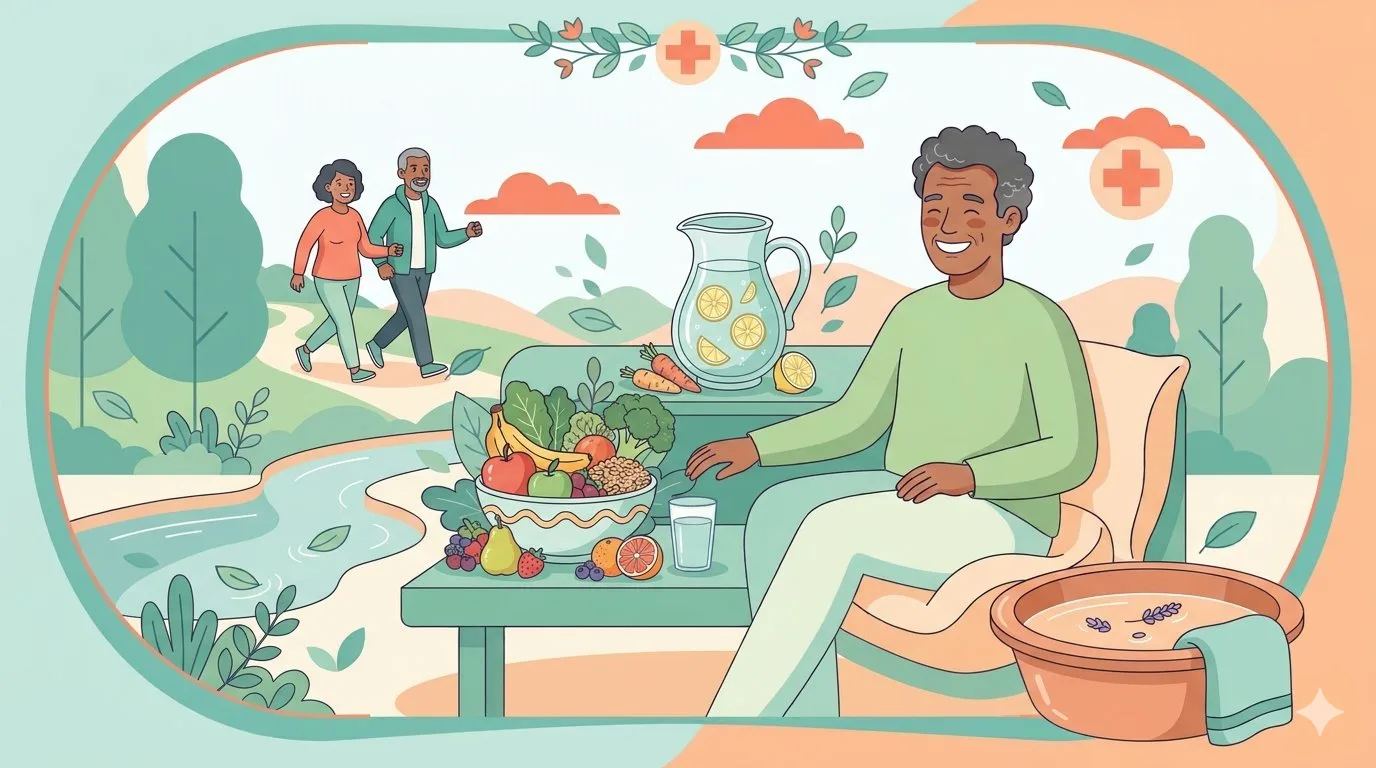
For many uncomplicated fissures, the foundation of treatment is to make bowel movements soft, formed and easy to pass. Increase dietary fibre gradually through vegetables, fruit, pulses, oats and whole grains. Drink adequate fluid unless a clinician has prescribed a fluid restriction. A fibre supplement such as psyllium may help some people; introduce it gradually and take it with the amount of water stated on the product label. If constipation continues, ask a clinician or pharmacist whether an appropriate laxative is needed. A warm, shallow sitz bath for around 10–20 minutes, particularly after a bowel movement, may soothe discomfort and relax the anal sphincter. Clean the area gently with water and pat dry. Avoid forceful wiping, fragranced soaps and irritating home remedies. Do not delay a bowel movement when you feel the urge, and do not sit on the toilet for long periods or strain.Practical bowel-habit checklist
- Go when the urge comes; do not repeatedly postpone stool.
- Allow time but avoid prolonged toilet sitting or phone scrolling.
- Do not push hard or hold your breath while passing stool.
- Keep a simple record of stool consistency, pain and bleeding to discuss at review.
- Address both constipation and frequent diarrhoea, because either can irritate the anal canal.
When to seek medical care
Arrange a medical assessment for anal pain or rectal bleeding rather than assuming the cause is a fissure or piles. Seek prompt care if pain is severe, symptoms are worsening, or there is no improvement after about seven days of self-care. Fever, chills, pus or constant throbbing pain may indicate an anal abscess or another infection and need urgent assessment. Heavy or continuous bleeding, large clots, faintness, black or dark-red stool, or feeling very unwell requires urgent medical attention. Unusual fissures—multiple, off the midline, recurrent or slow to heal—may need investigation for conditions such as Crohn’s disease, infection or, rarely, cancer. This does not mean these conditions are likely, but atypical findings should not be ignored.How a clinician confirms the diagnosis
Diagnosis usually begins with a history of pain, bleeding, bowel habits, duration and relevant medical conditions, followed by a careful visual inspection. A painful internal examination may be deferred or performed by a specialist when appropriate. Further tests are not necessary for every typical fissure; they may be considered when symptoms are atypical, persistent, recurrent or accompanied by other bowel symptoms.Medical disclaimer
This article is for general education and is not a substitute for examination, diagnosis or individual treatment. Medicines and procedures must be selected by a qualified healthcare professional after considering pregnancy, other illnesses, allergies and current medicines. Do not start, stop or change prescribed treatment based only on this page.References and further reading
- NHS – Anal fissure
- Mayo Clinic – Anal fissure: symptoms and causes
- Mayo Clinic – Anal fissure: diagnosis and treatment
- ASCRS – Management of Anal Fissures (2023 clinical practice guideline)
- American Family Physician – ASCRS fissure guideline summary (2024)
- NHS – Anal pain: causes and urgent warning signs
- Mayo Clinic Healthcare – Anal fissures and fistulas
Related video resource
Find patient-education videos about anal fissures from recognised medical organisations on YouTube. Use videos for general education, not as a substitute for a personal medical assessment.Frequently asked questions
Is constipation the main cause of fissures?
Hard stool, constipation and straining are among the most common causes.Can diarrhoea cause an anal fissure?
Yes. Repeated diarrhoea can irritate and injure the anal lining.Can stress cause fissures?
Stress is not a direct established cause, but it may affect bowel habits and contribute indirectly in some people.Can fissures be caused by infection?
Typical fissures are usually due to trauma, but certain infections can cause atypical ulcers or fissure-like lesions.Why does a fissure keep reopening?
Hard stool, straining, diarrhoea or sphincter spasm can interfere with healing and cause recurrence.Summary
Hard or large stool and constipation are common causes, while chronic diarrhoea, childbirth and local trauma can also contribute. Persistent sphincter spasm may delay healing. Atypical or recurrent fissures may signal an underlying condition and should be assessed.
Conclusion
Hard or large stool and constipation are common causes, while chronic diarrhoea, childbirth and local trauma can also contribute. Persistent sphincter spasm may delay healing. Atypical or recurrent fissures may signal an underlying condition and should be assessed. The right next step depends on the duration and severity of symptoms and an examination when needed. Avoid self-diagnosis and seek professional advice if symptoms persist or warning signs occur.
📲 For Health-Related Articles & Videos
🔹 Facebook: https://www.facebook.com/positivemind.healthcare