Acid Reflux Home Remedies: 10 Effective Ways to Relieve Heartburn Naturally-various aspects
Medically reviewed By ENT and respiratory health specialist — Dr. Sagar Rajkuwar, MS-ENT. Clinic Website: www.entspecialistinnashik.com
Health education article | HealthUseful.com
Acid reflux is a common digestive problem that can cause a burning sensation in the chest, sour taste in the mouth, regurgitation and discomfort after meals. Symptoms may occur after eating a heavy meal, lying down too soon after eating, or consuming foods and drinks that trigger reflux. Many people look for home remedies for acidity and acid reflux to get quick relief without immediately taking medication. Fortunately, several practical lifestyle changes may help reduce reflux episodes and improve digestive comfort. However, not every popular home remedy has been scientifically proven to work. Warm water, milk, fennel seeds, ginger, aloe vera juice and other natural products are often recommended online, but their effects vary, and some claims are not supported by strong clinical evidence.
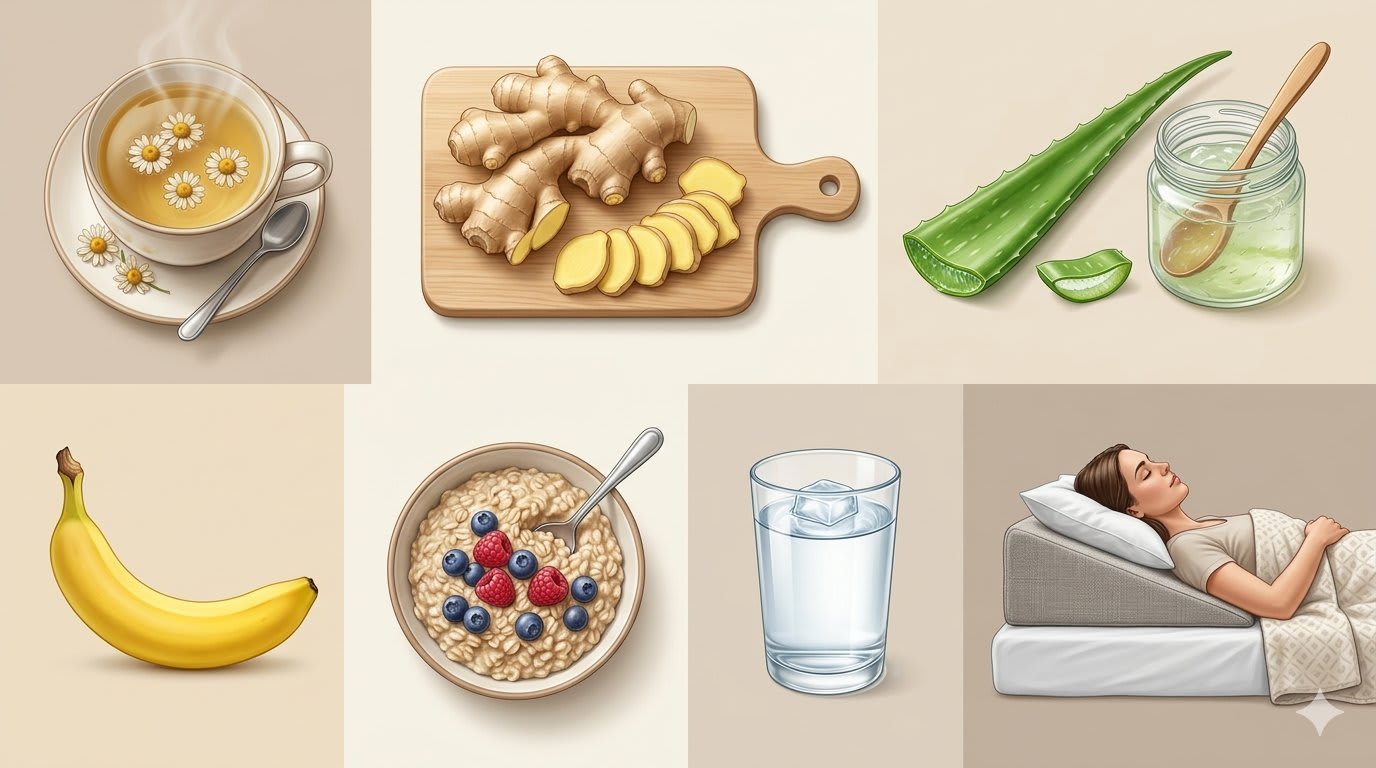
The most reliable home approaches are identifying personal food triggers, eating smaller meals, avoiding late-night meals, staying upright after eating, elevating the head of the bed for nighttime symptoms and maintaining a healthy weight. These measures are recommended in clinical guidance for managing gastroesophageal reflux disease (GERD). [1,2] This article explains 10 practical home remedies for acid reflux, what the evidence says about common natural remedies, and when medical treatment may be necessary.
Table of Contents
- What Is Acid Reflux?
- What Causes Acidity and Heartburn?
- 10 Effective Home Remedies for Acid Reflux
- Eat Smaller Meals
- Avoid Lying Down After Meals
- Elevate the Head of Your Bed
- Identify and Avoid Personal Trigger Foods
- Choose Foods That Are Less Likely to Trigger Reflux
- Try Sugar-Free Chewing Gum
- Maintain a Healthy Weight
- Stop Smoking and Limit Alcohol
- Wear Loose-Fitting Clothing
- Manage Stress and Improve Sleep
- Do Natural Remedies Such as Milk, Ginger and Fennel Work?
- What Can You Drink for Acid Reflux?
- What to Do for Heartburn at Night
- When Are Home Remedies Not Enough?
- Warning Signs That Need Medical Attention
- Frequently Asked Questions
- Summary and Conclusion
What Is Acid Reflux?
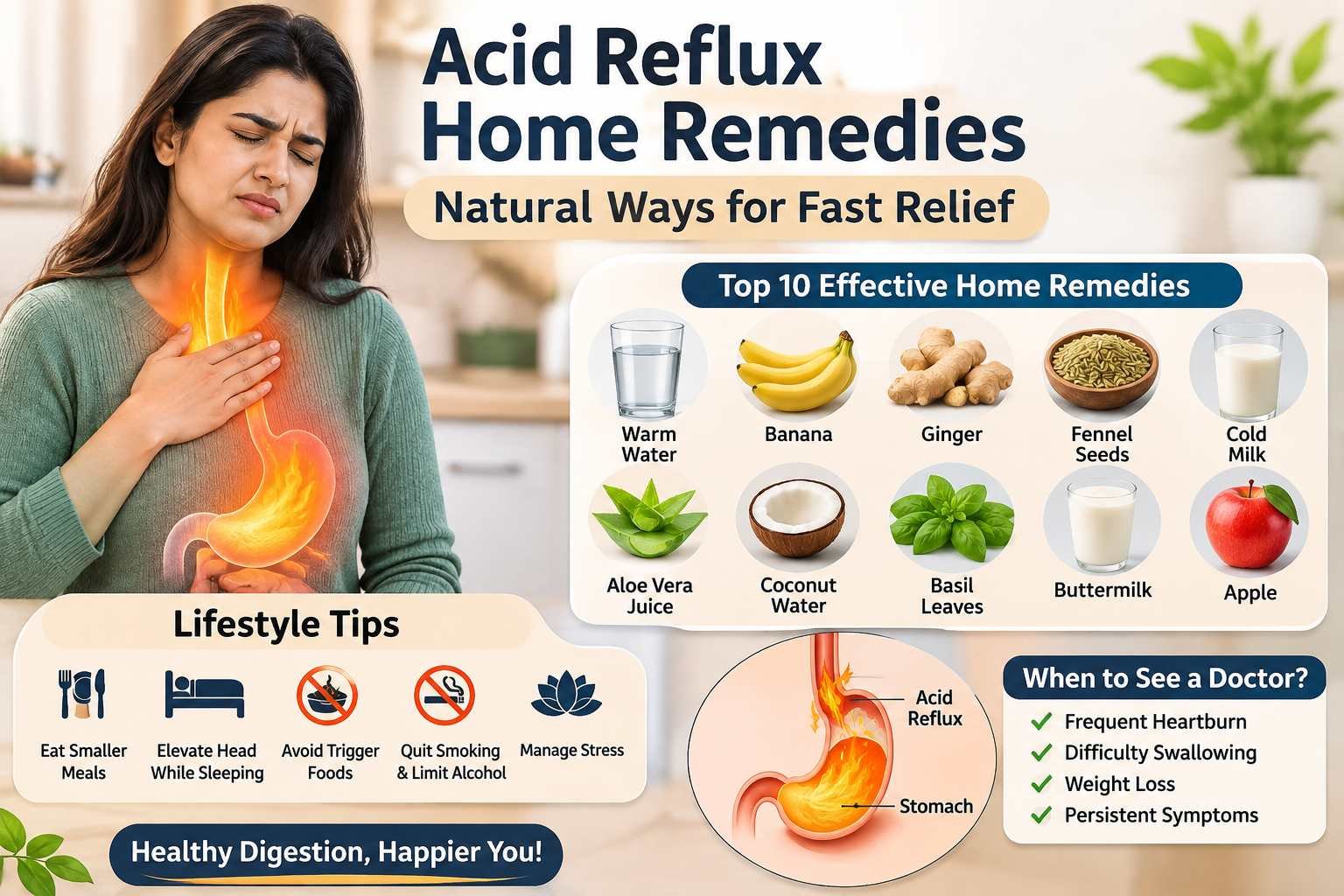
Acid reflux occurs when stomach contents flow backward into the oesophagus, the tube that carries food from the mouth to the stomach. A circular muscle called the lower oesophageal sphincter (LES) acts as a valve between the oesophagus and stomach. It normally relaxes to allow food to enter the stomach and then closes to help prevent stomach contents from moving upward. If this valve relaxes at the wrong time or does not close effectively, stomach contents may reflux into the oesophagus. This can cause heartburn, regurgitation or irritation. The most familiar symptom is heartburn, which feels like burning behind the breastbone. Despite its name, heartburn is not usually related to the heart. Occasional reflux is common. However, repeated reflux that causes troublesome symptoms or complications may be diagnosed as gastroesophageal reflux disease (GERD). [1]
What Causes Acidity and Heartburn?
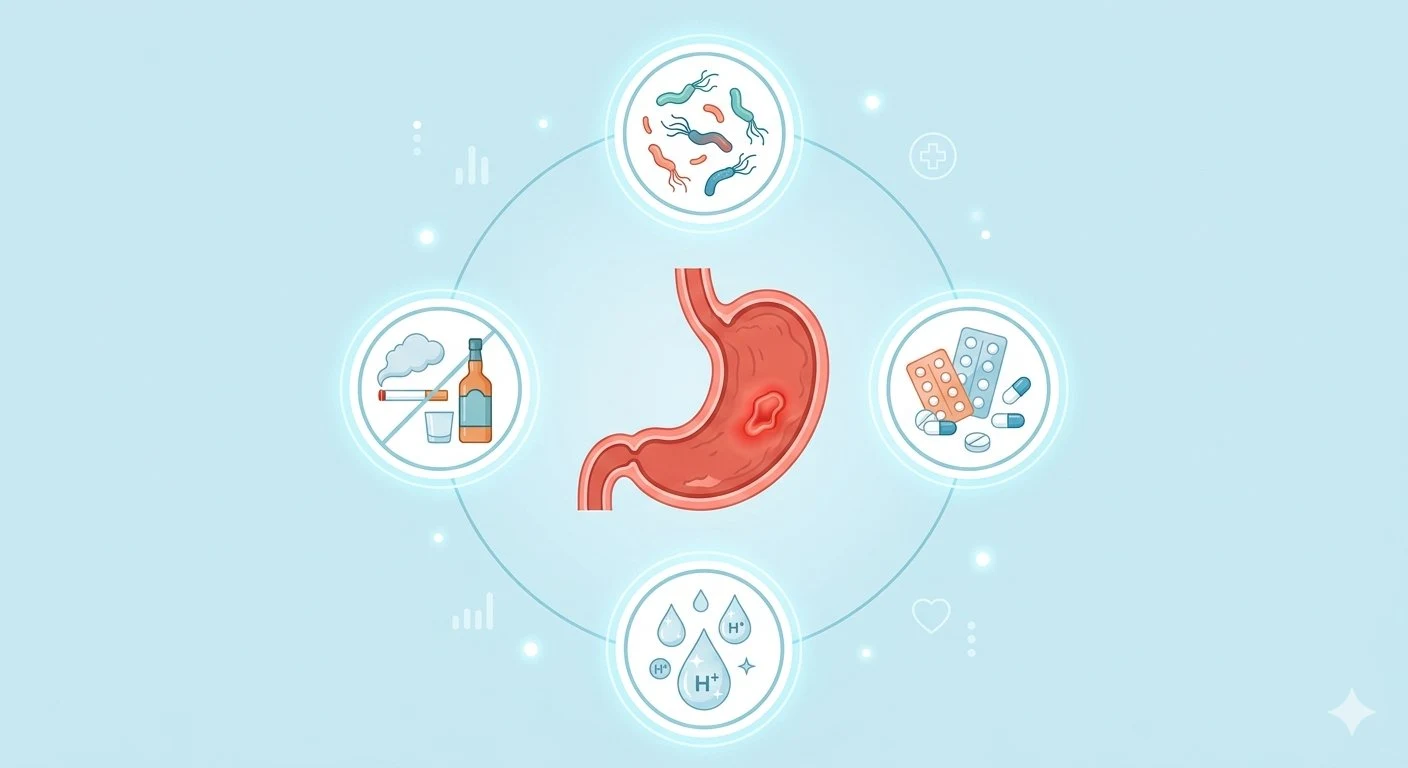
Several factors can contribute to acid reflux:
- Eating large meals or overeating.
- Lying down soon after eating.
- Eating close to bedtime.
- Being overweight or having obesity.
- Consuming foods or drinks that trigger symptoms.
- Smoking.
- Pregnancy.
- A hiatus hernia.
- Certain medicines, including some anti-inflammatory painkillers.
Acidity is not always caused by the stomach producing too much acid. In many people, the main problem is that stomach contents move into the oesophagus. The oesophagus is more sensitive to acid than the stomach, so even a normal amount of stomach acid can cause burning when reflux occurs.
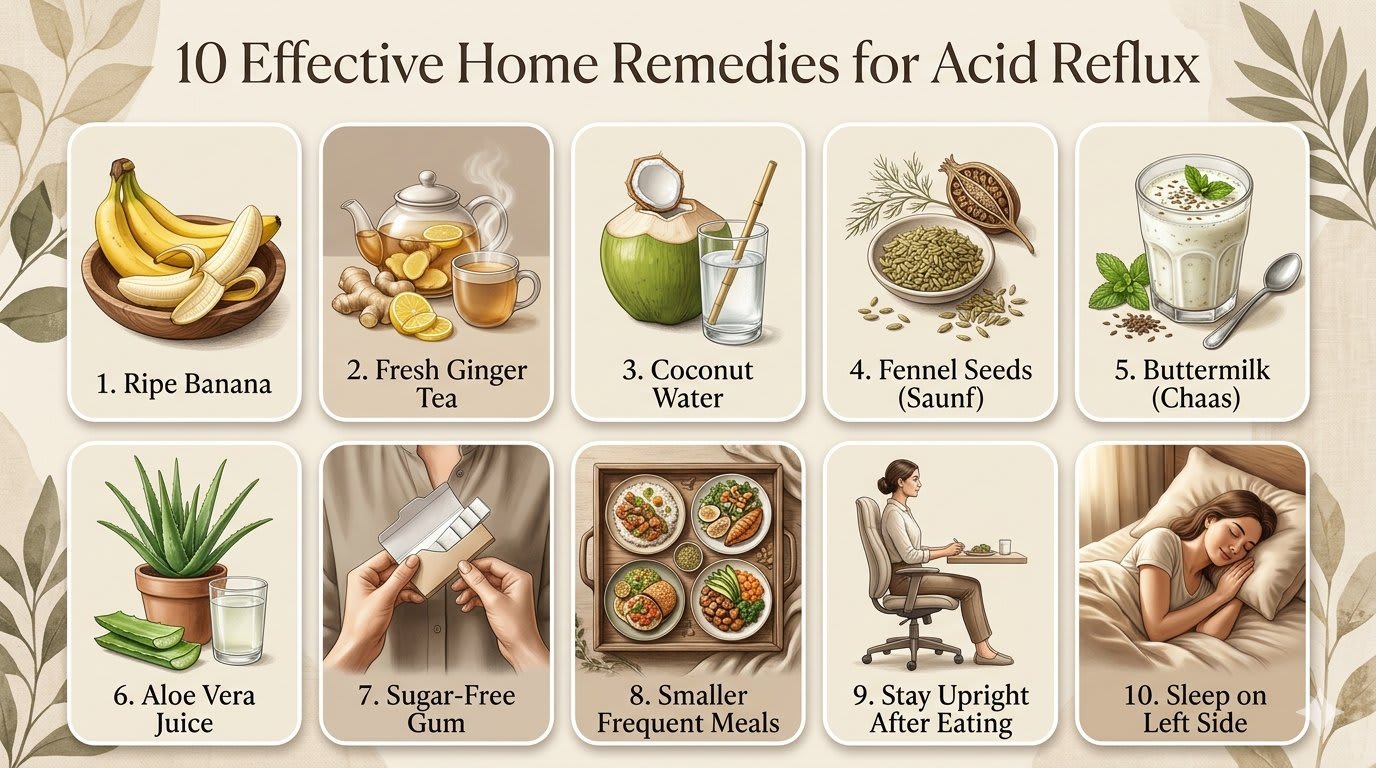
10 Effective Home Remedies for Acid Reflux
The following home remedies focus mainly on reducing reflux episodes and avoiding common triggers. They may help with mild or occasional symptoms, but they do not cure every cause of GERD.
1. Eat Smaller Meals and Avoid Overeating
Large meals can increase pressure inside the stomach and make reflux more likely. Eating too much may also delay stomach emptying in some individuals. Instead of eating very large meals, try:
- Eating moderate portions.
- Eating slowly and chewing food properly.
- Avoiding repeated overeating.
- Stopping when comfortably satisfied rather than completely full.
Some people find that smaller meals reduce post-meal heartburn. However, there is no requirement for everyone to eat five or six meals a day. Choose a meal pattern that suits your appetite and health needs. Eating smaller portions is a practical strategy, but the evidence supporting it as a treatment for GERD is less robust than the evidence for weight loss in people who are overweight or elevating the head of the bed for nighttime symptoms. [1]
2. Avoid Lying Down Immediately After Eating
One of the simplest ways to reduce acid reflux is to remain upright after meals. When you lie down soon after eating, gravity no longer helps keep stomach contents in the stomach. This can make reflux more likely, particularly after a large or fatty meal. Try these habits:
- Remain sitting or standing after eating.
- Avoid lying down immediately after lunch or dinner.
- Avoid heavy meals close to bedtime.
- Finish your evening meal at least three hours before lying down.
The American College of Gastroenterology recommends avoiding meals within two to three hours of bedtime for people with GERD. [1] If you feel sleepy after eating, consider sitting comfortably, taking a gentle walk or doing a light activity rather than immediately going to bed. Avoid vigorous exercise immediately after a large meal, as it may aggravate symptoms in some people.
3. Elevate the Head of Your Bed for Nighttime Reflux
Nighttime acid reflux can disturb sleep and cause burning in the chest, sour taste or regurgitation when lying down. Elevating the upper body can help reduce reflux during sleep by using gravity to keep stomach contents from moving upward. Practical options include:
- Using a purpose-designed wedge pillow.
- Raising the head end of the bed using stable bed risers.
- Creating a gentle incline beneath the upper body.
A rise of approximately 15–20 cm (6–8 inches) is commonly suggested for nighttime reflux. Simply piling several ordinary pillows under your head may not work well because it can bend the body at the waist rather than elevating the entire upper body. Clinical guidance supports head-of-bed elevation for people who experience nighttime GERD symptoms. [1,2]
4. Identify and Avoid Your Personal Trigger Foods
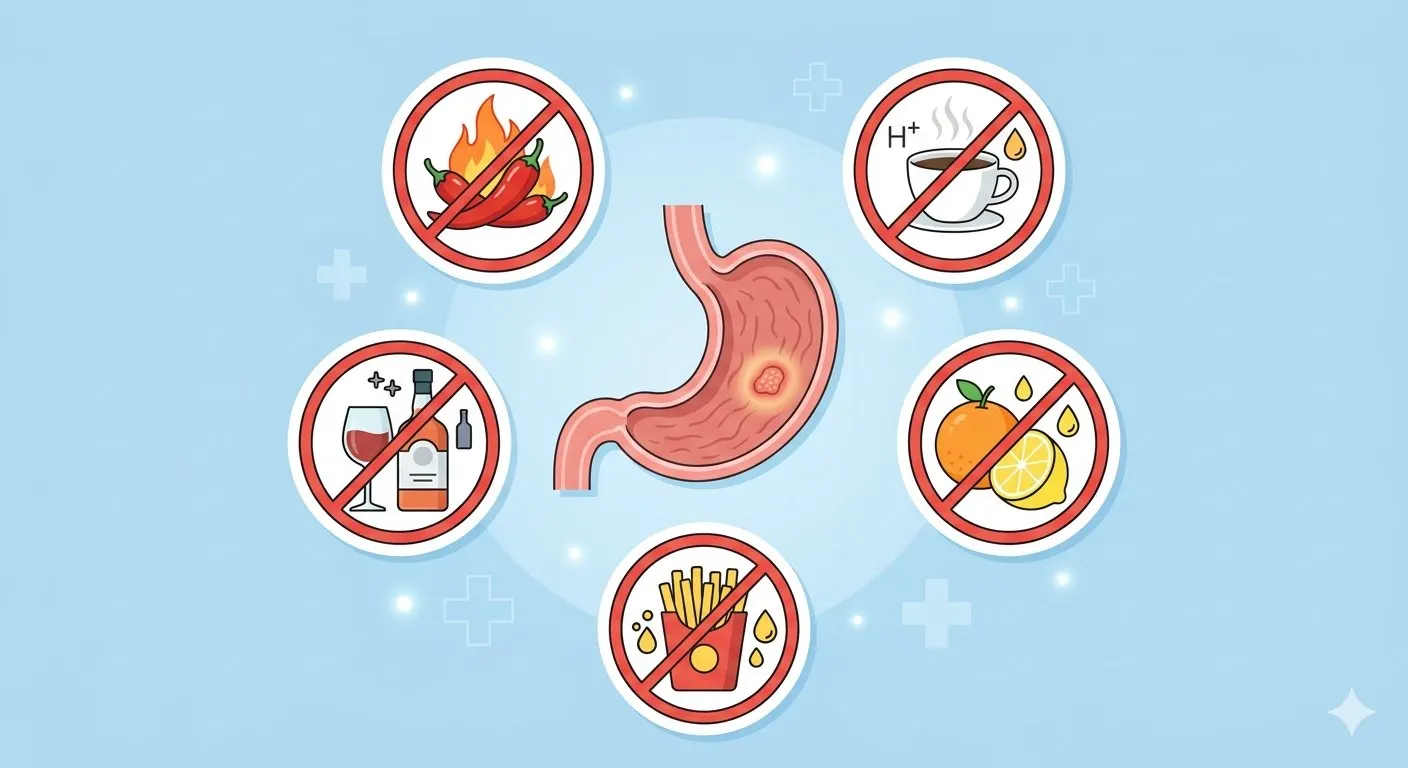
There is no single food that causes acid reflux in everyone. Common foods and drinks associated with reflux symptoms include:
- Fried and high-fat foods.
- Chocolate.
- Coffee and other caffeinated drinks.
- Tomatoes and tomato-based products.
- Citrus fruits and citrus juices.
- Spicy foods.
- Peppermint.
- Alcohol.
- Carbonated drinks.
These foods do not necessarily cause GERD, and some people can consume them without any symptoms. Instead of eliminating every food on a long internet list, keep a food and symptom diary for one or two weeks. Record:
- What you ate and drank.
- The approximate meal time.
- When symptoms occurred.
- Whether you were lying down.
- How severe the symptoms were.
If a particular food repeatedly triggers symptoms, try reducing or avoiding it and observe whether you improve. The American College of Gastroenterology recommends avoiding foods that trigger symptoms, while acknowledging that evidence for universal food restrictions is limited. [1]
5. Choose Foods That Are Less Likely to Trigger Reflux
Some foods are often better tolerated by people with acid reflux because they are relatively low in fat or less likely to cause individual symptoms. Examples may include:
- Oatmeal.
- Rice.
- Whole grains, if tolerated.
- Bananas.
- Melons.
- Green vegetables.
- Cucumber.
- Lean chicken or fish.
- Low-fat yoghurt, if tolerated.
These foods are not proven to cure acid reflux or neutralise stomach acid in the oesophagus. Their main benefit is that they may fit into a balanced eating pattern while avoiding foods that trigger symptoms. For example, a meal containing rice, cooked vegetables and a moderate portion of lean protein may be better tolerated than a very large, oily or heavily spiced meal. Food tolerance is individual. If a healthy food consistently causes symptoms, adjust the portion or preparation rather than forcing yourself to eat it.
6. Try Sugar-Free Chewing Gum After Meals
Chewing gum may help some people with mild reflux symptoms. Chewing stimulates saliva production. Saliva helps clear material from the oesophagus and contains bicarbonate, which can help buffer acid. If you want to try this approach:
- Choose sugar-free gum.
- Chew for around 20–30 minutes after a meal.
- Avoid peppermint-flavoured gum if mint triggers your reflux.
Chewing gum is not a cure for GERD, and evidence is limited. It may be a useful additional measure for some individuals, but it should not replace established lifestyle changes or prescribed treatment.
7. Maintain a Healthy Weight
Excess body weight, particularly around the abdomen, can increase pressure on the stomach and contribute to reflux. For people who are overweight or have obesity, gradual weight loss may improve GERD symptoms. Helpful steps include:
- Eating balanced meals.
- Reducing excessive portion sizes.
- Choosing fibre-rich foods that are well tolerated.
- Being physically active regularly.
- Avoiding crash diets or extreme food restrictions.
Weight loss is one of the lifestyle interventions specifically recommended by the American College of Gastroenterology for overweight or obese patients with GERD. [1] You do not need to lose weight if you are already at a healthy weight. The goal is to maintain a weight appropriate for your health, not to pursue unnecessary weight loss.
8. Stop Smoking and Limit Alcohol
Smoking may contribute to reflux by affecting the lower oesophageal sphincter and reducing saliva production. Quitting smoking is beneficial for overall health and may improve reflux symptoms in some people. Alcohol can also trigger symptoms in certain individuals. Its effect varies according to the amount consumed, the type of drink and individual sensitivity. Practical advice:
- Stop smoking if you smoke.
- Avoid smoking immediately after meals.
- Reduce or avoid alcohol if it triggers heartburn.
- Avoid using alcohol to help you sleep.
Smoking cessation is recommended in GERD management. Alcohol avoidance is best individualised according to symptoms and tolerance. [1,2]
9. Wear Loose-Fitting Clothing
Tight clothing around the abdomen may increase pressure on the stomach, particularly after a meal. If you experience reflux after eating, try avoiding:
- Tight belts.
- Very tight trousers.
- Shapewear that compresses the abdomen.
- Clothing that feels uncomfortable around the waist.
Loose-fitting clothing is a simple comfort measure. However, it has not been established as a stand-alone treatment for GERD.
10. Manage Stress and Improve Sleep
Stress and anxiety can affect how digestive symptoms are experienced. Some people notice that heartburn becomes more troublesome during periods of stress. Stress does not mean that symptoms are imaginary. The interaction between the digestive system and the nervous system can influence discomfort and sensitivity. Helpful practices may include:
- Regular physical activity.
- Relaxation exercises.
- Slow breathing.
- Maintaining a consistent sleep schedule.
- Taking breaks during stressful periods.
- Seeking professional support for persistent anxiety.
Stress management may improve general wellbeing and help some people cope with symptoms. However, it has not been proven to eliminate the underlying mechanical cause of reflux.
Do Natural Remedies Such as Milk, Ginger and Fennel Work?
Many people use natural remedies for acidity. Some may be soothing or help with associated symptoms, but evidence that they reliably treat GERD is limited.
Does Milk Help Relieve Acid Reflux?
Milk may briefly soothe a burning sensation in some people, but it is not a proven treatment for acid reflux. Milk does not reliably prevent reflux or heal inflammation in the oesophagus. Whole milk and other high-fat dairy products may worsen symptoms in some individuals. If you tolerate milk, a small amount of low-fat milk may be acceptable as part of your diet. Do not rely on milk as an antacid or use large quantities to treat heartburn.
Does Ginger Help with Acidity?
Ginger is commonly used for nausea and digestive discomfort. Some evidence supports ginger for certain types of nausea, but there is insufficient strong clinical evidence to recommend ginger as a reliable treatment for GERD. Small amounts of ginger in food or mild ginger tea may be tolerated by some people. Concentrated ginger supplements are not necessary for reflux treatment and may interact with certain medicines. Stop using ginger if it worsens your symptoms.
Do Fennel Seeds or Ajwain Relieve Acid Reflux?
Fennel seeds and ajwain (carom seeds) are traditional digestive remedies in India. They are commonly used for gas, bloating or indigestion, but there is not enough high-quality clinical evidence to confirm that they treat acid reflux or prevent GERD. If you consume them as food in ordinary amounts and tolerate them, they may be part of your usual diet. Avoid treating them as a substitute for medical care.
Is Banana Good for Acid Reflux?
Bananas are often well tolerated and may be a convenient, low-fat snack. However, bananas have not been proven to neutralise reflux or form a protective coating over the oesophagus. They are not a cure for acid reflux. You may include bananas in your diet if they do not trigger symptoms.
Does Aloe Vera Juice Cure Acid Reflux?
Aloe vera juice is promoted online as a natural remedy for heartburn, but evidence of its effectiveness is limited. Some aloe products contain compounds with laxative effects and may cause diarrhoea or abdominal cramps. Products intended for topical use should never be consumed. Aloe vera juice should not be recommended as a standard treatment for GERD. If you are considering an oral aloe product, discuss its safety with a healthcare professional, especially if you take other medicines or have a chronic condition.
Does Coconut Water Reduce Acidity?
Coconut water can help provide fluid and may be a refreshing drink for people who tolerate it. However, there is no strong evidence that coconut water changes stomach acidity in a way that treats GERD or prevents reflux. It may be consumed as a beverage if it suits your diet, but it should not be described as an acid-reflux cure.
What Can You Drink for Acid Reflux?
There is no drink that reliably stops all reflux episodes. For many people, the simplest option is to drink water in moderate amounts and avoid beverages that trigger symptoms.
| Drink | What to know |
|---|---|
| Plain water | Usually a suitable choice for hydration; it does not cure GERD. |
| Warm water | May feel soothing, but it does not reliably neutralise or prevent reflux. |
| Low-fat milk | May be tolerated by some people; not a proven reflux treatment. |
| Coconut water | A hydrating beverage, but not an established GERD remedy. |
| Ginger tea | May help nausea for some people; evidence for reflux relief is limited. |
| Coffee | Can trigger symptoms in some people; individual tolerance varies. |
| Carbonated drinks | May increase belching or symptoms in some individuals. |
| Alcohol | May worsen reflux; reduce or avoid it if it triggers symptoms. |
Avoid drinking very large volumes quickly, particularly with a large meal, if this makes you feel overly full or triggers reflux.
What to Do for Heartburn at Night
Nighttime reflux can be particularly uncomfortable because symptoms may interfere with sleep. Try the following steps:
- Finish your evening meal at least three hours before bedtime.
- Avoid large, high-fat meals late in the evening.
- Elevate the head of your bed or use a suitable wedge pillow.
- Consider sleeping on your left side if this position helps.
- Avoid alcohol or foods that reliably trigger nighttime symptoms.
- Keep a record of nighttime symptoms and discuss frequent episodes with your doctor.
Sleeping on the left side may reduce reflux in some people. However, sleep position alone is not a substitute for assessment if symptoms are frequent or severe.
When Are Home Remedies Not Enough?
Home remedies may help occasional heartburn, but persistent symptoms may indicate GERD or another digestive condition. Medical evaluation is appropriate if:
- Heartburn occurs frequently or several times per week.
- Symptoms persist despite lifestyle changes.
- You regularly need over-the-counter medicines.
- Symptoms disturb sleep.
- You have repeated regurgitation.
- You experience persistent nausea or vomiting.
- You have difficulty swallowing.
Doctors may recommend medicines such as antacids, alginates, H2-receptor blockers or proton pump inhibitors, depending on the symptoms and clinical situation. Antacids can provide short-term relief by neutralising stomach acid. Alginates may form a barrier that helps reduce reflux after meals. Proton pump inhibitors reduce acid production and are commonly used when GERD requires medical treatment. If a doctor prescribes a proton pump inhibitor, follow the instructions. For many PPIs used to treat GERD, taking the medicine 30–60 minutes before a meal improves its effectiveness. Do not start or stop long-term treatment without appropriate advice. [1,3]
Warning Signs That Need Medical Attention
Not every episode of chest burning is caused by acid reflux. Heart-related conditions can sometimes feel like indigestion or heartburn. Seek emergency medical care if you experience chest pain with any of the following:
- Shortness of breath.
- Sweating.
- Faintness or collapse.
- Pain spreading to the arm, jaw, back or shoulder.
- A feeling of pressure, squeezing or heaviness in the chest.
Do not assume that severe chest pain is acidity. Arrange prompt medical assessment if you have:
- Difficulty or pain when swallowing.
- Vomiting blood or material resembling coffee grounds.
- Black, tarry stools.
- Unexplained weight loss.
- Persistent vomiting.
- Severe or worsening abdominal pain.
These symptoms may indicate a serious digestive condition and should not be managed only with home remedies.
Frequently Asked Questions
1. What is the fastest home remedy for acid reflux?
The fastest helpful step may be to stop eating, remain upright and avoid lying down. Some people obtain short-term relief from an appropriate over-the-counter antacid or alginate, used according to the product instructions. No home remedy works instantly or reliably for everyone.
2. Can warm water cure acidity?
No. Warm water may be soothing and can help with hydration, but it has not been proven to cure acid reflux or neutralise stomach acid in the oesophagus.
3. Is cold milk good for acidity?
Cold milk may temporarily soothe symptoms in some people, but it is not a proven treatment. High-fat milk may worsen reflux in certain individuals.
4. Is banana good for acid reflux?
Bananas are often tolerated and can be included in a balanced diet. However, they do not cure GERD or reliably prevent acid reflux.
5. Can ginger cure acid reflux naturally?
Ginger may help some digestive symptoms, particularly nausea, but there is insufficient evidence that it cures acid reflux. Use it only if it does not trigger symptoms.
6. Should I avoid spicy foods completely?
No. Spicy foods do not cause GERD in everyone. Reduce or avoid them if they consistently trigger your symptoms.
7. How long should I wait after eating before sleeping?
For people with reflux, avoiding meals within two to three hours of bedtime is commonly recommended. Some people may benefit from a longer interval depending on their symptoms.
8. Can acid reflux be cured permanently with home remedies?
Home measures can reduce symptoms and may help prevent episodes, but they do not guarantee a permanent cure. Persistent GERD may require medical treatment and follow-up.
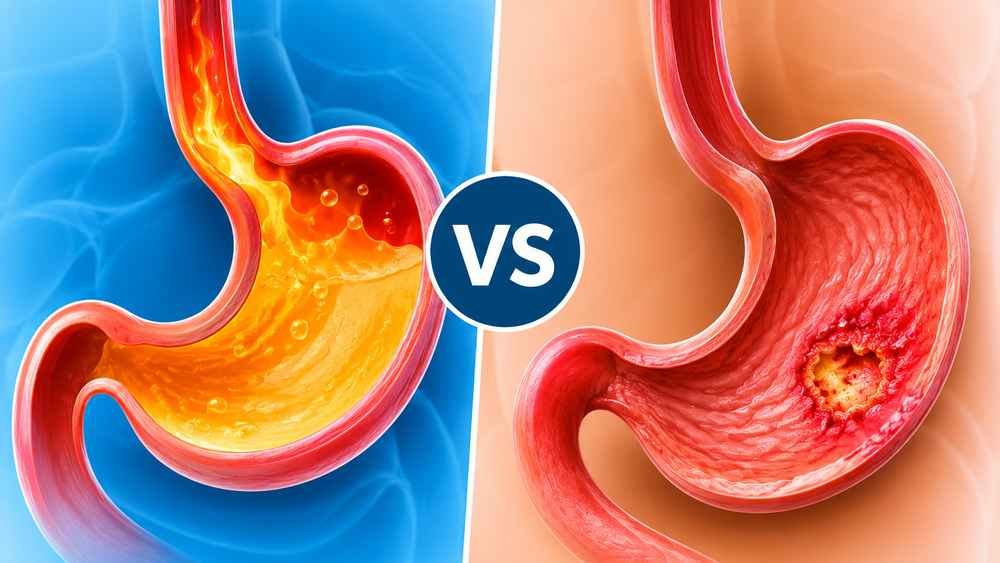
9. Is acidity the same as a stomach ulcer?
No. Acid reflux occurs when stomach contents move into the oesophagus. A peptic ulcer is an open sore in the stomach or duodenum. They are different conditions, although symptoms may overlap.
10. When should I see a doctor for acidity?
Consult a doctor if symptoms are frequent, persistent, severe, interfere with sleep or do not improve with appropriate self-care. Seek urgent care for chest pain with warning signs, vomiting blood, black stools or difficulty swallowing.
Summary: 10 Home Remedies for Acid Reflux
- Eat smaller meals and avoid overeating.
- Stay upright after meals.
- Avoid eating close to bedtime.
- Elevate the head of the bed for nighttime symptoms.
- Identify and reduce personal trigger foods.
- Choose balanced foods that are well tolerated.
- Consider sugar-free chewing gum if it helps.
- Maintain a healthy weight if overweight.
- Stop smoking and reduce alcohol if it triggers symptoms.
- Improve sleep habits and manage stress.
Natural remedies such as milk, ginger, fennel, bananas, aloe vera and coconut water should not be presented as proven cures for GERD. Their effects are variable, and some may worsen symptoms or cause side effects.
Conclusion
Acid reflux and heartburn are common, but frequent symptoms can affect sleep, eating habits and quality of life. The most useful home remedies focus on reducing reflux rather than trying to neutralise all the acid in the stomach. Eating smaller meals, avoiding late-night eating, staying upright after meals, elevating the head of the bed and identifying personal food triggers can help many people manage mild symptoms. Weight loss may be particularly beneficial for people who are overweight or have obesity. Although natural remedies are popular, evidence for milk, ginger, fennel, aloe vera and similar products remains limited. They should not replace proven treatment when symptoms persist. If acidity occurs frequently, interferes with daily life or is associated with warning signs, seek medical advice. Correct diagnosis and appropriate treatment can help control symptoms and reduce the risk of complications.
References
- Katz PO, Dunbar KB, Schnoll-Sussman FH, et al. ACG Clinical Guideline for the Diagnosis and Management of Gastroesophageal Reflux Disease. American Journal of Gastroenterology. 2022;117(1):27–56. Read guideline
- National Institute of Diabetes and Digestive and Kidney Diseases (NIDDK). Eating, Diet, & Nutrition for GER & GERD. Read guidance
- NIDDK. Treatment for GER & GERD. Read treatment guidance
- NHS. Heartburn and Acid Reflux. Read NHS guidance
- MedlinePlus. Gastroesophageal Reflux Disease (GERD). Read overview
Medical Disclaimer
This article is intended for general health education and does not replace an individual consultation, diagnosis or treatment plan. Home remedies may help mild symptoms but cannot reliably treat every cause of acid reflux. Do not stop prescribed medicines or use herbal products as substitutes for medical treatment without professional advice. Chest pain, vomiting blood, black stools, difficulty swallowing or unexplained weight loss require appropriate medical assessment.
📲 For Health-Related Articles & Videos
🔹 Facebook: https://www.facebook.com/positivemind.healthcare