What Are 5 Foods to Avoid If You Have a Stomach Ulcer?-various aspects-
Article author: Dr. Sagar Rajkuwar, MS-ENT 🌐 www.entspecialistinnashik.com
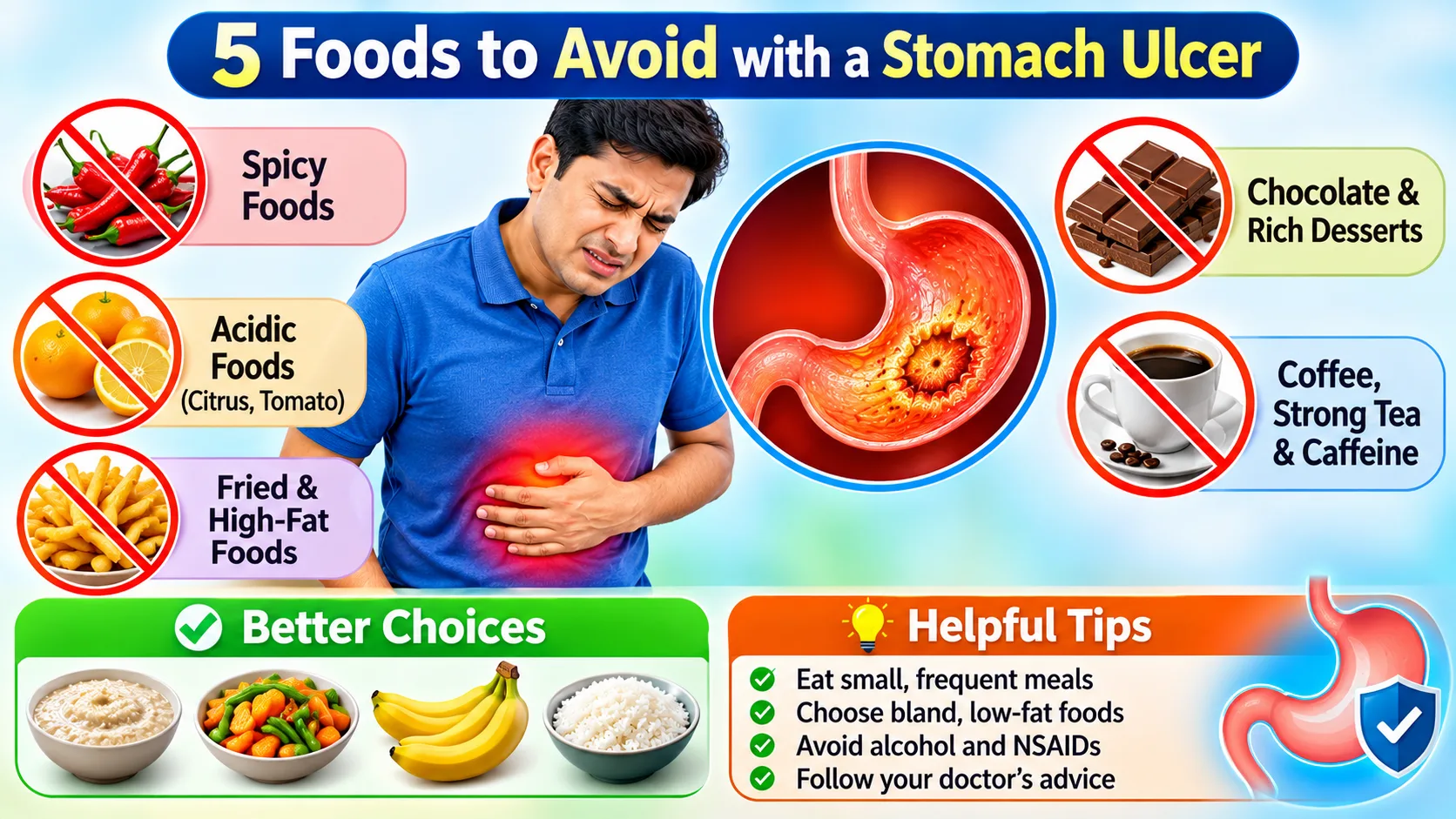
Direct answer: There is no scientifically proven list of five foods that every person with a stomach ulcer must avoid. However, spicy foods, acidic foods, fried or high-fat foods, chocolate, and caffeine-containing drinks can trigger or worsen discomfort in some people. Avoid or reduce them if they reliably bring on your symptoms—not because they are proven to create ulcers.
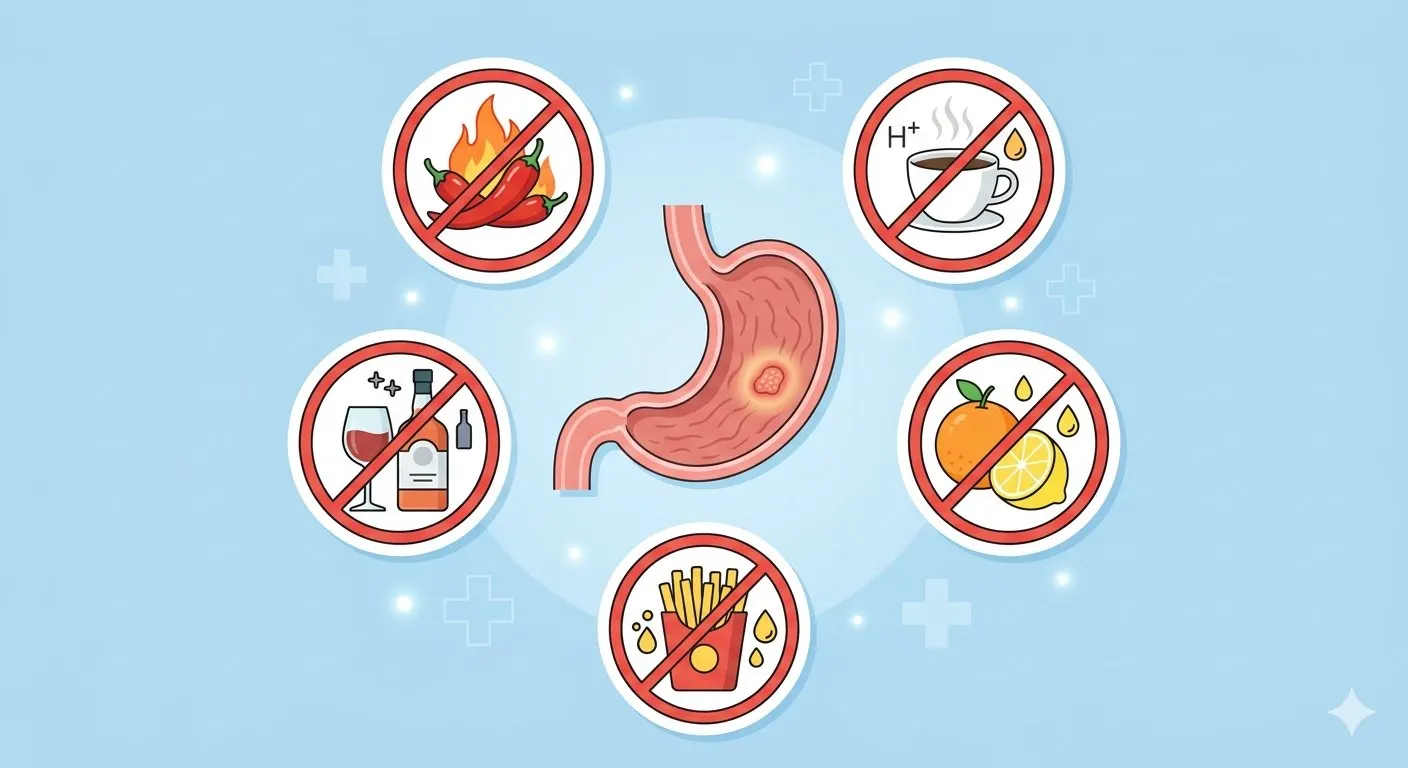
This distinction matters. A food may cause burning, bloating or indigestion without damaging the ulcer itself. The best diet is therefore an individual, balanced eating pattern that keeps you comfortable while your ulcer receives appropriate medical treatment.
Table of Contents
Five Foods and Drinks That May Trigger Stomach Ulcer Symptoms
The following are common symptom triggers, not universal ulcer-causing foods. Keep a short food-and-symptom diary for one to two weeks. If a particular item repeatedly causes discomfort, reduce it and discuss persistent symptoms with your clinician.
1. Very spicy foods
Chillies, hot sauces, spicy pickles and heavily peppered dishes may intensify burning or upper-abdominal discomfort in sensitive individuals. The active compounds in chilli, particularly capsaicin, stimulate sensory nerves and can produce a burning sensation. However, spicy food is not established as a primary cause of peptic ulcers. You do not need to eliminate every spice if you tolerate it. During a symptomatic period, try milder preparations and reintroduce spices gradually if they do not cause discomfort.
Practical alternative
Use mild herbs and flavourings, such as coriander leaves, cumin or a small amount of turmeric, according to personal tolerance. Avoid forcing yourself to eat a food that repeatedly causes pain.
2. Acidic foods, such as citrus fruits and tomato preparations
Oranges, lemons, grapefruit, tomatoes, tomato puree and vinegar-rich foods may aggravate burning in some people. Their acidity can irritate an already sensitive upper digestive tract or overlap with symptoms of acid reflux. That does not mean citrus fruits or tomatoes cause an ulcer. They also provide useful nutrients. If they trigger symptoms, temporarily choose less acidic fruits and vegetables, then test your tolerance again when symptoms settle.
Practical alternative
Try banana, papaya, melon or cooked vegetables if these suit you. There is no need to avoid all fruit or vegetables.
3. Fried and high-fat foods
Deep-fried snacks, very oily curries, rich gravies, creamy sauces and high-fat fast foods can cause fullness, nausea or indigestion in some people. High-fat meals may delay gastric emptying and can worsen reflux symptoms in susceptible individuals. These foods are not proven to cause peptic ulcers. The reason to reduce them is symptom control and overall dietary quality, not a claim that oil directly creates an ulcer.
Practical alternative
Choose smaller portions of steamed, baked, grilled or lightly sautéed foods. Use moderate amounts of cooking oil and avoid very large, heavy meals if they make you uncomfortable.
4. Chocolate and rich desserts
Chocolate may worsen heartburn or reflux symptoms in some people. Chocolate-based desserts can also contain substantial fat, which may contribute to post-meal discomfort. Individual responses vary, and chocolate is not recognised as a cause of stomach ulcers. If you notice a consistent association, reduce the portion or avoid it temporarily. If it causes no symptoms, an automatic lifelong ban is not supported by ulcer-diet evidence.
5. Coffee, strong tea and other caffeine-containing drinks
Coffee, strong tea, cola and energy drinks may provoke symptoms in some individuals. Caffeine and other compounds in coffee can influence acid secretion or reflux symptoms, but evidence does not establish that coffee causes peptic ulcers or stops them healing. Try smaller servings, weaker tea, decaffeinated coffee or non-caffeinated drinks if these beverages trigger discomfort. Avoid energy drinks, particularly if they worsen palpitations, sleep or stomach symptoms.
What about alcohol?
Alcohol is a drink rather than a food, but it deserves special mention. Alcohol can irritate the stomach lining and may worsen symptoms. Avoid it while an ulcer is active, particularly if it causes pain or you have been advised not to drink. Heavy alcohol use is harmful for several reasons; it should not be used as a substitute explanation for an ulcer without checking for H. pylori and medication-related causes.
What the Evidence Really Says About Stomach Ulcer Diets
A common misconception is that ulcers develop because a person eats spicy, sour or oily food. Current medical evidence does not support this as the usual explanation. The NIDDK states that diet and nutrition have not been shown to play an important role in causing, preventing or treating peptic ulcers. Food choices can still matter for comfort. For example, one person may tolerate tomatoes but feel worse after coffee, while another may have no symptoms after either. This is why a rigid list of forbidden foods can be unnecessarily restrictive.
- Ulcer cause: commonly H. pylori infection or NSAID medicines.
- Symptom trigger: a food or drink that makes an individual feel more burning, nausea or indigestion.
- Ulcer treatment: appropriate medicines and treatment of the underlying cause—not diet alone.
What Can You Eat If You Have a Stomach Ulcer?
Unless a clinician has advised otherwise, aim for a balanced diet rather than a highly restrictive “ulcer diet.” Choose foods that you tolerate and that provide adequate protein, fibre, vitamins and minerals.
- Grains: oats, rice, whole-wheat roti, soft porridge and other grains you tolerate.
- Vegetables: well-cooked vegetables such as carrots, pumpkin, bottle gourd, beans and spinach.
- Fruits: banana, papaya, melon and other fruits that do not trigger symptoms.
- Protein: eggs, fish, chicken, dal, beans, tofu or paneer, prepared with moderate oil and according to tolerance.
- Dairy: milk, curd or yoghurt if tolerated. Dairy is not an ulcer cure and may not suit people with lactose intolerance.
- Fluids: water and other non-irritating drinks. Maintain hydration, especially if vomiting has occurred.
There is no requirement to eat only bland food. If a nutritious food does not worsen your symptoms, it generally does not need to be excluded solely because you have an ulcer.
What Actually Causes Stomach Ulcers?
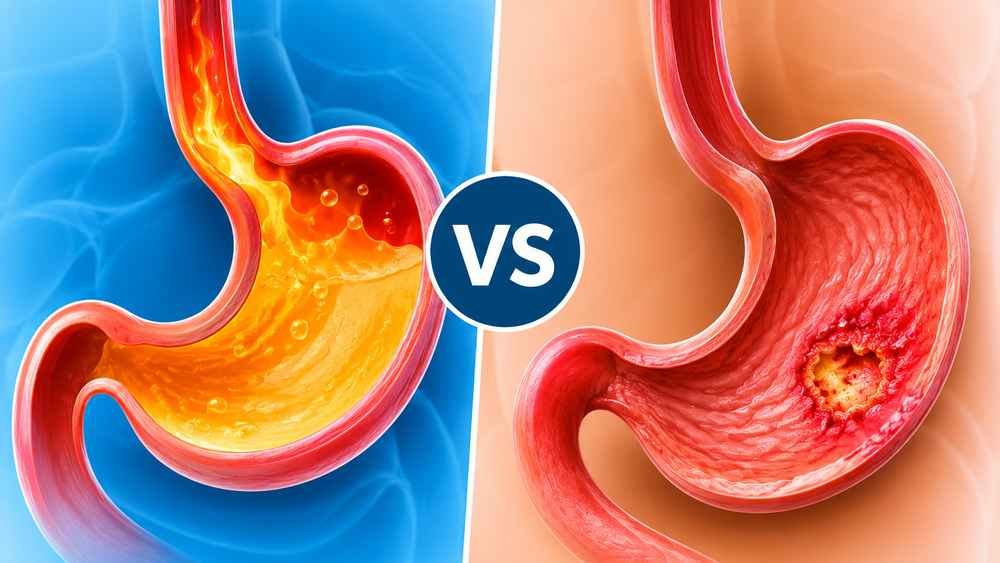
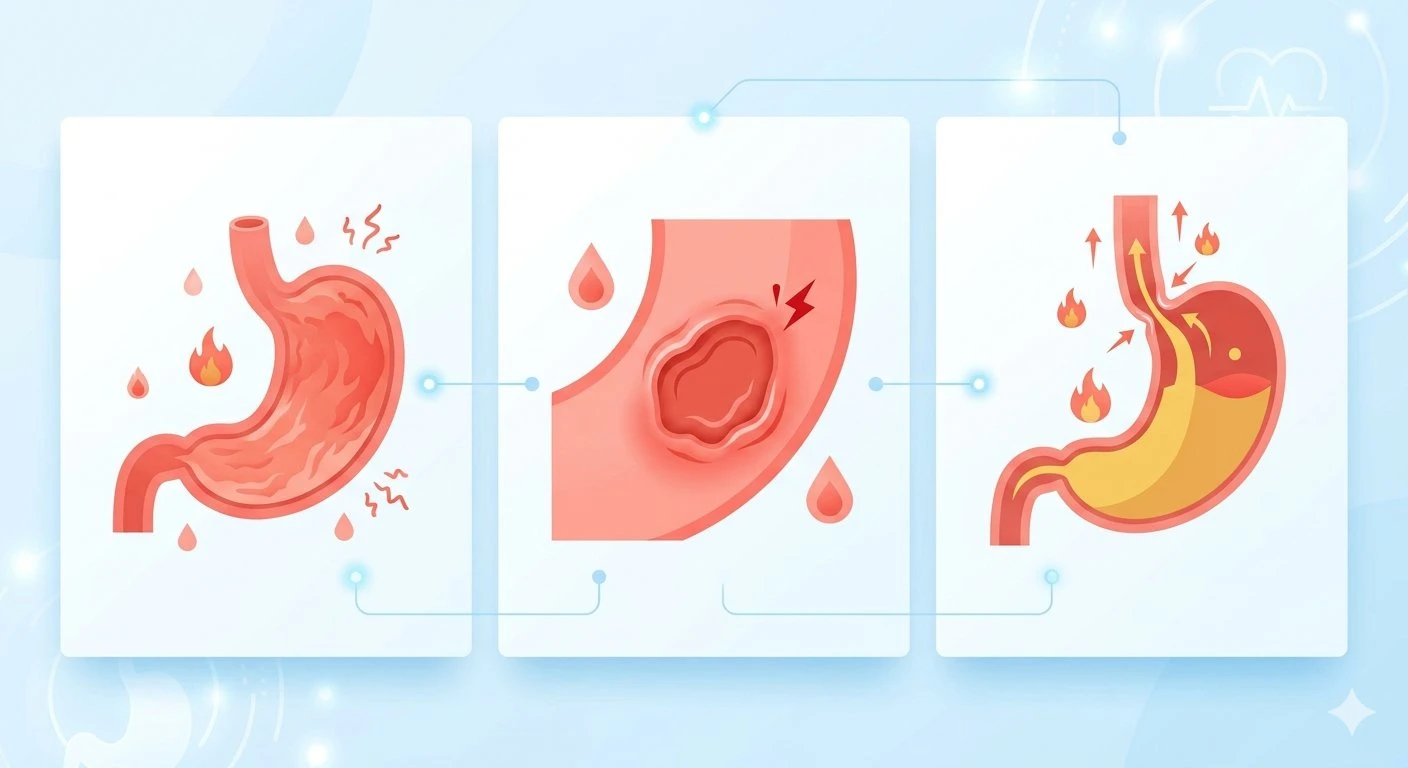
A peptic ulcer is an open sore in the lining of the stomach or the first part of the small intestine, called the duodenum. A stomach ulcer is also called a gastric ulcer.
1. Helicobacter pylori infection
Helicobacter pylori (H. pylori) is a bacterium that can live in the stomach lining. It can damage the protective lining and lead to inflammation and ulcer formation. It is a major cause of peptic ulcer disease worldwide. People with confirmed infection may need a combination of antibiotics and acid-suppressing treatment.
2. Nonsteroidal anti-inflammatory drugs (NSAIDs)
Medicines such as ibuprofen, naproxen, diclofenac and aspirin can reduce the stomach’s protective mechanisms. Repeated use, higher doses, use of more than one NSAID and certain patient risk factors increase the chance of ulcers and bleeding. Do not stop prescribed aspirin or another essential medicine on your own. If you have an ulcer or suspect bleeding, contact the prescribing clinician urgently to review the risks and alternatives. The decision is especially important when aspirin is prescribed to prevent a heart attack or stroke.
Other factors
Smoking can impair ulcer healing and increase recurrence risk. Alcohol may irritate the stomach and worsen symptoms. Severe physiological stress in critically ill hospital patients can cause stress-related mucosal injury; this is different from everyday emotional stress. Emotional stress may influence symptoms and health behaviours, but it is not considered one of the two main causes of ordinary peptic ulcers.
Symptoms of a Stomach Ulcer
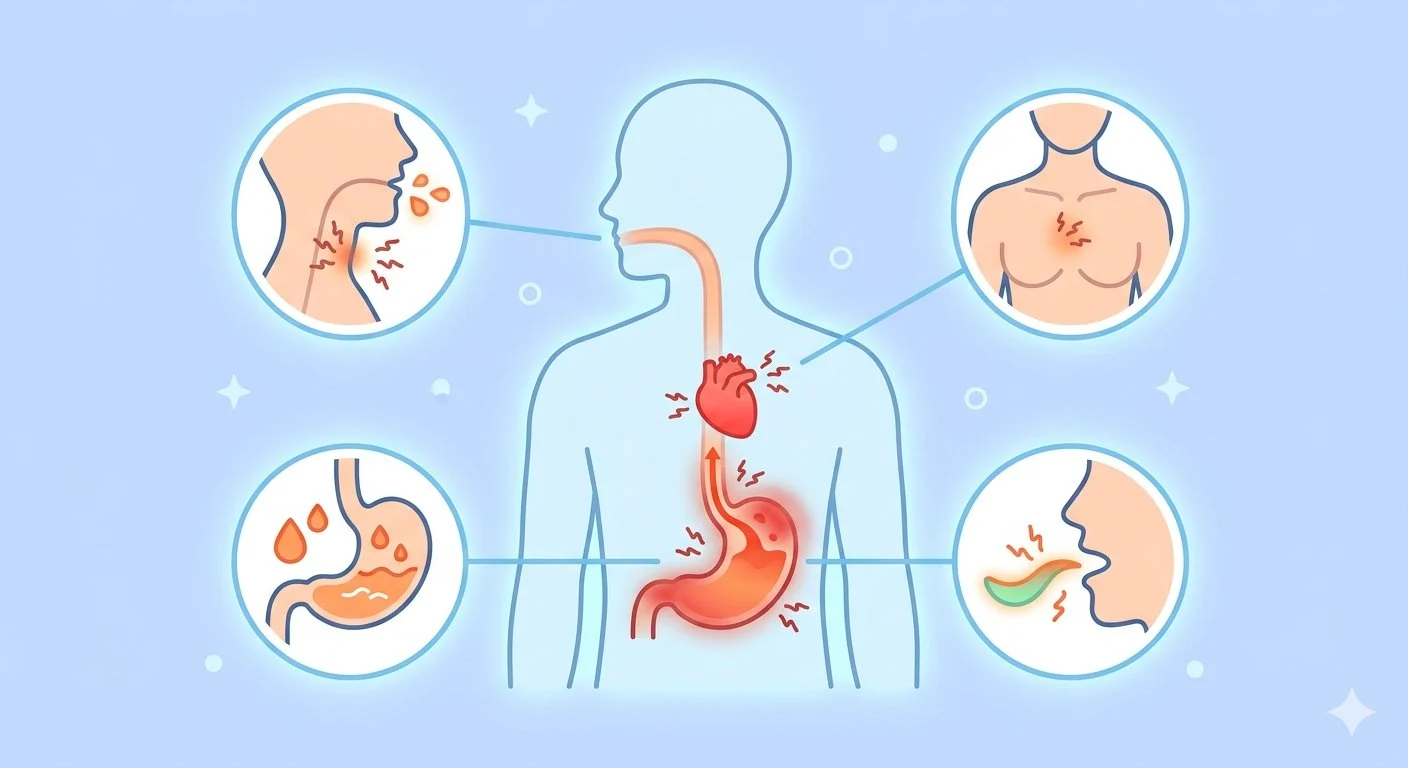
Some people with peptic ulcers have no symptoms. When symptoms occur, they may include:
- Burning, gnawing or aching pain in the upper abdomen.
- Pain that may occur between meals or at night, although patterns vary.
- Bloating, belching or a feeling of uncomfortable fullness.
- Nausea or vomiting.
- Feeling full after eating a small amount.
- Reduced appetite or unintended weight loss in some cases.
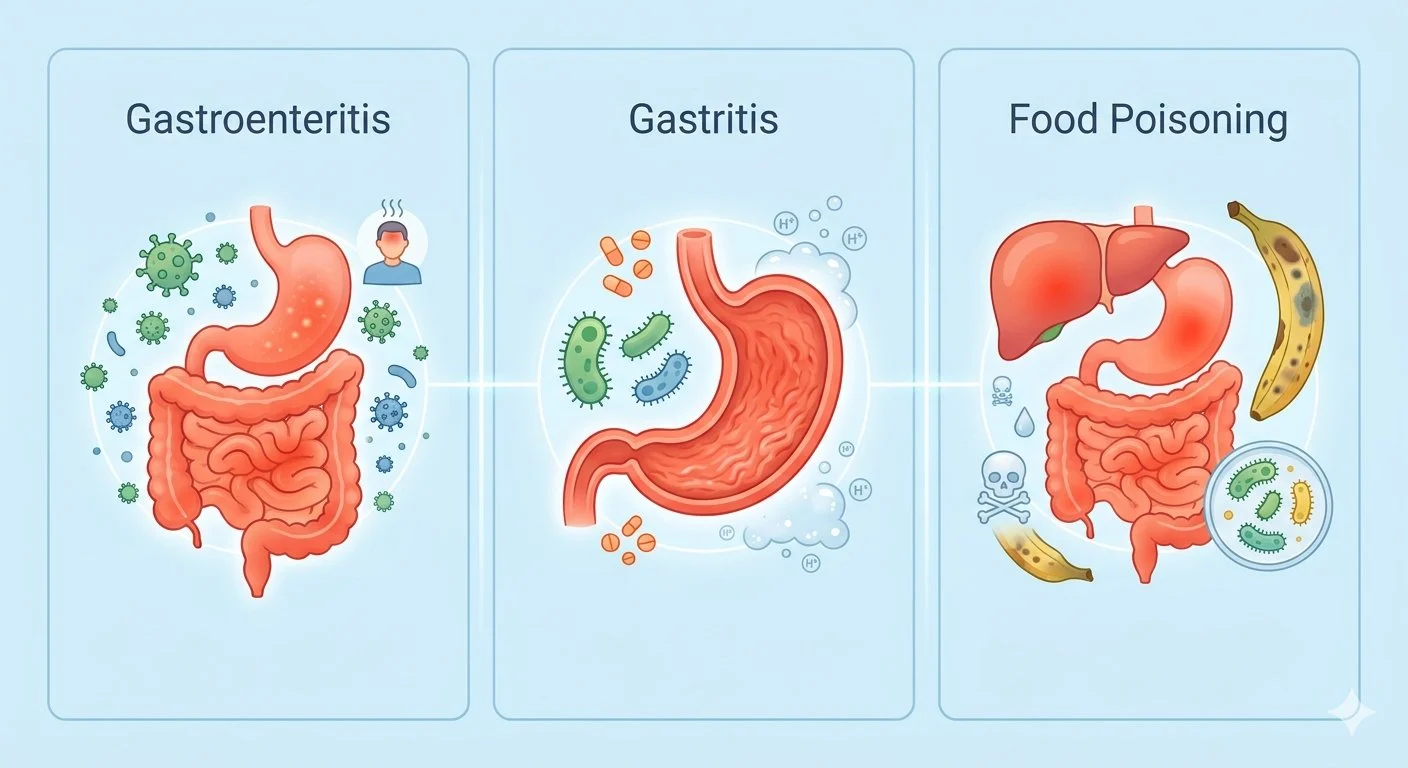
These symptoms are not specific to ulcers. Reflux, functional dyspepsia, gallbladder disease and other conditions can cause similar complaints. A clinician may recommend testing rather than diagnosing an ulcer from symptoms alone.
Warning signs: when to seek urgent medical care
- Vomiting bright-red blood or material that looks like coffee grounds.
- Black, sticky, tar-like stools or significant blood in the stool.
- Sudden, severe abdominal pain or a very tender/rigid abdomen.
- Fainting, marked dizziness, collapse, cold clammy skin or severe weakness—possible signs of significant bleeding.
These can indicate gastrointestinal bleeding or perforation, which are medical emergencies. Do not try to manage these symptoms by changing your diet.
How Are Stomach Ulcers Diagnosed and Treated?
Diagnosis
Depending on age, symptoms, risk factors and local guidance, a clinician may arrange:
- H. pylori testing: a urea breath test or stool antigen test can detect active infection. Blood antibody tests may not reliably distinguish current from past infection.
- Upper gastrointestinal endoscopy: a flexible camera examines the oesophagus, stomach and duodenum. A biopsy may be taken to assess the ulcer or test for H. pylori.
- Blood tests: these may check for anaemia or other complications, particularly if bleeding is suspected.
Treatment
Treatment depends on the cause and may include:
- Proton pump inhibitors (PPIs): medicines such as omeprazole or pantoprazole reduce stomach acid and allow ulcers to heal. Take them as prescribed.
- H. pylori eradication therapy: a clinician-prescribed combination of antibiotics and acid suppression, sometimes with bismuth. Complete the full course exactly as directed.
- NSAID review: the clinician may stop, reduce or replace an ulcer-causing medicine when medically appropriate, and may prescribe protective treatment if an NSAID must continue.
- Follow-up testing: after H. pylori treatment, a test is generally needed to confirm eradication. The timing and any temporary pause in acid-suppressing medicine should be directed by the treating clinician.
Dietary changes can support comfort, but they cannot eradicate H. pylori, reverse NSAID injury by themselves or reliably heal an established ulcer. Avoid delaying proven treatment while trying home remedies.
Practical Eating Habits That May Help
- Eat manageable portions. Smaller meals may be more comfortable if large meals cause fullness or pain.
- Keep a symptom diary. Record meals, timing and symptoms. Change one suspected trigger at a time so you can identify meaningful patterns.
- Avoid late, heavy meals if they worsen reflux. Allow a few hours between dinner and lying down when this helps your symptoms.
- Stop smoking. Ask for support if needed; smoking cessation helps reduce ulcer risk and supports healing.
- Use painkillers safely. Do not self-medicate with ibuprofen, naproxen or diclofenac if you have an ulcer history without medical advice.
- Take prescribed treatment correctly. Do not stop antibiotics early because symptoms improve.
Quick Reference: Food Trigger or Ulcer Cause?
| Item | May trigger symptoms? | Known to cause most ulcers? | Practical approach |
|---|---|---|---|
| Spicy food | In some people | No | Reduce only if it causes discomfort |
| Citrus / tomato | In some people | No | Choose alternatives if symptoms follow |
| Fried / high-fat food | In some people | No | Try smaller, less oily meals |
| Chocolate | In some people | No | Limit if it worsens reflux or pain |
| Coffee / strong tea | In some people | No | Reduce caffeine if it is a clear trigger |
| H. pylori | Not a food | Yes | Test and treat when present |
| NSAID painkillers | Not a food | Yes | Review with a clinician |
Frequently Asked Questions
1. What are 5 foods to avoid if you have a stomach ulcer?
There is no universal list. Spicy foods, acidic foods, fried or high-fat foods, chocolate and caffeine-containing drinks may worsen symptoms in some people. Avoid only those that clearly affect you; they are not established as the main causes of ulcers.
2. Can I eat rice and roti if I have a stomach ulcer?
Usually, yes. Rice and roti can be part of a balanced diet if you tolerate them. Choose preparation methods that do not add excessive oil or chilli if those ingredients trigger symptoms.
3. Is milk good for stomach ulcers?
Milk does not heal ulcers. It may temporarily soothe some people, but it can cause bloating in people with lactose intolerance. Use it only if you tolerate it and do not rely on it as treatment.
4. Should I completely stop tea and coffee?
Not necessarily. Reduce or avoid them if they consistently cause pain, heartburn or indigestion. There is no evidence-based requirement for every ulcer patient to stop all caffeine.
5. Can an ulcer heal without medicines?
Some ulcers may improve when an offending NSAID is removed, but untreated H. pylori infection can persist and ulcers can bleed or recur. Medical assessment and cause-specific treatment are important.
6. Is banana good for stomach ulcers?
Banana is tolerated by many people and can be included in a balanced diet. However, it is not a proven ulcer cure and does not replace H. pylori treatment or acid-suppressing medication when needed.
7. How long does a stomach ulcer take to heal?
Healing time varies with ulcer size, cause, medicines and complications. Many uncomplicated ulcers heal over several weeks with appropriate treatment, but follow your clinician’s plan and attend recommended follow-up.
8. Can stress cause a stomach ulcer?
Everyday emotional stress is not considered a primary cause of most peptic ulcers. The major causes are H. pylori and NSAIDs. Severe physical stress in critically ill patients can cause a different form of stress-related mucosal injury.
Educational Video
For an additional explanation of H. pylori, ulcer symptoms, diagnosis and treatment, watch this patient-education video from Stanford Center for Health Education: Peptic Ulcer Disease and H. pylori Infection – Stanford (YouTube)
Summary
- There is no compulsory five-food avoidance list for everyone with a stomach ulcer.
- Spicy, acidic, fried/high-fat foods, chocolate and caffeine may trigger symptoms in some people.
- Diet does not usually cause or cure peptic ulcers.
- H. pylori infection and NSAID medicines are the two major causes.
- Appropriate medical treatment, medication review and confirmation of H. pylori eradication are more important than strict food restrictions.
- Vomiting blood, black tarry stools, fainting or sudden severe abdominal pain require emergency care.
Conclusion
If you are wondering what are 5 foods to avoid if you have a stomach ulcer, the most accurate answer is that certain foods may trigger symptoms, but no five foods are universally forbidden. Notice your own triggers, eat a varied diet and avoid unnecessary restrictions. Most importantly, arrange medical assessment to identify H. pylori or NSAID-related disease and follow the recommended treatment. Food choices can improve comfort, but they should never delay diagnosis or ulcer treatment.
References
- National Institute of Diabetes and Digestive and Kidney Diseases (NIDDK): Eating, Diet, & Nutrition for Peptic Ulcers.
- NIDDK: Peptic Ulcers (Stomach or Duodenal Ulcers).
- American College of Gastroenterology: Peptic Ulcer Disease.
- American College of Gastroenterology: Aspirin and NSAIDs.
- NHS: Stomach ulcer – symptoms, advice and emergency warning signs.
- American College of Gastroenterology: H. pylori.
Medical Disclaimer
This article is for general educational purposes only and is not a substitute for individual medical advice, diagnosis or treatment. Food tolerance and treatment needs vary. Do not start, stop or change prescribed medicines—including aspirin, other antiplatelet medicines or anti-inflammatory painkillers—without speaking to your treating clinician. Seek urgent care for signs of gastrointestinal bleeding or perforation. The article should be reviewed by a qualified gastroenterologist or an appropriately experienced physician before publication as medically reviewed content.
📲 For Health-Related Articles & Videos
🔹 Facebook: https://www.facebook.com/positivemind.healthcare