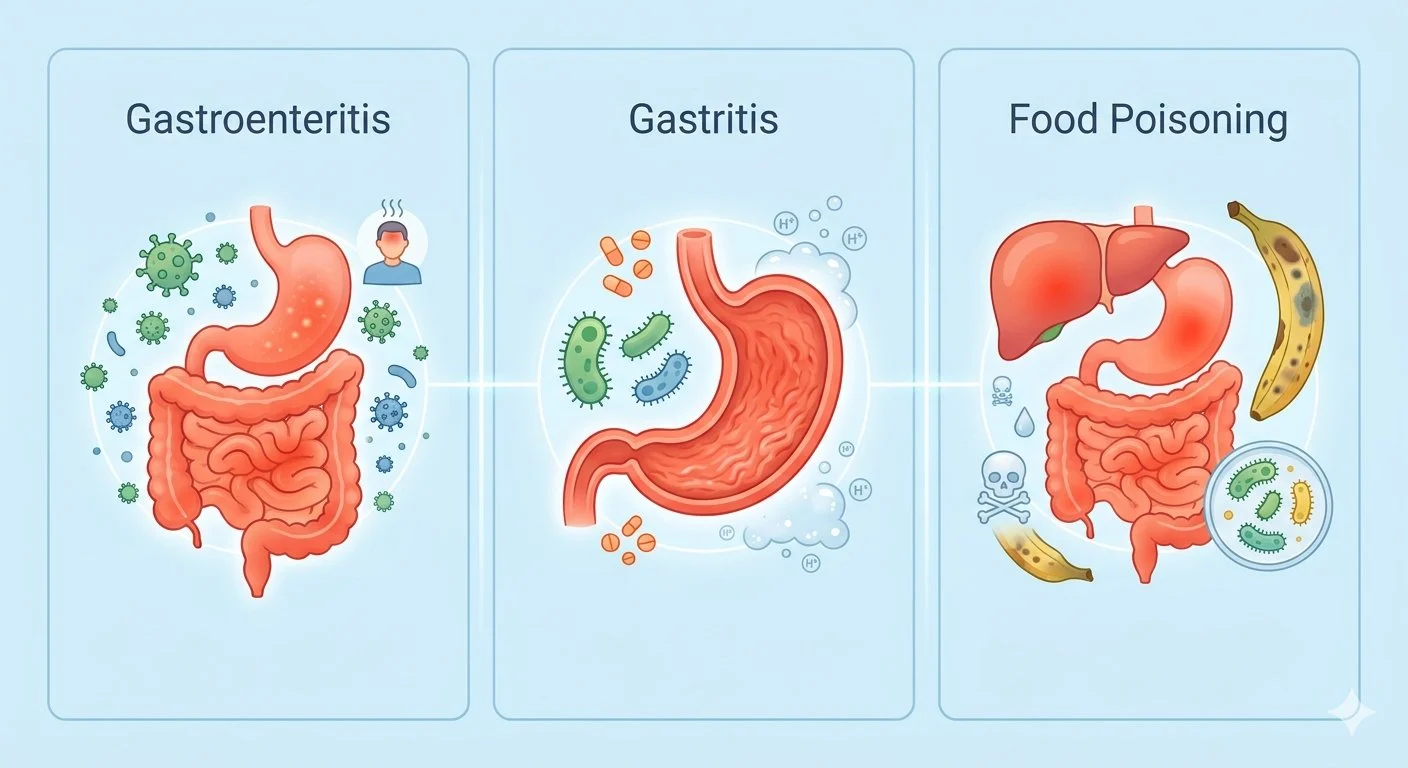
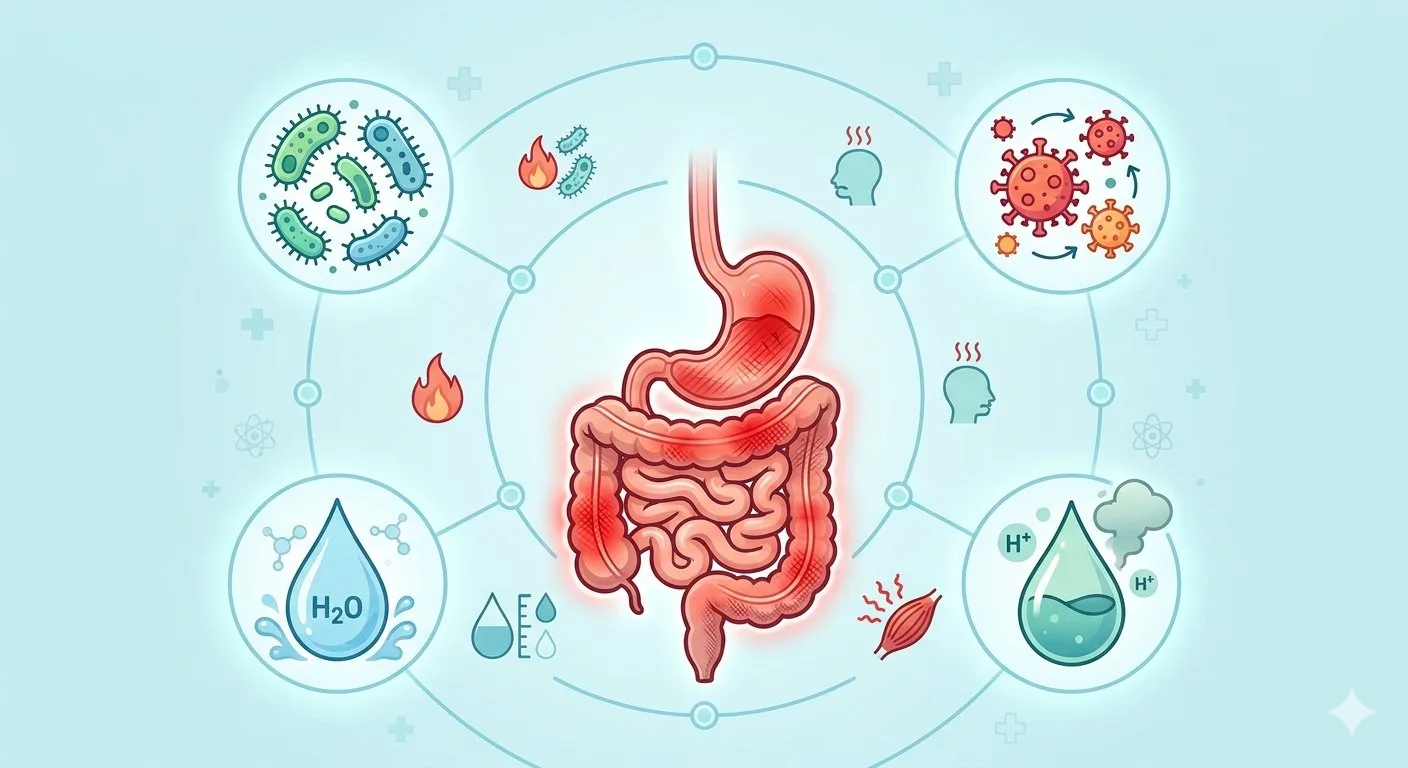
What Is Worse, GERD or Ulcer? Key Differences, Risks and Treatment-various aspects
Article author: Dr. Sagar Rajkuwar, MS-ENT 🌐 www.entspecialistinnashik.com
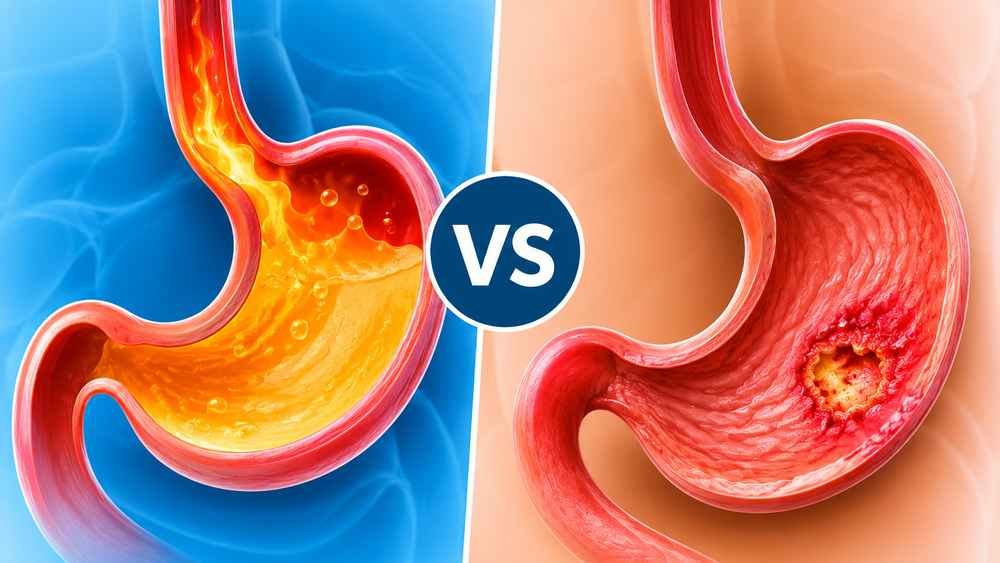
What Is Worse, GERD or Ulcer?
Neither GERD nor a peptic ulcer is always worse. An uncomplicated case of gastroesophageal reflux disease (GERD) is often manageable with lifestyle measures and medication. However, a peptic ulcer that bleeds or perforates the digestive tract can become a life-threatening emergency. On the other hand, severe or persistent GERD can cause significant inflammation, narrowing of the oesophagus and, in some people, Barrett’s oesophagus.
This article compares both conditions, explains their causes and symptoms, outlines complications, and gives practical guidance on diagnosis and treatment. It also explains when symptoms should not be assumed to be “just acidity”.
Table of Contents
GERD vs Peptic Ulcer: The Basic Difference
The most important difference is the part of the digestive tract affected. GERD involves repeated backflow of stomach contents into the oesophagus. A peptic ulcer is an actual break or sore in the lining of the stomach or the first part of the small intestine, called the duodenum.
| Feature | GERD | Peptic ulcer |
|---|---|---|
| Full name | Gastroesophageal reflux disease | Peptic ulcer disease (gastric or duodenal ulcer) |
| Main problem | Repeated reflux of stomach contents into the oesophagus | A sore in the stomach or duodenal lining |
| Typical symptom | Heartburn and sour or bitter fluid coming up into the throat or mouth | Burning or aching pain in the upper abdomen; some people have no symptoms |
| Common causes or contributors | Weak or inappropriately relaxing lower oesophageal sphincter; obesity, pregnancy, hiatal hernia and some medicines can contribute | Helicobacter pylori infection and non-steroidal anti-inflammatory drugs (NSAIDs) |
| Important complications | Oesophagitis, oesophageal stricture and Barrett’s oesophagus | Bleeding, perforation, penetration and gastric outlet obstruction |
| Key tests when indicated | Upper GI endoscopy and/or ambulatory reflux monitoring | H. pylori testing and, when appropriate, upper GI endoscopy with biopsy |
| Core treatment | Reflux-reducing lifestyle measures and acid-suppressing medicines; selected procedures for some patients | Acid suppression plus eradication of H. pylori or management of ulcer-causing medicines |
Which Condition Is More Dangerous: GERD or an Ulcer?
When a peptic ulcer is more dangerous
A peptic ulcer can damage a blood vessel and cause gastrointestinal bleeding. A deep ulcer can also create a hole in the wall of the stomach or duodenum, known as perforation. Perforation can cause leakage of digestive contents into the abdominal cavity and peritonitis, a serious infection and inflammation. These complications may require emergency endoscopy, hospital treatment or surgery. An ulcer may be particularly concerning in an older adult, someone taking NSAIDs or blood-thinning medicines, or a person with a previous ulcer or bleeding episode. Some ulcers cause few warning symptoms before a complication occurs.
When GERD is more concerning
GERD can become serious when reflux repeatedly injures the oesophageal lining. Possible complications include erosive oesophagitis, bleeding from inflamed tissue, scar-related narrowing called an oesophageal stricture, and Barrett’s oesophagus. Barrett’s oesophagus is a change in the cells lining the lower oesophagus. It increases the risk of oesophageal adenocarcinoma, although only a minority of people with Barrett’s develop this cancer. Persistent reflux can also interfere with sleep, eating, work and quality of life. Some people have throat, cough or voice symptoms, although these symptoms can have causes other than reflux.
Does more pain mean more danger?
No. Pain intensity is not a dependable measure of risk. A person with a bleeding ulcer may initially have little pain, while someone with uncomplicated reflux may experience intense burning. Similarly, sudden severe abdominal pain can indicate perforation, and chest discomfort may be cardiac rather than digestive.
What Is GERD?
Gastroesophageal reflux disease (GERD) is a long-lasting condition in which stomach contents repeatedly flow backwards into the oesophagus and cause troublesome symptoms or complications. Occasional reflux can happen to many people; GERD is more than an isolated episode of heartburn.
How does GERD develop?
The lower oesophageal sphincter (LES) is a ring of muscle at the junction of the oesophagus and stomach. It normally relaxes to allow food to enter the stomach and then closes to help prevent reflux. If it becomes weak or relaxes at inappropriate times, stomach contents can travel upwards. A hiatal hernia may contribute in some people.
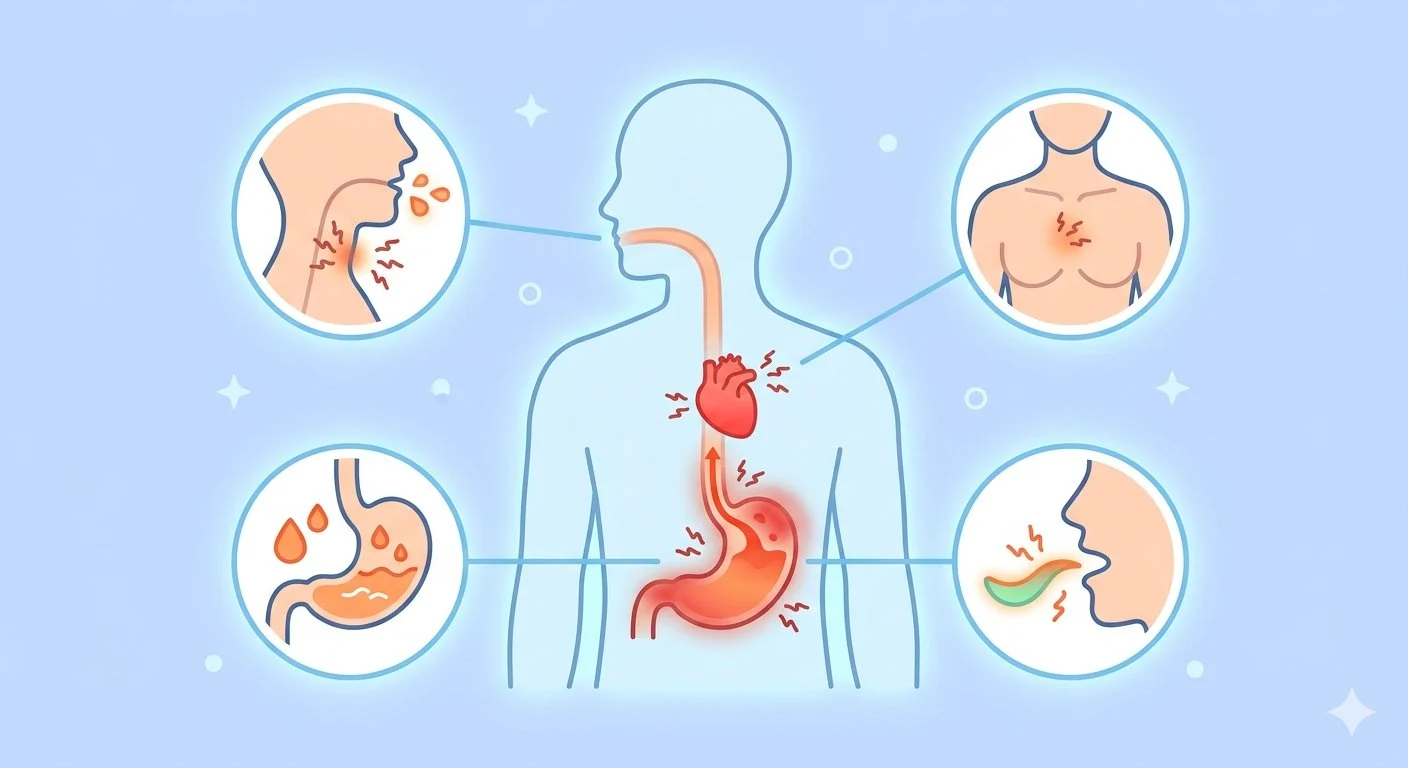
Common symptoms of GERD
- Heartburn: a burning sensation behind the breastbone, sometimes rising towards the throat.
- Regurgitation: sour or bitter fluid, or food, coming back into the throat or mouth.
- Chest discomfort, nausea or an unpleasant taste.
- Difficulty or pain with swallowing in some patients.
- Chronic cough, hoarseness or throat symptoms in selected patients; these are not specific to GERD.
Symptoms may occur after meals, when bending forward or when lying down. However, symptom patterns alone cannot reliably establish the diagnosis or rule out other conditions.
What Is a Peptic Ulcer?
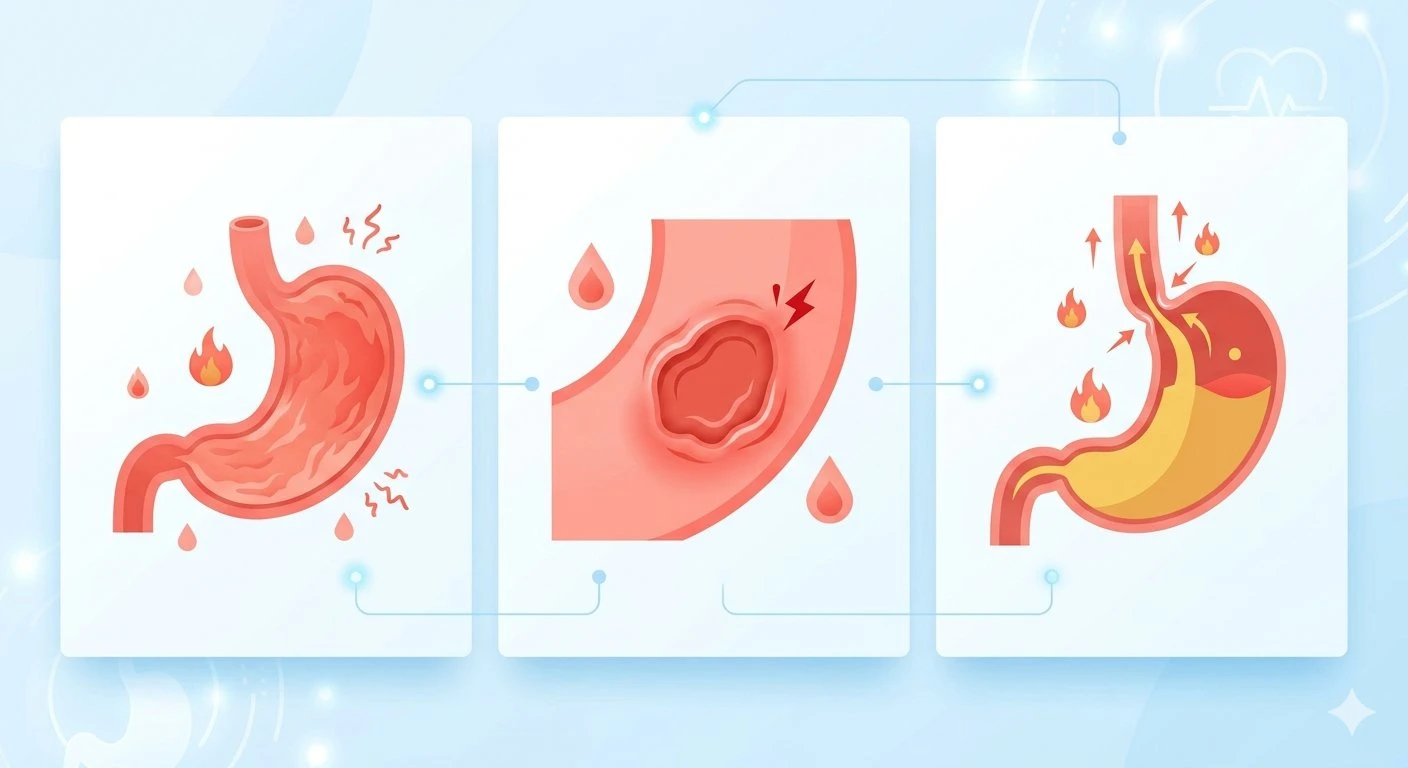
A peptic ulcer is a sore that develops in the lining of the stomach or duodenum. A stomach ulcer is called a gastric ulcer, while an ulcer in the duodenum is called a duodenal ulcer. The protective lining is damaged by the effects of acid and digestive factors.
Common symptoms of peptic ulcer disease
- Burning, gnawing or aching pain in the upper abdomen, between the breastbone and the navel.
- Pain that may occur when the stomach is empty or at night; in some people it improves briefly after eating, while in others meals worsen it.
- Bloating, belching or feeling full unusually quickly.
- Nausea and sometimes vomiting.
- No symptoms at all in some people, until a complication develops.
It is not possible to diagnose an ulcer from the location or timing of pain alone. Gastritis, functional dyspepsia, gallbladder disease, pancreatic disease and cardiac conditions can cause overlapping symptoms.
Symptoms: How Can You Tell GERD and an Ulcer Apart?
The following patterns can be useful clues, but they are not a substitute for medical evaluation. Some people have atypical symptoms or more than one digestive condition at the same time.
| Symptom pattern | More suggestive of GERD | More suggestive of peptic ulcer |
|---|---|---|
| Burning behind the breastbone | Common | Not typical, although pain can be felt high in the abdomen |
| Sour fluid rising into the throat | Characteristic symptom | Not characteristic |
| Upper abdominal burning or gnawing | Can occur, but is less specific | Common |
| Pain related to meals | May worsen after meals or lying down | May improve or worsen after food, depending on the person and ulcer location |
| Black, tarry stools or vomiting blood | Not expected; requires urgent assessment | May indicate ulcer bleeding; emergency assessment is needed |
| Difficulty swallowing | Can indicate oesophageal inflammation or narrowing and needs assessment | Not a typical direct symptom |
Why symptoms can be misleading
Acid-related symptoms overlap substantially. A person may call all upper abdominal or chest burning “acidity”, but the underlying cause may be GERD, an ulcer, gastritis, functional dyspepsia, gallstones or a heart problem. A response to an antacid also does not prove that the cause is GERD or an ulcer.
Causes and Risk Factors
Causes and contributors to GERD
- Weakness or inappropriate relaxation of the lower oesophageal sphincter.
- Overweight or obesity, which can increase pressure in the abdomen.
- Pregnancy, due to hormonal and mechanical changes.
- Hiatal hernia.
- Smoking or exposure to second-hand smoke.
- Large meals, lying down soon after eating, and individual foods or drinks that trigger symptoms.
- Some medicines can worsen reflux in certain people. Do not stop a prescribed medicine without discussing it with the prescriber.
Main causes of peptic ulcers
1. Helicobacter pylori infection
Helicobacter pylori (H. pylori) is a bacterium that can live in the stomach lining and cause chronic inflammation. It is one of the two leading causes of peptic ulcer disease. When infection is identified, an appropriate combination of medicines is used to eradicate it.
2. Non-steroidal anti-inflammatory drugs
NSAIDs such as ibuprofen, naproxen and aspirin can reduce the stomach’s protective mechanisms and increase the risk of ulcers and bleeding. Risk can be higher with prolonged use, higher doses, older age, a previous ulcer, or concurrent use of certain other medicines such as anticoagulants or corticosteroids.
3. Other factors
Smoking can impair ulcer healing and increase recurrence risk. Severe physiological illness and uncommon medical conditions can cause ulcers less often. Contrary to a common misconception, ordinary emotional stress and spicy food are not the main causes of most peptic ulcers, although stress or particular foods may worsen symptoms in some people.
Complications and Long-Term Risks
Potential complications of GERD
- Oesophagitis: inflammation of the oesophageal lining caused by reflux.
- Oesophageal ulceration or bleeding: erosive injury can occasionally lead to bleeding.
- Oesophageal stricture: scar tissue narrows the oesophagus and may cause food to stick or swallowing difficulty.
- Barrett’s oesophagus: a change in the lining cells associated with a higher risk of oesophageal adenocarcinoma.
- Extra-oesophageal symptoms: cough, hoarseness, asthma symptoms or dental enamel erosion may occur in some patients, but reflux is not always the cause.
Most people with GERD do not develop oesophageal cancer. The presence of heartburn alone does not mean a person has Barrett’s oesophagus or cancer. Decisions about endoscopy and surveillance depend on symptoms and individual risk factors.
Potential complications of peptic ulcers
1. Gastrointestinal bleeding
An ulcer may erode into a blood vessel. Bleeding can be slow and cause iron-deficiency anaemia, tiredness or breathlessness, or it can be sudden and severe. Vomiting blood or material resembling coffee grounds, and passing black tarry stools, are important warning signs.
2. Perforation
A deep ulcer can create a hole through the stomach or duodenal wall. This may cause sudden, severe, persistent abdominal pain, a rigid or very tender abdomen, and serious infection. It is a surgical emergency.
3. Penetration
An ulcer can extend into a neighbouring organ, such as the pancreas, and cause persistent or radiating pain.
4. Gastric outlet obstruction
Inflammation or scarring near the outlet of the stomach can obstruct the passage of food. Recurrent vomiting, early fullness and dehydration may occur.
Warning Signs: When to Seek Urgent Medical Care
- Vomiting fresh blood or material that looks like coffee grounds.
- Black, sticky, tar-like stools, or significant red or maroon blood in the stool.
- Sudden, severe or persistent abdominal pain, especially with a hard or very tender abdomen.
- Fainting, severe dizziness, confusion, marked weakness, cold clammy skin or a rapid heartbeat, which may indicate significant blood loss or shock.
- Chest pressure, tightness or pain—especially with breathlessness, sweating, nausea, or pain spreading to the arm, jaw, back or shoulder.
Do not assume chest pain is caused by GERD. A heart attack can resemble indigestion or heartburn. New, severe or unexplained chest pain needs urgent assessment, particularly if accompanied by breathlessness, sweating or faintness.
Arrange prompt medical review for these symptoms
- Progressive difficulty swallowing, painful swallowing, or food getting stuck.
- Unexplained weight loss or loss of appetite.
- Persistent or recurrent vomiting.
- Symptoms that continue despite appropriate treatment, frequently recur, or disturb sleep and daily activities.
- New upper abdominal symptoms in a person with a history of ulcer, gastrointestinal bleeding or regular NSAID use.
How Are GERD and Ulcers Diagnosed?
Evaluation for GERD
A clinician reviews the nature, duration and frequency of symptoms, medication history and alarm features. In adults with typical heartburn and regurgitation and no alarm symptoms, a clinician may recommend an initial time-limited treatment trial. Further testing is considered when symptoms are atypical, persistent, complicated or uncertain.
Upper gastrointestinal endoscopy
Upper GI endoscopy allows a doctor to inspect the oesophagus, stomach and duodenum. It can identify erosive oesophagitis, ulcers, strictures, Barrett’s changes and other conditions. A normal endoscopy does not exclude all GERD.
Ambulatory reflux monitoring
Ambulatory pH or pH-impedance monitoring measures reflux over time and may help confirm GERD when the diagnosis remains uncertain. The test and whether it is performed on or off acid-suppressing medicine depend on the clinical question.
Evaluation for peptic ulcer disease
H. pylori testing
A urea breath test or stool antigen test can detect active H. pylori infection. Blood antibody tests have limitations because antibodies can remain positive after an infection has cleared; they are generally not suitable for confirming eradication.
Upper GI endoscopy and biopsy
Endoscopy can directly identify a gastric or duodenal ulcer. Biopsies may be taken when appropriate, including to assess a stomach ulcer and investigate H. pylori or other pathology. Whether an ulcer requires repeat endoscopy depends on its site, appearance, cause, symptoms and clinical guidance.
Blood tests
A complete blood count and iron studies may be useful if chronic blood loss or anaemia is suspected. Other tests are selected according to symptoms and possible complications.
Treatment: How Are GERD and Ulcers Managed?
GERD treatment
Lifestyle measures
- If overweight, gradual weight reduction may improve reflux symptoms.
- Avoid lying down for about 2–3 hours after meals.
- For night-time symptoms, raise the head end of the bed using a wedge or suitable bed elevation; extra pillows alone may not provide the same effect.
- Stop smoking and avoid second-hand smoke where possible.
- Identify personal food or drink triggers rather than unnecessarily eliminating large groups of foods.
- Consider smaller meals if large meals reliably trigger symptoms.
Medicines
Antacids and alginate preparations may provide short-term relief for occasional symptoms. H2-receptor blockers reduce acid production. Proton pump inhibitors (PPIs) are more effective for healing erosive oesophagitis and are commonly used when clinically indicated. The dose and duration should be decided with a healthcare professional, especially if symptoms persist or long-term treatment is being considered.
Procedures
Selected patients with objectively confirmed reflux and persistent troublesome symptoms may be considered for anti-reflux procedures, such as fundoplication, after specialist evaluation. Procedures are not required for most people with GERD.
Peptic ulcer treatment
Eradicating H. pylori
If testing confirms H. pylori, treatment usually combines a PPI with antibiotics and, in some regimens, bismuth. The exact regimen should reflect current local antibiotic resistance patterns, allergies, previous antibiotic exposure and national guidance. Do not self-prescribe antibiotics or use leftover medicines. A key step is a test of cure after treatment. Current American College of Gastroenterology guidance recommends confirming eradication at least four weeks after completing antibiotics, using an appropriate breath, stool or biopsy-based test. PPIs are generally withheld for two weeks before the test when clinically safe, because they can cause false-negative results; the treating clinician should advise how to manage symptoms during this interval.
Managing NSAID-related ulcers
The clinician will review whether the NSAID can be stopped, reduced or replaced and whether protective treatment is needed. Do not independently stop prescribed low-dose aspirin used for prevention of heart attack or stroke, or prescribed anticoagulants. Seek medical advice promptly because the balance between bleeding and clotting risk must be individualised.
Healing and follow-up
Acid-suppressing medicines help ulcers heal. Treatment duration varies with the ulcer’s location, cause and severity. A gastric ulcer may need follow-up endoscopy in selected cases to document healing and exclude an underlying lesion. Complicated ulcers may require hospital-based endoscopic treatment, radiological intervention or surgery.
Can You Have GERD and a Stomach Ulcer at the Same Time?
Yes. GERD and peptic ulcer disease can occur in the same person because they affect different parts of the upper digestive tract and have different mechanisms. For example, someone may have reflux because of impaired lower oesophageal sphincter function and also develop a gastric ulcer associated with H. pylori or NSAID use. Having one diagnosis does not automatically explain every symptom. Persistent upper abdominal pain in a person with known GERD may need evaluation for an ulcer or another condition. Similarly, finding an ulcer does not prove that chest burning or regurgitation is caused by that ulcer.
What Should You Do If You Have Symptoms?
- Identify the symptom pattern. Note whether the main problem is burning behind the breastbone, sour regurgitation, upper abdominal pain, early fullness, vomiting or swallowing difficulty.
- Review your medicines with a clinician. Mention aspirin, ibuprofen, naproxen, steroids, anticoagulants and other prescribed medicines. Do not stop essential medicines on your own.
- Do not repeatedly self-treat unexplained symptoms. Recurrent symptoms, symptoms needing frequent over-the-counter medication, or symptoms that do not improve deserve clinical review.
- Ask whether testing is appropriate. Depending on your history, this may include H. pylori testing, blood tests, endoscopy or reflux monitoring.
- Follow the full treatment plan. Complete prescribed H. pylori therapy and arrange a test of cure when advised. Take acid-suppressing medicines as directed.
- Know the emergency signs. Blood in vomit, black tarry stools, fainting, sudden severe abdominal pain or concerning chest pain should never be ignored.
Useful Video: GERD and Peptic Ulcer Disease
For an additional educational overview, see this nursing education video discussing GERD, gastritis and peptic ulcer disease. It is a supplementary learning resource and does not replace individual medical advice. Watch: GI Disorders – GERD, Gastritis and Peptic Ulcer Disease (SimpleNursing)
Frequently Asked Questions
1. What is worse, GERD or ulcer?
Neither is always worse. A bleeding or perforated peptic ulcer can be immediately life-threatening. Severe or long-standing GERD can cause oesophagitis, strictures and Barrett’s oesophagus. The complications and the patient’s overall condition determine which is more serious.
2. Which is more painful, GERD or an ulcer?
There is no reliable rule. GERD often causes burning behind the breastbone and regurgitation. An ulcer may cause burning or gnawing upper abdominal pain. Some ulcers cause little or no pain, even when complications develop.
3. Can GERD turn into a stomach ulcer?
No. GERD does not turn into a gastric or duodenal ulcer. Reflux can injure the oesophagus and, in some cases, cause erosions or oesophageal ulceration. A peptic ulcer is a separate condition affecting the stomach or duodenum.
4. Can a person have GERD and an ulcer at the same time?
Yes. The two conditions can coexist. A person with persistent symptoms may need evaluation for more than one cause rather than assuming that all discomfort comes from a previously diagnosed condition.
5. Can an ulcer heal completely?
Most peptic ulcers heal when acid is suppressed and the cause is treated. If H. pylori is present, it should be eradicated and cure confirmed with an appropriate test. If NSAIDs contributed, the medicine plan should be reviewed.
6. Can GERD cause cancer?
Long-standing GERD can lead to Barrett’s oesophagus in some people. Barrett’s increases the risk of oesophageal adenocarcinoma, but only a minority of people with Barrett’s develop cancer. Most people with GERD do not develop oesophageal cancer.
7. When is a stomach ulcer an emergency?
Vomiting blood, coffee-ground vomit, black tarry stools, fainting, signs of shock or sudden severe persistent abdominal pain require emergency assessment. These can indicate bleeding or perforation.
8. Can painkillers cause ulcers?
Yes. NSAIDs such as ibuprofen and naproxen, and aspirin, can increase the risk of peptic ulcers and bleeding. Risk depends on dose, duration and other patient factors. Discuss safer options with a clinician rather than stopping prescribed medication independently.
9. Does spicy food cause GERD or ulcers?
Spicy food is not a leading cause of peptic ulcers. It may trigger or worsen symptoms in some people with reflux or dyspepsia. Avoid only foods that clearly worsen your own symptoms unless a clinician advises otherwise.
10. Is an ulcer more dangerous in older adults?
Older adults may have a higher risk of NSAID-related ulcer complications and may take medicines that increase bleeding risk. New symptoms, anaemia, black stools or unexplained weakness should be assessed promptly.
11. Do all people with GERD need an endoscopy?
No. Many people with typical reflux symptoms and no alarm features can initially be assessed clinically. Endoscopy is particularly important when alarm symptoms are present, complications are suspected or other risk factors make investigation appropriate.
12. How do doctors confirm that H. pylori treatment worked?
A urea breath test, stool antigen test or selected biopsy-based test can confirm eradication. Testing is generally performed at least four weeks after antibiotics are completed, with a PPI withheld for about two weeks beforehand when safe and directed by the treating clinician.
Summary
- GERD is caused by recurrent reflux of stomach contents into the oesophagus; a peptic ulcer is a sore in the stomach or duodenal lining.
- GERD commonly causes heartburn and regurgitation; ulcers often cause upper abdominal pain, but some cause no symptoms.
- H. pylori infection and NSAID use are the leading causes of peptic ulcers.
- Ulcer bleeding and perforation can be rapidly life-threatening.
- Long-standing GERD can cause oesophagitis, strictures and Barrett’s oesophagus.
- Both conditions are treatable, but treatment must address the underlying cause and complications.
- Blood in vomit, black stools, fainting, sudden severe abdominal pain or concerning chest pain require urgent medical attention.
Conclusion: GERD or Ulcer—Which Should You Worry About More?
The answer to what is worse, GERD or ulcer depends on the clinical situation. A mild, controlled case of GERD may cause recurring discomfort without serious injury, whereas an ulcer that bleeds or perforates can become an emergency. However, severe GERD should not be neglected because ongoing reflux can injure the oesophagus and lead to complications. The safest approach is to identify the actual diagnosis, look for warning signs, treat the cause and complete the recommended follow-up. Do not rely only on symptom intensity or repeated use of acidity medicines to decide whether a condition is harmless.
Medical Disclaimer
This article is intended for general health education and does not replace consultation, examination or treatment by a qualified healthcare professional. Symptoms of GERD, peptic ulcer disease and heart conditions can overlap. Seek emergency care for vomiting blood, black tarry stools, fainting, sudden severe abdominal pain or possible cardiac chest pain. Medication choices, investigations and treatment duration must be individualised. Do not stop prescribed aspirin, anticoagulants or other essential medicines without medical advice. Medical review: This article should be reviewed by a qualified gastroenterologist or physician before publication if a named medical reviewer is to be credited. Do not add a reviewer’s name or credentials unless that person has actually reviewed and approved the content.
References and Further Reading
- National Institute of Diabetes and Digestive and Kidney Diseases (NIDDK): Acid Reflux (GER and GERD) in Adults.
- NIDDK: Symptoms and Causes of GER and GERD.
- NIDDK: Treatment for GER and GERD.
- NIDDK: Peptic Ulcers (Stomach or Duodenal Ulcers).
- NIDDK: Symptoms and Causes of Peptic Ulcers.
- NIDDK: Diagnosis of Peptic Ulcers.
- NIDDK: Treatment for Peptic Ulcers.
- NHS: Stomach Ulcer.
- American College of Gastroenterology: Clinical Guideline for the Diagnosis and Management of GERD.
- American College of Gastroenterology: Guideline on Treatment of Helicobacter pylori Infection.
- American Society for Gastrointestinal Endoscopy: GERD Diagnosis and Management Guideline.
📲 For Health-Related Articles & Videos
🔹 Facebook: https://www.facebook.com/positivemind.healthcare