Gastroenteritis vs Gastritis vs Food Poisoning: How Are They Different?-various aspects
Article author: Dr. Sagar Rajkuwar, MS-ENT 🌐 www.entspecialistinnashik.com
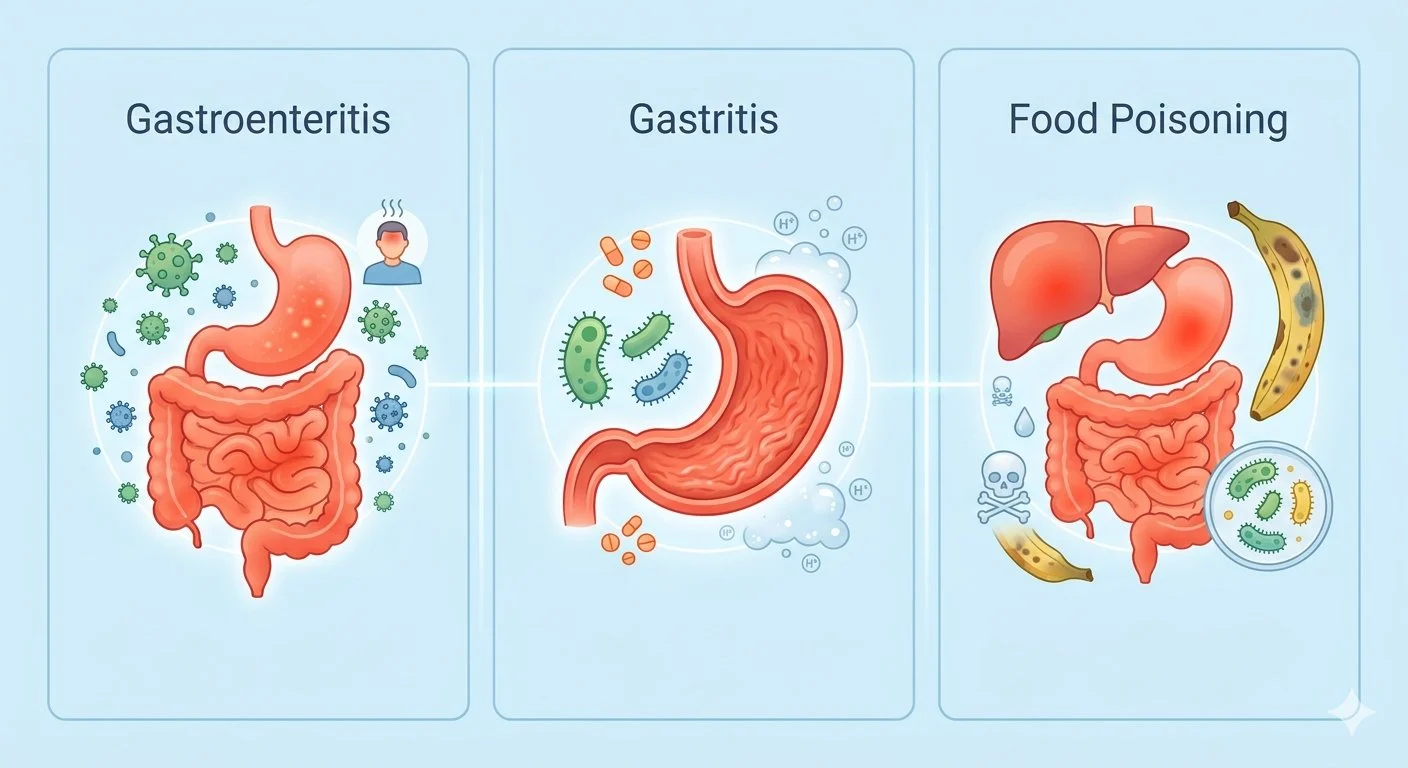
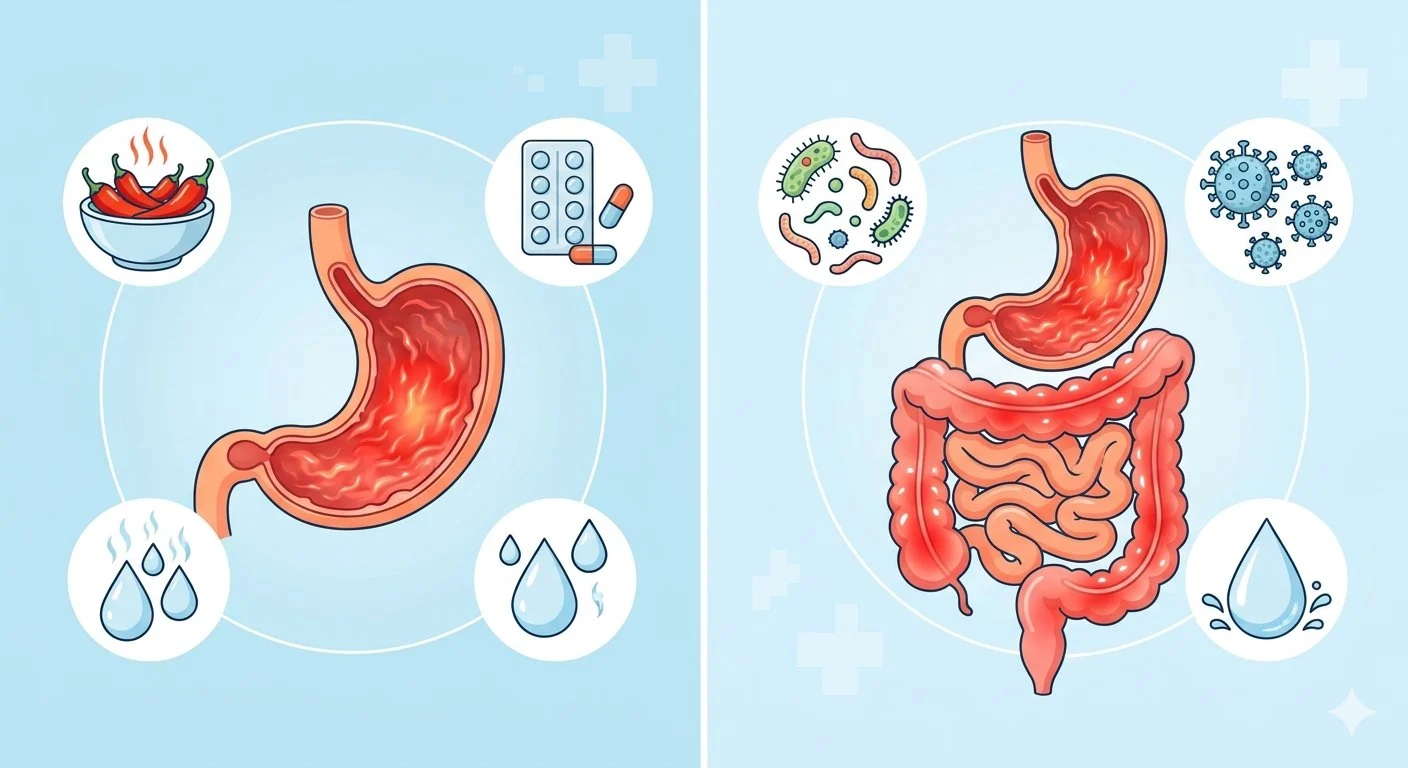
Gastroenteritis vs gastritis vs food poisoning: quick comparison
Use this table as a starting point, not as a self-diagnosis tool. A person’s age, medical history, medication use, exposure history and severity of symptoms can change the likely diagnosis.| Feature | Gastritis | Gastroenteritis | Food poisoning |
|---|---|---|---|
| What the term means | Inflammation of the stomach lining | Illness involving the stomach and intestines | Illness acquired from contaminated food or drink |
| Common causes | H. pylori, NSAIDs, alcohol, autoimmune disease and other causes | Viruses, bacteria, parasites and sometimes non-infectious causes | Bacteria, viruses, parasites, toxins or harmful chemicals in food/drink |
| Typical symptoms | Upper abdominal discomfort, indigestion, nausea, early fullness; may have no symptoms | Diarrhoea, vomiting, cramps, nausea and sometimes fever | Diarrhoea, vomiting, cramps, nausea and sometimes fever |
| Diarrhoea | Not a defining feature | Common | Common in many types, but pattern varies by cause |
| Typical onset | May be gradual, recurrent or silent | Often sudden in acute infection | Minutes or hours to days or longer, depending on the cause |
| How it spreads/occurs | Not usually spread person to person as a syndrome | May spread through contact, contaminated food, water or surfaces | Exposure to contaminated food or drink |
| Main immediate concern | Underlying cause, ulceration or bleeding in some cases | Dehydration and, less commonly, invasive infection | Dehydration; selected pathogens can cause serious complications |
1. What is gastritis?
Gastritis means inflammation of the gastric mucosa, the lining that protects the stomach. It may be acute or chronic. Importantly, many people with gastritis have no symptoms, and symptoms such as indigestion do not by themselves prove that gastritis is present.Common causes of gastritis
- Helicobacter pylori (H. pylori): a bacterium that can cause chronic gastritis and is associated with peptic ulcer disease.
- Non-steroidal anti-inflammatory drugs (NSAIDs): medicines such as ibuprofen and naproxen can damage the stomach’s protective mechanisms. Aspirin may also contribute.
- Alcohol: heavy alcohol exposure can irritate and injure the stomach lining.
- Autoimmune gastritis: the immune system attacks cells in the stomach lining; this can affect absorption of vitamin B12 and iron.
- Other causes include bile reflux, severe physical illness and selected infections, especially in people with weakened immune systems.
Symptoms of gastritis
When symptoms occur, they may include upper abdominal pain or burning, nausea, vomiting, loss of appetite, feeling full soon after starting a meal or uncomfortable fullness after eating. Some people have recurrent symptoms, while others have no symptoms at all.What gastritis usually does not explain
Frequent watery diarrhoea is not a defining feature of gastritis. If a person with a history of gastritis suddenly develops diarrhoea, vomiting and cramps, another cause—such as gastroenteritis or food poisoning—should be considered rather than attributing every symptom to gastritis.Clinical point
Gastritis is not synonymous with “acidity.” Reflux, functional dyspepsia, peptic ulcer disease and other conditions can produce similar symptoms. Persistent or alarm symptoms deserve assessment.2. What is gastroenteritis?
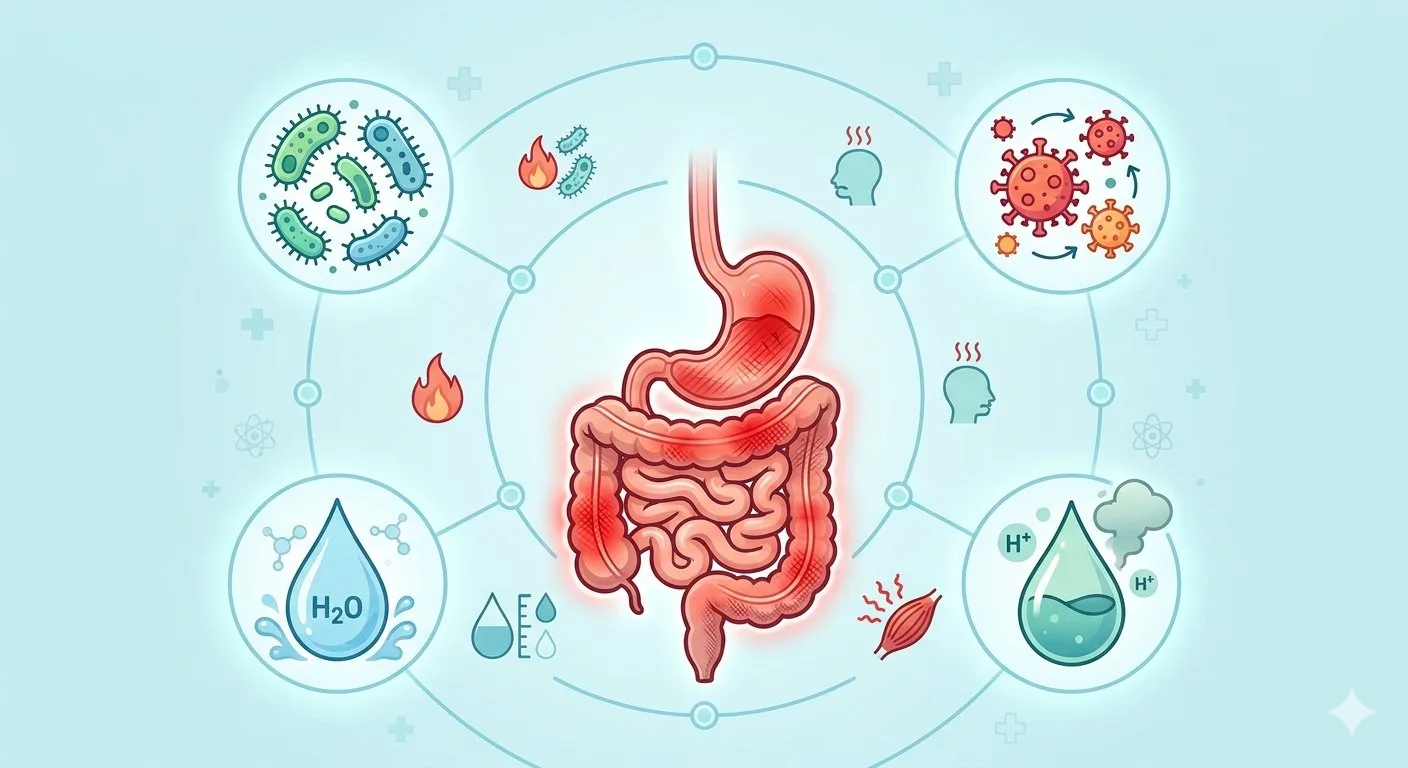
Gastroenteritis is an illness involving the stomach and intestines. Acute infectious gastroenteritis commonly causes diarrhoea, vomiting, abdominal cramps and nausea. Fever, headache and body aches may also occur, depending on the organism.Causes of gastroenteritis
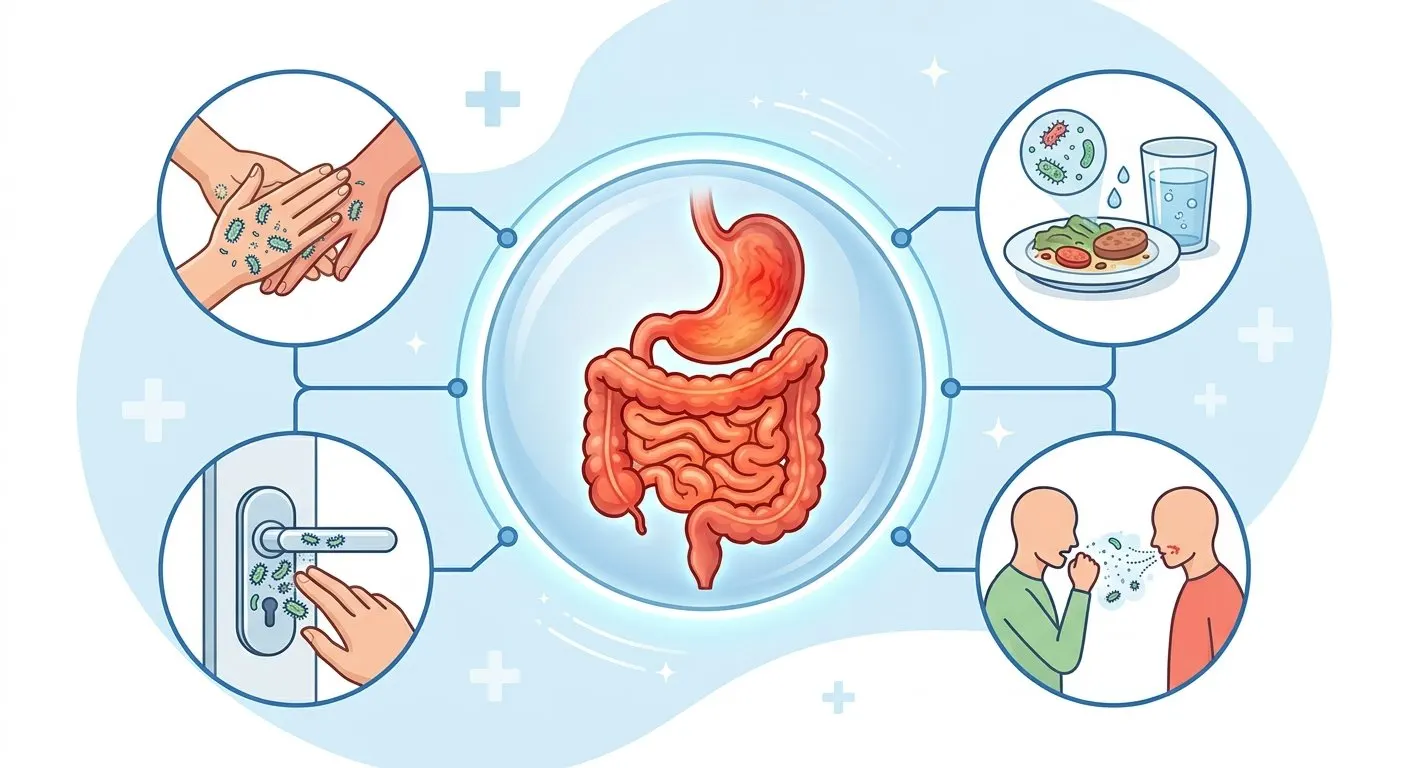
- Viruses: norovirus and rotavirus are important causes. Viral illness can spread through contaminated food or water, close contact with an infected person, or contaminated surfaces.
- Bacteria: examples include Salmonella, Campylobacter, Shigella and certain strains of E. coli.
- Parasites: organisms such as Giardia and Cryptosporidium can cause diarrhoeal illness, sometimes lasting longer.
- Some non-infectious conditions and medicines can also cause diarrhoea and vomiting, so not every episode is an infection.
Typical symptoms of gastroenteritis
Symptoms often include loose or watery stools, nausea, vomiting, abdominal cramps and sometimes fever. The pattern varies. A person may have diarrhoea without vomiting, or vomiting may be the dominant early symptom.Why dehydration matters
Repeated watery stools and vomiting remove water and essential salts from the body. Dehydration is the main complication to watch for, particularly in infants, older adults and people with chronic illnesses. Reduced urination, dry mouth, dizziness on standing and unusual tiredness are warning clues.3. What is food poisoning?
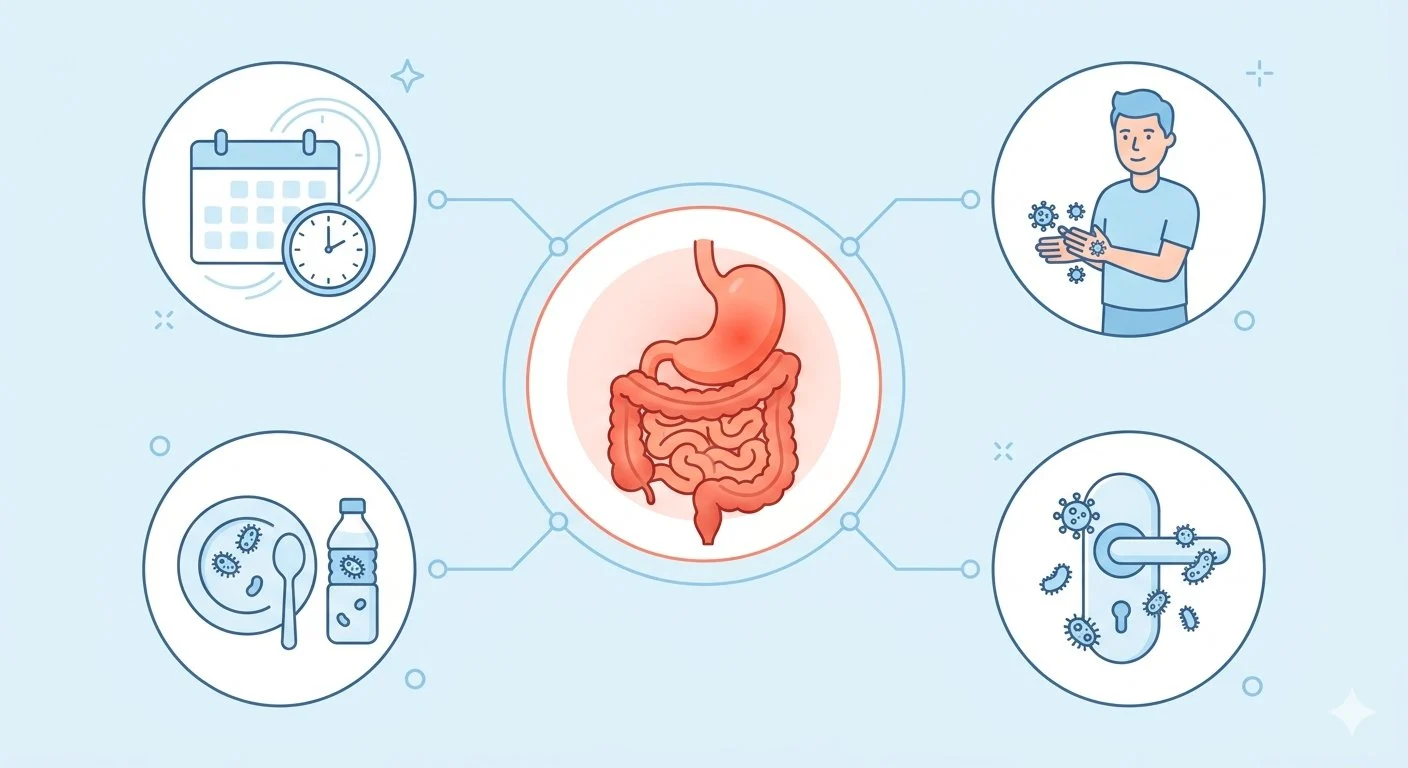
Food poisoning, also called foodborne illness, occurs after consuming food or drink contaminated with harmful microorganisms, their toxins, or certain chemicals. Contamination may happen during production, transport, storage, preparation or serving. Poor refrigeration, inadequate cooking, unsafe water and cross-contamination can all contribute.Common causes of food poisoning
- Salmonella: can be associated with undercooked poultry, eggs, meat, unpasteurised products and contaminated produce.
- Campylobacter: commonly associated with raw or undercooked poultry, unpasteurised milk and contaminated water.
- Shiga toxin-producing E. coli (STEC): may be associated with undercooked ground meat, raw milk, contaminated produce and water. Some infections can cause serious kidney complications.
- Norovirus: can spread through contaminated food, water, surfaces and infected people. It is a frequent cause of outbreaks.
- Preformed bacterial toxins: toxins produced in food can cause rapid-onset vomiting or diarrhoea, depending on the organism and toxin.
- Parasites: some can be transmitted through contaminated water or food and may cause prolonged diarrhoea.
Food poisoning does not always mean the last meal was responsible
This is an important point. Some toxins cause symptoms within a few hours, but infections such as Campylobacter or certain E. coli infections may take several days to produce symptoms. A person who becomes ill after lunch may have been exposed at an earlier meal, through water, or through contact with an infected person. The most recent food is not automatically the source.Food poisoning can cause gastroenteritis
When contaminated food causes inflammation or infection of the stomach and intestines, the resulting illness may be described as foodborne gastroenteritis. However, gastroenteritis can also be acquired in other ways, including person-to-person spread. This is why the terms are related but not interchangeable.4. Symptoms: clues that help distinguish gastritis, gastroenteritis and food poisoning
Symptoms can guide the next step, but no single symptom reliably identifies the organism or proves the diagnosis. The comparison below highlights common patterns.| Symptom or clue | Gastritis | Gastroenteritis | Food poisoning |
|---|---|---|---|
| Upper abdominal burning or indigestion | Common possible feature | Can occur, but not specific | Can occur |
| Watery diarrhoea | Not typical | Common | Common in many causes |
| Repeated vomiting | Possible | Common in some infections | Common in some foodborne illnesses |
| Fever | Not a typical feature of uncomplicated gastritis | May occur | May occur |
| Several people ill after a shared meal | Does not usually explain a cluster | Possible if foodborne or contagious | Important clue for a possible foodborne outbreak |
| Symptoms recurring over weeks | May occur and needs evaluation | Less typical for a single acute episode | Less typical for a single acute episode; consider other causes or persistent infection |
Three practical examples
Example 1: Upper abdominal burning after meals for several weeks. This pattern may prompt evaluation for gastritis, reflux, peptic ulcer disease or functional dyspepsia. It is not enough to diagnose gastritis without considering other causes. Example 2: Sudden watery diarrhoea, vomiting and cramps. This pattern is more consistent with acute gastroenteritis. A virus, foodborne infection or another cause may be responsible. Example 3: Three people develop vomiting and diarrhoea after a shared gathering. A common food or water exposure raises suspicion of food poisoning or a foodborne outbreak. It does not identify the specific organism; public-health or clinical assessment may be appropriate, especially if symptoms are severe.Do not rely on stool colour alone
Green or yellow stool can occur during rapid intestinal transit and is not enough to identify a particular infection. Blood in stool, black tarry stool, or pale stool with other concerning symptoms needs medical evaluation. Stool appearance alone cannot reliably distinguish all three conditions.5. How soon do symptoms begin? Understanding incubation periods
The time between exposure and symptoms is called the incubation period. In food poisoning, this varies widely according to the germ or toxin. Timing can provide a clue during an outbreak investigation, but it cannot establish the diagnosis by itself.| Example cause | Typical time to symptom onset reported by CDC | Common pattern or exposure |
|---|---|---|
| Staphylococcus aureus toxin | About 30 minutes to 8 hours | Rapid nausea, vomiting and cramps; food handled and not adequately cooked again |
| Clostridium perfringens | About 6 to 24 hours | Diarrhoea and cramps; meat, poultry or gravy held at unsafe temperatures |
| Norovirus | About 12 to 48 hours | Vomiting, diarrhoea and cramps; food, surfaces or person-to-person spread |
| Salmonella | About 6 hours to 6 days | Diarrhoea, fever and cramps; poultry, eggs and other contaminated foods |
| Campylobacter | About 2 to 5 days | Diarrhoea, sometimes bloody, and fever; often poultry or contaminated water |
| Shiga toxin-producing E. coli | About 3 to 4 days | Severe cramps and diarrhoea, which may be bloody |
Does gastritis have an incubation period?
Gastritis is not usually a single short-incubation foodborne illness. It may develop in association with H. pylori, medication exposure, autoimmune disease or other causes. Symptoms may be absent, gradual, recurrent or acute depending on the cause.6. Can gastritis, gastroenteritis and food poisoning overlap?
Yes. A person can have pre-existing gastritis and then develop gastroenteritis from a separate infection. Food poisoning may be the cause of that acute gastroenteritis. The person may therefore have all three terms relevant to the clinical picture, but they describe different aspects of it. For example, someone with known H. pylori gastritis eats food contaminated with norovirus and develops vomiting, diarrhoea and cramps. The chronic stomach condition and acute foodborne infection may coexist. The infection does not prove that it caused the pre-existing gastritis.When symptoms overlap, what matters most?
- How suddenly symptoms began and how they have progressed
- Whether diarrhoea is present, and whether it is watery, bloody or persistent
- Whether other people who shared food or water are also unwell
- Recent travel, unsafe water exposure, sick contacts or an outbreak
- Recent antibiotics, hospitalisation and current medicines
- Age, pregnancy, immune status and underlying medical conditions
- Signs of dehydration, bleeding or severe abdominal disease
7. How do doctors diagnose the cause?
There is no universal test that distinguishes all three conditions. A clinician combines the symptom history, physical examination, risk factors and selected investigations. Mild, short-lived diarrhoeal illness often does not require laboratory testing, while severe or unusual cases may need further work-up.Evaluation for gastritis
Depending on the presentation, testing may include a urea breath test or stool antigen test for H. pylori. Blood tests may assess anaemia or other complications. Upper gastrointestinal endoscopy with biopsy may be considered for persistent symptoms, suspected bleeding, alarm features or diagnostic uncertainty.Evaluation for gastroenteritis or food poisoning
Most uncomplicated cases are assessed clinically. A stool culture or molecular stool test may be considered when there is bloody or mucoid diarrhoea, fever with severe cramps or tenderness, suspected sepsis, prolonged symptoms, immune suppression or a possible outbreak. Blood tests may be needed to assess dehydration, kidney function, electrolyte disturbance or systemic illness.Why doctors may ask what you ate over several days
Because incubation periods differ, a food history covering only the last meal can be misleading. The clinician may ask about meals, drinking water, restaurants, gatherings, travel, household illness and animal contact over the preceding days or longer. If multiple people are affected, this information may help public-health teams identify a shared exposure.Important diagnostic caution
A positive stool test identifies a pathogen or its genetic material, but it must still be interpreted with the clinical picture. Conversely, a negative test does not rule out every infectious cause. Testing is selected according to severity and clinical need.8. Treatment: what should you do?
The correct treatment depends on the cause. Hydration is central for diarrhoea and vomiting, whereas gastritis treatment focuses on its underlying cause. There is no single tablet that treats gastritis, gastroenteritis and every type of food poisoning.A. What to do for gastroenteritis and food poisoning
1. Replace fluids and salts with ORS
Oral rehydration solution (ORS) replaces water and electrolytes lost through diarrhoea and vomiting. Use a commercial ORS sachet and mix it with exactly the volume of safe water written on the packet. Do not make it more concentrated or dilute than directed. If nausea is present, try frequent small sips. Severe dehydration or inability to drink may require urgent medical care and intravenous fluids.2. Eat as tolerated
When appetite returns, most people can gradually resume their usual diet. Small portions may be easier initially. Fasting is generally not recommended as a treatment for routine viral gastroenteritis. Some people temporarily tolerate bland foods better, but a highly restrictive diet is not necessary for everyone.3. Be careful with anti-diarrhoeal medicines
Medicines such as loperamide may be unsuitable when there is fever, blood in the stool or suspected inflammatory diarrhoea. Children should not be given anti-diarrhoeal medicines unless specifically advised by a qualified clinician. Ask a doctor or pharmacist before using these medicines, particularly if symptoms are severe or the diagnosis is uncertain.4. Antibiotics are not routinely required
Many cases are viral or resolve without antibiotics. Antibiotics do not treat viruses and can cause side effects or contribute to resistance. Some bacterial or parasitic infections need specific treatment, but the decision depends on the organism, clinical severity and patient risk factors. Certain infections, including suspected Shiga toxin-producing E. coli, require particular caution because antibiotics may increase the risk of complications.B. What to do for gastritis
Treatment depends on the cause. If H. pylori is confirmed, a clinician prescribes a combination regimen, commonly involving multiple medicines, including antibiotics and an acid-suppressing drug; bismuth may be included. The regimen should reflect allergies, previous antibiotic exposure and local resistance patterns. If NSAIDs are contributing, the clinician may review the need for the medicine, dose and safer alternatives. Do not stop prescribed aspirin, antiplatelet medicines or anticoagulants on your own. A proton pump inhibitor (PPI) may be appropriate for selected patients, but it is not a treatment for the infectious cause of most gastroenteritis.C. What not to do
- Do not start antibiotics simply because diarrhoea began after a meal.
- Do not take leftover antibiotics or someone else’s prescription.
- Do not use NSAIDs casually when stomach irritation, ulceration or bleeding is possible.
- Do not stop essential prescribed medicines without medical advice.
- Do not rely on home remedies if there is blood, severe pain, persistent vomiting or dehydration.
9. When should you seek medical care?
Seek prompt medical advice for severe or persistent symptoms. Seek urgent assessment if any of the following occur:- Blood in vomit or vomit that looks like coffee grounds
- Black, tarry stools or visible blood in the stool
- Severe, worsening or localised abdominal pain or marked tenderness
- Repeated vomiting and inability to keep fluids down
- Very little urine, very dark urine, fainting or severe dizziness
- Confusion, collapse, unusual drowsiness or profound weakness
- High fever, bloody diarrhoea or a rapidly worsening condition
- Neurological symptoms such as blurred or double vision, difficulty swallowing, slurred speech or progressive muscle weakness after a suspected food exposure
People who should seek advice earlier
Infants and young children, older adults, pregnant people, people with weakened immune systems and people with significant chronic illness may develop complications more easily. A lower threshold for assessment is appropriate.Dehydration warning signs
Look for dry mouth, intense thirst, reduced urination, dark urine, dizziness on standing, sunken eyes and unusual tiredness. In babies, fewer wet nappies, absent tears, dry mouth or unusual sleepiness are concerning. Severe dehydration is a medical emergency.10. Prevention and recovery
Prevent foodborne illness
- Wash hands with soap and safe running water before preparing or eating food and after using the toilet.
- Keep raw meat, poultry and seafood separate from cooked or ready-to-eat food.
- Cook food thoroughly and use safe drinking water.
- Refrigerate perishable foods promptly; do not leave cooked food at room temperature for prolonged periods.
- Wash fruits and vegetables using safe water and maintain clean preparation surfaces.
- Avoid unpasteurised milk and products made from it, and avoid raw or undercooked high-risk foods.
- During vomiting or diarrhoea, avoid preparing food for others. Follow local public-health or workplace guidance before returning to food handling.
Prevent person-to-person gastroenteritis
Wash hands carefully after changing nappies or cleaning vomit or diarrhoea. Clean and disinfect contaminated surfaces using an appropriate product according to its label. Do not share towels, and take extra care in households, schools, hospitals and food-service settings. Handwashing with soap and water is particularly important for norovirus control.Reduce gastritis-related risk
Use NSAIDs only when appropriate and as directed. Discuss repeated use with a clinician, especially if you have a history of ulcer disease or take medicines that increase bleeding risk. Seek evaluation for persistent upper abdominal symptoms and follow prescribed treatment for confirmed H. pylori.How long does recovery take?
Many uncomplicated acute gastroenteritis and foodborne illnesses improve over several days, but the duration depends on the organism and the person’s health. Some infections last longer and may require testing or specific treatment. Gastritis may improve when its cause is addressed, but chronic H. pylori-associated or autoimmune gastritis needs appropriate evaluation and follow-up.11. A simple decision guide: what should you consider first?
This guide is for orientation only. It cannot replace examination or testing.- Mainly recurrent upper abdominal burning, indigestion or early fullness? Arrange a clinical review for possible gastritis, reflux, ulcer disease or another upper digestive condition.
- Sudden diarrhoea with vomiting and cramps? Acute gastroenteritis is one possibility. Focus on ORS and monitor for dehydration.
- Several people became ill after sharing food or water? Foodborne illness becomes more likely. Record the foods, dates, venue and when each person became unwell.
- Blood, severe pain, high fever, inability to drink, fainting or confusion? Seek urgent medical assessment rather than trying to identify the cause at home.
Frequently Asked Questions
1. Is food poisoning the same as gastroenteritis?
No. Food poisoning describes an illness acquired from contaminated food or drink. Gastroenteritis describes an illness involving the stomach and intestines. Food poisoning can cause gastroenteritis, but gastroenteritis can also spread through infected people, contaminated water or surfaces.2. What is the main difference between gastroenteritis vs gastritis vs food poisoning?
Gastritis is inflammation of the stomach lining. Gastroenteritis is an illness involving the stomach and intestines, often with diarrhoea and vomiting. Food poisoning is illness from contaminated food or drink and may cause gastroenteritis-like symptoms.3. Which condition causes diarrhoea?
Diarrhoea is common in gastroenteritis and many forms of food poisoning. It is not a defining symptom of gastritis. If a person with gastritis develops new diarrhoea, another cause should be considered.4. Which condition causes upper abdominal burning?
Upper abdominal burning or discomfort can occur with gastritis, but it can also occur with reflux, peptic ulcer disease, functional dyspepsia and other conditions. It is not specific enough to confirm gastritis.5. How soon after eating does food poisoning start?
It depends on the organism or toxin. Some toxin-mediated illnesses begin within hours, while infections such as Salmonella, Campylobacter or certain E. coli infections may take days. The last food eaten is not necessarily responsible.6. Can gastroenteritis occur without food poisoning?
Yes. Gastroenteritis can spread through person-to-person contact, contaminated surfaces or water, as well as through food. A viral infection acquired from an infected household member is one example.7. Can gastritis and food poisoning happen at the same time?
Yes. Someone with pre-existing gastritis can develop food poisoning. The foodborne illness may cause acute diarrhoea, vomiting and cramps while the underlying gastritis remains a separate condition.8. Do I need antibiotics for food poisoning?
Not usually. Many foodborne illnesses are viral or resolve without antibiotics. Antibiotics are appropriate only for selected infections and patients. A clinician should guide testing and treatment, particularly when diarrhoea is bloody or severe.9. What is the best drink for diarrhoea and vomiting?
Correctly prepared ORS is useful because it replaces water and electrolytes. Mix the sachet with exactly the amount of water stated on the packet and take small, frequent sips if nauseated. Seek care if fluids cannot be kept down or urine becomes very low.10. Can food poisoning cause gastritis?
Food poisoning can cause stomach and intestinal symptoms, including vomiting and upper abdominal discomfort. These symptoms do not automatically establish a separate diagnosis of gastritis. Persistent upper abdominal symptoms should be evaluated independently.11. When should I see a doctor for suspected food poisoning?
Seek medical advice for bloody diarrhoea, diarrhoea lasting more than three days, high fever, frequent vomiting, dehydration or severe abdominal pain. Seek urgent care for fainting, confusion, inability to drink or signs of severe dehydration.12. Can I take an antacid for all three conditions?
No. An antacid may temporarily relieve some acid-related upper abdominal symptoms, but it does not treat intestinal infection or remove a foodborne toxin. Persistent or severe symptoms need assessment rather than repeated self-treatment.Summary
- Gastritis is inflammation of the stomach lining; it may cause upper abdominal discomfort or no symptoms at all.
- Gastroenteritis is an illness involving the stomach and intestines, commonly causing diarrhoea, vomiting and cramps.
- Food poisoning is an illness acquired through contaminated food or drink and can cause gastroenteritis.
- Food poisoning and gastroenteritis are related but not synonymous: gastroenteritis can spread by routes other than food.
- Onset timing varies widely. The last meal eaten is not necessarily the source.
- ORS and hydration are important during vomiting and diarrhoea. Antibiotics are not routinely needed.
- Blood, black stools, severe pain, persistent vomiting, fainting or dehydration require medical attention.
Conclusion
Understanding gastroenteritis vs gastritis vs food poisoning starts with recognising that the terms describe different things. Gastritis refers to inflammation of the stomach lining. Gastroenteritis describes an illness affecting the stomach and intestines. Food poisoning identifies illness acquired from contaminated food or drink and may be one cause of gastroenteritis. Because symptoms overlap, especially nausea, vomiting and abdominal pain, a diagnosis should not be made from symptoms alone. Pay attention to diarrhoea, timing, shared exposures, medication history and warning signs. Use correctly prepared ORS when appropriate, avoid unnecessary antibiotics, and seek medical assessment for severe, persistent or concerning symptoms.Related educational video
For further patient education about foodborne illness and prevention, visit the CDC food safety video and education resources: CDC Food Safety – foodborne illness information and resources. Editorial note: Insert a specific, verified YouTube video from a recognised public-health or medical institution if your website requires a YouTube embed. Do not embed an unrelated or unverified video.Medical disclaimer
This article is for general educational purposes and is not a substitute for individual medical advice, diagnosis or treatment. Gastrointestinal symptoms may have causes other than gastritis, gastroenteritis or food poisoning. Do not start, stop or change prescription medicines, antibiotics, aspirin, antiplatelet medicines or anticoagulants based only on this article. Seek urgent medical care for gastrointestinal bleeding, severe abdominal pain, inability to keep fluids down, fainting, confusion or severe dehydration.References and further reading
- National Institute of Diabetes and Digestive and Kidney Diseases (NIDDK): Gastritis & Gastropathy.
- NIDDK: Symptoms and Causes of Gastritis and Gastropathy.
- NIDDK: Diagnosis of Gastritis and Gastropathy.
- NIDDK: Treatment of Gastritis and Gastropathy.
- NIDDK: Viral Gastroenteritis.
- NIDDK: Food Poisoning.
- NIDDK: Symptoms and Causes of Food Poisoning.
- US Centers for Disease Control and Prevention (CDC): Food Poisoning Symptoms.
- CDC: What to Do if You Think You Have Food Poisoning.
- Infectious Diseases Society of America: Clinical Practice Guidelines for Infectious Diarrhea.
- NHS: Diarrhoea and Vomiting.
- India: Integrated Disease Surveillance Programme, Ministry of Health and Family Welfare.
📲 For Health-Related Articles & Videos
🔹 Facebook: https://www.facebook.com/positivemind.healthcare🔹 YouTube: http://www.youtube.com/@healthuseful8539/
ENT Consultation & Surgery
Dr. Sagar Rajkuwar (MS-ENT) Consultant ENT Specialist & Head-Neck SurgeonPrabha ENT Clinic, Ambad, Nashik, Maharashtra, India